Jump to Recipe
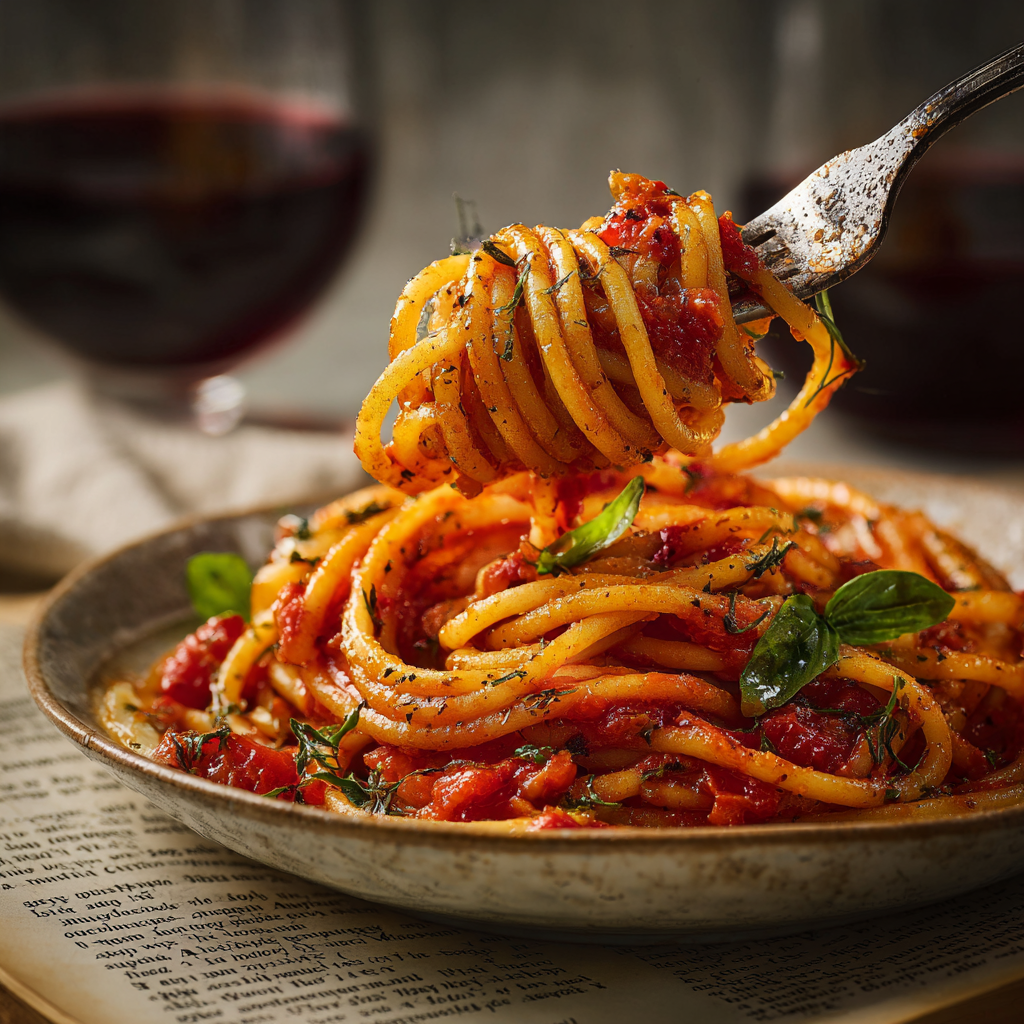
There’s a quiet moment just before you sit down to eat, when the steam rises from the bowl and the rich scent of garlic and tomatoes fills the air. It’s in this moment that the right glass of wine can turn a simple meal into a memorable experience.
In the tradition of Italian food, wine is more than just a drink. It plays an active role in your meal. The alcohol in wine works to dissolve the fats in your sauce, like olive oil or butter. This process unlocks deeper flavors, making each ingredient taste more vibrant.
This guide is built on a simple, reliable idea. When pairing wine with pasta, focus on the sauce. The pasta itself is a neutral base. The magic happens in the sauce, and your wine choice should complement it.
You don’t need special training to make great pairings. It’s about understanding a few key patterns that home cooks in Italy have used for generations. We’ll explore how different wines work with tomato sauces, creamy bases, seafood, vegetables, and pesto.
Key Takeaways
- Wine actively enhances pasta dishes by interacting with the fats in the sauce.
- The sauce, not the pasta shape, is the most important factor for a successful pairing.
- Understanding a few core pairing principles can elevate your everyday meals.
- This guide provides practical strategies based on sauce type and tradition.
- Authentic pairings rely on simple, time-tested patterns, not expensive bottles.
Uncovering the Magic of Italian Wine and Pasta Pairings
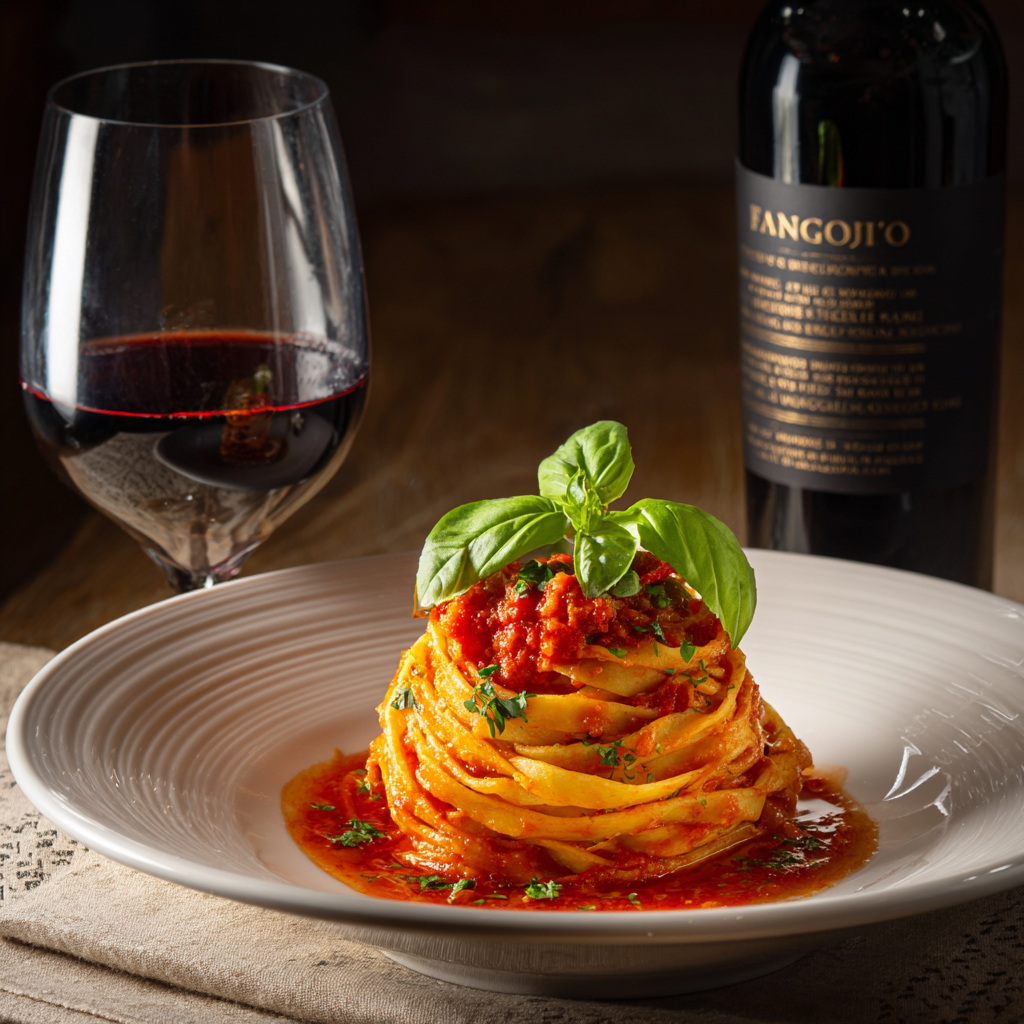
There’s a practical science behind why certain wines make pasta dishes taste better. The interaction goes beyond simple tradition.
Why Wine Enhances the Pasta Experience
Wine acts as a flavor catalyst. The alcohol content works to break down fats in sauces. This includes olive oil, butter, and cream bases.
When these fat molecules dissolve, aromatic compounds are released. Your palate can detect more subtle flavors. Each ingredient in your sauce becomes more distinct.
This process doesn’t change your recipe. It simply makes every component taste clearer. A good bite becomes a memorable experience.
The Symbiosis Between Authentic Italian Flavors
Italian wine and food developed together over centuries. They share the same soil and climate conditions. This creates a natural harmony on the plate.
These wines were crafted to be consumed with meals. Their acidity and body profiles complement pasta perfectly. The pairing feels inevitable rather than forced.
Understanding this relationship helps home cooks make confident choices. You can learn more about these principles in our guide to Italian wine and food.
| Wine Characteristic | Interaction with Pasta | Result |
|---|---|---|
| Alcohol Content | Dissolves sauce fats | Releases trapped flavors |
| Acidity Level | Cuts through richness | Cleanses the palate |
| Body/Texture | Matches sauce weight | Creates balance |
| Aromatic Compounds | Complements ingredients | Enhances overall taste |
Understanding the Role of Ingredients in Wine Pairing
The foundation of any successful wine selection begins with understanding what’s in your sauce. The primary ingredients determine which characteristics will create harmony on your palate.
Tomato-Based Sauces vs. Creamy Delights
Tomato sauce brings natural acidity to your dish. This requires a wine with matching tartness to avoid a flat taste. When you add meat to tomato-based pasta, choose wines with more body.
Creamy and cheese-heavy dishes work differently. The acidity in wine cuts through rich fats. This cleanses your palate between bites.
For sharp, salty cheeses, seek higher acidity in your selection. The wine balances bold cheesy flavors beautifully.
Vegetable, Seafood, and Pesto Inspirations
Vegetable-focused dishes pair wonderfully with crisp white wines. Their light body won’t overpower delicate ingredients. The acidity enhances vegetables like a squeeze of lemon.
Seafood pasta varies widely by ingredients. Light shellfish like clams need mineral-driven whites. Richer seafood can handle fuller-bodied selections.
Pesto’s herbaceous character calls for wines with grassy notes. This creates harmony with the zesty green flavors.
Understanding these categories gives you a framework for any dish. The goal remains balance—where sauce and wine elevate each other.
Navigating the best italian wines for pasta dishes
Choosing the right bottle becomes straightforward when you focus on the sauce’s character. Let’s explore specific recommendations that create harmony on your plate.
White Wines for Light, Refreshing Meals
For vegetable-based preparations, crisp options like Pinot Grigio and Sauvignon Blanc work beautifully. Their bright acidity enhances fresh ingredients without overwhelming them.
Falanghina brings herbaceous notes that mirror vegetable freshness. Vermentino offers mineral-driven qualities perfect for light seafood.
Heartier seafood or cream-based sauces need more body. A silky Chardonnay provides the structure to stand up to richer preparations.
Red Wines that Complement Robust Sauces
Simple tomato sauces pair well with medium-bodied selections. Dolcetto and Sangiovese have enough acidity to match tomatoes without dominating.
Meat-based ragù requires wines with more depth. Barbera, Primitivo, and Montepulciano d’Abruzzo bring tannin and structure for braised meats.
Pinot Noir serves as a versatile bridge. Its light body and red fruit notes work with cheese-focused dishes and tomato-based preparations.
| Wine Type | Sauce Match | Key Characteristic |
|---|---|---|
| Pinot Grigio | Vegetable-based | Crisp acidity |
| Vermentino | Seafood | Mineral freshness |
| Sangiovese | Tomato sauces | Balanced acidity |
| Barbera | Meaty ragù | Structural tannins |
| Pinot Noir | Versatile pairing | Light body with acidity |
Regional Insights and Traditional Approaches to Pairing
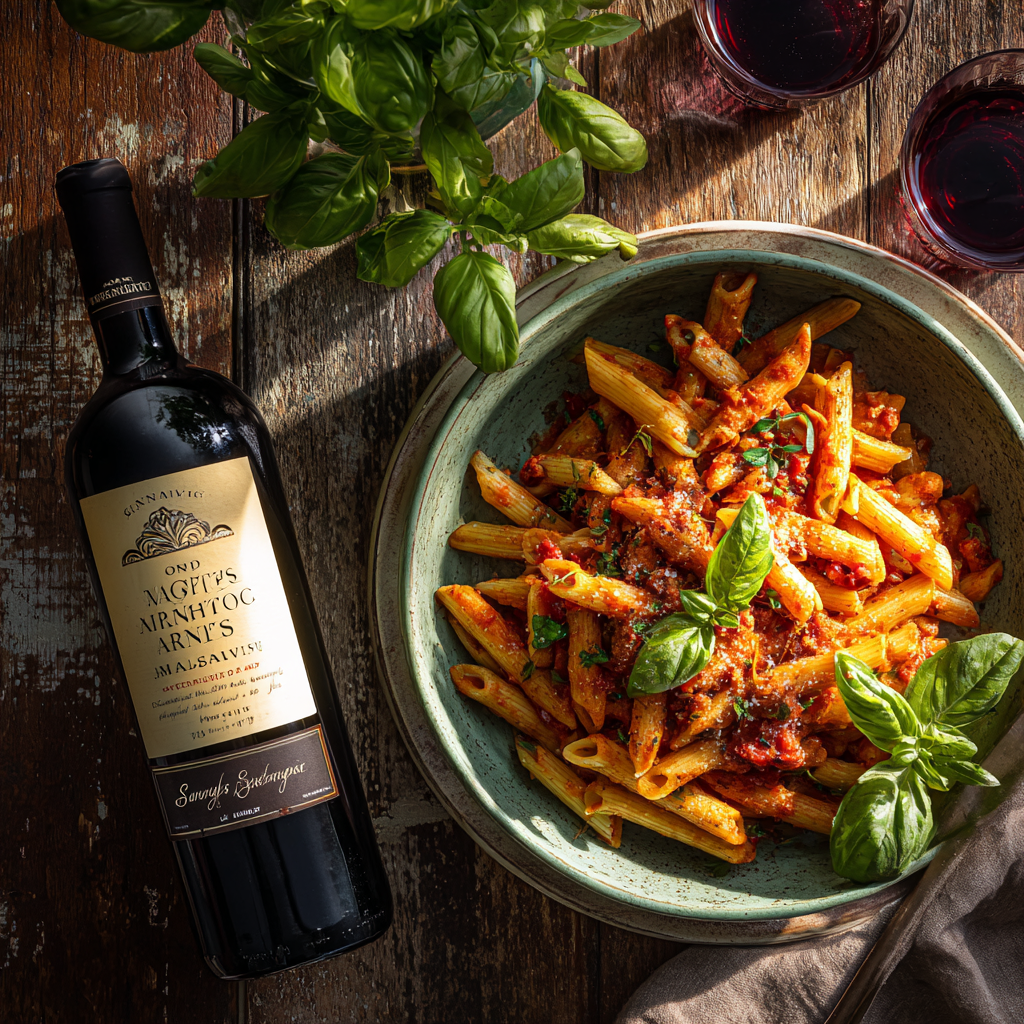
Italian cooks have long understood that the most harmonious pairings often come from the same territory. This practical wisdom, captured in the saying “what grows together goes together,” guides regional food and wine combinations.
Embracing Italian Culinary Roots
Regional pairing isn’t romantic nostalgia but tested knowledge developed over centuries. Wines and local dishes evolved together, sharing soil and climate conditions.
In Piedmont, where butter dominates cooking, wines like Barbera and Gavi naturally complement rich, butter-based sauces. Their structure handles the fat beautifully.
Ligurian Vermentino’s refreshing minerality pairs perfectly with pesto from the same region. Both developed alongside each other, creating natural harmony.
Northern Italy’s egg-based fresh pasta finds its match in local wines. Southern preparations with olive oil and bold flavors suit wines from those warmer areas.
You don’t need to follow regional rules rigidly. Understanding them gives you a reliable starting point for confident pairings.
| Region | Pasta Characteristic | Recommended Wine |
|---|---|---|
| Piedmont | Butter-based sauces | Barbera, Gavi |
| Liguria | Herbaceous pesto | Vermentino |
| Northern Italy | Egg-based fresh pasta | Local reds like Barbera |
| Southern Italy | Olive oil, bold flavors | Full-bodied regional wines |
Wine Selection Tips for a Gourmet Italian Dining Experience
A thoughtful wine selection transforms a simple meal into a complete dining experience. The goal is harmony, where each element on your plate and in your glass supports the other.
Before choosing a bottle, assess your main dish. Consider its weight, richness, and dominant flavors. This simple step guides you toward a balanced pairing.
Balancing Flavor, Acidity, and Texture
Acidity is your most valuable tool. Wines with good acidity cut through rich, fatty sauces. They cleanse your palate and prevent a heavy feeling.
For a creamy or cheesy pasta dish, seek a bottle with bright acidity. It works like a squeeze of lemon, lifting the flavors.
Texture matching is equally important. A light, oil-based preparation needs a crisp, clean wine. A hearty meat sauce requires a selection with more body and structure.
Tannins in red wines interact with protein and fat. This interaction makes both the food and the wine taste smoother and more integrated.
| Dish Characteristic | Wine Needs | Example Pairing |
|---|---|---|
| Rich, creamy sauce | High acidity | Vermentino |
| Salty ingredients (cheese, cured meats) | Fruity, bold red | Chianti |
| Spicy flavors | Moderate alcohol, fruity character | Negroamaro |
| Lean, vegetable-focused | Light body, crisp texture | Pinot Grigio |
Salty foods make wines taste fruitier. Spicy dishes pair well with selections that have a cooling contrast. The most successful pairing feels effortless and balanced.
Savoring the Final Symphony of Flavors
Your journey into pairing wine with food is built on simple, reliable principles. Focus on the sauce, match acidity to richness, and consider regional traditions. This framework gives you confidence to explore.
Remember that these pairings are guides, not rigid rules. The most successful choice is the one that makes your meal more enjoyable. Understanding why a crisp Pinot Grigio works with vegetables or a Chianti complements meat ragù empowers your own experiments.
Keep a few versatile bottles on hand. A bright white like Sauvignon Blanc, a medium-bodied red with good acidity, and a fuller red for rich preparations cover most dishes. This practical approach ensures you’re always prepared.
These selections were made to be enjoyed with meals. The most natural combinations often create the most harmonious dining experience. For a deeper exploration of these principles, see our comprehensive guide to Italian wine and food.
Now you can create complete meals where every element supports the other. This honors tradition while fitting perfectly into your home kitchen.
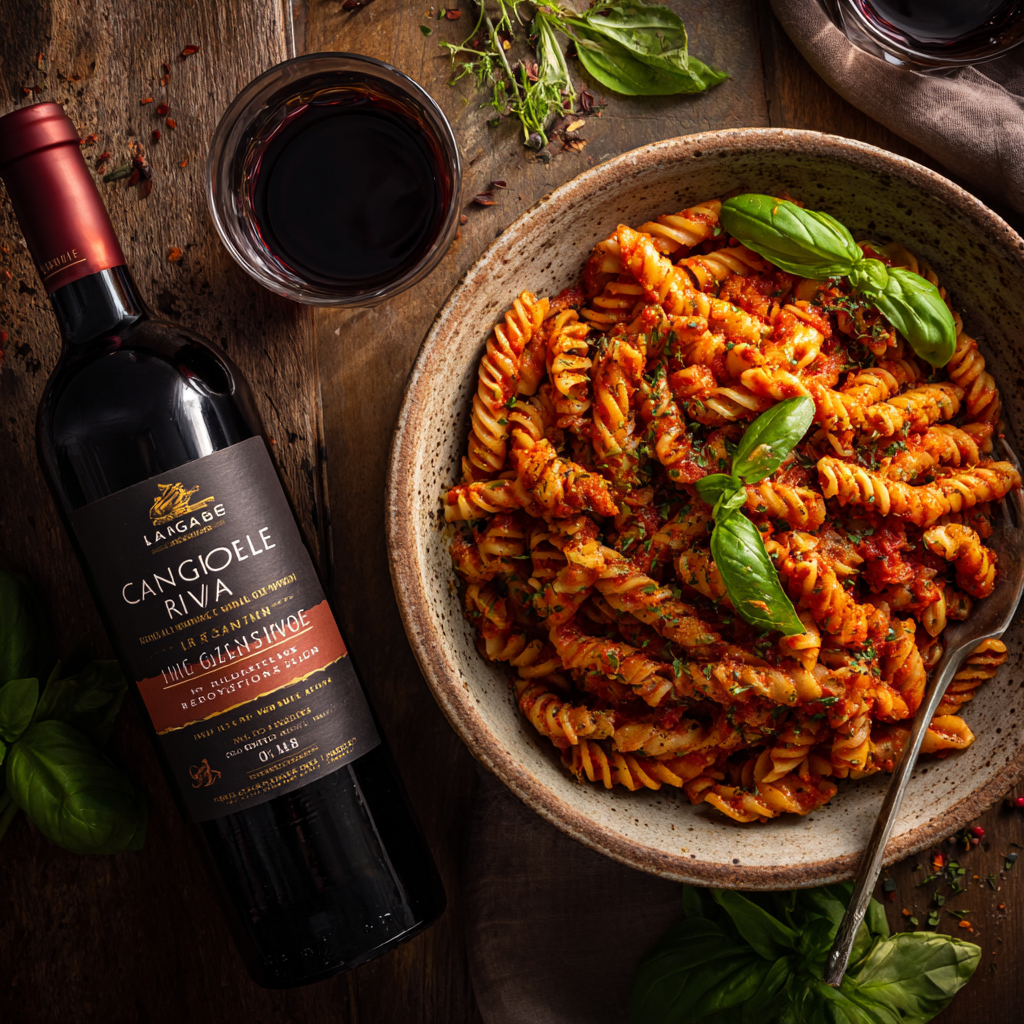
Pasta with Tomato-Based Sauce and Wine Pairing
Ingredients
Method
Notes
- The wine's acidity will complement the tomato-based sauce, enhancing the overall flavor.
- You can adjust the seasoning based on personal taste, adding more herbs or spices to match your preference.
- For a heartier meal, consider adding ground meat or vegetables to the sauce.