
Jump to Recipe
There’s a particular comfort that comes from a simple Italian meal. It’s the kind that fills your kitchen with a warm, earthy aroma and promises a satisfying end to a long day.
This particular preparation draws from the traditions of Northern Italy. It transforms a humble, coarsely ground cornmeal into something wonderfully creamy. The process is straightforward and rewards a little attention. You don’t need professional skills to achieve a beautiful result.
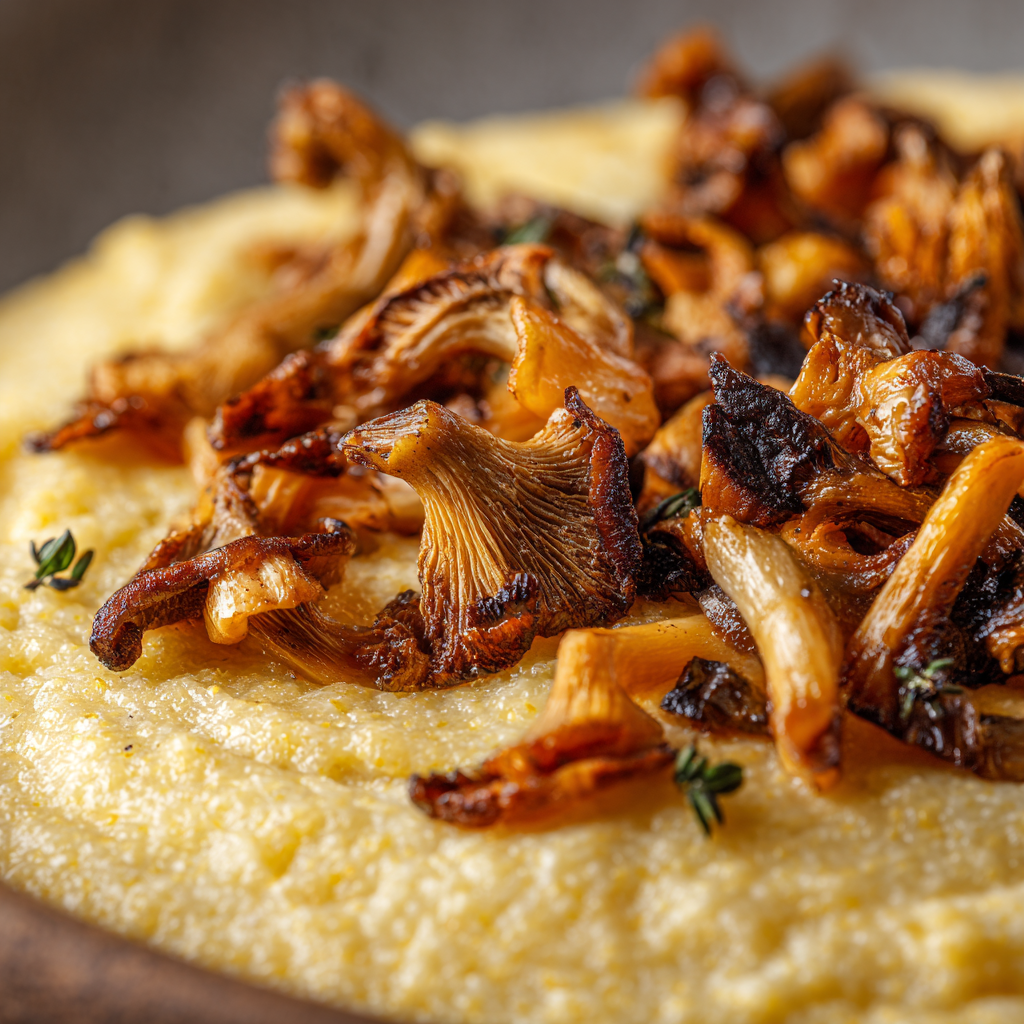
Paired with richly roasted mushrooms, the combination creates a fantastic textural contrast. It’s a union that feels both rustic and elegant. This approach thoughtfully adapts classic techniques for a plant-based kitchen. The soul of the original dish remains entirely intact.
Best of all, the entire meal comes together in about thirty minutes. It’s practical for a busy weeknight yet special enough to share. I’ll guide you through each step, from selecting your ingredients to mastering the cooking technique.
Key Takeaways
- This dish is a modern, plant-based take on a Northern Italian staple.
- It delivers deep comfort and rich flavor without any dairy products.
- The combination of creamy grain and savory mushrooms offers a satisfying texture.
- You can prepare the entire meal in roughly half an hour.
- The cooking process is simple and accessible for home cooks of any level.
- It’s a versatile option perfect for both casual dinners and more special occasions.
- The guidance is based on practical experience in a real home kitchen.
Discovering the Charm of This Comforting Dish
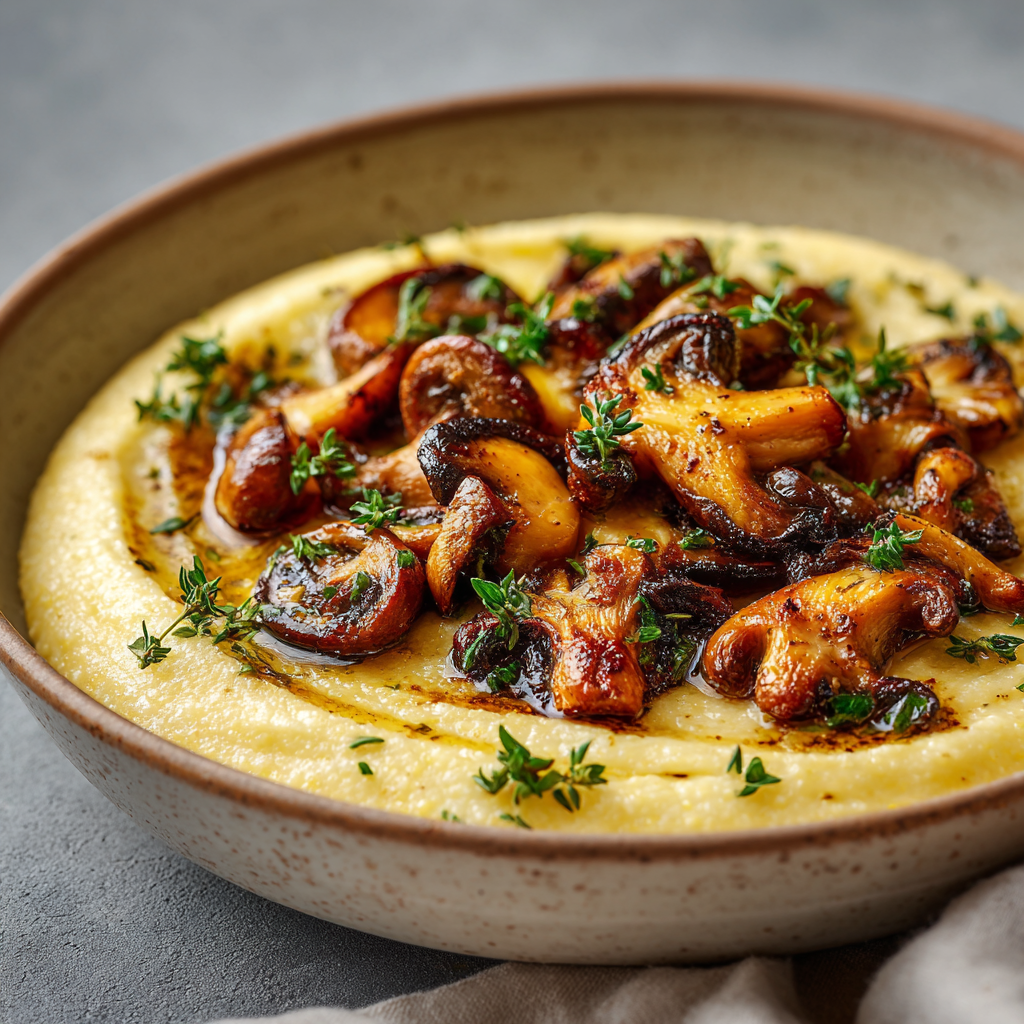
What makes this combination endure in home kitchens is its practical elegance and genuine satisfaction. It goes beyond being visually appealing to deliver real substance.
Why This Recipe Inspires Home Cooking
The interplay between smooth grain and tender, savory elements creates lasting appeal. This texture contrast provides deep satisfaction that keeps people returning to the preparation.
Versatility is another strength. The meal works beautifully as a centerpiece or substantial accompaniment. It adapts easily to different occasions throughout your week.
Thirty minutes from start to finish makes it genuinely practical for busy evenings. This timeline includes both components cooking simultaneously.
Nutritional Benefits and Creamy Texture
Nutritional balance comes from thoughtful ingredient pairing. Whole grains provide complex carbohydrates while other components contribute protein and healthy fats.
The creamy consistency is achieved through proper technique rather than heavy dairy. Patient stirring and correct liquid ratios create the desired mouthfeel.
Flavor develops beautifully as the grain absorbs cooking liquid. Simple ingredients transform into something with surprising depth.
This preparation offers comfort without leaving you feeling heavy afterward. It satisfies in a way that feels nourishing rather than overwhelming.
| Meal Approach | Preparation Time | Skill Level | Equipment Needed |
|---|---|---|---|
| This Dish | 30 minutes | Beginner-friendly | Basic pots and sheet pan |
| Complex Multi-Course Meal | 90+ minutes | Advanced techniques | Specialized kitchen tools |
| Quick Assembly Meal | 10-15 minutes | Minimal cooking | Basic utensils only |
Gathering Fresh Ingredients for Your Polenta
Choosing the right components makes all the difference in achieving authentic flavors. Thoughtful selection ensures each element contributes to the final harmony.
We’ll focus on quality over quantity. Simple, well-chosen ingredients create the most satisfying results.
Exploring Premium Cornmeal Options
Medium-coarse ground cornmeal offers the ideal balance for this preparation. It cooks in reasonable time while delivering excellent texture.
Look for packages labeled “polenta” in the baking or natural foods section. Regular medium-ground cornmeal works equally well if specifically marked polenta isn’t available.
Stone-ground coarse varieties contain the whole grain with more fiber. They require longer cooking but yield a heartier result.
If you only find coarse cornmeal, a quick pulse in the food processor creates a more manageable grind. This simple adjustment improves the final consistency.
Selecting the Best Non-Dairy Milk and Mushrooms
Oyster mushrooms provide delicate texture, while cremini or baby bella varieties offer deeper, earthier notes. Each brings its own character to the dish.
For the liquid component, unsweetened cashew milk adds richness. Soy milk works well for a neutral flavor base.
Water can substitute if preferred, though the result will be less creamy. The choice depends on your texture preference.
| Cornmeal Type | Grind Size | Cooking Time | Final Texture |
|---|---|---|---|
| Medium-Coarse | Ideal balance | Standard (~15 min) | Creamy and smooth |
| Stone-Ground Coarse | Whole grain | Longer (~20 min) | Heartier, more substantial |
| Fine Grind | Quick-cooking | Shortest (~10 min) | Very soft, less distinct |
Embracing a Step-by-Step Approach to Creamy Polenta
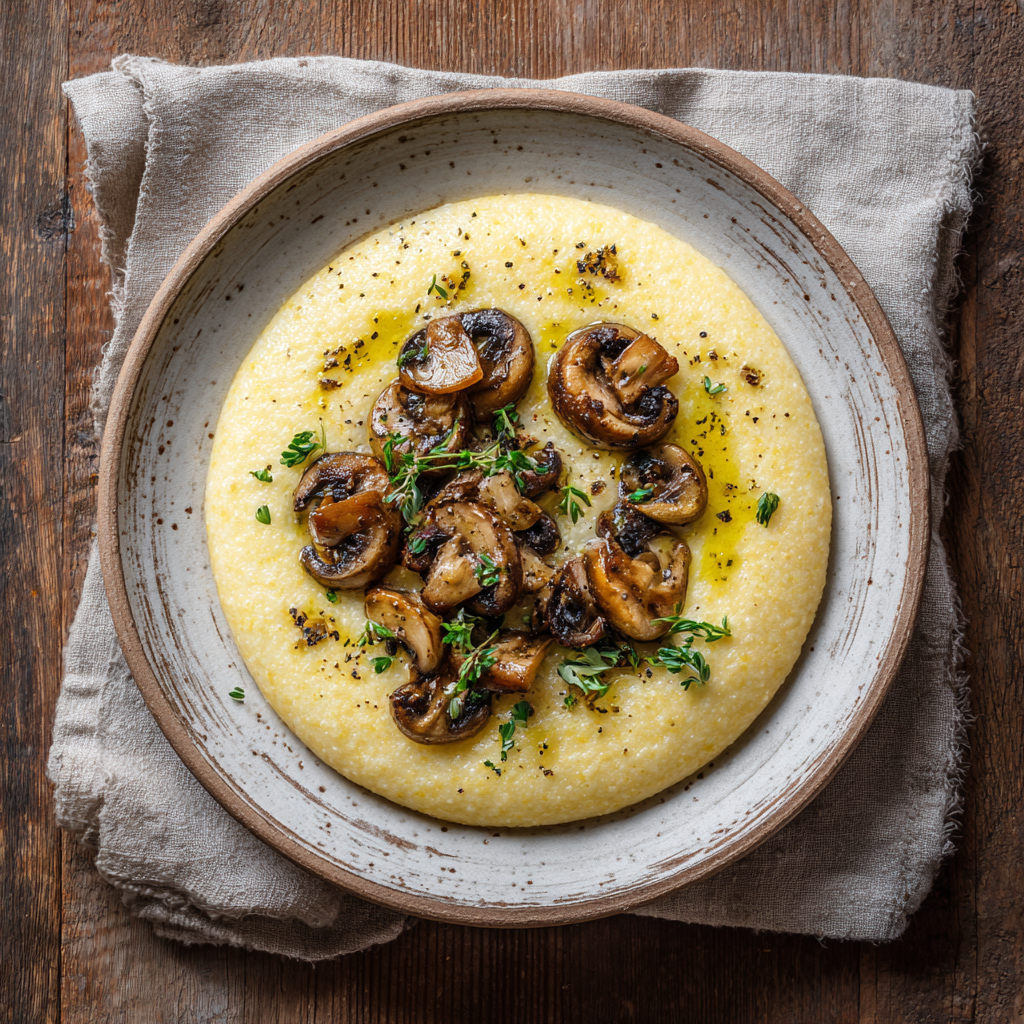
Proper technique turns simple ingredients into a luxurious, creamy dish that comforts without complexity. The process requires attention to timing and heat management.
Mastering the Heat and Stir Process
Begin by combining your cornmeal with water or plant-based milk in a high-sided saucepan. Use about 4 cups of liquid for each cup of grain to achieve creamy results.
Bring the mixture to a gentle boil, then immediately reduce to a steady simmer. Watch for small bubbles that rise without violent splattering. This gentle heat allows the grains to absorb liquid evenly.
Stir frequently during the first 10 minutes using a wooden spoon. This prevents sticking and ensures smooth texture development. The spoon’s broad surface helps work through thickening mixtures.
If the mixture becomes too thick to stir smoothly, add reserved liquid in small amounts. About 1/4 cup at a time works well. Stir vigorously after each addition to maintain creamy consistency.
Cooking time varies from 10 to 30 minutes depending on your grain’s grind size. Medium-coarse varieties typically finish in 10-15 minutes. The dish is ready when it pulls away from the pan sides and feels smooth, not gritty.
Finally, stir in nutritional yeast and adjust seasonings. This final touch enhances flavor without altering the carefully developed texture.
Roasting Mushrooms to Enhance Umami Depth
Achieving deep, savory flavor from fungi requires a focus on proper roasting technique. This method concentrates their natural essence through careful heat application.
We begin with a hot oven set to 425°F. This high temperature is crucial for creating caramelization rather than steaming.
Tips for Preheating and Even Roasting
Prepare your ingredients by gently brushing them clean. Avoid washing, as excess moisture hinders browning. Remove the tough base and slice into uniform pieces.
Toss them with about one tablespoon of extra virgin olive oil and half a teaspoon of salt. An even, light coating promotes perfect browning without greasiness.
Arrange the pieces in a single layer on your prepared pan. Leave space between each piece to allow steam to escape. Crowding causes steaming instead of roasting.
Roast for approximately 20 minutes. Halfway through, flip and rotate them with a metal spatula. This ensures even coloring and prevents burning.
Watch for golden-brown edges with a few crispy bits. The goal is tender interiors with concentrated flavor, not complete dryness.
Immediately after removing from the heat, drizzle with red wine vinegar. The acid brightens the earthy notes beautifully.
For a stovetop option, sauté in a hot skillet with oil for 8-10 minutes. Season with salt and pepper as they develop color.
Perfecting Your Vegan Mushroom Polenta Recipe at Home
Getting the right creamy texture is less about following strict measurements and more about learning to read the signs. Each batch teaches you something new about how the grain behaves.
Balancing Liquid Ratios for Ideal Consistency
The amount of liquid you use directly shapes your final result. For creamy polenta, aim for four cups of water per cup of cornmeal. If you prefer a firmer texture that holds its shape, three cups will work better.
I recommend starting with three cups and keeping two additional cups nearby. Add liquid gradually as the mixture thickens. You’ll know it needs more when stirring becomes difficult.
Add about a quarter cup at a time, followed by vigorous stirring. This prevents lumps and maintains smoothness. Different cornmeal grinds absorb liquid at varying rates, so adjust based on what you see.
The perfect texture is creamy enough to spread slowly but substantial enough to support toppings. When individual grains feel soft rather than gritty, it’s ready.
Only after cooking should you add nutritional yeast, vegan butter, and final seasonings. Taste carefully at this stage since salt perception changes as the dish cools. Remember that it will continue to thicken slightly after cooking.
With practice, you’ll develop confidence in reading the signs and adjusting fluidly.
Exploring Variations and Flavor Pairings
The beauty of this Italian staple lies in its incredible adaptability, much like a good pasta dish. It serves as a wonderful canvas for countless toppings and accompaniments. This allows you to create a different meal experience each time.
Creative Twists with Sauces and Toppings
Traditional pesto is a natural pairing. A walnut-based version brings a rich, herbal brightness that complements the creamy base beautifully. Tomato-based sauces, like a simple marinara, add a welcome acidity and depth.
For a more substantial dinner, consider adding white beans and dark leafy greens like spinach. A pinch of red pepper flakes introduces a gentle heat. I find starting with a quarter teaspoon allows you to adjust to your preference.
Pairing with Vegetables and Sides
This dish works equally well as a hearty main or a supporting side. For a lighter meal, serve it alongside simple roasted asparagus or a fresh green salad. A glass of white wine rounds out the flavor profile nicely.
Mixing different mushroom varieties, such as shiitake and oyster, creates a more complex umami character. It also makes a sophisticated side for holiday gatherings. The variety ensures it feels special yet remains accessible.
If you enjoy these flavors, you might also like a creamy roasted garlic pasta. It offers a similar comforting quality with a different base ingredient.
Understanding Essential Cooking Techniques and Tips
A few simple techniques make all the difference between good results and truly excellent ones. These practical insights help you avoid common pitfalls while building confidence in your cooking process.
Avoiding Common Mistakes for a Smoother Texture
Always use a saucepan with high sides when cooking cornmeal. The mixture can bubble vigorously and splatter as it heats. If this happens, partially cover the pot and reduce the heat slightly.
Small lumps sometimes form during cooking. Persistent stirring with a wooden spoon quickly resolves them. Don’t view this as a failure requiring you to start over.
When roasting vegetables, avoid crowding the pan. Leave space between pieces to allow proper browning. Crowding creates steam instead of the deep flavor development you want.
Cooking time varies significantly based on your cornmeal’s grind size. Fine varieties may need just 10-15 minutes, while coarse stone-ground types can take closer to 30 minutes. Package directions serve as helpful starting points rather than absolute rules.
Adjusting Seasonings for Personal Flavor Preferences
Always taste your dish before serving. You may need another sprinkle of salt or pepper based on the other ingredients used. Seasoning needs can vary between batches.
If you only have coarse cornmeal, pulse it briefly in a food processor. This creates a texture similar to medium-coarse grind without turning it into flour.
After cooling, the texture will thicken considerably. Store leftovers in airtight containers in the refrigerator for up to three days. When reheating, add a little liquid like broth or water while stirring over gentle heat to restore creaminess.
Savor Every Bite: Final Thoughts on Your Vegan Comfort Meal
The real value of this preparation lies in its ability to become a reliable staple in your weekly routine. Mastering this dish adds a comforting option that works for both quick dinners and special occasions.
Creating restaurant-quality creamy polenta at home brings genuine satisfaction. The straightforward techniques respect Italian tradition while adapting thoughtfully for modern kitchens.
This corn-based dish is naturally gluten-free and plant-based, offering nutritional balance with good fiber. Unlike restaurant versions that often contain dairy, your homemade bowl gives you complete control.
The final dish provides balanced carbohydrates, protein, and healthy fats from olive oil. It satisfies without feeling heavy, making it suitable as a main course or side.
Feel encouraged to make this recipe your own by experimenting with different mushroom varieties and seasonings. The care you invest in cooking the cornmeal directly influences the final texture and flavor.
This versatile preparation serves beautifully throughout the year. For another Italian-inspired plant-based option, consider exploring our creamy mushroom risotto.
With each batch you prepare, this dish will become more intuitive and personal. It’s a recipe that rewards attention and grows with your cooking confidence.
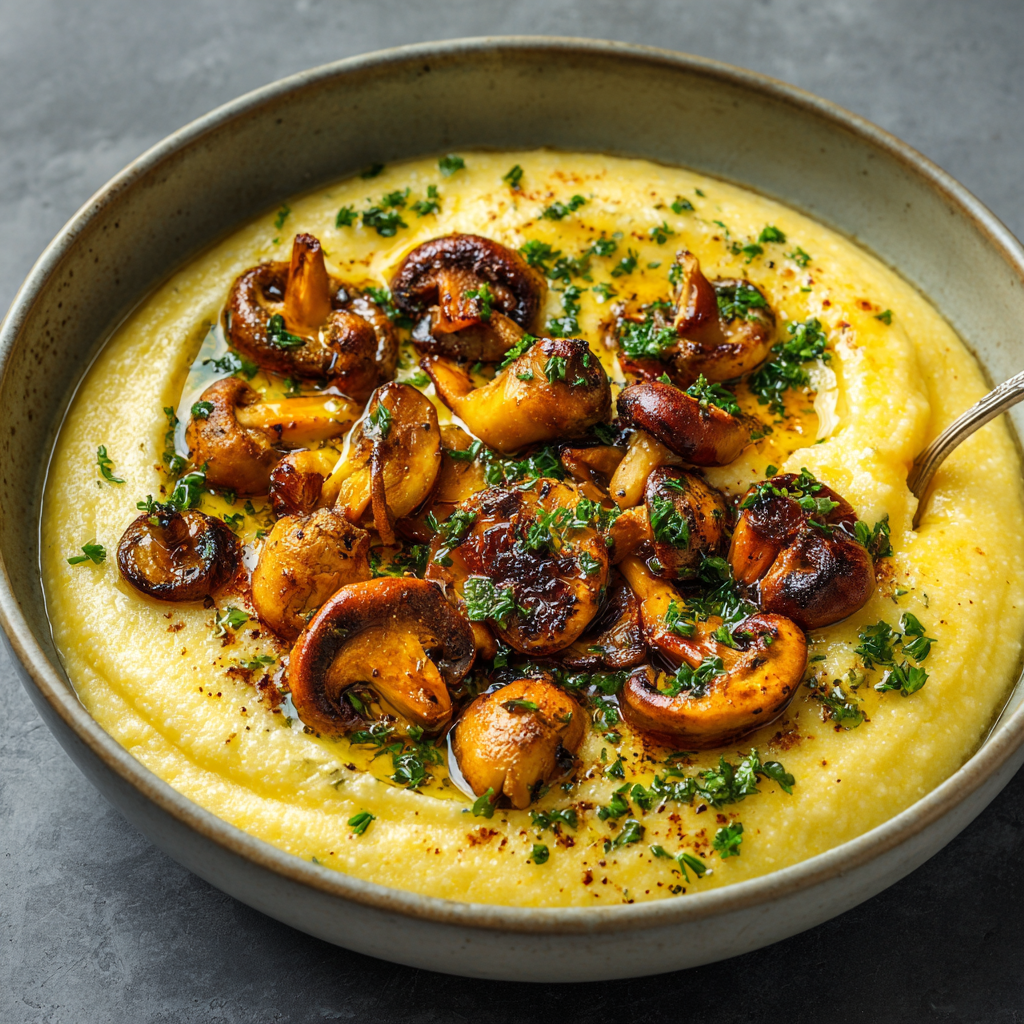
Creamy Vegan Polenta with Roasted Mushrooms
Ingredients
Method
- Preheat the oven to 425°F (220°C).
- Gently clean the mushrooms and trim tough ends. Slice into even pieces.
- Toss with olive oil, salt, and pepper.
- Spread in a single layer on a baking sheet.
- Roast for 20 minutes, flipping halfway, until golden with crisp edges.
- Remove from oven and drizzle with red wine vinegar. Set aside.
- In a high-sided saucepan, add cornmeal and 3 cups of water or plant milk.
- Bring to a gentle boil while stirring, then reduce heat to a steady simmer.
- Stir frequently for 10–15 minutes to prevent sticking.
- As it thickens, add more liquid ¼ cup at a time until creamy and smooth.
- Continue cooking until the texture is soft and no longer gritty.
- Stir in nutritional yeast, olive oil or vegan butter (if using), and salt to taste.
- Spoon the creamy polenta into bowls or plates.
- Top generously with roasted mushrooms.
- Serve immediately while warm and creamy.
Notes
- Polenta thickens as it cools. If needed, reheat gently with a splash of water or plant milk.
- For firmer polenta, use less liquid. For softer, spoonable polenta, use more.
- Mixing mushroom types adds deeper flavor and texture.
- This dish works equally well as a simple weeknight dinner or an elegant side for guests.