
Jump to Recipe
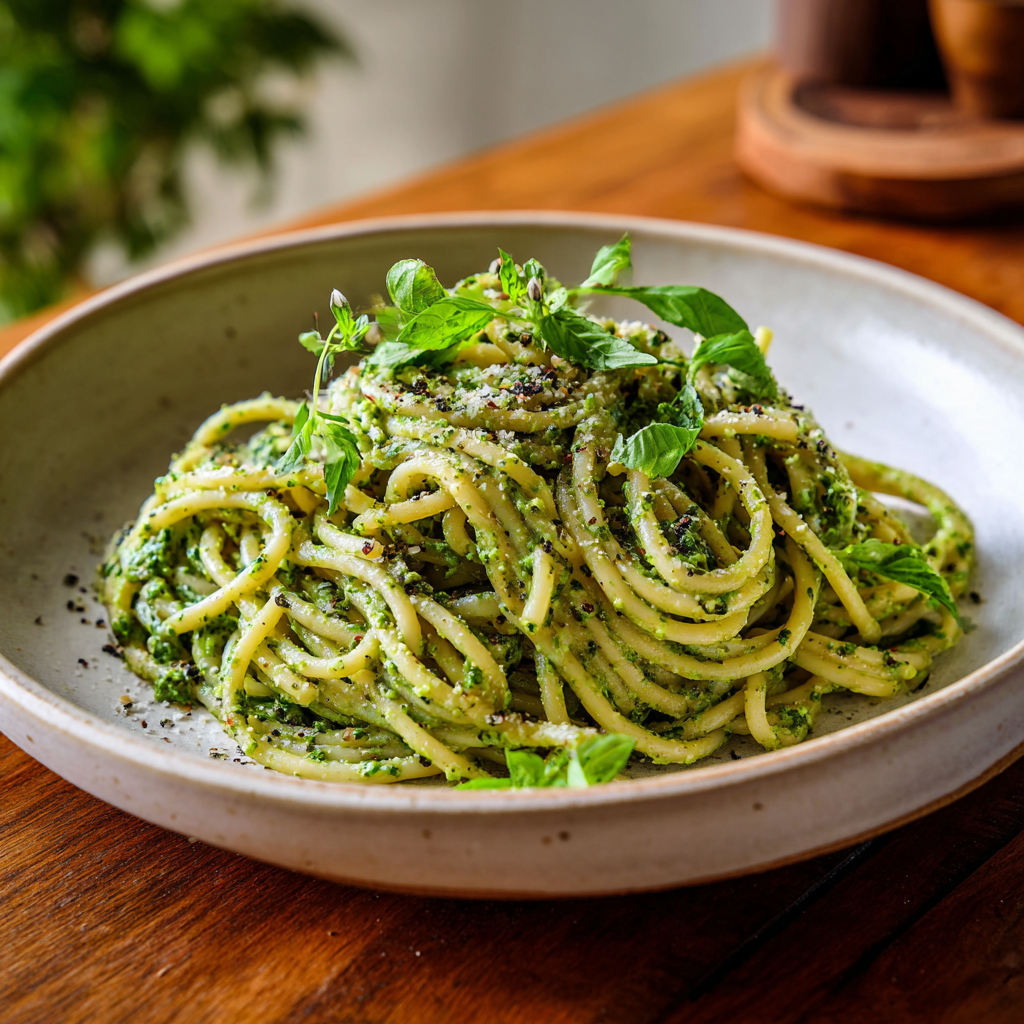
There’s a quiet comfort in the rhythm of making a classic sauce from scratch. The fragrance of fresh basil filling the kitchen, the sound of ingredients coming together—it feels like home. This particular dish reimagines a beloved Italian staple for today’s table, honoring its soul while adapting its form.
Traditional preparations from Genova rely on specific ingredients for their signature savory depth. Here, we achieve that same rich, herbaceous character in a completely plant-based way. Creamy cashews and a clever swap create a wonderfully complex flavor that clings to every strand.
I’ve found that this method delivers an exceptionally smooth texture. It makes the sauce luxurious and helps it coat the pasta beautifully. A quick tip, like briefly blanching the basil, can make a big difference in keeping the color vibrant for days. You can explore another nut-based variation in this pistachio pesto recipe.
This entire meal comes together in about half an hour with simple tools. It’s a practical, tested approach that focuses on real flavor over trends. You’ll understand the ‘why’ behind each step, giving you the confidence to make it your own.
Key Takeaways
- This plant-based version captures the essential, rich flavor of traditional pesto.
- Cashews provide a creamy texture and savory depth without dairy.
- A simple technique helps preserve the vibrant green color of the basil.
- The dish is quick to prepare, requiring common kitchen equipment.
- The recipe is flexible, empowering you to adjust based on what you have available.
- It’s a reliable, tested formula that delivers consistent results.
Why This Recipe Stands Out
What makes this preparation truly distinctive lies in two simple yet transformative techniques. These methods elevate the final result beyond typical versions.
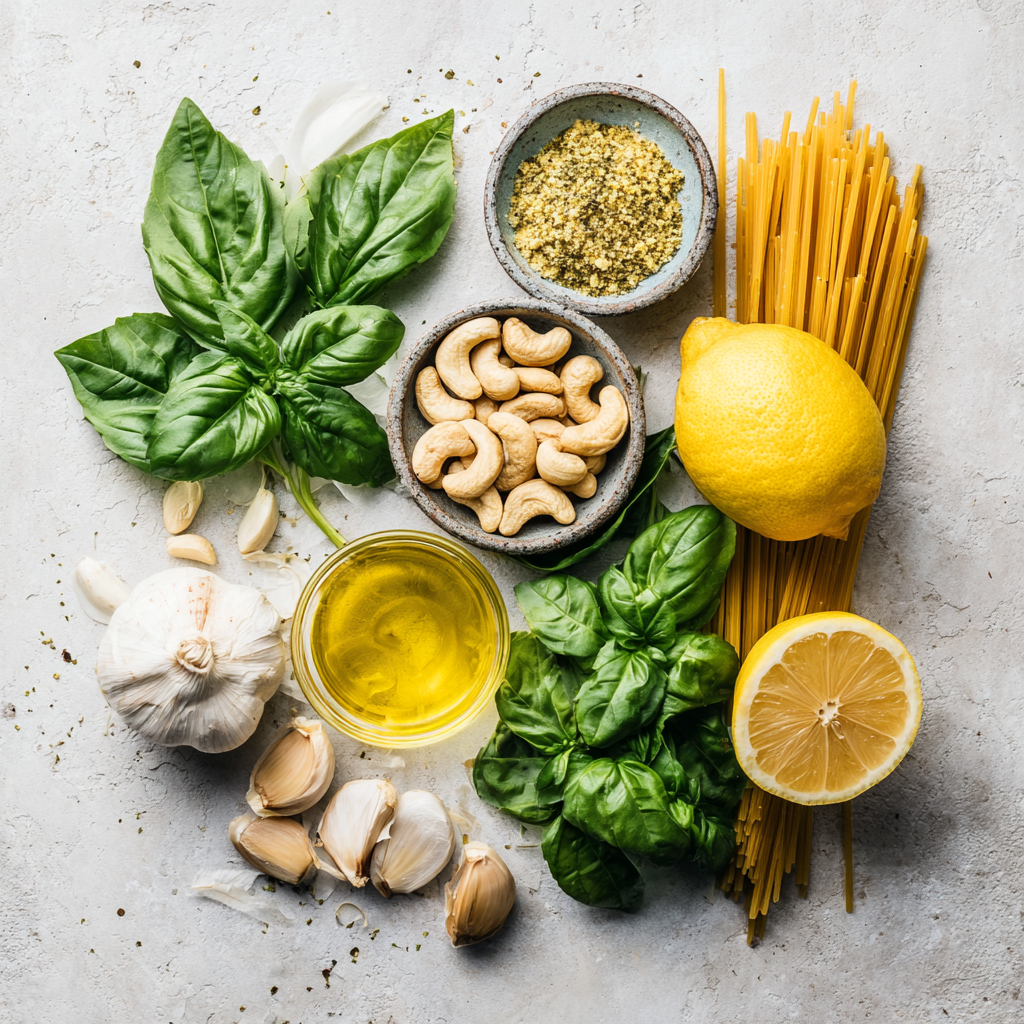
Creamy Texture with Unroasted Cashews
Traditional preparations often rely on pine nuts for their distinctive character. However, raw cashews create an exceptionally smooth consistency. They blend into a creamy base rather than remaining grainy.
Cashews offer a neutral, gentle flavor profile. Unlike walnuts or pine varieties with bitter notes, they support rather than dominate the basil. This allows the herb’s fresh essence to shine through clearly.
There’s also a practical advantage. Cashews typically cost less than pine nuts at most markets. This makes the dish accessible for regular meals rather than special occasions alone.
| Nut Type | Flavor Profile | Texture Result | Cost Comparison |
|---|---|---|---|
| Cashews | Neutral, creamy | Exceptionally smooth | More affordable |
| Pine Nuts | Distinctive, slightly bitter | Can be grainy | Typically expensive |
| Walnuts | Earthy, robust | Coarser texture | Moderate price |
Enhanced Flavor Through Blanched Basil
Blanching fresh leaves makes a remarkable difference. Briefly immersing them in simmering water for 15-30 seconds, then plunging into ice water, preserves vibrant color.
This technique prevents oxidation that causes darkening. The brilliant green hue stays vivid for days in refrigeration. While taste remains unchanged, visual appeal improves significantly.
Blanched leaves also emulsify more smoothly with olive oil. They create a silkier texture that coats evenly. The extra five minutes prove worthwhile for meal preparation.
Nutritional yeast contributes savory depth similar to traditional cheeses. These inactive flakes provide complex, umami-rich flavor that makes the dish feel complete.
Exploring the Ingredients and Their Benefits
A handful of simple, high-quality ingredients work in concert to create a complex and satisfying result. Each one contributes a specific quality to the final blend.
Fresh Basil, Olive Oil, and Garlic: The Flavor Foundation
Fresh basil forms the aromatic heart of the sauce. You need about two cups, tightly packed. Press the leaves firmly into your measuring cup for the correct intensity.
Good extra virgin olive oil acts as the liquid base. It carries the flavors of garlic and basil while adding its own fruity notes. About six tablespoons creates the right consistency.
Garlic provides a sharp, balancing backbone. Two chopped cloves offer a classic pungent kick. For a sweeter, mellower character, consider using roasted garlic instead.
Cashews vs. Traditional Nuts: The Creamy Advantage
Unroasted cashews are key for an exceptionally smooth texture. Their neutral flavor supports the basil without dominating it. This differs from other nuts often used.
| Nut Choice | Primary Flavor | Final Texture | Typical Cost |
|---|---|---|---|
| Cashews (Raw) | Neutral, Creamy | Very Smooth | Lower |
| Pine Nuts | Distinct, Slightly Bitter | Sometimes Grainy | Higher |
| Walnuts | Earthy, Robust | Coarser |
For standard blenders, soak cashews for four hours or boil them briefly. This ensures a grit-free blend. High-speed blenders can process them directly.
Nutritional Yeast and Vegan Parmesan for Umami Depth
Nutritional yeast adds a savory, cheesy depth. About three tablespoons of these golden flakes provide a nutty, tangy flavor. They are a staple in plant-based cooking.
A tablespoon of fresh lemon juice brightens the entire mixture. It cuts through the richness without making the sauce taste citrusy. Fine sea salt and black pepper are added to taste last.
While you can top your dish with a commercial vegan Parmesan, the nutritional yeast within the sauce often provides sufficient savory character. For a different nut-based approach, explore this creative pistachio variation.
Step-by-Step Preparation: From Blanching to Blending
Proper preparation methods ensure your final result has both vibrant color and perfect texture. The process flows naturally when you approach it systematically.
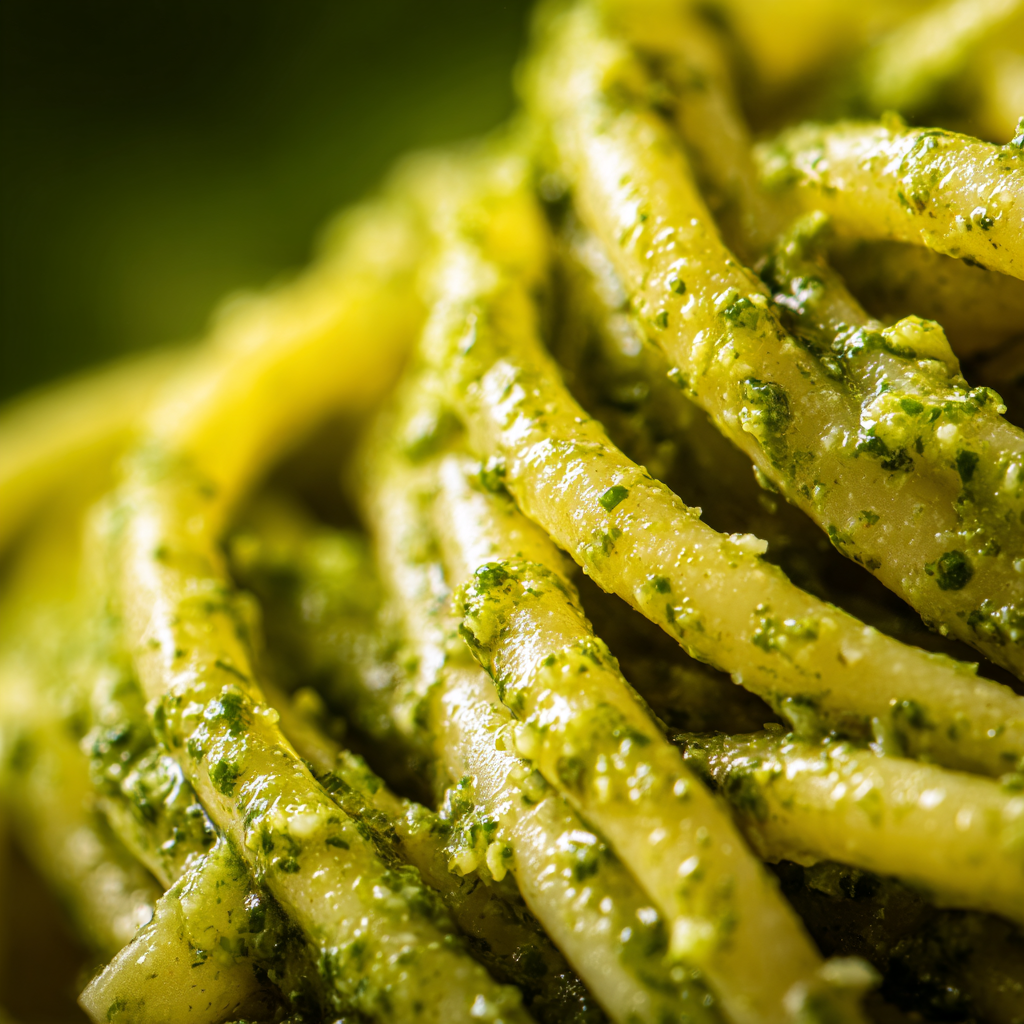
Blanching Basil for a Vibrant Green Hue
Begin by bringing a medium pot of water to a rolling boil. Simultaneously, prepare an ice bath in a separate bowl. Drop all your basil leaves into the boiling water for just 15 seconds.
Use a slotted spoon to transfer them immediately to the ice bath. This quick shock preserves the brilliant green color. Let the leaves sit for 3-5 minutes until completely cooled.
Transfer the basil to clean towels and press firmly to remove excess water. This step is crucial for proper emulsification later.
Perfecting the Emulsification Process with Olive Oil
Add cashews, garlic, and salt to your food processor with the S blade. Include your prepared basil leaves. Pulse several times until the mixture is coarsely ground.
Now turn the processor on continuously. Add olive oil in a thin, steady stream through the feed tube. This gradual incorporation creates a smooth, integrated texture.
Stop to scrape down the sides, then process for another 15-20 seconds. Add nutritional yeast, black pepper, and lemon juice. Process for one final minute until everything combines beautifully.
| Preparation Step | Key Tool | Time Required | Critical Factor |
|---|---|---|---|
| Blanching Basil | Pot & Ice Bath | 5-7 minutes | Quick temperature change |
| Initial Processing | Food Processor | 2-3 minutes | Pulsing technique |
| Oil Emulsification | Food Processor | 1-2 minutes | Steady stream addition |
| Final Seasoning | Food Processor | 1 minute | Taste adjustment |
Tips for Customizing and Serving Your Vegan Pesto Pasta with Cashews Recipe
Once you’ve mastered the basic method, exploring variations becomes an enjoyable culinary adventure. The preparation adapts beautifully to different ingredients and serving styles.
Incorporating Alternative Greens and Spices
While basil creates the classic flavor, other greens work wonderfully. Kale adds earthy depth, while arugula brings peppery notes. Spinach offers mildness, and parsley provides bright freshness.
Frozen peas make a surprisingly sweet base. Just defrost and blend for a vibrant green sauce children often prefer.
| Green Variation | Flavor Profile | Best Paired With | Preparation Note |
|---|---|---|---|
| Kale | Earthy, robust | Hearty pasta shapes | Remove tough stems first |
| Arugula | Peppery, sharp | Lemon juice accents | Use fresh, not wilted |
| Spinach | Mild, smooth | Delicate dishes | Blanching preserves color |
| Frozen Peas | Sweet, vibrant | Family-friendly meals | No cooking required |
Using Pasta Water for a Silky, Even Sauce
Before draining your cooked pasta, reserve one cup of the starchy cooking water. Return the drained pasta to the warm pot.
Add your sauce and half a cup of reserved water. Stir continuously. The starch transforms the mixture into a silky coating that clings perfectly.
Creative Serving Ideas Beyond Pasta
This preparation works beautifully as a sandwich spread or pizza base. Toss it with warm potatoes or drizzle over roasted vegetables.
Thin it with lemon juice for salad dressing. The possibilities extend far beyond traditional applications.
Dietary Considerations and Nutritional Insights
When planning meals, it’s helpful to know how this dish contributes to your daily nutritional needs. The combination of whole food ingredients creates a balanced profile that supports various eating approaches.
Balancing Calories, Protein, and Healthy Fats
A typical serving provides approximately 393 calories with 24.5 grams of fat. Only 4.5 grams are saturated fat, well below the 5% threshold recommended for heart health.
The 11 grams of protein come primarily from nuts and nutritional yeast. This makes the dish more substantial than tomato-based preparations. It keeps you satisfied for hours.
| Nutrient | Amount per Serving | Daily Value Impact |
|---|---|---|
| Calories | 393 | Moderate energy source |
| Total Fat | 24.5g | Healthy monounsaturated fats |
| Saturated Fat | 4.5g | Under 5% recommended limit |
| Carbohydrates | 33.1g | Sustained energy release |
| Protein | 11g | Building and repair support |
Cashews deliver important minerals like magnesium and iron. They also provide heart-healthy fats similar to olive oil. Nutritional yeast adds B-vitamins, especially in fortified varieties.
This meal works well for calorie-conscious eating plans. At under 400 calories, it provides energy without excess. Leftovers store well in the fridge for future meals.
For sodium sensitivity, start with less salt and adjust to taste. The dish is completely dairy-free, making it suitable for various dietary preferences.
Wrapping Up Your Pesto Journey with Delicious Results
Beyond the initial preparation, thoughtful storage transforms this basil creation into a versatile kitchen staple. Transfer your finished sauce to an airtight mason jar for refrigeration.
It will maintain its vibrant green color for up to five days. For longer preservation, freezing extends its life considerably—up to three months in a standard freezer.
Consider using ice cube trays for small portions or four-ounce jars for single meals. This plant-based version generously coats 300-400 grams of your favorite noodles, serving about six people.
The entire process takes under 30 minutes with minimal hands-on time. Feel confident adapting the ingredients based on what’s available in your kitchen.
This reliable approach delivers consistent, satisfying results that honor Italian tradition while welcoming modern preferences. The flavors will become a trusted part of your cooking repertoire.
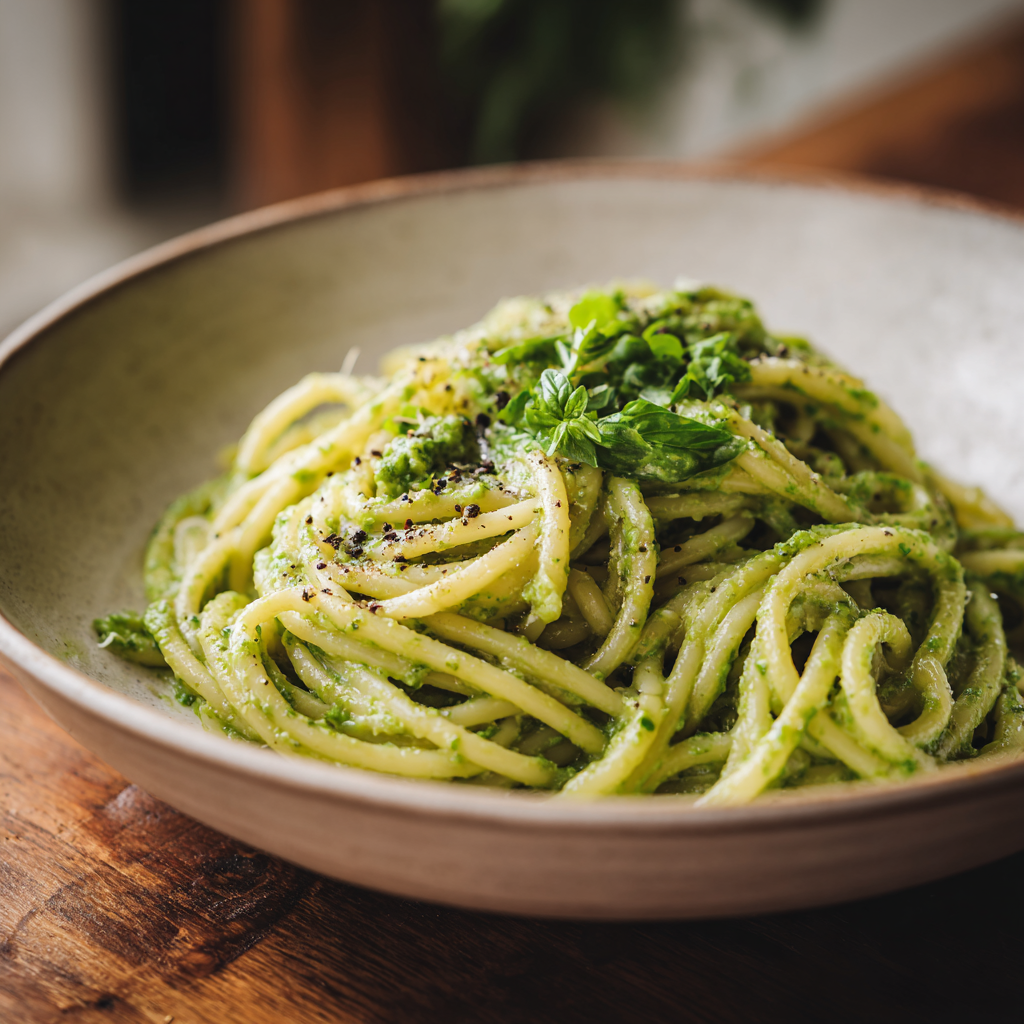
Vegan Pesto Pasta with Cashews
Ingredients
Method
- Bring a pot of water to a boil. Prepare a bowl of ice water.
- Drop the basil leaves into boiling water for 15 seconds, then move them straight into the ice bath. Let cool for 3–5 minutes.
- Drain and squeeze very well to remove excess water.
- Cook pasta in well-salted water according to package instructions.
- Before draining, reserve at least 1 cup of the pasta cooking water.
- Add cashews, garlic, salt, and the blanched basil to a food processor. Pulse until roughly chopped.
- Run the processor continuously and slowly pour in the olive oil through the feed tube until smooth and creamy.
- Add nutritional yeast, lemon juice, and black pepper. Blend again for about 1 minute. Taste and adjust salt if needed.
- Return drained pasta to the warm pot. Add the pesto and ½ cup pasta water. Stir well.
- Add more pasta water little by little until the sauce coats the pasta smoothly.
- Serve warm, with extra black pepper or vegan parmesan if desired.
Notes
- Raw cashews give the smoothest texture. If your blender is not powerful, soak them for 4 hours or boil for 10 minutes.
- Blanching the basil keeps the pesto bright green for several days in the fridge.
- Store pesto in an airtight container for up to 5 days, or freeze for up to 3 months.
- This pesto also works as a sandwich spread, pizza base, or dressing when thinned with lemon juice.