
Jump to Recipe
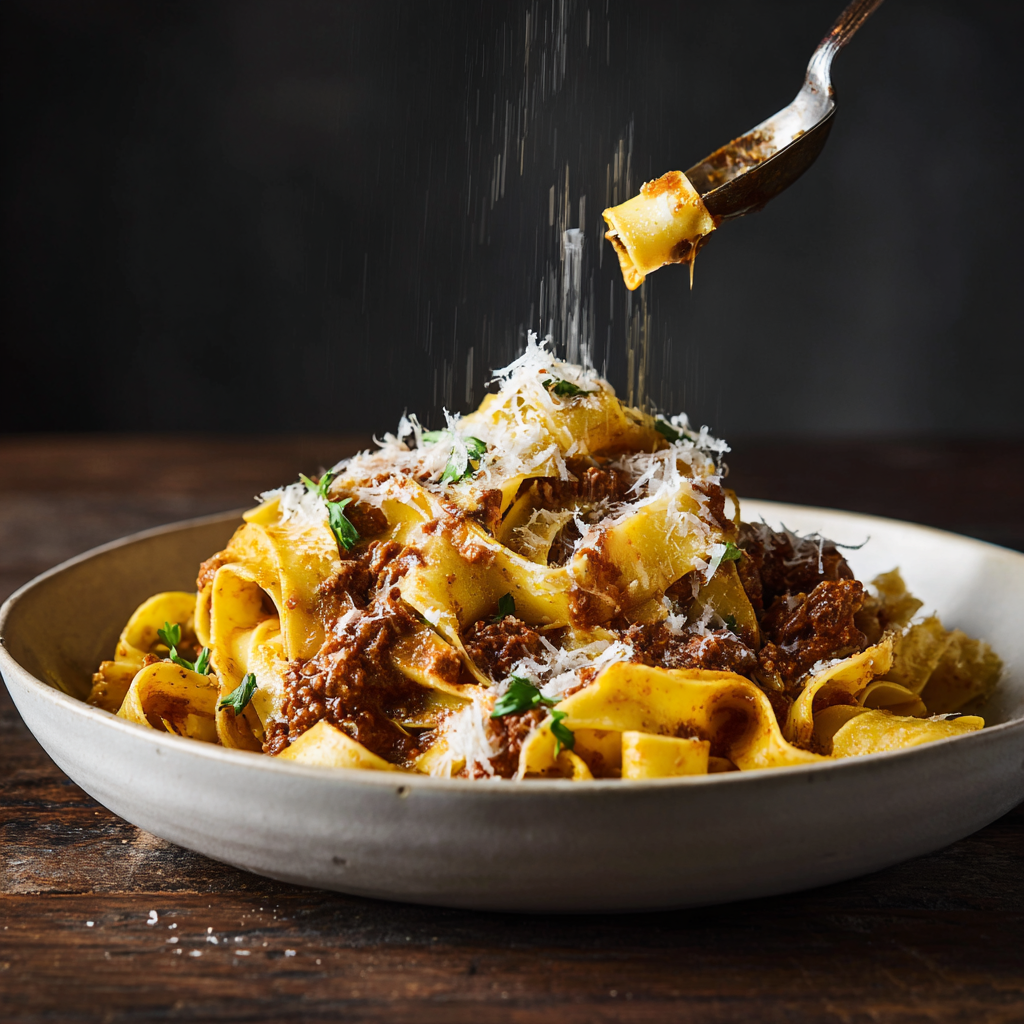
I remember the slow simmer and the small kitchen windows fogging as I stirred a soft, milk‑kissed sauce that smells of sage and warm pancetta. The meat melts into a gentle paste of onion, carrot, and celery, and the wine lifts the dish so each ribbon of pasta carries a satin finish.
This is honest cooking — low heat, patient time, a splash of starchy water to make the sauce cling. I’ll show timing, simple technique, and how a squeeze of lemon or a touch of cream can balance the richness so the flavor sings at the table.
Key Takeaways
- Use a fine soffritto and brown pork and beef for depth.
- Simmer low for 2½–3 hours to develop complex flavor.
- Add whole milk for silkiness and a splash of wine for lift.
- Toss pasta in the pan with pasta water to emulsify the sauce.
- Make ahead: the sauce improves overnight and freezes well.
Why this white Bolognese hits differently
You notice the difference the moment the soffritto browns and the pancetta renders—no tomato needed. I want you to understand why technique matters so the final bowl feels both refined and comforting.
Slow-cooked depth without tomato
Without tomato, savor comes from caramelized meat and a finely minced soffritto of onion, celery, and carrot. I brown pork, beef, and pancetta until color is rich; that browning builds the base flavor.
Then I let the pot barely bubble for about 2½–3 hours. Low heat concentrates taste and melts textures so the sauce reads unified and silky, not chunky.
Balanced richness from milk, wine, and aromatics
Whole milk gently tenderizes proteins and adds body, while a splash of white wine brightens the dish and keeps it lively. Rosemary, sage, and a hint of fennel give woodsy notes that lift the creamy core.
A final squeeze of lemon adds a clean note that wakes the pasta and ties the whole flavor together.
| Aspect | White Bolognese | Red Bolognese |
|---|---|---|
| Main fat | Pancetta, milk | Olive oil, tomato |
| Acidity | White wine, lemon | Tomato, red wine |
| Texture on pasta | Silky, clingy | Robust, chunky |
Tagliatelle with ragù bianco recipe: the essentials at a glance
A good white bolognese starts with a quiet pan and patient heat that coax flavor from simple ingredients. Read this short snapshot to know yield, timing, and the core technique before you cook.
What you’ll make and how long it takes
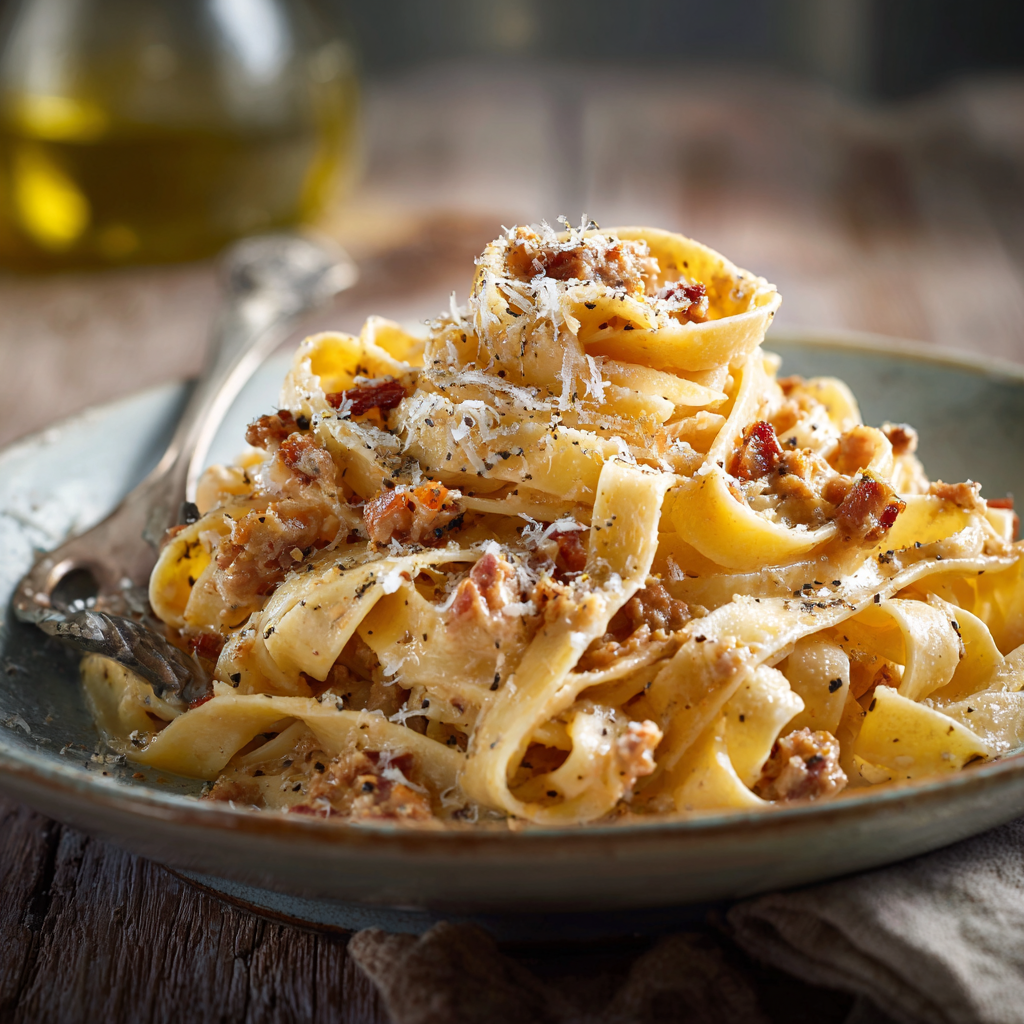
You’ll make a rich, silky sauce to toss with pasta that serves 4–8 depending on appetite. Plan 10–20 minutes of active prep and browning, then 2½–3 hours of gentle simmering.
Core technique: brown, deglaze, and gently simmer
- Render pancetta until the fat melts and the edges deepen; this is your base flavor.
- Brown the meat well over medium‑high heat—color equals depth later in the sauce.
- Softly cook finely minced onion, celery, and carrot, then toast fennel and garlic briefly.
- Deglaze with white wine or dry vermouth, scraping up browned bits.
- Add milk (and stock if using), reduce the heat so it barely bubbles, and simmer until richly reduced.
- Finish by tossing pasta directly in the pot with a splash of pasta water to emulsify; adjust seasoning and serve hot.
Ingredients that build authentic white Bolognese flavor
Good flavor begins at the ingredient level: choose meats and aromatics that will melt and mingle over low heat. Each item has a job—fat for silk, aromatics for sweetness, and liquids to bind and tenderize.
Meats and cured fat
I use a mix of ground beef and ground pork for structure and juiciness. Pancetta or guanciale renders flavorful fat and a gentle smokiness; bacon will do in a pinch, but try to stick with cured Italian pork if you can.
Soffritto: the foundation
Finely mince onion, celery, and carrot so they dissolve into the sauce. A food processor speeds this up, and tiny pieces caramelize and sweeten without leaving visible chunks.
Liquids and dairy
Deglaze with a dry white wine like Pinot Grigio or Soave, or swap dry vermouth. Add whole milk for tenderness; a little chicken stock deepens body. For indulgence, finish with a splash of cream and a bright note of lemon zest or juice.
- Season in layers: fennel, rosemary, sage, salt, and black pepper as you cook.
- Always finish with freshly grated Parmigiano Reggiano to sharpen the final bite.
| Ingredient | Role | Substitute |
|---|---|---|
| Pancetta | Render fat, mild smokiness | Bacon or guanciale |
| Ground beef + pork | Structure, juiciness | All beef (less rounded) |
| White wine / milk | Acidity, tenderness | Dry vermouth / chicken stock |
Step-by-step: from browned meat to silky ragù
Start by warming a heavy pan over medium heat so the pancetta can render and flavor every corner of the pot. When the fat turns clear and the edges crisp, that melted fat becomes your cooking medium.
Raise the heat to medium-high and add ground beef and pork in an even layer. Let the meat sit so it can caramelize; when deep brown edges form, break it up and continue until well colored and fragrant.
Soften the soffritto
Stir in finely minced onion, celery, and carrot and cook 10–12 minutes. You want the vegetables sweet and mostly dry so the final sauce won’t be watery.
Toast aromatics and deglaze
Add garlic, fennel, rosemary, and sage; cook 2–3 minutes until fragrant. Pour in a dry white wine and scrape up the fond. Reduce until the pan is nearly dry so flavor concentrates and alcohol cooks off.
Braise very low with milk and stock
Pour in whole milk and enough stock or water to barely cover the meat. Lower the heat so the surface shows only gentle, intermittent bubbles. Simmer for 2½–3 hours, stirring every so often and adding a splash of water or stock if it tightens too much. The goal is a thick, glossy sauce that clings to pasta.
Finish and emulsify
Right before serving, taste and adjust salt and pepper. Stir in a little cream or a squeeze of lemon if you like. Toss the pasta in the pan and use a splash of starchy pasta water to emulsify the sauce into a satiny coating.
- Warm pan, render pancetta until golden.
- Brown ground meat; develop deep fond.
- Cook soffritto 10–12 minutes until nearly dry.
- Toast aromatics 2–3 minutes, deglaze with wine.
- Braise 2½–3 hours with milk and stock; finish and toss with pasta water.
Choosing and cooking the pasta for maximum sauce cling
Choose pasta shapes that act like a spoon for the sauce—broad ribbons and ridged tubes hug every crumble and cream. I pick shapes that give texture and surface area so each mouthful carries meat and milk into the bite.
Which shapes work best
I favor broad ribbons such as pappardelle or other wide noodles and hearty tubes like rigatoni. Spaghetti also shines if it has enough girth; avoid tiny shapes such as ditalini or orzo that bury the sauce’s crumbly texture.
Timing and finish in the pan
Boil the pasta in well-salted water and undercook by about a minute compared to package times. Reserve a cup of pasta water before draining.
- Transfer the pasta straight to the ragù in the pan over medium heat.
- Toss vigorously and add small splashes of pasta water until the sauce emulsifies into a silky coating.
- Keep the heat steady so the emulsion holds; you want creamy, not greasy.
- Finish with a handful of Parmigiano and taste for seasoning to sharpen final flavor.
This simple technique—undercook, finish in the pan, and use starchy water—makes the bolognese sauce cling like it should, turning good components into a balanced, restaurant-worthy plate in minutes.
For more ideas on pairing pasta shapes and cheese, see my notes on a complementary dish here: pasta and gorgonzola pairing.
Substitutions and variations that still taste Italian
When pantry limits or last-minute swaps happen, good cooking finds elegant detours. I want you to adapt confidently, not guess, so here are tested swaps and how they change the final plate.
I keep pancetta as my go-to, but guanciale lends a richer, more porky depth. Bacon works if that’s what you have; it adds a smokier note. For meat, a beef and pork blend gives balance; all-beef tightens texture but stays satisfying.
Dry vermouth replaces white wine well—stable in the fridge and slightly herbal. If your meat is lean, a splash of chicken stock adds roundness. Always keep milk in the build for tenderness; cream is optional for a plush finish or skip it and use lemon for lift.
| Swap | Pros | Cons | Flavor impact |
|---|---|---|---|
| Pancetta → Guanciale | Traditional depth, silky fat | Can be pricier | Richer, more pork-forward |
| Pancetta → Bacon | Easy, smoky fat | Smokiness can dominate | Smokier, less delicate |
| Beef+pork → All beef | Simple, leaner | Firmer texture | Slightly denser mouthfeel |
| White wine → Dry vermouth | Stable, herbal acidity | Different aromatics | Clean, consistent lift |
Adjust herbs—rosemary and sage stay central; thyme can join quietly. Taste often, season in stages, and let the sauce guide you. These small choices keep your pasta comforting and distinctly Italian.
Pro tips for rich, creamy results every time
I rely on a few chef tricks in the kitchen to coax silk from meat, milk, and time. These small moves prevent common mistakes and ensure a glossy, balanced sauce every service.
Minced vegetables that disappear
Pulse the soffritto in a food processor until it almost melts. Tiny bits caramelize and sweeten the pot without leaving chunks that break the sauce’s texture.
Take your time browning
Brown the meat deeply and patiently on medium-high so color builds in the pan; 8–10 minutes of steady attention creates the fond that delivers real flavor.
Keep the simmer whispering
Lower the heat until the surface shows only an occasional blip. That lazy simmer protects dairy from splitting during the 2½–3 hour slow cook.
Season in layers and manage fat
Add salt in stages—once with the meat, again with the vegetables, and a final check after reduction. Skim excess fat so the sauce has a glossy sheen, not a greasy pool.
Finish by binding with starch
- Toss pasta into the pan and add small splashes of pasta water until the sauce clings like satin.
- When you need more silk, stir in a splash of cream at the end, taste, and adjust.
- Rest leftovers overnight; the ragù tightens and flavors knit beautifully when reheated gently.
Make-ahead, storing, and freezing without losing texture
A rested sauce often tastes better the next day. I let mine sit overnight so the flavors meld and the texture becomes more cohesive. This step saves you time and makes weekday dinner feel special.
Why it tastes better after rest
Over several hours, the aromatics and meat relax and merge. Fat and seasoning spread evenly, so the finished pasta reads as a unified dish. I always taste the next day and adjust salt or lemon before serving.
Fridge and freezer timelines, plus gentle reheating
Store cooled sauce in airtight containers. Keep in the fridge up to 4 days. Freeze portions for up to 3 months to preserve peak flavor.
- Portion before freezing so you thaw only what you need.
- Label jars with date and portion size for easy planning.
- Reheat gently over low heat, stirring often. Add a splash of stock or reserved pasta water to loosen the sauce and keep it glossy.
- Add cream only at the end, after reheating, to avoid separation and keep the texture silky.
- Always cook the pasta fresh and finish it in the pan to preserve bite and gloss.
| Storage | Duration | Reheat tip |
|---|---|---|
| Refrigerator | Up to 4 days | Low heat, add a splash of water or stock, stir until hot |
| Freezer (portioned) | Up to 3 months | Thaw overnight in fridge, then reheat gently on stove |
| After reheating | Serve immediately | Add cream at the end and toss with freshly cooked pasta |
Serving and plating: from pot to plate like a pro
Turn the stove work into a composed plate by finishing the pasta in the pan and reserving a little sauce for the top. This last step gives the dish depth and a restaurant feel without fuss. I guide you through a calm, timed finish that balances texture and flavor.
- Transfer the pasta straight into the pan of ragu and toss vigorously so every strand is coated. Add small ladles of the reserved cup of pasta water until the sauce turns glossy and clings without pooling.
- Hold back a portion of the sauce to spoon over each plate. A neat spoonful on top makes the presentation generous and keeps the center saucy for the first bite.
- Twirl pappardelle or broad ribbons in warm bowls for height. This creates an elegant silhouette and helps the sauce sit evenly across the pasta.
- Finish each plate with a snowfall of Parmigiano‑Reggiano, a twist of black pepper, and a whisper of lemon zest to lift the richness. If you cooked with a dry white wine, pour that same wine at the table to mirror the dish’s profile.
- Serve immediately while the emulsion is perfect. Keep portions balanced so every diner gets enough sauce and a final spoonful over the top.
| Step | Check | Why it matters |
|---|---|---|
| Finish in pan | Pasta under al dente + sauce in pan | Starch binds sauce for shiny cling |
| Hold back sauce | Reserve a ladle | Creates generous, restaurant-style plating |
| Final seasoning | Parmigiano, pepper, lemon | Balances fat, brightens flavor |
Portions, timing, and menu pairing for an easy dinner plan
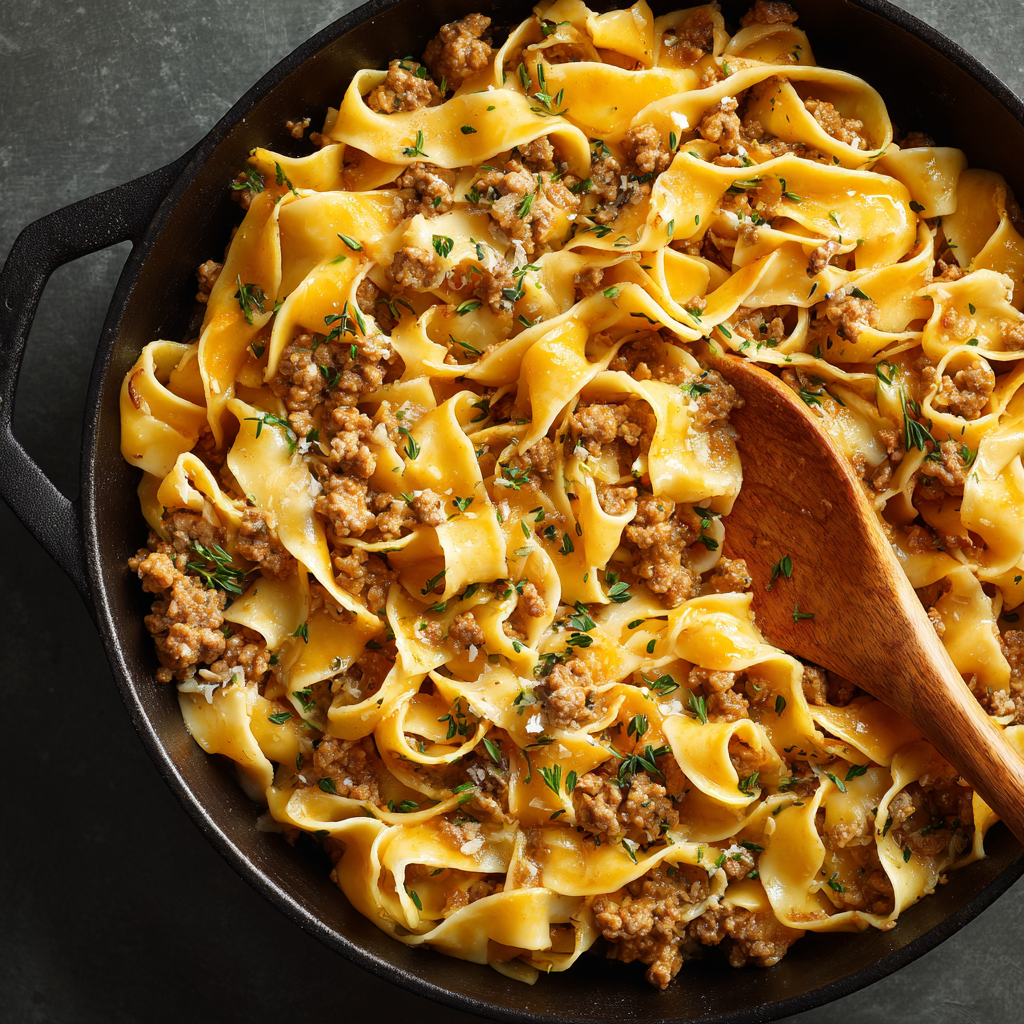
Plan your portions like a host: measure pasta and sauce so every guest leaves satisfied. I aim for about 100 grams of dried pasta per person, or 150 grams if you’re using fresh dough. For hearty appetites, plan roughly one cup of sauce per serving.
How much pasta and sauce per person
Undercook dried pasta by about one minute so it can finish in the pan while the sauce emulsifies. Reserve a cup of starchy pasta water before you drain; it helps the sauce cling. If you feed a crowd, keep the sauce warmed gently and cook pasta in batches so texture stays ideal.
Simple sides that complement the richness
Start sides while the sauce simmers. Crisp greens—wedge salad, steamed green beans, or roasted broccolini—cut through the richness. A warm crusty loaf or garlic bread is perfect for mopping up sauce.
- Have bowls warmed and cheese grated ahead to speed service.
- Taste and season at the end; a final pinch of salt makes flavors bloom.
- Keep the menu simple: let the bolognese be the star.
Bring it all together for a restaurant-worthy bowl at home
I’ll be direct: respect time and technique and the flavor will follow. Browned pancetta, ground beef and pork, a fine soffritto, white wine or vermouth, and milk need 2½–3 hours of low heat to become that silky sauce.
Toss just-cooked pasta into the pan and use a splash of pasta water to bind. Finish with Parmigiano and a kiss of lemon if you like. These small moves turn an honest ragu bianco into a glossy, fragrant white bolognese sauce.
This bolognese is practical enough for a weeknight yet elegant for guests. Trust the process, taste as you go, and then sit down and enjoy—the care you put in shows in every bite. Try it, save a portion for later, and share how it turned out!
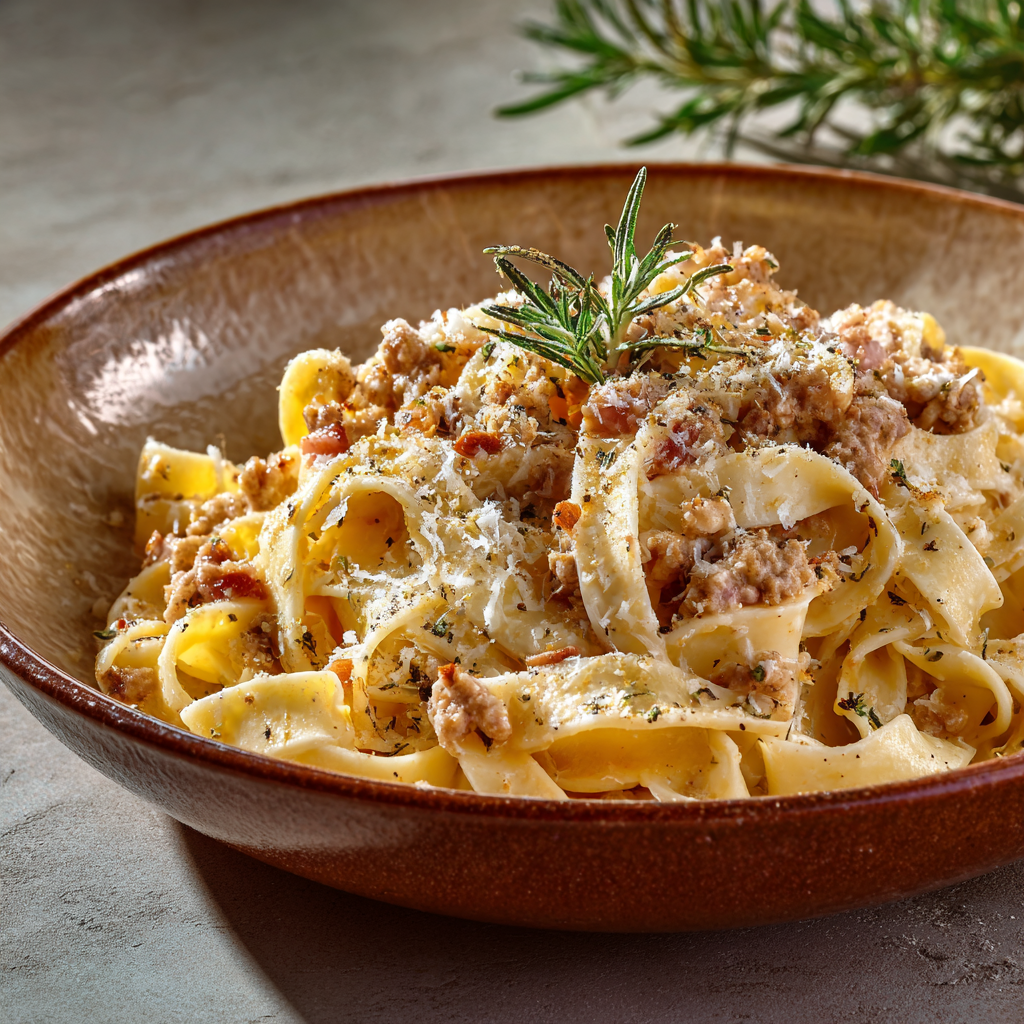
Tagliatelle with White Bolognese Ragù
Ingredients
Method
Notes
Keep the simmer low to protect the milk.
The sauce tastes better the next day.
Freeze the sauce without pasta for best texture.