
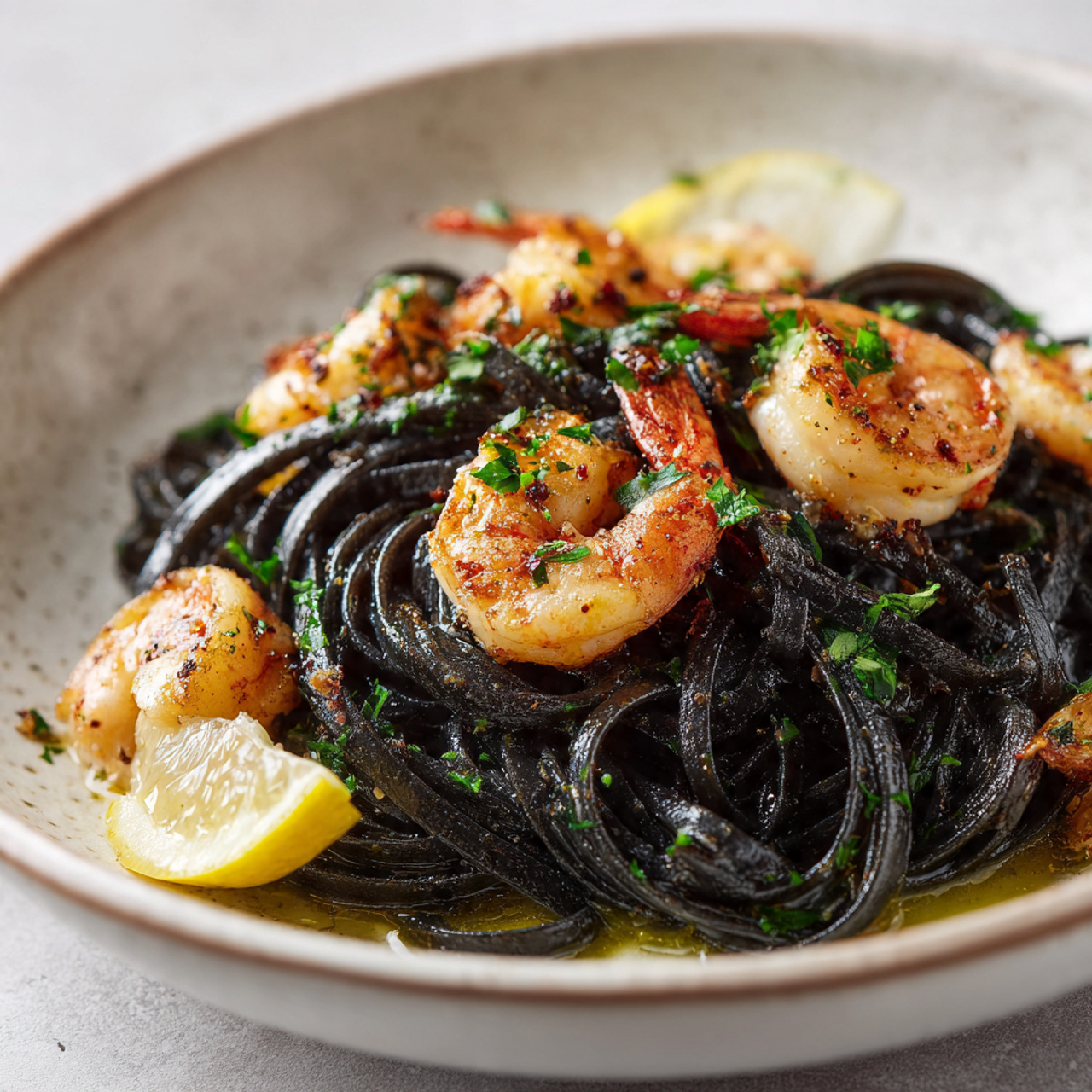
Jump to Recipe
I still remember my nonna stretching dough by the window, and this squid ink tagliolini recipe brings that memory to the table with briny, elegant ribbons. The first bite should taste of the sea, bright against a simple sauce that never overwhelms.
I will walk you through making fresh squid ink pasta that stays supple, not chalky, and how to balance hydration and salt for a silky finish. Use a light hand with aromatics and trusted brands like Rustichella D’Abruzzo for pasta and Rio Vista Olives for extra-virgin olive oil to let the color contrast sing with shrimp or scallops.
In just a few minutes of careful tossing and finishing, the dish will shine glossy, not greasy, and you’ll have clear steps for making ahead and gentle reheating so the tender bite holds its charm.
Key Takeaways
- Fresh black pasta carries a subtle briny backbone that pairs best with light seafood sauces.
- Control hydration when adding ink to dough to keep strands supple and glossy.
- Use minimal aromatics and good olive oil to preserve contrast and flavor.
- Finish with emulsification and heat control so the sauce clings without greasing.
- Trust reliable brands and plan a short make-ahead method to protect texture.
Why this squid ink tagliolini recipe works for seafood lovers right now
For busy evenings, a bold black pasta and a simple seafood pan sauce make an easy restaurant-style meal. Fresh squid ink carries more sea flavor than dry, so the cooking time is short and the payoff is big.
Light sauces—garlic, white wine, lemon—let that briny taste shine. A quick sauté finished with butter or a splash of olive oil glazes the strands without masking flavor. The contrast on the plate feels special with almost no fuss.
- I prefer sauces that come together in minutes while the pasta boils; shrimp or crab stay sweet and tender.
- The pasta itself adds saline depth, so we use gentle heat and just enough body to coat the ribbons.
- If you shop midweek, dry black squid ink options from Trader Joe’s or World Market save time; fresh dough rewards the effort when you can spare it.
- Keep a cup of starchy water on hand to loosen sauce and finish with herbs for brightness.
Flavor first: what squid ink adds to pasta
A good squid ink pasta begins with a whisper of the sea. The aroma and taste should feel clean and mineral, not fishy.
Briny depth, sea-salt nuance, and striking color
Squid ink brings gentle salinity and a mineral backbone that reminds me of a cool ocean breeze. It adds a lingering savor that simple sauces showcase best.
I keep seasoning modest—just a thread of heat, a pinch of sea salt, and garlic to support the pasta, not bury it. A clear white wine sauce or a squeeze of lemon brightens the dish and preserves the squid ink colour against sweet seafood.
- Fresh black pasta tastes slightly sweeter and more marine-forward than dry versions.
- Butter finishes add sheen and round the salt without stealing focus from the ink pasta.
- Choose naturally sweet seafood—shrimp, scallops, or crab—to balance the briny notes.
In practice, a quick pan sauce that comes together in minutes keeps the strands glossy and the flavors balanced. These small choices let the pasta remain the lead voice in our recipes.
Ingredient spotlight for authentic ink pasta
Choosing the right ingredients makes all the difference when you want an authentic black pasta that pairs cleanly with seafood.
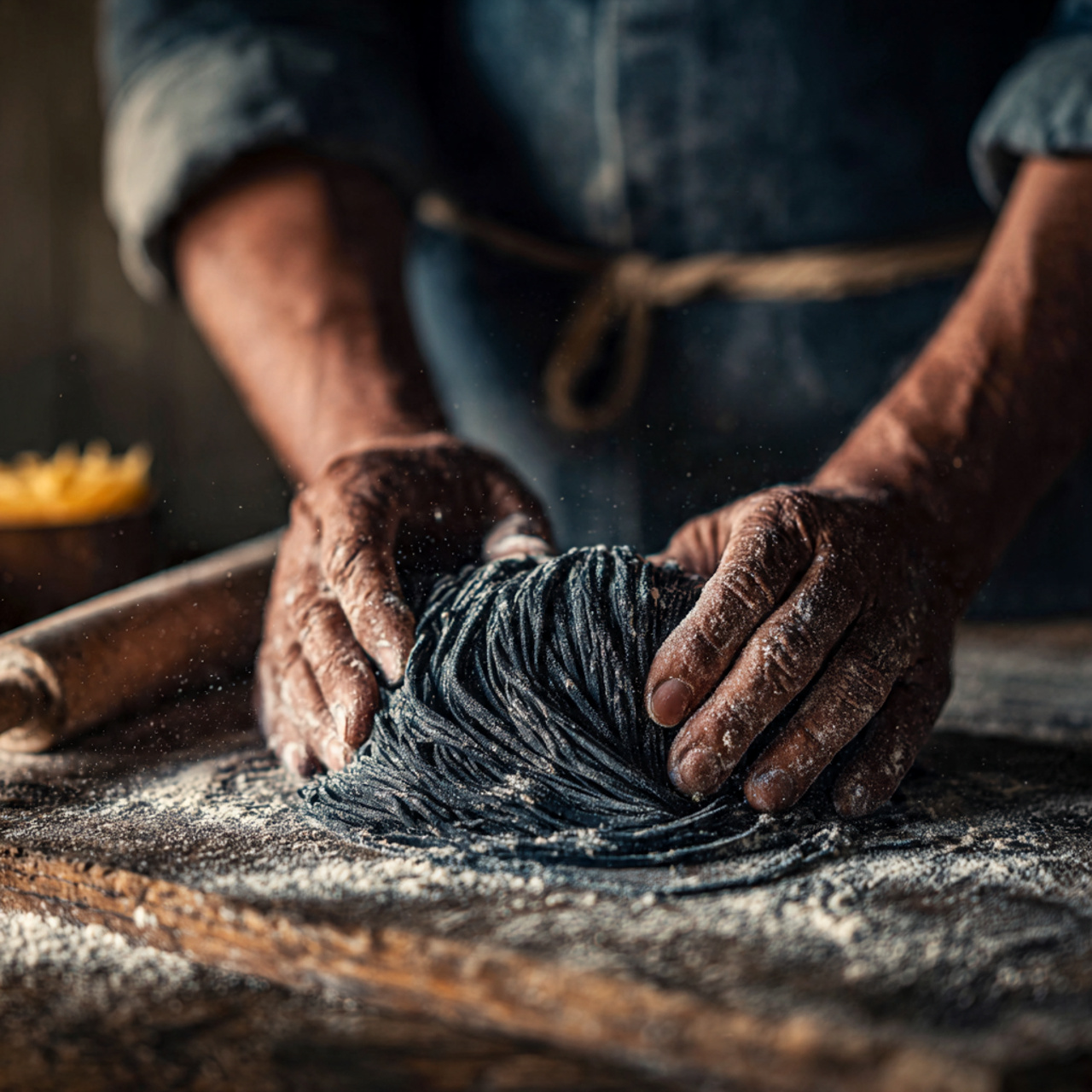
Choosing between cuttlefish and squid extracts
Cuttlefish extract is what many stores carry. It gives a deep black color and solid briny flavor that we want for tagliolini-style strands.
Fresh squid ink pasta, when available, shows stronger marine notes than dry versions. I look for jars that smell clean and marine, not fishy.
| Type | Color | Flavor |
|---|---|---|
| Cuttlefish extract | Deep black | Briny, clean |
| Squid extract | Rich black | Slightly sweeter, marine |
| Dry black pasta | Uniform color | Milder, less fresh |
Aromatics, fats, and brighteners that make it sing
Extra-virgin olive oil sets the stage. Use a peppery bottle like Rio Vista Olives for lift, or a buttery one if you want a rounder finish.
Butter adds gloss when you emulsify with starchy water. Garlic should be thinly sliced or gently smashed so it perfumes the oil without turning bitter.
Lemon and lemon zest brighten the finish. Parsley keeps the plate crisp, while basil brings a sweeter, aromatic note with cherry tomato pieces for color and acidity.
- If you need to buy squid ink or black pasta in the U.S., check Trader Joe’s, World Market, or reputable online shops.
- Rustichella D’Abruzzo makes a reliable black pasta texture if you prefer a brand name when buying dried pasta.
Essential tools for silky, restaurant-quality tagliolini
A few reliable tools make the difference between home pasta that’s good and pasta that feels like it came from a trattoria.
I keep choices practical so texture, speed, and consistency improve with minimal fuss.
What I use and why
- A large pot for briskly boiling salted water so the pasta moves freely and cooks evenly without sticking.
- A steady pasta roller—either hand-crank or a stand-mixer attachment—to give even sheets and that delicate bite.
- A sharp knife or cutter to trim clean edges; ragged strands clump and cook unevenly.
- A wide skillet to finish the dish, emulsify butter and starchy water, and marry pasta with sauce under low heat.
- Tongs, a ladle for reserved water, a bench scraper, rolling pin, fine zester, and a digital scale for repeatable results.
| Tool | Why it matters | Quick tip |
|---|---|---|
| Large pot | Allows vigorous boil and room for pasta to circulate | Use plenty of water and salt it like the sea |
| Pasta roller | Creates uniform sheets for even cooking | Start at the widest setting, work down slowly |
| Wide skillet | Best for emulsifying sauce and finishing pasta | Keep heat moderate; add starchy water a little at a time |
| Digital scale | Keeps dough hydration consistent | Weigh flour and eggs for repeatable texture |
From dough to ribbons: making squid ink tagliolini at home
To turn simple ingredients into glossy dark ribbons, start with balance. I gather flour, eggs, a touch of olive oil, and the black extract so I can judge hydration as I go.
Mixing and kneading: balancing hydration with ink
Whisk eggs with a spoon of olive, then fold in flour. Add squid ink slowly so you can feel the dough. If it seems dry, add water 1–2 teaspoons at a time.
Knead by hand until the dough feels smooth and tight, like a soft earlobe—about 10 minutes. Then wrap and rest for 30 minutes so the gluten relaxes and becomes easier to sheet.
Sheeting and cutting: achieving that delicate tagliolini bite
Roll from a thick setting down to medium-thin in gradual passes. Fold once or twice early to align the gluten and get silkier sheets.
- Keep the bench barely floured so rollers can grip and the sauce will cling.
- Aim for a sheet that drapes over your hand without tearing; that gives a tender bite when cooking.
- Cut with a sharp blade or cutter and stack sheets with light dustings of flour, airing them a minute before slicing into narrow ribbons.
These steps make pasta that cooks evenly and holds sauce. Try the same approach with other recipes when you want consistent results.
Two-toned technique: striped saltbush and squid ink pasta
A simple contrast of a herb-scented dough and a dark sheet makes ordinary pasta look deliberate and elegant.
Make two doughs: one scented with saltbush for a pale, herb-kissed ribbon and one with the dark extract. Sheet both until they are medium-thin so each layer shares the same elasticity.
Laminating perpendicular fettuccine for a striking look
Cut the light sheet into fettuccine and lay the strands across the dark sheet at a right angle. Keep the strips snug with no gaps; a gentle pin at the edge can hold things while you work.
- Roll each sheet separately so textures match before lamination.
- Spritz lightly where the strips meet to add tack; avoid puddles that trap air.
- Kiss the layers with a rolling pin, then pass once through a thicker roller setting to lock the stripes.
- Step one notch thinner to smooth without stretching the bands out of shape.
- Trim edges and cut into narrow tagliolini so each strand shows alternating bands of colour.
- Work briskly—only a few minutes—so the dough stays pliable.
- Chill cut pasta uncovered on a floured tray; it will firm slightly and hold its bite for up to one week in the fridge.
Cooking the pasta perfectly al dente
Cooking fresh pasta to the right bite begins at the boil and ends in the pan where sauce and strands meet. I walk you through timing, tasting, and how to save the liquid that makes a glossy finish.
Timing and tasting
Bring a large pot to a rolling boil and add salted water so the temperature recovers quickly when you add pasta. Fresh tagliolini needs about 4–5 minutes; start tasting at four minutes. Look for a tender bite with no raw core—this tells you the cooked pasta is ready.
Draining and saving starchy water
Before you drain pasta, ladle off 1/2 cup of hot water. That starchy water is the secret to a silky sauce.
- Do not rinse; you want the surface starch to help the sauce cling.
- Transfer the pasta straight into a wide skillet and finish over medium-high heat so flavors marry.
- Add reserved water in small splashes, tossing until the sauce turns silky and coats each strand.
- Taste one last time and add salt thoughtfully—both the water and squid ink contribute salinity.
Classic seafood pairings that let the ink shine
A few well-chosen seafood companions lift the pasta and keep the plate light and focused. Below are three quick blueprints I return to when I want the dark strands to sing.
Crab with finger lime for zesty sweetness
Boil whole crabs 6–8 minutes until bright orange, then shock in ice and pick the meat while you warm garlic, chili, olive oil, and a knob of butter.
Deglaze with verjuice or a splash of white wine and a squeeze of lemon. Stir in chopped parsley and a spoon of finger lime so tiny citrus pearls pop against the briny base.
Sensory outcome: sweet, saline crab meets lively citrus; the pearls lift each bite without weighing it down.
Shrimp and cherry tomatoes with basil and red pepper flakes
Brown sliced garlic in oil, bloom a spoon of tomato paste, then add halved cherry tomatoes and a splash of wine until they soften.
Drop in shrimp and cook just 2–3 minutes. Add cooked pasta to the pan, toss with butter, lemon zest and juice, torn basil, and starchy water to finish the sauce.
Sensory outcome: bright tomato and herb notes with a gentle hit of heat and glossy, clingable sauce.
Scallops in a light garlic–white wine pan sauce
Pat scallops dry and sear over high heat until golden—brief searing keeps them tender. Lower heat, add garlic, a pinch of red pepper flakes, deglaze with white wine, then stir in a little chopped tomato, parsley, and lemon.
Return scallops to the pan just to warm through, then finish with a drizzle of olive oil and a touch of reserved water if needed.
Sensory outcome: a translucent, refined sauce that showcases sweet scallops and respects the pasta’s marine note.
All three choices respect the dish’s subtle saline voice. Finish gently, taste for salt, and let herbs and citrus refresh rather than mask the ink’s flavor.
Step-by-step: the core squid ink tagliolini recipe
A steady medium heat and careful timing are the secrets to a silky emulsion that clings to each strand.
Build the sauce
Warm 2 tablespoons of extra-virgin olive oil over medium until it shimmers. Add thinly sliced garlic and cook 1–2 minutes until fragrant and lightly golden. If you prefer a tomato note, stir in a spoon of tomato paste and cook until it darkens.
Pour 1/3 cup white wine and let it bubble briskly for about 2 minutes. Reduce until the pan shows a glossy glaze and the alcohol has cooked off. Keep the heat controlled so aromatics brown, not burn.
Add cooked pasta and emulsify
Transfer the cooked pasta directly to the skillet. Toss with a splash of reserved starchy water to start the emulsion.
Remove the pan from direct heat and whisk or toss in 1 tablespoon cold butter. Add more water, a little at a time, until the sauce turns silky and clings to the strands. If adding seafood, slide it in now and watch timing—shrimp need just 2–3 minutes.
Finish and serve
Brighten with grated lemon zest, a squeeze of juice, and a handful of chopped parsley. Taste and add a light pinch of sea salt only if needed. Serve immediately while the emulsion is glossy and the aromas lift from the bowl.
Pro tips for restaurant-level results
When you learn the small science behind finishing pasta, every plate looks and tastes intentional. These habits are low‑fuss and high‑impact. They focus on gloss, texture, and clear flavor.
Emulsification, heat control, and when to add herbs
Reserve a cup of hot water before you drain. That starchy water is how we marry butter and oil into a silky sauce.
Add butter and starchy water in tiny amounts while tossing so the emulsion forms rather than breaks. Keep heat moderate; too high and the sauce splits, too low and it stays thin.
Add delicate herbs off the heat so their aroma stays bright. Cook garlic only until pale gold to avoid bitterness.
How much salt for the water and why it matters
Salt the water like the sea. Heavily salted water seasons the pasta from within so you need only a small pinch later in the pan.
Cook seafood just until opaque and tender — a minute or a few minutes is often enough. Carryover heat finishes the proteins as you toss with pasta.
- Emulsify by tossing: fat + starch = gloss, not grease.
- Keep the pan wide so evaporation concentrates flavor without over-reducing the sauce.
- Taste at each step—oil, wine, then butter—so you can correct balance quickly.
Smart substitutions and variations
If you prefer to shortcut shaping, choosing the right store-bought strand keeps the flavor honest and the finish glossy. I like simple swaps that save time but respect the sea-salty profile we want.
Try different shapes
If you’re not rolling dough, reach for squid ink linguini or squid ink spaghetti. Both shapes hold light sauces well and are easy to find online or at specialty grocers in the U.S.
Tomato twist versus clear glaze
For a tomato sauce variation, cook a spoon of tomato paste with garlic, add halved cherry tomatoes and a splash of wine. Let the tomatoes soften so sweetness balances the pasta’s briny note.
No-alcohol option and brightening tips
No wine today? Add a bit more lemon and a splash of reserved pasta water to build body. Finish with a pinch of red pepper flakes for warmth and either parsley for a fresh lift or basil when tomatoes are the star.
- Keep the core method: finish in the pan, emulsify gently, and serve right away.
- Shrimp cooks fastest; scallops give a luxe bite; crab adds sweet texture.
- Dry black pasta from Trader Joe’s or World Market works fine when fresh isn’t available.
Where to buy squid ink and black squid ink pasta in the U.S.
Good ingredients start at the market; knowing where to buy quality black pasta saves time and stress. I shop both local shelves and trusted online stores so I can cook without scrambling for last-minute items.
Reliable stores and brands I trust
Trader Joe’s and Cost Plus World Market often carry boxed black pasta during seasonal rotations. Specialty Italian markets stock premium brands like Rustichella D’Abruzzo, which I reach for when texture matters most.
- Buy squid ink online from reputable sellers if local stores are out; check recent reviews and listed harvest dates before buying.
- Pick squid ink pasta shapes you prefer—squid ink linguini or squid ink spaghetti are widely available and versatile.
- Keep a good bottle of extra-virgin olive oil, such as Rio Vista Olives, to finish sauces with peppery brightness.
- Store opened jars in the fridge and use soon for best color and aroma; dry pasta keeps in the pantry for months.
| Source | What to expect | Buying tip |
|---|---|---|
| Trader Joe’s / World Market | Seasonal boxed black pasta | Buy extra when you see it |
| Specialty Italian shops | Premium brands, fresher texture | Ask staff about brand origins |
| Online retailers (Amazon, specialty sites) | Wide range: jars and dry pasta | Check reviews and dates |
If you need to buy squid ink in a pinch, order from reputable stores and inspect the aroma on opening—clean and marine is what you want. These small choices keep your pasta and sauces tasting their best and ready for simple weeknight recipes.
Make-ahead, storage, and reheating without losing texture
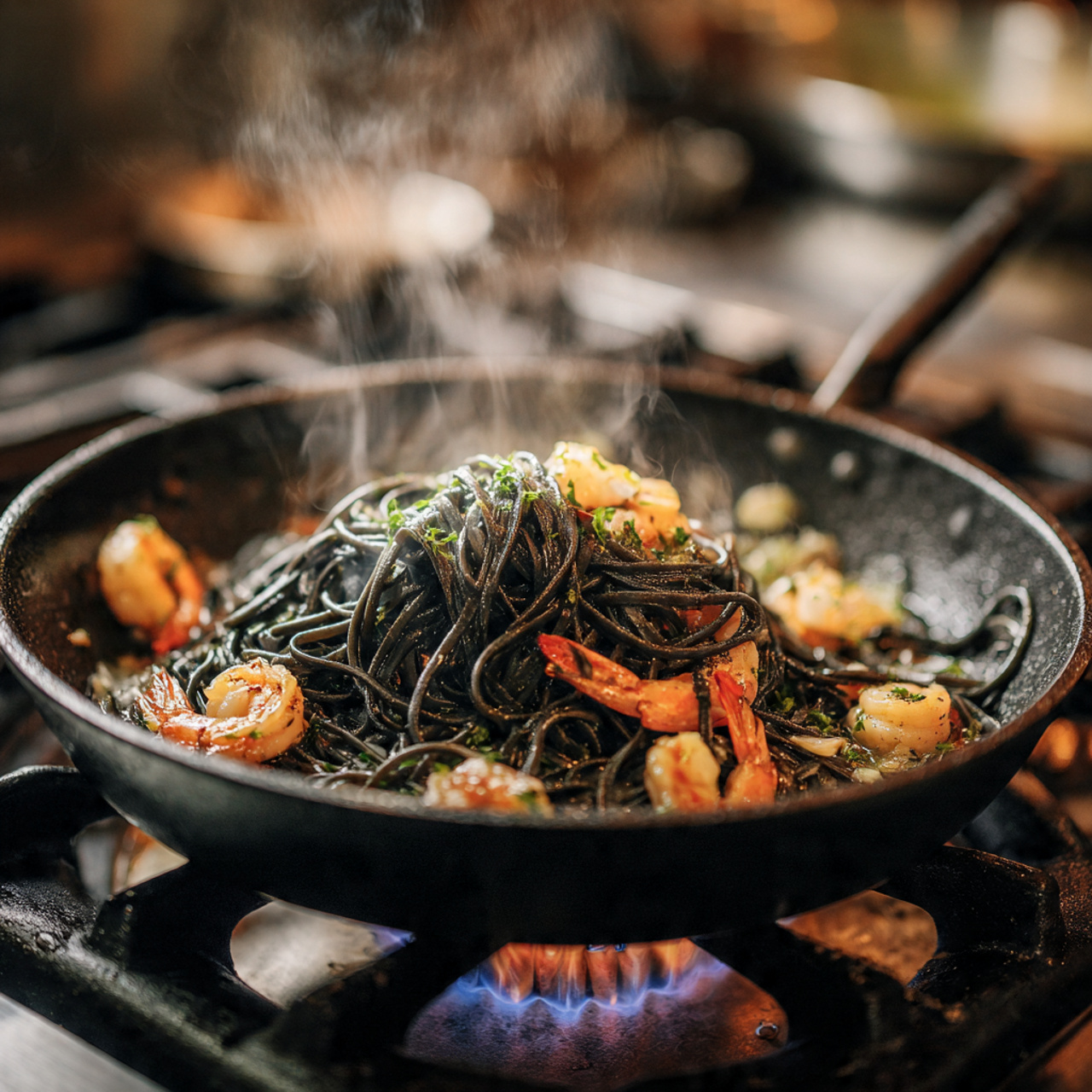
A small stretch of planning keeps the al dente bite bright and the sauce glossy the next day. Follow safe steps so cooked pasta stays tender and your final plate still sings.
Refrigerating fresh dough and cut strands
After cutting, lay fresh laminated pasta on a floured tray and refrigerate uncovered. The surface will dry slightly and hold texture for up to one week.
Storing cooked pasta and sauce
Cool leftovers quickly. Then refrigerate pasta and sauce together to prevent drying. Always drain pasta well before storage so excess water does not dilute flavor later.
- Reheat in a skillet over low heat with a spoon of water and a dot of butter, tossing until the sauce loosens and gloss returns.
- Avoid high-power microwaving; use short bursts and stir to protect the al dente core.
- Freeze raw dough—not cooked pasta—when you need longer storage; thaw in the fridge before rolling.
- Label with the date and plan to use cooked pasta within a couple of days for best quality.
| Item | Storage | Best use time | Reheat tip |
|---|---|---|---|
| Fresh laminated strands | Uncovered on floured tray, fridge | Up to 7 days | Bring to room temp 10–15 minutes before cooking |
| Cooked pasta with sauce | Airtight container, fridge | 1–2 days | Skillet, low heat, splash of reserved or fresh water |
| Raw dough | Wrapped, frozen | Up to 3 months | Thaw in fridge overnight before rolling |
Nutrition snapshot and dietary notes
Understanding the fat, protein, and carb balance keeps the dish satisfying without feeling heavy. Typical servings combine carbohydrates from pasta, lean protein from shellfish or white fish, and modest fat from olive oil and butter. Lemon and fresh herbs lift flavor while adding almost no calories.
Balancing fat, protein, and carbs while keeping flavor high
I keep the fat balanced by starting with olive oil and finishing with just enough butter to form a glossy emulsion. That method stretches flavor without adding excess oil or butter.
Lean seafood like shrimp, scallops, or crab delivers protein without heaviness. Load the pan with seafood and choose a sensible portion of pasta so the plate feels generous yet balanced.
- If you want to trim fat, cut back on butter and rely on reserved starchy water and vigorous tossing for body.
- Add more herbs and lemon to brighten the dish instead of adding salt or extra fat.
- For dairy-sensitive diners, finish with an extra splash of olive oil and more pasta water for a dairy-free emulsion.
- Dry wines add aroma and lift during reduction without extra calories; the alcohol cooks off.
- Always taste and adjust acidity and seasoning at the end; small tweaks keep flavors vivid.
Wine pairings that flatter ink pasta and seafood
Pairing wine with a dark, briny pasta is about balance. Acid and body guide the choice so the seafood and pasta remain bright on the plate.
I reach for whites that show freshness, or a young red when tomatoes and basil come into play. Keep sauces light so color contrast and the marine notes stay clear.
My go-to bottle choices
- Verdicchio — bright and saline, it echoes the pasta’s briny depth and has enough structure for richer seafood.
- Oregon Pinot Gris — juicy acidity and stone-fruit notes that flatter shrimp, scallops, and a lemon finish.
- Youthful Chianti (lightly chilled) — best when you use a tomato sauce; the crisp acid cuts through tomato and basil without overpowering.
Avoid heavily oaked wines. We want purity and lift, not creamy weight. A dry sparkling wine also makes a joyful match for guests; bubbles reset the palate between bites.
| Wine | Why it works | Serve |
|---|---|---|
| Verdicchio | Saline, green-apple acidity complements seafood and squid ink pasta | Chilled, 45–50°F |
| Oregon Pinot Gris | Stone-fruit and crisp acidity that flatters lemony or buttered sauces | Chilled, 46–52°F |
| Youthful Chianti | Crisp red fruit and uplifted acidity for tomato-based sauce with basil | Slightly chilled, 55–60°F |
Taste your sauce before pouring. More lemon or herbs nudges you toward higher-acid whites. If basil and tomato dominate the pan, pick a lean red or a crisp rosé so the whole dish stays in balance.
Squid ink tagliolini recipe: bring the sea to your table
.
Bring the sea home tonight with a simple finishing touch that turns dark ink pasta into a lively, family-style supper.
Sheet, cut, and cook the pasta quickly, then finish it in the pan with a splash of white wine or a lemon‑butter glaze. Add a little reserved water and a knob of butter to emulsify until the sauce becomes silky and clings to each strand.
Garnish with chopped parsley and serve immediately from warm bowls. If you’re hosting, keep the wine chilled and present the pan family‑style so everyone helps themselves.
Save and print this recipe. Leftovers reheat gently with a splash of water. From our kitchen to yours, buon appetito.
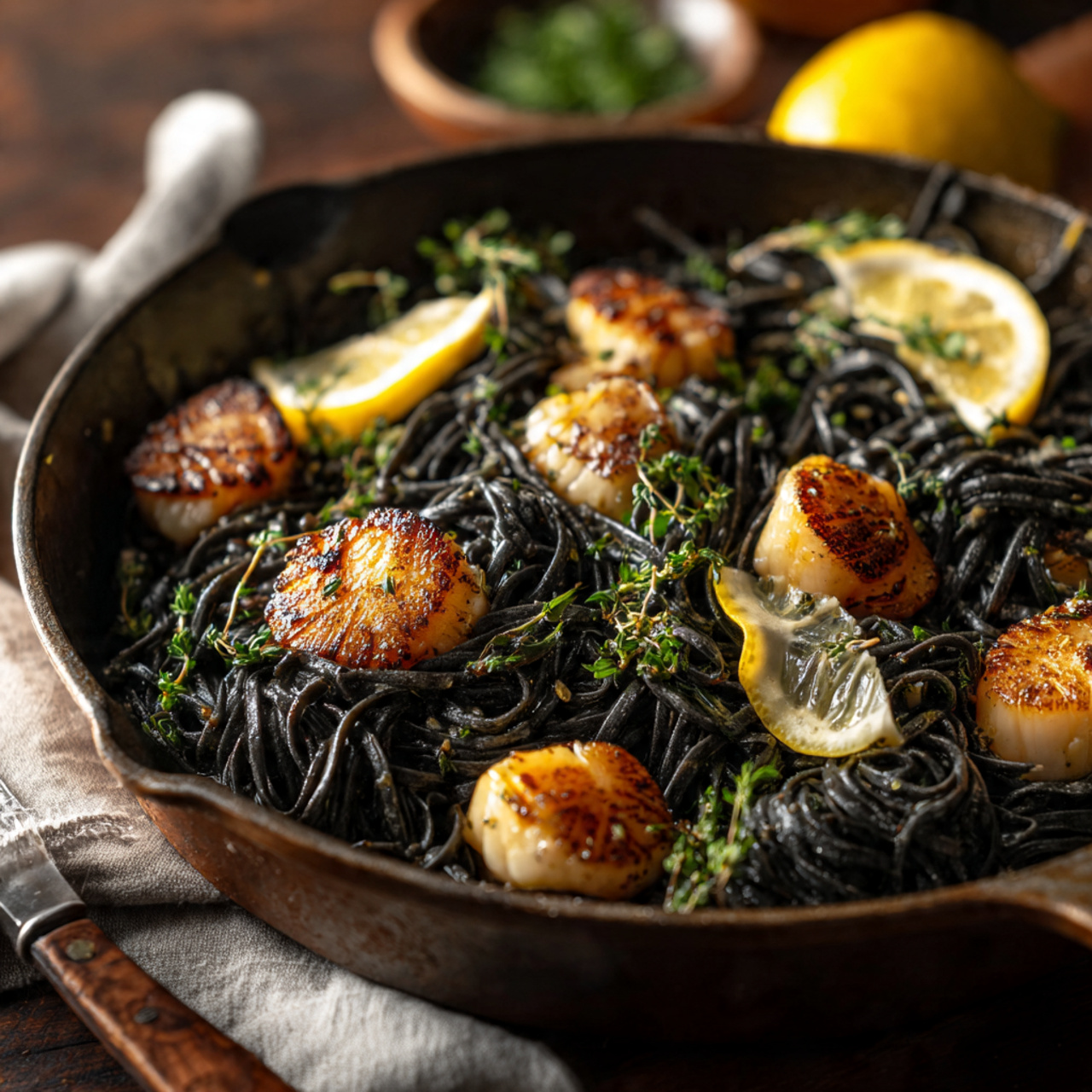
Squid Ink Tagliolini with Garlic, White Wine & Lemon Butter Sauce
Ingredients
Method
- In a large bowl, whisk eggs, olive oil, and squid ink until smooth.
- Gradually mix in flour and salt until a shaggy dough forms.
- Knead on a floured surface for 8–10 minutes until smooth and elastic.
- Wrap in plastic and rest for 30 minutes at room temperature.
- Divide dough into smaller pieces.
- Using a pasta roller, start at the widest setting and roll gradually thinner.
- Lightly flour and fold once or twice early for silkier sheets.
- Roll to medium-thin and cut into narrow ribbons (tagliolini).
- Lightly dust with flour and air-dry for 10–15 minutes.
- Bring a large pot of salted water to a rolling boil (salt it like the sea).
- Add the pasta and cook for 4–5 minutes until al dente.
- Ladle out ½ cup of pasta water before draining.
- Do not rinse; transfer pasta straight to the sauce pan.
- Warm olive oil in a large skillet over medium heat.
- Add garlic and cook 1–2 minutes until fragrant and lightly golden.
- Pour in white wine and let it bubble for 2 minutes until reduced.
- (If adding seafood) add shrimp or scallops now—cook 2–3 minutes until opaque.
- Add cooked pasta directly to the skillet.
- Toss with reserved pasta water, a bit at a time.
- Remove from heat and whisk in cold butter until the sauce turns silky and glossy.
- Add lemon zest, juice, parsley, and season to taste.
- Plate immediately while hot and glossy.
- Finish with a drizzle of olive oil, extra herbs, and fresh lemon zest.
- Serve with chilled Verdicchio or Pinot Gris for the perfect pairing.
Notes
- Fresh squid ink gives better flavor and color than dried versions.
- Salt water generously—this enhances the pasta’s natural brininess.
- Do not overcook seafood; shrimp and scallops should just turn opaque.
- Always emulsify sauce gently—heat too high can split the butter.
- Store leftovers in an airtight container for up to 2 days and reheat gently in a pan with a splash of water or olive oil.