
Jump to Recipe
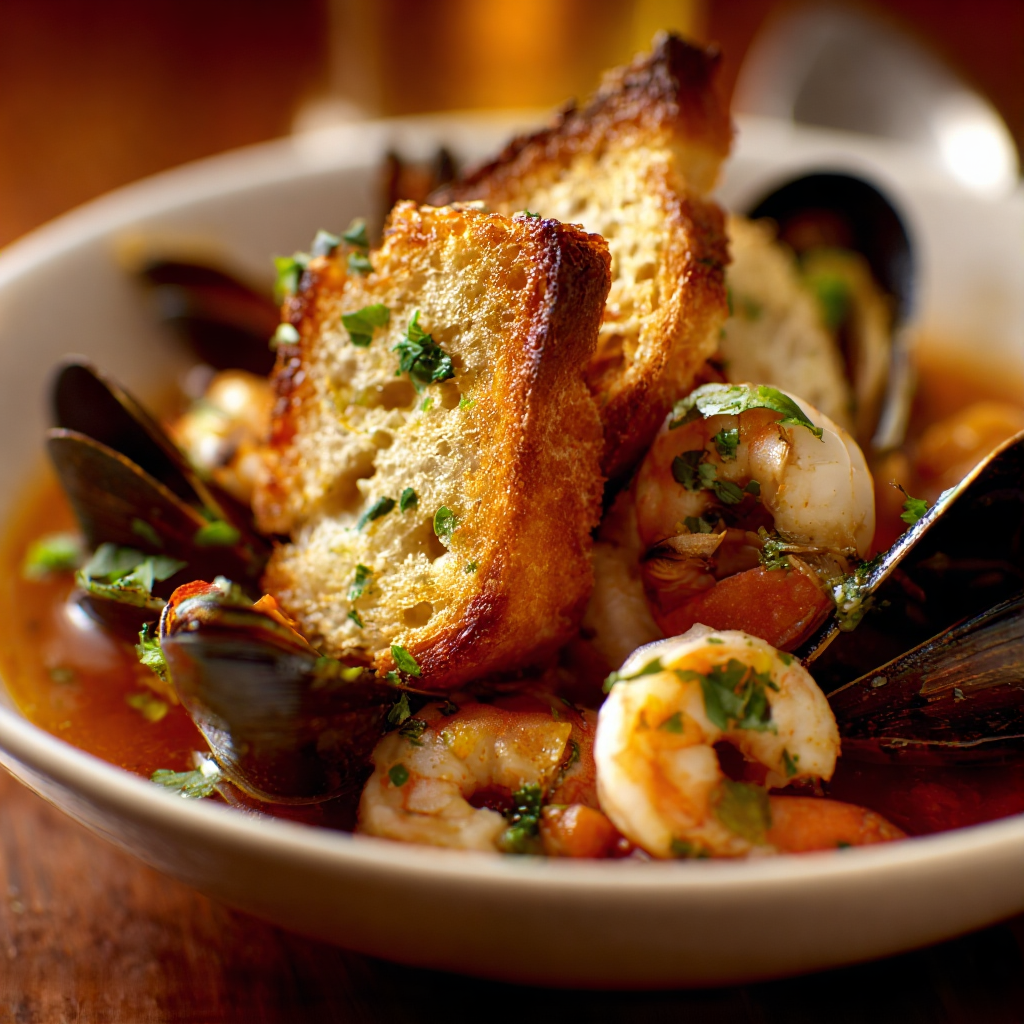
I invite you into my kitchen to make a coastal classic: the marche brodetto fish stew recipe that tastes like the Adriatic in a bowl. The first spoon should bring bright tomato, warm olive oil, and a clean, briny stock that sings of the sea.
I’ve learned this method from fishermen and family cooks along the region’s shore. We build flavor from a simple vegetable base, add wine or a splash of vinegar for balance, then simmer gently so delicate shellfish and firm fish finish tender, not rubbery.
You’ll find clear cues—what to look for, when to skim, and how to time additions—so the broth stays clear and flavorful. I also share swaps that keep the heart of the dish intact and help U.S. cooks find the right ingredients at local markets.
Key Takeaways
- Start with a savory vegetable base and good olive oil for depth.
- Use a clean fish stock and balance acidity with wine or vinegar.
- Add shellfish last to avoid overcooking and preserve texture.
- Simple pantry staples yield authentic coastal flavor for weeknights.
- For technique notes and related cooking tips, see a classic hunter’s stew approach adapted for home cooks.
Why this coastal classic belongs in your kitchen
What makes this dish live in my kitchen is its honest, changing cast of ingredients and its simple, reliable method. It grew along Ancona’s docks where cooks used whatever the boats brought in that day. The result is generous, sustainable, and deeply personal.
From Ancona’s fishermen to your stove: what makes it special
The flavor begins with a soffritto of onion, garlic, and celery. Short browning of these aromatics builds a savory base that tastes like shore mornings.
Bay leaves perfume the broth while a splash of white wine brightens and lifts the liquid. That small move gives restaurant-level balance at home.
- Use mixed fillets and shellfish to reflect the day’s catch; it keeps the pot interesting and honest.
- Add clams and mussels last so they steam open and season the broth naturally.
- Gentle simmering protects delicate flesh and keeps a clear, clean-tasting result.
| Technique | Why it matters | Home tip |
|---|---|---|
| Soffritto (onion, garlic, celery) | Builds savory depth | Cook low until soft, not brown |
| Acid (wine or vinegar) | Brightens and balances tomatoes or stock | Add early, then taste before seasoning |
| Shellfish timing (clams, mussels) | Keeps meat tender and broth clear | Stir in last and cover until they open |
Ingredients that build depth in this marche brodetto fish stew recipe
Start with quality produce and firm fillets, then build layers of flavor that feel lived-in and true. I recommend 2.5–3 pounds of mixed seafood: swordfish, squid, red snapper, shrimp, clams, mussels, and a bit of lobster if you like a showpiece.
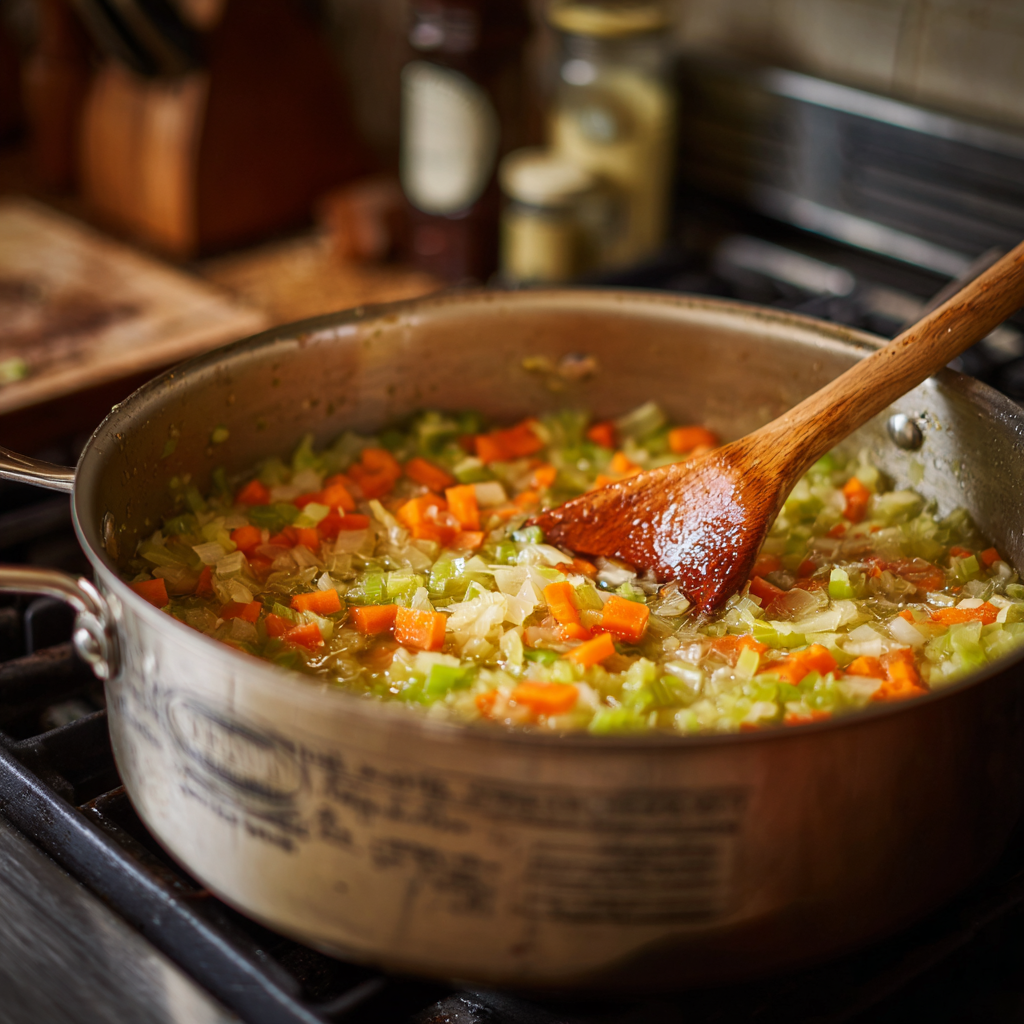
For the aromatic base, use onion, garlic, and celery with a carrot added for sweetness. Fresh parsley and bay leaves keep the broth bright. Chop veg into even pieces so the soffritto cooks evenly.
- Choose fillets that hold in broth—snapper, hake, monkfish, or mullet work well.
- Balance clams and mussels with a few prawns; shell-on prawns add richness.
- Use canned tomatoes crushed for a rustic body, then finish with a drizzle of olive oil.
- For liquids, combine quality fish stock with a splash of white wine or a touch of vinegar. Pick saffron for floral depth or red pepper flakes for heat.
- Season lightly with salt; taste after the shellfish open. Serve over toasted Italian bread or rice to soak up the juices.
Quick acidity and finish comparison
| Option | Effect | When to use |
|---|---|---|
| White wine | Bright, clean lift | Everyday pots and restaurants |
| Vinegar | Sharp, rustic balance | When tomatoes are very sweet |
| Saffron / red pepper | Floral or warm notes | Special occasions or regional twist |
Step-by-step: from soffritto to steaming bowls
We move from the aromatic soffritto straight into careful timing and gentle heat so every ingredient keeps its voice. Start by warming a film of olive oil in a large saucepan, Dutch oven, or clay pot over medium heat.
Cook onion, celery, carrot, parsley, garlic, bay leaves, and pepper flakes until the onion turns translucent, about 5 minutes. You’ll know it’s ready when the edges soften and the pot smells sweet and savory.
Sweat the aromatics in olive oil
Stir often so nothing browns. Keep the heat steady; this builds the foundation without bitterness.
Tomatoes and reduction
Add mashed canned tomatoes and cook for about 15 minutes. Let them thicken and darken slightly so their sweetness concentrates before any liquid is added.
Deglaze and balance
Pour a modest splash of white wine or vinegar and scrape the pan. Cook until the liquid nearly evaporates and the pan looks glossy, then add fish stock and cover. Reduce to low heat and simmer for 10 minutes so the broth stays clear and round.
Add fish, then shellfish
Add fish in even pieces and poach gently until just opaque at the edges. Then stir in clams; cook about 2 minutes or until they open, discarding any that remain shut. Add mussels and prawns, cooking prawns about 3 minutes until pink.
- Keep movements gentle so flesh stays intact.
- If the liquid reduces too far, top up with a splash of fish stock to restore body.
- Skim any foam to preserve a bright broth.
Season, rest, and plate
Season with salt and black pepper after the shellfish open, tasting as you go. Rest the pot off the heat for a minute, then ladle over toasted bread so the crust soaks and softens into the classic texture.
| Step | Time | Visual cue |
|---|---|---|
| Sweat aromatics | 5 minutes | Onion translucent, aroma sweet |
| Tomatoes reduce | 15 minutes | Thicker, darker, concentrated |
| Shellfish finish | 2–3 minutes | Shells open, prawns pink |
Variations inspired by the region
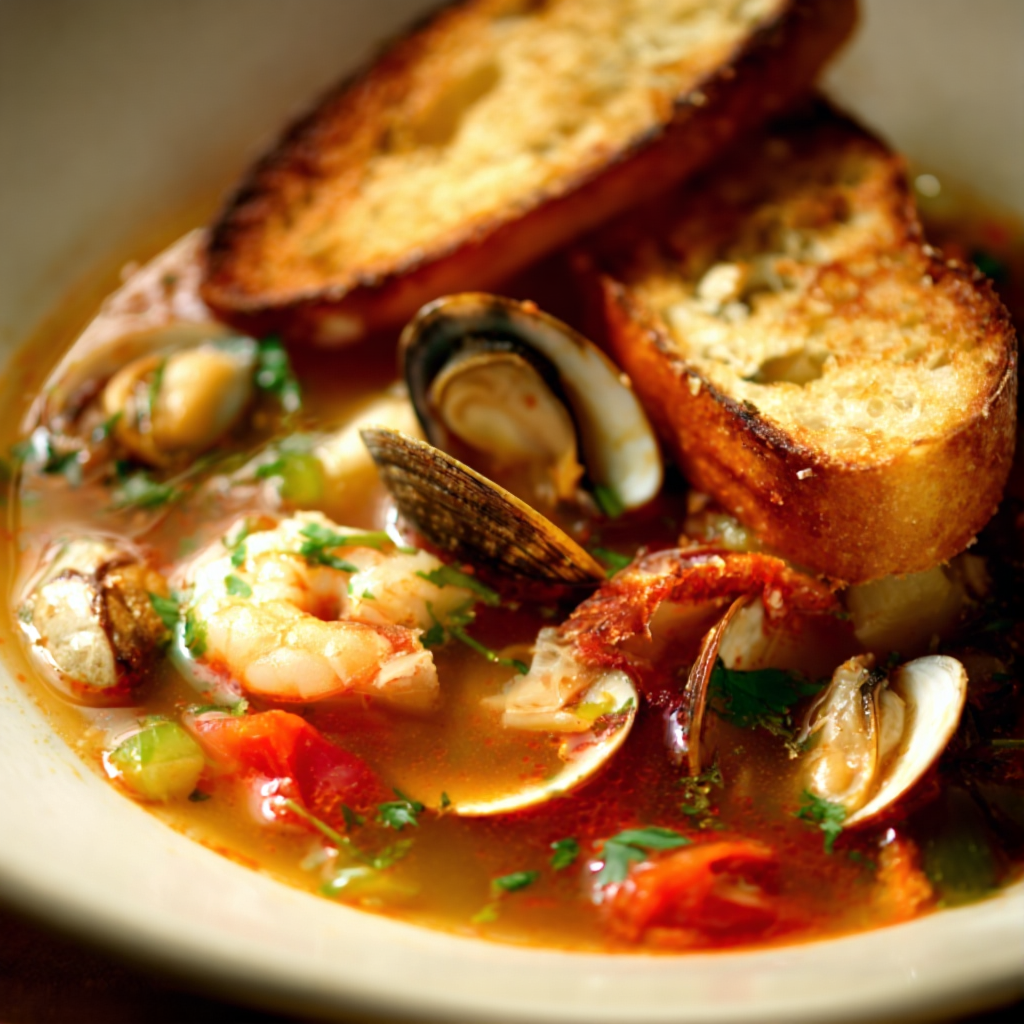
I like to widen the net: more varieties give the pot a layered, coastal sweetness.
In Ancona, cooks sometimes add up to a dozen different species. Try small additions of mixed fillets so each type releases its flavor in turn. For a refined lift, deglaze the pan with a splash of white wine and, if you enjoy anise, reduce a little pastis for perfume without bluntness.
Ancona-style notes
Bloom saffron in a spoon of warm water and stir it into the stock for color and scent. Roast peppers and slow-roast tomatoes, then add them after the base simmers to keep their brightness.
Smart substitutions
- Swap snapper for mullet or monkfish for squid when markets change.
- Use rice instead of bread for a heartier bowl.
Troubleshooting texture and clarity
Let the liquid reduce slightly before you add fish, then top up with stock if needed. If the broth clouds, lower the heat and skim gently. Keep shellfish and prawns to brief cooking—just a few minutes—so they stay silky.
| Variation | Effect | When to use |
|---|---|---|
| Saffron bloom | Golden color, floral lift | Special occasions |
| Pastis deglaze | Subtle anise note | Chef-style twist |
| Mullet or monkfish | Firm texture, steady body | When snapper or squid are scarce |
For technique ideas that pair well, see the Pesce all’acqua pazza method at this linked guide.
Serving like a local—plus storage and safety
When it’s time to serve, I set warm toasted bread and a chilled bottle close by so everyone can dig in together. A scatter of chopped parsley and a drizzle of good olive oil lift the aroma and add freshness to each bowl.
What to serve with it
- I serve the pot over warm toasted bread to soak the broth; rice works well if you want a heartier base.
- Pour a crisp white wine that echoes the broth’s acidity and keeps the plate bright.
- Simple sides—citrus wedges or a bitter green salad—keep the meal coastal and light.
Leftovers, reheating, and shellfish safety
Cool leftovers quickly and store in shallow containers. For best texture, eat within a day.
Reheat gently: use low heat in a covered pan for a few minutes until just warmed through so the fish stays tender. If the pot thickens in the fridge, loosen it with a spoon of warm broth or water before serving.
Shellfish cook fast—clams open in about 2 minutes and shrimp turn pink in roughly 3 minutes. Discard any clams or mussels that fail to open after cooking minutes; they were likely not alive and are unsafe to eat.
| Service | Method | Why it helps |
|---|---|---|
| Toasted bread | Place under ladled broth | Absorbs juices; classic texture |
| Rice | Spoon broth over grains | Heartier, holds sauce without dulling flavor |
| Reheat | Low heat, covered pan, a few minutes | Prevents tightening and overcooking |
| Safety | Discard unopened clams or mussels | Protects against spoiled shellfish |
Bring the Adriatic home tonight
Set a small pot on low heat and let tradition guide you. Soften onion, celery (a single stick), carrot, garlic and bay in olive oil until they smell sweet and gentle.
Add crushed tomatoes and reduce until thick, then deglaze with a splash of white wine. Top with stock and simmer so the broth whispers, not roils.
Time shellfish and fillets carefully; a few minutes and they are done. Finish with chopped1 parsley and a drizzle of olive oil to lift the aromas.
If you’ve been craving a taste of Italy’s coast, tonight is your night to cook this simple recipe. Ladle generously, call the table, and let the first spoon say benvenuti.
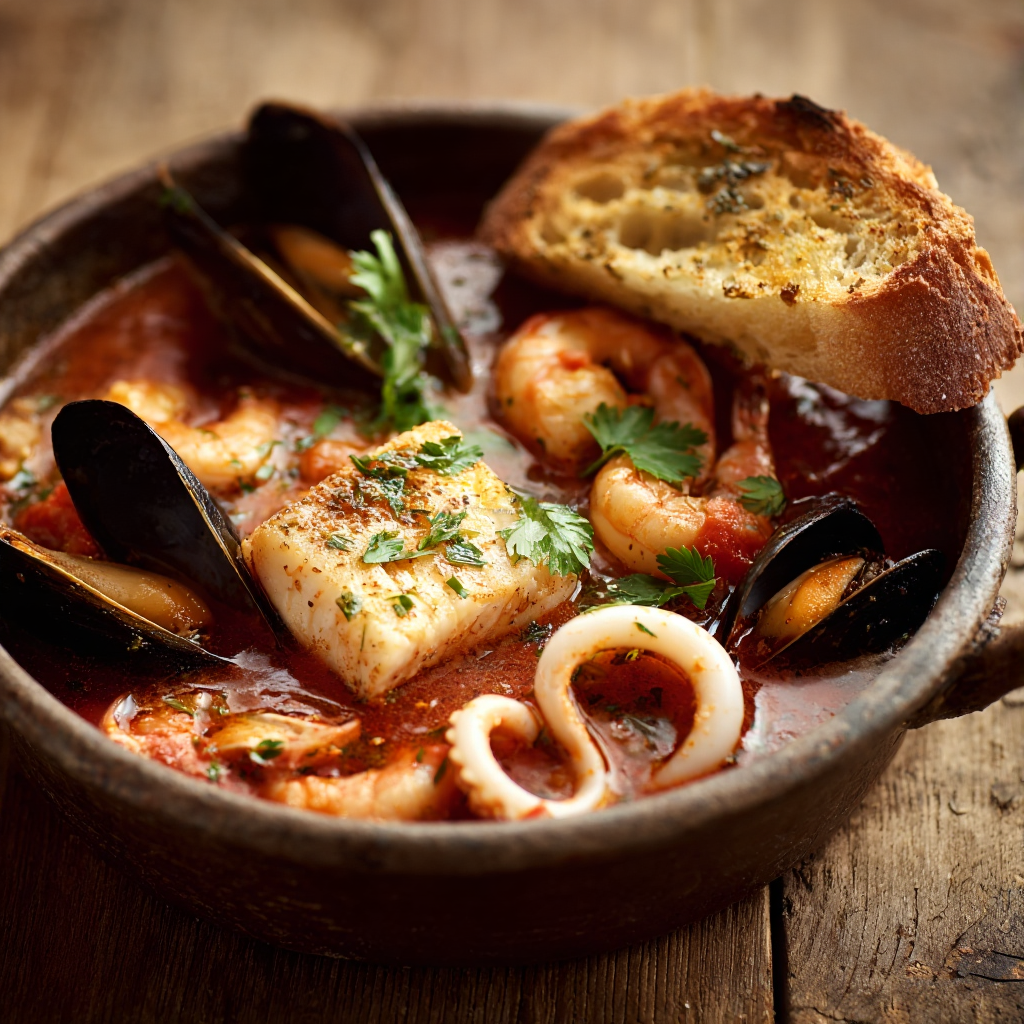
Marche Brodetto Fish Stew
Ingredients
Method
- Warm a good splash of olive oil in a large pot over medium heat. Add onion, celery, carrot, garlic, parsley, bay leaves, and a pinch of pepper flakes. Cook about 5 minutes until soft and fragrant, not browned.
- Stir in the crushed tomatoes. Cook for about 15 minutes until they thicken and darken slightly. This deepens the flavor and removes excess water.
- Pour in the white wine (or vinegar). Scrape the bottom of the pot. Let it cook down until almost evaporated and the base looks glossy.
- Add the fish stock, bring to a gentle simmer, then lower the heat. Let it cook for 10 minutes so the broth stays clear and rounded.
- Cut fish into even pieces. Add them gently to the pot and let them poach until just starting to turn opaque around the edges.
- Add clams first and cook about 2 minutes until they begin to open.
- Add mussels and shrimp next. Cook 2–3 minutes until mussels open and shrimp turn pink. Remove any clams or mussels that stay closed.
- If the broth reduced too much, add a splash of stock. Skim off any foam to keep the liquid clear. Season with salt and pepper at the end, after the shellfish open.
- Turn off the heat and let the pot rest 1 minute.
- Serve ladled over toasted bread or rice. Finish with parsley and a drizzle of olive oil.
Notes
- Keep the heat low once the stock goes in. A hard boil will cloud the broth.
- Add shellfish last to avoid tough, rubbery meat.
- If your fish stock tastes flat, add a tiny anchovy fillet to the soffritto next time—it melts and boosts flavor without fishiness.
- Bread is traditional, but rice works if you want a heartier bowl.
- If using saffron, bloom it in a spoonful of warm water first and add it with the stock.