
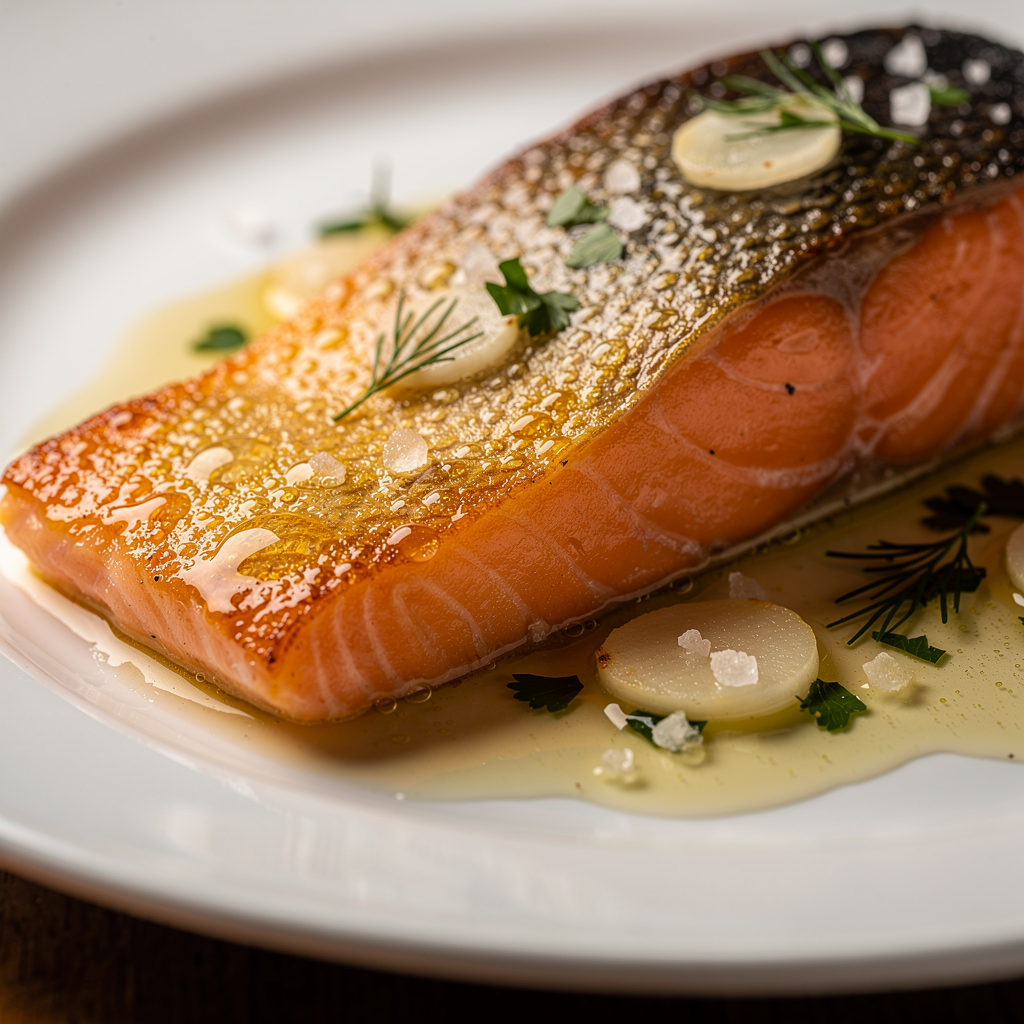
Jump to Recipe
I keep a hot pan ready, a lemon at hand, and a small bottle of dry wine near the stove. The smell of garlic and citrus rising as the sauce reduces feels like home; it tells me dinner will be simple, fast, and honest.
I cook this dish in minutes when time is short. A patient sear gives crisp skin and moist flesh, the cues I trust: the fish flakes, the interior registers near 145°F, and the sauce clings without drowning the flavor.
Use common ingredients from your pantry, choose a dry bottle such as Pinot Grigio or Sauvignon Blanc, and treat frozen filets the same once thawed overnight. Leftovers keep three to four days in the fridge, which makes weekday meals easier and more satisfying.
Key Takeaways
- One clear method yields crisp skin and juicy flesh every time.
- A hot pan prevents sticking; watch for the “dancing water” test.
- Dry wine and lemon balance the sauce; no special shopping needed.
- Cook to 145°F or until the fish flakes for perfect doneness.
- Ready in minutes, leftovers store 3–4 days refrigerated.
Why this salmon with herbs and white wine recipe works for busy weeknights
I rely on a quick pan technique to get crisp texture and a glossy sauce in the time it takes to set the table. Pan-searing needs about 3–4 minutes skin-side, then 1–2 minutes flesh-side, so the whole dish fits into a short window while you finish a salad or pasta.
The method keeps cleanup minimal. Everything happens in one hot pan: the sear locks moisture, the reduction forms from the wine and lemon, and the sauce clings to the fish without a second pot to wash.
- Fast: succulent fish on the plate in under fifteen minutes.
- Reliable: a hot pan and the right fat—olive oil or butter—create a crisp crust that protects the interior.
- Flexible: pantry ingredients mean you can swap the bottle of wine, herbs, or a bit of citrus to suit taste.
- Beginner-friendly: visual cues—sizzling, aroma, glossy sauce—guide doneness for consistent results.
| Fat | Effect | Tip |
|---|---|---|
| Olive oil | Higher smoke, crisp skin | Use very hot pan |
| Butter | Richer, creamier finish | Add near the end to avoid burning |
What you’ll need: salmon, fresh herbs, white wine, and a few pantry staples
Choosing the right fillet and pantry ingredients makes a fast, elegant meal possible any night. I look for bright color and no off smell; center-cut pieces give even cooking and an easy sear.
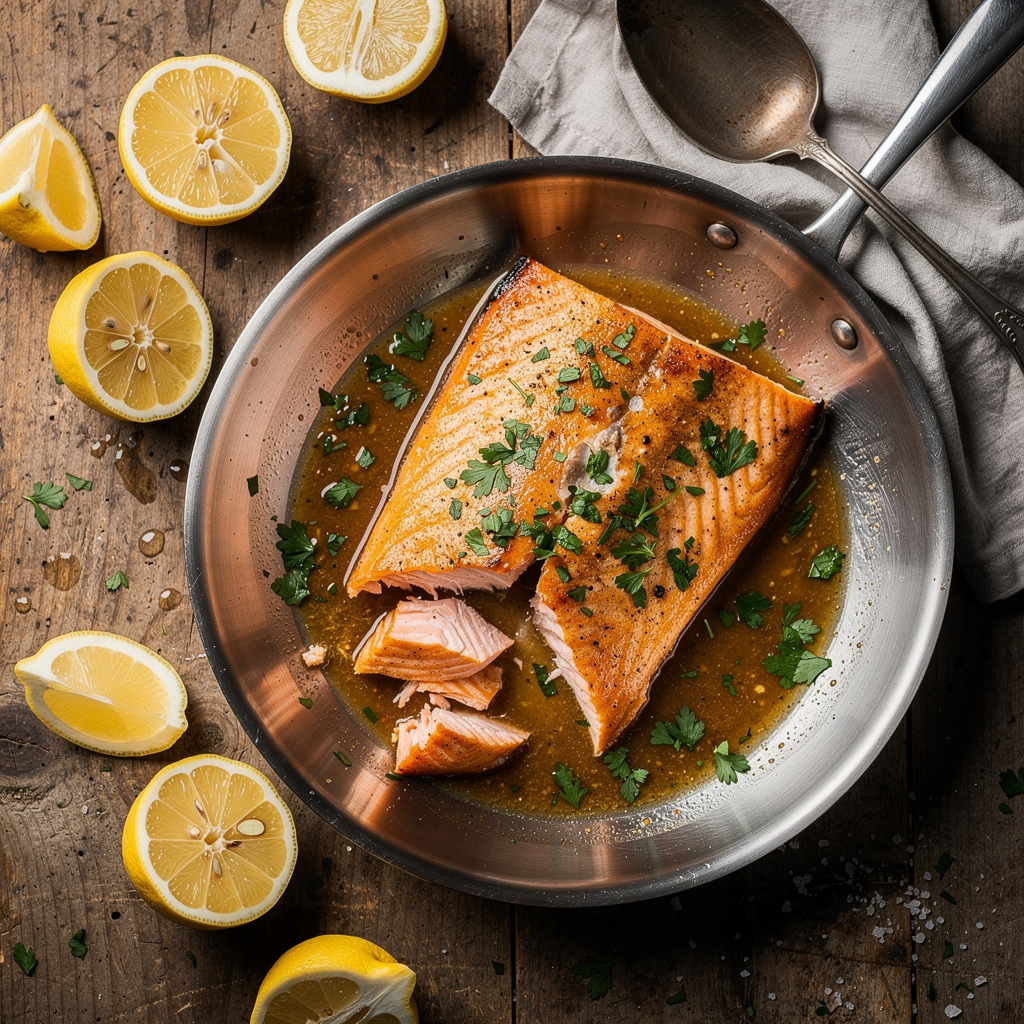
Choosing salmon: wild vs. Atlantic, fresh vs. frozen
Wild-caught varieties like sockeye or coho have firmer flesh and a bolder flavor, while Atlantic tends to be milder and richer. If you buy frozen salmon filets, thaw overnight in the fridge and pat dry before cooking to brown properly.
Herbs that shine: parsley, chives, dill, thyme, oregano
Fresh parsley brings brightness, chives add a soft onion note, dill lends a hint of anise, thyme offers earthiness, and oregano gives warmth. I finish with fresh parsley for color and lift.
The wine and citrus: dry white and fresh lemon juice for balance
Pick a dry white wine you enjoy—Sauvignon Blanc, Pinot Grigio, or a lean Chardonnay. No wine? Use a cup of chicken stock plus lemon juice. Keep olive oil, salt, and pepper nearby; a squeeze of fresh lemon at the end wakes every flavor, and garlic (fresh or powdered in a pinch) builds the sauce’s aroma.
- Key ingredients checklist: ingredients, fillets, fresh parsley, olive oil, salt pepper.
- Swap note: use white fish or stock plus lemon when needed.
- Prep time: a few minutes to trim and season before the pan.
| Item | Choice | Why |
|---|---|---|
| Type | Wild (sockeye/coho) or Atlantic | Texture and fat levels for flavor |
| Wine swap | Chicken stock + lemon | Maintains acidity without alcohol |
| Herbs | Parsley, chives, dill | Freshness, aroma, subtle complexity |
Essential tools and quick prep to make sure the pan behaves
Before I sear, I test the pan’s heat so every fillet meets the surface like a promise. This step saves time and prevents sticking.
I preheat the pan until a splash of water beads and dances. If droplets skitter, you’re ready to add a thin film of oil—olive oil for flavor or a neutral choice for higher heat.
Pat the fillets very dry. Moisture steams, so thorough drying helps the skin crisp and the salmon pan to release cleanly.
- Run your fingertip along the center to find pin bones; use needle-nose pliers to pull them straight out.
- Season generously salt; salt draws surface moisture and boosts browning fast.
- Place the fish skin-side down, press gently for a few seconds if it curls, and give it a full minute before moving.
Keep the heat steady: you want an energetic sizzle, not smoke. I watch the color rise slowly up the flesh to judge doneness while a mental timer counts the key minutes.
| Prep Step | Why it matters | Quick tip |
|---|---|---|
| Heat test | Ensures pan releases food and aids browning | Splash water; droplets should dance |
| Dry fillets | Prevents steaming and sticking | Pat with paper towels until no surface moisture |
| Pin-bone check | Improves eating experience | Run finger down center; remove with pliers |
| Season & oil | Flavor and crust formation | Salt generously; oil until it shimmers |
Have your spatula and aromatics measured so you can move from sear to sauce without losing a beat. For a related seafood method, see this quick guide on classic coastal cooking techniques: make pesce all’acqua pazza.
Pan-fried salmon with white wine garlic sauce
A properly heated pan makes the difference between a sad flake and a proud, crisp piece on the plate. Start loud and confident so the skin browns evenly and the sauce finishes quickly.
Sear skin-side down until crisp, then flip briefly
Heat the pan until it shimmers, add a thin sheen of oil, and lay the fillets skin-side down. You should hear a clear sizzle; leave them alone for about 3–4 minutes so the skin crisps and releases.
Flip and cook 1–2 minutes flesh-side to finish. The goal is a moist interior that flakes easily and a skin that stays audible when moved.
Build the wine garlic sauce in the same pan
Move the fish to a warm plate. In the same pan, melt a knob of butter and add minced garlic. Stir until fragrant but not brown.
Pour in white wine to deglaze, scraping up the fond, and add a squeeze of lemon juice for brightness.
Reduce, baste, and finish with fresh parsley and lemon
Simmer the sauce 4–5 minutes until lightly syrupy so it will cling. Stir in chopped parsley, taste, and season with salt and pepper.
Return the fillets to the pan and baste for a minute to rewarm and gloss the surface. If the sauce seems sharp, swirl in a small knob of butter to round the edges.
- Timing: 3–4 minutes skin-side, 1–2 minutes flesh-side.
- Finish: spoon the wine garlic sauce over each piece and serve with a lemon wedge.
| Step | Time | Tip |
|---|---|---|
| Sear | 3–4 minutes | Use oil and steady heat |
| Finish | 1–2 minutes | Do not overcook the center |
| Reduce sauce | 4–5 minutes | Target lightly syrupy texture |
Oven option: sheet-pan salmon with herbs and a quick stovetop wine sauce
For a hands-off weeknight, I roast fillets on a rimmed sheet and let the oven do the gentle work.
Preheat to 450°F so the exterior browns while the center stays moist. Place salmon on a lined sheet pan, season, and tuck asparagus or green beans around the pieces for an easy side.
High-heat roast to 135–145°F, add veggies like asparagus or green beans
Roast 10–15 minutes until the thickest point reads 135°F; carryover will bring it closer to 140–145°F as it rests. Thin fillets can finish in 8–10 minutes, so start checking early.
Build a quick stovetop sauce while it roasts
On the stove, melt a knob of butter and whisk in a spoon of flour if you want a silkier base. Add a cup of white wine, simmer until reduced by half—about 8–10 minutes—and finish with chopped parsley and a squeeze of fresh lemon.
- Spooning the warm sauce over the tray ties the vegetables and fish together.
- Pinot Grigio keeps the finish bright; a fuller Chardonnay gives a rounder note.
- This sheet pan approach saves time and keeps cleanup fast so dinner is ready in minutes.
| Step | Time | Tip |
|---|---|---|
| Preheat oven | 450°F | Line the sheet for easy cleanup |
| Roast | 10–15 minutes | Check thickest point at 135°F |
| Reduce sauce | 8–10 minutes | Use a cup of wine; finish with lemon and parsley |
Timing, doneness, and food safety you can trust
Timing matters more than magic. I give exact minutes and clear cues so you can cook with confidence. Short, steady heat, a quick thermometer check, and simple sensory signs tell you when the plate is ready.
Cook time guide
On the stove, use 3–4 minutes skin-side, then 1–2 minutes flesh-side for most center-cut portions. These minutes form a reliable baseline for a pleasing sear and moist interior.
Temperature and sensory cues
I check doneness with an instant-read thermometer. Pull at 125–130°F for medium and rest to 135–140°F, or cook to 145°F for USDA-safe certainty. The fish should look opaque at the surface but still glisten inside. A gentle flake with a fork signals ready, moist layers—not dry flakes.
- If the skin resists flipping, wait another 30 seconds for the crust to release.
- In the oven at 450°F, start checking earlier for thin pieces; thickness matters more than clock time.
- When sauce and pan heat run high, lower the flame to keep the reduction from scorching.
- Finish with a squeeze of lemon to brighten flavors and help mask slight overcooking.
| Check | Target | Why it matters |
|---|---|---|
| Skin sear | 3–4 minutes | Creates crust that protects the interior |
| Finish on flesh | 1–2 minutes | Keeps center juicy |
| Internal temp | 145°F (safe) | Fully cooked and food-safe |
Keep raw and cooked tools separate to avoid cross-contamination. Rest fillets a minute or two before serving so juices settle. These small steps make a big difference in both taste and safety.
Smart swaps and variations to fit your pantry
I often rescue a hurried dinner with pantry staples that mimic the bright lift a bottle brings. Small swaps keep the method honest and the plate satisfying.
No bottle on hand? Try stock plus citrus
If you have no wine, use chicken stock or vegetable stock and add a splash of lemon juice. Reduce a cup of stock until slightly syrupy so the sauce will cling to the fish.
Butter versus olive oil, and when garlic powder helps
Butter adds roundness and sheen; olive oil gives a fruitier, lighter finish. For lactose-free needs, use olive oil and finish off heat with extra-virgin for aroma.
If fresh garlic is scarce, stir garlic powder into the liquid so it blooms without burning. This keeps the flavor bright in a pinch.
From salmon to other white fish
The pan method translates well to cod, halibut, or other white fish. Reduce the minutes slightly and handle flakes gently; these filets cook faster but still love a hot pan and a glossy sauce.
- No wine? Swap in chicken stock + lemon juice for brightness.
- Reduce a cup of liquid, then mount with a touch of fat to finish the sauce.
- Stagger start times for salmon filets of varying thickness so everything finishes together.
- Add capers for brine or a spoon of Dijon for subtle depth.
- A final splash of lemon brightens sauces made without wine.
| Swap | Effect | When to use |
|---|---|---|
| Chicken stock + lemon | Bright, savory base like white wine garlic sauce | When no bottle is available |
| Butter | Richer, glossy finish | For a silkier mouthfeel |
| Olive oil | Cleaner, fruitier note | For lighter plates or dairy-free diets |
Serving ideas: sides, sauce, and wine pairings that make it dinner
Small finishing touches turn a simple pan supper into a memorable meal. Choose a balancing side and bright accents to lift the plate.
I like to pair a crisp fillet with garlicky sautéed spinach, roasted potatoes, or a peppery arugula salad. For an all-in-one approach, roast asparagus or green beans on a sheet pan beside the fish for effortless plating.
- Spoon extra sauce over vegetables so everything tastes connected.
- Finish each serving with a squeeze of fresh lemon and a shower of chopped parsley for color and lift.
- Warm farro, lemony couscous, or creamy polenta soak up the pan juices beautifully.
- For mixed proteins, add a simple tomato‑caper salad to echo the citrus in the sauce.
For an elegant dinner pour a chilled Pinot Grigio for crisp contrast or a lightly oaked Chardonnay for rounder harmony. Keep an extra wedge of lemon at the table so guests can adjust acidity to taste.
| Side | Why | Best pairing |
|---|---|---|
| Asparagus | Bright, grassy counterpoint | Sheet pan or roasted |
| Polenta | Soaks up sauce, creamy base | Serve warm, spoon sauce over |
| Arugula salad | Fresh, peppery finish | Dress with lemon juice and olive oil |
If you want inspiration beyond this dish, see my take on saltimbocca alla Romana for another easy Italian plate to share at the table.
Leftovers, reheating, and make-ahead tips
Leftover fillets deserve care—quick reheats can keep texture bright and flavors true. I share safe storage windows, gentle reheating methods, plus simple make-ahead notes so your dinner feels fresh the next day.
Fridge storage and quick checks
Cool food quickly, then seal in an airtight container. Stored this way, the salmon keeps for 3–4 days in the refrigerator; always smell and inspect before eating.
Best reheating methods
- Microwave: 50% power in short minutes bursts; add a teaspoon of water to preserve moisture.
- Oven: cover, warm low until just heated through; avoid piping hot to stop overcooking.
- Skillet: re-crisp skin briefly in a lightly oiled pan skin-side only, warming the flesh gently.
- Sauce revival: splash water into the pan, simmer briefly, finish with a small knob of butter to round the sauce.
Make-ahead and uses
Sear fillets ahead, refrigerate; make the sauce fresh, rewarm the fish in the pan to finish. Leftovers also flake into salads, grain bowls, or pasta. If you plan ahead, cook an extra cup of grains to pair quickly the next day.
| Storage | Method | Tip |
|---|---|---|
| 3–4 days | Airtight container | Cool fast, label date |
| Reheat | Microwave/oven/skillet | Add water or olive oil to keep moist |
| Make-ahead | Sear now, sauce later | Finish in pan to restore gloss |
Expert troubleshooting for crisp skin and saucy success
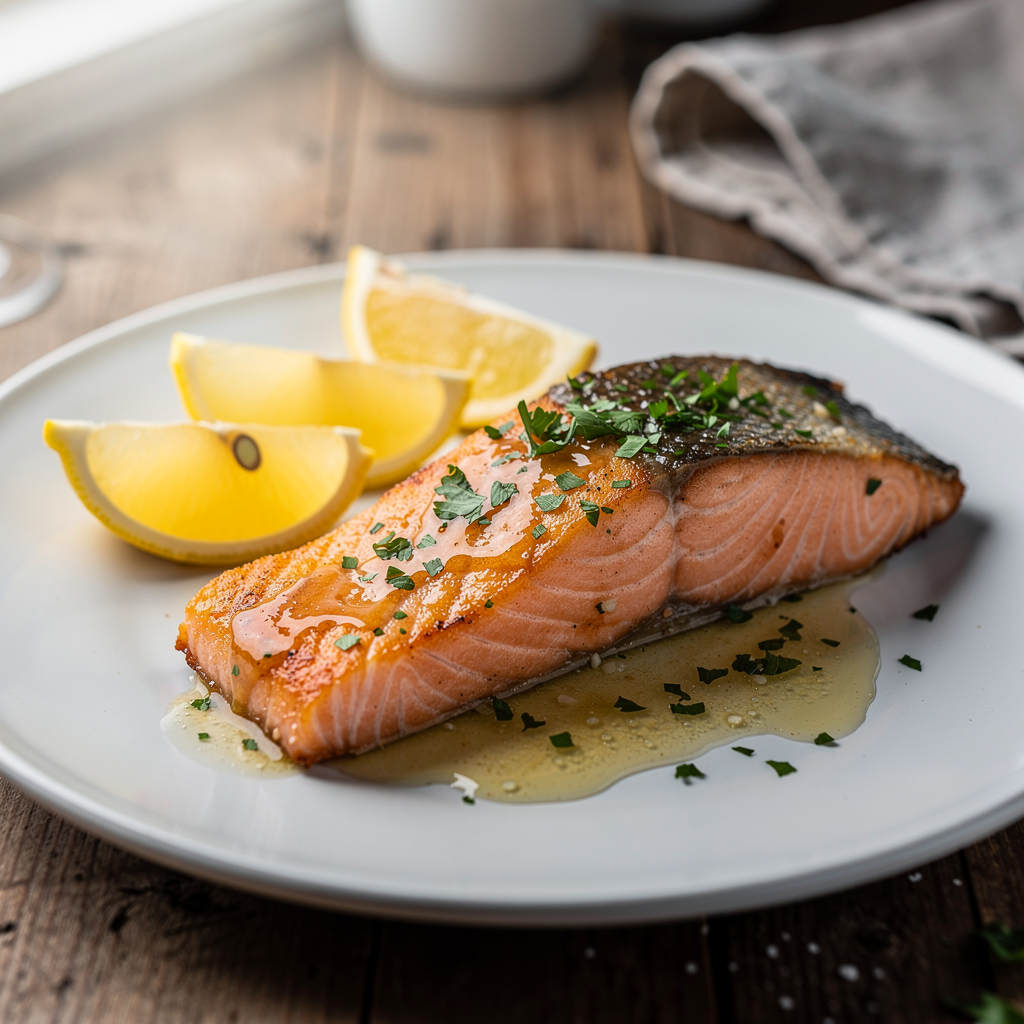
A quick fix in the pan can solve most problems: heat, timing, and a steady hand do the heavy lifting. Below are targeted causes and practical remedies so you spend less time guessing and more time eating.
Prevent sticking: heat, oil, and patience before flipping
Make sure pan is very hot and pat the fillet dry. Use enough oil so the surface glides; fat helps contact and browning.
Give the fish 3–4 minutes skin-side without moving it. A gentle nudge should release the crust; forcing it will tear the skin.
Thicken or gloss the sauce quickly
If the sauce tastes thin, reduce it a bit longer over steady heat. For gloss, whisk a small cube of cold butter off the heat until it emulsifies into a silkier wine garlic sauce.
- Add a tiny cornstarch slurry if you need body fast; cook one minute to clear.
- Season generously salt just before sear, and finish with a pinch of pepper to balance.
- If the wine feels sharp, simmer another minute or swirl in butter to round acidity.
| Problem | Likely cause | Fix |
|---|---|---|
| Sticking | Pan not hot / wet surface | Preheat longer, pat dry, add oil |
| Thin sauce | Not reduced | Simmer longer or mount with butter |
| Torn crust | Flipped too soon | Wait full minutes, use thin spatula |
Ready to cook tonight? Bring home salmon and a dry white, and let’s go
Light the burner, warm a skillet, and let straightforward technique do the work. For stovetop cooking, sear skin-side 3–4 minutes, flip 1–2 minutes, then build a quick sauce in the same pan from garlic, a cup of liquid, parsley, and lemon.
If you prefer the oven, roast on a sheet pan at 450°F to 135–145°F and finish the reduction on the stove. No bottle? Use chicken stock plus lemon juice for bright balance.
Choose center-cut fillets, measure a cup for the reduction, finish with a squeeze of lemon, crack of pepper, and a pinch of salt. Plate with a simple side, spoon the sauce, and enjoy a restaurant-quality serving at your table. Ready? Light the burner, pour a splash, and cucina è pronta!
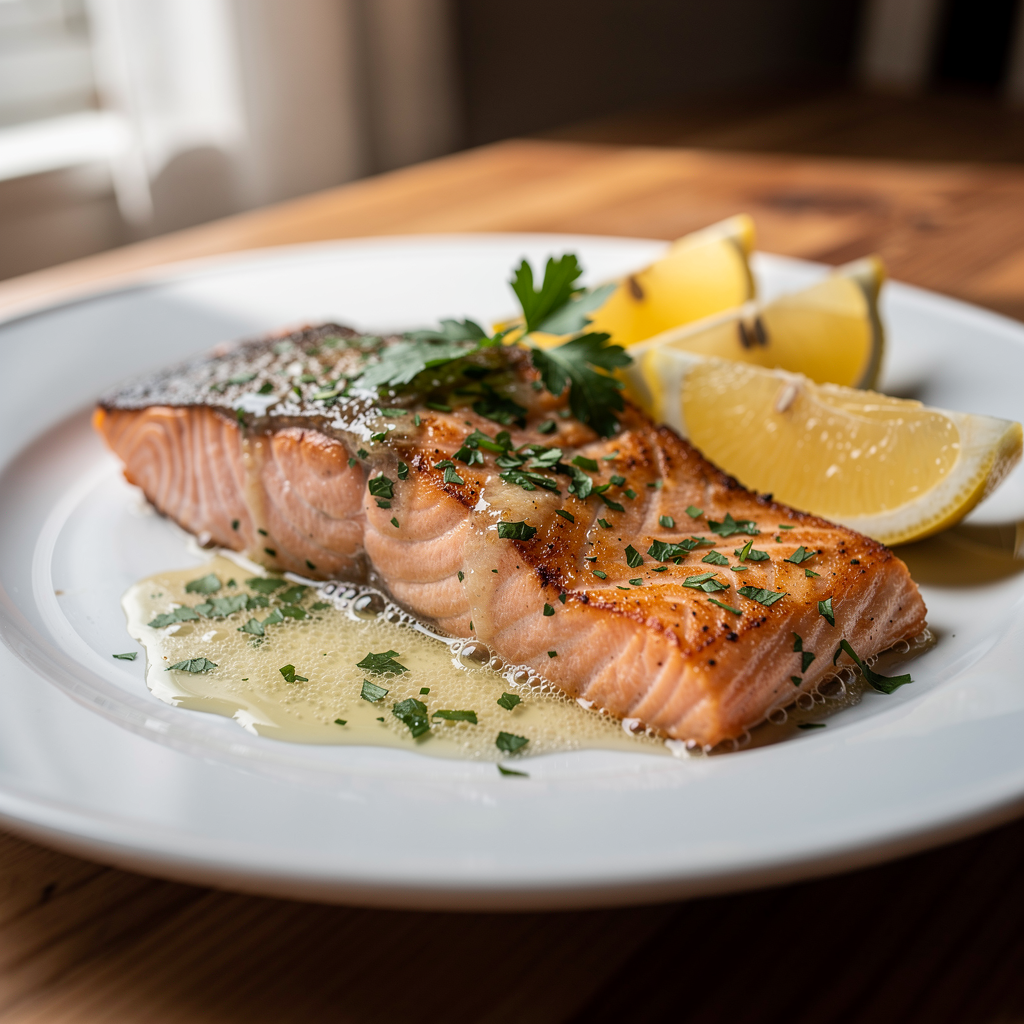
Pan-Seared Salmon with White Wine Garlic Sauce and Herbs
Ingredients
Method
Notes
Pull fish at 125–130°F for medium and rest, or cook to 145°F for full doneness.
Frozen salmon works once thawed overnight and dried well.
No wine option: replace wine with chicken stock and extra lemon juice.
Leftovers store 3 to 4 days in the fridge in a sealed container.