
Jump to Recipe
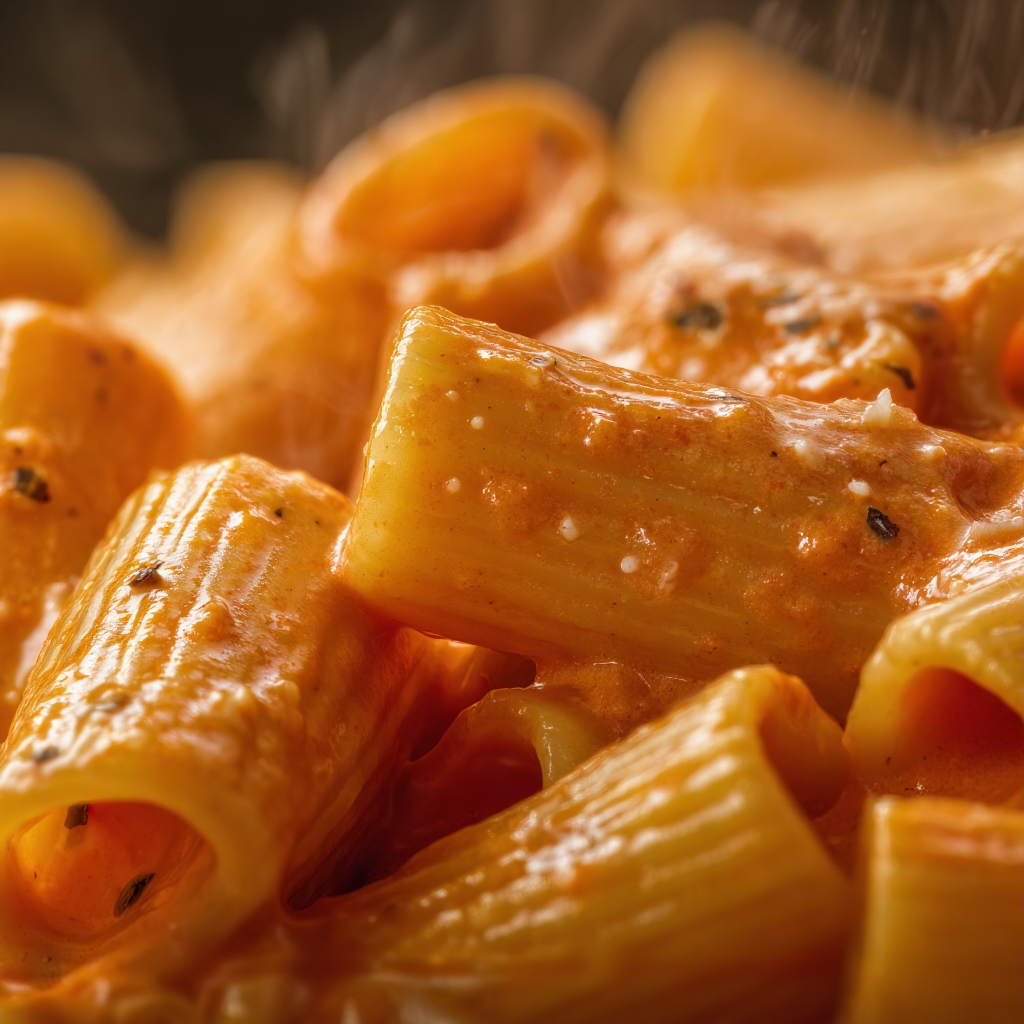
I invite you into my kitchen with a simple promise: this pasta con crema di peperoni recipe shows how ripe bell peppers, gentle heat, and a splash of cream become a silky sauce that hugs every bite.
I grew up watching peppers turn sweet when cooked low and slow with onions, never browned, until their scent filled the house. Blending them with a little cream and finishing the pan with starchy water and Parmesan makes a glossy, pourable sauce that clings to farfalle, penne, or long shapes.
We’ll keep the steps friendly for weeknights while honoring tradition. I’ll point out when to add a splash of water, when to salt, and exactly when to move pasta from pot to skillet so the texture, temperature, and flavor meet perfectly.
Key Takeaways
- Use ripe red, yellow, or orange peppers for sweetness; avoid green for this style.
- Cook peppers gently with onions over low heat until soft — no browning.
- Blend to a velvety consistency, then finish with pasta water and Parmesan.
- Choose shapes that hold sauce: farfalle, penne, or rigatoni work well.
- This method keeps the purée for up to a week and fits weeknight cooking.
What makes this creamy bell pepper pasta truly Italian—and so weeknight-friendly
A few small choices—olive oil, low heat, and time—transform simple vegetables into a silky, weeknight-friendly sauce. I favor red or yellow bell peppers because they give natural sweetness and brilliant color. We avoid green peppers here; their astringency shows through in a thin sauce.
Start by softening onions and peppers slowly under a lid with a splash of water. Gentle heat teases out sugars without browning, so the finished purée tastes clean and bright. Season with salt as they soften to build layers of flavor early.
Cream is a texture tool, not the star: a little adds silk while letting the peppers’ taste lead. You can swap cream for ricotta or a bit of pasta water or stock if you prefer a lighter finish.
- Use olive oil and patience for a stable emulsion that coats the pasta.
- Fold in a small amount of tomatoes if you want a rosso tilt, but be sparing.
- Make the sauce ahead and chill; rewarm while the pasta cooks to save time.
This approach keeps the dish honest and simple—the kind of family recipes that open new window, opens new, new window, window to real, home-cooked Italian taste.
Ingredients, smart swaps, and the few tools you actually need
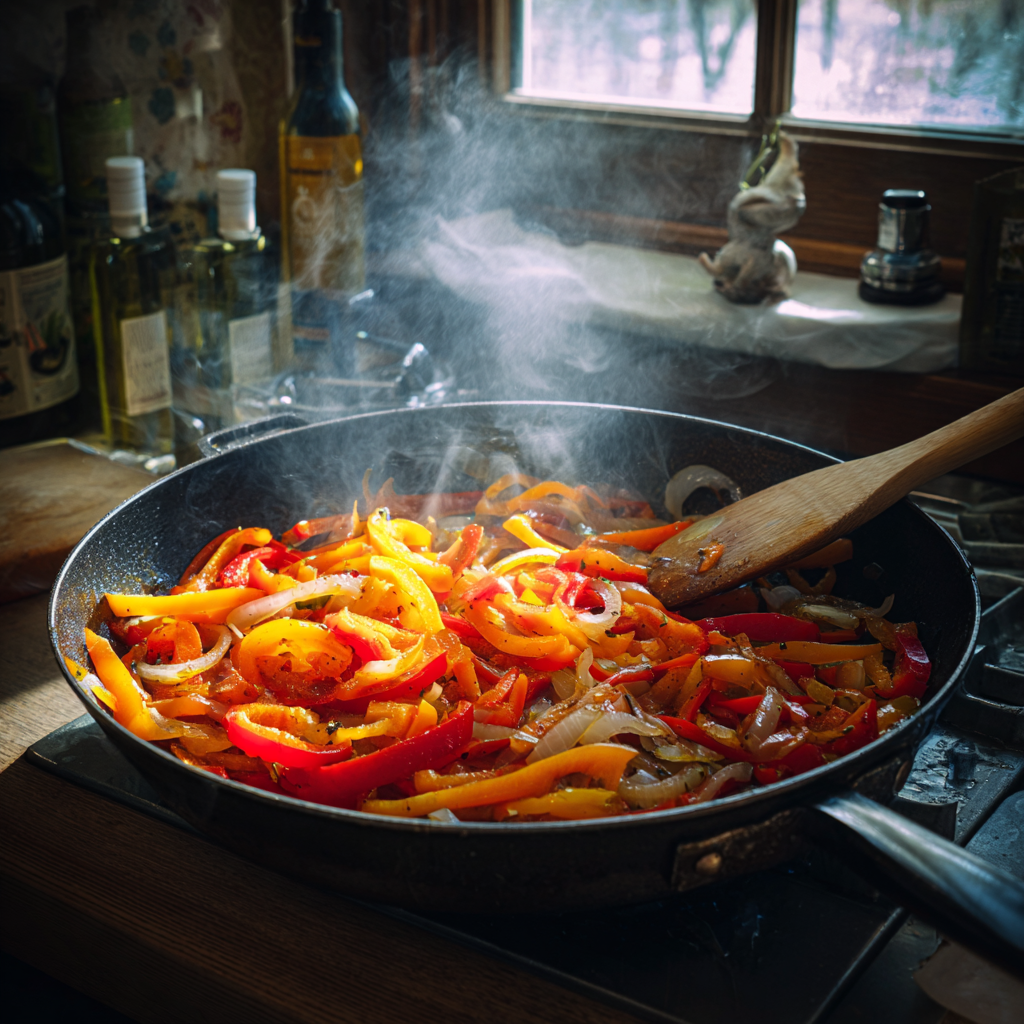
Start at the market: pick peppers that promise sunshine in every bite. Look for glossy, heavy bell peppers with deep red, yellow, or orange color. Ripe fruit gives sweetness and a cleaner finish in the pan.
Core ingredients and quality notes
Use good olive oil to cradle the vegetables as they soften. Slice onions thin; add garlic near the end to keep it bright but not bitter. Blend the softened vegetables with cream to a thick, pourable purée and finish with a handful of grated cheese off the heat.
Easy substitutions and regional tweaks
Swap ricotta for cream for a lighter, tangy type of sauce. A splash of stock or reserved salted water will thin without losing body. Add a few cherry tomatoes or roasted red peppers for brightness or smoke.
Equipment checklist
- Wide skillet for even softening
- Sturdy blender for a velvety purée
- Large pot for boiling bucatini, rigatoni, or other shapes in salted water
Keep a few basil sprigs and parsley on hand. These small touches lift the aroma and finish the dish with ease—opens new window to simple, real food at home.
pasta con crema di peperoni recipe: step-by-step for silky, sweet-savory sauce
With calm heat and a few minutes of patience, you can make a smooth, bright pepper sauce at home. I give clear cues for texture and timing so you cook confidently and avoid bitterness.
Prepare the peppers low and slow—or roast for a smokier profile
Warm olive oil in a wide skillet over medium-low and add sliced onions and peppers. Sauté until they glisten, about 5 minutes, then add a spoon of water and cover to keep the pan humid.
Keep the heat gentle so nothing browns. Continue until the vegetables collapse under a spoon; those extra minutes give a softer, sweeter purée.
Blend into a velvety crema with cream, then season to taste
Transfer the mix to a blender with a splash of cream and pulse until glossy and pourable. Add salt and a twist of pepper, then taste and adjust.
Cook pasta in well-salted water; finish in the skillet with pasta water
Bring a large pot of salted water to a boil and cook the pasta just shy of al dente. Move it to the skillet with a ladle of pasta water and toss over gentle heat for 1–2 minutes until the sauce clings.
The finishing touch: Parmesan, gentle heat, and serve immediately
Off the heat, stir in grated cheese until it melts into a glossy coat. If the sauce tightens, add a splash of water to loosen. Plate and serve immediately for the best texture and taste.
- Stovetop method: sauté 5 minutes, braise until tender, blend with cream.
- Finish: toss with pasta and pasta water, heat 1–2 minutes, add cheese, serve.
- Variation: swap some roasted peppers for a smoky edge or use garlic instead of onion.
| Method | Time (minutes) | Flavor | Best use |
|---|---|---|---|
| Stovetop sauté | 10–15 | Bright, sweet | Weeknight dishes, quick finish |
| Roasted peppers | 30–40 | Smoky, deeper | When you want a smoky note |
| Garlic-forward swap | 10–15 | More assertive, savory | Hearty, bold plates |
| Make-ahead purée | Prep 0–10, chill 0–7 days | Same as stovetop; reheated | Meal prep and quick weeknights |
Chef tips that change everything: shapes, textures, and flavor boosters
Certain shape choices and tiny technique changes make a big difference. I want you to get the cling, color, and balance every time.
Pick the right shape
Choose rigatoni or bucatini when you want channels that catch the sauce. Farfalle and penne trap small pools for each bite.
If you love spaghetti, slice the peppers thin so the twirl feels integrated and smooth.
Flavor variations that work
Swap onions for garlic if you want a more assertive savory note. Add a spoon of tomatoes for an in rosso style.
Roasted peppers bring smoke; balance them with lemon or a touch of cream. Fold in peas for a fresh pop, or a little anchovy and capers for umami.
Make-ahead, storage, and reheating
I make the sauce on a quiet afternoon. It keeps up to a week chilled.
Reheat over low heat with a spoon of water and stir until glossy. Finish with cheese off the heat and taste before serving.
- Cook pasta very al dente, hold briefly, then finish in the pan with warmed sauce and a splash of reserved water.
- For entertaining a friend, finish just before serving so the texture stays lively.
| Shape | Why it works | Best pairing |
|---|---|---|
| Rigatoni | Ridges hold thicker sauce | Hearty servings, short shapes |
| Bucatini | Hollow center catches mixture | Long shapes, glossy cling |
| Farfalle / Penne | Pockets for small pools | Everyday plates, quick weeknights |
| Spaghetti | Classic twirl when peppers are sliced thin | Light finishes, elegant twirl |
Bring it to the table like a local
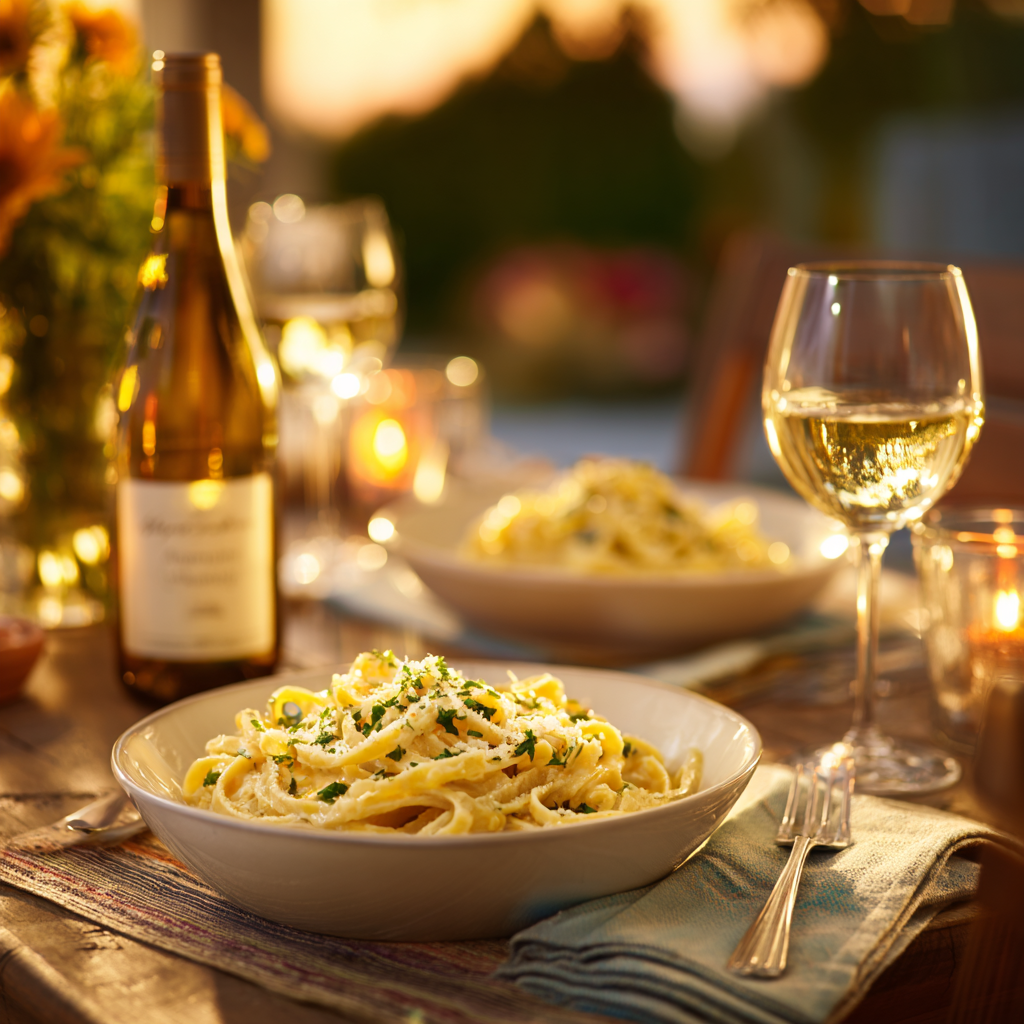
Set the table, warm your bowls, and let the final toss and a quick shower of cheese do the rest. Finish by moving the pasta to the pan with the pepper cream, add a splash of salted water, and toss for a minute until glossy.
Turn off the heat and stir in Parmesan so the cheese melts into the sauce. Serve immediately for the best texture and flavor. Short shapes work beautifully, but bucatini or spaghetti give a lovely twirl if you prefer long strands.
Warm a low oven for bowls, drizzle a thread of olive oil, and top with a few parsley sprigs. If you made the sauce ahead, rewarm gently with a spoon of water and fold in the pasta off the heat. Share the moment, jot a note in your blog, then taste and breathe—you made something simple and true.
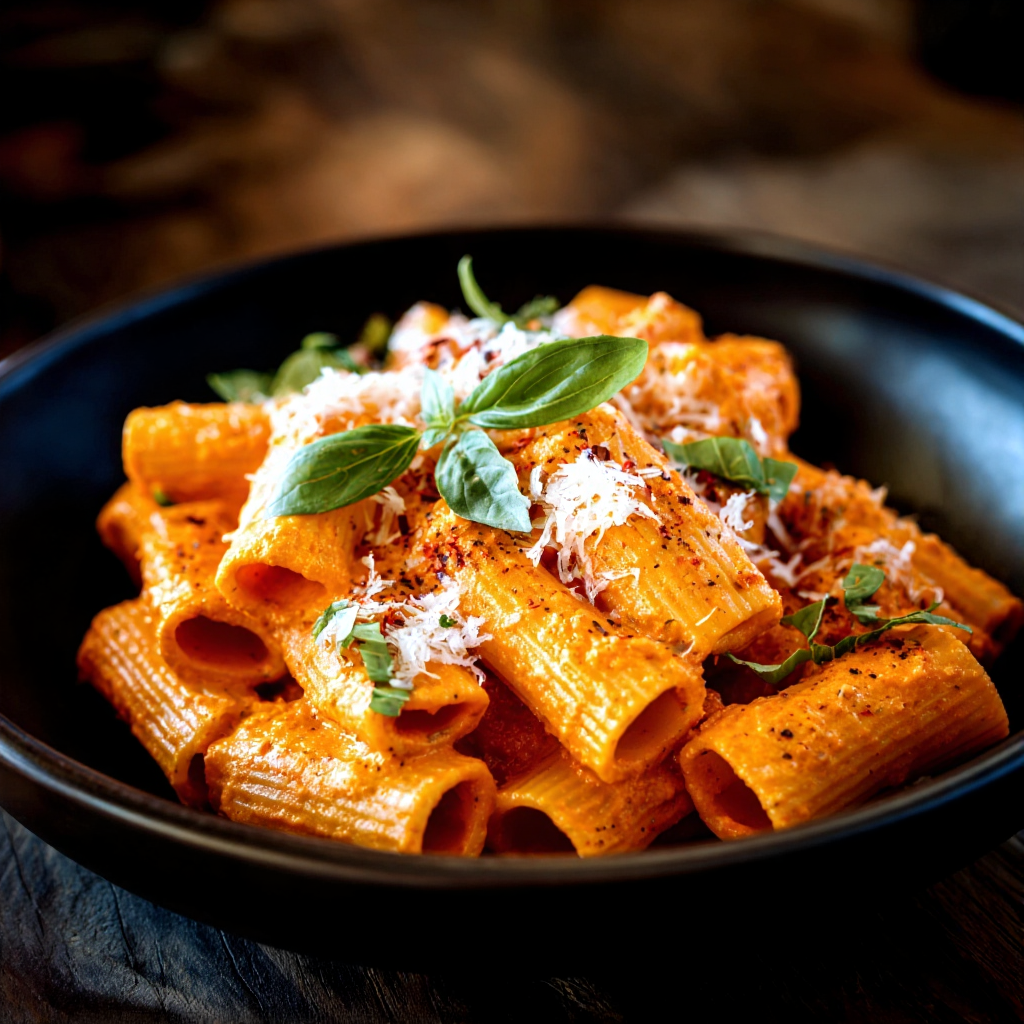
Pasta con Crema di Peperoni (Creamy Bell Pepper Pasta)
Ingredients
Method
- Wash and slice the peppers and onion. Heat olive oil in a wide skillet over medium-low heat.
- Add onions and peppers to the pan with a pinch of salt. Stir gently and cover with a lid. Add a splash of water to keep them moist. Cook for 10–15 minutes until very soft — don’t let them brown.
- Transfer the softened mixture to a blender. Add cream (or ricotta) and blend until smooth and glossy. Taste and adjust with salt and pepper.
- Boil pasta in salted water until just shy of al dente. Reserve about ½ cup of pasta water before draining.
- Return the blended sauce to the skillet. Add the pasta and a ladle of the reserved water. Toss over gentle heat until the sauce clings to the pasta.
- Turn off the heat. Add grated Parmesan and stir until it melts into the sauce. If it’s too thick, loosen with another spoon of pasta water.
- Serve immediately in warm bowls. Top with fresh parsley or basil and a drizzle of olive oil.
Notes
- Use only red, yellow, or orange bell peppers — green peppers are too bitter for this sauce.
- Cream adds smoothness but not heaviness. You can use ricotta, mascarpone, or even pasta water instead.
- The sauce can be made ahead and kept in the fridge up to 1 week. Reheat gently with a spoon of water before using.
- Finish pasta directly in the sauce for the perfect silky texture — that’s the real Italian secret.
- Add roasted peppers for a smoky twist or a small spoon of tomatoes for a rosso (red) version.