
Jump to Recipe
I welcome you to my table with a roast beef perfumed by rosemary and warmed by olive oil, the kind of dish that fills the kitchen with comfort and slow, steady heat.
I sear the flour-dredged joint until it browns, then braise it gently in milk with butter and bay leaf for about an hour, covered, until the meat gives beneath a fork and the sauce turns silky.
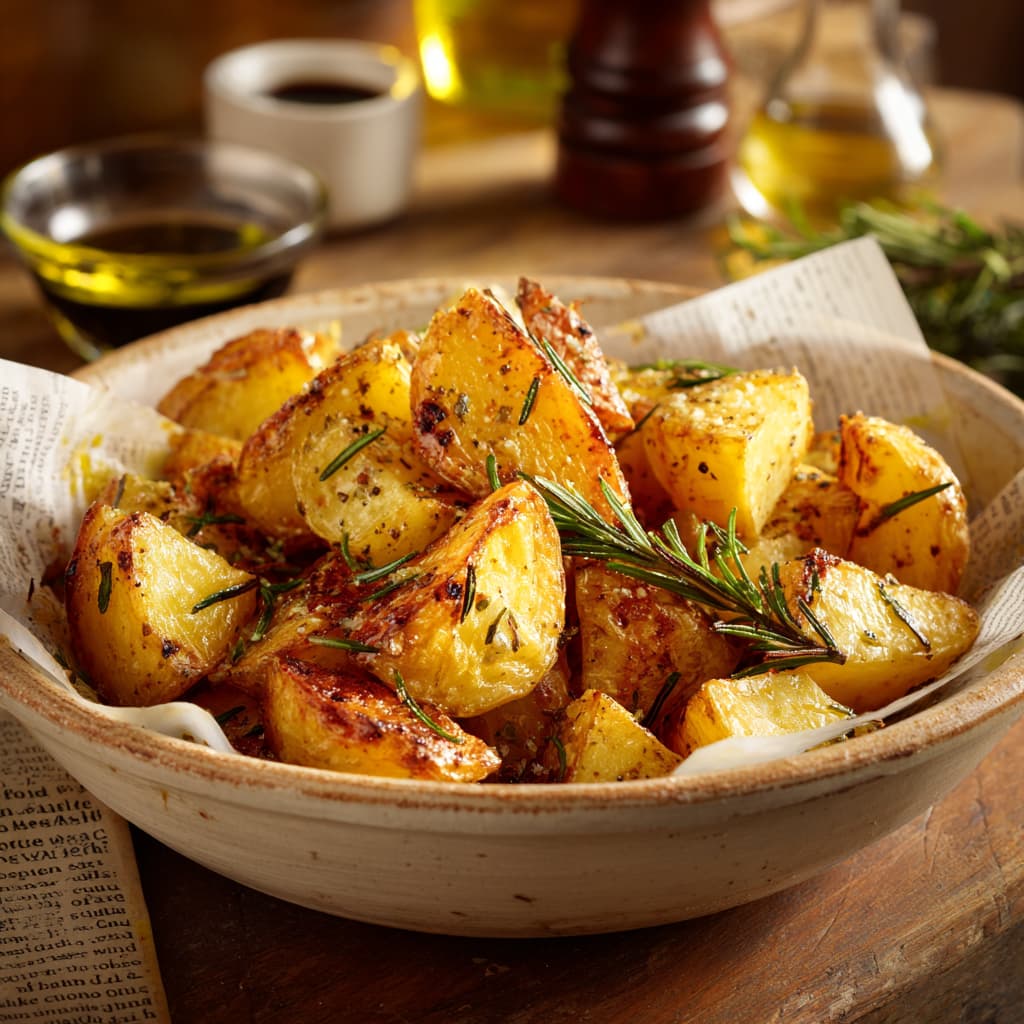
While the meat rests, I slide peeled, quartered potatoes into a 400°F oven tossed with olive oil, chopped rosemary, oregano, and salt—forty to sixty minutes, then a quick broil for deep color.
I trust a probe thermometer: pull at about 118°F for medium-rare before carryover, and let leftovers keep up to three days for sandwiches that taste like Sunday all over again.
Key Takeaways
- Use milk-braising for tender, saucy results and low, covered heat for about an hour.
- Sear well first; dredging in flour helps build a glossy sauce when whisked in at the end.
- Roast potatoes at 400°F for 40–60 minutes, broil briefly to deepen browning.
- Follow thermometer guidance—about 118°F before carryover for medium-rare.
- Store leftovers up to three days and turn them into great sandwiches.
Bring Italian warmth to your holiday table with tender herb-scented roast beef
I begin with a slick of extra virgin olive oil and a sprig of rosemary to wake the pan and scent the meat.
Next, I add a knob of butter so the surface browns evenly. That fond is the base for a gravy that feels like home.
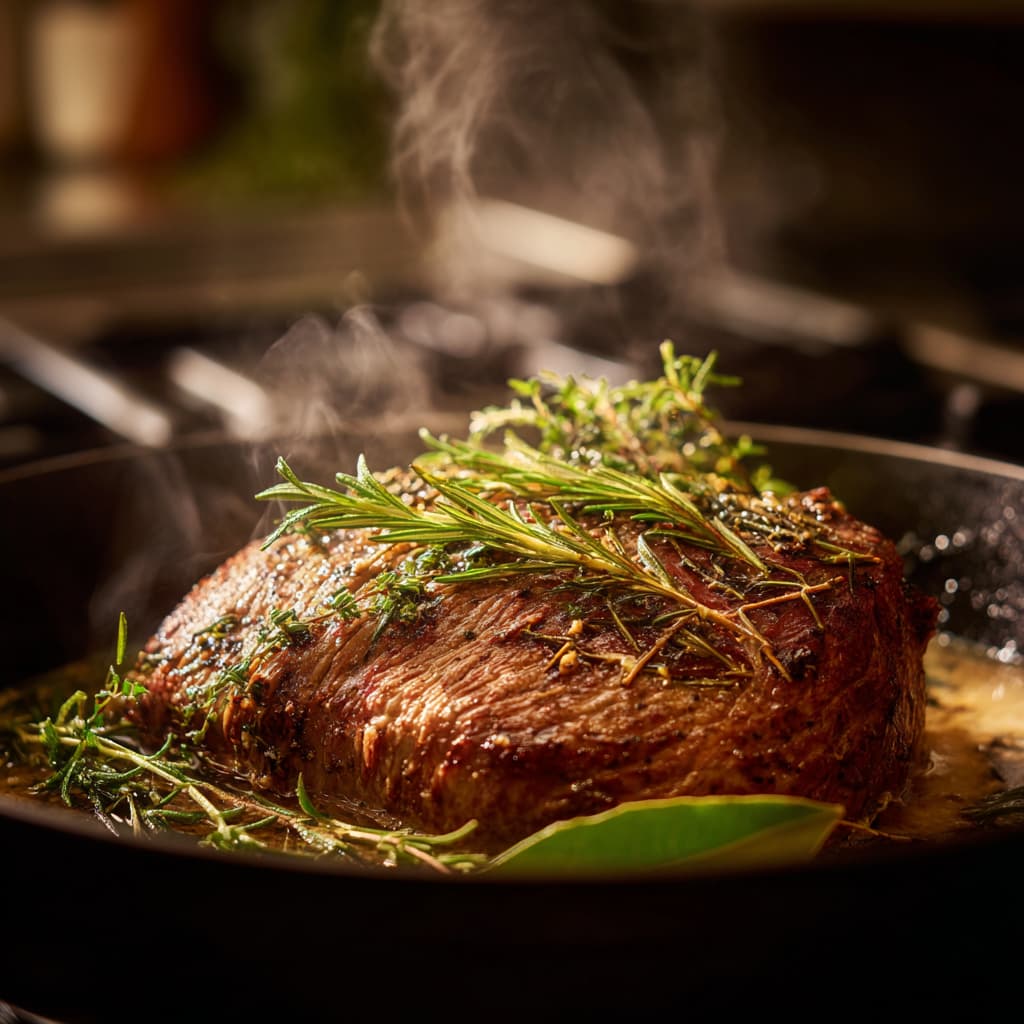
Fresh rosemary and a bay leaf work together—one bright, one resinous—to infuse the joint during slow cooking. I rely on low heat and patient minutes so juices stay locked inside.
You can choose a milk-braise for silky tenderness or a red-wine stracotto for depth. Both methods start the same: build flavor, then give the beef the time it needs to relax and become fork-tender.
- Use olive oil plus butter for an even sear.
- Smell the soffritto; when it turns sweet, deglaze and add liquids.
- Rest before carving to keep the juices inside.
| Method | Main Liquid | Time | Flavor |
|---|---|---|---|
| Milk‑braise | Milk + bay | 60–90 minutes | Silky, spiced |
| Stracotto | Red wine + tomatoes | 2–4 hours | Deep, rich |
| Sear then roast | Pan juices | 20–40 minutes | Clean, herb-forward |
Ingredients you’ll need for a delicious Italian roast
Start with a clear list: choose the cut that matches your plan, gather fresh herbs, and decide which liquid will carry the flavor. I find this saves time and keeps the kitchen calm.
Beef and best cuts
For showstopping slices I reach for rib, sirloin, or top rump—these cuts have marbling that keeps the meat juicy. A bottom round roast or round roast is leaner but shines when cooked low and slow.
If you want spoon-tender texture, brisket or topside are excellent for pot cooking. Pick the cut beef to match the method and you’ll avoid dry results.
Herbs, aromatics, and pantry staples
I never skip rosemary and a bay leaf, and I build the base with a soffritto of onion, carrot, and celery. Add garlic, sage, and parsley for depth.
Extra virgin olive oil plus a knob of butter gives a steady, golden sear. Have salt and pepper measured so seasoning feels confident, not rushed.
Liquid elements for tenderness and flavor
Milk makes a silky sauce and keeps meat tender. Use red wine and plum tomatoes (about a bottle of wine) for a deeper stracotto-style finish. Match liquid to cut and cooking time for best results.
For the sides
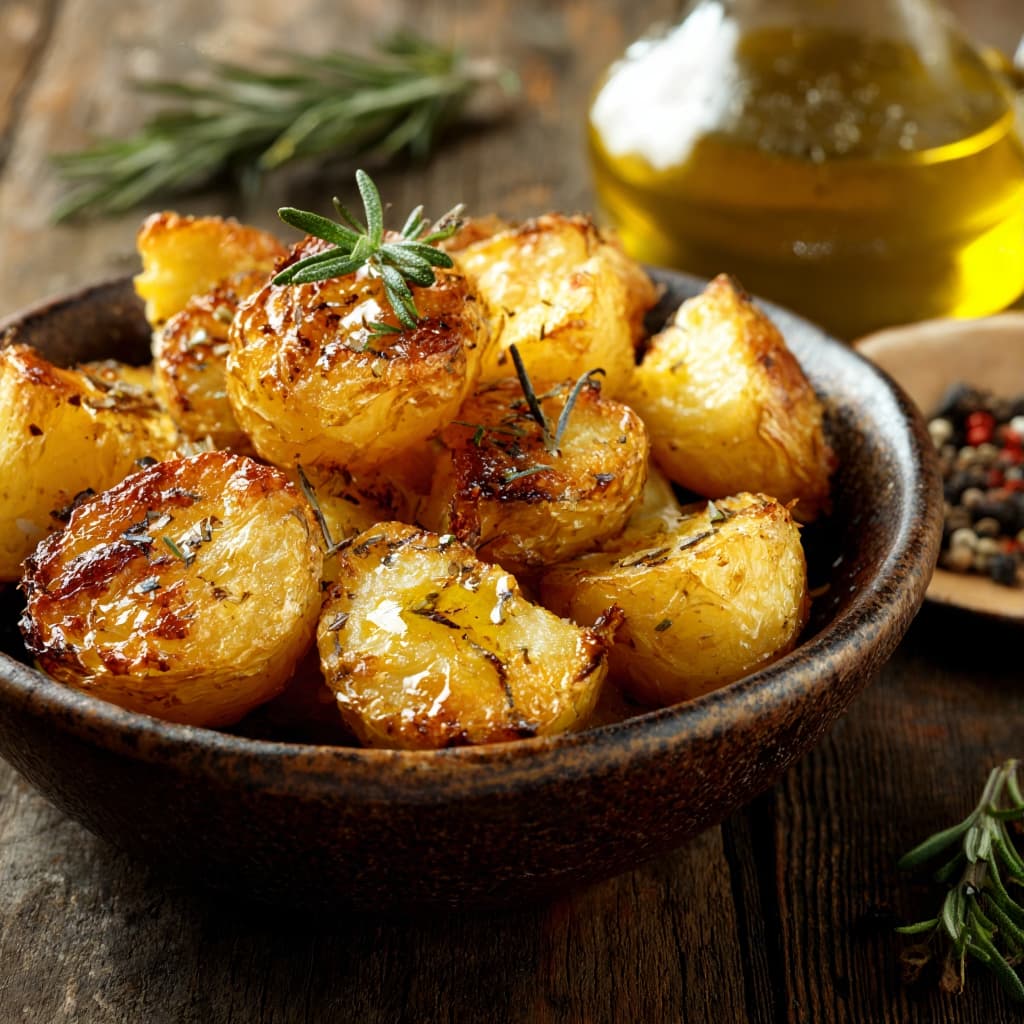
Potatoes: peel and quarter, toss with olive oil, chopped rosemary, oregano, and salt. Roast them in a hot oven at 400°F for 40–60 minutes to get craggy, golden edges.
- Choose rib or sirloin for slices; bottom round for economical low-and-slow.
- Keep rosemary, bay leaf, and soffritto ready.
- Decide milk or wine early—the liquid defines the final flavor.
| Ingredient | Why it works | Use |
|---|---|---|
| Milk | Softens protein, creates silky gravy | Milk-braise, 60–90 minutes |
| Red wine + tomatoes | Adds depth, rich color | Stracotto, 2–4 hours |
| Olive oil + butter | Even sear, prevents burning | Sear then roast |
italian christmas roast beef recipe: step-by-step guide
I begin by preheating the oven and readying the pan. Season the joint generously with salt and pepper, then dust lightly with flour. This helps the crust form and gives the sauce body later.
Preheat and prep
Heat butter with a splash of oil over medium heat until it shimmers. Add the beef and sear on all sides until a deep crust forms. The goal is brown, not burnt; that fond becomes flavor for the gravy.
Build flavor
Sauté a soffritto on medium heat until soft and sweet. Stir in garlic, parsley, and sage for a minute, then deglaze with red wine to lift browned bits. Return the meat, add bay and rosemary, cover and cook until fork-tender.
Milk‑braise option
For a silky finish, nestle herbs around the joint and pour in very hot milk to nearly submerge. Cover and keep a gentle burble for about an hour. Remove herbs, sift in a spoonful of flour, and whisk over medium heat until the gravy thickens.
- Preheat, season, dredge.
- Sear in butter + olive oil.
- Choose milk-braise or wine stracotto; cover and cook.
| Method | Time | Finish |
|---|---|---|
| Sear then roast | 20–40 minutes | Clean, herb-forward crust |
| Milk‑braise | About 60 minutes | Silky, herb gravy |
| Stracotto (wine) | 2–4 hours | Deep, rich sauce |
Oven temperature, timing, and doneness you can trust
Deciding oven temp and timing is the quiet work that makes a dinner service feel effortless. I pair heat with schedule so the meat reaches the texture I want, and my guests get a warm, relaxed table.
Preheat oven 350°F vs. low-and-slow at 300°F: how to choose
When I want a quicker, classic finish I preheat oven 350°F and roast uncovered after a good sear. For gentle braises or a stracotto-style pot I slide a covered pan into a 300°F oven for steady, even heat.
Time per pound and the reality of hour-and-minutes planning
Time varies by weight and cut. I plan flexible minutes per pound, then watch tenderness rather than the clock alone.
- Lean cuts like bottom round do better with lower temps—this protects moisture and softens connective tissue.
- I check every 30 minutes, baste if needed, and turn large joints during long cooks to avoid dry spots.
- Allow a buffer of time hour minutes in your schedule; resting improves juiciness and eases carving.
Meat thermometer check: rare to well-done, with carryover heat
I use a meat thermometer for certainty. Insert it into the thickest part, away from bone or fat, for the truest reading.
Expect carryover heat: a rare reading around 104°F can climb into the medium-rare range. Likewise, pulling at about 118°F will rise as it rests.
| Oven Temp | Use | Minutes per lb (estimate) | Rest / Carryover |
|---|---|---|---|
| 350°F | Quicker roast after sear | 12–18 minutes | Rest 15–20 min (temp rises) |
| 300°F | Low-and-slow braise or stracotto | 20–40 minutes | Rest 20–30 min (gentle carryover) |
| Covered, low heat | Milk-braise for tender texture | About 60 minutes | Rest 15–30 min; slice thin |
Olive oil and fresh rosemary: why these Italian essentials matter
Quality oil and lively rosemary lift every layer of flavor, from pan to plate. I reach for extra virgin olive with a bright, green aroma because it lets rosemary bloom without bitterness and keeps the sear steady.
A spoon of butter with virgin olive oil gives me an even brown and protects the dairy from scorching. I bruise fresh rosemary leaves so their oils wake in the warm pan and scent the surface of the beef as it sears.
- I choose extra virgin olive oil for its aroma; it helps the herb sing without overpowering.
- Butter plus oil equals a reliable, golden crust and gentle melting of butter solids.
- Fresh rosemary, lightly bruised, releases piney perfume that softens in a milk-braise or stands up in a wine braise.
- Early on, oil carries flavor into the meat; later, those infused juices become the backbone of the sauce.
| Method | Role of oil | Rosemary effect |
|---|---|---|
| Milk‑braise | Protects milk solids, helps even browning | Softens into a creamy, herb‑laced gravy |
| Wine braise | Sautés soffritto and carries fat‑soluble aromas | Adds bright top notes that cut through tomato and wine |
| Sear then roast | Creates fond and steady crust | Imparts a direct, savory aroma to the roast beef |
With good oil and fresh herbs I add fewer extras. The result is a vibrant, complete dish that feels simple and true to tradition.
Crispy roasted potatoes and creamy gravy to finish the plate
For a perfect finish I aim for potatoes with craggy, brown edges and a silky sauce to tie the dish together.
Roasted potatoes: golden edges, fluffy centers
I peel and quarter the potatoes, then rinse and dry them well so the oil clings and the edges crisp instead of steaming.
Toss with olive oil, chopped rosemary, oregano, and a good pinch of salt. Spread on a preheated sheet and roast at 400°F for 40–60 minutes, turning once.
Finish under the broiler for a minute or two if you want extra crackle.
Make the gravy: pan juices, sifted flour, whisked to silky
Remove bay and herb stems from the pan juices, then sift flour into the hot liquid slowly to prevent lumps.
Whisk over medium heat until bubbles look thick and glossy. If it becomes lumpy, blend briefly and return to the pan to finish.
Season, then add beef drippings as needed for balance. Spoon gravy over the slices and pass extra at the table. If slices sat warm, add beef back to the sauce for gentle reheating so the meat stays tender.
- Peel, quarter, rinse, and dry potatoes for crisp edges.
- Roast at 400°F for 40–60 minutes; broil to deepen color.
- Sift flour into juices, whisk on medium heat; blend if lumpy.
| Item | Temp / Time | Finish |
|---|---|---|
| Potatoes | 400°F • 40–60 minutes | Turn once; broil 1–2 minutes for crunch |
| Gravy | Medium heat • whisk 2–4 minutes | Sift flour in; blend if needed for silkiness |
| Plating | Serve warm | Spoon gravy over roast and pass extra |
Choosing the right cut of beef for flavor and tenderness
Choosing the right cut sets the tone for tenderness and flavor before the pan even heats up. I want you to pick with confidence, matching the piece to the method you plan to use.
Bottom round vs. chuck, sirloin and rib
Bottom round is lean and budget-friendly. I pick it when I plan a longer, lower cook that coaxes tenderness without drying. Call it bottom round roast when you want economical, sliced results.
Chuck and brisket bring more intramuscular fat. That fat makes them forgiving for pot roasts and long braises that yield spoon‑tender fibers.
Sirloin, rib, and fillet deliver showpiece slices. These cuts reward precise heat and a careful rest for a beautiful presentation.
- I trim exterior fat lightly—never bare—so seasoning reaches the meat but a bit of fat still protects the roast.
- If the joint is uneven, I tie it into a neat cylinder; it cooks more evenly and slices cleaner.
- I press salt, pepper and chopped herbs into all sides so the crust becomes a savory frame for each slice.
- After braising, I reduce the sauce to a medium-thick gravy so it clings to the meat and potatoes.
| Cut | Best use | Why it works |
|---|---|---|
| Bottom round | Low-and-slow braise, thin slices | Lean, benefits from long, gentle cooking |
| Chuck / Brisket | Pot roast, long braise | More fat and connective tissue; becomes spoon‑tender |
| Sirloin / Rib | Roast for slicing | Marbled, great flavor and presentation |
Pro tips to avoid dry beef and ensure a luxurious sauce
A few careful moves save a meal. I focus on trapping steam, regular checks, and gentle finishes so the meat stays moist and the sauce stays silky.
Moisture management: cover, baste, and rest
I cover cook in a tight pan to hold steam and let collagen melt without drying the surface. That trapped steam is the secret to tender results.
During long cooks I turn the joint and baste every 30 minutes. Those minutes redistribute juices and keep the top glossy.
- I use milk-braise when the family wants well done; a moist environment lets beef cooked longer stay tender.
- I avoid a hard boil—hold a gentle simmer, and use medium heat for the sauce while the pot stays low.
- If the surface looks dry, I brush a little oil or sauce on it, cover, and give it a few more minutes.
A quick meat thermometer check in the thickest part confirms doneness, and I always follow with a fork test for tenderness. For gravy, I sift flour into the pan and whisk over medium heat; if it’s not silky, I blend and finish on the stove.
| Practice | Frequency | Goal |
|---|---|---|
| Cover cook | Entire braise | Retain steam, melt collagen |
| Baste & turn | Every 30 minutes | Even moisture and flavor |
| Thermometer check | Near end | Confirm temp, assess tenderness |
Leftovers that taste even better the next day
Leftovers often taste richer after a night in the fridge; the flavors settle and deepen. I make storage and reheating simple so the second-day meal feels like a treat, not a chore.
Storage, reheating, and food safety
I chill leftover slices and the sauce quickly and store them in airtight containers. Kept together or separated, they stay safe up to 3 days in the fridge.
To reheat, I warm the meat gently in its sauce over low heat or place it in a low oven. This regains gloss and keeps the texture tender.
If the sauce firms in the cold, I loosen it with a tablespoon of water or stock while warming. Watch for excess fat on the surface and skim a little if needed.
Italian beef sandwiches with pepperoncini, onions, and melted cheese
For an irresistible sandwich, I reheat slices with a full jar of pepperoncini plus a splash of the brine. That hour minutes of warm-up blends tang and spice into the meat.
I pile the warmed beef into hoagie rolls with sautéed onions and peppers, add a slice of white American or provolone, and broil for a couple of minutes until the cheese drips.
Leftover potatoes crisp back up in a hot oven and make a perfect side, or you can chop them into a warm, herby hash to tuck into the sandwich.
- I chill leftovers quickly in airtight containers; they keep up to 3 days.
- Reheat slowly in sauce or in a low oven to preserve tenderness.
- Reheat with pepperoncini and a touch of brine for bright flavor.
- Loosen thickened sauce with water or stock; skim excess fat while warming.
| Item | Storage | Reheat | Best use |
|---|---|---|---|
| Sliced roast | Airtight, fridge, up to 3 days | Warm in sauce on low or low oven | Sandwiches, thin slices |
| Pan sauce | Separate or with meat, fridge | Loosen with water/stock while warming | Gravy, dip for rolls |
| Potatoes | Airtight, fridge, up to 3 days | Crisp in hot oven | Side or hash |
For more ideas on turning leftovers into new meals, see my take on a slow, saucy stew at leftover-friendly beef stew.
Make it yours: substitutions, add-ins, and regional twists
Make the dish yours by choosing the path that fits your mood—silky and gentle, or deep and wine-scented. I encourage small swaps that keep tradition but let your pantry lead.
Milk‑braised Florence vibe vs. red wine stracotto style
For delicate richness I follow the milk-braised approach: butter, olive oil, bay, rosemary, and hot milk. It yields a creamy jus that pairs beautifully with roasted potatoes or buttered rice.
When I want a bolder profile, I go stracotto: soffritto, garlic, parsley, sage, about a bottle of wine, bay, and tomatoes. Simmer three to four hours or bake at 300°F and rest one hour for deep flavor.
Vegetable add-ins and simple swaps
Add a soffritto—carrots, celery, onion—to either method for natural sweetness and depth. It makes the sauce taste slow-cooked from the start.
- Swap herbs seasonally: sage and parsley with wine, rosemary-forward for milk-braise.
- If you need a looser schedule, slide the covered pot into the oven so you can step away for time hour minutes without hovering at the stove.
- I often add beef back to the reduced sauce before serving so flavors marry and the slices rewarm gently.
| Method | Main Elements | Serve With |
|---|---|---|
| Milk‑braise | Butter, milk, rosemary, bay | Roasted potatoes, buttered rice |
| Stracotto | Soffritto, wine, tomatoes, sage | Polenta, mashed potatoes |
| Flexible oven | Covered pot at 300°F | Hands-off cooking, long simmer |
These frameworks are friendly, not strict. Use what you have, keep the aromatics honest, and let the pot do the cooking. With a few thoughtful swaps you make a memorable italian roast or a comforting italian roast beef that feels like home.
A festive finish: carve, plate, and toast to a memorable Christmas dinner
Hold the knife for a moment and let the joint rest; that pause lets juices redistribute so every slice of roast beef eats tender and bright.
I steady the roast with a carving fork and cut against the grain. For a round roast, I slice thin so the meat feels softer on the plate.
Do a quick meat thermometer check before you carve. If it needs a few more minutes, return it to a warm oven or tent and wait the time hour needed.
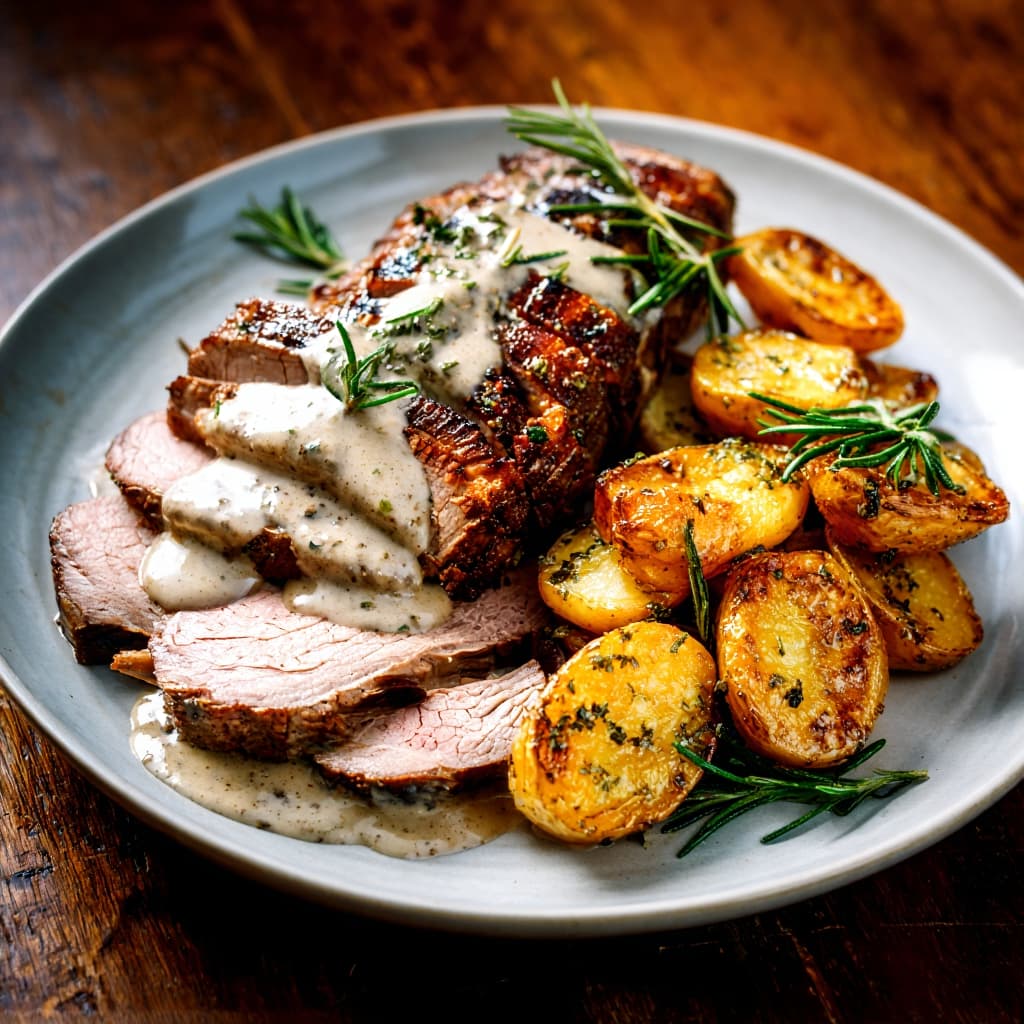
I warm plates, spoon a ribbon of gravy over the slices, and arrange roasted potatoes beside the meat for a contrast of crisp and silky. If someone prefers well done, a careful rest and generous saucing keep the result juicy.
Pass extra sauce, toast with something festive, and say Buon Natale—then chill leftovers promptly; they become tomorrow’s delicious italian sandwiches or a cozy plate with reheated potatoes.
Italian Roast Beef with Herb-Scented Gravy
Ingredients
Method
- Preheat the oven to 350°F.
- Season the beef generously with salt and pepper. Lightly dredge in flour.
- Heat olive oil and butter in a pan over medium heat. When shimmering, add the beef and sear on all sides until a golden-brown crust forms.
- In the same pan, sauté chopped onion, carrot, and celery until soft. Stir in garlic, parsley, and sage for 1 minute.
- Deglaze the pan with red wine (or add milk for the milk-braise), scraping up the browned bits.
- Return the beef to the pan and add rosemary and bay leaf. For a milk-braise, pour in hot milk, submerging the beef. For stracotto, add wine and tomatoes.
- Cover and cook at 300°F for 60-90 minutes (for milk-braise) or 2-4 hours (for red wine braise), until the beef is tender.
- Toss peeled, quartered potatoes with olive oil, rosemary, oregano, and salt. Spread on a baking sheet and roast at 400°F for 40-60 minutes, turning halfway through. Finish under the broiler for extra color.
- After removing the beef, sift flour into the pan juices and whisk until smooth. Simmer until thickened, adjusting the seasoning.
- Let the beef rest for 15-20 minutes before carving. Serve with the roasted potatoes and spoon the gravy over the meat.
Notes
- For best results, use a meat thermometer to ensure proper doneness. For medium-rare, pull the roast out at 118°F and let carryover heat bring it to about 130°F.
- Leftovers can be stored up to 3 days and can be used for sandwiches or turned into a beef stew.