
Jump to Recipe
There’s a quiet comfort in a kitchen filled with the warm, savory scent of garlic and tomatoes softening in the oven. It’s a feeling of coming home, of preparing a meal that connects you to generations past. This is the heart of a tradition many families hold dear, especially on a special evening.
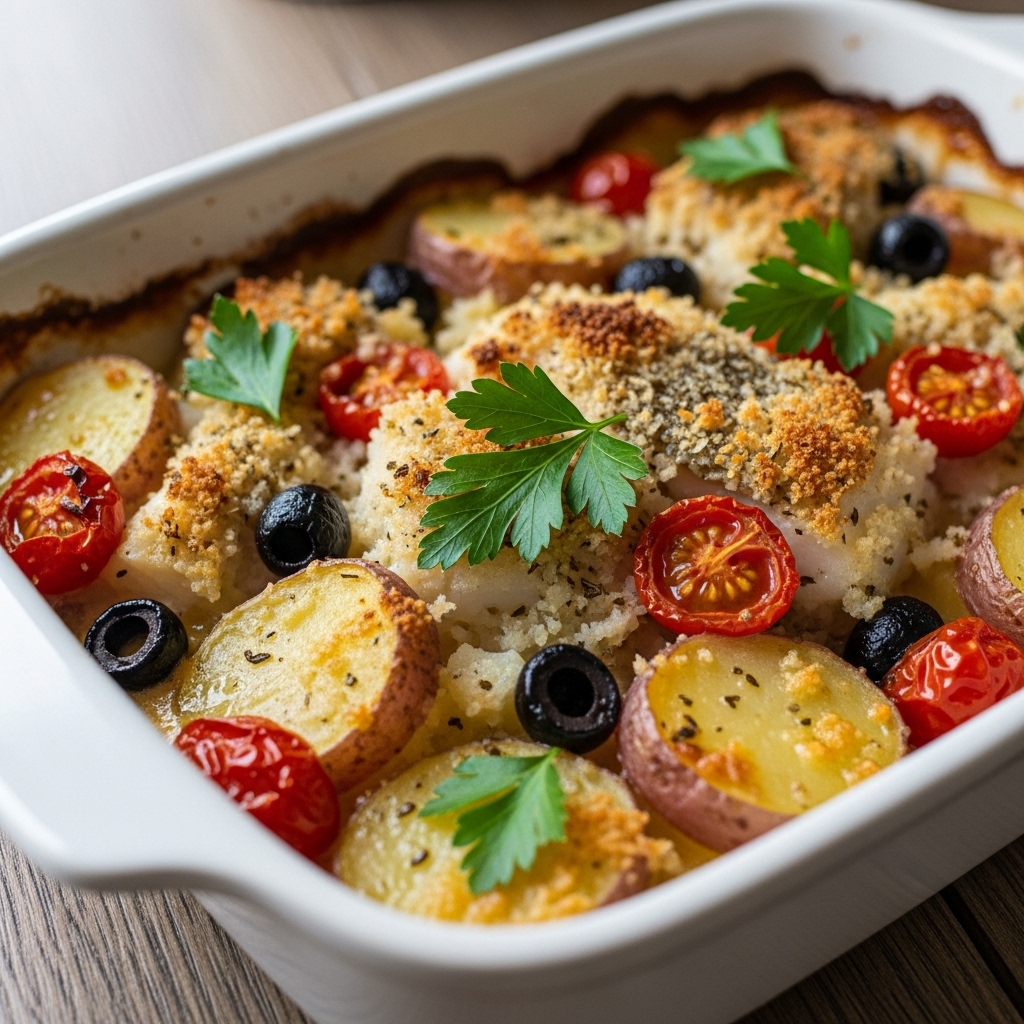
This particular dish centers on salt-cured cod, a fish preserved using methods centuries old. For many, this preparation is a cornerstone of the holiday seafood menu. My baked version with potatoes is the one I return to year after year. It’s remarkably simple, requiring just about 30 minutes in the oven after some easy prep work.
The method is straightforward. You layer properly soaked cod with potatoes, tomatoes, and olives in a single dish. The oven does the heavy lifting, melding the flavors together into something deeply satisfying. It’s a practical approach that honors history without causing stress, perfect for feeding a crowd while you attend to other parts of your meal. For a different take on this cherished ingredient, you might enjoy this authentic baccala soup recipe.
Understanding this meal means appreciating why salt cod became so vital. Long before fresh fish was widely available, it was a reliable source of nourishment. This dish represents that beautiful intersection of necessity and celebration, bringing a taste of the sea to the table with minimal fuss.
Key Takeaways
- Salt-cured cod is a traditional fish with a rich history, central to many holiday meals.
- This preparation is designed for simplicity and efficiency, using one baking dish.
- Properly soaking the cod is the most important step for a perfect result.
- The oven does most of the work, allowing you to focus on other dishes.
- This method delivers centered, robust flavors with a golden-brown finish.
- It’s a practical dish that respects tradition while fitting into modern kitchens.
Embracing the Italian Christmas Eve Tradition
The story of this cherished dish begins far from the Mediterranean sun. Centuries ago, Viking sailors navigating the cold North Atlantic needed a reliable source of protein. They discovered that cod, a plentiful fish in those waters, could be preserved for their long voyages by salting and drying it in the frigid wind.
The history and cultural significance of baccalà
This preserved fish, known as salt cod or baccalà, eventually traveled south. It became a valuable trade item in Mediterranean ports. Italian cooks, always resourceful, saw its potential. They developed countless ways to prepare it after a thorough soaking.
This ingenuity turned a practical preserved good into a cornerstone of regional cuisines. Different areas created their own signature dishes, from creamy braises to simple fried preparations.
How this dish became a holiday staple
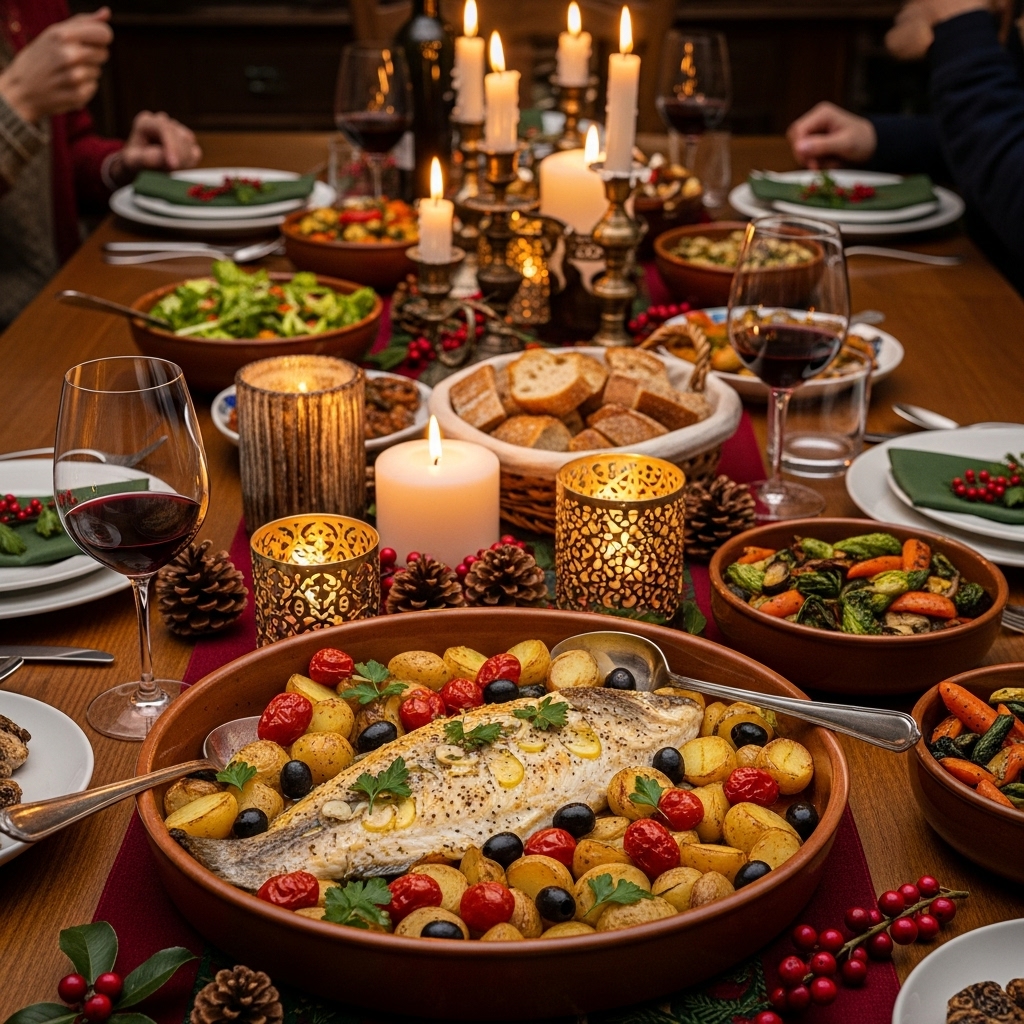
The connection to Christmas Eve is deeply rooted in Catholic tradition. The holiday meal often centers on seafood, abstaining from meat. Salt cod was an ideal choice for this special evening. It was affordable, stored well, and could be transformed into a celebratory feast.
While overfishing has made this fish more costly today, its role in the holiday meal remains vital. The meaning of the food transcends its price, connecting families to their heritage every year.
Discovering the Essential Ingredients and Their Stories
Before we begin assembling the layers, let’s examine each ingredient’s purpose in this preparation. The right components, treated properly, create a dish where everything works in harmony.
Choosing the right salt cod and preparing it
Finding quality salted cod matters. Look for thick, center-cut pieces when possible. The fish arrives stiff and intensely salty. Proper soaking in cold water is essential.
I always check package instructions first. Lightly cured cod might need just overnight soaking. Heavily preserved pieces can require up to three days with frequent water changes. This process rehydrates the flesh while drawing out excess salt.
After soaking, examine for stray bones and remove any skin. The fish should feel pliable and taste pleasantly briny, not overwhelmingly salty.
The role of potatoes, olive oil, garlic, and tomatoes
Yellow-fleshed potatoes work best here. They hold their shape during cooking while absorbing flavors from the oil and fish juices. Thin slices ensure they cook through evenly.
Olive oil serves multiple purposes. It coats the potato slices to prevent sticking. It carries garlic flavor throughout the dish. It also keeps the cod moist during baking.
Cherry or grape tomatoes release sweet moisture as they cook. This balances the saltiness of the fish and olives. Black olives contribute briny notes without overwhelming other flavors.
Fresh parsley adds a clean, peppery finish. Slightly crushed garlic cloves release their oils gradually during baking rather than burning. Each ingredient has its place.
Baked baccalà italian christmas recipe: A Step-by-Step Guide
The key to a successful preparation lies in the careful attention given to the fish before it ever touches the pan. This process ensures the final texture and flavor are just right.
Prepping and Soaking the Cod for Optimal Texture
Begin a full day in advance. Rinse the salt cod under cold water. Place it in a large bowl and cover it completely with fresh, cold water.
Refrigerate the bowl for 24 hours. I change the water at least three times during this period. For a more heavily preserved fish, a 48-hour soak with more frequent water changes works best.
After soaking, the fish will feel supple. Remove any small bones or skin. Pat the pieces dry before using them.
Layering the Ingredients and Baking Techniques
Start by tossing sliced potatoes with olive oil, garlic, and parsley. This coats them evenly. Arrange the potatoes in a single layer at the bottom of your greased dish.
Place the prepared cod pieces on top. Scatter tomatoes and olives around them. A drizzle of white wine adds moisture for the potatoes to cook through.
Top everything with breadcrumbs and a final drizzle of oil. This creates a golden crust.
Tips for Monitoring Cooking Times and Achieving a Golden Finish
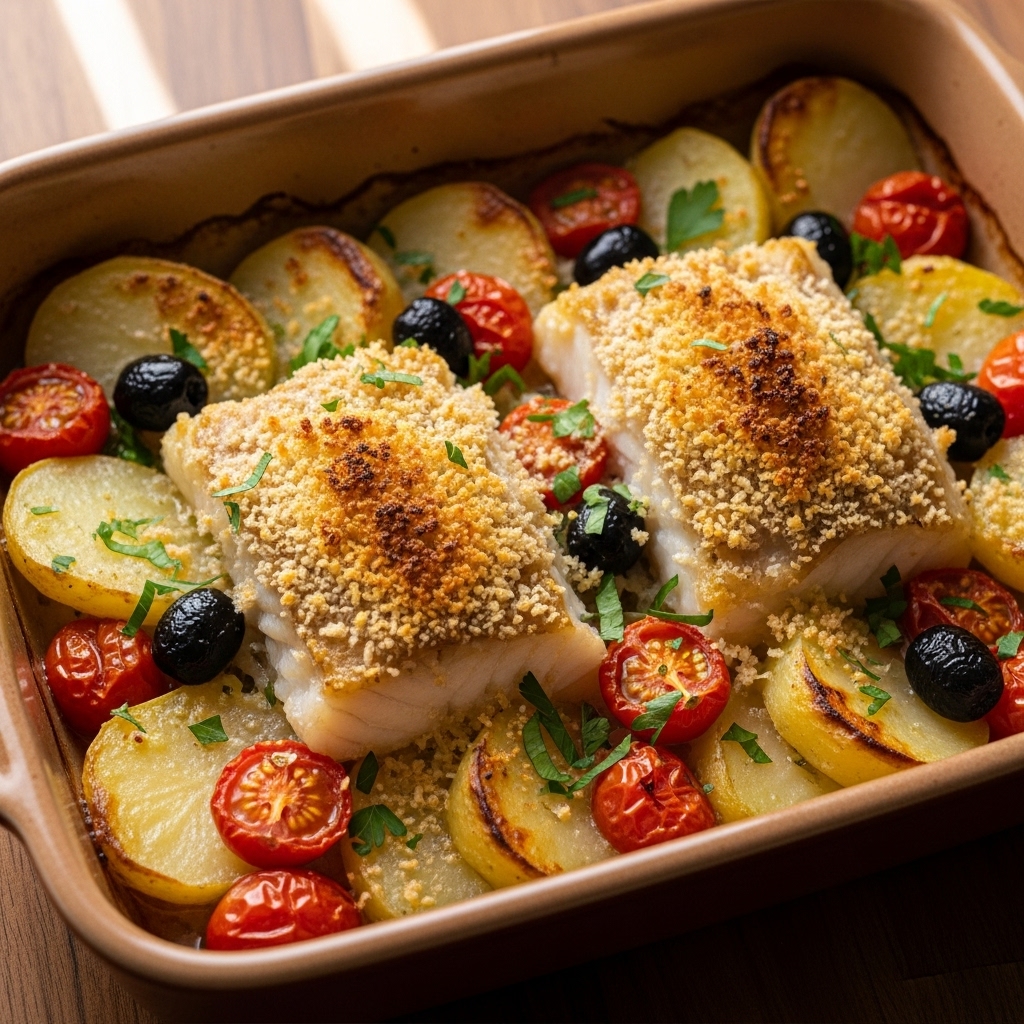
Bake at 400°F for about 30 minutes. The heat should cook the fish through and tenderize the potatoes.
Don’t just watch the clock. Check if the potatoes are soft with a knife. If the top isn’t brown enough, a minute under the broiler will finish it perfectly.
Serve the dish hot. The flavors and textures are best enjoyed immediately.
Creative Variations and Expert Tips for a Flawless Dish
What makes a classic preparation truly come alive are the thoughtful variations that adapt it to different tastes and circumstances. The foundation remains solid, but small changes can make it your own.
Alternative ingredient tweaks for diverse tastes
Layering potatoes above and below the fish protects it from drying out. This simple change also stretches the dish to feed more people.
Some cooks prefer thinly sliced onions instead of garlic. Softening them in olive oil first creates a sweeter, mellower base flavor.
Oregano or thyme can replace parsley for those who find it too grassy. Dried herbs hold up well during cooking. Adjusting the amount of olives, or omitting them entirely, suits different preferences.
Adjusting soaking times and seasoning for personal style
Store-bought salt cod varies in salinity between producers. This explains why results can differ even with careful preparation.
Home-curing gives you complete control. Pack thick cod fillets in kosher salt for two days. Then soak in water for two more days, changing it several times.
This method produces superior texture with perfect seasoning. When time is short, fresh cod fillets work if added during the last 15 minutes of cooking.
Final Reflections: Bringing Authentic Italian Flavors to Your Holiday Table
The true test of any holiday dish is whether it brings people back for second helpings. This preparation consistently earns that honor, even among multiple seafood offerings. It finds its place within the Neapolitan legend of 365 ways to prepare salt cod.
What makes this food so valuable is its versatility. The same meal that shines on Christmas Eve works beautifully for a weeknight dinner. You get complex flavors from simple, straightforward technique.
Understanding this one approach opens doors to regional variations. You might explore the Livornese style with basil or the Neapolitan version with capers. Each offers a different take on the same cherished ingredient.
This dish connects your table to centuries of tradition while fitting perfectly in a modern kitchen. The golden-brown finish and aromatic olive oil tell everyone this is real food made with care. It honors history without demanding hours of preparation.
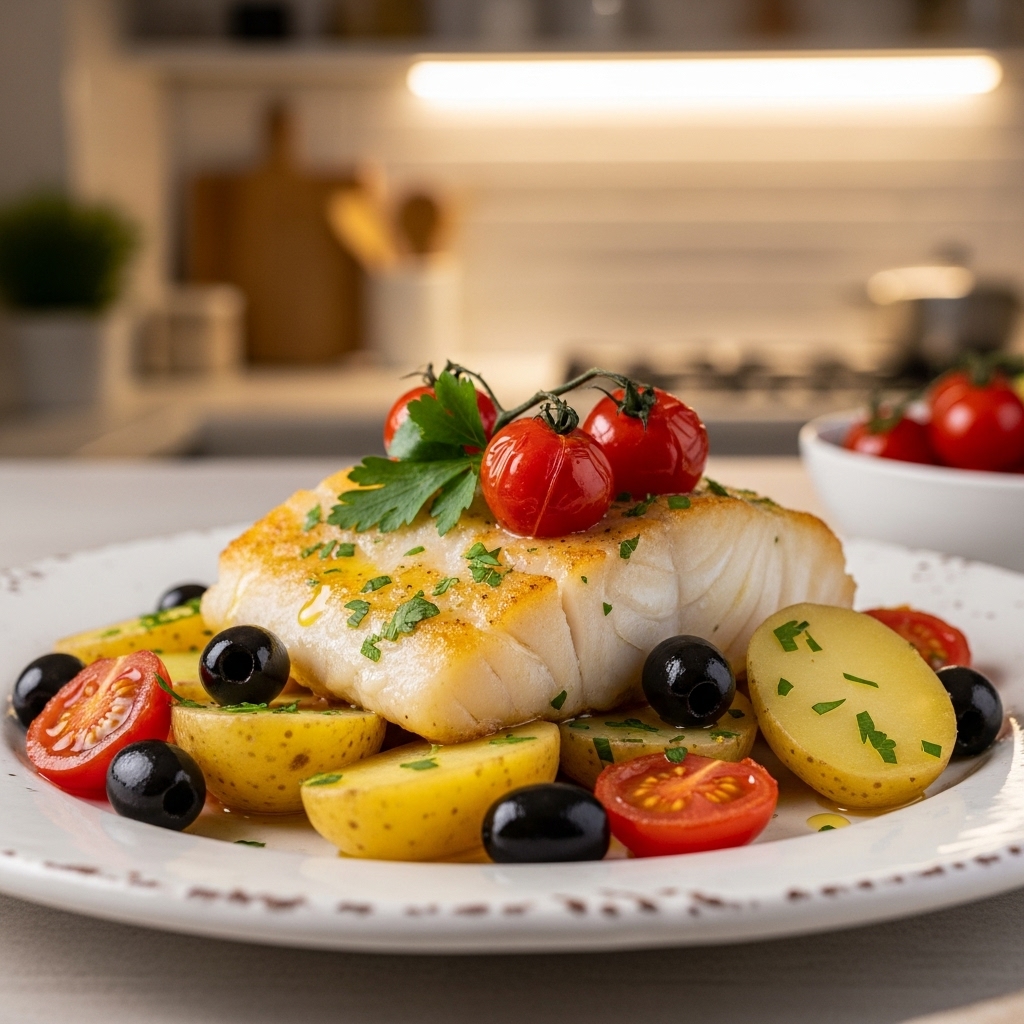
Baked Baccalà (Salt-Cured Cod) with Potatoes, Tomatoes, and Olives
Ingredients
Method
Notes
- The quality of salt-cured cod greatly affects the flavor, so choose a thick, center-cut piece.
- Adjust the saltiness of the dish by soaking the cod longer if it’s too salty.
- You can omit or replace olives with capers for a different taste.
- Fresh cod fillets can be used in a pinch, but it won’t have the same traditional flavor or texture.