
Jump to Recipe
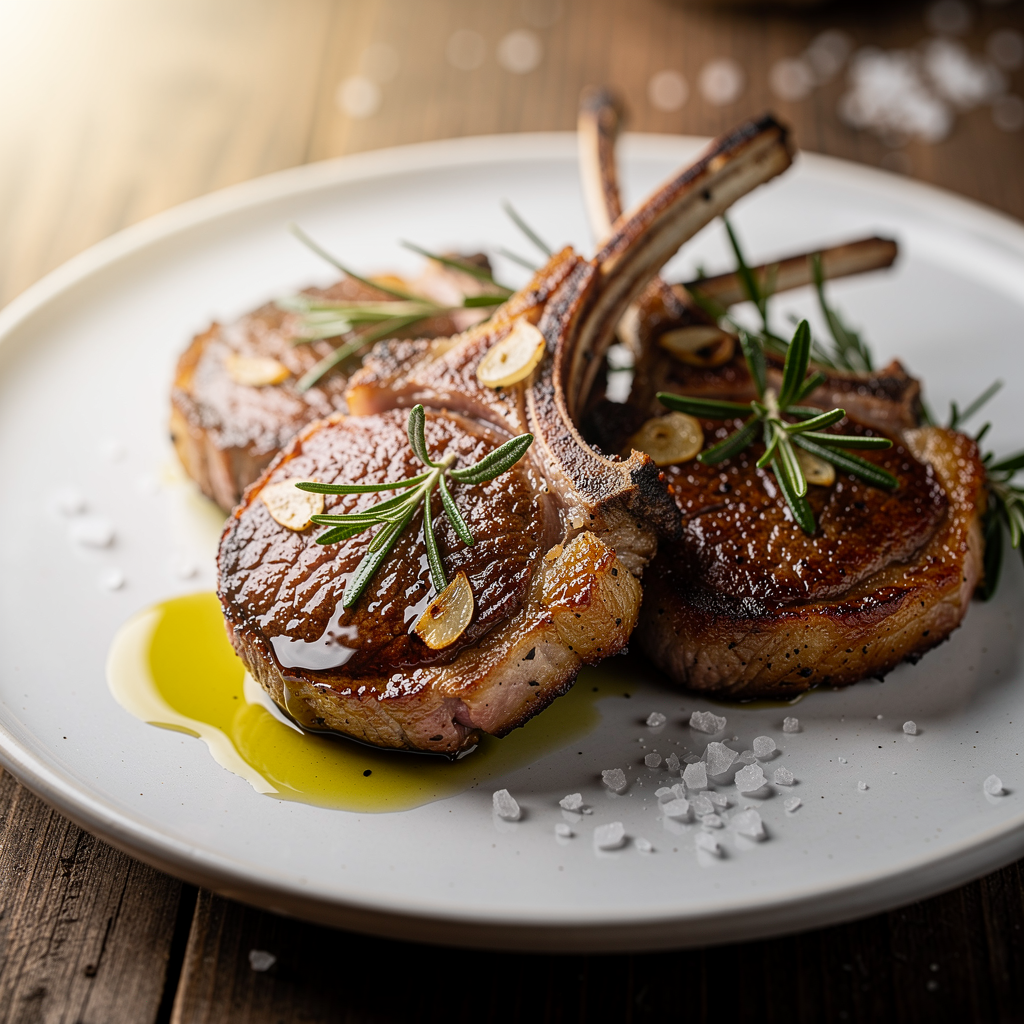
I still remember the first time I seared a rack until the edges caught and the kitchen smelled like warm herb and toasted oil.
There’s a quiet joy in that quick, high-heat moment: the crust snaps, the inside stays rosy, and a simple marinade turns humble meat into something celebratory.
I’ll walk you through choosing the right cut, how long to marinate, and the pan technique that creates a golden crust without fuss.
Expect clear times and temperatures so you can cook confidently for a weeknight dinner or a small, special meal.
Key Takeaways
- Short marinade of fresh herbs and oil adds flavor without masking the meat.
- Choose rib or double-rib cuts based on how quickly you want to cook.
- Sear in a shimmering pan, then finish at 400°F if needed for thicker cuts.
- Rest 3–5 minutes so juices redistribute and slices stay juicy.
- Target temps: about 125°F rare, 135°F medium-rare, 140°F medium for best results.
Aromatic, fast, and foolproof: what makes these lamb chops special
These small, tender cuts reward bold heat and a light hand. Rib pieces sear in minutes and give you a crisp, caramelized edge while keeping the center rosy.
Double-rib portions are more forgiving on timing, so they suit cooks who want a bit of margin for error. Single ribs ask for attention; a hot pan and a steady minute-per-side approach work best.
A quick marinade does double duty: it pre-salts and layers flavor so seasoning reaches the meat, and it helps the surface brown evenly. High heat is the key to that deep color without overcooking the interior.
- Fast turnaround: under 20 minutes after marinating, great for weeknights.
- Technique over fuss: the cut supplies tenderness, so keep steps simple.
- Rest 3–5 minutes so juices redistribute and the first slice stays juicy.
- Aim rare to medium for the best texture—overcooking dries these tender pieces.
I love lamb for its savory richness; bright herbs and a touch of citrus balance it beautifully. Follow the cues—shimmering oil, deep golden sear, and exact timing—and you’ll have a practical, reliable approach you’ll cook again and again.
What you’ll need for big flavor with minimal effort
Good flavor begins at the market: pick bright, rosy meat with smooth white fat and a confident sheen of moisture. That tells you the cut will sear well and stay tender.
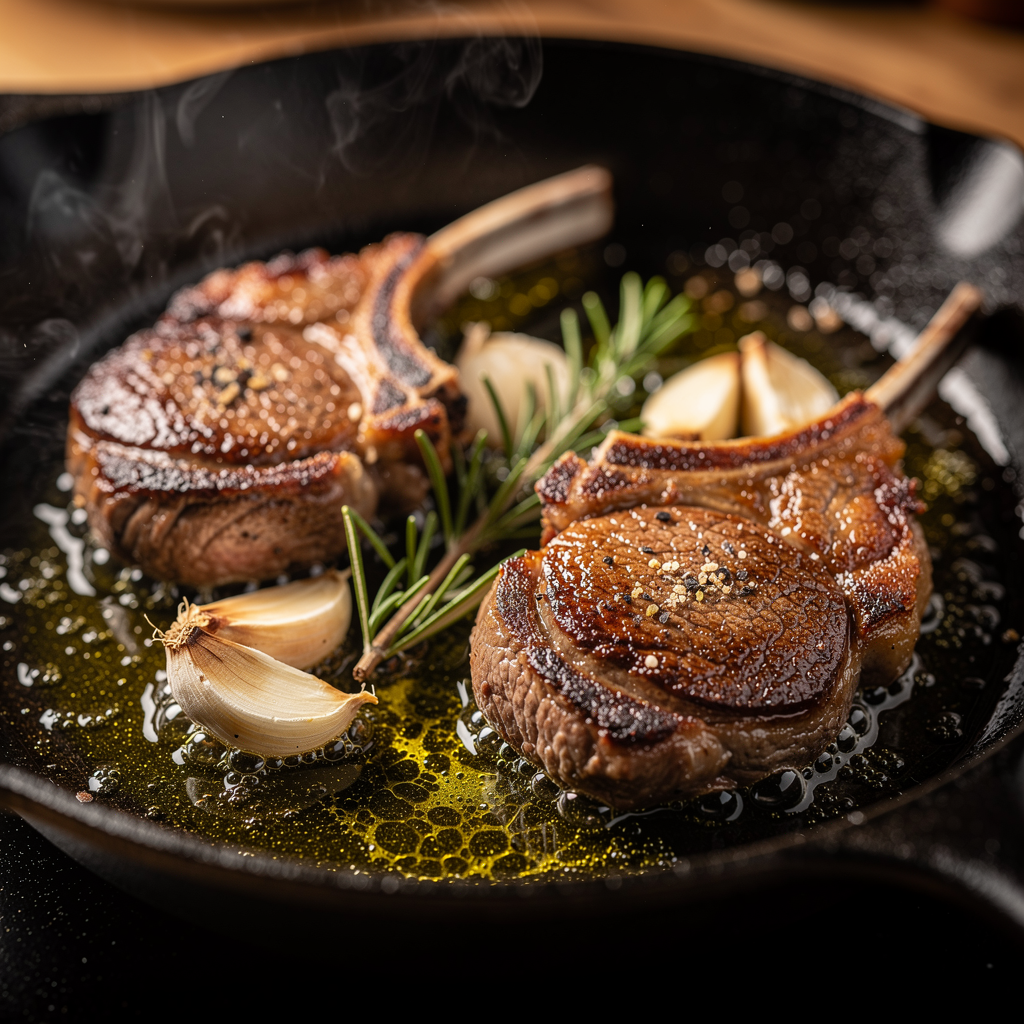
I keep the ingredient list short, like a cucina povera approach that trusts each element. Fresh rosemary and garlic anchor the profile, while a quality olive oil carries aromatics into the meat.
- I start with beautiful lamb chops—rib or loin—choosing pieces with light pink-red color and smooth white fat for tenderness and clean flavor.
- Fresh rosemary and garlic are non-negotiable; they complement the meat gently, much like a rustic Italian kitchen.
- Use good olive oil to help the surface brown evenly in the pan and to bind the aromatics.
- Season assertively with kosher salt and black pepper so every bite tastes complete.
- A little lemon zest brightens the richness; fresh mint is optional for a cool finish or a mint chimichurri.
- Marinate at least 30 minutes, up to 24 hours. Pat dry and have your pan hot and ready for a golden crust in minutes.
Choosing the right chop: rib, loin, or double-thick
Selecting the proper chop determines timing, texture, and how much attention you need at the stove. I like to match the cut to the meal I plan—quick weeknight fare or a slower, celebratory plate.
Rib cuts from the rack (often called rack lamb) are tender and elegant. Many are French-trimmed into lollipops. They sear quickly and shine in a simple pan finish.
Rib chops from the rack vs. lamb loin chops
Loin chops offer a beefy bite and a T-bone shape. They are equally forgiving and good when you want a meatier chew. Both types reward a hot pan and brief cooking.
Thickness matters: single rib vs. double rib and cook time
Thickness controls timing. Single rib pieces cook in a flash—think about a minute per side for rare to medium-rare. Double-thick cuts are more forgiving. They give a cushion against overcooking and let you rest the meat without losing pinkness.
- Look for fine-grained flesh and smooth white fat; that signals tenderness and sweet flavor.
- If you buy a whole rack, ask your butcher to slice it to your preferred thickness.
- Portions: about 1 lb feeds 2–3 people; 1.5 lb feeds 3–4.
| Cut | Cook Speed | Best Use |
|---|---|---|
| Rib (rack lamb) | Very fast | Elegant, quick sear; dinner parties |
| Double rib | Moderate | Forgiving, suits rare–medium‑rare |
| Loin (loin chops) | Fast | Meatier bite; great pan or grill choice |
Build the marinade for maximum tenderness and flavor
A good marinade is the quiet work that turns a quick sear into something memorable. I keep the approach simple so the meat’s character shines through.
Simple rosemary-garlic olive oil blend
I whisk fresh rosemary, minced garlic, kosher salt, black pepper, and olive oil into a loose paste. The mixture coats every surface and starts to season right away.
How long to marinate and why it matters
Marinate at least 30 minutes for basic penetration; overnight (up to 24 hours) deepens flavor without masking the meat. Pre-salting helps the cut retain moisture, so it stays juicy after a high-heat sear.
Room temperature rules and safety
Double-rib pieces can rest toward room temperature for 30–45 minutes so they cook evenly. Thin single ribs should stay chilled if you aim for rare—too warm and they overcook fast. Always cover and chill during long marinades.
- Massage the marinade in so aromatics cling; cover and refrigerate.
- Scrape excess garlic before searing to avoid burning; flavor has moved inside.
- Reserve a teaspoon of fresh herbs to finish after cooking for aroma.
| Marinate Time | Effect | Food Safety |
|---|---|---|
| 30 minutes | Light seasoning, surface flavor | Safe at chilled temps; brief room temp okay for thick cuts |
| 2–4 hours | Deeper flavor, better salt penetration | Keep refrigerated; remove 30–45 minutes before cooking if thick |
| 8–24 hours | Full flavor development, tenderized surface | Always refrigerate while marinating; discard excess used marinade |
Stovetop method: high heat, quick sear, juicy center
A shimmering skillet and proper timing are the secret to a perfect sear. I favor a heavy pan over medium-high heat so the surface stays hot and predictable. Short bursts of heat lock in juices and build a caramelized crust that sings against bright herbs.
Preheat the pan and oil until shimmering
Set a heavy pan on medium-high and add a thin film of olive oil. Wait until the oil shimmers—this is the visual cue that the surface is hot enough to sear. Pat the meat dry and season lightly with salt and pepper just before it hits the pan.
Sear times for single vs. double rib cuts
Single, thin pieces need only about 1 minute per side for rare to medium-rare. Double-thick cuts take 2–3 minutes per side and benefit from standing briefly on the fat cap to render it.
Finish in the oven if you prefer more doneness
If you want more cook, transfer the pan to a 400°F oven for 3–5 minutes. For thin pieces use the finger test; for thicker cuts, probe the center with an instant-read thermometer. Rest 3–5 minutes before slicing.
- Tilt the pan and spoon hot oil over the meat in the last 30 seconds for gloss and flavor.
- Manage heat so small bits of garlic don’t scorch; lower slightly if the pan smokes hard.
- Notice the rendered fat basting the surface—that’s concentrated flavor you built in minutes.
| Cut | Sear Time | Finish |
|---|---|---|
| Single rib | ~1 minute per side | Rest 3–5 minutes |
| Double rib | 2–3 minutes per side | Optional 3–5 min at 400°F |
| Tip | Use thermometer for thick cuts | Finger test for thin |
Grilling method: charred edges, tender middle
A hot grill, a quick flip, and a whisper of smoke turn simple cuts into a summer feast. I like the balance of clean char and a juicy center. Follow a few clear steps and a thermometer, and you’ll cook lamb confidently outdoors.
Setup and timing by internal temperature
Preheat the grill to medium-high and oil the grates lightly so the pieces release cleanly. Bring the meat to room temperature for about 30 minutes before you start; that evens the cook.
For most rib cuts grill roughly 3 minutes per side to reach about 135°F for medium-rare. Thicker pieces can take 7–10 minutes total. Aim for an internal temperature of 125°F rare, 135°F medium-rare, or 140°F medium, pulling the meat 3–5°F early for carryover.
Outdoor charcoal or a grill pan, plus flavor tips
Birch wood charcoal gives a sweet, subtle smoke that suits grilled lamb well. For a stovetop option, use a heavy grill pan and avoid crowding so marks form cleanly.
- Season boldly with salt, pepper and a little olive oil before grilling.
- Use a thermometer to cook lamb precisely; trust it over time alone.
- Finish the plate with mint chimichurri or mint apple sauce and let the pieces rest a few minutes before serving.
| Cut | Approx. Grill Time | Target Internal Temp |
|---|---|---|
| Rib / rack lamb | 3 min per side | 135°F (medium-rare) |
| Thicker double rib | 7–10 min total | 135–140°F |
| Loin / lamb loin chops | 3–6 min per side depending on thickness | 125–140°F |
Doneness, internal temperature, and resting for perfect results
Confidence at the end of cooking comes from touch and a good probe. I rely on both so each plate is predictable and joyful.
I recommend cooking to temperature, not just time, because cut size and thickness vary. Aim for 125°F for rare, 135°F for medium-rare, and 140°F for medium. These targets keep the meat tender and juicy.
Thin rib pieces cook so fast that a thermometer can be impractical. Use the finger test for those: a soft feel means rare, a slightly springy feel is medium-rare, and firmer for medium.
- For thicker pieces, slide an instant-read thermometer into the center, avoiding bone, for an accurate internal temperature.
- Pull chops a few degrees early; carryover heat finishes them as they rest.
- Rest the meat 3–5 minutes so juices redistribute—this short pause makes a big difference.
| Method | Best for | Key tip |
|---|---|---|
| Finger test | Thin cuts | Practice feel; quick and reliable |
| Thermometer | Thicker cuts | Avoid bone, insert to center |
| Resting | All cuts | Pull early, rest 3–5 min |
Finishing touches: sauces and sides that love lamb
A few bright finishing touches lift a simple plate into something memorable. I aim for contrast: an herb-forward sauce, a crisp vegetable, and a creamy starch to soak up juices.
Mint chimichurri or mint apple sauce
I adore a mint chimichurri: parsley, mint, garlic, a pinch of chili, olive oil, and vinegar blitzed until spoonable. Prefer smoother? Cook diced apple with a bit of sugar and mint for a quick, sweet-tart sauce.
Speedy pan sauce
Use the pan fond: sauté a minced shallot, deglaze with broth or red wine, reduce, then whisk in butter for gloss and depth. It takes two minutes and pairs beautifully with loin pieces.
Vegetables and comfort carbs
- Roast asparagus or char zucchini until tender-crisp and finish with lemon.
- Sauté green beans and toss with toasted almonds for crunch.
- Serve creamy polenta, mashed potatoes, or a celery-root mash to soak up sauce.
- On warm days, an orzo salad with herbs and citrus or a mixed green salad brightens the plate.
| Sauce | Veg | Carb |
|---|---|---|
| Mint chimichurri | Asparagus | Polenta |
| Mint apple sauce | Green beans | Mashed potatoes |
| Pan sauce | Charred zucchini | Orzo salad |
Keep flavors complementary so the meat’s character shines. Finish at the table with a drizzle of good olive oil and a sprinkle of flaky salt for aroma and texture.
Make-ahead, storage, and reheating without drying out
A small amount of prep the night before saves minutes and deepens flavor. Marinate up to 24 hours so the marinade can work without masking the meat’s character.
Marinate ahead and bring to room temperature wisely
For thicker cuts, I let them sit toward room temperature for 30–45 minutes before cooking. That evens the internal temperature and shortens pan time.
Keep thin pieces chilled if you aim for rare to avoid overcooking. Pat dry before searing to get a better crust and less splatter in the pan.
Fridge, freezer, and gentle reheating strategies
Store leftovers airtight in the fridge for 3–4 days. Freeze up to 3 months; wrap tightly to prevent freezer burn and thaw overnight in the fridge.
- Oven: reheat at 300°F for 10–15 minutes in a covered dish with a splash of broth to create steam.
- Skillet: warm over low heat with a little oil, turning gently until heated through.
- Microwave: use medium power in 30–60 second bursts, resting between intervals to avoid drying.
| Method | Time | Best for |
|---|---|---|
| Oven | 10–15 minutes | Even reheating, keeps juices |
| Skillet | Few minutes | Quick, restores crust if finished briefly |
| Microwave | 30–60 sec bursts | Fast, only for small portions |
Slice thicker leftover loin before reheating to warm evenly and spoon over any saved juices. Low and slow reheating protects texture and keeps each bite juicy.
lamb chops with rosemary garlic recipe: pro tips and common pitfalls
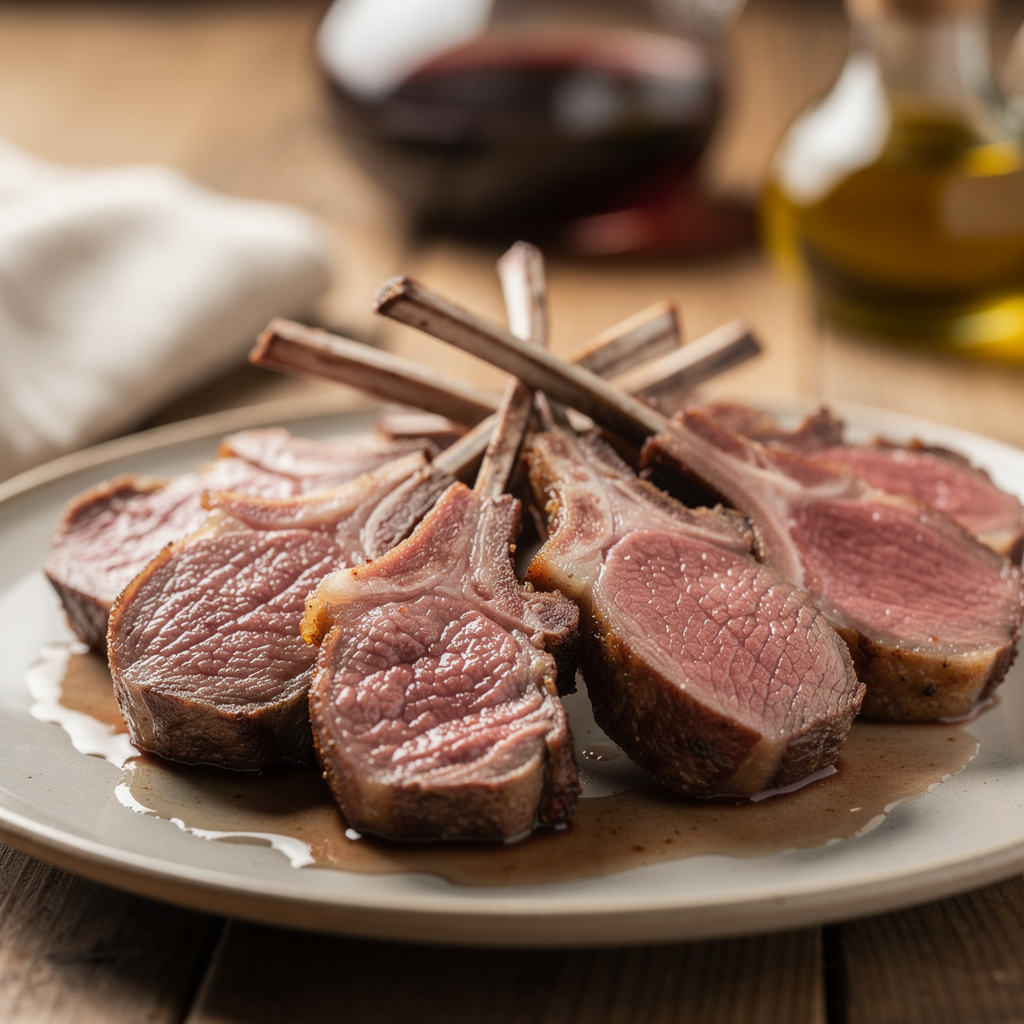
A few precise habits in the pan will save you from a dried-out finish and make every bite sing. I’ve found small, repeatable steps give the most reliable results.
Avoid overcooking thin cuts
Single rib pieces are thin and cook in minutes. Preheat the pan until the oil truly shimmers and time per side—don’t guess by sight alone.
Season and dry for a better crust
Pat the meat dry, then season confidently. Moisture inhibits browning; a dry surface equals a deep, golden crust that carries flavor.
Use a thermometer and manage fat
For thicker cuts, an instant-read thermometer is your friend—track temperature, not time. Sear the fat edge briefly to render flavor, and on the grill, move pieces away from flare-ups so rendered fat bastes rather than burns.
- Scrape excess surface garlic before high heat to avoid bitter bits.
- Don’t crowd the pan; it drops heat and causes steaming instead of searing.
- Rest the meat 3–5 minutes before slicing to keep juices in the cut.
| Situation | Tip | Goal |
|---|---|---|
| Thin single ribs | 1 min per side; high heat | Rosy center |
| Thicker cuts | Use thermometer; pull early | Repeatable doneness |
| Grill | Steady heat; avoid flare-ups | Rendered fat, no burn |
Bring it to the table: a simple, impressive dinner you’ll make on repeat
Set a simple spread—charred asparagus, a crisp salad, creamy polenta—and let the main pieces shine. I like to serve these lamb chops family-style so everyone helps themselves and the meal feels generous.
Spoon a little mint chimichurri over the top and watch the room lean in. The charred edges and tender center reward brief, confident cooking; proper resting keeps each bite juicy.
This is an easy, adaptable plan: grilled lamb or a quick stovetop sear work equally well. Pair with one comforting side and a bright salad, and you’ve got a balanced, trattoria-worthy plate any night.
If you want another Italian classic to try, see Saltimbocca alla Romana for more inspiration. Buon appetito—I hope you love lamb and make this a regular at your table.
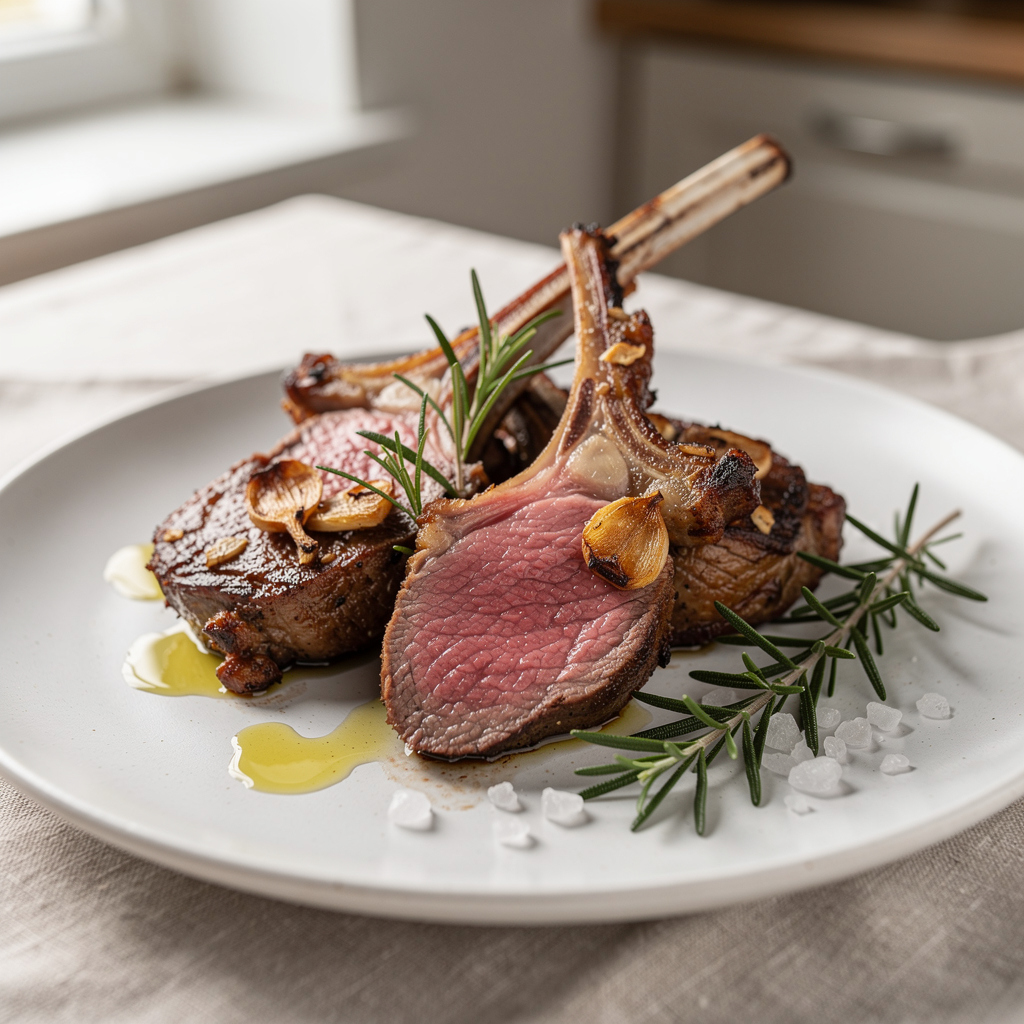
Rosemary Garlic Pan-Seared Lamb Chops
Ingredients
Method
- In a bowl, mix olive oil, garlic, rosemary, salt, pepper, and lemon zest if using.
- Rub the marinade all over the lamb chops.
- Cover and refrigerate for at least 30 minutes or up to 24 hours.
- Remove lamb from fridge.
- For thick chops, rest at room temp 30–45 minutes.
- For thin chops, keep chilled.
- Pat dry and scrape off excess garlic to prevent burning.
- Place a heavy pan (cast iron preferred) over medium-high heat.
- Add a thin layer of oil and wait until it shimmers.
- Thin chops: 1–2 minutes per side
- Thick chops: 2–3 minutes per side
- Stand thick chops on the fat edge briefly to render.
- For thicker cuts, move pan to a 400°F (205°C) oven for 3–5 minutes.
- Remove lamb and rest 3–5 minutes before serving.
- Finish with flaky salt, olive oil, or mint chimichurri if desired.
Notes
- Thin chops cook very fast—don’t walk away.
- Always pat dry before searing for a better crust.
- Pull lamb a few degrees early; it keeps cooking while resting.
- Rare to medium-rare gives the best texture.
- Avoid crowding the pan or the meat will steam instead of sear.