
Jump to Recipe
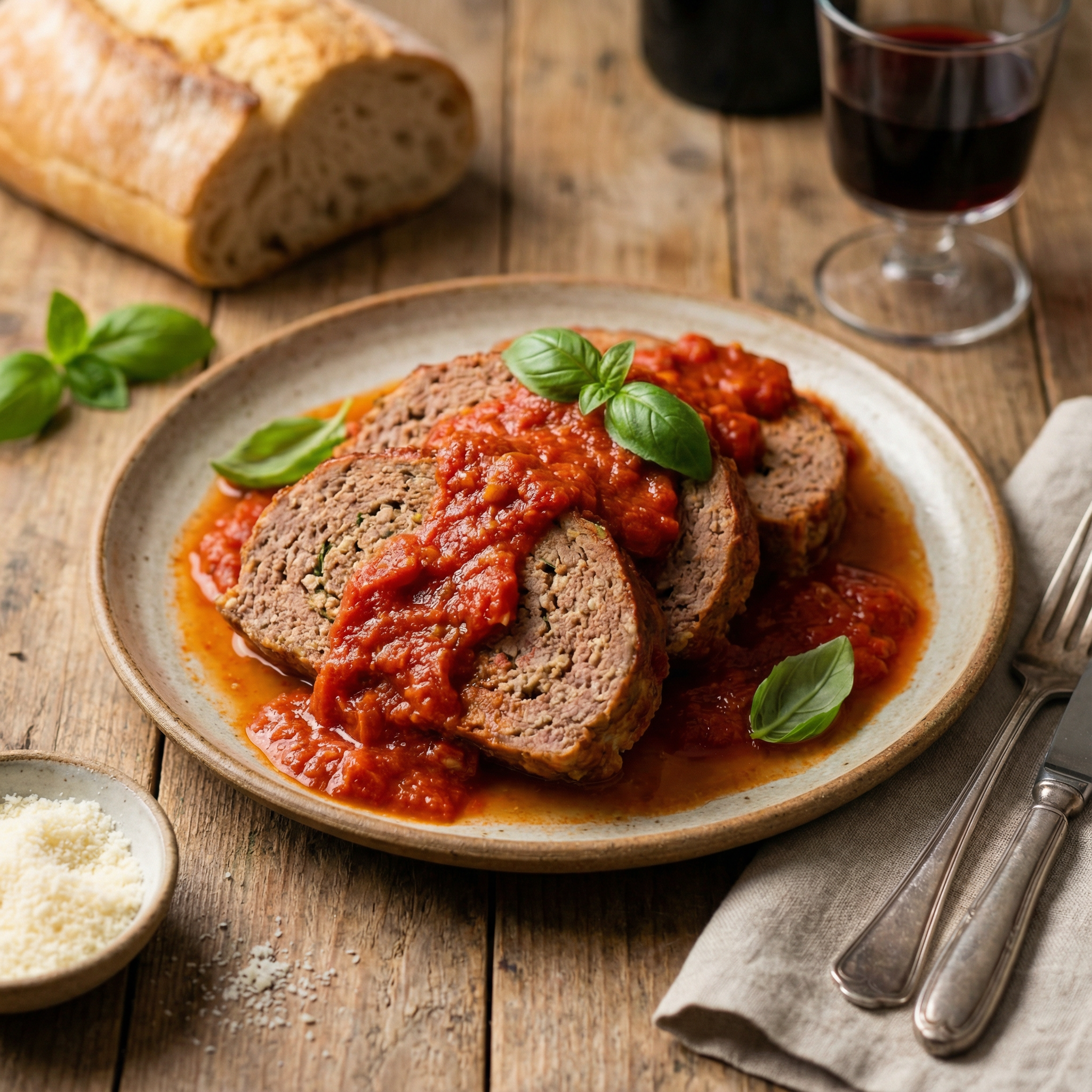
I grew up watching a pan of simmering sauce slowly perfume the house while someone shaped a big, hands‑warm loaf of meat with a pocket of molten cheese inside. The crackle of olive oil in the pan and the way a slice holds its juices—those are the comforts I chase when I cook for my family.
Here I share the practical, trusted method I use: mix like a meatball, shape the loaf, bake wrapped in parchment at 350°F, then unwrap, drizzle with olive oil and finish until the top is golden. Aim for 155°F/68°C in the center and let it rest 10–15 minutes so each slice stays tender and clean.
Stuff it with provolone, hard‑boiled eggs, or sautéed spinach; serve with a bright San Marzano sauce or simply with pan juices. Make ahead for a busy day and store leftovers airtight for up to two days, or freeze slices for later.
Key Takeaways
- Shape the loaf with a meatball-style mix for best texture and juiciness.
- Bake wrapped in parchment at 350°F, finish unwrapped with olive oil for a crisp top.
- Cook to 155°F/68°C and rest 10–15 minutes before slicing.
- Try melty cheese or hard‑boiled eggs as classic fillings.
- Make ahead and refrigerate overnight; store leftovers airtight up to 2 days or freeze.
Why this polpettone wins on flavor, tenderness, and weeknight ease
The secret starts with seasoning. I build the mix like polpette—salt, herbs, and real Parmigiano—so every bite feels layered and savory.
Tenderness comes from a simple moisture trio: breadcrumbs soaked in milk and eggs, plus a gentle bake. Wrapping the loaf in parchment and putting it in a 350°F oven traps steam and keeps the center soft while it holds its shape.
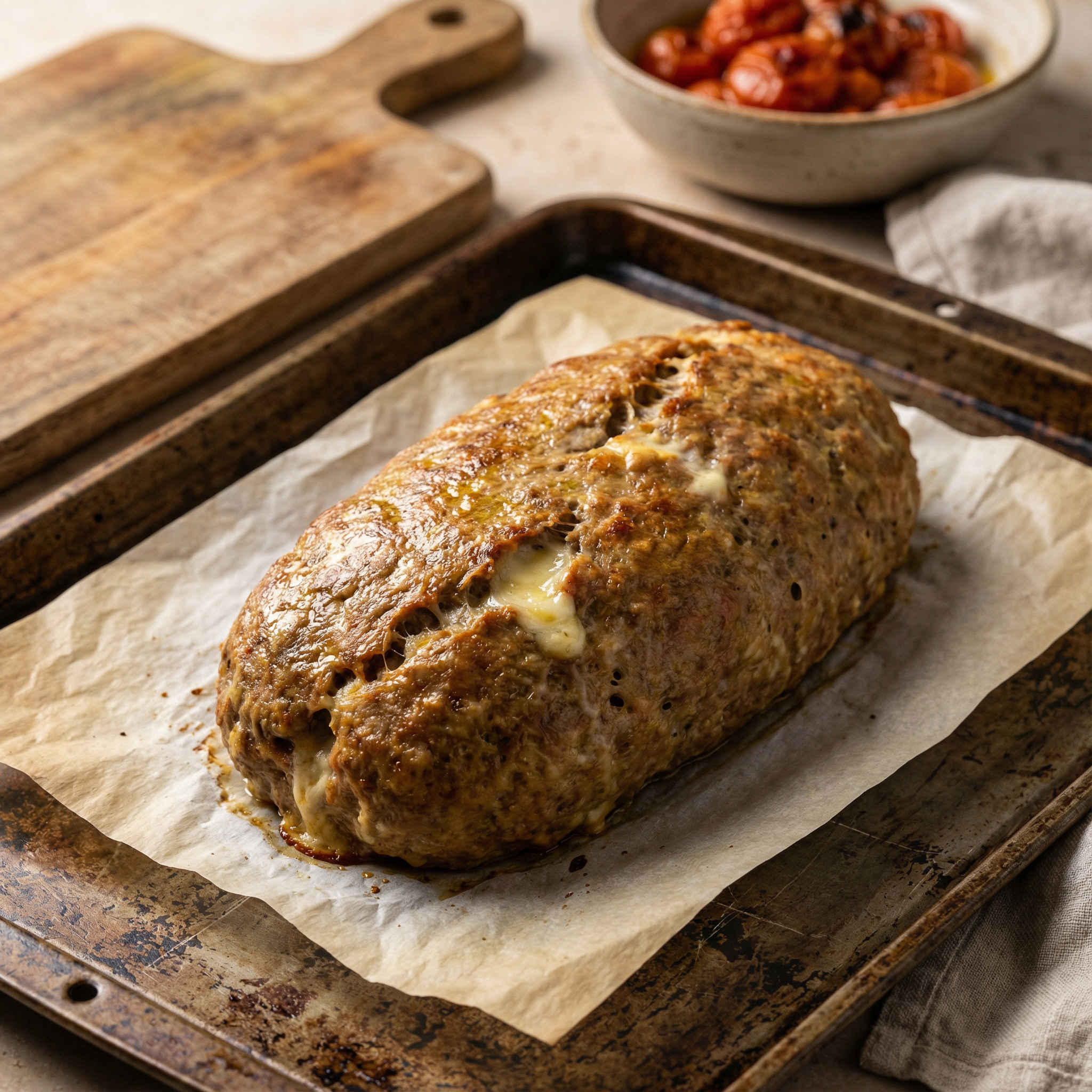
After about 30 minutes I unwrap, drizzle good olive oil, and return it to the oven for roughly 10 more minutes. That short finish creates a delicate crust without drying the interior.
- I always check with a thermometer to remove guesswork; hit the target, then let rest about 10–15 minutes for clean slices and maximum juiciness.
- The hands-on time is minimal, so the loaf fits easily into weeknight plans while you toss a salad or warm a quick sauce.
- It’s family-friendly, forgiving, and adapts to a sauced or no-sauce finish depending on pantry and taste.
Ingredients that make it authentically Italian (and smart swaps)
What goes into the bowl shapes the loaf: pick proteins, binders, and bright seasonings with care. I favor pantry staples that add depth without fuss.
Beef-only vs. beef-pork-veal blends
For body and savor, I often use ground beef. Two parts chuck to one part sirloin keeps the fat balanced and the texture meaty.
Adding pork or veal lifts juiciness and softens the bite. A 50/30/20 blend (beef/pork/veal) gives extra flavor with moderate fat.
| Blend | Pros | Use if you want |
|---|---|---|
| Beef only | Robust flavor, firm slice | leaner, meaty finish |
| Beef‑Pork‑Veal | Juicy, tender, complex | traditional, softer crumb |
| Chuck+Sirloin | Good balance of fat and chew | everyday cooks |
Breadcrumbs, milk or cream, and eggs: the trifecta
Stale bread or commercial breadcrumbs hydrate into silk with a splash of milk or cream. Use about a cup of torn bread per pound of meat, and add milk by the tablespoon until soft.
One or two eggs bind the mixture so slices stay tidy. Don’t skip them; the loaf will crumble when sliced without an egg.
- I season like I would for meatballs: kosher salt, black pepper, a pinch of nutmeg and cayenne, and chopped herbs for aroma.
- Grated parmesan or parmesan cheese adds umami; Pecorino Romano is an option for a sharper edge.
- For the cheese center, provolone or mozzarella melt best; smoked options give a bolder note.
With these ingredients dialed, the next step is mixing and shaping—let’s move on to technique.
italian meatloaf polpettone recipe, step by step
Gather your ingredients and set a timer; the hands-on work takes only about ten minutes before the oven does the rest. Prep first so the bake flows without fuss.
Prep in minutes
Grate Parmigiano, cube the melting cheese, and either soak torn bread briefly in milk or measure dry breadcrumbs. Keep everything close so you move quickly.
Mixing in the bowl
In a large bowl, combine ground beef, salt, pepper, herbs, Parmesan, breadcrumbs, milk, and eggs. Mix by hand until the mixture is cohesive but still tender. Add more breadcrumbs or milk if the mix sticks to the bowl.
Shape and roll
Press the seasoned meat onto parchment into a neat rectangle. Lay the cubed cheese down the center, then use the parchment to roll a tight log and seal the edges. Twist the ends like a candy wrapper; a short chill helps it set before baking.
Bake times and finish
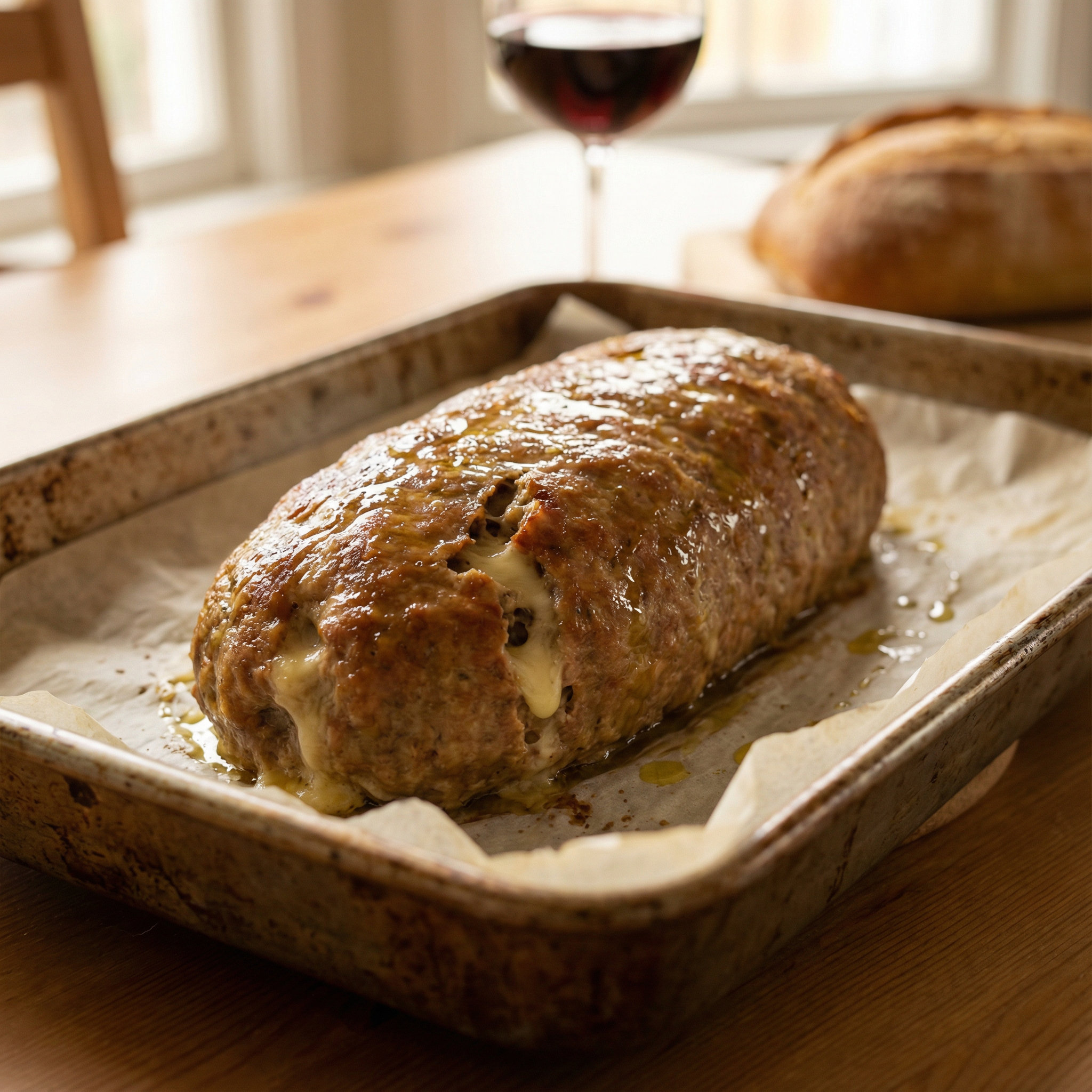
Slide the wrapped loaf onto a pan and into a 350°F oven. Bake about 30 minutes wrapped, then unwrap carefully, drizzle olive oil on top, and return to the oven for roughly 10 minutes to develop a light crust.
Rest and slice
Check the center with a thermometer—aim for about 155°F/68°C. Let rest for 10–15 minutes so slices hold together and cheese settles. Slice generously and spoon pan juices or warm sauce over the top.
| Step | Time | Key Cue | Why it matters |
|---|---|---|---|
| Prep | 10 minutes | Grate, cube, soak | Keeps baking smooth and quick |
| Bake wrapped | 30 minutes | 350°F oven | Traps moisture for a tender center |
| Finish unwrapped | ~10 minutes | Olive oil on top | Creates a delicate crust and color |
For a complementary handheld twist, try pairing slices with a warm marinara or use the same folding technique on a stromboli-style roll found at this stromboli guide. Warm sauce while the loaf bakes so both reach the table hot and in sync.
The parchment paper secret to a tender loaf that never falls apart
A simple fold of parchment is the quiet trick that keeps a loaf tender and sliceable. I wrap the roll before baking so the hot oven creates a gentle steam pocket. That steam cooks the center evenly and stops the top from splitting while the interior reaches temperature.
The paper also supports the shaped mixture as it sets. This is especially helpful when the loaf holds melting cheese or a milk‑soaked breadcrumb center that can otherwise push the structure apart.
- Bake wrapped at 350°F for the initial time to trap moisture and protect the loaf from direct heat.
- Unwrap, drizzle a little olive oil on the top, and return to the oven briefly to form a light crust.
- Rest 10–15 minutes before slicing so juices settle and slices come out neat.
| Why it helps | What to watch for | Result |
|---|---|---|
| Creates steam pocket during baking | Bake wrapped at 350°F for the recommended time | Even cook without drying |
| Supports the roll while cheese melts | Seal edges and chill briefly if needed | Loaf keeps shape; cheese stays pocketed |
| Locks in moisture from milk‑soaked breadcrumbs | Finish unwrapped with olive oil for color | Tender interior with delicate top crust |
| Catches drips for easier cleanup | Use a rimmed pan under the parchment | Slices transfer cleanly to a platter |
Use this method and you’ll find less fuss and more consistent results. After one bake, parchment becomes a trusted helper for any stuffed loaf or similar dish.
Classic fillings and tasty add-ins
Fillings are the party inside the loaf—each choice changes texture, flavor, and the way slices present at the table. I like combinations that taste generous but stay tidy when sliced.
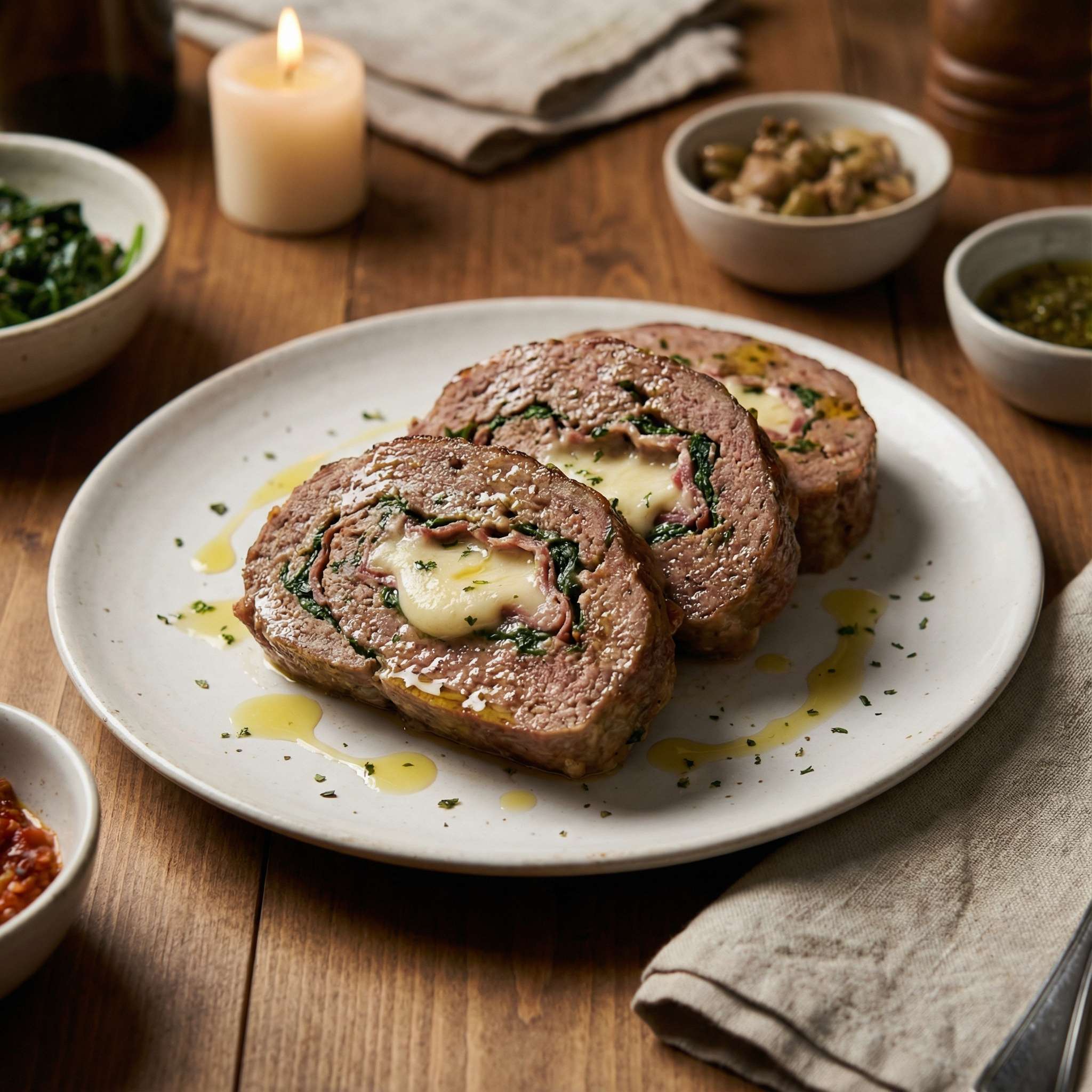
Start with cheeses broken into small pieces so they melt evenly. Provolone or caciocavallo give a lovely stretch; mozzarella or smoked scamorza add a softer, milky pull or a hint of smoke.
Bright greens and vegetables keep things fresh. Blanch spinach, squeeze it bone-dry, and scatter it thinly. Thin ribbons of sautéed zucchini or roasted peppers work seasonally and add color without sogginess.
- Layer thin mortadella or prosciutto for a pork-forward, savory note that perfumes each slice without overwhelming the beef base.
- For a classic festa look, nestle three hard‑boiled eggs down the center; each slice reveals sunny rings and an elegant surprise.
- Add a light sauté of garlic with the greens—just until fragrant—to lift flavors without stealing the show.
- Tiny bits of bread or soaked crumbs in the filling help bind and keep textures balanced with herbs for freshness.
Pairing table: pick and place
| Filling | Prep note | Best with |
|---|---|---|
| Provolone / Caciocavallo | Cut into small cubes for even melt | Bright tomato sauce or simple olive oil drizzle |
| Mozzarella / Smoked scamorza | Use low-moisture or pat dry to avoid weeping | Smoky note pairs with roasted peppers |
| Sautéed spinach & garlic | Blanch, squeeze dry, cool before adding | Fresh herbs like parsley; balances rich cheese |
| Mortadella or prosciutto + eggs | Lay thin slices, nestle eggs centrally | Gives savory depth and classic visual slices |
Sauce it or keep it simple: two delicious serving paths
A quick warm sauce or a restrained finish can make every slice sing. I like both paths and use timing so the sauce and loaf reach the table hot together.
Quick San Marzano marinara with garlic, basil, and a touch of heat
Warm a tablespoon of olive oil in a pan over medium heat. Add a small diced onion and a pinch of red pepper; cook until the onion is soft.
Stir in two minced cloves of garlic and cook just until fragrant. Pour in a cup of whole San Marzano tomatoes and crush them gently with a spoon or masher.
Season with salt, a teaspoon of dried oregano, and a few torn basil leaves. Simmer about 15 minutes until the tomato sauce lightly clings to a spoon.
- If you prefer silkier texture, pass the sauce briefly through a food mill.
- Finish off-heat with fresh basil to preserve aroma and reserve a cup for the table.
No-sauce option: olive oil drizzle, pan juices, and parmesan on top
For a leaner path, let the loaf rest and keep the pan juices. Drizzle a thread of good olive oil over warm slices.
Spoon hot juices from the baking pan over each slice and shower with freshly grated parmesan or parmesan cheese. A little salt at the end balances the flavors.
| Approach | Key cue | Why it works |
|---|---|---|
| Marinara | Simmer 15 min; finish with basil | Bright tomato acidity cuts fat and lifts beef and pork notes |
| No-sauce | Olive oil + pan juices + parmesan | Showcases the loaf’s texture and savory fat; fast and elegant |
| Serve tip | Have sauce warm when loaf rests | Hot sauce on hot slices equals restaurant-quality presentation |
Either path adds subtle tomato vitamin goodness to the plate. Taste and adjust salt at the end; tomatoes vary, and small tweaks make a big difference in this dish.
Make-ahead, rest minutes, and leftovers that taste even better
A little overnight patience turns a good loaf into a great one. Shape the loaf, wrap it tightly in parchment and foil, and chill. An overnight rest lets seasonings and the milk-soaked crumbs settle into the ground mixture so handling is neater and the flavor deepens.
Chill before baking
Form and wrap the loaf the day before. Refrigerate for at least a few hours or overnight. Bake straight from the fridge; add a few extra minutes if the center feels very cold and check with a thermometer.
Storage and quick reheats
Store leftovers in an airtight container in the fridge for up to 2 days. Reheat gently in a low oven, covered, with a spoon of sauce or a splash of broth to keep the crumb moist and the cheese supple.
Freezing tips
Freeze whole or in slices for up to 3 months. For slices, freeze them on a tray for an hour, then transfer to bags so they don’t stick. Thaw in the fridge for a full day, then warm slowly.
- Keep a cup of saved sauce in the fridge to spoon over warm slices.
- If short on time, a few minutes in a low oven warms without overcooking.
- Plan ahead: this method makes weeknight dinners calm and reliable.
| Method | Storage | Time | Reheat tip |
|---|---|---|---|
| Refrigerate wrapped | Airtight container | Up to 2 days | Warm in oven covered, few minutes |
| Freeze slices | Tray then bags | Up to 3 months (freeze 1 hour first) | Thaw in fridge 24 hours; reheat gently |
| Freeze whole | Tightly wrapped | Up to 3 months | Thaw in fridge a full day, then bake to finish |
| Day-of tip | – | Rest minutes after baking | Let sit 10–15 minutes before slicing |
What to serve with polpettone
Serve the loaf with honest, seasonal sides and you turn a dish into a full family feast. Keep the plating simple so the center star—thick, juicy slices—gets the spotlight.
Roasted potatoes, simple greens, and crusty bread
I love golden roasted potatoes tossed with olive and salt. The edges crisp while the centers stay fluffy and catch sauce perfectly.
- Add garlicky sautéed greens or a lemony salad to brighten the plate and cut richness.
- If you’re saucing, warm tomato sauce on the side so everyone can spoon their perfect amount over slices.
- Crusty bread is essential; use it to mop pan juices and bring that trattoria feeling to your dinner.
- Roasted carrots or other seasonal veg caramelize alongside the potatoes for an easy, cozy spread.
- If you skip sauce, pass good olive oil and a wedge of Parmigiano so each bite can be finished to taste.
| Side | Prep | Why it works |
|---|---|---|
| Roasted potatoes | Toss with olive, salt; roast until edges brown | Crips edges catch sauce and juices |
| Greens or salad | Quick sauté or lemon-dressed | Brightens the plate and balances fat |
| Crusty bread | Serve warm | Mops pan juices; completes the dinner |
Finish with chopped parsley or basil for color. Pour a glass for grownups and set the loaf, sides, and plenty of bread down for a warm, unfussy family meal.
From our family table to yours—bake it tonight
Heat the oven, grab a mixing bowl, and know that in under an hour you can make a warm, sharing loaf tonight. Preheat to 350°F, shape the mixture, tuck the cheese inside, and wrap in parchment for gentle baking.
After the initial bake unwrap, drizzle olive oil, and return to the oven until the center reaches temperature. Rest 10–15 minutes before slicing so juices settle and slices stay neat.
Spoon on tomato sauce or serve with pan juices and grated parmesan. Make ahead and chill, store leftovers up to two days, or freeze slices for months—this is comfort that keeps.
Try a beef-only mix or add pork for extra fat and flavor. You’ve got the method—now bake it tonight and share it with family. Buon appetito.
Italian Stuffed Meatloaf (Polpettone)
Ingredients
Method
- Preheat the oven to 350°F (175°C). Line a baking tray with parchment paper.
- Place breadcrumbs or torn bread in a bowl. Add milk a little at a time until soft, not soggy.
- In a large bowl, add ground meat, soaked bread, eggs, Parmesan, garlic, parsley, salt, pepper, nutmeg, and cayenne.
- Mix gently by hand until just combined, like making meatballs.
- Spread the meat mixture into a rectangle on parchment paper.
- Lay cheese (or eggs) down the center in a straight line. Keep filling away from the edges.
- Use the parchment to roll the meat into a tight log. Seal the edges well. Twist parchment ends closed.
- Place the wrapped loaf on a tray. Bake 30 minutes.
- Carefully open the parchment. Drizzle olive oil over the top.
- Return to oven and bake 10 more minutes, until lightly golden.
- Internal temperature should reach 155°F / 68°C.
- Let rest 10–15 minutes before slicing. Serve with pan juices or warm tomato sauce.
Notes
- Mixing gently is key. Overmixing makes the loaf dense.
- Parchment paper keeps the meat moist and helps it hold shape.
- Resting time is important—cutting too early will cause juices to run.
- You can shape the loaf a day ahead and bake straight from the fridge.
- Leftovers keep well for 2 days or freeze up to 3 months.