
Jump to Recipe
I grew up loving this pie for how it brings our table together, and this torta pasqualina is exactly that—a rustic, comforting recipe that marries flaky pastry with a rich spinach and ricotta filling.
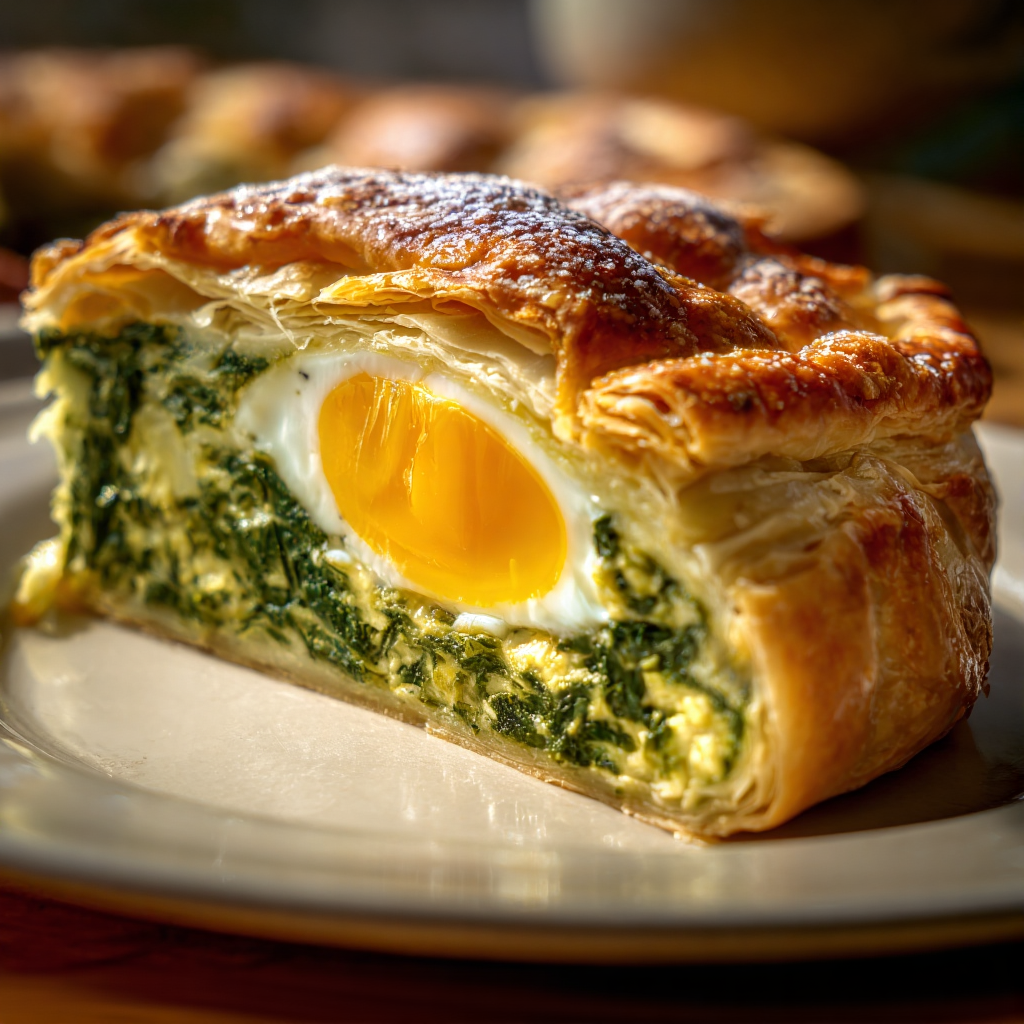
Here I share practical tips I learned at my mother’s side: keep puff pastry cold, drain ricotta well, and squeeze cooked spinach until it barely feels damp. The classic approach cracks whole eggs into wells so the yolks gleam in each slice; you can swap soft- or hard-boiled eggs for neater cuts.
Choose an 8–10 inch springform or a deep pan so the filling sets without spilling, and plan for about 30–60 minutes at 375–400°F depending on your oven and dough. Small cues—golden color, a gentle jiggle that has mostly stopped—are better than exact minutes alone.
Key Takeaways
- Use cold puff pastry and dry your spinach well to protect a crisp base.
- Drain and press ricotta to prevent a soggy filling.
- Pick an 8–10 inch pan for the right height and even baking.
- Decide between raw eggs for drama or boiled eggs for tidy slices.
- Bake on a lower rack at 375–400°F and watch for a golden, set surface.
A slice of Ligurian tradition: why this Easter pie still wins hearts
Centuries-old recipes from Genoa live in every forkful of this torta pasqualina. References go back to the 1500s and cooks like Bartolomeo Scappi recorded similar savory tarts. The legend of 33 thin pastry layers evokes time and faith, a reminder of craft and family.
Originally made with chard and prescinseua, most home cooks now use spinach and ricotta, with a shower of Parmigiano Reggiano or Pecorino for depth. Whole eggs baked into the filling stand for spring and renewal, and they make a dramatic, joyful slice.
I recommend a springform or a deep pie pan so the filling keeps its height. Bake in a preheated oven until the surface is golden and the pastry crackles. A light dusting of nutmeg and a grind of pepper lift the greens without masking them.
Many families make it the day before; chilling helps the ricotta pie slice cleanly for picnics or holiday meals. For a tested version, try my spinach ricotta recipe.
| Aspect | Traditional | Modern / Home |
|---|---|---|
| Greens | Swiss chard | Spinach (drained well) |
| Cheese | Prescinseua or pecorino | Ricotta + Parmigiano Reggiano |
| Pastry & pan | Many thin layers, deep pan | Puff or shortcrust, springform or pie pan |
| Serving | Holiday table or picnic | Cool or room temp, day-after slices |
italian easter pie torta pasqualina: ingredients that make it authentic
The right ingredients turn a simple filling into something that feels like home. I focus on managing moisture and layering flavor so the pastry stays crisp and the slice holds its shape.
Greens that matter
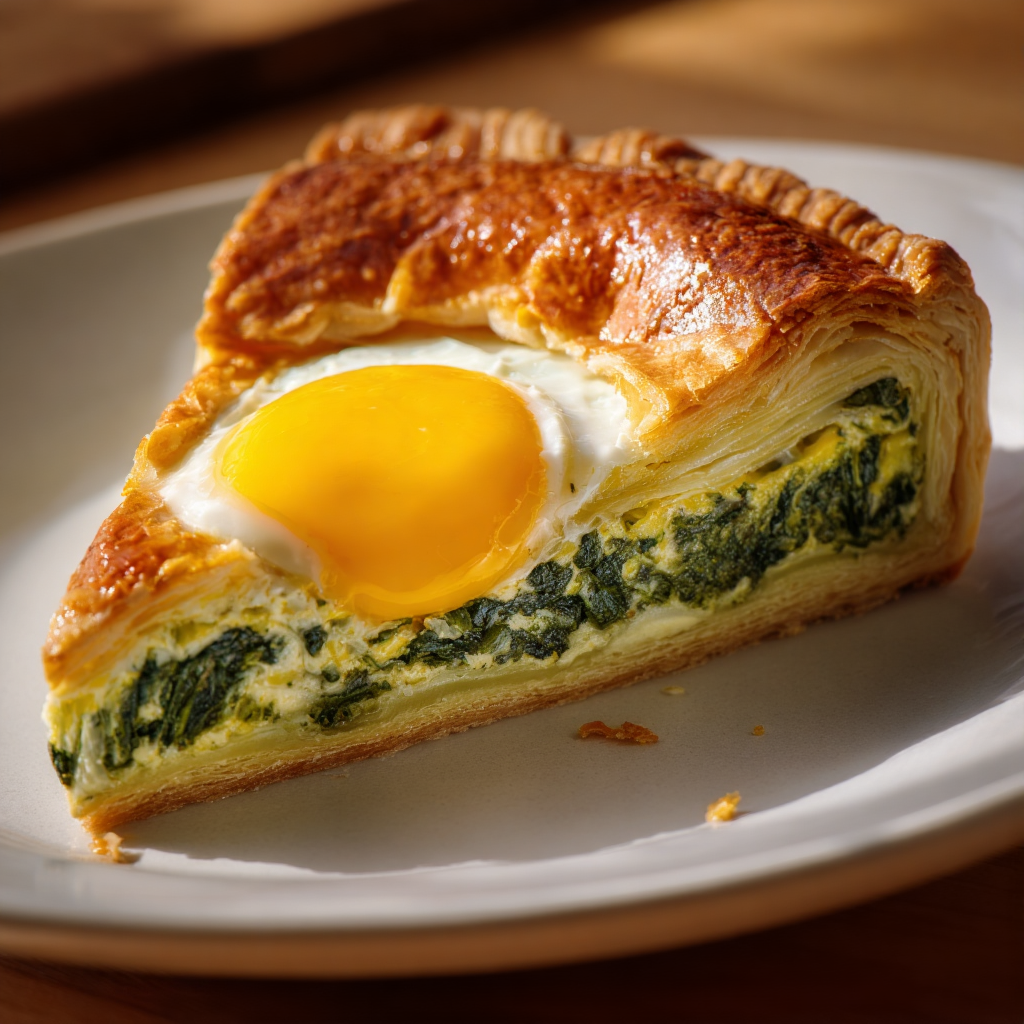
I favor baby spinach for tenderness and quick cooking. Flat-leaf spinach works well too. Swiss chard is a classic substitute; if you use chard, sauté chopped stems first, then add leaves so everything softens evenly.
Frozen spinach is a smart shortcut. Thaw it fully and squeeze excess moisture in handfuls until nearly dry—this protects the pastry and concentrates flavor.
Ricotta and Parmigiano Reggiano
Pick whole-milk ricotta cheese and drain it in a sieve or cheesecloth for 30–60 minutes; overnight gives a firmer result. Mix in grated Parmigiano Reggiano or a bit of Pecorino Romano for salty, nutty depth.
The egg factor
Cracking whole eggs into wells gives a dramatic “surprise” slice. Soft- or hard-boiled eggs give neater cuts. Either way, watch baking time so the whites set without drying the yolks.
Pastry, seasoning, and finish
Puff pastry makes a flaky top—keep the sheet cold, work quickly, and brush the top with olive oil or an egg wash for color. A pinch of nutmeg warms the greens; balance with salt, pepper, and a touch of marjoram or oregano.
- Plan pan size and dough thickness together so the base supports the filling.
- Taste the ricotta mixture before assembly; baking mutes seasoning.
| Ingredient | Best Choice | Prep Tip |
|---|---|---|
| Greens | Baby spinach / Swiss chard / frozen spinach | Sauté stems (if chard); thaw and squeeze excess moisture |
| Cheese | Whole-milk ricotta + Parmigiano Reggiano | Drain 30–60 min; grate cheese into mixture |
| Pastry | Puff pastry or shortcrust sheet | Keep cold; brush top with olive or egg wash |
| Eggs | Raw cracked or soft/hard boiled | Create wells or add pre-cooked eggs for clean slices |
Step-by-step: from silky spinach ricotta to beautifully layered pastry
Success starts cold: keep the pastry chilled and the spinach nearly dry for a crisp base. Preheat oven to 375–400°F so it’s ready when the assembled pan goes in.
Prep the greens and ricotta
Drain ricotta well and squeeze cooked spinach until it feels almost dry. Mix, taste, and balance with salt, pepper, and a pinch of nutmeg so the filling is seasoned before it meets the dough.
Line the springform pan and handle dough
Lightly oil an 8-inch springform pan (9–10 inches gives a lower pie). Cut a top round from the sheet first, then press remaining pastry into the pan. Patch any gaps with trimmings and keep the dough cold; if it softens, chill the pan for a few minutes.
Create wells and finish the assembly
Spoon the spinach ricotta filling in, smooth it, and make deep wells with the back of a spoon. Crack whole eggs into each well or nestle pre-cooked eggs for tidy slices. Lay the top round, seal the edges without stretching, cut vents, and brush top lightly with olive oil or an egg wash.
Oven time and doneness cues
Bake on the lower rack for 30–60 minutes depending on pan depth and pastry thickness. Check at 30–35 minutes for smaller pans; taller pans often need closer to 55–60 minutes. Look for a deep golden surface, puffed edges, and a center that no longer wobbles.
- Rest at least 30 minutes before unlatching the springform pan.
- For clean slices, cool to room temperature or chill overnight so the filling sets firm.
| Pan size | Estimated minutes | Doneness cues |
|---|---|---|
| 8-inch springform | 45–60 minutes | Golden surface, set center |
| 9–10-inch pan | 30–45 minutes | Puffed edges, even browning |
| Thin sheet/puff pastry top | 30–40 minutes | Flaky top, firm base |
Pro tips that prevent soggy bottoms and bland bites
Smart timing and simple prep keep the crust flaky and the filling vivid. These tips focus on why each step matters so you can bake with confidence and taste.
Moisture control
Moisture is make-or-break. Squeeze excess water from spinach until it feels nearly dry. Strain ricotta well—overnight in the fridge works best.
Cool the mixture before assembly. Hot filling melts fat and soaks the dough, which leads to a soggy bottom.
Pastry handling
Keep pastry cold and work quickly. If the dough softens, chill the pan for a few minutes and then continue.
Vent the top so steam escapes. Lightly brush top with olive oil or an egg wash to speed browning without weighing down layers.
Eggs and seasoning
Raw eggs inside are dramatic but can overcook if baked too long. For the neatest slices, use soft- or hard-boiled eggs tucked into wells.
Season in layers: a pinch of nutmeg, fresh black pepper, and careful salt if your cheese is strong. Taste the filling before you seal the dough.
- Use the pan size to guide dough thickness; aim for an even shell.
- Rest between steps to keep dough cooperative and pastry flaky.
| Problem | Cause | Quick fix |
|---|---|---|
| Soggy base | Wet greens or warm filling | Squeeze spinach; cool filling; drain ricotta |
| Pale top | Insufficient browning | Brush top with olive oil or egg wash; bake a few extra minutes |
| Chalky yolks | Eggs baked too long | Use pre-cooked eggs or remove when center just sets |
Make it yours: tested swaps, shortcuts, and flavor twists
A few smart swaps and shortcuts let you keep tradition while fitting real life. These ideas help when the pantry, budget, or crowd dictate changes.
Greens and mix-ins
Swap spinach for Swiss chard, borage, or a mix of spring greens. I often add sweet peas, sautéed leeks, or artichoke hearts for texture. Frozen spinach is a reliable shortcut when fresh is scarce.
Cheese choices
Parmigiano Reggiano or Pecorino Romano lift the filling with nutty, salty depth. For kids, a mild cheddar smooths the flavor. Taste the ricotta cheese mixture before assembly and adjust salt or parmesan accordingly.
Pastry and dough notes
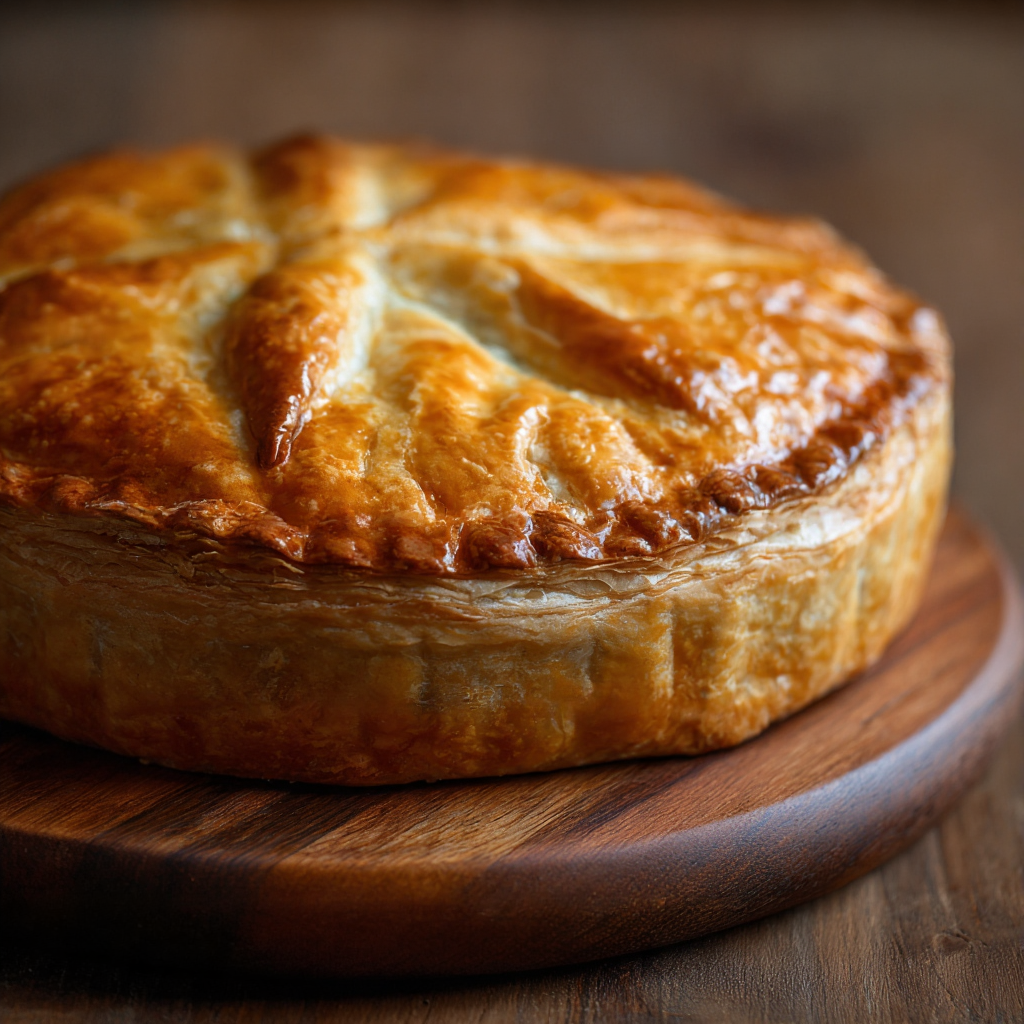
Use puff pastry for a flaky top, shortcrust for a sturdy shell, or an olive-oil dough for a rustic finish. With shortcrust or oil dough, bake a bit longer on the lower rack and check the base for color. If the top browns too fast with puff, tent the top pie with foil.
- Omit whole eggs or use one beaten egg in the filling to save cost and make slices gentler.
- Assemble ahead and chill; bake from cold, adding a few minutes when needed.
| Swap | Effect | Bake note |
|---|---|---|
| Spinach → Chard/greens | Earthier flavor | Drain well, same minutes |
| Puff pastry | Flaky top | Watch color; tent if needed |
| Shortcrust or oil dough | Firm base | Lower rack, +5–10 minutes |
Tools, pans, and timing: set yourself up for success
A few good tools and the proper pan size will change how the filling sets and the crust bakes. I keep this section short so you can choose with confidence before you start.
Springform vs pie pan: 8–10 inch choices
I reach for a springform when I want a tall, dramatic slice; an 8-inch springform yields height and a showy cross-section. A 9–10 inch pie pan gives a wider, lower slice that bakes a bit faster and is easy to serve from the dish.
Line the base with parchment and lightly oil the sides. A single pastry sheet will cover an 8-inch springform; patch trimmings neatly and keep dough cool while you press it in.
Temperature and time: oven position, minutes, and cooling
Always preheat oven fully and place the rack low to encourage a crisp base. Heat from below helps buttery pastry brown and the bottom to cook through.
Expect more minutes with a deeper springform and fewer with a shallow pan; watch color and structure instead of the clock alone. Cool at least 30 minutes before unmolding so ricotta and eggs firm for clean slices.
- Brush the top lightly; tent with foil if it browns too fast while the center finishes.
- Puff behaves differently than shortcrust: focus on bottom browning and venting the top.
- Note pan size and depth in your recipe card so you repeat the timing that worked.
| Choice | Effect | Bake note |
|---|---|---|
| 8-inch springform | Taller slice | More minutes, cool 30+ min |
| 9–10 inch pie pan | Wider, lower slice | Fewer minutes, easy serving |
| Single pastry sheet | Quick assembly | Keep dough cold to prevent tearing |
Serve now or later: storage, reheating, and when it tastes best
How you store and reheat this tart makes a big difference to its texture and taste. I often say it shines the day after—flavors meld and the ricotta pie firms, so slices cut cleanly whether cool or slightly warmed.
Room temperature vs chilled
Serving at room temperature softens the filling and shows off the herbs and cheese. If you prefer a crisper bite, let slices warm for 20–30 minutes before serving so the pastry regains a bit of life.
Fridge and freezer guidelines
Wrap well and refrigerate for 3–5 days. If you used a springform pan, re-seat the ring loosely to protect edges from knocks.
- Freeze up to 3 months; thaw overnight in the fridge for even texture.
- To re-crisp puff pastry, reheat in a preheated oven at 350°F for 10–15 minutes on a sheet pan.
- Place a light slick of oil on parchment to prevent sticking, but keep it minimal.
- Avoid microwaving unless you accept a softer crust; frozen spinach versions reheat fine if drained well before baking.
| Storage | Time | Reheat |
|---|---|---|
| Refrigerator | 3–5 days | Room temp or 10–15 min at 350°F |
| Freezer | Up to 3 months | Thaw overnight, reheat on sheet pan |
| Serving | Next day best | Warm until pastry lively, not piping hot |
Bring it to the table: a celebratory finish and what to serve alongside
Bring the pan to the table and let the crisp pastry and spinach ricotta do the welcoming for you. Cut so each wedge shows the golden edges and whole eggs tucked into the filling.
Pair generous slices with bright sides: a cherry-tomato, basil, and parmesan salad, or simple dressed greens with a good olive oil. For meat lovers, offer thin salumi against the savory ricotta cheese without overpowering the flavors.
Right before serving I brush the top pie with a faint slick of olive so it gleams under the lights. Use a long, sharp knife and warm plates to keep the puff pastry flaky as you lift each piece.
If you want to make torta pasqualina ahead, follow the pasqualina recipe and chill overnight. Bring to room temperature to serve—this recipe holds beautifully and tastes even better the next day.
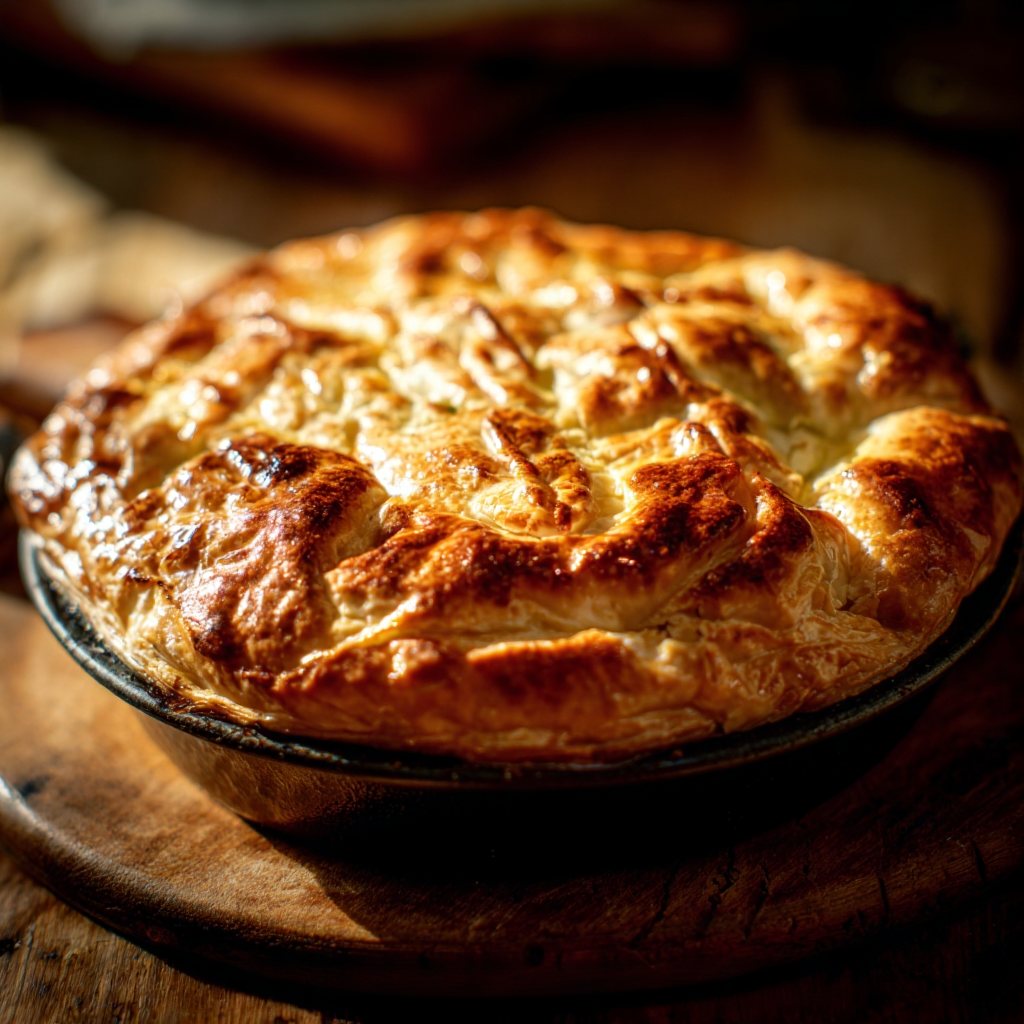
Torta Pasqualina (Italian Easter Spinach & Ricotta Pie)
Ingredients
Method
- Sauté fresh spinach in a little olive oil until wilted, then let cool.
- Squeeze out as much water as possible—spinach should feel almost dry.
- If using frozen spinach, thaw fully and squeeze in handfuls until nearly dry.
- Place ricotta in a sieve or cheesecloth for 30–60 minutes.
- Mix ricotta with Parmigiano, nutmeg, salt, and pepper.
- Fold in the dry spinach. Taste and adjust seasoning.
- Let the mixture cool completely—warm filling makes pastry soggy.
- Preheat oven to 375–400°F (190–200°C).
- Lightly oil an 8–9 inch springform pan and place parchment on the base.
- Cut out a round for the top of the pie first.
- Press the remaining pastry into the pan, patching any gaps. Keep pastry cold—chill the pan if dough softens.
- Spoon the spinach-ricotta mixture into the pan and smooth the top.
- Use the back of a spoon to create 3–4 deep wells.
- Crack a whole raw egg into each well or nestle soft/hard-boiled eggs for neater slices.
- Lay the pastry round on top.
- Seal edges gently without stretching the dough.
- Cut 2–3 small vents.
- Brush lightly with olive oil or an egg wash.
- Place on the lower oven rack.
- Bake 30–60 minutes depending on pan depth:
- 8-inch springform: ~45–60 minutes
- 9–10 inch pan: ~30–45 minutes
- Look for a deep golden top, puffed edges, and a center that no longer jiggles.
- Let the pie rest at least 30 minutes before opening the springform.
- For the cleanest slices and visible yolks, cool to room temperature or chill and slice the next day.
Notes
- This pie tastes even better the next day—flavors settle and slices cut beautifully.
- If your pastry browns too fast, tent the top loosely with foil.
- To avoid a soggy base, keep greens very dry and let the filling cool before assembling.
- You can swap Parmigiano for Pecorino if you want a saltier kick.
- Shortcrust pastry works well if puff pastry isn’t available; just bake a little longer.