
Jump to Recipe
There’s a quiet satisfaction in preparing a beautiful spread for friends. The aroma of good food filling your kitchen, the gentle clink of glasses, the shared anticipation of a meal enjoyed together. It’s in these simple, heartfelt moments that the best memories are made around the table.
Putting together a harmonious selection can seem daunting at first. You might wonder which flavors will complement each other. I’ve found that the best approach is surprisingly straightforward, guided by a timeless principle: “if it grows together, it goes together.”
This idea is deeply rooted in tradition. Products from the same region share a common environment—the same soil, climate, and sunlight. This natural connection creates an inherent harmony. The animals graze on land that nourishes the vineyards, leading to a beautiful symmetry between the local beverages and foods.
This guide will walk you through this practical philosophy. You’ll learn why these regional partnerships work so well for a dinner or casual party. The goal is to give you reliable, actionable knowledge you can use with confidence at home, time and again.
Key Takeaways
- A simple, regional principle makes pairing intuitive and less intimidating.
- Shared environmental factors create a natural compatibility between local products.
- This approach is rooted in tradition but is accessible for any home cook.
- You will learn the underlying reasoning, not just a list of rules.
- The knowledge gained is versatile and applies to many different combinations.
- This guide focuses on practical steps for real-life gatherings.
- Building this skill adds confidence to your hosting and cooking repertoire.
Discovering the Regional Magic Behind Italian Pairings
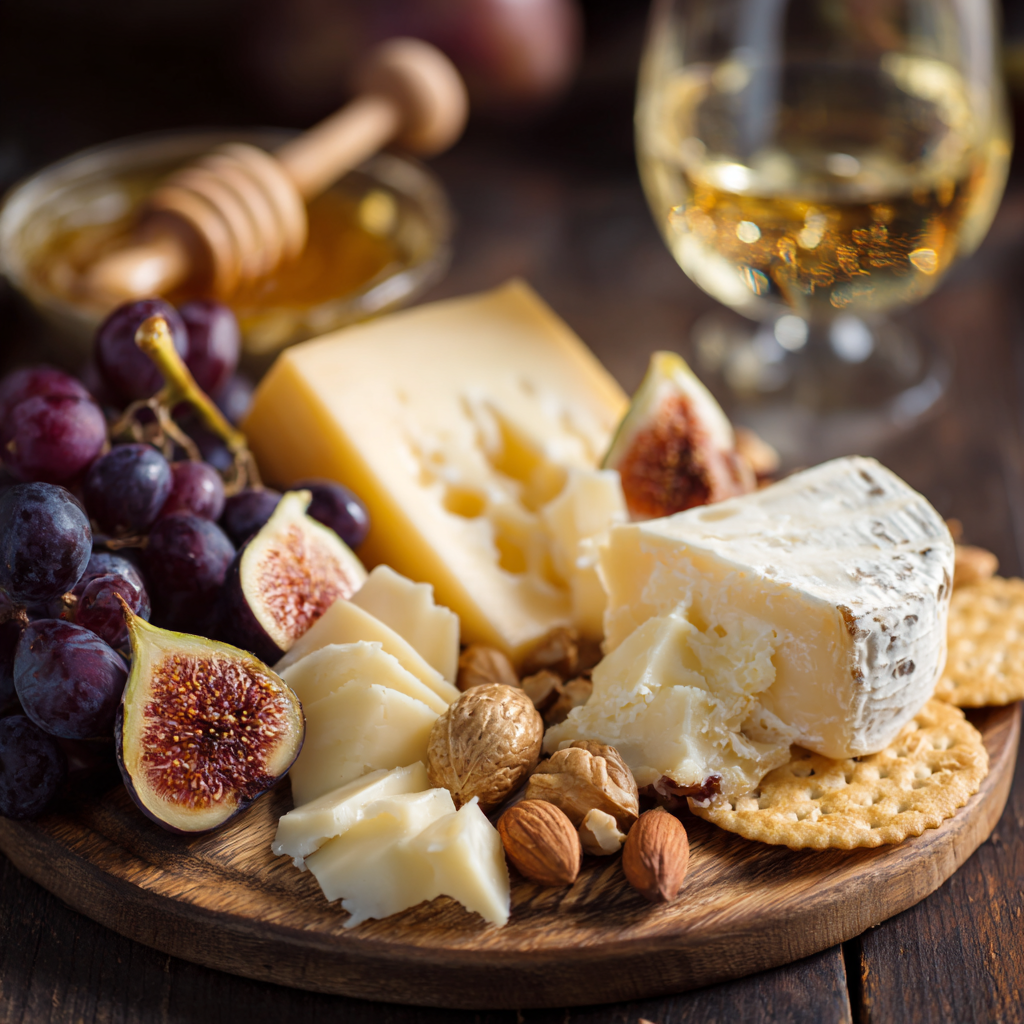
The secret to effortless pairings lies in understanding how geography shapes flavor. When products share the same environment, they develop complementary characteristics. This natural harmony makes regional combinations almost always successful.
Terroir: Connecting Local Flavors and Techniques
Terroir describes how a specific area influences everything grown there. The same soil, climate, and elevation affect both vineyards and pastures. Grapes develop distinct flavors while animals consume grasses with similar mineral profiles.
This creates a fundamental connection between local beverages and foods. The milk used in cheesemaking carries notes from what the animals eat. These flavors naturally align with those found in regional grapes.
Traditional Ingredients and Climate Influence
Traditional methods evolved to work with local conditions. Cheesemaking techniques developed alongside winemaking practices in each area. Both crafts respond to the same environmental factors.
For example, robust Piedmont reds complement the region’s creamy cheeses. Sicilian beverages pair beautifully with local varieties like Ragusano. This regional approach to food wine pairing removes guesswork.
Understanding these connections helps you make confident decisions. It’s a helpful way to think about combinations rather than rigid rules. The principle guides your choices while respecting product quality.
Crafting the Perfect italian wine with cheese platter
The art of creating an inviting spread lies in balancing variety and simplicity. A thoughtful selection should offer contrast while remaining approachable for guests.
Step-by-Step Guidance for Creating an Authentic Board
Start with three to five different selections that provide textural variety. Include one soft option like Taleggio, one semi-soft, and one hard variety such as Parmigiano Reggiano. This creates visual and flavor interest.
Temperature matters significantly for optimal enjoyment. Remove selections from refrigeration about an hour before serving. Soft varieties will develop richer flavors and textures at room temperature.
| Cheese Type | Ideal Accompaniments | Serving Notes |
|---|---|---|
| Soft (Taleggio) | Fresh fruit, honey, simple crackers | Serve at room temperature for best texture |
| Semi-Soft | Nuts, olive oil, crusty bread | Pair with medium-bodied selections |
| Hard (Parmigiano) | Honey, dried fruit, roasted nuts | Shave or break into manageable pieces |
Arrange your board with space between each element. Place accompaniments like honey, fruit, and nuts in small bowls to prevent flavors from mingling. This approach works well for any food wine pairing occasion.
Consult your local specialty shop for guidance. They can recommend authentic products that fit your budget and complement your chosen beverages.
Expert Tips for Selecting Cheese and Wine Matches
Successful pairings depend on understanding how different elements interact on your palate. The right combination elevates both components rather than letting one dominate.
Understanding Flavor Profiles and Acidity
Acidity acts like a palate cleanser. It cuts through rich, creamy textures without overwhelming delicate flavors. This creates balance between each bite and sip.
Salt in cheese performs another important function. It softens tannins in full-bodied selections, making both elements more enjoyable. Think of it as a natural harmonizer.
Match intensity levels carefully. Mild Fontina pairs well with subtle options, while bold Parmigiano Reggiano can handle complex notes. The goal is complementary strength.
Balancing Texture, Fruit, and Minerality
Consider weight and density when pairing. A creamy Taleggio needs a beverage with enough body to stand alongside it without disappearing.
Notice how flavors echo each other. A Soave Classico’s white peach notes might complement Gorgonzola’s hazelnut characteristics. These connections create harmony.
Pay attention to your palate’s progression. Taste the beverage alone first, then try it after a bite of cheese. A successful match will enhance both experiences.
Innovative Pairing Ideas to Enhance Your Tasting Experience
Sometimes the most memorable pairings come from stepping outside traditional boundaries. While regional matches work beautifully, exploring unexpected combinations can reveal delightful surprises.
Mixing Classic and Unexpected Italian Varietals
Taleggio finds perfect harmony with Alto Adige Pinot Grigio. The beverage’s ripe fruit aromas and fresh acidity complement the selection’s creamy texture.
For Gorgonzola, consider Soave Classico from Garganega grapes. Its tropical fruit notes and racy acidity balance the cheese’s nutty character beautifully.
Fontina pairs wonderfully with Trebbiano d’Abruzzo. The crisp, aromatic profile allows the cheese’s subtle flavors to shine through.
| Selection | Primary Match | Alternative Options | Key Characteristics |
|---|---|---|---|
| Taleggio | Alto Adige Pinot Grigio | Nebbiolo, Timorasso, Arneis | Creamy texture, sweet notes |
| Gorgonzola | Soave Classico | Moscato d’Asti, sweet passito | Nutty flavor, blue veins |
| Fontina | Trebbiano d’Abruzzo | Prie Blanc, Chardonnay | Subtle, semi-soft texture |
| Parmigiano Reggiano | Barolo, Brunello | Lambrusco, Prosecco | Hard, salty, granular |
| Mozzarella | Pinot Bianco | Light-bodied whites | Fresh, milky, delicate |
These creative pairings work well for casual home gatherings or more formal occasions. They can serve as antipasti before pasta or stand alone as a dedicated course.
When selecting beverages, prioritize quality products from specific regions. Authentic character significantly impacts how well the food wine pairing succeeds.
Wrapping Up Your Italian Wine and Cheese Journey
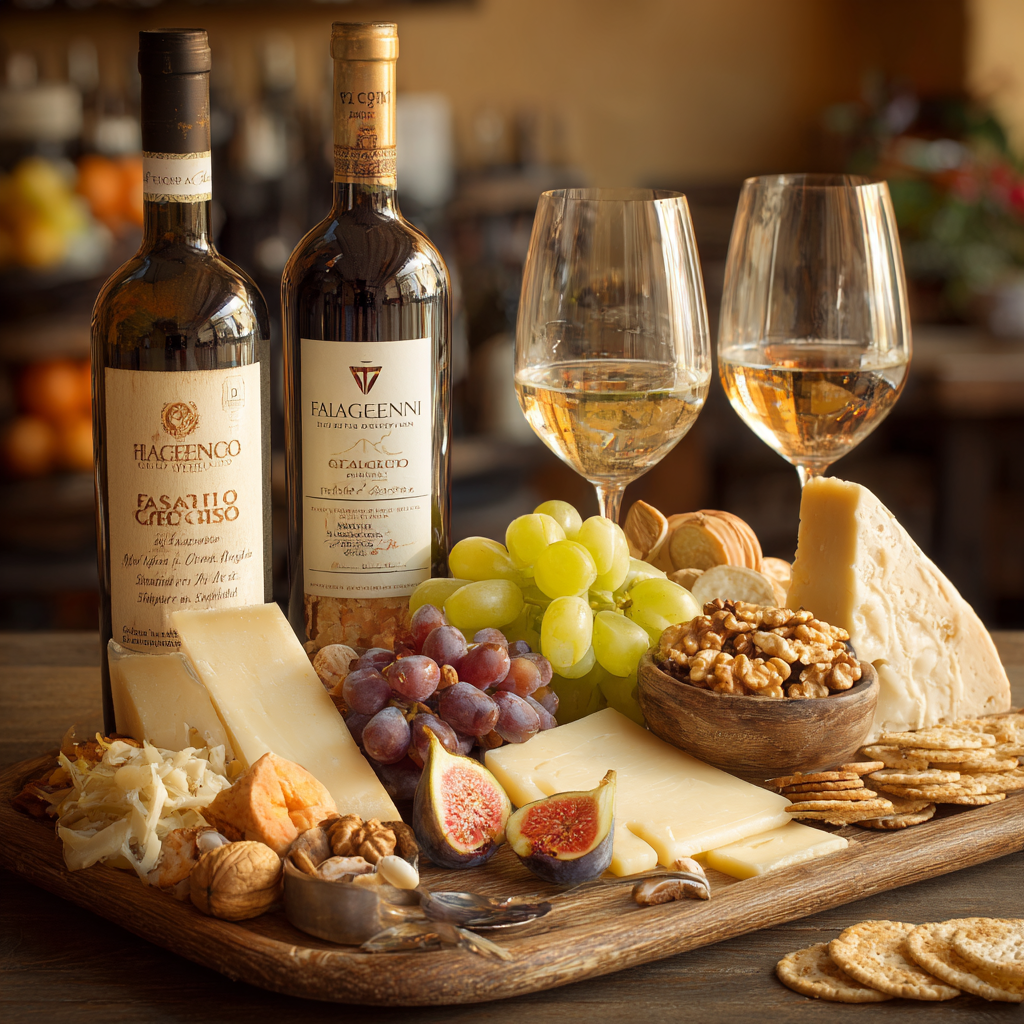
Regional traditions offer a reliable foundation for creating harmonious flavor experiences. This approach becomes intuitive with practice, building confidence rather than requiring perfect execution from the start.
You now understand both the underlying reasons pairings work and specific combinations to try. This knowledge applies immediately to your next dinner or casual gathering.
Experiment within these guidelines, discovering which combinations appeal most to your personal palate. Quality products from reliable sources deliver excellent results regardless of budget.
Start with one or two pairings from this guide rather than elaborate presentations. The principles extend beyond just beverages, helping you think about how region and texture work together across all food decisions.
Even simple combinations of good products create satisfying experiences at home. This craftsmanship deserves thoughtful attention to how flavors interact on your palate.
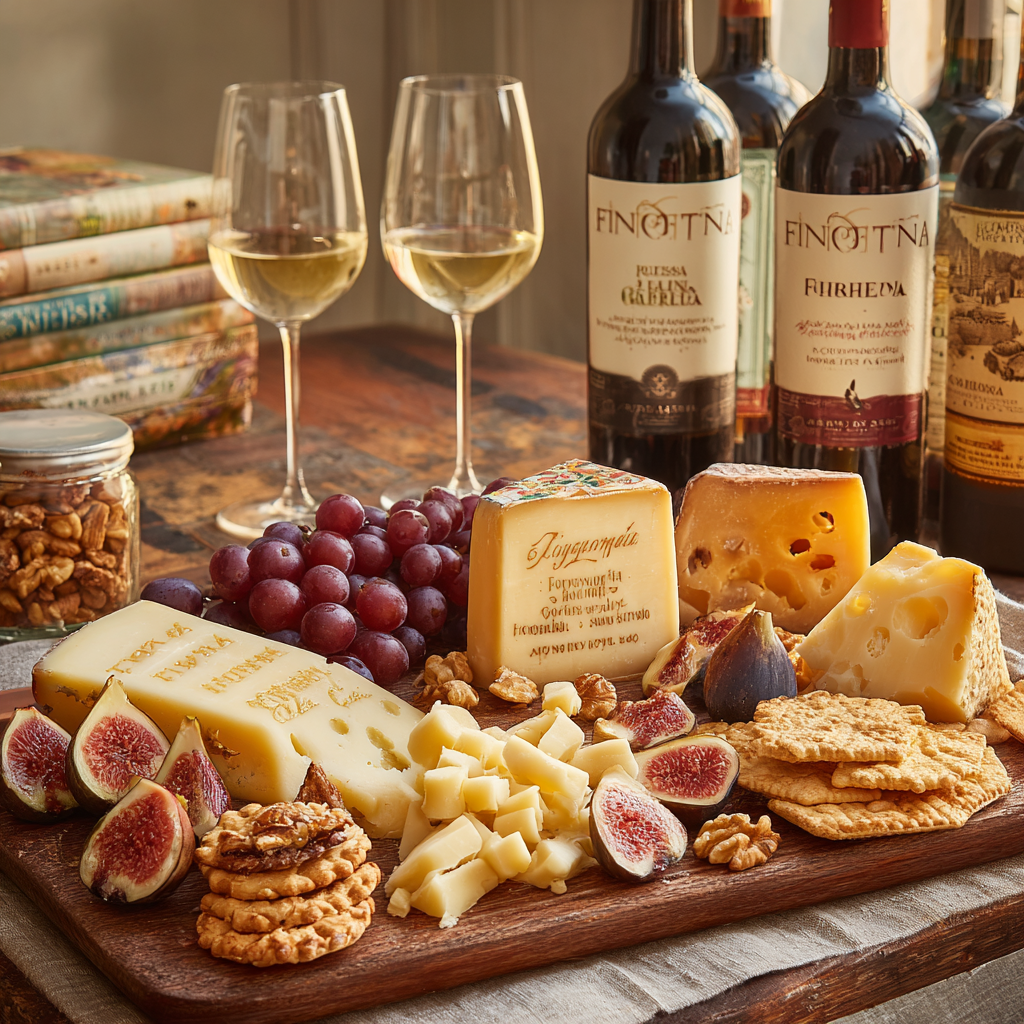
Italian Wine and Cheese Platter
Ingredients
Method
- Fresh fruit: Choose fruits like grapes or figs that are easy to bite into.
- Honey: Select a mild honey to balance the richness of the cheeses.
- Nuts: A variety of nuts such as almonds or walnuts add texture.
- Crackers or bread: Select simple crackers or crusty bread to serve with the cheeses.
- Olive oil: Optional, for drizzling over semi-soft cheeses like Fontina.
- Arrange the cheeses with space between them on a large board.
- Place accompaniments like honey, fruits, and nuts in small bowls to avoid mingling flavors.
Notes
- Wine Pairing Tips: Pair your cheeses with wines from the same region for an authentic experience. For example, pair Taleggio with Alto Adige Pinot Grigio or Gorgonzola with Soave Classico.
- Cheese Texture Balance: Make sure to balance soft, semi-soft, and hard cheeses to create variety on the platter.
- Presentation: Use small bowls for honey, fruit, and nuts to keep the platter organized and prevent flavors from mixing.