Jump to Recipe
The scent of garlic softening in good olive oil, the gentle sizzle from the pan—this is where a great meal begins. It’s a simple, honest moment that feels like home. For me, this ritual is never complete without considering what will be in the glass alongside the plate.
This connection between the table and the bottle is deeply rooted in Italy’s coastal culture. In regions like Abruzzo and Marche, the local beverages and the day’s catch evolved together. They share the same sea air and sunshine. This creates combinations that feel instinctive, not forced.
Today, we can all access this tradition. Quality fish and thoughtful selections are available everywhere. You don’t need to live by the water to bring the Mediterranean to your dinner. This guide focuses on practical matches for real meals. It draws from a deep understanding of Italian wine and food pairings.
The goal is harmony. It’s about finding a bottle that respects the ingredients and their preparation. A grilled fish might ask for a crisp, coastal white. The best choices often come from the same terroir as the dish itself.
Key Takeaways
- Pairings developed naturally over centuries in coastal Italian communities.
- The best matches often come from the same geographic region as the seafood.
- Modern access makes authentic coastal dining experiences possible anywhere.
- Successful pairing respects both the origin of the drink and the preparation of the food.
- The tradition has evolved to include a wider variety of styles beyond just white.
- Focus on practical combinations for the meals you actually cook at home.
Exploring the Essentials of Wine & Seafood Harmony
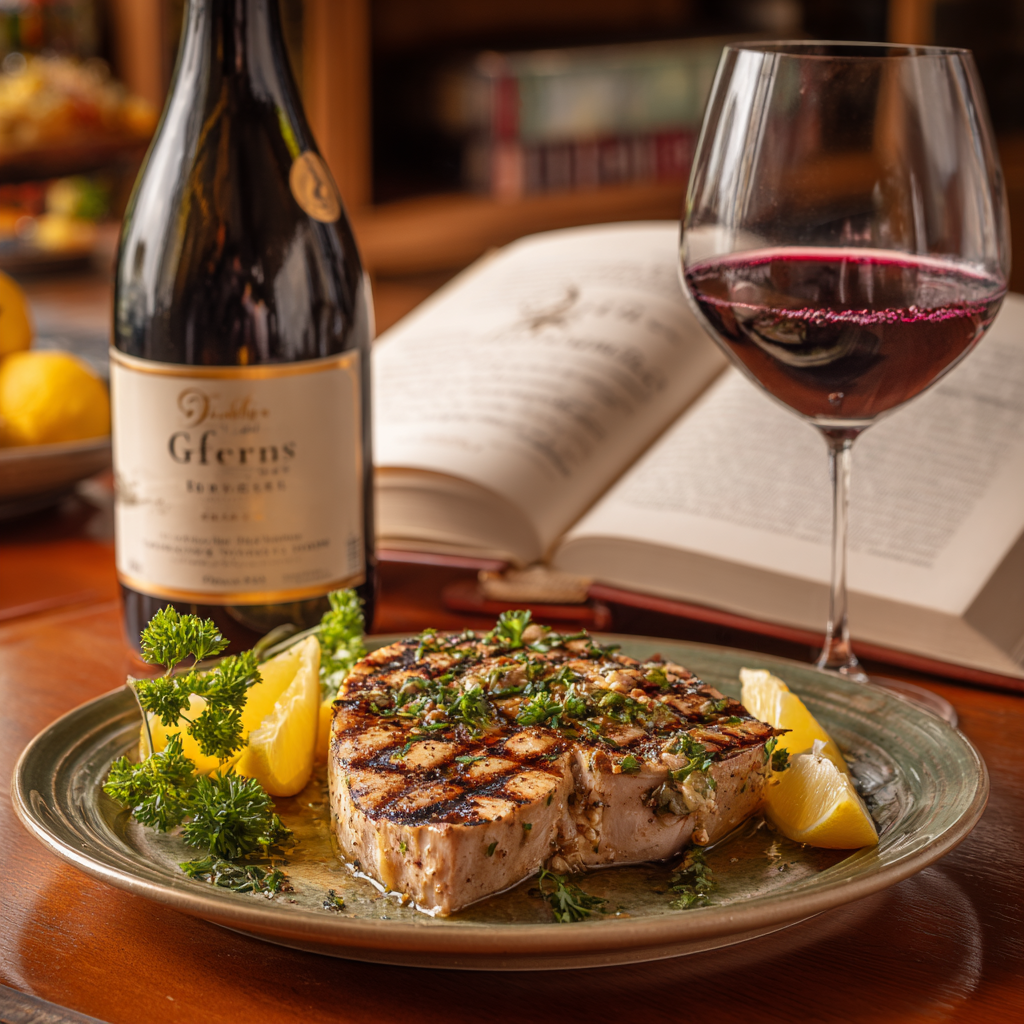
I’ve found that understanding a few basic principles can transform how you experience meals with oceanic flavors. These concepts help you make confident choices rather than following rules blindly.
Understanding Flavor Profiles and Acidity
Acidity acts as a natural palate cleanser. It cuts through both the natural oils in fish and any cooking fats used in preparation.
Wines with high acidity feel refreshing between bites. They bring both the food and drink to life. This explains why crisp selections work so well.
| Wine Characteristic | Effect on Seafood | Best Match Examples |
|---|---|---|
| High Acidity | Cleanses palate, cuts through oil | Crisp whites, some light reds |
| Low Acidity | Can feel heavy and dull | Avoid with delicate fish |
| Prominent Tannins | May create metallic taste | Better with hearty meats |
| Minimal Tannins | Works with meaty fish varieties | Tuna, swordfish preparations |
The Role of Wine Tannins in Sea Dishes
Tannins present the main challenge with red options. These compounds react poorly with fish oils, creating unpleasant sensations.
However, light reds with minimal tannin structure can work beautifully. The fruit notes should complement rather than compete. A bit of citrus can echo lemon squeezed over fish.
Understanding these interactions helps you navigate Italian wine and food pairings with confidence. The goal is always harmony between plate and glass.
Discovering Italian Wine Pairing with Seafood
Let’s move from general principles to specific, excellent bottles you can find easily. The goal is to match the character of your dish. Light preparations call for crisp, aromatic whites. Heartier seafood can handle more body and even some gentle reds.
Selecting Italian White Wines for Light Fish
For delicate flaky fish like sole, look for whites with high acidity and subtle aromas. They should complement, not overpower.
I suggest a Pinot Grigio from Friuli, such as Scarpetta. It is laser-clean and acid-rich. This makes it versatile from appetizer to main course.
Another great choice is Arneis from Piemonte. A bottle like Pio Cesare offers lively minerality. Its notes of jasmine and honeysuckle suit simple preparations perfectly.
Exploring whites from coastal regions often yields the best results. They share a natural affinity with local catches.
| White Selection | Key Characteristics | Ideal For |
|---|---|---|
| Scarpetta Pinot Grigio | Bright acidity, clean fruit flavors | Versatile; various seafood dishes |
| Pio Cesare Arneis | Lively, minerally, delicate floral aromas | Delicate white fish like sole |
| Marchesi di Gresy Sauvignon Langhe | Joyful, zesty acidity | Summer dishes, grilled vegetables |
Incorporating Italian Reds for Bolder Seafood Flavors
Red options can work beautifully with richer fare. The key is low tannins and bright fruit.
Consider a younger Rosso di Montalcino. Choose a fresher style with notes of cherry and strawberry. It pairs wonderfully with salmon or tuna.
A bottle like La Palazzatta offers a smooth body and spicy notes. It stands up to grilled fish with bold sauces without conflict.
We can explore these combinations confidently. Matching weight and intensity creates harmony on the table.
Expert Strategies for Matching Wines with Your Seafood Dishes
A squeeze of lemon over grilled fish is a classic gesture. Your choice of beverage can either mirror or complement that bright note. This is where thoughtful selection truly shines.
We’ll look at balancing flavors and then move to specific types of seafood. The goal is a harmonious experience on the table.
Tips on Balancing Citrus, Lemon, and Fruit Notes
Acidity in a bottle creates a natural bridge to dishes where you’d use fresh lemon. It essentially doubles down on that clean, bright profile.
The fruit character should complement your dish, not compete. If you’re serving fish with a citrus-based sauce, echo those notes in your glass.
For example, a Franciacorta with zesty lemon notes cuts through the oiliness of fried food. Its bubbles also make the meal feel lighter.
Pairing Specific Seafood like Shrimp, Salmon, and Shellfish
The best pairing depends entirely on preparation. Simple grilled shrimp with lemon calls for a crisp, acidic white.
Salmon’s meaty texture can handle fuller styles. An oak-aged white or a light red served slightly chilled works beautifully.
Shellfish like oysters respond to mineral notes. Wines from coastal vineyards often have a saline quality that matches perfectly.
| Seafood Dish | Recommended Style | Key Reason for the Match |
|---|---|---|
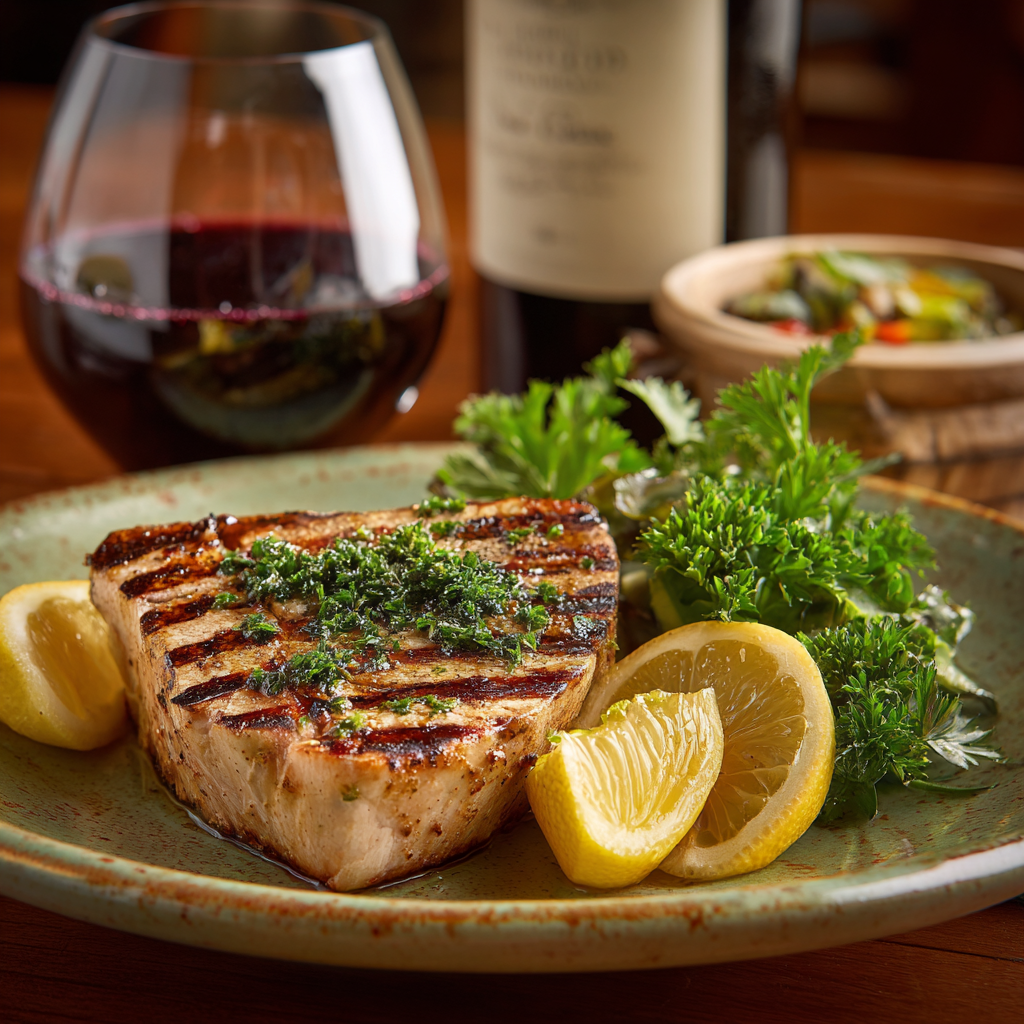
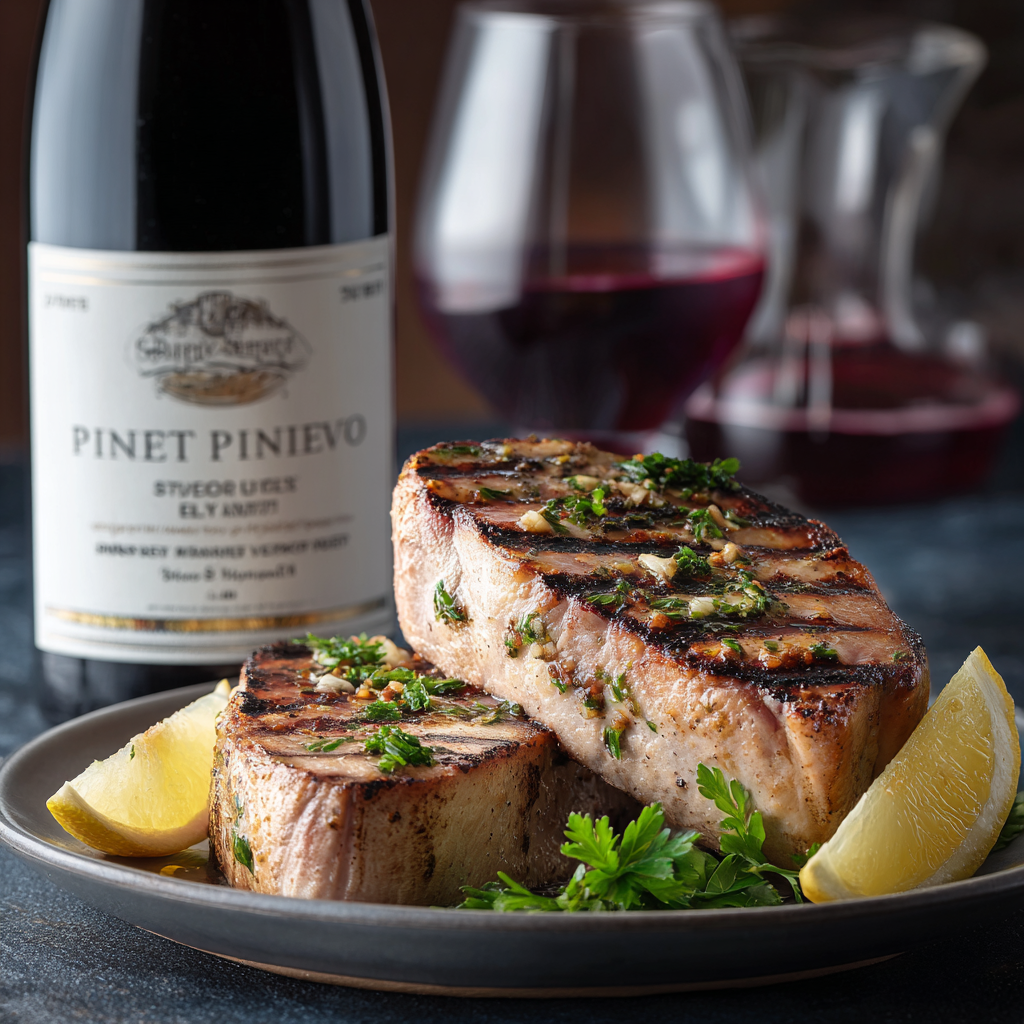
| Grilled Tuna Steak | Light Pinot Noir (chilled) | Bright fruit complements meaty fish without metallic clash. |
| New Orleans BBQ Shrimp | Lambrusco di Sorbara | Bubbles and acidity cut through the spicy, buttery sauce. |
| Smoked Salmon | Oak-aged Orange Wine | Nutty sweetness complements the richness of the fish. |
| Oysters on the Half Shell | Unfiltered Organic Grillo | Elderflower and lemon zest cut through creaminess. |
Unlocking Regional Italian Wine Secrets for a Perfect Table
Regional traditions offer the most intuitive guidance when selecting beverages for oceanic dishes. The connection between local vineyards and coastal cuisine developed naturally over generations.
Regional Varieties and Their Unique Aromas
Coastal areas produce selections with distinct characteristics. Terre Valse Cococciola from Abruzzo delivers clean, high acidity with fresh fruit notes. This indigenous grape evolved alongside Adriatic seafood.
Librandi Critone from Calabria blends Chardonnay and Sauvignon Blanc. It captures the region’s spicy character without oak influence. Southern selections often show more body while maintaining necessary acidity.
Cusumano Insolia from Sicily stands up to swordfish with its racy, exotic profile. Northern options like Strasserhof Kerner bring Alpine precision and floral aromas.
Seasonal Pairing Insights from Coastal Kitchens
Summer calls for lighter whites with pronounced acidity. These refresh the palate during warm weather meals.
Autumn and winter preparations can handle fuller-bodied selections. Hearty stews with tomatoes pair well with more substantial styles.
The aromas in regional beverages often mirror local herbs and ingredients. This creates a complete sensory experience at your dinner table.
Wrapping Up Your Journey to a Perfect Culinary Pairing
Building confidence with food and drink combinations is a journey worth taking at your own pace. The principles we’ve explored provide a solid foundation, but your personal discoveries will be the most meaningful.
Remember that excellent choices need not be expensive. Many wonderful bottles cost between twelve and twenty dollars. Consider buying several when you find ones you enjoy. Sharing good food around the table creates the relaxed atmosphere that defines this tradition.
Trust your instincts above all else. If a combination pleases your palate, it’s correct. The same glass can taste different during a summer outdoor dinner versus a formal winter meal. Both experiences have their place.
When you choose quality ingredients and treat them simply, the results will satisfy everyone at your table. Your journey with these pairings should feel exploratory and rewarding.
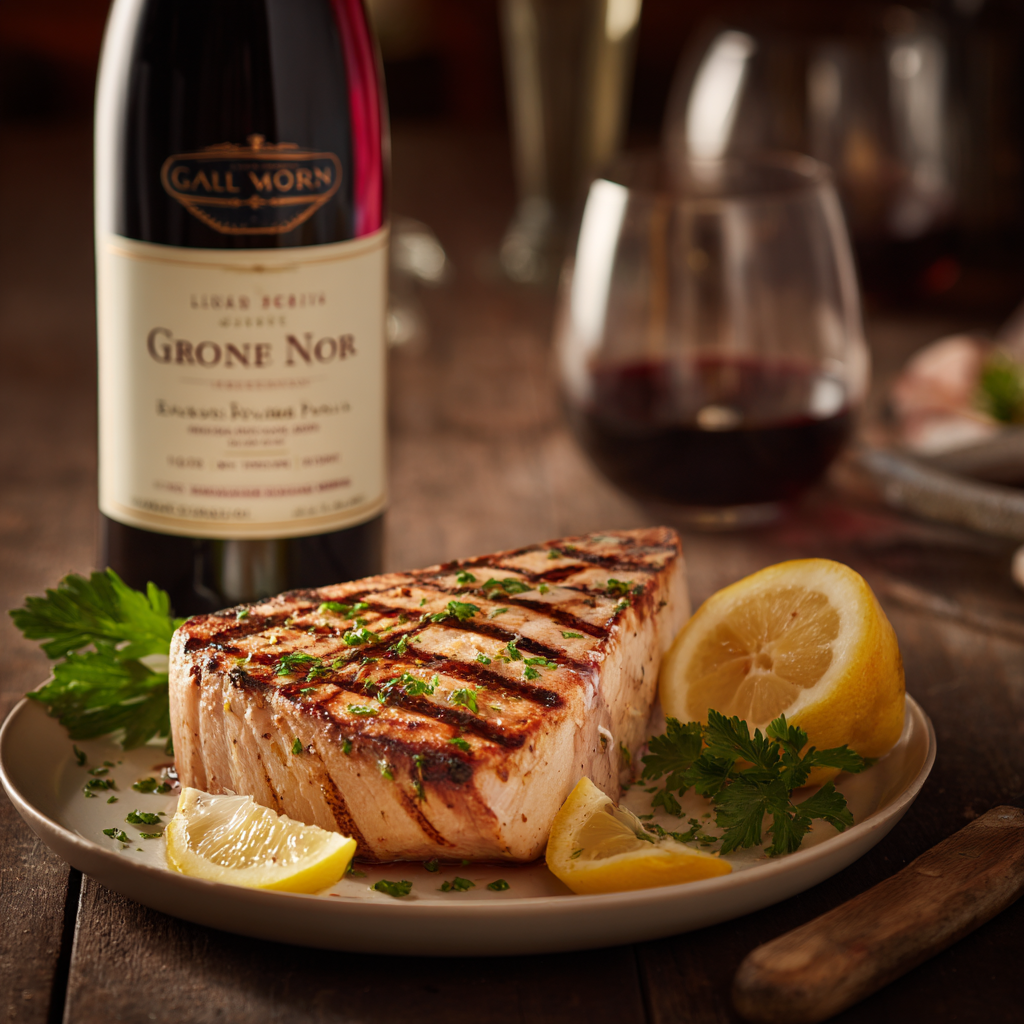
Grilled Tuna Steak with Pinot Noir
Ingredients
Method
- Pat the tuna steaks dry with paper towels. Drizzle olive oil on both sides and season with salt and pepper.
- Preheat your grill or grill pan to medium-high heat.
- Place the tuna steaks on the grill and cook for about 2-3 minutes per side for medium-rare. For well-done steaks, increase the grilling time by another 1-2 minutes per side.
- Once the tuna steaks are cooked to your desired level, remove them from the grill and let them rest for a minute or two.
- Squeeze fresh lemon juice over the tuna, garnish with a sprig of parsley, and serve immediately with a chilled bottle of Pinot Noir.
Notes
- For a more vibrant flavor, feel free to marinate the tuna in olive oil, lemon, and herbs for 30 minutes before grilling.
- Serve with a side of grilled vegetables or a light salad to complete the meal.