
Jump to Recipe
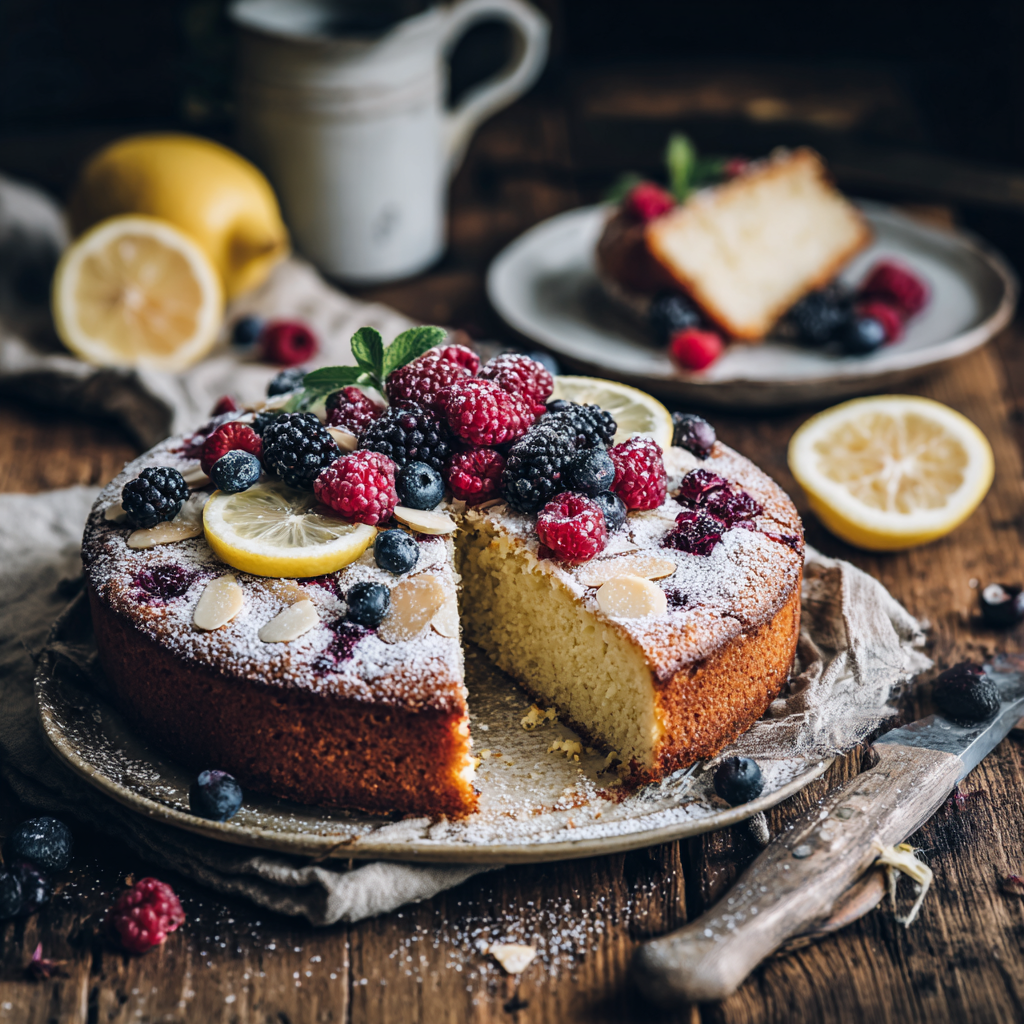
There’s a certain quiet magic to an Italian kitchen. The gentle hum of the oven, the scent of toasted almonds and sweet cheese filling the air—it’s a feeling of comfort that turns simple ingredients into something memorable. This kind of baking isn’t about showmanship; it’s about creating a moment of pure, simple joy.
In the tradition of Italian home cooking, some of the best desserts are naturally made without wheat. This particular treat stands out because it was designed that way from the start. It relies on finely ground almond flour for its structure and rich, creamy ricotta for an incredible moisture.
The result is a texture that’s truly its own. It manages to be both satisfyingly dense and remarkably light, with a consistency that reminds me of a delicate cheesecake or a moist pudding. Beating air into the batter and egg whites gives it a lovely lift, creating an irresistible crumb.
This approach is not a compromise. It’s an authentic method that delivers impressive results without requiring special skills. You’ll find it works beautifully for a quiet weeknight or a festive gathering, becoming a reliable favorite in your baking rotation.
Key Takeaways
- This dessert is naturally made without wheat, using an authentic Italian approach.
- Almond flour provides the structure, creating a unique and satisfying texture.
- Creamy ricotta cheese is the key to its incredible moisture and rich flavor.
- The final texture is a delightful balance of dense and light, similar to a cheesecake.
- It’s a simple, reliable recipe perfect for both everyday treats and special occasions.
- You can achieve great results without advanced baking skills or unusual ingredients.
Capturing the Italian Dessert Tradition
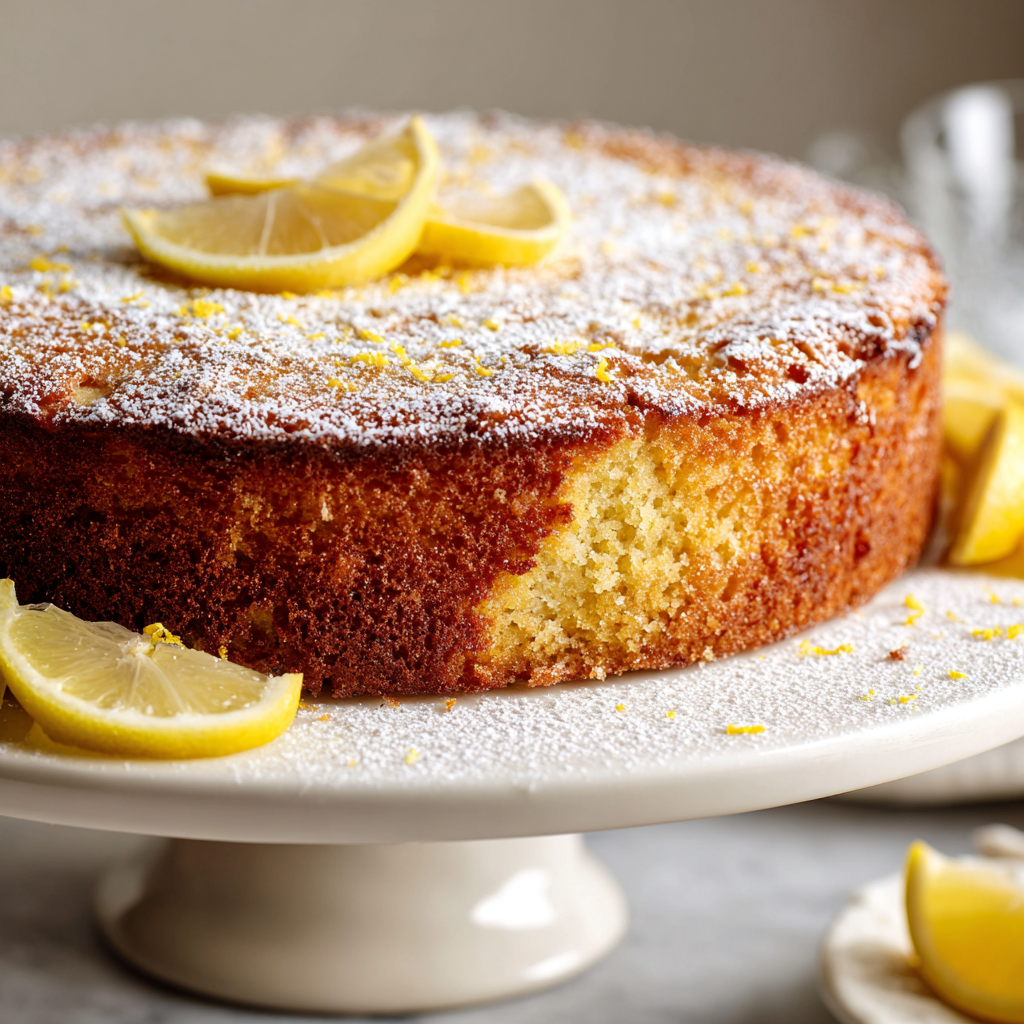
What makes Italian desserts so special is their honest approach to quality ingredients. This particular treat draws from a long history of using fresh cheese in baking. Italian home cooks have relied on this method for generations.
The beauty of this approach lies in its simplicity. Mild, creamy cheese allows other flavors like almond and citrus to shine through. It never overwhelms the delicate balance of the dessert.
This isn’t a modern invention chasing food trends. It’s a time-tested method that reflects true Italian cooking philosophy. Quality ingredients prepared simply create the best results. Each component contributes its unique character to the final creation.
The appeal of this style has traveled well beyond Italy’s borders. In France, they appreciate it as gâteau italien à la ricotta. The essence remains authentically Italian while gaining international admiration.
Unlike complicated bakery creations, this is the kind of dessert real families make. It requires just one bowl and straightforward techniques. You can explore a wonderful variation with this ricotta orange cake recipe that follows the same tradition.
These recipes connect us to generations of Italian home cooking. They prove that extraordinary desserts don’t need to be complex. Authentic ingredients and simple methods create the most satisfying results.
Essential Ingredients: Almond Flour, Ricotta, and More
Before we begin mixing, let’s explore the key players that create this dessert’s unique character. Understanding each component helps you achieve the best results.
Understanding Almond Flour vs Almond Meal
Almond flour and almond meal both come from ground almonds. The difference lies in their texture. Almond flour uses blanched almonds with skins removed.
This creates a fine, light powder perfect for baking. Almond meal typically includes the skins, resulting in a coarser texture. For this dessert, finely ground almond flour works best.
It provides structure without heaviness. The fine grind creates that delicate crumb we’re after.
The Role of Fresh Ricotta in Baking
Whole milk ricotta delivers the best results in baking. Its higher fat content provides richness and moisture that lower-fat versions cannot match. This isn’t about indulgence but achieving the proper texture.
Fresh ricotta has a mild nature that blends seamlessly into batter. It adds creaminess without competing with other flavors like almond and citrus. The moisture content contributes to the signature pudding-like texture.
Ricotta is one of the simplest cheeses to make at home. It requires just milk, cream, salt, and vinegar. Good quality store-bought ricotta works beautifully too.
Fresh ricotta typically lasts one to two weeks refrigerated. This gives you flexibility when planning your baking. Choose whole milk ricotta for the moisture level this method depends on.
Preparing Your Ingredient Toolbox
Setting up your workspace with the essential equipment ensures a stress-free baking experience. The right tools help you focus on technique rather than struggling with inadequate gear.
Importance of Room Temperature Ingredients
Ingredients at room temperature blend together more smoothly. Cold dairy products can cause your batter to curdle or become lumpy.
Take your dairy and eggs out about an hour before you begin. They will incorporate air more effectively when not chilled. This creates the light texture we want in the final dessert.
Must-Have Kitchen Tools for a Seamless Experience
A stand mixer makes whipping egg whites effortless. Handheld electric beaters work just as well for this recipe. Both tools help achieve the proper volume needed.
Use a springform pan for easy removal and presentation. The removable sides prevent damage to the delicate structure. If you only have a regular cake pan, simply serve the dessert directly from it.
Have a rubber spatula ready for gentle folding. An offset spatula helps smooth the top before baking. Lining your pan with parchment paper ensures clean slices.
Mastering the gluten free ricotta cake recipe
What separates a good result from an exceptional one lies in how we handle the egg whites. This technique provides the lift that traditional leaveners would normally contribute.
Step-by-Step Instructions to a Perfect Batter
Begin by beating your egg whites until they form stiff peaks. This means when you lift the whisk, the whites stand straight up without drooping. They should hold their shape firmly.
This creates the structure that gives our dessert its unique texture. The air beaten into the whites becomes the rising agent.
| Egg White Stage | Visual Cue | Texture Description | Ready for Folding? |
|---|---|---|---|
| Soft Peaks | Peaks curl over when whisk is lifted | Cloud-like, not fully stable | No – continue beating |
| Medium Peaks | Peaks hold shape but tips bend slightly | More structured, holds lines | Almost – 30 more seconds |
| Stiff Peaks | Peaks stand straight up firmly | Glossy, stable, holds shape perfectly | Yes – perfect for folding |
Techniques for Gently Folding Egg Whites
Add the whipped whites to your batter in two stages. Use a gentle cutting motion with your spatula. Cut down through the center, sweep along the bottom, and up the side.
Turn the bowl slightly with each fold. Work gently to preserve the precious air bubbles. Stop as soon as no distinct white streaks remain.
This careful approach creates that signature light texture. It balances density with airiness for a truly special result.
The Science Behind a Light and Moist Texture
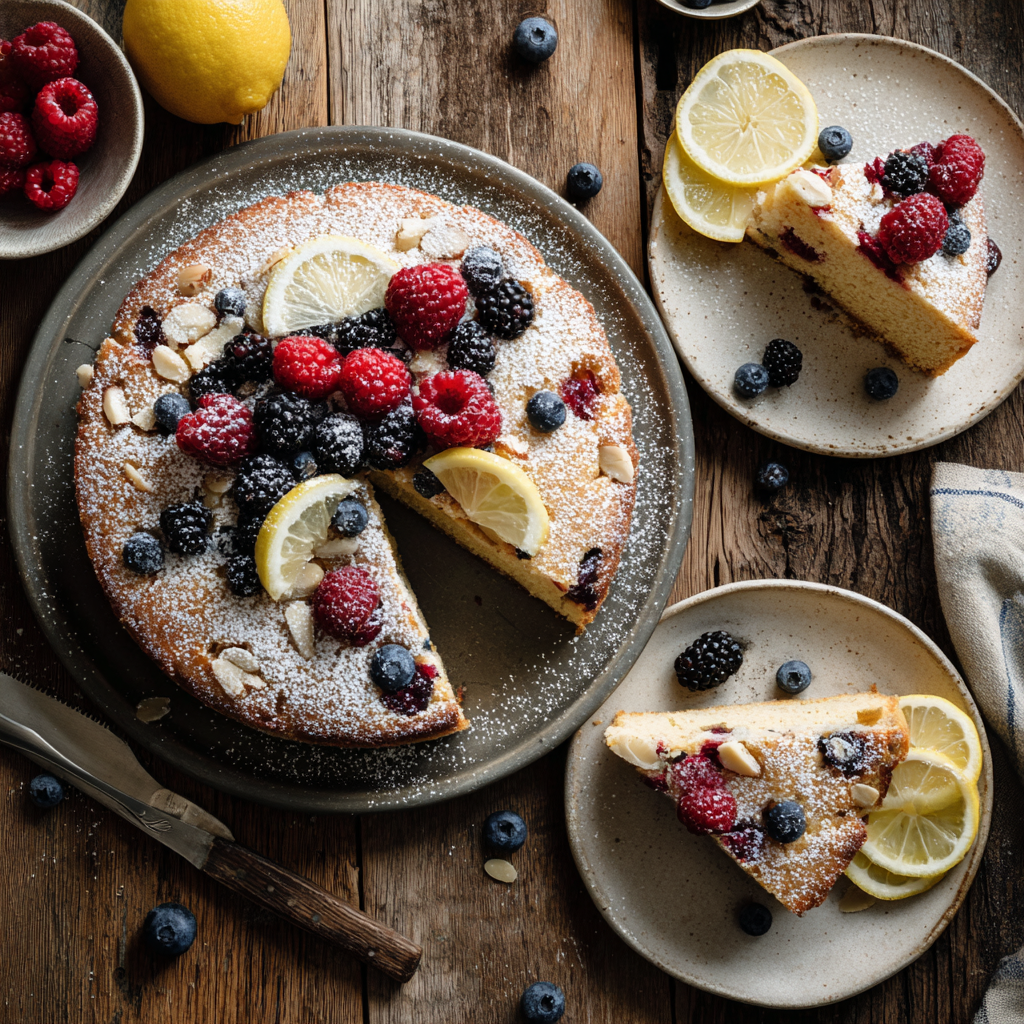
The remarkable lightness in this Italian dessert comes from a simple but precise physical process. Unlike conventional baking that relies on chemical leaveners, this method uses air as its primary rising agent.
This approach creates a texture that’s distinctly different from standard cakes. The result is a delicate balance between richness and airiness.
How Air Incorporation Elevates Your Dessert
Extended creaming of butter and sugar creates thousands of tiny air bubbles. These microscopic pockets expand during baking, providing natural structure and lift. The process builds a foundation for the light texture we want.
Whipped egg whites contribute an additional network of air throughout the batter. Despite using dense ingredients like almond flour, this technique ensures a remarkably light result. The air bubbles create a framework that supports the moist components.
This is why mixing times matter significantly. Rushing through creaming or roughly folding egg whites means less incorporated air. The final dessert would become heavier and denser without this careful attention.
The combination of ricotta’s natural moisture with properly incorporated air creates the signature texture. It achieves that pudding-like quality while remaining light on the palate. This traditional Italian approach relies on technique rather than additives.
Each step in the process serves to build and preserve the air structure. From initial creaming to gentle folding, the goal is maximum air retention. This physical leavening method has been trusted in Italian kitchens for generations.
Baking and Cooling: Timing with Precision
Achieving perfect doneness is more about understanding visual cues than following a clock. The final stage transforms your preparation into a finished creation through patient observation.
Adjusting Oven Temperatures and Monitoring Doneness
Set your oven to 325°F for approximately 50-55 minutes. Watch for the surface to become golden and puffed. The edges should pull away slightly from the pan.
Resist relying solely on the toothpick test. Because of the moist nature, crumbs may cling even when properly baked. Instead, gently shake the pan to check the center.
If the middle wobbles like liquid, continue baking for a few more minutes. When set, the center will move as a solid mass. This physical test provides better accuracy.
Should the top darken too quickly, lay a loose foil sheet over it. This protects the surface while the interior finishes cooking. Every oven varies, so trust these visual signs.
For versions using almond flour, reduce the temperature to 350°F. These ingredients brown faster than traditional wheat flour. Adjust accordingly for optimal results.
Flavor Enhancements: Almond, Lemon, and Vanilla
The flavor profile of this dessert relies on the careful interplay between almond’s richness, lemon’s brightness, and vanilla’s warmth. These three components work together to create a balanced taste experience that feels both familiar and distinctive.
Almond extract provides the dominant flavor note in this almond ricotta cake. Using about one teaspoon gives a clear almond presence without overwhelming the palate. This extract delivers the characteristic taste that defines the dessert.
Vanilla extract plays a supporting role, typically used in double the quantity of almond. The vanilla tempers the almond’s intensity and adds depth to the overall flavor. It creates a rounded background that complements rather than competes.
Lemon zest contributes bright citrus notes that cut through the richness. The fresh zest from one or two lemons provides just enough acidity to balance the other ingredients. This prevents the dessert from feeling heavy.
For additional lemon flavor, some bakers add a quarter to half teaspoon of lemon extract. Use this sparingly to avoid artificial notes. Sliced almonds scattered on top toast during baking, adding welcome crunch.
These flavors work in harmony rather than individually standing out. The almond takes center stage, supported by vanilla’s warmth and lemon’s freshness. Together they create the distinctive character of this Italian-inspired treat.
Gluten Free Baking: Tips, Tricks, and Variations
One of the great strengths of this Italian dessert is its inherent flexibility. It was conceived without wheat from the beginning, making adaptations straightforward.
This approach means you aren’t modifying a standard formula. The method stands firmly on its own merits.
Adapting the Recipe for Different Dietary Needs
While almond flour creates the signature texture, some bakers prefer using all-purpose flour. This substitution yields a result closer to a traditional pound cake.
Remember to adjust the quantity and baking time if you make this change. The outcome will be delicious but different.
For added moisture in certain variations, unsweetened applesauce works well. It simplifies the ingredient list while maintaining a tender crumb.
This naturally wheat-free quality makes the dessert ideal for Passover or for guests with specific dietary needs. You serve a treat designed for enjoyment, not as a compromise.
Good baking should feel accessible. This preparation proves that simple, traditional ingredients can achieve wonderful results for everyone at the table.
Serving, Storing, and Elevating Your Dessert Experience
Proper handling after baking is just as important as the preparation itself for optimal enjoyment. The way you cool, present, and store your creation affects both its immediate appeal and how well it keeps.
Creative Presentation Ideas to Impress Your Guests
Let your dessert cool for 10-15 minutes before releasing the pan sides. This brief waiting period helps the structure set properly. For cleaner slices, allow it to cool completely before cutting.
A simple dusting of powdered sugar adds elegance. Fresh berries arranged around each serving provide color and freshness. These touches transform your homemade treat into something special.
Best Practices for Storage and Enjoying Leftovers
This dessert maintains excellent quality at room temperature for a couple of days. Keep it under a cake dome or covered loosely with plastic wrap. The texture remains tender when stored this way.
Refrigeration isn’t necessary initially. Chilling can dry out the delicate crumb. If you need longer storage, wrap the dessert tightly while still slightly warm before refrigerating.
Leftovers keep well in the refrigerator for up to four days. For freezing, wrap securely in plastic then foil. Thaw overnight in the refrigerator before serving.
The dessert is truly at its best when enjoyed fresh. Plan your baking accordingly to maximize enjoyment of this Italian-inspired treat.
A Sweet Finale to Your Culinary Journey
A truly great dessert earns its place not just by flavor, but by becoming a quiet, reliable presence in your kitchen. This almond ricotta cake has done just that for me. You know it’s a hit when you hear the gentle clink of the cake dome throughout the day.
If you appreciate the dense yet tender texture of flourless chocolate cakes or almond cookies, this dessert will feel like home. It’s indulgent without being heavy, making it perfect for any gathering.
This isn’t just another recipe to try once. It’s a keeper. The techniques you’ve mastered here, like folding egg whites, will make you a more confident baker overall.
I hope this Italian-inspired treat brings as much simple joy to your table as it has to mine. You now have everything you need to create this wonderfully straightforward dessert with confidence.
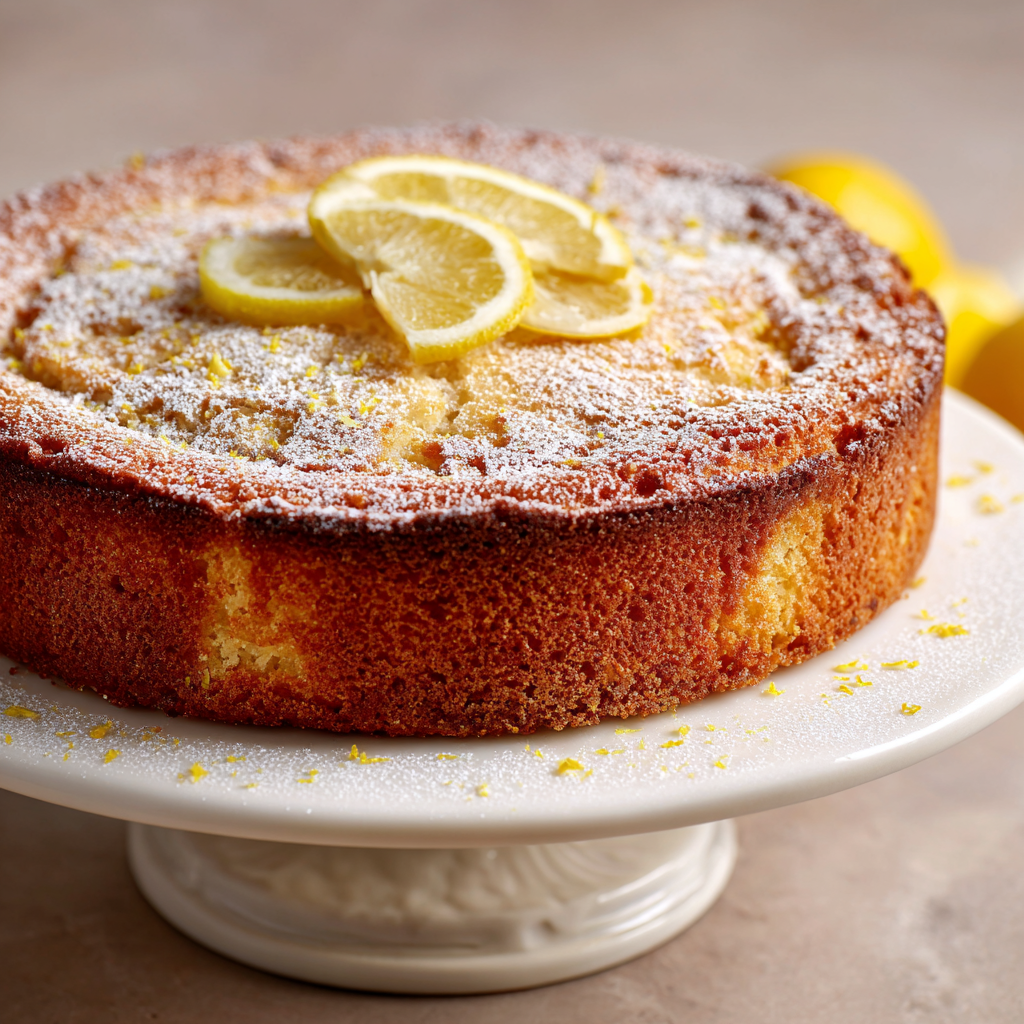
Gluten-Free Ricotta Almond Cake
Ingredients
Method
Notes
- You can make this dessert a day ahead; it often tastes even better the next day as the flavors set in.
- If the batter seems too thick, add a tablespoon of whole milk to loosen it slightly.
- Make sure to use fresh ricotta cheese for the best texture and flavor.