
Jump to Recipe
There’s a particular comfort that comes from a bowl of perfectly cooked pasta. The steam rises, carrying the fresh scent of basil from a vibrant green sauce. It’s the kind of meal that feels like a warm embrace after a long day, simple yet deeply satisfying.
I’ve spent years in my kitchen working with alternative ingredients to capture true Italian taste. This approach respects tradition while making room for different dietary needs. The result is a dish that delivers authentic flavor without compromise.
What makes this preparation work is understanding how ingredients behave differently. Specific techniques ensure the right texture and proper sauce adherence. You’ll learn why certain brands perform better and how simple steps transform basic components into something special.
Everything here comes from real cooking experience rather than theoretical perfection. I’ll guide you through selecting the right shapes and creating a sauce that clings beautifully. The method scales easily for quick weeknight dinners or larger gatherings.
This isn’t just about substituting ingredients. It’s about preserving the soul of Italian cooking while adapting thoughtfully. You’ll achieve restaurant-quality results in your own kitchen with minimal effort.
Key Takeaways
- Authentic Italian flavors can be achieved with careful ingredient selection and technique
- The dish comes together quickly, making it ideal for busy schedules
- Understanding how different ingredients interact is key to success
- Specific pasta shapes work better for holding sauce effectively
- Simple adjustments maintain traditional taste while meeting dietary needs
- Techniques work for both hot meals and chilled preparations
- Real kitchen experience informs every step of the process
Embracing Gluten-Free Italian Cooking
At the heart of true Italian cuisine is a profound respect for what the land provides. This principle guides every successful adaptation for modern diets. We focus on the essence of the dish, not just removing an ingredient.
The Role of Fresh, Local Ingredients
Italian cooking has always let quality components speak for themselves. This becomes even more important when working with alternative flours. The right ingredients ensure the final dish feels authentic and satisfying.
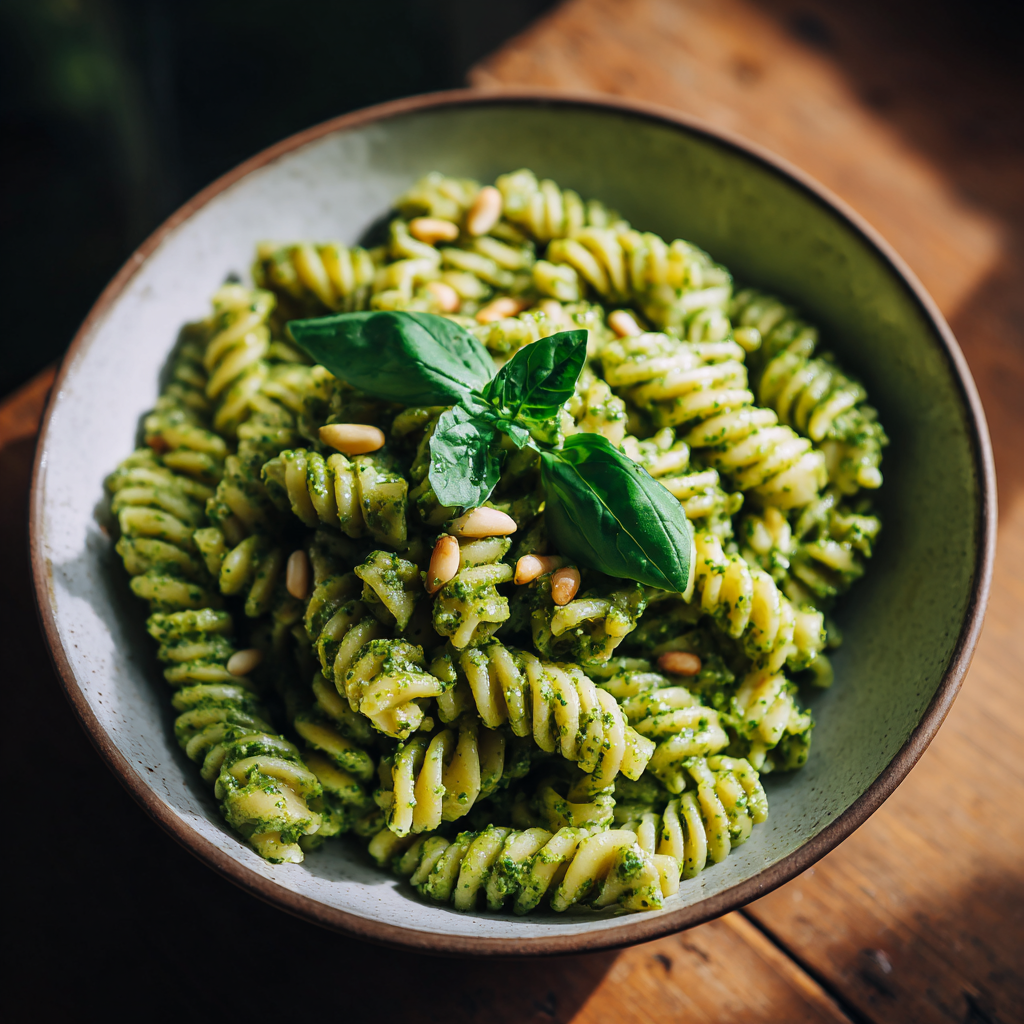
Take the classic sauce from Genoa, for example. Its vibrant character depends entirely on fresh basil leaves. Dried herbs cannot deliver the same aromatic, peppery brightness.
Generations in Liguria perfected the balance of basil, garlic, pine nuts, cheese, and oil. That foundational harmony is what we aim to preserve. Selecting a fruity, high-quality olive oil makes a noticeable difference in the final flavors.
Balancing Tradition with Modern Dietary Needs
The challenge is maintaining the soul of Italian food while adapting thoughtfully. It’s not about shortcuts or over-complicating things. I’ve learned that respecting authentic techniques yields the best results.
Today’s alternative options can match the texture of traditional wheat when chosen and cooked properly. The goal is to make informed substitutions that honor what makes this food so special. This approach preserves tradition while welcoming everyone to the table.
Whether basil comes from your garden or the market, its quality sets the tone. Understanding why each component matters is key to a successful meal. This balance allows us to enjoy timeless flavors within new frameworks.
Essential Ingredients and Their Authentic Roles
Successful Italian cooking begins with recognizing the distinct roles that individual elements play in creating a balanced dish. Each component contributes specific textures and flavors that work together harmoniously.
Selecting the Right Gluten-Free Pasta
I consistently reach for Jovial spiral pasta because it maintains excellent texture when mixed with sauce. The spiral shape allows the sauce to cling perfectly to every crevice.
Other shapes like fusilli, farfalle, and penne also work well. These bite-sized options provide flexibility while ensuring proper sauce distribution.
For those with celiac disease, always check packaging for cross-contamination warnings. Even products labeled gluten-free can sometimes have manufacturing issues.
The classic pasta con il pesto alla Genovese demonstrates how shape affects sauce adherence. Fresh basil leaves are essential for authentic flavor.
Quality extra-virgin olive oil contributes fruity notes that balance the sharpness of garlic. Parmigiano-Reggiano cheese adds the salty, umami backbone that makes this dish crave-worthy.
Toasted pine nuts bring delicate richness to the sauce. Fresh garlic cloves provide the necessary pungent bite without overwhelming other ingredients.
How to Create a Perfect Pesto Sauce
The magic of a great pesto lies in balancing simple, fresh ingredients with careful technique. This vibrant sauce comes together quickly when you understand a few key principles.
Toasting Pine Nuts and Alternative Options
Toasting pine nuts unlocks their rich, buttery flavor. I heat them in a dry pan over medium heat for 2-3 minutes, stirring constantly until golden.
Watch carefully as they burn easily. Remove them the moment you see color and smell that toasted aroma.
If pine nuts aren’t available, try raw cashews or almonds. Walnuts work well too, adding a slightly bitter note. For nut-free versions, roasted pumpkin seeds create an earthy alternative.
Blending Fresh Basil, Garlic, and Olive Oil
The blending order matters for texture. I process the nuts, cheese, salt, and pepper first until finely ground. Then add fresh basil leaves and garlic cloves.
With the motor running, slowly drizzle in olive oil. This helps the sauce emulsify properly. Scrape down the sides once to ensure everything blends evenly.
The final consistency should be smooth but not watery. A splash of lemon juice can thin it if needed.
| Nut/Seed Type | Flavor Profile | Toasting Time | Best For |
|---|---|---|---|
| Pine Nuts | Buttery, mild | 2-3 minutes | Classic pesto |
| Walnuts | Earthy, slightly bitter | 3-4 minutes | Heartier dishes |
| Cashews | Creamy, sweet | 4-5 minutes | Dairy-free versions |
| Almonds | Mild, slightly sweet | 5-6 minutes | Lighter sauces |
| Pumpkin Seeds | Earthy, nut-free | 4-5 minutes | Allergy-friendly |
Boiling and Preparing Your Gluten-Free Pasta
Achieving the perfect bite requires attention to timing and temperature control. Start with a large pot of well-salted water—about one tablespoon per four quarts. This properly seasons the noodles as they cook.
The water must reach a full, rolling boil before adding your choice. Otherwise, the exterior turns gummy while the center remains hard. Set a timer based on package directions but begin checking two minutes early.
Different varieties transition from ideal to overcooked quickly. Around eight minutes into cooking, reserve at least half a cup of the starchy liquid. This essential ingredient helps create a cohesive sauce that clings beautifully.
| Preparation Type | Water Temperature | Rinsing Method | Best Use |
|---|---|---|---|
| Hot Dish | Hot water rinse | Brief hot water | Prevents sticking |
| Cold Salad | Cold water rinse | Thorough cooling | Stops cooking process |
| Traditional Wheat | No rinse needed | Direct from pot | Preserves starch |
Drain the cooked noodles when they offer slight resistance but are tender throughout. For cold applications, rinse under cold water to stop the cooking and prevent wilting of added ingredients.
When preparing hot dishes, a quick hot water rinse prevents clumping. These adjustments ensure excellent texture since alternative options behave differently than traditional wheat varieties.
Step-by-Step Guide to Your gluten free pasta with pesto recipe
Bringing the elements together requires a gentle touch and proper timing. This final stage ensures every component works in harmony.
Mixing Pasta and Pesto for a Harmonious Blend
Work quickly once the noodles are drained. I transfer them to a large bowl while still warm.
Add about two tablespoons of reserved liquid to the sauce first. This creates a smoother consistency that coats evenly.
Gently fold the components together using a wide spatula. The goal is uniform coverage without breaking delicate shapes.
| Dish Type | Mixing Temperature | Water Amount | Serving Time |
|---|---|---|---|
| Hot Meal | Warm | 2-3 tablespoons | Immediately |
| Cold Salad | Cooled | 1-2 tablespoons | After chilling |
Add more liquid gradually if the mixture seems thick. The final result should cling lightly without pooling.
This entire process takes about twenty minutes from start to finish. Proper technique elevates simple ingredients into something special.
Enhancing Your Dish with Creative Additions
The beauty of this preparation lies in its adaptability to different tastes and occasions. While the classic combination stands perfectly on its own, I often explore simple variations that make each meal feel special.
Optional Toppings for Extra Zest
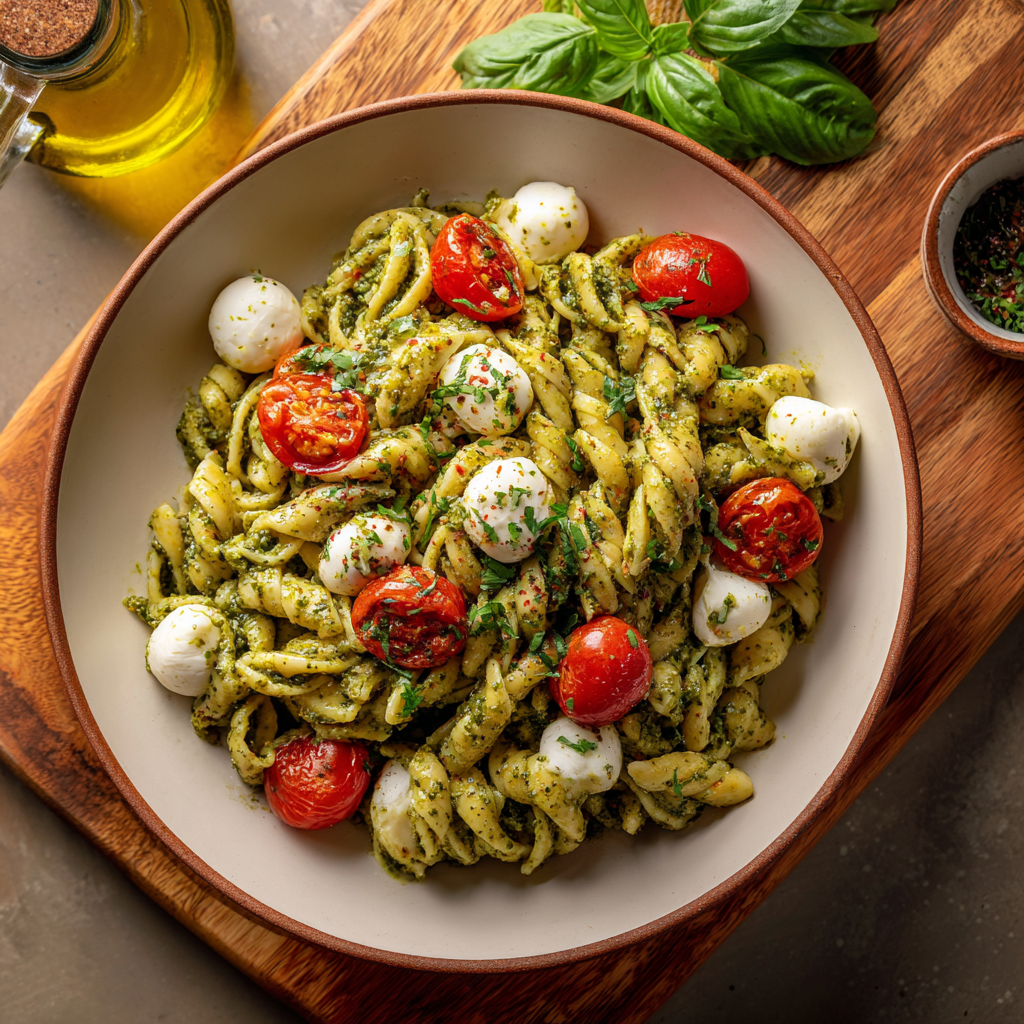
Halved cherry tomatoes bring bright acidity and vibrant color to your plate. They soak up the sauce beautifully rather than just sitting on top. Fresh mozzarella pearls add creamy texture and extra protein.
For deeper savory notes, stir in grated Parmesan cheese. A pinch of red pepper flakes provides gentle heat without overwhelming the basil. Toasted pine nuts offer satisfying crunch.
Substitutions and Smart Ingredient Swaps
This dish welcomes creative adjustments based on what you have available. Grilled chicken or shrimp turn it into a heartier meal. Vegetables like roasted peppers or artichoke hearts add different textures.
For creamier results, whisk ricotta cheese into the sauce. Lemon juice or balsamic vinaigrette can introduce tangy brightness. These swaps let you tailor the flavor to your preferences.
| Addition Type | Flavor Impact | Preparation Time | Best Occasion |
|---|---|---|---|
| Cherry Tomatoes | Bright, acidic | 2 minutes | Quick lunches |
| Grilled Chicken | Savory, hearty | 15 minutes | Dinner meals |
| Red Pepper Flakes | Spicy warmth | Instant | Flavor boost |
| Ricotta Cheese | Creamy, rich | 2 minutes | Special occasions |
| Toasted Pine Nuts | Nutty crunch | 3 minutes | Texture enhancement |
Tips for Quick Weeknight Meals
When time is limited but expectations remain high, smart preparation becomes essential. This approach to cooking respects both your schedule and your desire for satisfying food.
Reserving Pasta Water for Creamy Consistency
The starchy liquid from boiling noodles transforms a simple sauce into something special. I always scoop out a cup before draining. This technique creates the silky texture that makes restaurant dishes stand out.
Without this water, the sauce can separate or clump unevenly. The starch helps everything bind together beautifully. Make sure to reserve it at the right moment for best results.
Preparing components ahead saves valuable minutes during busy evenings. The sauce keeps well in the refrigerator for several days. Cook the noodles fresh each time for ideal texture.
Store components separately if meal prepping. Combined too early, the noodles absorb moisture and lose their appeal. A quick refresh with lemon juice or salt revives leftovers wonderfully.
This entire dish comes together in about twenty minutes. The efficiency comes from technique, not shortcuts. You’ll appreciate having this reliable option for time-crunched nights.
Health and Flavor: Nutritional Insights of Pesto Pasta
Looking beyond the immediate pleasure of eating reveals the substantial nutritional foundation. This preparation delivers more than just satisfying taste. It provides a balanced combination of essential nutrients.
Understanding what your food contributes helps you make informed choices. I share these insights not to medicalize dinner but to highlight the inherent benefits.
Understanding the Benefits of Fresh Herbs and Healthy Fats
Each serving offers approximately 20 grams of protein from cheese and nuts. This supports muscle maintenance and creates lasting satisfaction. The combination keeps you fuller longer than plain carbohydrates.
Healthy fats from olive oil and pine nuts serve crucial functions. They support brain health and hormone production. These monounsaturated fats also help absorb fat-soluble vitamins.
Fresh basil brings more than vibrant flavor. It contains antioxidants that reduce inflammation. While I add it primarily for taste, the health benefits are a welcome bonus.
Nuts and seeds contribute important minerals like magnesium. This supports proper muscle and nerve function throughout your body. Many people don’t get enough magnesium in their diets.
You can adjust the preparation to meet different nutritional goals. Reducing olive oil creates a lighter version. Adding vegetables like cherry tomatoes or arugula increases nutrient density.
Adapting the Recipe for Different Dietary Needs
Adapting classic dishes to meet various nutritional needs is simpler than many home cooks realize. The core flavors and techniques remain intact while accommodating different preferences.
With thoughtful substitutions, this preparation can work for nearly any dietary requirement. The key is understanding which ingredients serve essential roles.
Making It Dairy-Free, Nut-Free, or Vegan
For dairy-free versions, I replace Parmesan cheese with nutritional yeast in equal amounts. This provides a similar savory, umami flavor without animal products.
Nut-free adaptations work beautifully with roasted pumpkin seeds instead of pine nuts. Sunflower seeds also create a delicious alternative.
When using certified gluten-free options, always check packaging for cross-contamination warnings. This ensures safety for those with celiac disease.
Oil-free versions can reduce or omit olive oil entirely. The texture becomes less silky but the vibrant basil and garlic flavors still shine through.
For lower-carb meals, serve the sauce over roasted spaghetti squash or zucchini noodles. These alternatives maintain the dish’s character while changing its nutritional profile.
Smart substitutions preserve the essence of this preparation. Fresh basil, proper seasoning, and careful technique create satisfying results regardless of specific ingredients.
Savoring the Experience: A Toast to Italian Elegance
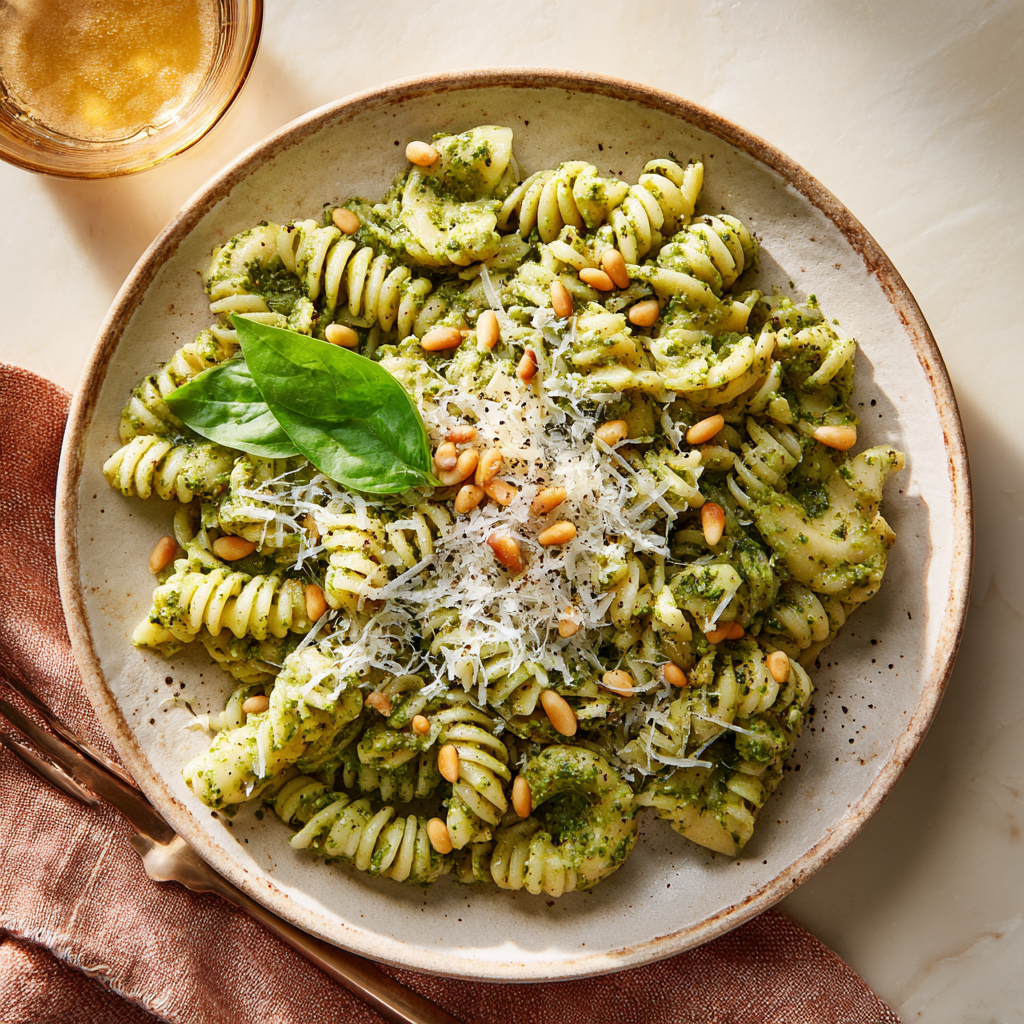
Serving this creation properly honors the careful work that went into its preparation. For the best flavor, enjoy it hot immediately after mixing, when the basil is most vibrant. A crack of black pepper and fresh leaves on top make a simple but elegant finish.
As a cold salad, let it chill for a couple of hours so the flavors meld beautifully. Taste before serving and adjust the salt if needed. The portions work flexibly—about three-quarters of a cup per person makes a generous side dish.
For a main course, serve larger portions and consider adding protein or vegetables. Eight ounces typically feeds three to four people. This dish scales easily for gatherings, and extra sauce keeps well for other meals.
The true elegance of Italian food lies in doing simple things exceptionally well. This approach delivers authentic flavor that stands on its own merits, creating a meal that feels both special and accessible.
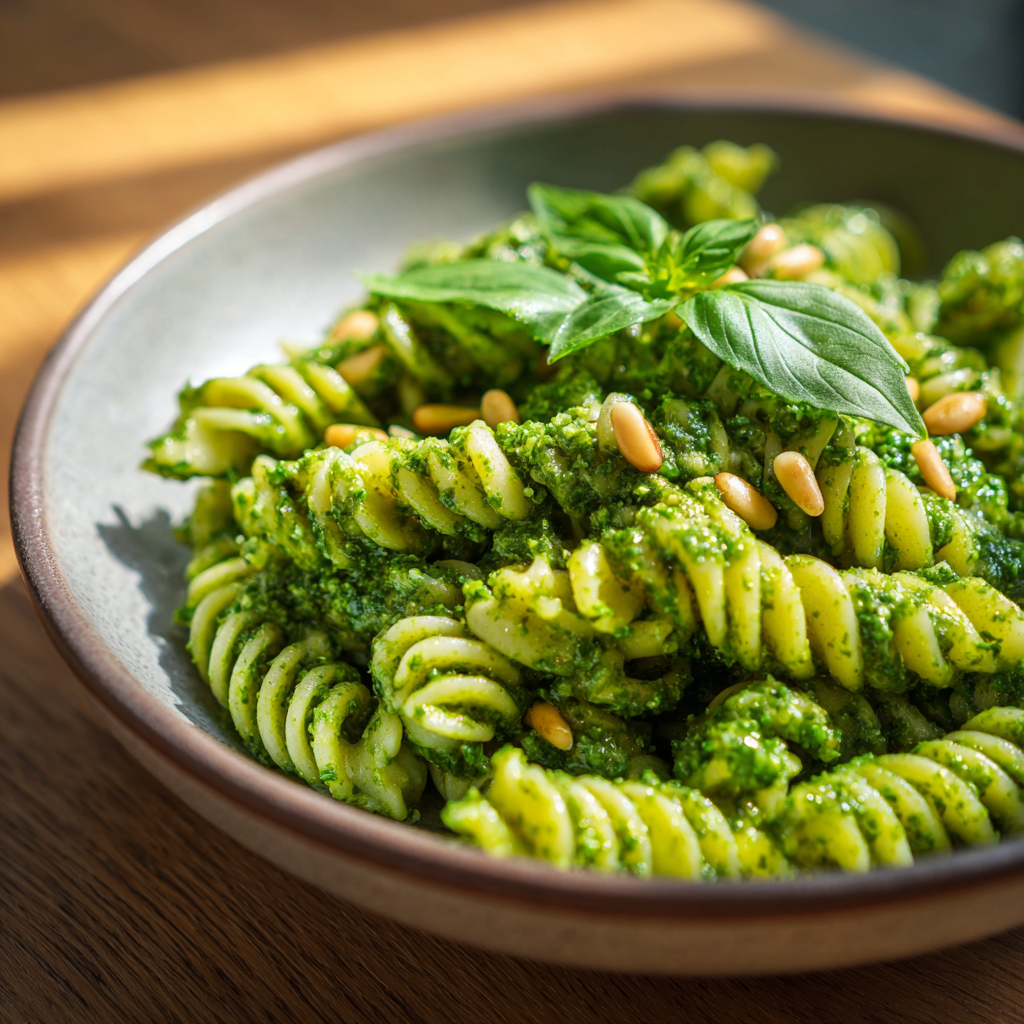
Gluten-Free Pesto Pasta
Ingredients
Method
- Bring a large pot of salted water to a rolling boil. Add your gluten-free pasta and cook according to the package directions. Start checking for doneness a couple of minutes before the suggested time. Reserve 1/2 cup of pasta water and drain the rest when the pasta is tender but still has slight resistance.
- Heat pine nuts (or your nut of choice) in a dry pan over medium heat for 2-3 minutes until golden. Stir constantly and remove them as soon as they start to color and release their aroma. Set aside.
- In a food processor, combine the toasted pine nuts, grated Parmesan cheese, garlic, and salt. Pulse until finely ground. Add fresh basil and garlic cloves, then, with the processor running, slowly drizzle in the olive oil. Scrape down the sides and blend until the pesto is smooth. Add lemon juice, if desired.
- Transfer the cooked pasta to a large mixing bowl while it's still warm. Add 2 tablespoons of reserved pasta water to the pesto sauce to achieve a smoother consistency. Gently toss the pasta with the pesto sauce, ensuring all noodles are coated evenly.
- Serve the pesto pasta immediately while still warm. Optionally, add a few halved cherry tomatoes, fresh mozzarella pearls, or a sprinkle of red pepper flakes for extra flavor. Enjoy!
Notes
- If you prefer a nut-free version, you can use roasted pumpkin seeds instead of pine nuts.
- For a lighter dish, reduce the amount of olive oil or use a low-fat version of cheese.
- This dish is perfect for meal prep as the pesto sauce can be stored for several days in the fridge.