
Jump to Recipe
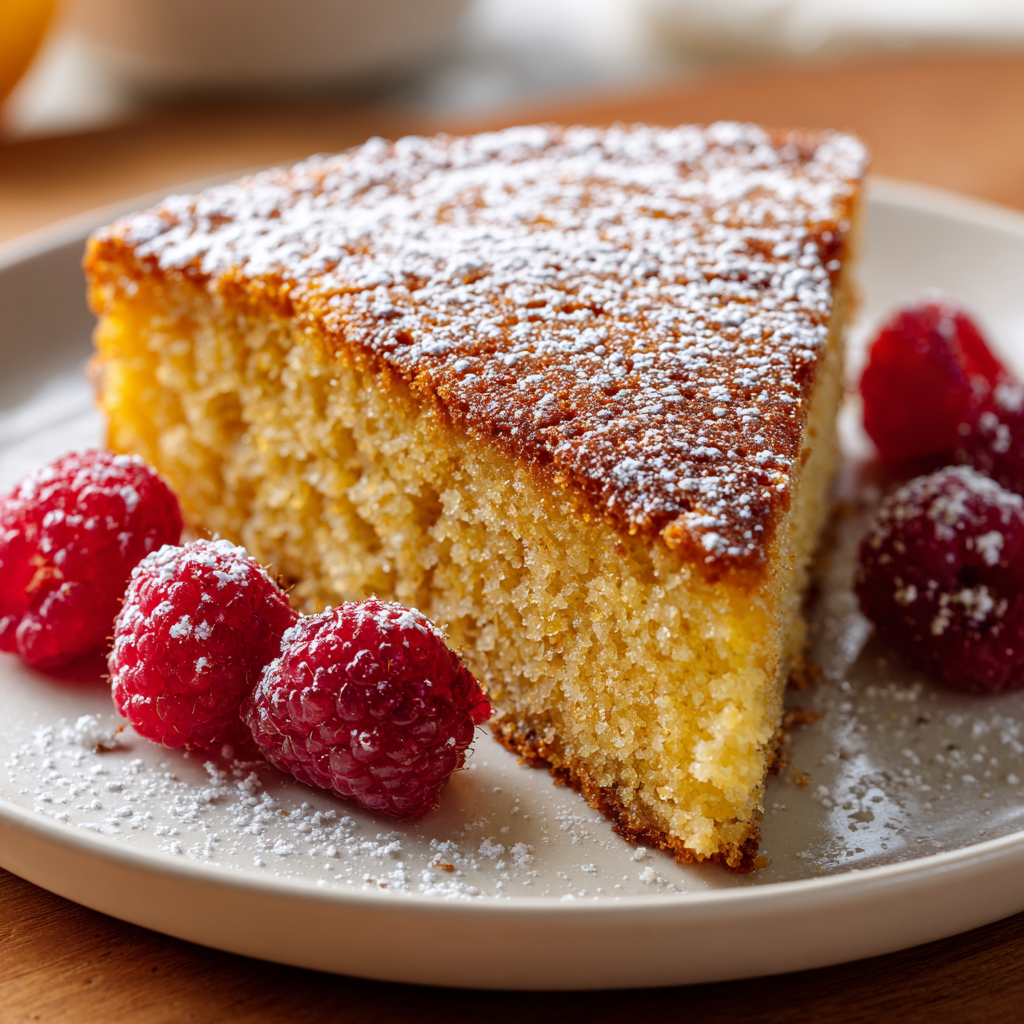
There’s a particular comfort in the aromas of an Italian kitchen. The warm, nutty scent of golden cornmeal toasting and the rich fragrance of almonds just ground. It’s the promise of something simple, honest, and deeply satisfying.
This particular dessert stands out for its rustic charm. It requires just a handful of core components, yet delivers a flavor that feels both elegant and humble. The texture is uniquely pleasing—slightly dense, pleasantly grainy, and remarkably moist from the olive oil.
What I appreciate is its versatility. It’s equally suited for a quiet afternoon with coffee or as a thoughtful finish to a gathering. This approach to baking draws from tradition but welcomes modern touches, like using honey. For another wonderful example of this style, explore this Italian-style almond polenta cake.
My guide will walk you through the fundamentals. You’ll learn how the ingredients work together and key techniques for a perfect result every time. This isn’t a complicated process, but understanding a few principles makes all the difference.
Key Takeaways
- This dessert celebrates rustic Italian simplicity with a short, impactful list of ingredients.
- It offers a uniquely pleasing texture that is both dense and moist.
- The preparation is incredibly versatile, fitting for both daily snacks and special occasions.
- It is a naturally accessible option that doesn’t feel like a compromise.
- The method is straightforward but benefits from understanding a few key baking principles.
- This guide provides insight beyond basic steps, ensuring confident and successful results.
The Story Behind This Italian Delight
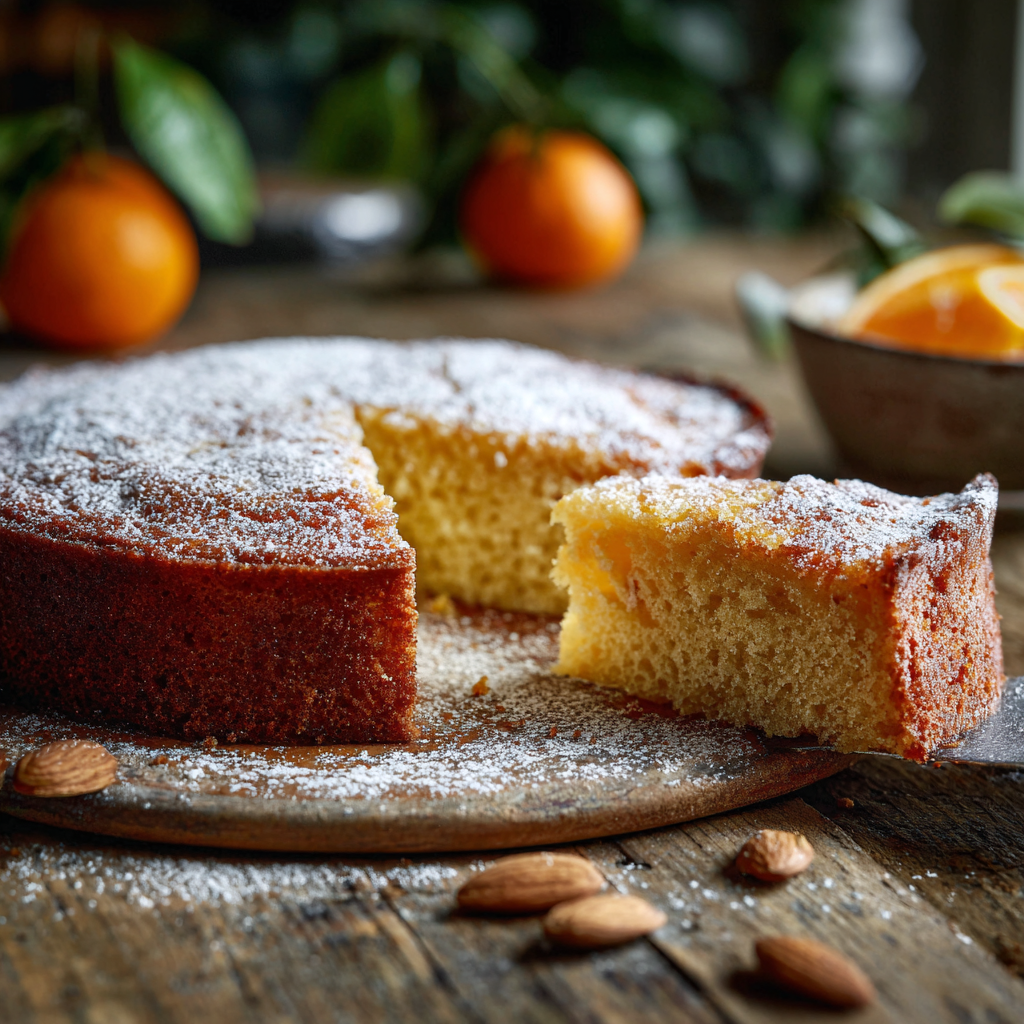
In the rustic kitchens of Northern Italy, golden cornmeal has long been the heart of comforting, savory dishes known as polenta. For centuries, it was simmered into a creamy porridge, often served alongside rich meats or stirred into soups. This humble grain provided sustenance and warmth.
Italian home bakers, however, saw another possibility. They understood the natural sweetness and pleasing graininess of cornmeal could form the foundation of a wonderful dessert. This creative leap gave us the polenta cake, a treat that feels both ancient and timeless.
Inspiration from Traditional Italian Flavors
Traditional versions often paired the cornmeal with almonds, citrus, and olive oil. These ingredients were abundant in the region and complemented each other perfectly. The almonds added richness, the citrus provided brightness, and the olive oil contributed a fruity depth and moist crumb.
My approach draws inspiration from established recipes, like Jamie Oliver’s orange polenta cake. I’ve made a few thoughtful changes for a different result. I use less orange zest for a subtler flavor and skip the syrup topping to ensure the texture remains perfectly firm, not soggy.
Modern Twists and Health Benefits
Today’s versions often make smart substitutions that also enhance flavor. Using olive oil instead of butter introduces heart-healthy fats. Replacing refined sugar with honey adds a natural, floral sweetness. Almond flour boosts protein and nutrients.
These choices aren’t just about dietary needs. They create a more complex flavor profile. The combination of polenta and almond flour delivers a unique texture—slightly dense with a pleasant graininess. It’s a satisfying experience that doesn’t rely on traditional wheat flour.
| Aspect | Traditional Approach | Modern Adaptation |
|---|---|---|
| Primary Fat | Butter | Olive Oil |
| Sweetener | Refined Sugar | Honey or Maple Syrup |
| Flour Base | Sometimes Mixed with Wheat Flour | Polenta & Almond Flour |
| Final Texture | Often Softer, Syrup-Soaked | Denser, Moist, Grainy Crumb |
Understanding the Core Ingredients
The character of this Italian treat comes from a unique partnership between two key components. Getting these ingredients right is the first step to a perfect result. Let’s look at what you need to know.
Polenta and Cornmeal: What You Need to Know
In the U.S., the term “polenta” often refers to the cornmeal itself, not the finished dish. For our purposes, fine or medium-grind yellow cornmeal is ideal. Coarse varieties create an unpleasant grit.
This type of cornmeal provides a subtle graininess and structure. It behaves differently than wheat flour, creating a tender, crumbly texture. This makes it an excellent base for bakes that accommodate specific dietary needs.
Almond Flour Versus Regular Flour
Almond flour acts as the secondary component, providing moisture and richness. It is simply finely ground blanched almonds. Almond meal, which includes the skins, will result in a darker, coarser texture.
You can make your own almond flour at home. Just pulse blanched almonds in a food processor until finely ground. This is a cost-effective option.
| Feature | Almond Flour | Almond Meal |
|---|---|---|
| Primary Ingredient | Blanched Almonds | Whole Almonds (with skins) |
| Texture | Fine and Smooth | Coarser and Grittier |
| Color | Light Beige | Speckled Brown |
| Best Use | Delicate Bakes for Fine Crumb | Heartier Bakes for Added Texture |
Together, these ingredients create a distinctive profile. The cornmeal polenta offers structure, while the almond flour ensures a moist, tender crumb. This combination also boosts the nutritional value with more protein and healthy fats.
Favorite Equipment and Preparation Tips
Proper preparation of your baking pan is one of the most important steps for achieving a perfect result. The right tools make the process smoother and help preserve the delicate texture of your dessert.
Choosing the Right Pan: Springform and More
An 8-inch or 9-inch springform pan works beautifully for this type of baking. The removable sides allow for easy release without risking damage to the delicate structure.
If you don’t own a springform pan, a standard 8-inch round cake pan works well. The release process requires more care but is completely manageable with proper technique.
I recommend using an electric mixer for best results. It properly aerates the olive oil and sugar mixture, creating a lighter texture that compensates for the absence of traditional structure.
Why Parchment Paper Matters
Lining your pan with parchment paper provides essential insurance against sticking. Trace the pan’s bottom, cut carefully, and place the paper ink-side down to prevent marks transferring.
Grease both the pan sides and the parchment paper. This double protection ensures absolutely no sticking occurs during release.
With a springform pan, the parchment lining serves another purpose. It helps prevent any potential leakage through the pan’s seam from the liquid fats in the batter.
When using a standard cake pan, wait until completely cool before removal. Place your spread hand underneath for support during the careful flipping process.
A wire cooling rack is essential for proper air circulation. This prevents a soggy bottom and ensures even cooling throughout your creation.
The Gluten Free Polenta Cake Recipe
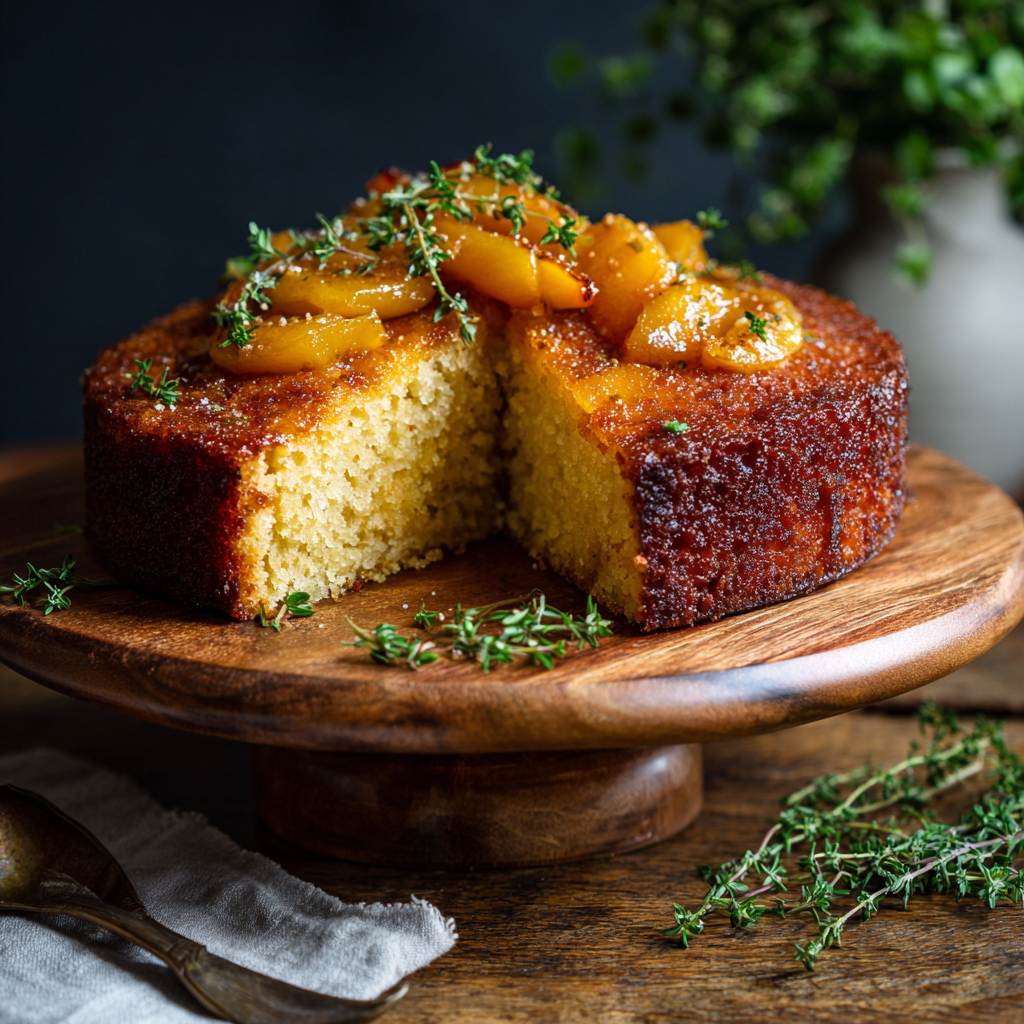
You have two wonderful paths to creating this Italian classic, each bringing its own character to the final result. Both versions deliver that distinctive texture and flavor that makes this dessert so special.
Mixing Olive Oil and Honey to Start
The olive oil variation uses ¾ cup (200ml) extra virgin olive oil plus more for the pan. Combine this with ½ cup (150g) liquid honey, 3 large eggs, and the zest and juice of one large orange. This combination creates a moist crumb with fruity complexity.
For the butter version, use 1 cup softened butter with 1 cup superfine sugar. You’ll also need 1¾ cups ground almonds, ¾ cup fine cornmeal, 1½ teaspoons baking powder, 3 eggs, and 1½ tablespoons lemon zest with juice.
Extra virgin olive oil adds depth while honey contributes both sweetness and moisture. Eggs provide essential structure in this flourless preparation. Citrus zest brightens the rich, dense crumb beautifully.
The ratio of almond flour to cornmeal is carefully balanced. Too much cornmeal creates grittiness, while too little loses the characteristic texture. Fine sea salt enhances all flavors without creating salty pockets.
Your batter will look thick and heavy—more like paste than fluffy cake batter. This is completely normal for gluten-free preparations. Don’t be concerned if it seems dense. For another excellent example of this style, explore this Italian-style almond polenta cake.
Step-by-Step Baking Instructions
Success in baking often comes down to mastering a few fundamental steps. Each technique builds upon the last to create the perfect texture and structure.
Whisking Techniques for a Lighter Batter
Begin by preheating your oven to 325°F. This moderate temperature allows even baking without over-browning. Use your mixer to whisk olive oil and honey on high speed for two full minutes.
The mixture should lighten in color and nearly double in volume. This creates essential air pockets for proper rising. Add eggs one at a time while the mixer runs, ensuring each incorporates fully.
Folding in the Dry Ingredients
Stop the mixer and gently fold in the dry ingredients using a spatula. Rotate the bowl while scraping from bottom to top. This preserves the air you’ve created.
The batter will lose some volume during folding—this is normal. Stop as soon as no dry streaks remain. Overworking at this stage can create a dense texture.
| Stage | Time Required | Visual Cues |
|---|---|---|
| Whisking Base | 2-3 minutes | Lightened color, doubled volume |
| Egg Incorporation | 1 minute | Smooth, emulsified mixture |
| Folding Dry Ingredients | 1-2 minutes | No dry streaks, uniform batter |
| Baking Time | 45-55 minutes | Brown edges, set top surface |
Pour the batter into your prepared pan. Bake for 45-55 minutes until edges brown and the top sets completely. The dessert should pull slightly from the pan sides.
Let it rest in the pan for 10 minutes before removing. This allows the structure to stabilize. Then transfer to a wire rack to cool completely, preventing sogginess.
Creative Substitutions and Flavor Variations
Once you master the basic preparation, exploring creative variations becomes an exciting next step. The foundation of this dessert welcomes thoughtful changes that can transform it for different occasions.
Switching Orange for Lemon for a Tangy Twist
Using lemon instead of orange creates a brighter, more tart flavor profile. This is the most popular variation among home cooks. The citrus still provides the necessary acidity and moisture.
Lemons are more acidic than oranges, so reduce the juice to 1-2 tablespoons. This prevents overpowering the delicate cornmeal polenta base. The zest quantity can remain the same for vibrant flavor.
| Citrus Type | Juice Quantity | Flavor Profile | Best Pairings |
|---|---|---|---|
| Orange | 3 tablespoons | Sweet, mellow | Almonds, honey |
| Lemon | 1-2 tablespoons | Bright, tart | Blueberries, thyme |
| Lime | 1 tablespoon | Zesty, sharp | Coconut, mint |
For oil substitutions, avocado or grapeseed oil work if you prefer milder taste. Sweetener changes require caution—maple syrup alters both flavor and moisture balance.
A traditional Italian preparation involves a lemon syrup topping. Combine ½ cup lemon juice with ¾ cup powdered sugar, boiled until clear. Prick the warm dessert surface before pouring for even absorption.
Macerated peaches make an elegant topping. Slice ripe fruit, sprinkle with sugar and Marsala wine, then let sit until syrupy. Serve with lightly sweetened whipped cream for contrast.
Secrets to Achieving the Perfect Texture
The interplay between graininess and moisture defines the authentic experience of this Italian classic. Many bakers expect the familiar softness of wheat-based desserts, but this preparation offers something different. Its rustic charm comes from a slightly coarse, granular crumb that feels substantial yet tender.
This unique feel results from how the ingredients work together. The cornmeal provides gentle textural interest, while ground almonds create richness and moisture. Eggs and fats bind everything into a cohesive yet interesting bite.
Balancing Moisture with Crunch
If your dessert feels unpleasantly gritty rather than pleasantly grainy, it’s likely underbaked. The cornmeal needs sufficient time to absorb moisture and soften properly. Rushing the baking process leaves the grains hard and unpleasant.
I’ve found that texture often improves with time. Refrigerating overnight allows the cornmeal to continue hydrating. The result is a more unified crumb that maintains its character without being gritty.
| Texture State | Likely Cause | Best Solution |
|---|---|---|
| Pleasantly grainy | Properly baked cornmeal | Serve at room temperature |
| Unpleasantly gritty | Underbaked, insufficient hydration | Bake longer or refrigerate overnight |
| Dense and heavy | Cold from refrigerator | Let sit 30 minutes before serving |
| Perfectly balanced | Proper baking and resting time | Enjoy as intended |
Serving temperature significantly affects perceived texture. Cold from the refrigerator feels denser, while room temperature offers a more tender experience. Always allow time for the dessert to warm slightly before serving.
Plating and Serving Ideas
What I love about this dessert is how beautifully it adapts to different occasions through thoughtful presentation. Its rustic charm allows for both minimalist and elaborate serving styles.
The beauty of this creation lies in its simplicity. It’s delicious enough to serve completely plain, requiring no adornment beyond perhaps a light dusting of powdered sugar.
Enhancing with Fresh Fruit and Whipped Cream
A simple dusting of confectioners’ sugar through a fine-mesh sieve creates an elegant finish in seconds. Fresh berries like raspberries or blueberries provide color and complementary tartness.
For special occasions, consider macerated peaches. Slice ripe fruit and sprinkle with sugar and Marsala wine or lemon juice. Let them sit for 30-60 minutes until syrupy.
The richness of this dessert pairs beautifully with light, fresh accompaniments. Whipped cream made with heavy cream, icing sugar, and vanilla creates a perfect contrast.
Thin slices work wonderfully for afternoon coffee, while larger wedges with fruit and cream make an elegant dessert course. A drizzle of quality honey adds final sweetness and visual appeal.
Citrus zest scattered over the top releases aromatic oils when cut. Strong espresso or black tea balances the richness, while sweet dessert wine like Vin Santo echoes the Italian heritage.
How to Store and Enjoy Later
One of the best qualities of this dessert is how well it keeps, often improving in texture after a day. The cornmeal continues to absorb moisture, creating a more unified crumb that maintains its pleasant character.
Room Temperature Versus Refrigeration
For short-term storage, keep it covered at room temperature for up to three days. This maintains the ideal texture and allows serving without waiting.
The high fat content means refrigeration isn’t immediately necessary. Use a cake dome or sealed container to prevent drying. If your kitchen is warm, or for longer storage, refrigerate for up to five days.
An important exception exists for cream toppings. These require refrigeration for safety. Always use an airtight container to protect against odors.
When serving refrigerated dessert, take it out about thirty minutes beforehand. This brief period allows it to come to room temperature, dramatically improving the eating experience.
Freezing for Future Treats
For long-term storage, freezing works beautifully. Ensure the dessert has cooled completely before wrapping.
Wrap the whole creation tightly in plastic wrap. Place it in a freezer-safe container or bag. It will keep well for up to three months.
You can also freeze individual slices the same way. This lets you thaw only what you need at one time. Thaw overnight in the refrigerator before bringing to room temperature for serving.
Wrapping Up Your Baking Adventure
What makes this dessert truly rewarding is how it transforms basic pantry staples. You create something special from fine cornmeal, ground almonds, and simple flavorings. The method delivers impressive results without requiring advanced skills.
This Italian-inspired creation honors tradition while fitting modern kitchens. Thoughtful adaptations make it accessible and practical for any cook. The unique texture comes from the partnership between cornmeal and almond flour.
You can serve it plain for afternoon tea or dress it up for dessert. The recipe naturally accommodates various dietary needs without compromise. Proper techniques like gentle folding ensure the best texture.
Feel confident experimenting with citrus variations or toppings. The pleasant graininess is intentional and part of its charm. This approach to baking welcomes personal touches while maintaining core proportions.
I encourage you to try this method. The straightforward process and wholesome ingredients make it a satisfying project. You’ll discover how simple components create something genuinely special.
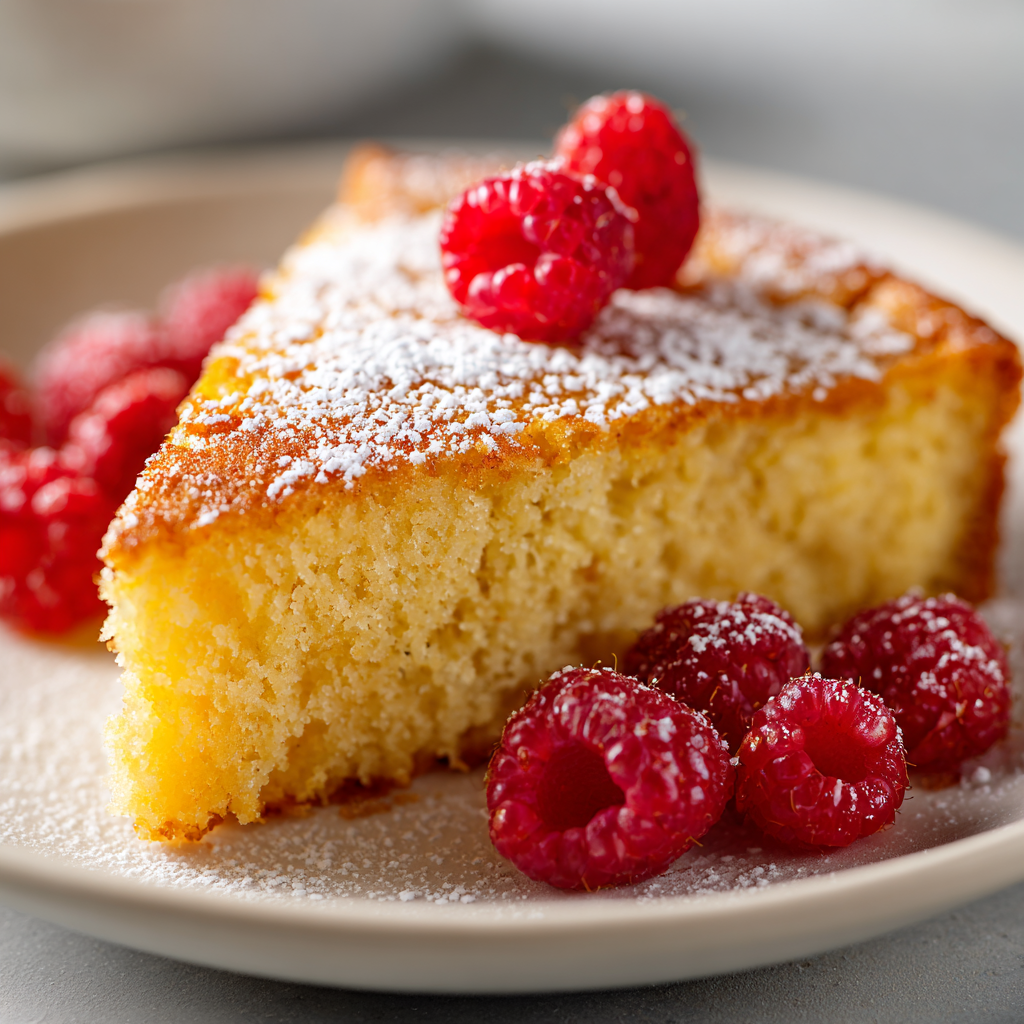
Italian Polenta Almond Cake
Ingredients
Method
Notes
- If you don't have a springform pan, a regular cake pan can be used, but be extra cautious when removing the cake.
- This cake can be stored at room temperature for up to 2 days or refrigerated for up to 5 days. Freezing works well too for up to 3 months.