
Jump to Recipe
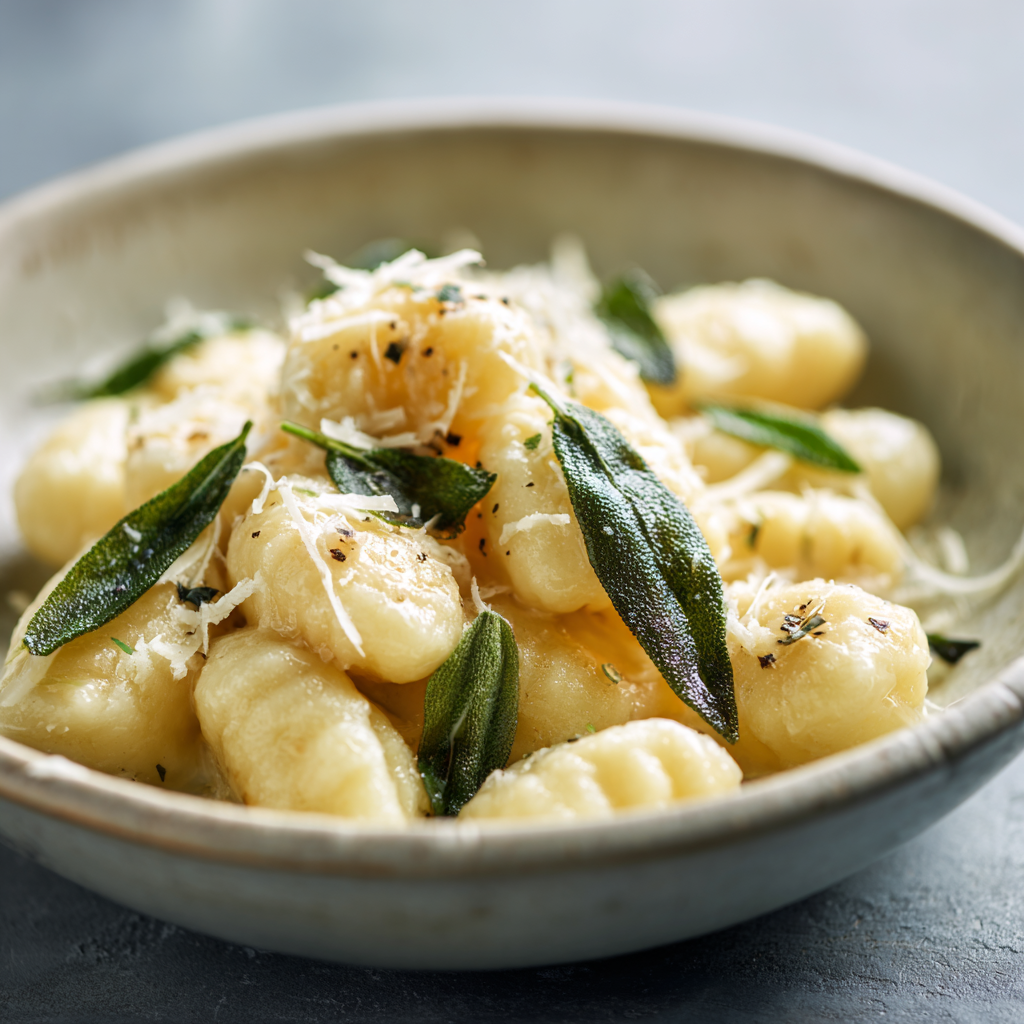
There’s a certain comfort in the rhythm of making pasta by hand. The simple, tactile process connects you to generations of Italian home cooks. It’s a tradition I grew up with, and it’s why I’m so pleased to share a version that works beautifully without traditional flour.
Many potato-based versions made with alternative flours can end up too dense or starchy. This approach uses ricotta cheese as the base. The result is a lighter, pillowy-soft dumpling that captures the authentic texture we love.
You need just a handful of simple ingredients, and the whole process takes less than 30 minutes. This makes it perfect for a satisfying weeknight meal, not just a special occasion. My goal is to give you the techniques for success, ensuring your results are soft and cloud-like every time.
This particular method was tested specifically with gluten-free flour blends to ensure reliability. While variations like potato or sweet potato exist, this ricotta version offers the best balance of ease, speed, and authentic Italian texture.
Key Takeaways
- This method uses ricotta cheese to create a lighter, more authentic texture compared to potato-based versions.
- The process is quick, requiring only a handful of ingredients and about 30 minutes of your time.
- You will learn specific techniques to achieve soft, pillowy results instead of dense dumplings.
- The recipe is thoroughly tested with gluten-free flour blends for reliable performance.
- It’s an adaptable approach perfect for regular weeknight dinners.
- This recipe is rooted in Italian family cooking traditions, adapted thoughtfully for modern needs.
Embracing Italian Roots with a Gluten Free Twist
For us, store-bought pasta was never an option. Every strand and shape came from hands that knew the craft. My grandmother and mother prepared fresh dough for everything from simple weeknight meals to celebratory feasts.
Adapting these cherished food traditions isn’t about compromise. It’s about preserving what matters when dietary needs change. The goal remains authentic flavors and textures that honor our heritage.
The original family gnocchi couldn’t simply swap in alternative flour. It required completely rethinking the approach to achieve the right delicate texture. Moving to a ricotta base proved to be the practical solution that actually improved the results.
We’ve successfully adapted many beloved Italian dishes over time. Our homemade lasagna, baked ziti, and focaccia all maintain their authentic character. While my grandmother never tasted these versions, our family gives them an emphatic thumbs up.
This approach respects tradition while being realistic about modern kitchen needs. It demonstrates that thoughtful adaptation can yield results just as satisfying as the originals. The essence of Italian cooking—quality ingredients and careful technique—remains unchanged.
Mastering the Gluten Free Gnocchi Recipe
Through careful experimentation, we discovered that ricotta provides the ideal foundation for these dumplings. Our testing compared various ingredient combinations to find what works best with alternative flour blends.
Potato-based versions often tasted overwhelmingly like mashed potatoes. This happens because many flour alternatives rely heavily on rice flour without enough starch variety. The result lacks the balanced flavor and texture we seek.
Combining ricotta with flour, egg, olive oil, and parmesan creates a superior balance. This mixture provides proper binding and richness without the graininess sometimes found in pasta made with alternative ingredients. The ricotta base delivers a consistently smooth texture.
| Approach | Preparation Time | Texture Result | Consistency |
|---|---|---|---|
| Ricotta-Based | Under 30 minutes | Light and pillowy | Highly reliable |
| Potato-Based | 45-60 minutes | Often dense | Variable results |
| Traditional Wheat | 30-40 minutes | Classic texture | Consistent |
The practical advantage is significant. Ricotta eliminates boiling, cooling, peeling, and mashing potatoes. This cuts a major time-consuming step from the process.
Potato moisture content varies by variety and storage conditions. This makes consistent results challenging with alternative flour blends. Ricotta offers predictable moisture levels every time.
Mastering this method means understanding the dough’s feel. It should be soft and slightly sticky but workable. This texture indicates proper ingredient ratios for successful results.
Key Ingredients and Their Purpose
Understanding how each ingredient functions is essential for creating perfect dumplings. The right components work together to achieve that sought-after soft texture.
The Role of Ricotta, Egg, and Parmesan in Texture
Whole milk ricotta provides necessary fat for tender results. Part-skim versions yield drier, less silky dumplings. The fat content makes a significant difference.
An egg binds the ricotta and flour without creating heaviness. It provides just enough structure for proper consistency. This balance is crucial for light results.
Olive oil coats alternative starches to prevent gritty texture. Only a small amount is needed. Parmesan cheese adds binding power and savory depth.
| Flour Blend | Flavor Result | Texture After Cooking | Overall Performance |
|---|---|---|---|
| Cup4Cup | Clean, neutral taste | Proper, firm texture | Excellent |
| King Arthur Measure-for-Measure | Doughy, unpleasant | Mushy in sauce | Poor |
| Bob’s Red Mill 1-to-1 | Grainy, rice-like | Unpleasant mouthfeel | Unsatisfactory |
Choosing the Right Gluten Free Flour Blend
Not all alternative flour blends behave the same. Different starch combinations create varying results. Rice flour, tapioca starch, and potato starch each have unique properties.
Our testing showed Cup4Cup performs best for this preparation. It also works well for other Italian dishes like crespelle and fresh pasta. This blend provides reliable results across applications.
Even with recommended flour, moderation is key. Adding too much creates gelatinous texture. Use just enough to make the dough workable while keeping it soft.
Step-by-Step Preparation Techniques
Successful preparation begins with understanding how the mixture should feel at each stage. The right technique ensures light, tender results every time.
Creating a Soft, Yet Slightly Sticky Dough
Start by whisking ricotta, egg, olive oil, and parmesan in your mixing bowl. This creates a smooth base for the flour to incorporate evenly.
The ideal dough should be soft and slightly sticky. It should cling gently to fingers but release cleanly without residue. This texture indicates proper moisture balance.
If the mixture feels too stiff, add a dash of warm water. If it’s too loose, incorporate flour one tablespoon at a time. Work gradually to maintain control.
Turn the dough onto a lightly floured surface. Knead gently until it forms a smooth ball. This takes just a few minutes of folding and pressing.
Rolling, Cutting, and Shaping Your Dumplings
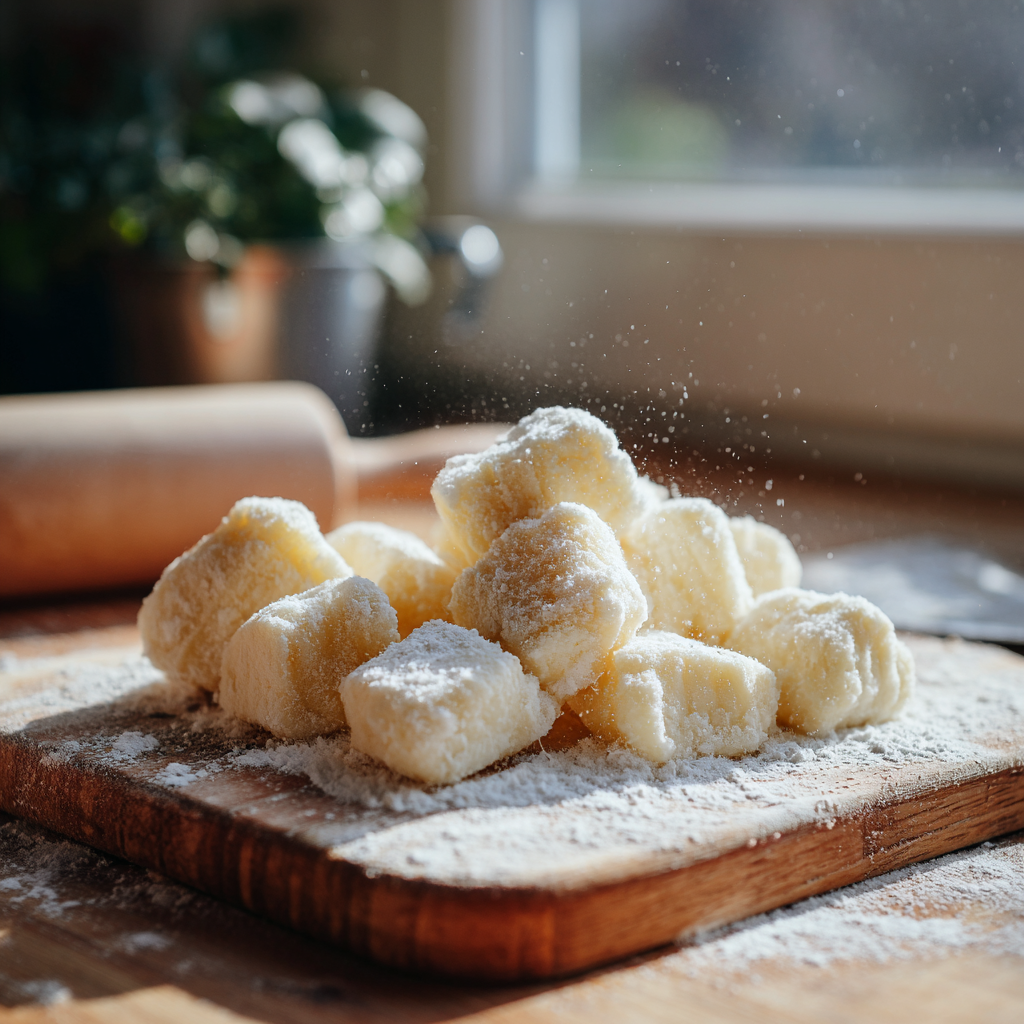
Divide the ball into four equal pieces. This makes rolling manageable and prevents drying. Flatten each section into a thick disc before cutting crosswise.
Roll two sections into ropes about one inch thick. Use a floured knife to cut them into half-inch pieces simultaneously. This speeds the process while maintaining consistency.
You can create ridges using fork tines or a special board. While traditional and visually appealing, this step is optional. The dumplings taste wonderful with or without grooves.
Cooking Tips for Soft, Cloud-Like Gnocchi
Proper technique in the pot is the key to achieving that light, cloud-like quality. A few small adjustments during boiling ensure your results are perfectly tender every time.
Optimal Boiling Techniques and Timing
Begin with a large pot of water. Bring it to a vigorous, rolling boil. Do not add salt to the boiling water.
Alternative starches absorb salt more readily. This can make the final dish taste overly salty. Use plain water for best results.
Cook the dumplings in small batches. Add about 15 to 20 pieces at a time. This prevents the water temperature from dropping too much.
Give them a quick stir right after adding them to the pot. This stops them from sticking to the bottom. They will cook for just a few minutes.
Avoiding Texture Pitfalls with Gluten Free Ingredients
Watch for the dumplings to float to the top. This is your main visual cue. For traditional versions, this means they are done.
With this version, let them boil for another 30 to 45 seconds after they float. This extra time is crucial.
It ensures the starches are fully cooked through. Skipping this step can leave a grainy, unpleasant texture inside.
Use a slotted spoon or skimmer to lift them out gently. Pouring them into a colander can cause them to break. The total cooking time is typically two to three minutes.
Variations: From Ricotta to Sweet Potato and Vegan Options
While ricotta creates wonderfully light results, traditional potato-based versions offer their own distinct character and preparation methods. Each approach suits different preferences and kitchen situations.
Comparing Ricotta-Based and Potato Gnocchi
Traditional potato gnocchi starts with boiling, cooling, and mashing potatoes before dough preparation. This adds significant time to the process. Yukon Gold or russet potatoes work best for this method.
Vegan potato versions demonstrate that eggs aren’t essential when the flour-to-potato ratio is correct. These simple preparations use just three ingredients: potatoes, flour, and olive oil.
Sweet potato variations introduce roasted flavor and natural sweetness. Roasting cubed sweet potatoes with garlic before blending creates orange-hued dumplings with caramelized notes.
| Variation | Preparation Time | Key Ingredients | Best Flour Type |
|---|---|---|---|
| Ricotta-Based | 30 minutes | Ricotta, egg, parmesan | Cup4Cup blend |
| Traditional Potato | 45-60 minutes | Potatoes, flour, olive oil | Tipo 00 or oat flour |
| Sweet Potato | 60+ minutes | Sweet potatoes, garlic, oil | Bob’s Red Mill 1:1 |
| Vegan Potato | 45-60 minutes | Potatoes, flour, olive oil | Oat flour |
Potato moisture content varies significantly, affecting consistency. Ricotta offers more predictable results. Sweet potato versions can be finished by baking for crispy edges.
Each variation serves different needs. Choose based on your available time, dietary preferences, and desired texture. All methods produce delicious Italian dumplings worthy of your table.
Time-Saving Strategies for Weeknight Dinners
The true test of any homemade dish is whether it fits into a busy weekday schedule. This preparation meets that challenge beautifully, offering restaurant-quality results without the hours of kitchen work.
From mixing to serving, the entire process takes under thirty minutes. This timeframe matches what you’d spend boiling dried pasta and preparing sauce. The single-bowl method requires no waiting, rising, or resting periods.
You can cook these dumplings directly in your sauce, saving both time and cleanup. This technique works reliably with Cup4Cup flour. The pieces absorb flavor as they cook, creating a more integrated dish.
For future weeknight dinners, freeze cut pieces in a single layer on baking sheets. Once solid, transfer them to freezer bags. They keep well for up to three months.
Cook frozen dumplings directly without thawing. Use smaller batches to maintain water temperature. Preparing a double batch means having homemade options ready with minimal active time.
Serving Suggestions and Perfect Sauce Pairings
These soft dumplings absorb flavors beautifully, working well with both simple and complex preparations. Their mild taste and delicate texture make them a versatile base for many different sauces.
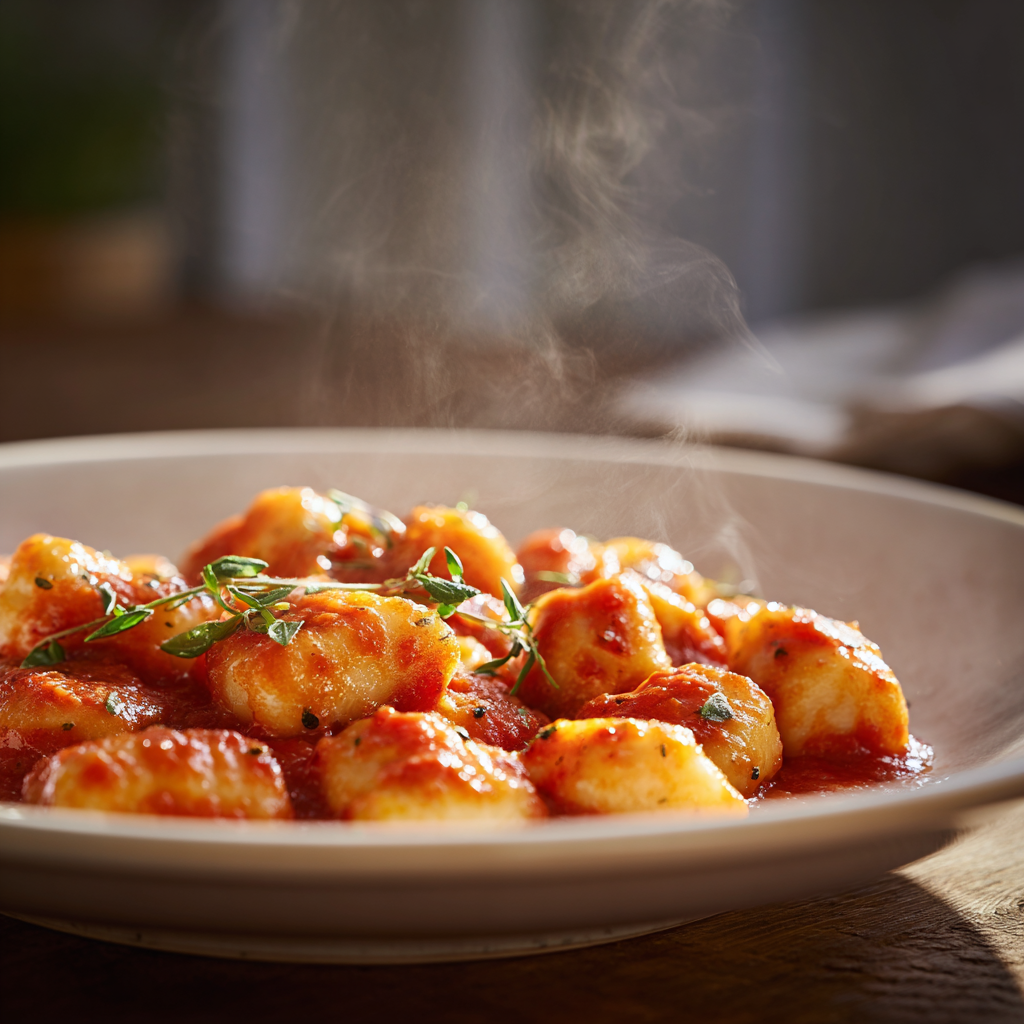
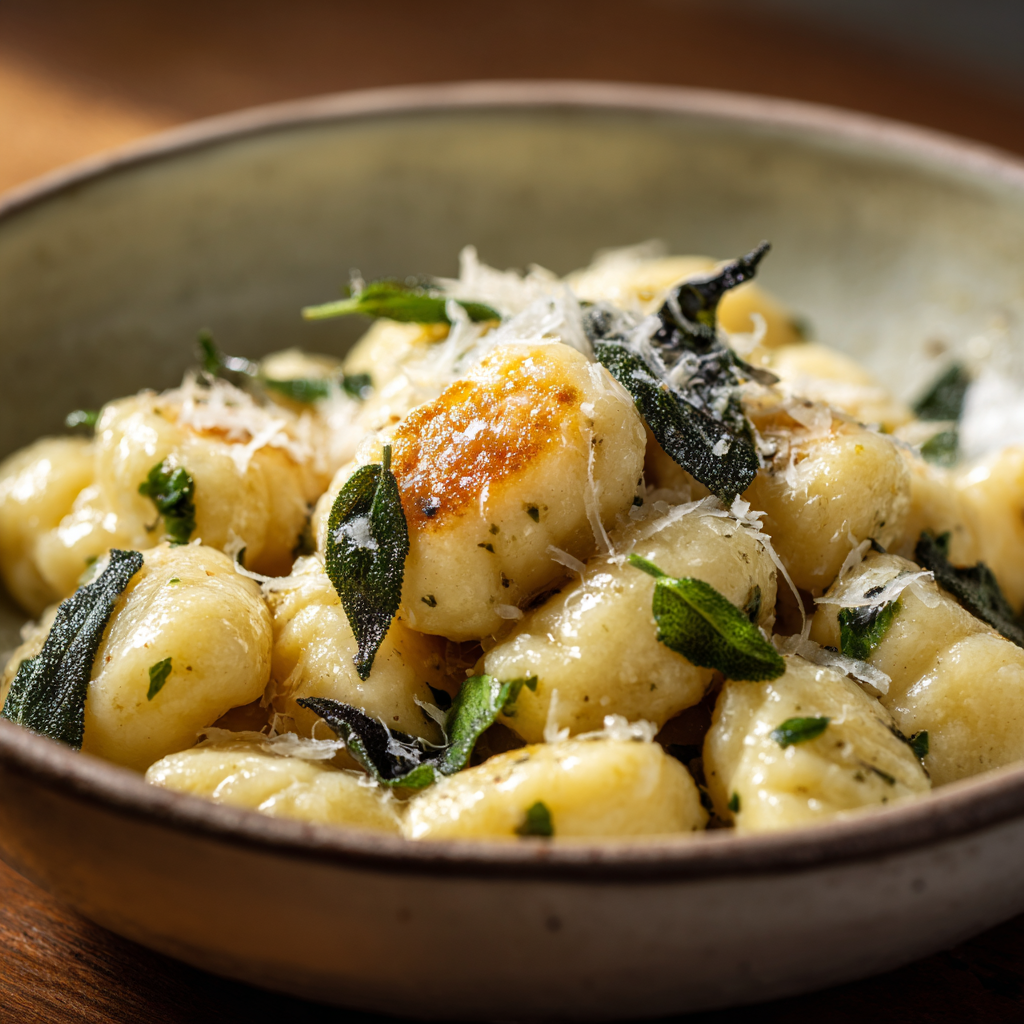
Classic Italian pairings let the dumpling quality shine through. Simple marinara sauce or basil pesto complement without overwhelming. Brown butter with fresh sage creates a warm, aromatic coating.
Richer options provide satisfying indulgence. Cream-based sauces and cheese preparations cling well to each piece. Vodka sauce adds tomato richness with creamy depth.
The simplest approach often highlights the homemade quality best. Toss with good olive oil, fresh herbs, and grated cheese. This lets the delicate texture remain the focus.
Sautéing cooked pieces creates appealing texture variation. Cook with garlic and mushrooms in oil until edges brown slightly. This adds crispy contrast to the soft interior.
These dumplings work beautifully in baked dishes too. Layer with sauce and cheese, then bake until bubbly. They also function as soft dumplings in soup, absorbing broth flavor.
For creative variations, try Asian-inspired peanut sauce or creamy cilantro lime dressing. These non-traditional pairings offer interesting flavor experiments beyond Italian classics.
Freezing, Reheating, and Storage Ideas
Having homemade options ready in the freezer transforms busy weeknights. Follow these simple instructions for best results.
To freeze, arrange the cut pieces in a single layer on a parchment-lined baking sheet. Ensure they do not touch. This prevents them from freezing into one solid clump.
Freeze the entire sheet until the pieces are completely solid. This usually takes two to three hours. Then, transfer the frozen pieces to a ziplock freezer bag.
Properly stored, they maintain quality for up to three months. For the best texture, try to use them within the first month.
When cooking from frozen, use smaller batches. Add only about 15 to 20 pieces at a time to boiling water. Adding too many at once drops the water temperature drastically.
There is no need to thaw them first. Going directly from freezer to boiling water is more convenient. It also prevents them from becoming sticky.
If you have cooked leftovers, store them in the refrigerator for two to three days. Reheating works best by gently sautéing them in a pan with a little olive oil or butter. Microwaving can make the texture rubbery.
Wrapping Up with Your Own Creative Twists
Once you understand how the dough should feel, you gain the freedom to experiment with confidence. This knowledge transforms you from simply following instructions to creating your own signature dishes.
Feel empowered to try the variations we discussed. The ricotta base offers wonderful flexibility for different dietary needs and flavor preferences.
Remember this preparation yields about two pounds of finished pasta. Freezing half extends your effort into future meals. The recipe scales easily for different household sizes.
When working with flour, add it gradually to avoid a gelatinous texture. Cup4Cup continues to perform reliably for consistent results.
Consider adding fresh herbs to the dough or creating ridges with a fork. Explore different sauce pairings like this classic pesto preparation for new flavor experiences.
Mastering this technique gives you a foundational skill for many Italian dishes. You now have the confidence to adapt and create with authentic results.
Gluten Free Ricotta Gnocchi
Ingredients
Method
- In a large bowl, whisk together the ricotta, egg, olive oil, and Parmesan until smooth and creamy.
- Add the gluten free flour gradually and mix gently until a soft dough forms.
- The dough should feel soft and slightly sticky, but still workable.
- If too wet: add flour 1 tablespoon at a time
- If too dry: add a splash of warm water
- Lightly flour your work surface.
- Turn the dough out and gently knead for 1–2 minutes until smooth.
- Divide the dough into 4 equal pieces.
- Roll each piece into a rope about 1 inch thick.
- Cut into ½-inch pieces using a floured knife.
- Optional: roll each piece over a fork or gnocchi board to add ridges.
- Bring a large pot of unsalted water to a rolling boil.
- Cook gnocchi in small batches (15–20 pieces at a time).
- Stir gently once after adding.
- When they float, let them cook 30–45 seconds longer, then remove with a slotted spoon.
- Serve immediately with your favorite sauce, or finish by sautéing gently in butter or olive oil.
Notes
- Do not salt the boiling water. Gluten free starches absorb salt quickly and can become overly salty.
- Whole milk ricotta is essential for a soft texture. Part-skim ricotta will make the gnocchi dry.
- Cup4Cup flour gives the most reliable results. Other blends may become gummy or grainy.
- The dough should always feel soft — adding too much flour is the most common mistake.
- Uncooked gnocchi freeze very well for up to 3 months. Cook straight from frozen.