
Jump to Recipe
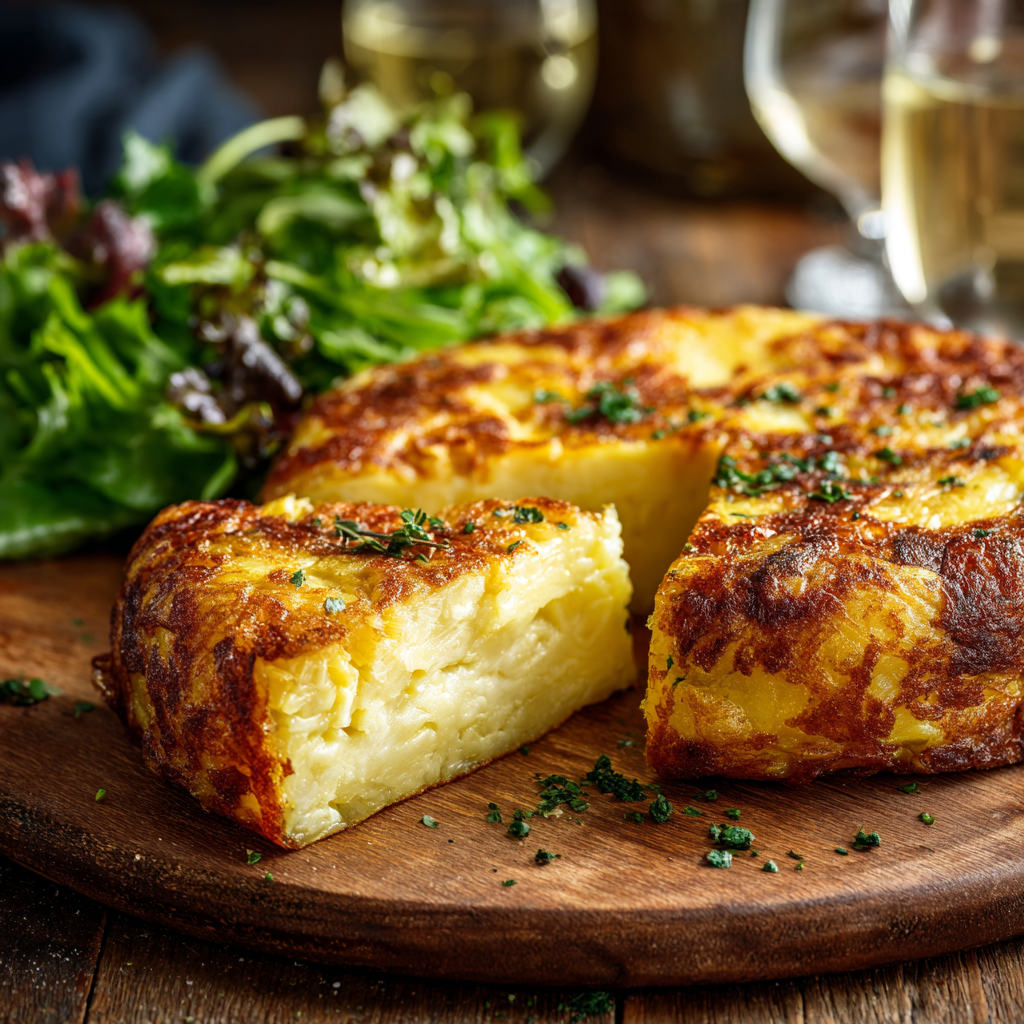
I learned the frico friulano potato cheese recipe from my nonna, who cooked it in a battered skillet over low heat until the center turned creamy and the edges crisped to gold.
This simple northern-Italian dish uses thinly sliced onion, gently cooked potatoes, and young Montasio to build a melty heart and a crunchy shell. I’ll show clear timings for simmering the diced tubers, when to fold in the cheese, and how long to brown each side so the texture is never greasy.
Expect practical tips on choosing the right young Montasio, honoring its Alpine roots, and pairing the result with a glass of local wine. I teach how to form the round, flip it without breaking, and serve it as a skillet supper or savory sides for a gathering.
Every step reflects family technique and regional history so you can confidently make frico at home and taste why it endures in my kitchen.
Key Takeaways
- One-pan method—onions, simmered potatoes, and young Montasio create a creamy center and crisp edge.
- Follow precise time and heat cues to avoid a greasy finish.
- Choose young Montasio for melt and authentic regional flavor.
- Serve as a simple weeknight main or as savory sides with a light white wine.
- Technique from a Friuli family tradition makes the difference—learn the flip and press steps.
What makes this Friuli comfort food so irresistible
In the mountains of Friuli, a humble skillet turns simple staples into a beloved family comfort. I still think of that mix as mountain soul on a plate—warm, savory, and honest.
From Alpine roots to your skillet: the tradition
The tale begins with monks in the Carnic Alps and the dairies near the Jôf di Montasio. Montasio cheese gained DOP protection in 1986, which keeps aging and brining true to its monastic origins.
What frico is (and how it differs from cheese crisps)
This frico blends tender potato and onion with young Montasio for a soft center and a crisp edge. That contrasts with the thin, cheese-only wafers made from aged Montasio.
Core ingredients at a glance: potatoes, onions, and Montasio cheese
The ingredient trio matters: potatoes for body, onion for sweetness, and Montasio for melt and balanced flavor. Season early to pull moisture from the onion, then taste at the end.
- It serves as a cozy side or a light main with a salad.
- Young Montasio melts smoothly without overpowering the base.
- Texture is the goal—tender inside, golden outside.
| Version | Main element | Texture |
|---|---|---|
| Montasio blend | potato & onion | creamy inside, crisp edge |
| Aged crisp | aged Montasio | thin, brittle |
| Home skillet | young Montasio | melty, sliceable |
Frico Friulano Potato Cheese Recipe: step-by-step for a golden crust and creamy center
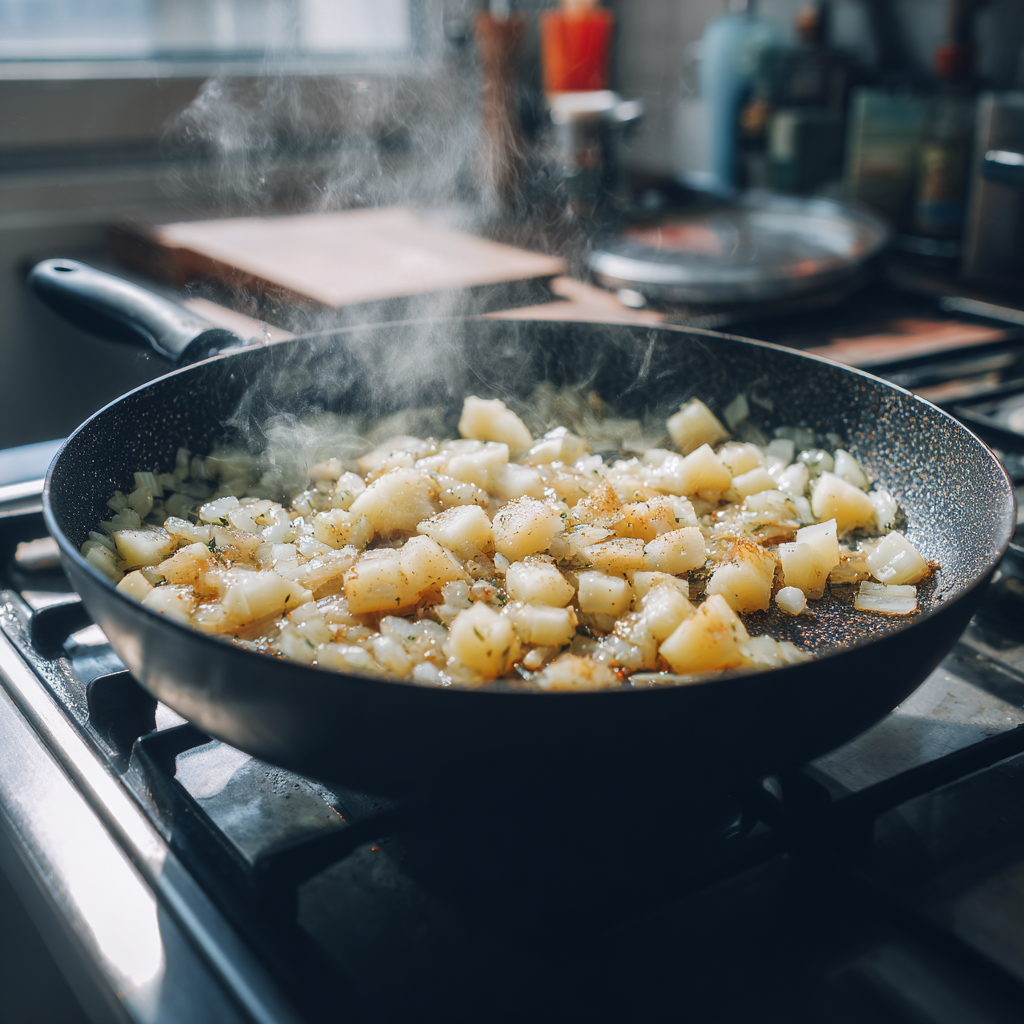
I begin at the stove, softening the onion in olive oil until it loses its raw edge. Work over medium heat and watch for that soft translucent cue—about 5–7 minutes.
Ingredients and smart swaps
Use thinly sliced onions and roughly diced potatoes. Fold in young montasio cheese if you have it; Gruyère or fontina make fine substitutes. Season with salt and pepper near the end.
Tools and method
Choose a wide nonstick skillet or a well-seasoned pan so the layer cooks evenly. Add potatoes, a splash of water, cover, and cook minutes until tender. Roughly mash the mixture, then fold in the cheese and cook 5–10 minutes to bind.
Heat, timing and texture
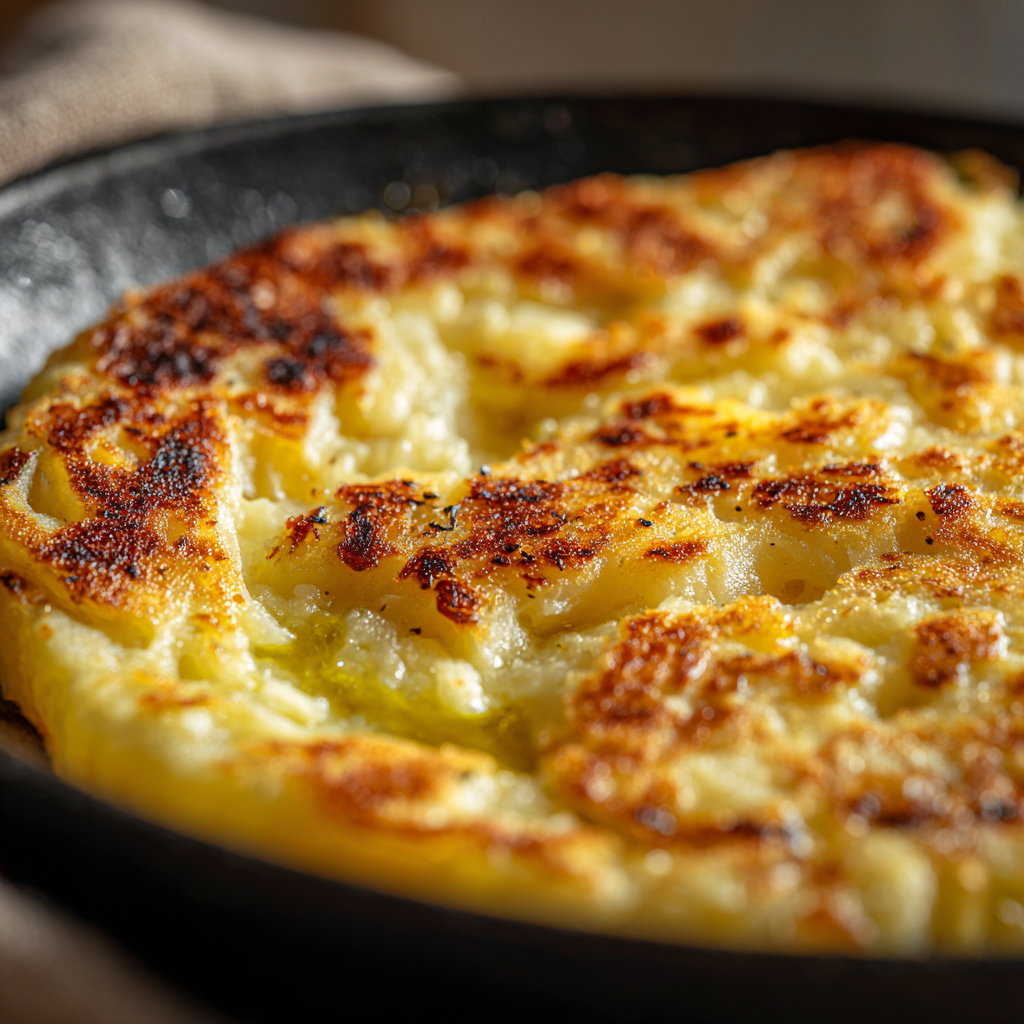
Flatten to a 3/4-inch layer and press so the bottom meets the pan. Brown 3–5 minutes per side for a blistered crust. If it sticks, add a tablespoon of oil and lower the heat.
- Rest 2 minutes before slicing to set the interior.
- For even browning, rotate the skillet during cooking.
| Step | Visual cue | Minutes |
|---|---|---|
| Sauté onion | soft translucent | 5–7 |
| Simmer potatoes | tender when pierced | 10–12 |
| Bind with cheese | cohesive mixture | 5–10 |
| Brown crust | golden bottom | 3–5 per side |
Serve it right: pairings, substitutions, and regional touches
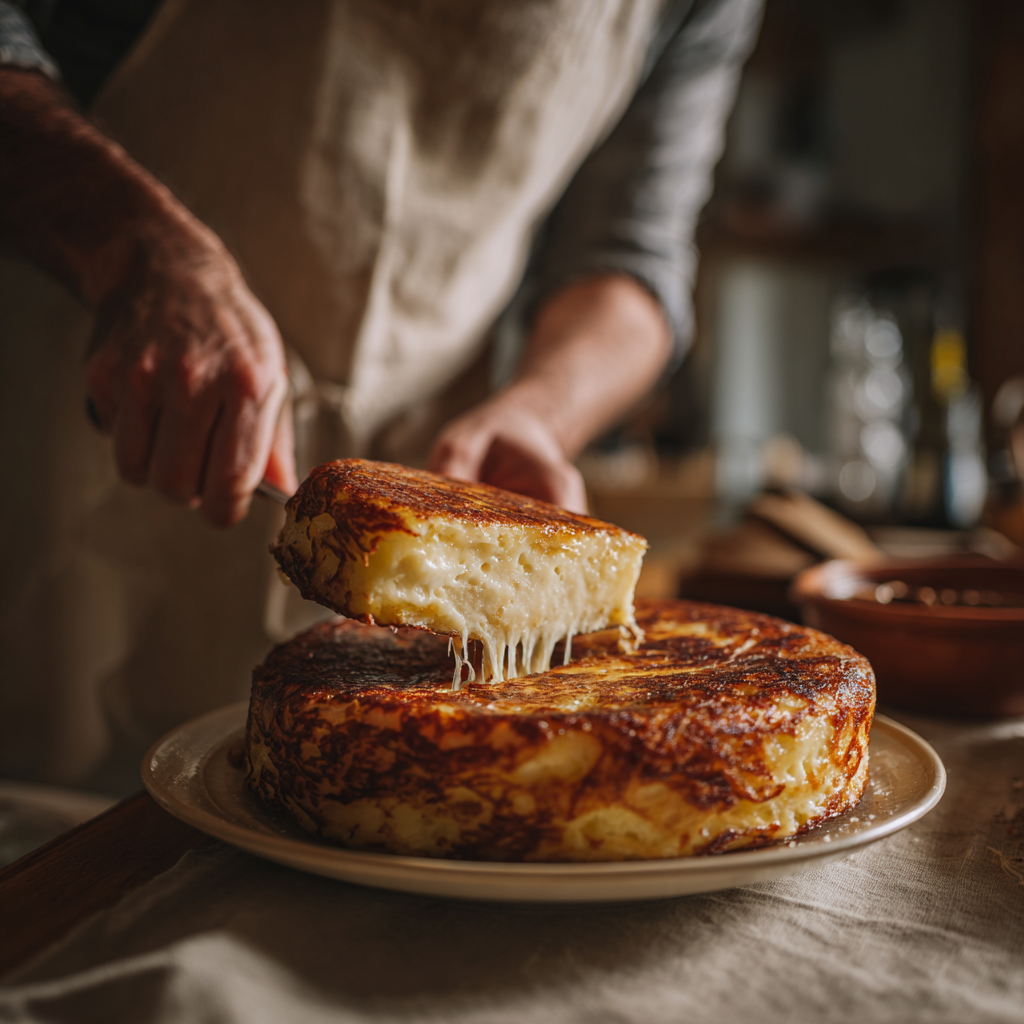
Serving well is about balance: a refreshing glass and a simple side lift the whole plate. I often reach for a Friulano from Colli Orientali. Its green-apple, pear, and quince notes cut through richness and clean the palate between bites.
If you prefer red, pick a light, juicy style. It keeps the texture lively and lets the onion sweetness shine. Watch how a white opens with air; it changes gently as you eat.
- Simple sides work best: bitter greens, roasted apples, or warm beans with herbs.
- Cheese swaps that honor the region: Gruyère or Comté for nutty depth, young Asiago for kinship, or fontina and sharp cheddar if that’s what you have at home.
- Cut options: grate for a tight layer, or dice for a chunkier, rustic bite. Two thin layers give lots of crisp edges.
- Make ahead: keep warm in a low oven and finish in the pan to restore the crust before serving.
Pairing and ingredient quick guide
| Category | Best choices | Effect on plate | When to use |
|---|---|---|---|
| Wine | Friulano (Colli Orientali), light red | Refreshes palate; highlights orchard fruit | With rich, melty slices |
| Cheese swaps | Gruyère, Comté, young Asiago, fontina, cheddar | Nutty to milky melt; shifts flavor intensity | When original cheese is unavailable |
| Tuber cut | Grated, small dice | Tighter layer vs. rustic bite | Texture control and browning goals |
Conclusion
Make this tonight: gather thin onions, good olive oil, young Montasio cheese or a solid substitute, and a nonstick pan. You’ll have dinner in under 40 minutes.
Brown each side 3–5 minutes over medium heat for a crisp crust and a soft center. Let the layer rest off the heat before slicing so the mixture holds together.
Season lightly at first. Taste, then add a final pinch of salt and a twist of pepper. For a clean flip, use a plate larger than the pan and refresh the bottom with a tablespoon of oil to re-crisp.
Serve wedges as a side with salad or wine, or make it the main dish when you want simple comfort food. Reheat in a pan over medium heat to keep that proud crust.
Frico Friulano (Potato and Montasio Cheese Skillet)
Ingredients
Method
- Heat 1 tablespoon of olive oil in a wide nonstick or well-seasoned skillet over medium heat.
- Add sliced onions and sauté until soft and translucent, about 5–7 minutes. Do not let them brown too much.
- Add diced or grated potatoes with a splash of water. Cover and let them cook gently for 10–12 minutes, stirring occasionally, until tender when pierced with a fork.
- Lightly mash the potatoes in the pan. Season with salt and pepper.
- Fold in the grated Montasio cheese (or substitute). Stir for 5–10 minutes, until the mixture comes together into a sticky, cheesy mash.
- Flatten the mixture into a round, about ¾ inch thick. Press down so the bottom touches the pan evenly.
- Cook over medium heat for 3–5 minutes, until the bottom forms a golden crust. Do not rush — this is where flavor builds.
- Place a plate over the skillet, invert the frico onto it, then slide it back into the pan to brown the other side. Add a bit more oil if needed.
- Cook another 3–5 minutes, until both sides are golden and crisp, and the center is soft and melty.
- Remove from heat and let rest 2 minutes before slicing. Serve warm in wedges.
Notes
- Use young Montasio (not aged) — it melts better and gives the authentic creamy texture.
- A nonstick or cast-iron skillet makes flipping easier and prevents sticking.
- For extra crisp edges, make two thinner fricos instead of one thick one.
- Best served with Friulano white wine or a light red.
- Reheat leftovers in a skillet over low–medium heat to bring back the crust. Avoid microwaving.