
Jump to Recipe
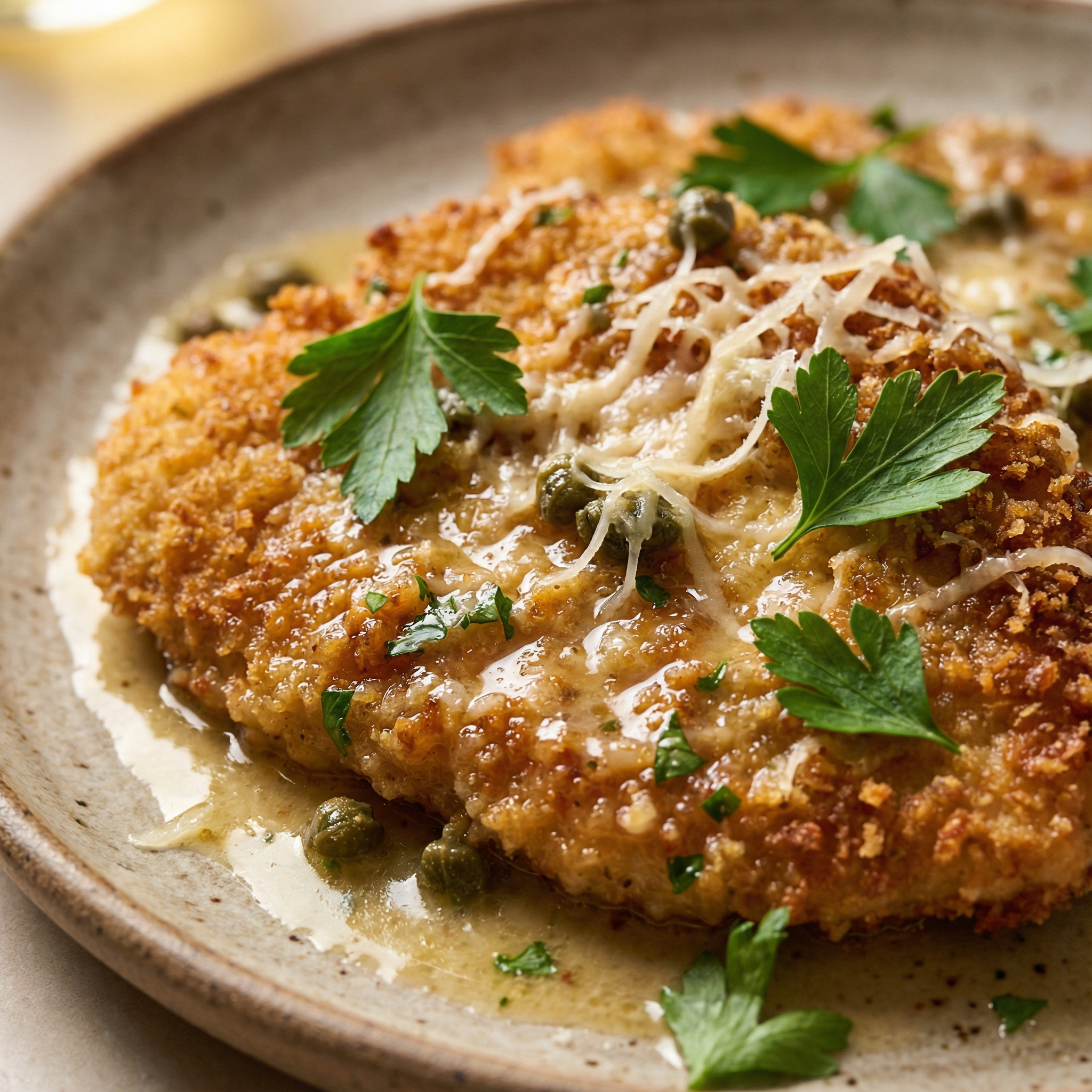
I keep a pan hot and a bottle of dry white wine at the ready, because simple transforms quickly into comforting. Thin, evenly pounded cutlets take a few fast sears and a short sauce reduction to reach golden, tender perfection.
I season plainly—salt, pepper, a whisper of garlic powder—and dredge lightly in flour so the crust browns without hiding the meat. I deglaze with wine or broth, add a splash of citrus, and finish the sauce with butter for silkiness you can spoon over every bite.
Small steps matter: pound evenly for quick cooks, test doneness with an instant-read thermometer, rest briefly, and garnish with parsley or a shower of grated parm. This is weeknight cooking that tastes like a neighborhood trattoria and sets a calm, confident rhythm for dinner.
Key Takeaways
- Pound cutlets evenly for fast, juicy results.
- Season simply and sear until golden for best texture.
- Deglaze with dry white wine or broth, reduce by half for body.
- Finish the sauce with butter and spoon it over the meat.
- Use an instant-read thermometer and rest the cutlets before serving.
Why this lemony chicken scallopini wins on a busy weeknight
Busy evenings are no match for a pan, a few pantry staples, and a confident technique. I show a simple sequence—pound thin cutlets, season, dredge, sear in butter and olive oil, then deglaze and reduce—that delivers big flavor fast.
Restaurant flavor in under 30 minutes
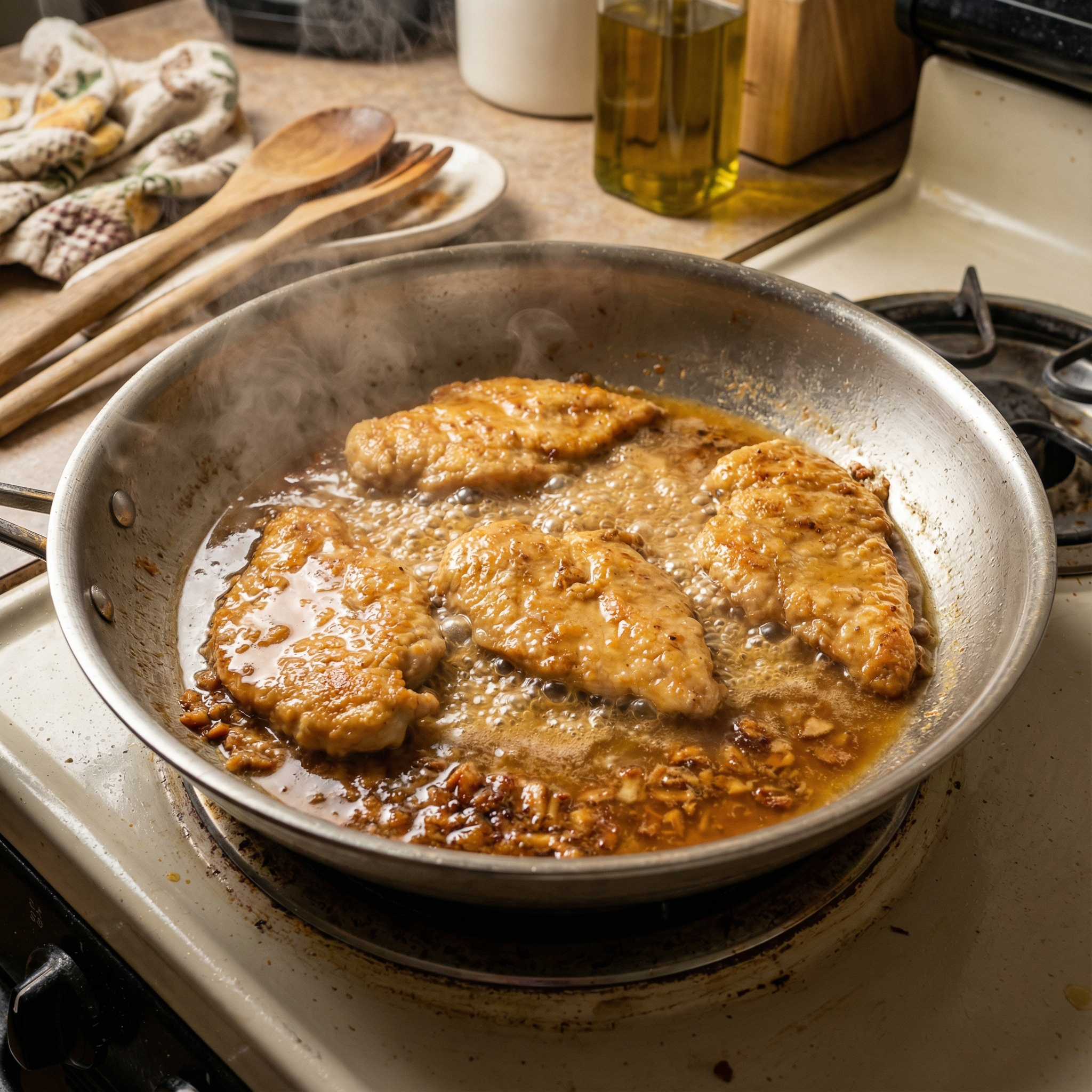
From prep to plate the classic approach runs just over half an hour. Searing in small batches keeps edges crisp and centers juicy. Deglazing the hot pan with wine or broth pulls up browned bits and concentrates savory depth into a glossy sauce.
Tender cutlets, bright sauce, minimal ingredients
Thin, even pieces cook quickly and make a high-protein dinner that feels special. The ingredient list stays focused: flour, olive oil, butter, garlic, citrus, and wine or stock—each element earns its place. Reduce the liquid by half, then mount the sauce with butter so the acidity reads sunny, not sharp.
I teach pacing too: sear, rest on a warm plate, finish the sauce, then return the meat. If you want a related weeknight classic, see my take on classic chicken marinara.
Ingredients that make the sauce sing
I lean on a short list of trusted items that build a glossy pan sauce fast. Each element plays a clear role: texture from a light flour dusting, browning from butter and oil, and brightness from citrus and acid.
Cutlets, flour, and the butter–olive oil duo
Thin cutlets take a thin coat of flour to encourage a golden crust that holds sauce. The butter–olive oil combo gives flavor and a higher smoke point so you can sear without burning the fat.
Lemon juice, dry white wine or chicken broth, and garlic
Fresh lemon juice brightens the sauce while 3/4 cup of wine or chicken broth reduces to a concentrated base. Garlic provides savory depth; use minced for aroma or powder for subtlety.
Optional adds and pantry swaps
Capers add briny balance; about 3 tablespoons work well. For creamier sauce, sauté onion and garlic, add 1 1/4 cups broth and 2/3 cup light cream, then thicken gently with a cornstarch slurry if needed.
- Parsley and a grating of parmesan finish with herb and umami lift.
- Substitute half-and-half for light cream, or use dried Italian herbs for a subtle Mediterranean note.
- Measure liquids: roughly 3/4 cup of wine or broth reduces to a glossy, coating sauce; finish by mounting with 2 tablespoons butter for silkiness.
| Purpose | Primary Ingredient | Swap |
|---|---|---|
| Deglaze & body | 3/4 cup wine | chicken broth |
| Finish & shine | 2 tbsp butter | extra oil or cream |
| Thicken (optional) | light cream + slurry | half-and-half + cornstarch |
Step-by-step: from cutlets to golden perfection
A hot skillet and a clear plan are all you need to turn thin cutlets into a golden, saucy main. I give precise cues—thickness, timing, and color—so you cook with confidence and get the same results every night.
Pound thin, season well, and dredge lightly
Halve breasts into even pieces and pound to about 1/2 inch. Season both sides boldly with salt pepper and a touch of garlic powder. Dredge in flour and shake off excess so the crust stays light and the sauce will cling.
Pan-fry in a hot skillet; keep batches moving
Preheat the pan until it gives off a faint shimmer. Add oil and a tablespoon of butter to steady the heat. Sear the first batch about 4 minutes on the first side, then 2–3 minutes on the second. Move in two batches to avoid crowding.
Deglaze, reduce, and finish the lemon butter sauce
Transfer the seared pieces to a warm plate and tent loosely with foil. Deglaze the pan with 3/4 cup wine or broth plus 1 tablespoon lemon juice, scraping the fond. Reduce by half, remove from heat, and swirl in 2 tablespoons butter for a glossy finish.
Return chicken, spoon over sauce, and garnish
Add chicken back to the pan, or place on the plate and spoon the sauce over each piece. Rest briefly, garnish with parsley and a light grating of parm, and serve while warm.
- Pound cutlets evenly to 1/2 inch.
- Season, flour, and preheat skillet.
- Sear as directed (4 minutes, then 2–3 minutes).
- Deglaze, reduce, swirl in butter, return meat, spoon sauce.
| Sear cue | Timing (minutes) | Visual signal |
|---|---|---|
| First side | 4 | Deep golden edge, ease of release |
| Second side | 2–3 | Firm but springy to touch |
| Reduction | Until half | Glossy, coats the back of a spoon |
Chicken scallopine with lemon recipe: classic and creamy variations
Deciding between a glossy wine reduction and a creamy finish is how I tailor this classic into the meal I want tonight. Below I compare two clear paths and offer simple tips for balance, substitutions, and plating.
Classic lemon-butter pan sauce
Deglaze the pan with 3/4 cup dry white wine or chicken broth and add 1 tablespoon lemon juice. Scrape the fond and reduce the liquid by half so it becomes glossy.
Remove from heat and swirl in 2 tablespoons butter. Garnish with parsley and a light grating of Parmesan for a clean, bright finish.
Creamy variation for comfort
Sauté a small onion and 1 clove garlic until soft. Add about 1 1/4 cups chicken broth and 2/3 cup light cream. Simmer until slightly thick.
If the sauce needs body, mix a teaspoon cornstarch with cold water and whisk in a little at a time. Season with dried Italian herbs and extra lemon to taste.
Capers and seasoning notes
Add about 3 tablespoons capers for a briny contrast. Use wine to boost aroma; use broth for a gentler, kid-friendly approach. Taste as you go and balance acid with butter or cream.
- Choose classic for a light, fast sauce that clings and shines.
- Choose creamy when you want a lush coat for pasta or rice.
- Reserve a cup of starchy pasta water to loosen creamy sauce while tossing.
| Variation | Key liquid | Finish |
|---|---|---|
| Classic | 3/4 cup wine or chicken broth | 2 tbsp butter, parsley, Parm |
| Creamy | 1 1/4 cups broth + 2/3 cup cream | Herbs, extra lemon, optional slurry |
| Piccata-style | Broth or wine + capers | Bright, briny lift |
Pro tips for juicy chicken and balanced acidity
Mastering a couple of timing and heat cues will keep your cutlets tender and bright every time. I rely on a quick thermometer check and clear reduction signs to avoid overcooking.
Target 165°F internal temperature without overcooking
Use an instant-read thermometer and pull each piece right at 165°F. Thin cutlets can go from perfect to dry in a minute, so test near the end of the final minutes of cooking.
Control heat, reduce by half, then mount with butter
Keep the skillet hot but never smoking; medium-high gives steady browning. Deglaze, simmer until the liquid reduces by half—look for slower, larger bubbles and a spoon trail—then remove from heat and swirl in butter to emulsify.
Adjust lemon juice, salt, and wine/broth to taste
Taste the sauce early. A squeeze of lemon juice sharpens, a pinch of salt opens flavors, and a small splash of wine or broth adds body. If the sauce tastes sharp, simmer another minute or whisk in a touch more butter.
- Use an instant-read thermometer and remove at 165°F to preserve juiciness.
- Keep skillet heat steady for quick browning without burning the garlic or fond.
- Reduce liquid by half before mounting with butter; this gives glossy texture.
- Rest the meat briefly while finishing the sauce to keep crust and juices intact.
| Cue | What to watch for | Action |
|---|---|---|
| First side sear | About 4 minutes, deep golden edge | Leave, then flip and cook remaining minutes |
| Reduction | Half volume, slower bubbles, spoon trail | Remove from heat, swirl in butter |
| Garlic aroma | Toasty, not bitter | Lower heat if it darkens; add liquid quickly |
What to serve it with: sides that love lemon
The right side choices let the sauce shine and make the whole plate feel balanced. I aim for contrast: a tender starch, a bright green, and a little crunch for texture.
Al dente pasta, rice, or zucchini noodles
Toss al dente spaghetti with a splash of reserved pasta water and the pan sauce, then nestle the cutlets on top. One cup of cooked pasta per person is a reliable baseline for a hearty dinner that still lets the sauce be the star.
For a lighter option, spiralize zucchini and briefly warm the zoodles. They pick up sauce quickly and keep the meal low carb.
Roasted broccoli, steamed vegetables, simple green salad
Roast broccoli until caramelized or steam green beans for crisp snap; either loves a spoon of sauce and an extra squeeze of lemon. A simple salad of arugula, shaved Parm, and good olive oil cuts richness and keeps the plate lively.
- Toss pasta and reserve a cup of cooking water to loosen the sauce as needed.
- Fluffy rice soaks up every drop; zucchini noodles keep things light.
- Warm your serving plate so the sauce stays glossy from pan to table.
- Toast garlicky breadcrumbs for crunch and scatter over pasta before serving.
| Side type | Why it works | Timing tip |
|---|---|---|
| Starch (pasta or rice) | Absorbs sauce, adds body | Cook just al dente; finish in sauce 30–60 sec |
| Vegetable (roasted or steamed) | Offers contrast and color | Roast at 425°F until caramelized, or steam 4–6 min |
| Salad or crunch | Refreshes the palate | Dress lightly just before serving |
Nutrition notes and smart substitutions
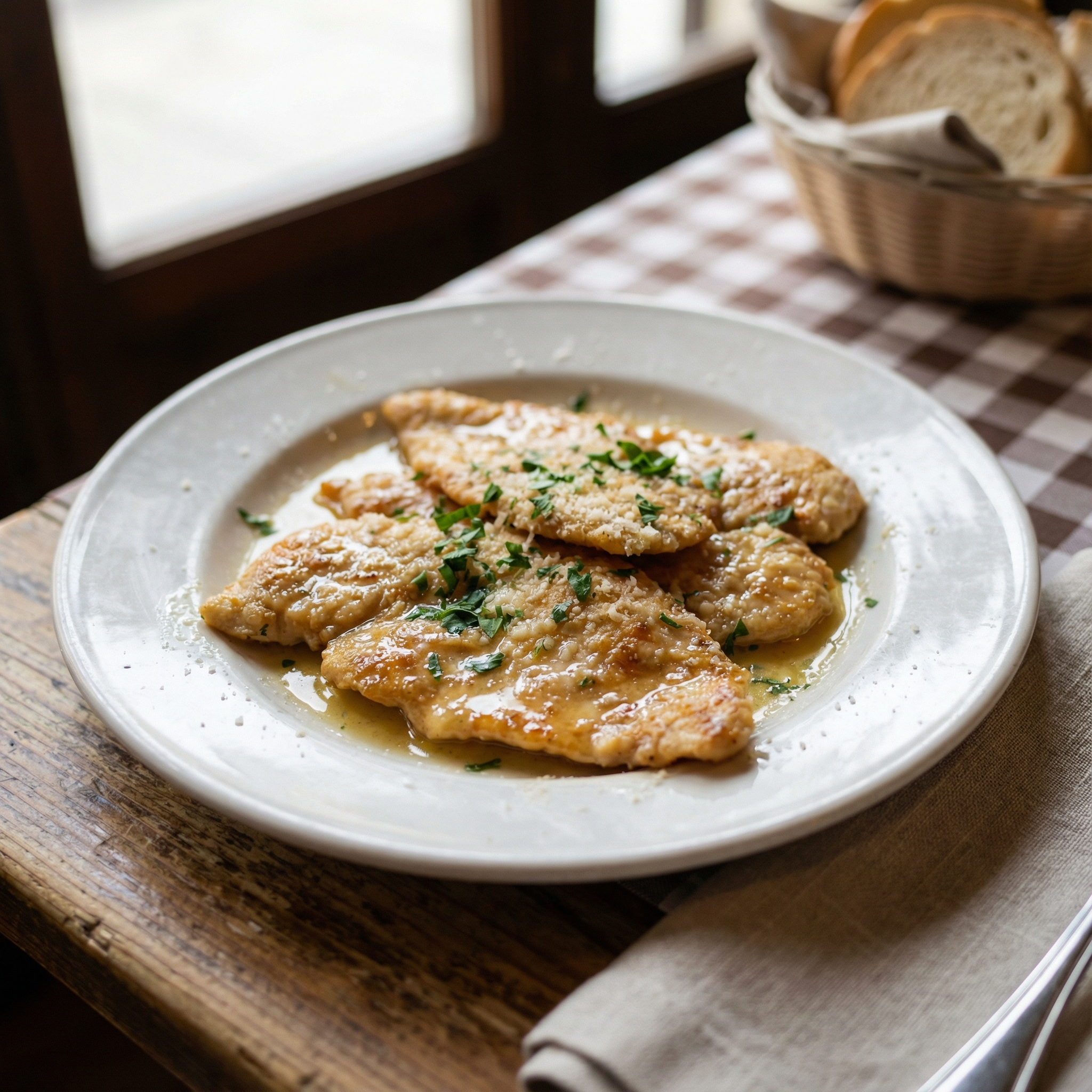
I lean on honest numbers so you can enjoy this high-protein dinner without guesswork. A lightly floured, pan-seared portion often lands in the lower 300-calorie range and delivers roughly mid-20 grams of protein per serving.
.
Flexible fat and dairy options
If you want to trim fat, I use less butter in the sauce or finish with extra-virgin olive oil for richness that feels lighter. For a creamier finish, swap light cream for half-and-half and thicken with a teaspoon of cornstarch.
Gluten-free and low‑carb paths
Skip the flour dredge for a keto-friendly plate; good heat and careful searing still give excellent browning. For gluten-free cooks, a fine rice flour works well. Capers add briny interest without carbs.
- This is naturally high in protein thanks to lean chicken breasts and modest portions.
- Broth-based finishes keep sodium and fat controllable—use chicken broth or a small splash of wine for aroma.
- Add a squeeze of citrus and fresh herbs for brightness and vitamin-rich greens on the side.
| Goal | Swap | Why |
|---|---|---|
| Lower fat | Less butter / olive oil | Retains silkiness with fewer calories |
| Lower carbs | Skip flour | Preserves browning; fits low‑carb diets |
| Light creaminess | Half-and-half + 1 tsp cornstarch | Fewer calories, gentle body |
Cook it tonight and make it your signature weeknight dinner
Tonight, let this simple pan method become your go‑to for fast, elegant dinners. I slice breasts in half, pound them thin, season with salt and pepper, and sear in a hot skillet in butter and oil so edges deepen to golden in minutes.
Deglaze the pan with a splash of wine or broth plus fresh juice, reduce by half, then swirl in butter for a glossy sauce. Return the cutlets, spoon the sauce over each plate, and finish with parsley—simple, bright, and satisfying.
If you prefer a creamy take, sauté extra garlic, add light cream, and simmer until it coats the back of a spoon. Taste, tune salt and acid, and serve on warm plates; this scallopine recipe will become a house favorite in no time.
Bookmark this post, save the links to the tools you like, and cook it tonight—confidence grows in the kitchen one pan at a time.
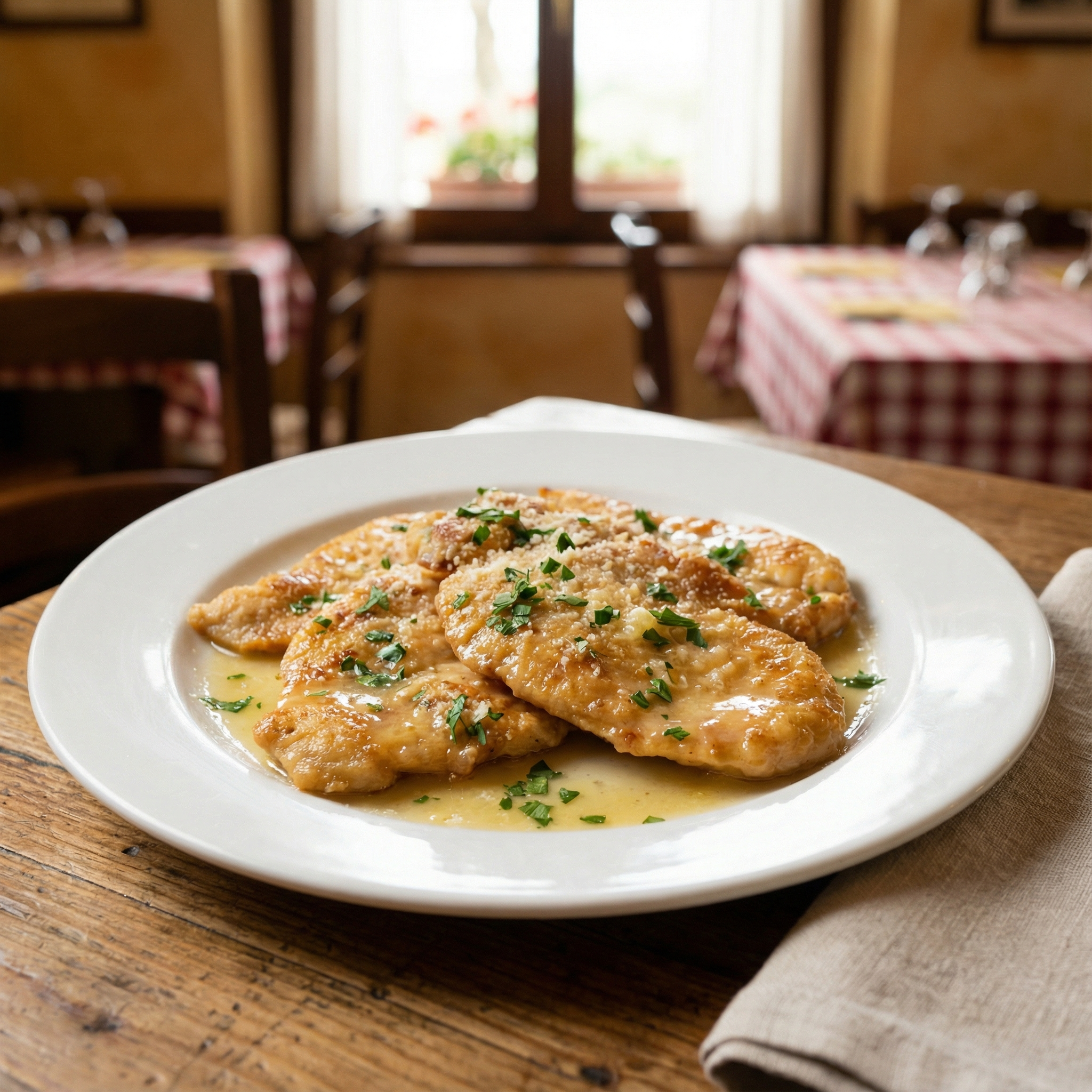
Lemony Chicken Scallopini (Chicken Scallopine)
Ingredients
Method
- Slice each chicken breast in half horizontally. Pound each piece evenly to about ½ inch thick.
- Season both sides with salt, pepper, and a small pinch of garlic powder. Lightly coat in flour and shake off excess.
- Heat a large skillet over medium-high heat. Add olive oil and 1 tablespoon butter. The pan should shimmer, not smoke.
- Cook in batches. Sear chicken for 4 minutes on the first side, then 2–3 minutes on the second side, until golden and cooked through.
- Transfer to a warm plate and loosely cover with foil.
- Pour in wine or broth and add lemon juice. Scrape up the browned bits. Let it simmer and reduce by half.
- Remove pan from heat. Swirl in the remaining 2 tablespoons butter until glossy.
- Add chicken back to the pan or spoon sauce over plated chicken. Rest 2 minutes.
- Finish with parsley, Parmesan, and capers if using.
Notes
- Pound chicken evenly so it cooks fast and stays juicy.
- Use an instant-read thermometer and remove at 165°F (74°C).
- Reduce the sauce fully before adding butter—this keeps it silky, not sour.
- Rest the chicken briefly so juices stay inside.
- Serve with pasta, rice, or roasted vegetables to catch the sauce.