Jump to Recipe
I grew up watching my Nonna turn simple fruit into something that felt like a small celebration. The kitchen would smell of warm butter and soft sugar, and I’d learn how slow color and gentle heat coax out deep, honeyed notes from firm fruit.
Years of practice taught me two reliable paths: the rustic cast-iron upside-down method and a quicker puff pastry approach that still yields flaky layers. I prefer Bosc when I can find them—firm enough to hold shape, tender after a careful 10–25 minute caramel stage on the stovetop.
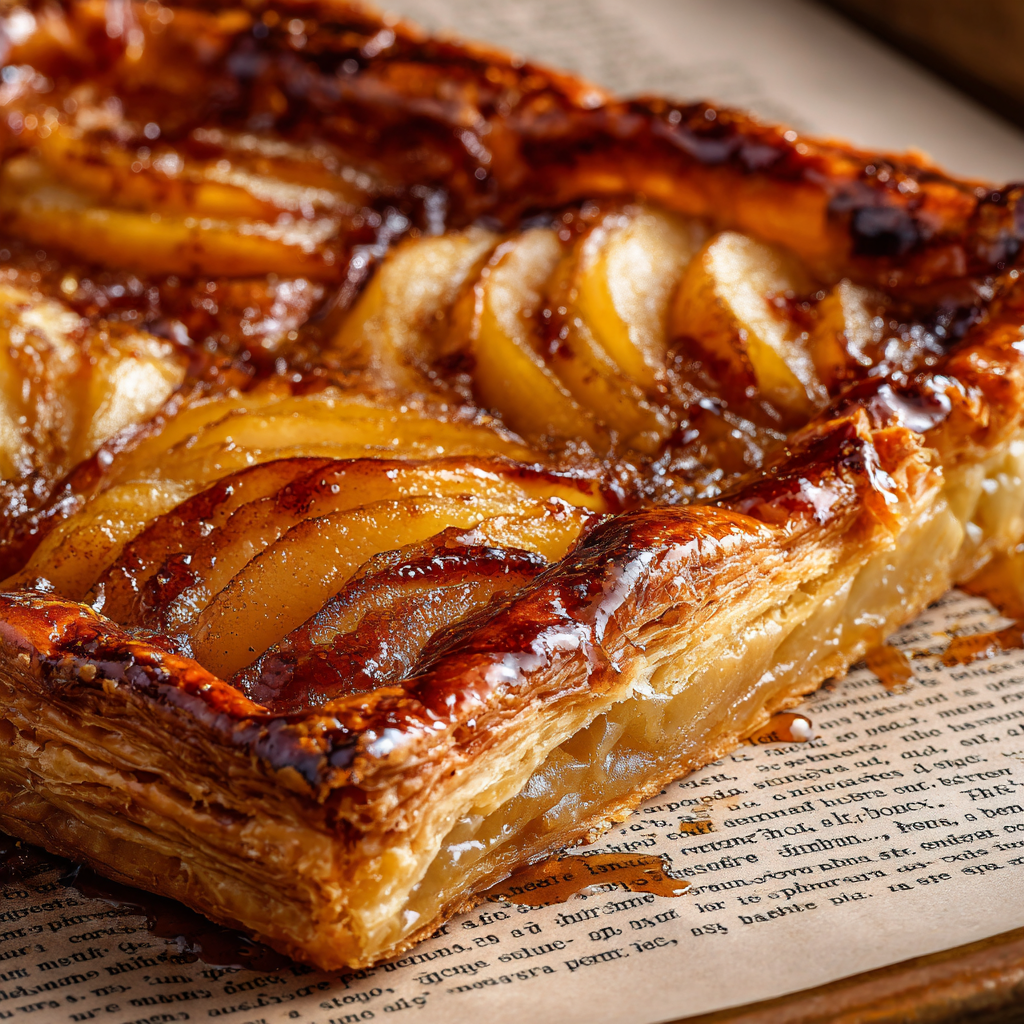
Timing matters: chill dough at least an hour, bake the classic at 425°F for about 30–35 minutes, invert after five minutes, and let the glossy top settle before slicing. For a weeknight, puff pastry at 375–400°F with an egg wash and scored border gets you bakery looks without fuss.
Along the way I’ll share how to read caramel color, avoid burnt sugar, and keep pastry crisp by drawing off excess juices. Serve warm with a spoon of ice cream or a dusting of sugar for a simple, shareable dessert that feels like family.
Key Takeaways
- Choose firm fruit (Bosc if available) for best texture and flavor.
- Two methods: cast-iron upside-down for depth, puff pastry for speed.
- Chill dough at least one hour and follow bake temps exactly.
- Watch caramel color closely—10–25 minutes on the stove is typical.
- Invert after 5 minutes to release cleanly and serve warm or at room temperature.
Why this Italian-leaning pear tart wins on flavor, texture, and ease
There’s a simple alchemy in slow sugar and warm butter that turns fruit into a memorable finish. When you coax natural juices into a deep golden caramel, the fruit’s acidity and perfume concentrate. That creates a dessert that’s rich but never cloying.
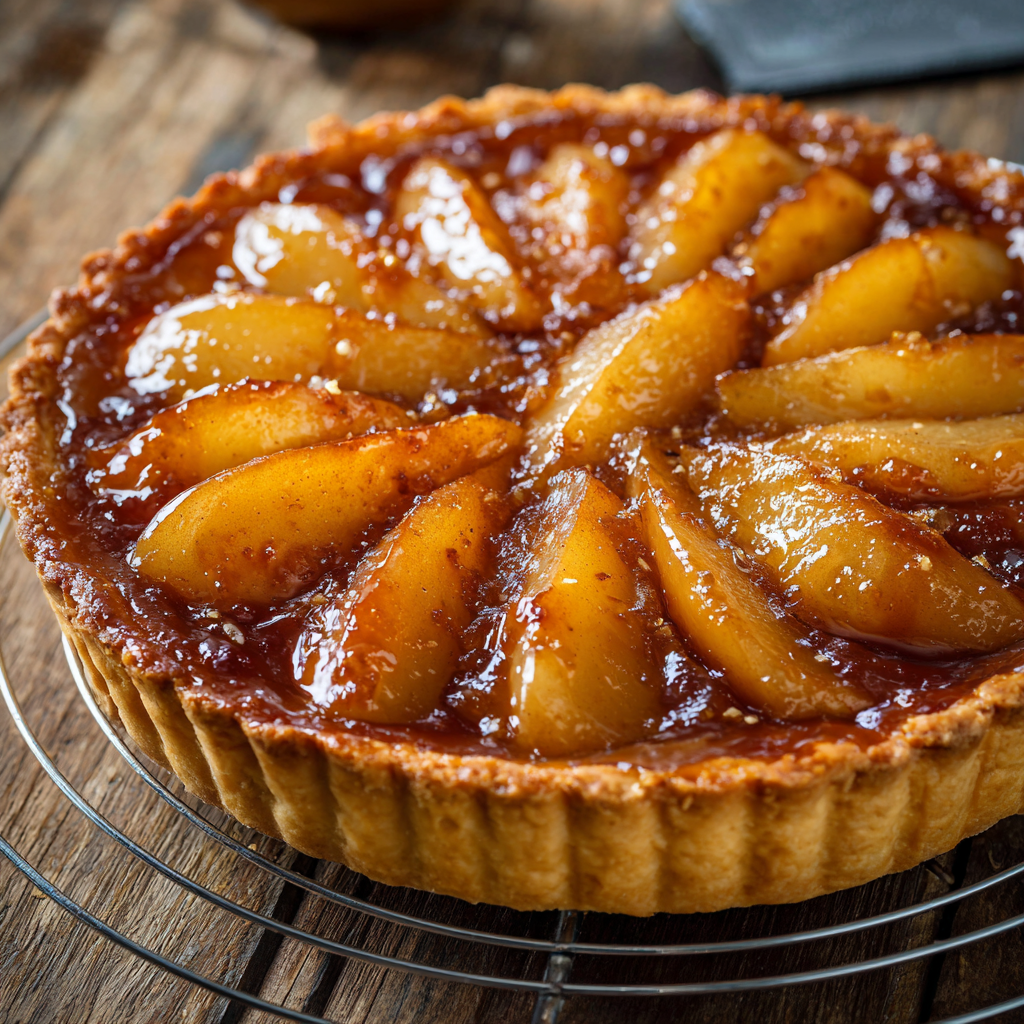
Texture is the conversation between juicy fruit and crisp pastry. Firm-ripe pears hold shape through a 30–35 minute bake at 425°F, while puff versions need about 30 minutes at 375°F or 18–20 minutes at 400°F. Start with slightly firm fruit and chill the dough well so the crust lifts and shatters just right.
I like methods that fit real life: make a butter crust when you have extra time, or use all-butter puff to cut hands-on minutes without losing depth. Prep pears while the dough chills, set racks and preheat before you start caramel, and build in your skillet or on a lined sheet to save cleanup.
- Watch color, aroma, and bubble size in the pan—those cues tell you more than the clock.
- Butter gives flavor and structure; handle dough cold to keep layers light.
- Serve warm for the best contrast; a hint of cinnamon or citrus zest can lift the base without stealing the show.
Ingredients, pears, and gear you’ll need for an authentic result
A few thoughtful choices at the start save time and lift flavor in every bite. Below I lay out the core ingredients, which pastry path to pick, and the small tools that make a big difference.
The pastry path
Classic dough: 1 1/4 cups flour, 6 tbsp cold unsalted butter, 2 tbsp shortening, 1/4 tsp salt, 2–4 tbsp ice water; chill at least 1 hour. Work the fat into the flour until the mixture looks like coarse meal with pea-sized bits.
For a quicker approach, use all-butter puff pastry. Let it thaw until pliable but still cool, score borders, dock, egg wash, and chill briefly on a parchment-lined sheet for best lift.
Choosing fruit with confidence
Bosc holds shape, Bartlett gives perfume, and Anjou sits in between. Peel, core, and slice about 1/4 inch for even cooking. Aim for fruit that yields slightly at the neck, not soft.
Small tools that matter
- 9–10 inch cast iron pan for stovetop-to-oven work.
- Sharp knife for clean slices and a parchment-lined baking sheet for puff versions.
- Cooling rack to keep the underside crisp and a cool surface for rolling dough.
| Item | Purpose | Classic Dough | Puff Option |
|---|---|---|---|
| Flour | Structure | 1 1/4 cups | Use for dusting surface |
| Unsalted butter | Flavor & lift | 6 tbsp cold | All-butter commercial sheet |
| Pan / Iron skillet | Caramel & oven finish | 9–10 inch cast iron | Use a parchment-lined sheet |
| Knife / Tools | Slicing & shaping | Sharp knife, cooling rack | Scoring tool, egg wash brush |
Caramelized Pear Tart Italian Style Recipe
Start by organizing your station so every step flows, from chilling dough to the final flip. I like to make the dough first so it rests while I prep fruit and set the oven racks.
Prep smart: timing, chill windows, and preheat
Preheat oven to 425°F for the upside-down pan method; set a rack in the middle. If you use puff pastry, plan for 375°F (about 30 minutes) or 400°F (18–20 minutes). Keep butter and flour cold and chill dough at least one hour.
Make deep-golden caramel in an iron pan
In a 9–10 inch cast iron pan, melt 1/4 cup butter over steady heat. Add 1/2 cup sugar and a small pinch of cinnamon. Watch the bubbles tighten and color deepen—this aroma shift is your cue. Cook 10–25 minutes, moving the pan if spots darken too fast to avoid burning.
Build the base: dough or puff pastry
For classic dough, roll a round slightly larger than the skillet and drape it over the fruit, tucking edges down. For puff, roll, score a border, dock the center, egg wash, chill briefly, and nestle slices inside the frame.
Bake, unmold, and finish
Bake until pastry is golden brown and juices bubble at the edge. In cast iron at 425°F expect 30–35 minutes. Rest 5 minutes, then invert onto a plate in one confident motion so the syrupy topping stays put.
Cool on a rack and serve
Transfer to a rack so steam escapes and the base stays crisp. Let the tart settle before slicing for clean wedges. Serve warm for best contrast, or at room temperature if you prefer a thicker set.
| Step | Temperature / Time | Key Sensory Cue | Pro Tip |
|---|---|---|---|
| Preheat & setup | 425°F (cast iron); 375–400°F (puff) | Oven reaches stable heat | Set middle rack; chill dough while prepping |
| Caramel in pan | 10–25 minutes on steady heat | Bubbles tighten, aroma turns nutty | Move pan to avoid dark spots; don’t walk away |
| Assemble pastry | Roll to size; chill briefly | Edges draped or scored cleanly | Tuck edges for classic; dock center for puff |
| Bake & invert | 30–35 minutes (cast iron) | Golden brown crust; bubbling juices | Rest 5 minutes, then flip confidently onto plate |
Pro tips, bake times, and troubleshooting for perfect pears and caramel
A few practiced moves—timing, temperature, and a cool hand—keep the top shiny and the base crisp. These are small, reliable steps I use every time I’m baking.
Ripeness rules
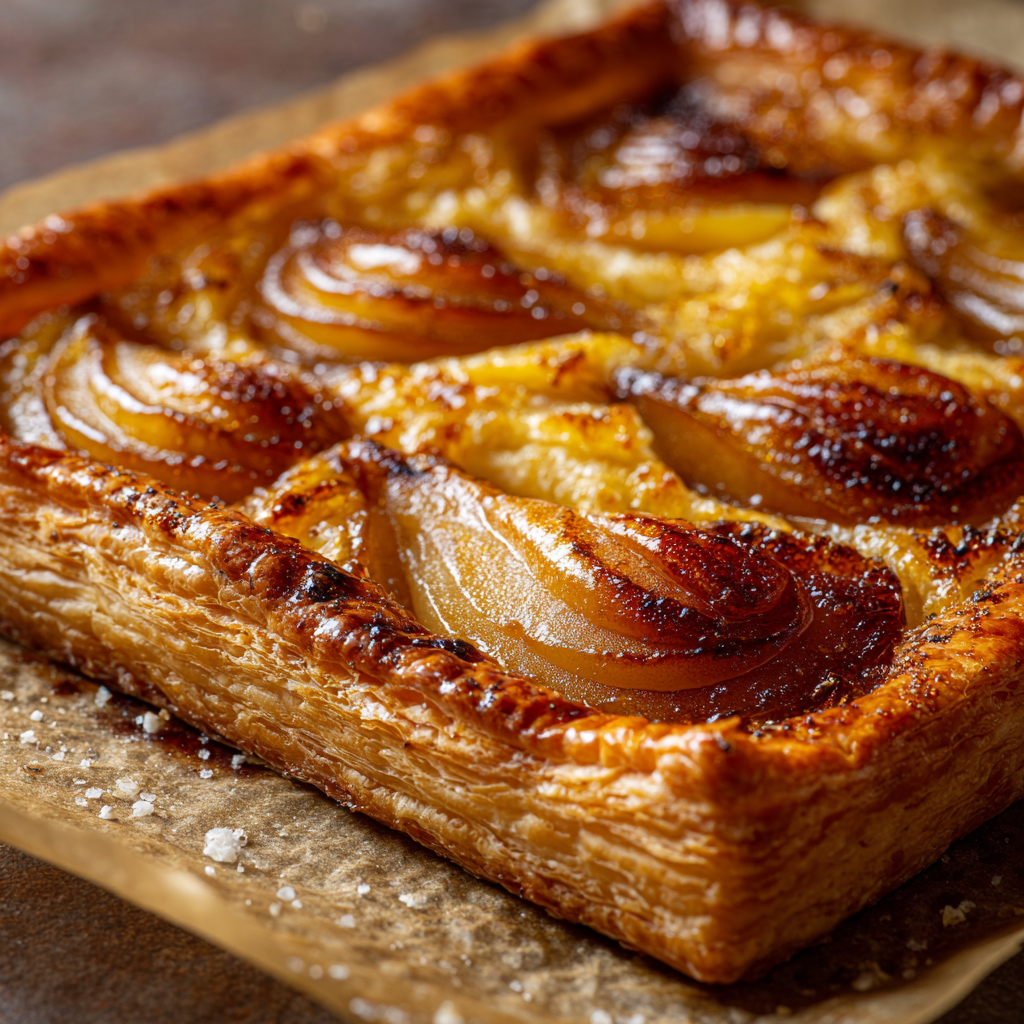
Aim for fruit that yields just slightly at the neck. In a high-heat bake of about 30–35 minutes at 425°F, slightly firm pears relax to tender without collapsing or flooding the pastry.
Avoid soggy pastry
Score a border and dock the center so steam vents. If your pears are juicy, toss the slices with a pinch of sugar and let them rest on a sheet to draw off excess moisture.
- Keep pastry cold: assemble quickly, then chill the tray 10–15 minutes so the fat stays laminated and rises cleanly.
- Place your pan on the middle rack for even color; rotate once if needed for a uniform golden brown finish.
- Use a sharp knife to score about 1/4 inch to encourage edge rise without cutting through layers.
| Problem | Cause | Fix |
|---|---|---|
| Bitter caramel | Overcooked to dark amber | Lower the heat next time and watch color and aroma, not the clock |
| Soggy base | Excess fruit juice | Drain slices on a sheet; score border; chill before baking |
| Tight caramel after bake | Sugar set as it cools | Whisk in a spoonful of warm cream slowly to loosen |
| Soft leftovers | Steaming in microwave | Re-crisp on a rack at 300°F for 10–15 minutes |
One extra step—chill, drain, or rest—usually saves the bake. Little adjustments give big rewards, and they make baking more joyful and predictable. Buon appetito!
Flavor twists, serving ideas, and make-ahead strategy
With a couple of confident strokes—sauce, salt, and a single scoop—you can highlight the fruit and the pastry together. Below I share two easy sauce paths, a few finishing touches, and clear storage tips so your bake shines at the table.
Salted shortcut vs. whisky caramel sauce
For a fast salted caramel effect, scatter brown sugar, a teaspoon of heavy cream, and a pinch of sea salt over the slices before baking. The oven does the work; a glossy sauce forms without a separate pan.
For a deeper, grown-up note, brush a thin whisky caramel over the top before baking and add a little more right after the tart comes out. Reheat leftovers at 300°F for 12–15 minutes to revive crispness.
Finishing touches and serving ideas
- Whisper of cinnamon for warmth—keep it light so the fruit stays the star.
- Serve with a small scoop of vanilla ice to get that hot-cold contrast guests love.
- Or offer a cloud of whipped cream for a softer finish and a dusting of powdered sugar for a patisserie look.
- Arrange individual tarts on a dessert board and fan the slices for an elegant, easy portioning trick.
| Method | Speed | When to Use |
|---|---|---|
| Salted shortcut | Fast (no stovetop) | Weeknight bakes or last-minute guests |
| Whisky caramel | Moderate (brush before/after) | Special occasions, deeper flavor |
| Storage & reheat | 2–3 days refrigerate | Re-crisp at 300°F for 12–15 minutes |
Plan puff pastry for last-minute baking; assemble and chill, then bake just before serving. Keep stored bakes loosely covered in the fridge. I like to avoid plastic wrap so the top keeps its shine and the base breathes. Buon appetito!
From your oven to the table: bake it today and share the love
Gather a pan or a lined sheet, pick the classic upside-down path or the quick puff pastry way, and preheat oven so you start calm and ready. I like to have a rack set and ingredients measured before the fat meets heat.
For the upside-down tart, bake about 30–35 minutes at 425°F, rest 5 minutes, then invert and serve warm or at room temp. Puff pastry versions brown and lift in 18–30 minutes depending on oven temperature—watch the top and aroma, not just the clock.
Place finished pastry on a rack so steam escapes. Leftovers re-crisp on a rack over a sheet at 300°F for 10–15 minutes. If you want another take, see my light ricotta option for a similar pear ricotta tart here: pear ricotta tart.
Read the full instructions once, trust your senses, and share the result. Bake now, pass plates, and enjoy the quiet applause of a simple, well-made dessert.
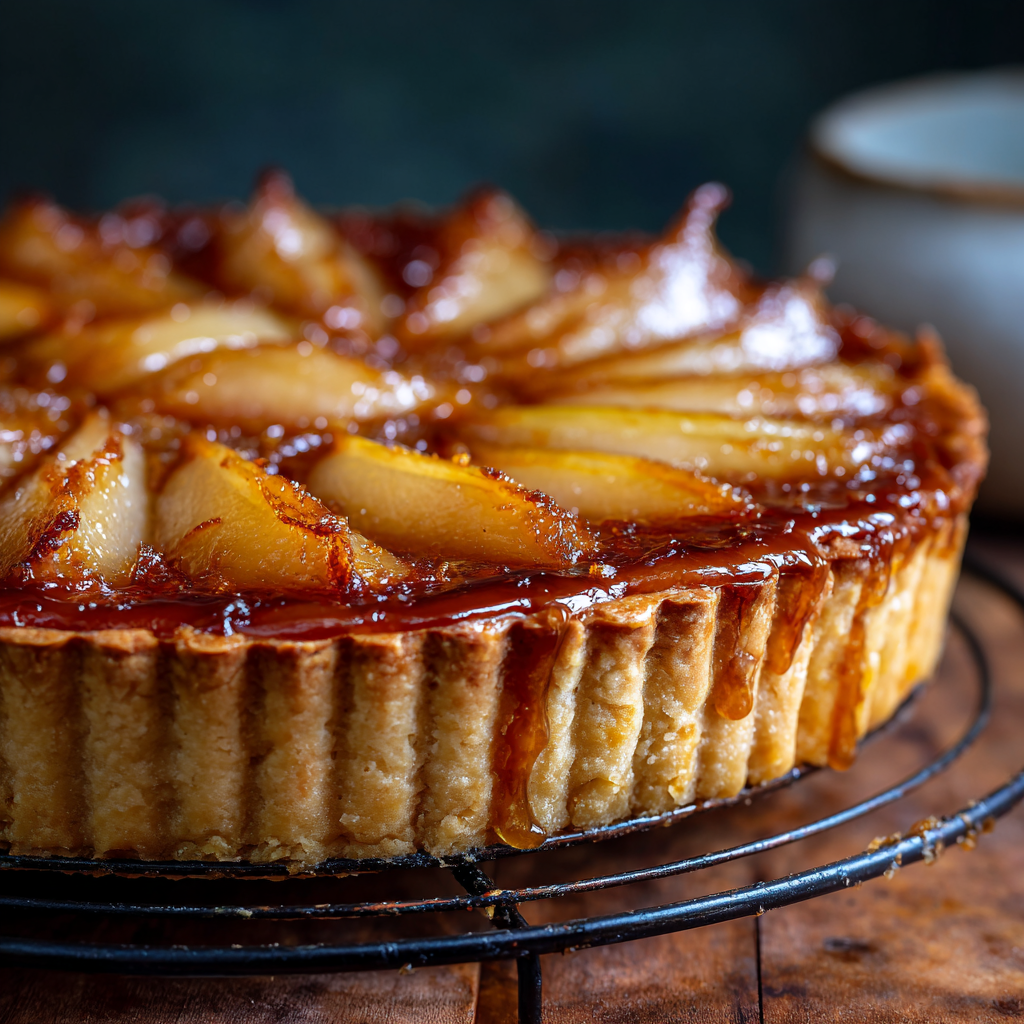
Caramelized Pear Tart Italian Style
Ingredients
Method
- In a bowl, combine flour, salt, and cold butter. Work the butter into the flour until it resembles coarse crumbs.
- Add ice water, a tablespoon at a time, until the dough comes together.
- Chill the dough in the fridge for at least 1 hour.
- Preheat the oven to 425°F (218°C) for the cast-iron method or 375°F (190°C) for puff pastry.
- In a 9–10 inch cast iron skillet, melt butter over medium heat.
- Add sugar and cinnamon. Cook for 10–25 minutes, stirring occasionally, until the caramel turns a deep golden brown. Watch for the bubbles to tighten and the color to darken.
- Remove from heat once the caramel is ready.
- If using classic dough: Roll it out into a round shape slightly larger than the skillet, drape it over the fruit, and tuck the edges.
- If using puff pastry: Roll it out, score a border around the edges, dock the center, and place the pear slices inside the scored border.
- For classic dough: Place the skillet in the oven and bake for 30–35 minutes at 425°F, until the pastry is golden and bubbly.
- For puff pastry: Bake for 18–20 minutes at 400°F, or 30 minutes at 375°F, until golden brown.
- Let the tart rest for 5 minutes before flipping it onto a plate. The caramel should settle beautifully on top.
- Transfer the tart to a cooling rack and let it cool for a few minutes. Slice and serve warm or at room temperature.
Notes
- For best texture, use firm pears like Bosc, which hold their shape during the baking process.
- If you prefer a lighter option, use puff pastry as it requires less hands-on time.
- Serve warm with a scoop of vanilla ice cream or lightly whipped cream for an extra indulgent treat.
- For a quicker preparation, opt for puff pastry and enjoy the same crispy texture without the wait.