
Jump to Recipe
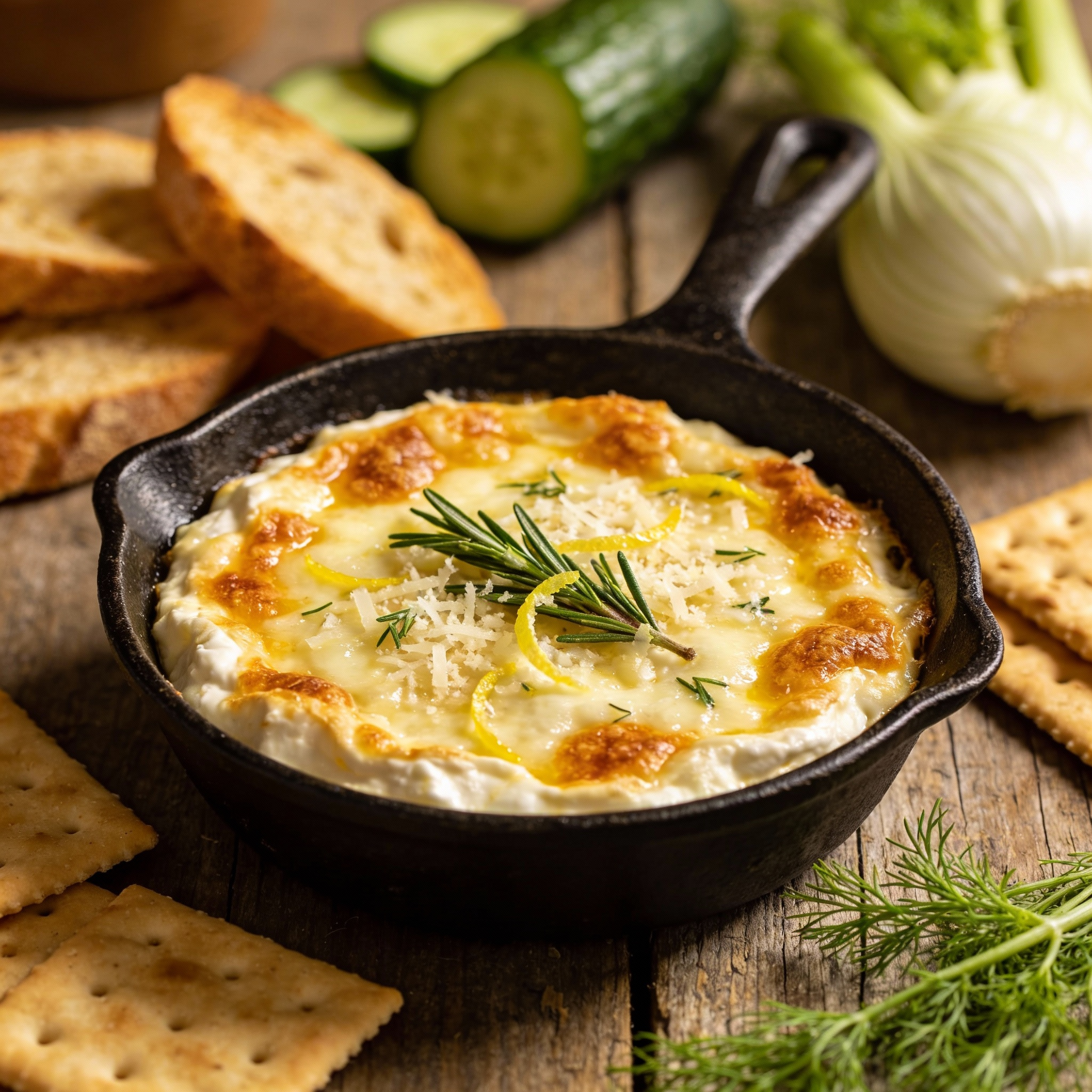
I warm the skillet until the kitchen smells like garlic and lemon, and I think of friends crowding a small table. The creamy base lifts with a bright squeeze of lemon and an earthy snag of rosemary, and that first golden spoonful always quiets the room.
Start by whipping ricotta cheese with olive oil, lemon juice, a smashed clove of garlic, and chopped rosemary until airy. Season with salt and pepper, then spread the mix in a 6-inch cast-iron skillet and top with shredded mozzarella and Parmesan for a bronzed finish.
Bake at 400°F for 15 minutes, then broil 5 minutes until bubbling and brown. Let it rest 5–10 minutes so the center sets; this keeps the texture scoopable without running.
Serve with toasted baguette, crostini, crackers, or fresh veggies. Leftovers keep 5–7 days in an airtight container; reheat at 400–425°F until bubbly to regain that just-baked charm.
Key Takeaways
- Whip the ricotta until light to avoid a heavy, grainy texture.
- Use a 6-inch cast-iron skillet for even heat and a pretty crust.
- Bake then broil: 400°F for 15 minutes, broil 5 minutes for color.
- Rest 5–10 minutes before serving so it holds its shape for guests.
- Serve with bread, crackers, or raw veggies for balance and crunch.
Why this Italian-style ricotta dip wins on flavor and simplicity
I aim for contrast: a quick bake then a fast broil turns simple curds into a golden, spoonable centerpiece. This method gives you a warm, creamy interior with a blistered top that crackles when you dig in.
Whipping ricotta with a splash of oil loosens the curds, adding air so the texture feels rich without heavy fat. Lemon brightens the dairy; garlic adds savory depth. Fresh herbs—thyme, parsley, or rosemary—bring garden aroma that pairs with melted cheese on top.
Timing matters: a 400°F oven for 15 minutes followed by about 5 minutes under the broiler develops the color and scent without drying the center. Season early with salt and pepper so the base tastes balanced before it goes in.
- A pinch of red pepper or pepper flakes at the finish wakes the palate.
- Serve warm with toasted bread for a crowd-pleasing appetizer.
Technique at a glance
| Step | What it does | Result |
|---|---|---|
| Whip with oil | Loosens curds, adds air | Smoother, lighter texture |
| 400°F for 15 minutes | Sets center gently | Creamy interior |
| Broil ~5 minutes | Browns top quickly | Golden, crackling top |
| Finish with herbs & pepper | Adds aroma and heat | Balanced, layered flavor |
Ingredients that make the flavor pop
I reach for whole-milk ricotta first, because the texture sets the tone for everything that follows. If the container looks watery, I drain it in a fine strainer over a bowl for an hour or two to tighten the curds and concentrate the taste.
Core cheeses
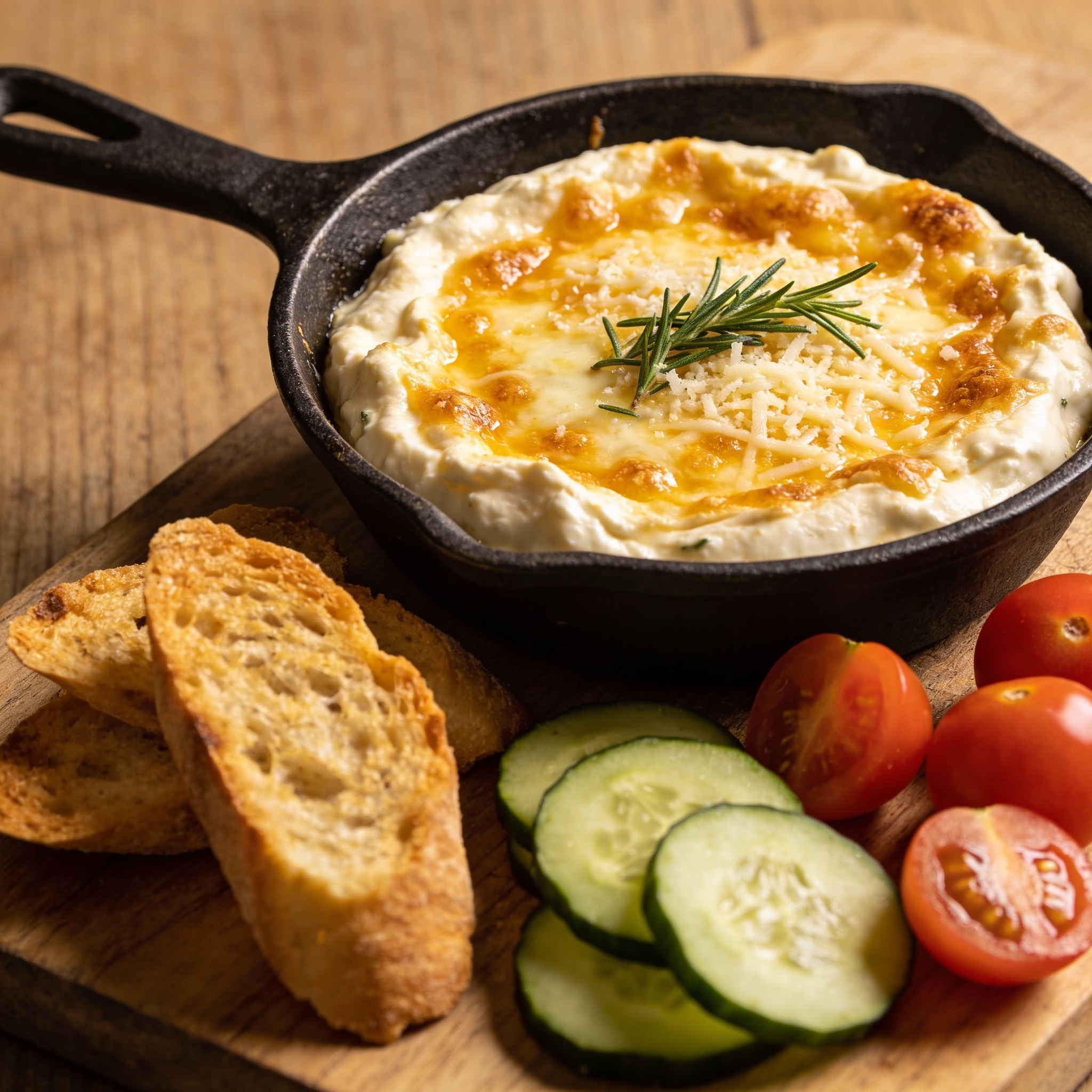
Mozzarella gives that beautiful stretch; parmesan (or Romano) brings nutty, savory depth. Combine the two for melt and sharpness that top the creamy base with contrast.
Fresh aromatics and zest
Minced garlic and lemon zest brighten the base without overpowering it. Fresh herbs—rosemary, basil, parsley, or thyme—add aroma and lift; add most at mixing, save a little for the finish.
- A spoonful of olive oil helps the mix whip smoother and carries aromas.
- A measured pinch of salt and pepper balances the dairy; a little red pepper flakes adds gentle warmth.
- Optional add-ins like halved cherry tomatoes or sliced olive bring acidity and brine to cut richness.
| Ingredient | Role | Amount (approx.) |
|---|---|---|
| Whole-milk ricotta | Base, creaminess | 1 to 1½ cup |
| Mozzarella + Parmesan | Melt + savory bite | ½ cup shredded + 2 tbsp grated |
| Garlic, lemon zest, herbs | Brighten and perfume | 1 clove, 1 tsp zest, 1–2 tbsp herbs |
| Olive oil, salt, pepper, red pepper flakes | Texture, seasoning, heat | 1–2 tbsp oil, pinch salt & pepper, dash flakes |
Taste the mix in a bowl before it goes into the dish and adjust. For ideas on serving and pairings, I also like to reference related crowd-pleasers like this cheesy casserole variation: cheesy million-dollar ravioli casserole.
baked ricotta dip italian style recipe
I set the oven to 400°F and let the warmth steady my pace. While it preheats, I lightly oil a 6‑inch cast‑iron skillet or shallow baking dish so the edges brown and the dish releases cleanly.
Whip the cheese base
In a bowl, whisk about 1 to 1½ cup ricotta with a drizzle of oil, a squeeze of lemon and a little zest, plus finely minced garlic. Add half the chopped rosemary and whisk until smooth and airy.
Season with salt and pepper so the flavor is even throughout the mix.
Layer, bake minutes, then broil for color
Spread the mixture evenly about 1 to 1½ inches deep. Scatter shredded mozzarella and a sprinkle of grated Parmesan over the top.
Bake 15 minutes, then broil about 5 minutes until the top is golden and bubbling. Watch closely—broilers vary and color can develop in minutes.
Finish and rest for perfect scoopability
Remove from the oven, finish with the remaining herbs and a whisper of zest if you like. Let rest 5–10 minutes so the center firms but stays scoopable.
- To reheat: return to a 400–425°F oven until the cheese re-melts and center is hot.
| Step | Temp | Time | Sensory cue |
|---|---|---|---|
| Preheat and oil | 400°F | — | Skillet gleams, oven steady |
| Whip base in bowl | room | 2–3 minutes | Smooth, airy texture |
| Bake then broil | 400°F / broil | 15 min / ~5 min | Golden, bubbling top |
| Rest before serving | cooling | 5–10 minutes | Holds shape, scoopable |
Pro tips for perfect texture, browning, and timing
I keep this section short and practical. Control moisture, dish depth, and oven minutes, and you avoid the common pitfalls that turn a good batch into a soggy or scorched one.
Drain and choose dish depth
If your ricotta looks loose, drain it in a fine strainer over a bowl for a couple of hours. Starting with drier cheese is the single best way to improve texture and stop pooling.
Aim for a 1 to 1½ inch layer in the dish. Too thick and the center won’t heat through in the listed time. Too thin and it dries before the top browns.
Skillet vs. shallow baking dish
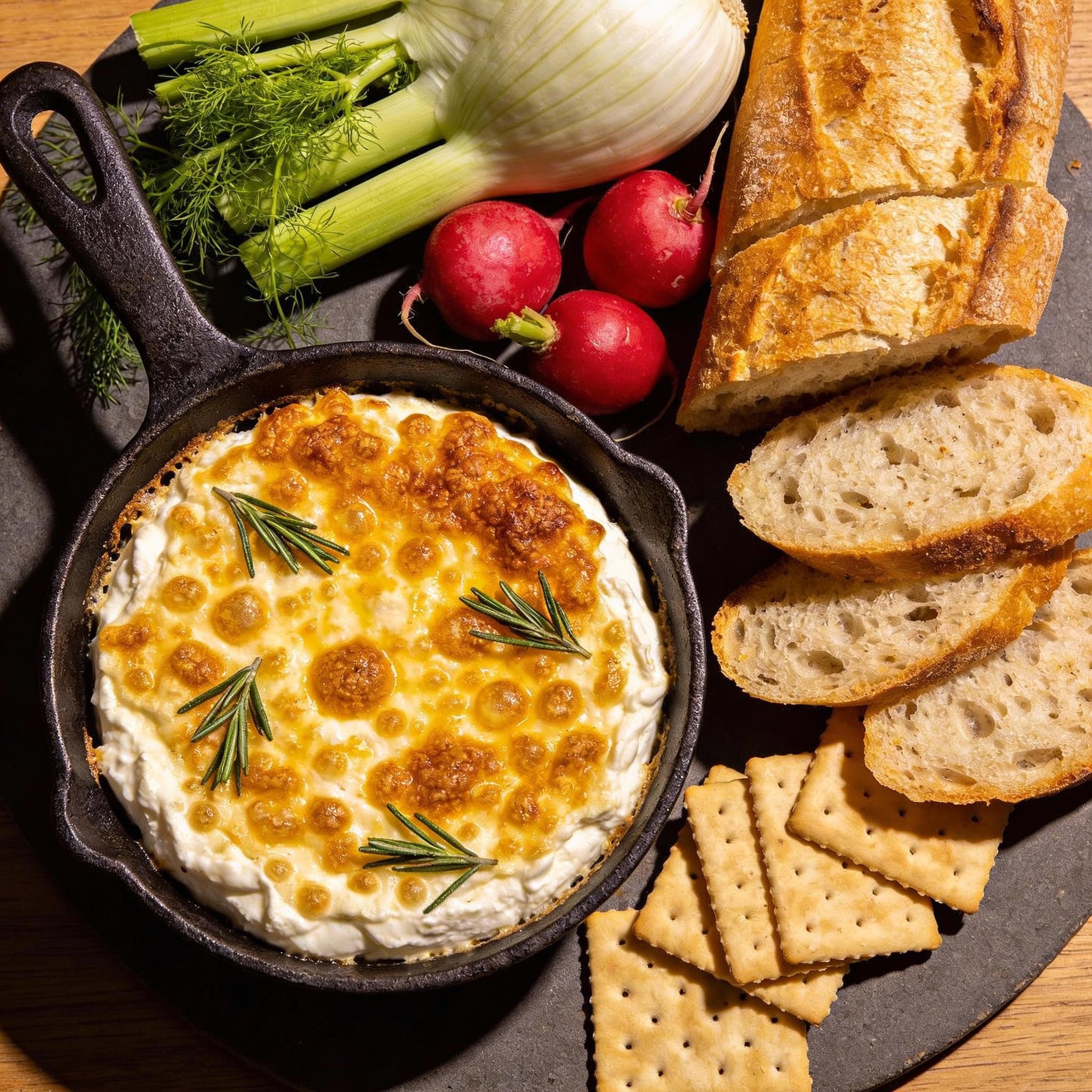
A small 6-inch cast-iron skillet holds heat and gives lovely edge caramelization. A shallow baking dish spreads the mix and browns the top faster.
- Shallow dish: reduce bake time slightly and watch the broiler closely.
- Deeper skillet: add a minute or two before broiling so the center warms.
- Set the rack a few inches from the element and never leave it unattended under the broiler—golden can become too dark in under a minute.
| Choice | Effect | Timing tip |
|---|---|---|
| 6‑inch cast‑iron | Edge caramelization | Add 1–2 minutes before broil |
| Shallow baking dish | Faster top browning | Trim bake time slightly, watch broil |
| Layer depth | Even heat through center | 1–1½ inches for best results |
Always season the base well with salt and a pinch of thyme before topping. Whisk briefly to add air for a silkier finish. Rest 5–10 minutes after the oven; those minutes make a clean, luxurious scoop every time.
Serve it like an Italian appetizer board
I set the baking dish in the center and add small piles of things to scoop, spread, and pair. This turns a single warm cheese dip into a lively, shareable moment where everyone customizes their bite.
Crostini, toasted bread, and crackers to pair
I love to lay out crostini and toasted baguette so guests can build a crisp, warm bite. The contrast between soft center and crunchy bread is everything.
Add crackers for variety. A mix of seeded, whole-grain, and plain water crackers keeps textures interesting and invites different combinations.
Fresh veggies for dipping and balance
Fresh veggies lighten the board and add color. I use fennel wedges, endive leaves, cucumber rounds, and cherry tomatoes for crunch and brightness.
Flavor toppers: extra herbs, olive oil, pepper flakes, honey
Right before serving, I refresh the top with a ribbon of olive oil and a shower of thyme leaves. A whisper of red pepper or a few pepper flakes gives gentle heat.
For a sweet-salty twist, drizzle a little honey on your own plate. Finish table-side with a quick grating of Parmesan and a squeeze of lemon so the texture stays warm and inviting.
- Keep extra crostini warm so bread meets warm dip every time.
- Set small bowls of olives, roasted peppers, and marinated artichokes alongside for briny balance.
- For more serving ideas, I sometimes reference other crowd-pleasers like this bruschetta variation: bruschetta & avocado toast.
Make-ahead, storage, and reheating without drying out
I tuck the cooled dish into the fridge and label it so the week ahead feels simple and delicious. A short plan keeps texture and flavor close to day one.
Fridge life and containers
Transfer cooled baked ricotta cheese to an airtight container and refrigerate 5–7 days. Label with the date so you track time easily.
Reheating for best results
Reheat leftovers in a small skillet or shallow baking dish. Warm in a 400–425°F oven until bubbling around the edges—usually a few minutes depending on portion size.
- If the surface looks dry after chilling, add a tiny drizzle of oil before reheating to restore sheen.
- Portion about a cup per reheating session to avoid repeated heat cycles that toughen fat and texture.
- If you mixed but did not bake, cover the bowl and refrigerate, then spread and bake when ready for the freshest top.
| Storage step | Container | Temp / Time |
|---|---|---|
| Short hold | Airtight glass or plastic container | Fridge 5–7 days |
| Reheat | Skillet or small baking dish | Oven 400–425°F, a few minutes until bubbling |
| Make-ahead (unbaked) | Covered bowl or container | Chill hours; bake minutes when ready |
| Serving tip | Portion in cups for reheating | Let sit 10–15 minutes at room temp before oven |
Bring it to the table and watch guests ask for the recipe
Set the pan on the table still warm and watch guests lean in with that delighted hush. Let it rest a few minutes, then finish with herbs, a ribbon of olive oil, Parmesan, and a pinch of red pepper flakes so every bite sings.
Serve with crostini, toasted bread, and a plate of fresh veggies for balance. If someone asks timing, smile: about 15 minutes in the oven plus a brief broil, then a short rest before you bring it out.
Share this baked ricotta dip with curious friends and keep the recipes flowing—double the batch for a larger party, allow a bit more time before broiling, and enjoy the warm applause. Grazie and buon appetito.
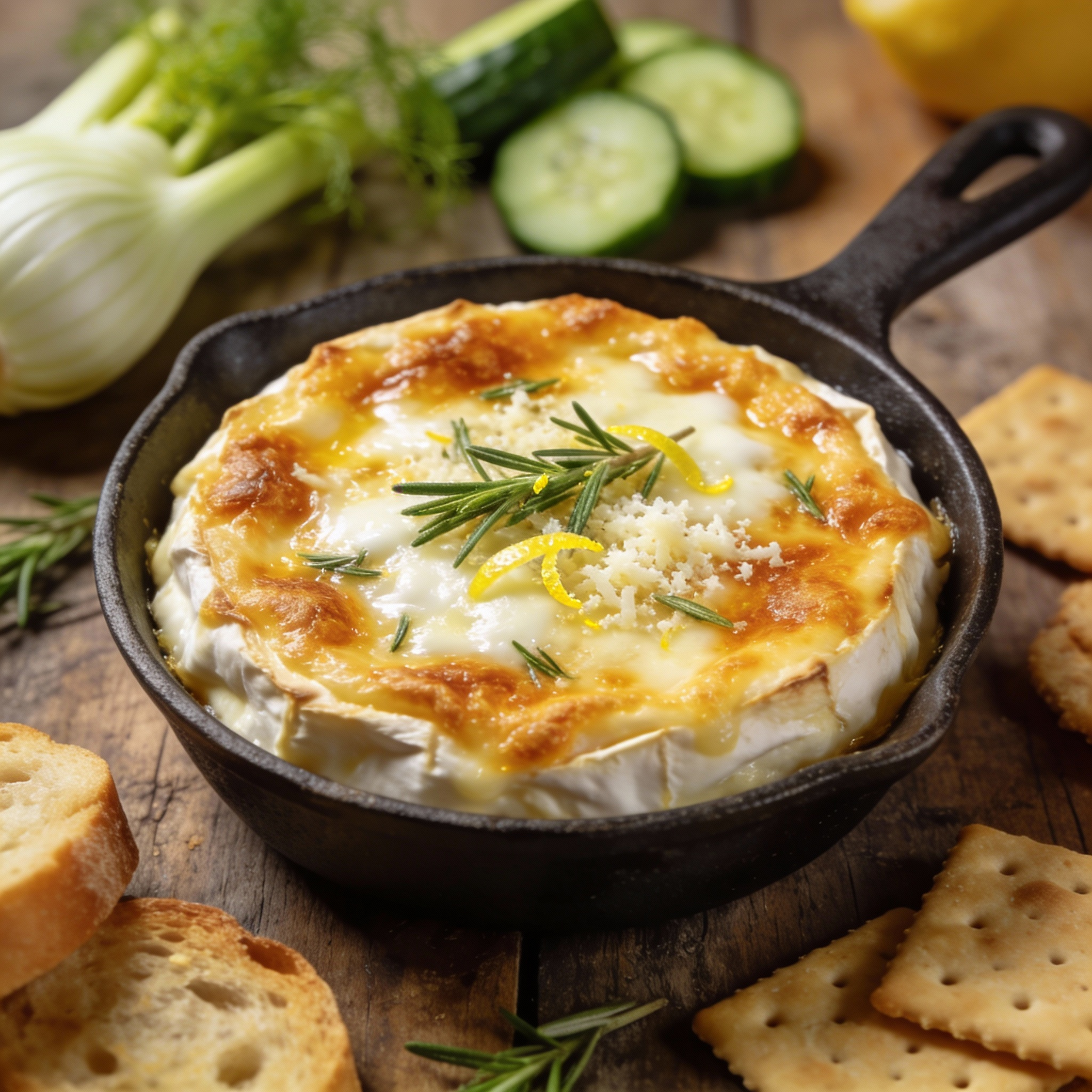
Baked Ricotta Dip (Italian Style)
Ingredients
Method
Notes
- Cheese: If you want a smoother texture, drain the ricotta for an hour before using it.
- Herbs: You can substitute rosemary with thyme, parsley, or basil.
- Broiling Tip: Watch closely while broiling to avoid burning, as broilers vary.
- Make-ahead Tip: You can prepare the ricotta mix ahead of time, refrigerate, and bake when ready to serve.