
Jump to Recipe
There’s a particular satisfaction in baking something that feels both timeless and deeply personal. The warmth of the oven and the scent that fills your kitchen connect you to generations of home cooks. It’s about creating a treat that’s honest and full of flavor, meant to be shared over a simple cup of coffee.
This recipe brings that feeling to life with a classic treat from Siena. These delights are known for their dense, chewy texture and a rich, pronounced flavor that needs no embellishment. We’re making the authentic version you’d find in a Tuscan bakery, respectful of tradition but perfectly manageable in a real home kitchen.
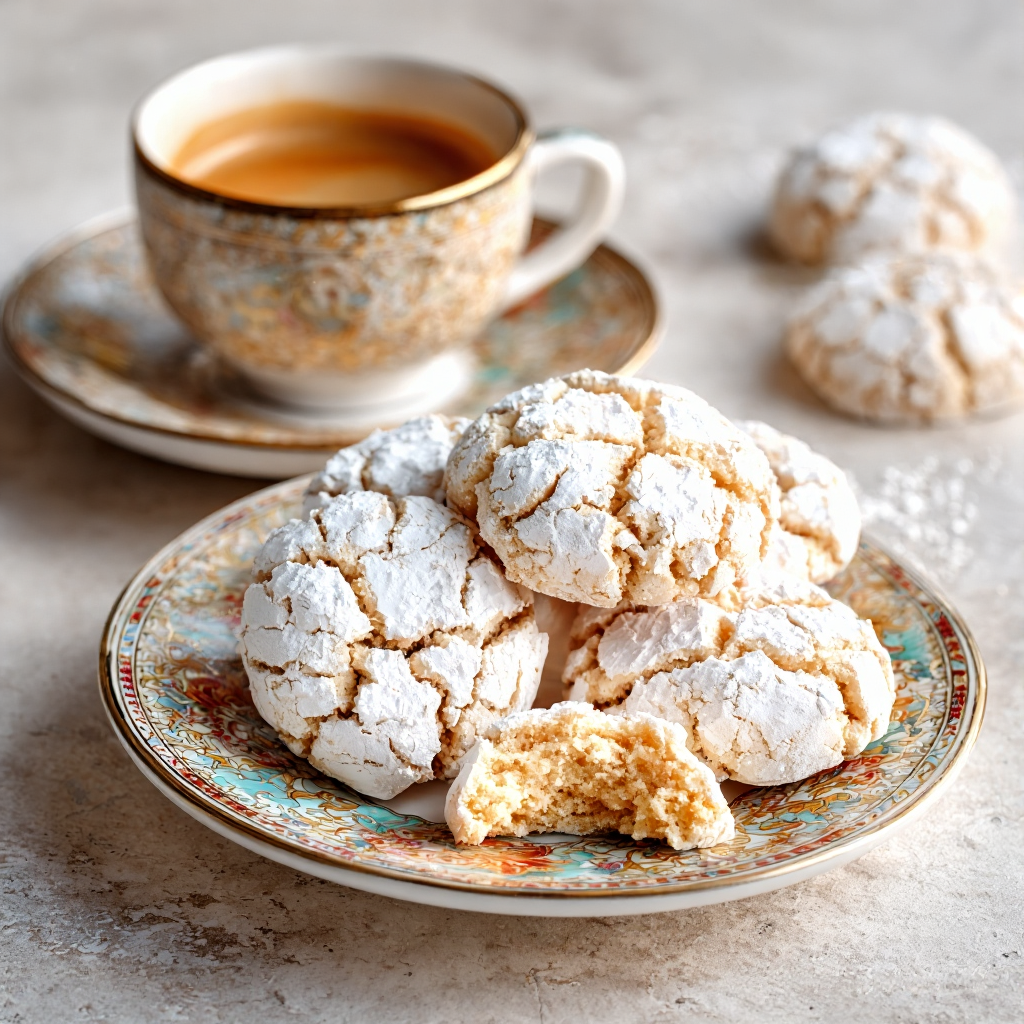
Naturally free of gluten and dairy, these confections are especially popular during the holidays. Yet their substantial nature makes them a wonderful companion for your morning espresso or afternoon tea any time of year. A beautiful, cracked surface dusted with powdered sugar is your sign of a job well done.
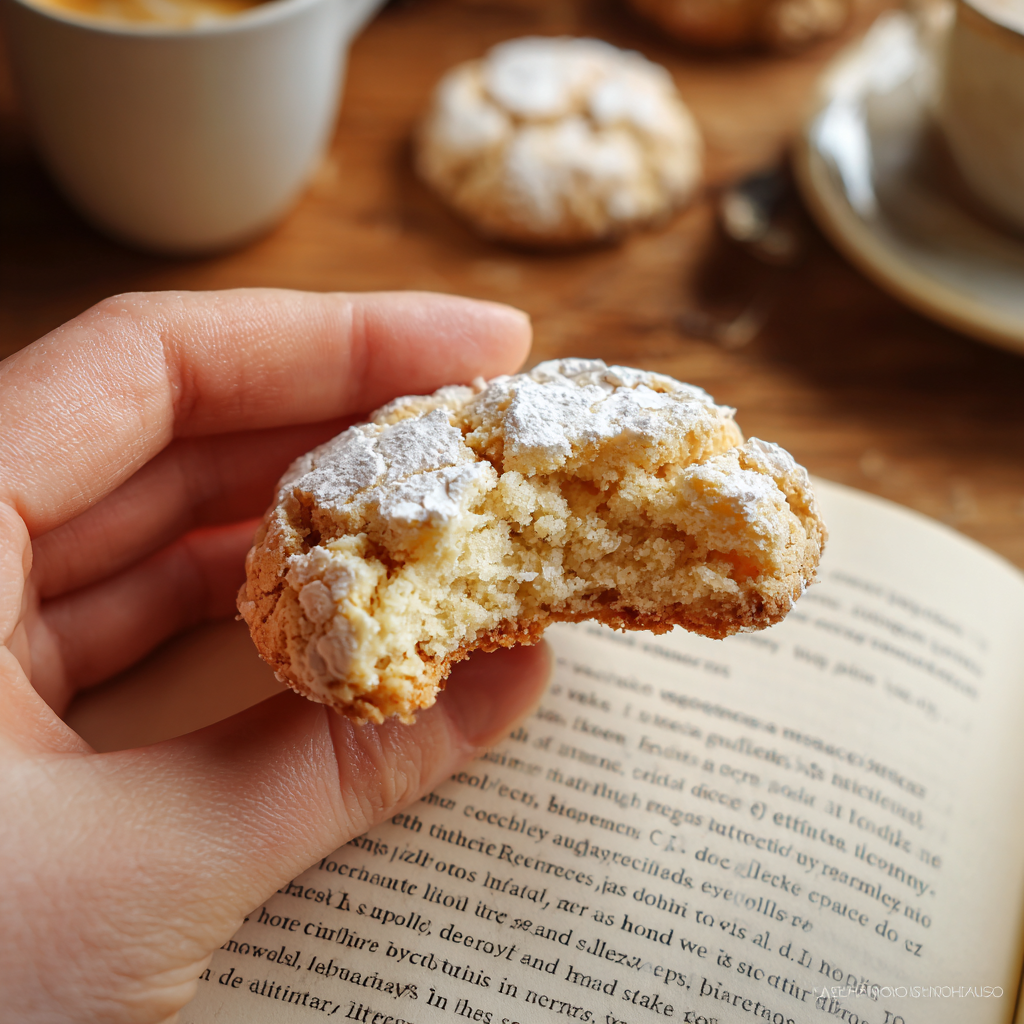
Unlike more temperamental pastries, this dough is forgiving. You can work it with your hands. The process requires a little patience for resting, but the hands-on steps are straightforward. The reward is a cookie with a slight crispness that gives way to a moist, chewy center, tasting deeply of almonds, bright orange, and vanilla.
Key Takeaways
- This recipe creates the authentic version of a traditional treat from Siena, Tuscany.
- The results are dense, chewy confections with a rich, pronounced flavor.
- They are naturally gluten-free and dairy-free, perfect for many dietary needs.
- While popular at Christmas, they are a delightful treat to enjoy with coffee or tea year-round.
- The characteristic cracked surface indicates proper technique and texture.
- The process is forgiving and manageable, unlike fussier alternatives like macarons.
- Expect a cookie with a crisp exterior and a soft, moist, deeply flavorful center.
Discover the Heritage and Allure of Ricciarelli
In medieval Tuscany, certain desserts were so precious they were treated like medicine and spices. The origin of these traditional sweets dates back to fifteenth-century Siena, where they represented luxury and refinement.
The Tuscan Legacy
These confections were originally reserved for aristocratic banquets. Both almonds and sugar were expensive commodities, not everyday ingredients. Their value was such that marzipan sweets were sold in apothecary shops alongside medicines.
This tells us how special they were considered. Siena developed a strong reputation for almond-based pastries. The town became famous beyond its territory for this production.
Evolution from Historical Delicacies
Today’s recipe maintains the same essential components that Sienese bakers refined over centuries. We use almond flour, sugar, egg whites, and aromatic flavorings. While ingredients are now accessible, the technique remains faithful to tradition.
The name likely refers to the shape resembling curled merchant slippers. Understanding this heritage adds appreciation for what we’re creating. It explains why certain details in the process matter.
| Aspect | Historical Context | Modern Adaptation |
|---|---|---|
| Availability | Aristocratic banquets only | Accessible home baking |
| Ingredients | Precious commodities | Common pantry items |
| Presentation | Apothecary shop luxury | Homemade treat for sharing |
| Cultural Significance | Status symbol | Traditional comfort food |
Key Ingredients and Their Magic
The magic of these traditional sweets lies in how simple ingredients work together to create complex textures. Each component serves a specific purpose that cannot be substituted.
The Role of Almond Flour and Powdered Sugar
Almond flour forms the foundation of these treats. It provides both structure and rich flavor. You can purchase it ready-made or grind blanched almonds yourself.
Powdered sugar serves dual purposes. It sweetens the dough while creating that signature white coating. During baking, this coating cracks beautifully to reveal golden fissures.
Egg Whites, Zest, and Extracts: The Flavor Boosters
Egg whites beaten to stiff peaks provide delicate lift. They create the contrast between crisp exterior and chewy interior. A small amount of lemon juice helps stabilize them.
The tablespoon of almond extract may seem generous, but it’s essential for authentic flavor. Orange zest adds brightness that complements without overwhelming. Vanilla extract rounds out the profile perfectly.
| Ingredient | Primary Function | Key Characteristic |
|---|---|---|
| Almond Flour | Structural foundation | Provides rich, nutty base flavor |
| Powdered Sugar | Sweetening and coating | Creates signature cracked surface |
| Egg Whites | Texture and lift | Forms crisp exterior/chewy interior |
| Almond Extract | Flavor intensity | Essential for authentic taste profile |
| Citrus Zest | Flavor balancing | Cuts through sweetness naturally |
Small amounts of salt and baking powder enhance flavor while supporting the perfect chewy texture. Each ingredient plays its role in creating the authentic experience.
Step-by-Step Process for Perfect Dough
Working with this dough feels more like a craft than a recipe, with hands-on steps that build confidence. The process respects tradition while being accessible for home bakers.
Mixing Techniques and Folding in Air
Start by whisking your dry ingredients together in a medium bowl. This ensures even distribution before combining with the egg whites.
Beat the whites at medium-low speed until frothy, then increase to medium-high. You want stiff peaks that hold their shape when you lift the whisk.
Gently fold in the extracts and zest to avoid deflating the mixture. Then sift in the flour mixture in batches, folding carefully after each addition.
| Technique | Traditional Approach | Modern Adaptation |
|---|---|---|
| Mixing Method | Hand-whisked egg whites | Stand mixer with speed control |
| Flour Incorporation | Single batch addition | 2-3 batches through sieve |
| Dough Consistency | Sticky, handled immediately | Option to refrigerate overnight |
Shaping the Dough for Optimal Texture
The mixture becomes a sticky dough rather than a fluffy meringue. This is perfectly correct and allows for hand-shaping.
With clean hands, roll the dough into balls about 1 to 1.5 inches in diameter. If needed, dip your hands in powdered sugar to prevent sticking.
You can refrigerate the dough overnight if preferred. This makes handling easier and allows flavors to develop more fully.
Shape each ball into an oval and flatten slightly. The dough is cooperative, and small variations won’t affect the final result.
Essential Baking Tips and Texture Secrets
A few simple steps before and during baking make all the difference between good results and great ones. This part of the process focuses on timing and temperature control.
Achieving the Ideal Cracked Surface
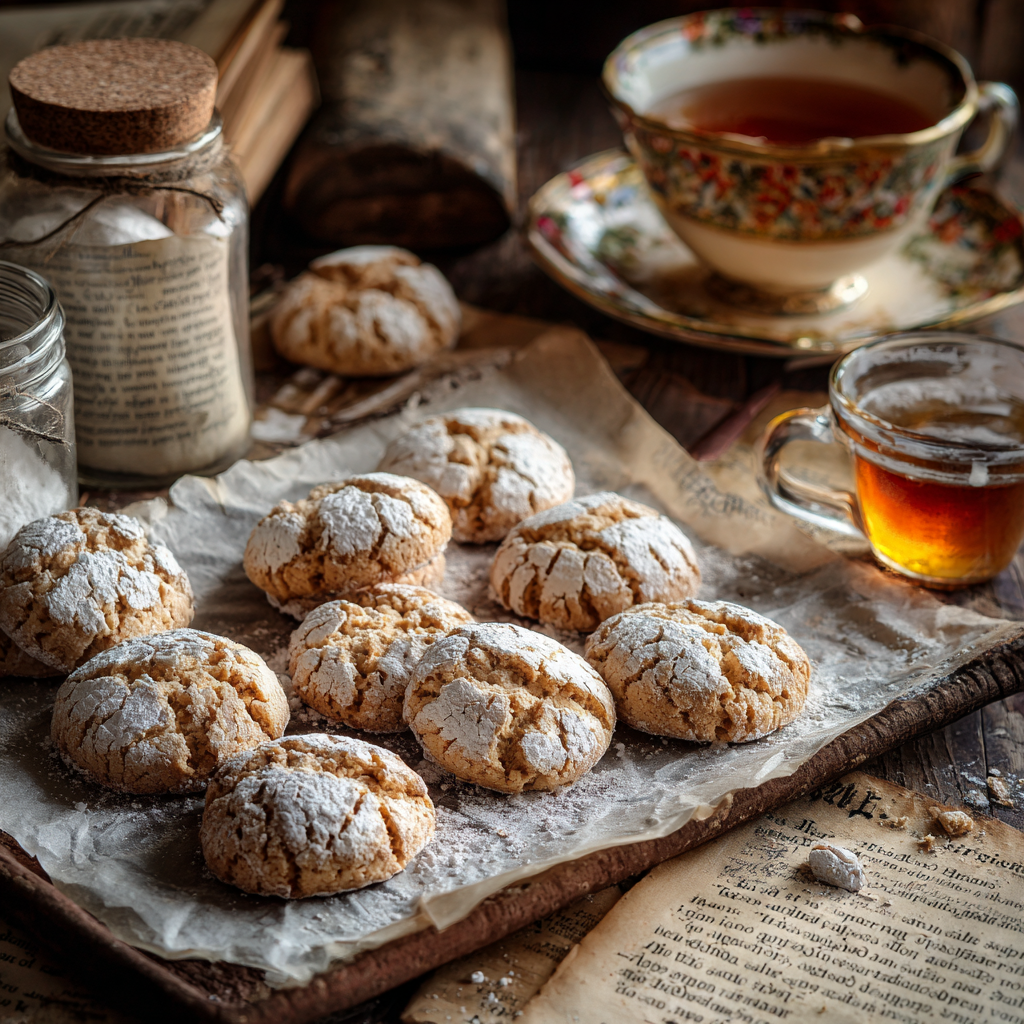
After shaping your dough, let it rest at room temperature. This step is crucial, not optional. Wait 30-60 minutes until the powdered sugar coating dries into a thin shell.
Humidity greatly affects this drying time. In moist climates, it might take longer. A dehumidifier can help. Dry climates may need only 30 minutes.
Once the surface feels dry, gently press each piece from opposite corners. This pre-cracking technique guides where the beautiful fissures will appear during baking.
Managing Resting Times and Oven Temperatures
Line your baking sheet with parchment paper. This prevents the bottoms from browning too quickly. It also makes removal much easier.
Choose your baking temperature based on your oven’s characteristics. Each option produces excellent results with slight variations.
| Temperature | Time | Best For |
|---|---|---|
| 300°F (150°C) | 20 minutes | Most reliable, standard ovens |
| 275°F (135°C) | 30 minutes | Gentler baking, even heat |
| 320°F (160°C) | 18 minutes | Traditional Italian method |
When finished, your treats will seem soft. They firm up perfectly while cooling on the sheet. The ideal color is barely golden.
Store them in an airtight container overnight. The texture improves, and the flavors deepen beautifully by the next day.
Preserving the Authentic Flavors of ricciarelli sienese almond cookies
Your baking success continues beyond the oven with proper storage and freezing methods. These techniques help maintain the delicate texture and rich flavor you worked so hard to achieve.
Adapting to Humidity and Environmental Variations
Once completely cooled, transfer your treats to an airtight container. They will keep beautifully at room temperature for over a week. The flavors actually improve overnight as they meld together.
For longer storage, freezing unbaked dough yields the best results. Place shaped dough balls on a baking sheet until frozen solid. Then transfer them to a zip-top bag or container.
| Storage Method | Process | Final Texture |
|---|---|---|
| Freeze Unbaked Dough | Thaw 1 hour at room temperature, then bake 20-22 minutes at 300°F | Crisp shell with chewy interior |
| Freeze Baked Cookies | Thaw completely at room temperature | Uniformly chewy throughout |
| Room Temperature | Store in airtight container | Improves over 24 hours |
Humidity affects the final texture significantly. In moist climates, extend the resting time before baking. The surface may be softer without the characteristic crispness.
Different recipe variations exist with adjustments to sugar ratios or citrus zest. These small changes affect both flavor intensity and texture. Your first batch helps you understand your kitchen’s conditions.
Even with minor variations, these Italian almond cookies remain deeply satisfying. They’re forgiving enough to deliver excellent results in most home environments.
Wrapping Up Your Culinary Adventure with Italian Flair
What makes this recipe truly special is how it bridges centuries of Italian tradition with your modern kitchen. You’re not just baking treats—you’re continuing a practice that values quality ingredients and careful technique over speed.
This method works reliably without special equipment. The combination of almond flour, powdered sugar, and egg whites creates the perfect foundation. A generous tablespoon of almond extract delivers that authentic intensity, while citrus zest adds brightness.
Remember that resting time before baking creates the signature cracked surface. It’s essential for texture, not just appearance. This recipe yields 18-43 pieces depending on size, and the dough freezes beautifully for smaller batches.
These confections are naturally gluten-free and dairy-free. They make wonderful companions for coffee or tea. After a few attempts, you’ll develop a feel for what works in your kitchen environment.
Print this recipe and make notes about your adjustments. The result is something genuinely special that deserves to be enjoyed slowly, much like the Italian food culture it represents.
Ricciarelli (Tuscan Almond Cookies)
Ingredients
Method
Notes
- For best results, refrigerate the dough overnight before shaping.
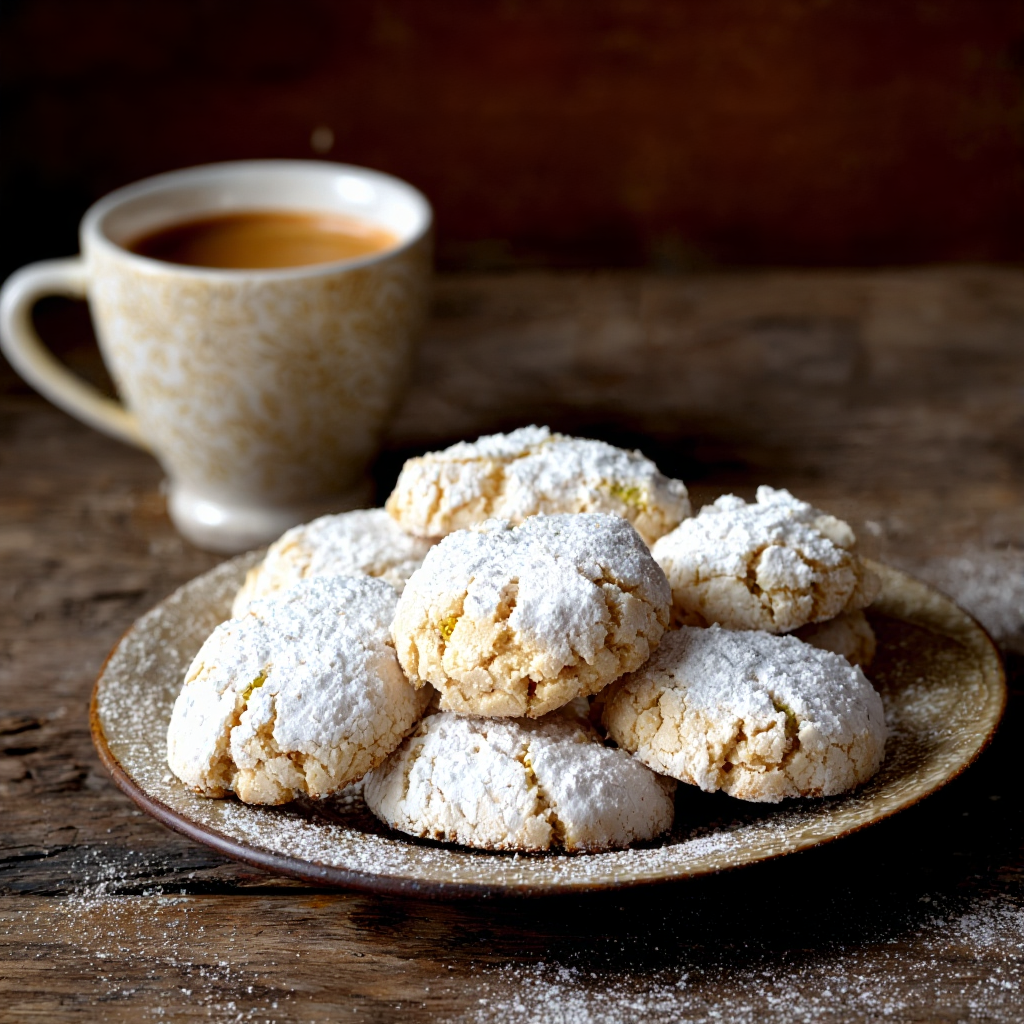
- The powdered sugar coating will melt into a thin crust during baking, leaving the signature cracked surface.
- These cookies improve in flavor after resting for a day.