
Jump to Recipe
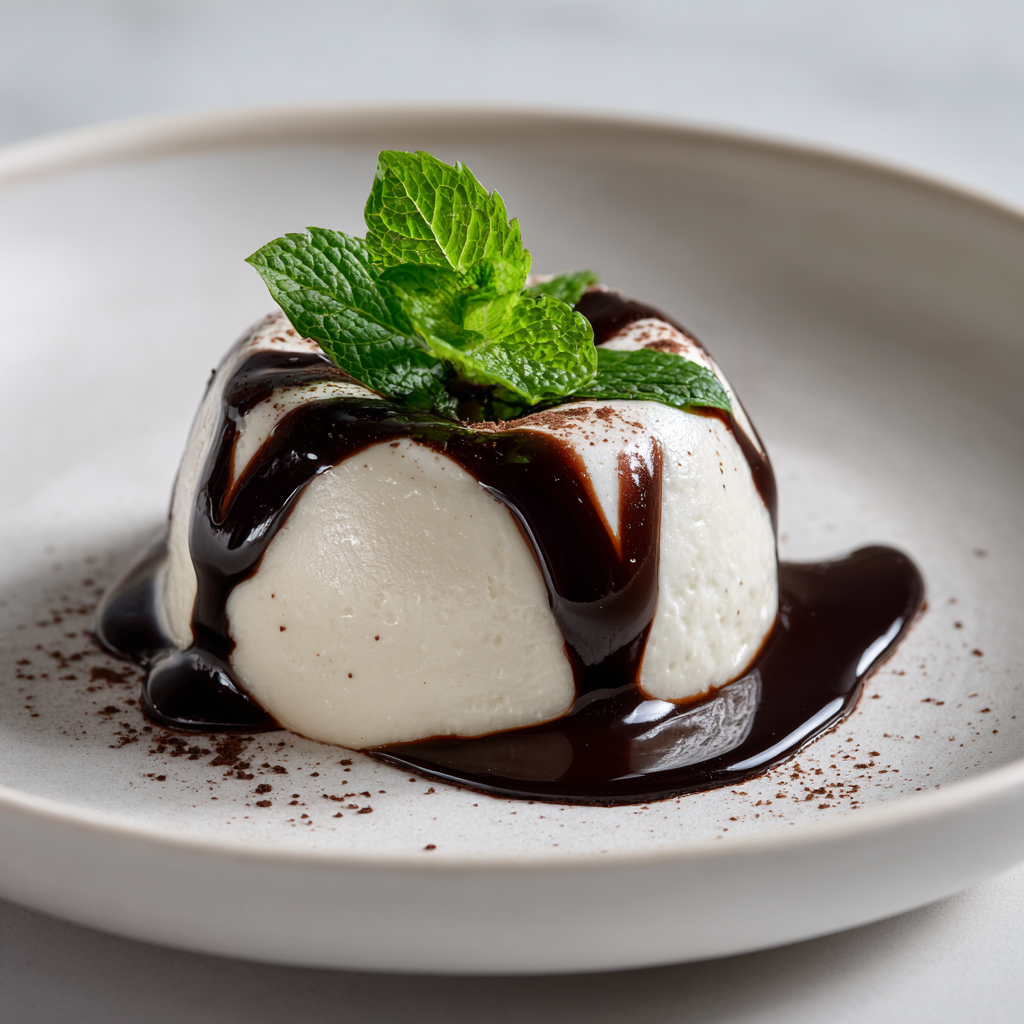
There’s a quiet magic in a dessert that feels both special and simple. The cool, creamy texture and the gentle hint of mint offer a refreshing finish to a rich meal. It’s the kind of sweet that invites conversation to linger at the table a little longer.
This particular treat has deep roots in Roman tradition. I learned about it from the wonderful book “Tasting Rome.” It’s not just a flavor combination; it’s a piece of culinary history. The method is straightforward, relying on quality ingredients rather than complex techniques.
Its profile is perfect for festive times. The lightness of the mint balances the richness of the cream and a dark chocolate sauce. It feels celebratory without being heavy. This makes it a brilliant choice for entertaining.
One of its best features is how well it prepares ahead. You can make it the day before, leaving you free to enjoy your guests. It’s equally suited for a small family dinner or a larger gathering. We will walk through each step to ensure a perfectly smooth, silky result every time.
You’ll learn the role of each component and how to avoid common pitfalls. A proper set and a flawless texture are our main goals. Let’s create a dessert that is as reliable as it is delightful.
Key Takeaways
- This dessert balances elegant presentation with simple, manageable preparation.
- It is an authentic recipe with origins in Roman culinary tradition.
- The flavor profile is refreshing and well-suited for festive occasions.
- It can be made in advance, making it ideal for stress-free entertaining.
- Understanding the ingredients and technique is key to a smooth, perfect set.
- Avoiding common mistakes ensures a professional-quality result at home.
- The combination of creamy texture and mint creates a timeless, beloved sweet.
Crafting a Refreshing Italian Holiday Dessert
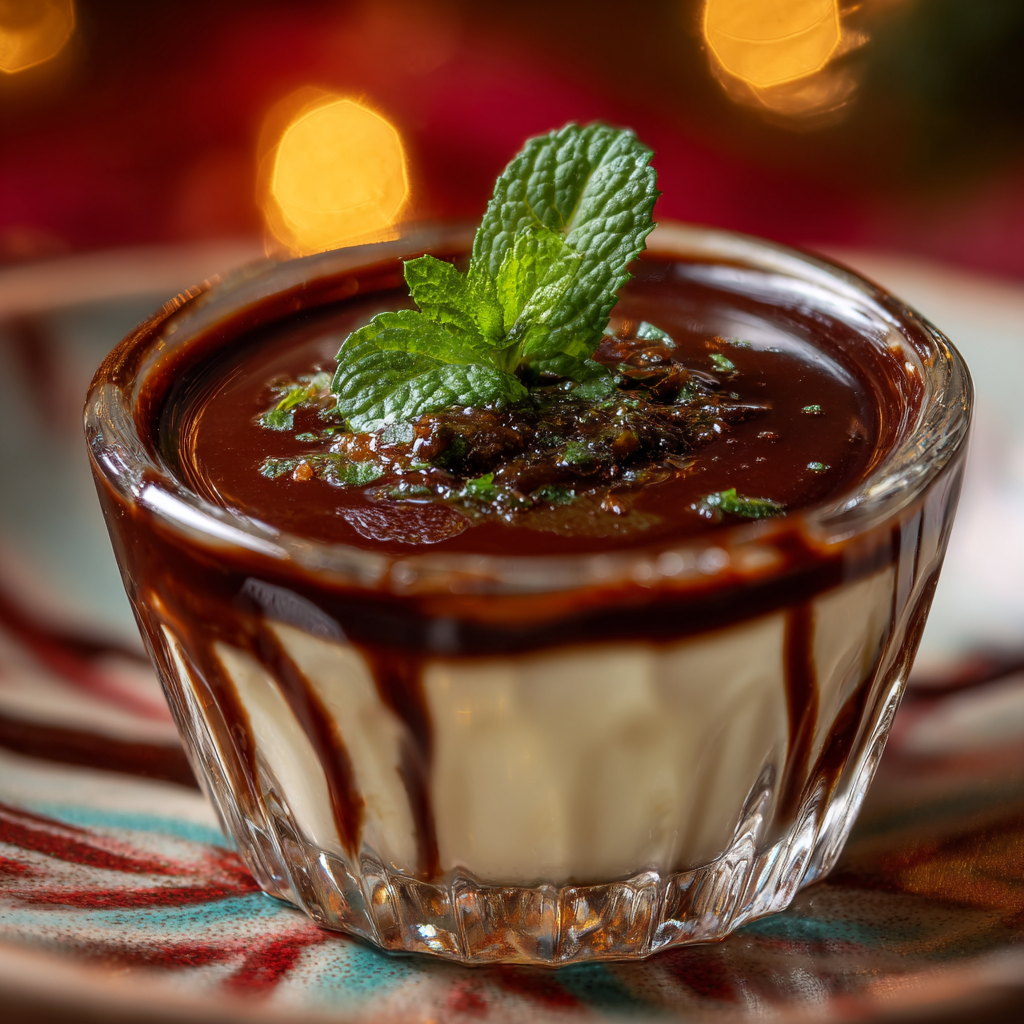
To understand this dessert is to appreciate its origins in Roman culinary history. Its true character comes from a deep respect for tradition.
This approach to food values authenticity above all else.
Exploring the Inspiration Behind the Recipe
Our guide for this dish is the book “Tasting Rome” by Katie Parla and Kristina Gill. They worked with local chefs to document genuine recipes.
The book captures the essence of Cucina Romana. It is a collection of timeless dishes, not modern interpretations.
- The recipes prioritize historical accuracy.
- They rely on technique and quality components.
- This results in a clean flavor and perfect texture.
This specific sweet is a classic example. It uses few ingredients to achieve a refined result.
Bringing Authentic Italian Flavors to Your Table
The pairing of mint and chocolate is a cornerstone of Roman sweets. It is not a new trend but a generations-old combination.
Peppermint offers a bright counterpoint to rich meals. It cleanses the palate while feeling indulgent.
This way of cooking lets the ingredients speak for themselves. The goal is to honor the dish’s history.
Bringing these flavors home means more than following steps. It is about connecting with a meaningful culinary story.
Mastering the “peppermint panna cotta italian holiday” Recipe
The foundation of a perfect dessert lies in understanding how its few ingredients work together. We will look at each component and the techniques that ensure a silky, firm set.
Essential Ingredients and Their Roles
Every item in this recipe has a specific purpose. Knowing these roles helps you avoid common mistakes.
- Gelatin: This provides the structure. Unflavored granulated gelatin must be bloomed in cold water to hydrate. If it isn’t hydrated fully, it won’t dissolve properly into the warm cream. Too little gelatin results in a dessert that cannot hold its shape.
- Dairy Balance: Heavy cream gives richness and a melt-in-your-mouth feel. Milk lightens the mixture so it is not too heavy. The ratio between them is crucial for the ideal wobble.
- Flavor Agents: A real vanilla bean offers visual specks and a complex taste. Sugar does more than sweeten; it balances sharp notes and aids the set. For the mint flavor, fresh leaves provide authenticity, while a pure extract delivers a clean, consistent intensity.
Techniques for a Silky, Well-Set Dessert
Proper technique is as important as good ingredients. Heat the cream and milk until it is almost at a simmer. Do not let it boil. Excessive heat can break the cream or hinder the gelatin.
After heating, let the mixture rest for about ten minutes. This allows the flavors to meld. Then, strain it through a fine sieve. This step removes any solid bits, ensuring a perfectly smooth texture.
Finally, pour the liquid into molds before it begins to set. This prevents an uneven consistency. Following these steps guarantees a professional result.
Infusing Fresh Mint and Chocolate Elegance
Working with mint presents a delicate challenge that rewards precision with elegant results. The goal is a subtle presence that complements rather than dominates the creamy base.
Balancing Subtle Mint with Creamy Richness
Finding the right amount of mint flavor requires understanding your ingredients. Too little disappears into the cream, while too much can taste medicinal.
Fresh leaves release their oils when steeped in warm liquid. Muddling helps extract more flavor, but they can contribute grassy notes. For cleaner results, a quality extract provides consistent mint character without bitterness.
Just a half teaspoon of extract added after heating preserves its volatile oils. This small amount delivers the perfect balance.
The chocolate component should complement the mint beautifully. Dark chocolate offers slight bitterness that balances the coolness. White chocolate creates a sweeter backdrop where mint remains primary.
For the sauce, heat cream until steaming but not boiling. Pour it over chopped chocolate and let it melt for two minutes before stirring. The amount of chocolate affects both flavor and consistency.
Two ounces creates a thinner sauce that pools around the dessert. Four ounces provides a thicker coating. For a richer chocolate experience, consider this chocolate panna cotta recipe as inspiration.
Quality matters significantly with both ingredients. Cheap extract tastes artificial, while low-quality chocolate won’t melt smoothly. Investing in good components ensures a professional result.
Step-by-Step Guide to Perfecting Your Panna Cotta
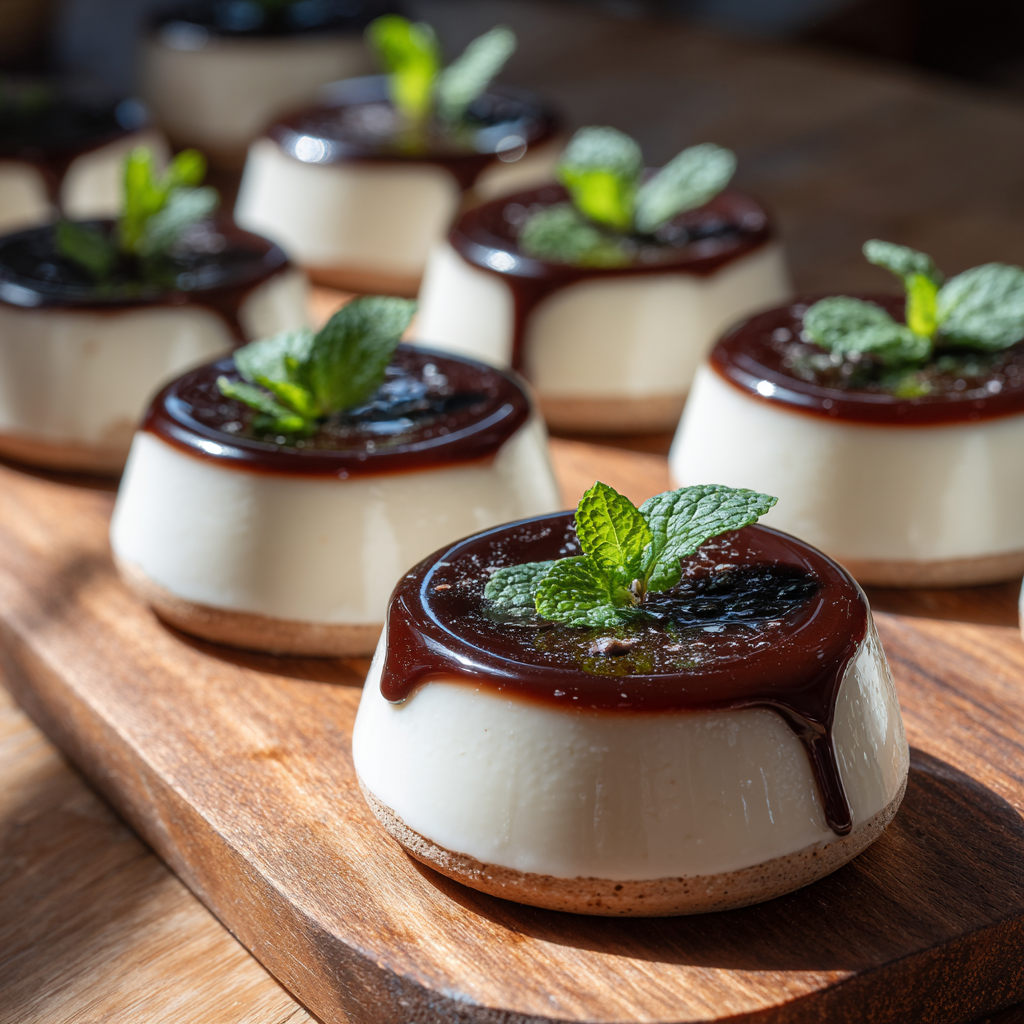
A successful dessert relies on a sequence of precise steps, each building upon the last for a flawless result. We will walk through the entire process, focusing on the science behind each action.
From Blooming Gelatin to Melding Flavors
Start by sprinkling gelatin evenly over cold water in a small bowl. Let it sit for five to ten minutes. This step, called blooming, lets the granules absorb water and swell.
Properly bloomed gelatin will look thick and jelly-like. It is now ready to dissolve smoothly into the warm cream mixture.
Next, combine cream and sugar in a saucepan over low heat. Stir frequently until the sugar dissolves. The cream should steam but not boil. Excessive heat can damage the cream.
Remove the pan from the heat. Add chopped chocolate and let it sit for one minute. The residual heat will soften it. Then, stir gently until the mixture is completely smooth.
Stir the bloomed gelatin into the warm cream. It should dissolve instantly. If clumps form, the gelatin was not properly bloomed or the mixture was too cool.
For a professional finish, strain the mixture through a fine mesh sieve. This catches any undissolved bits, ensuring a silky texture.
Tips for Achieving the Ideal Texture and Consistency
Allow the mixture to cool at room temperature for about thirty minutes. This prevents condensation when you cover it. Then, refrigerate for at least four hours, or overnight.
Covering the desserts with plastic wrap is important. It prevents the surface from drying out.
If your dessert separates into layers during chilling, do not worry. This is normal due to the different densities of milk and cream.
- If it doesn’t set: The likely causes are insufficient gelatin or adding gelatin to a mixture that was too hot.
- For easy release: Lightly oil your ramekins or molds before filling them.
Following these steps with care guarantees that characteristic, delicate wobble.
Cultural Nuances and Roman Culinary Traditions
Appreciating a classic dish means understanding the philosophy that shaped it. This approach values authenticity and respect for ingredients above all else.
It is a way of cooking that connects us directly to a place and its history.
Historical Tidbits Behind Panna Cotta
While its name translates to “cooked cream,” this dessert is a modern star in the vast constellation of Italian food. It likely originated in Piedmont before becoming a beloved part of menus across the country, including Rome.
The recipe embodies a core principle of Cucina Romana. It relies on a few high-quality components, each playing a distinct role.
Cream, sugar, and flavorings work in harmony without competition. This creates a clean, elegant result.
This specific sweet fits perfectly within the Roman tradition of concluding a meal. The goal is a light, refreshing finish that provides closure without heaviness.
Books like “Tasting Rome” preserve these authentic recipes by collaborating with local chefs. This ensures traditional techniques and flavor profiles remain intact.
Roman cuisine has evolved over centuries, absorbing influences from empires and popes. Yet, the principles of simplicity and quality have remained constant.
The mint and chocolate pairing in this dish reflects Rome’s history as a cultural crossroads. It feels distinctly Roman while honoring broader Italian traditions.
Understanding this history is practical. It explains why certain methods work, helping you make better decisions in your own kitchen. For another classic variation, explore this espresso panna cotta recipe.
| Principle | Manifestation in Cooking | Result on the Plate |
|---|---|---|
| Respect for Ingredients | Using few, high-quality components; minimal processing. | Clean, distinct flavors where each element shines. |
| Culinary Evolution | Adapting external influences while maintaining a core identity. | Dishes that feel both timeless and dynamic. |
| Practicality for Home Cooks | Recipes designed for real kitchens, not just restaurants. | Achievable, reliable results that honor tradition. |
This culinary wisdom turns a simple list of ingredients into a meaningful experience. It is the true secret behind every great dish.
Wrapping Up Your Festive Italian Experience
When your creation has chilled properly, you’ll find serving options that suit any occasion. Keep it simple in ramekins or glasses for a rustic feel. For an elegant presentation, unmold onto plates.
To release the dessert, dip ramekin bottoms in hot water for a few seconds. Invert onto chilled plates with sauce already drizzled. This technique ensures a clean appearance every time.
Your dessert keeps beautifully for two days when covered with plastic wrap. Store it away from strong-smelling foods in the refrigerator. Never freeze it, as the texture will suffer.
You can prepare everything a day ahead. Unmold and garnish just before guests arrive. This makes entertaining stress-free and enjoyable.
Trust the process and the required chilling hours. This recipe delivers reliable results that honor tradition while fitting modern kitchens. Your efforts will be rewarded with a dessert that feels both special and achievable.
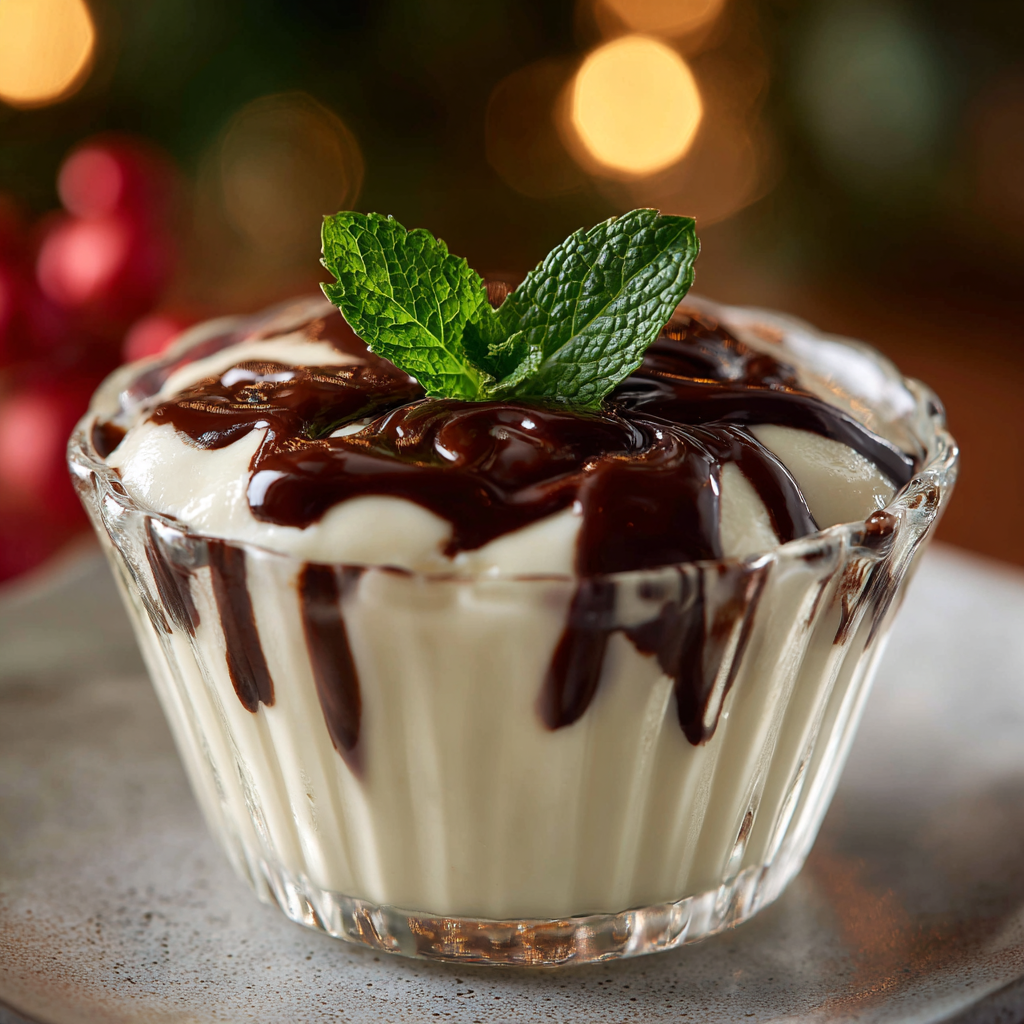
Peppermint Panna Cotta with Chocolate Sauce
Ingredients
Method
Notes
- The dessert can be made up to two days in advance, making it ideal for parties or gatherings.
- If the panna cotta does not set, ensure the gelatin is properly bloomed and dissolved.
- You can use white chocolate instead of dark chocolate for a sweeter sauce.