
Jump to Recipe
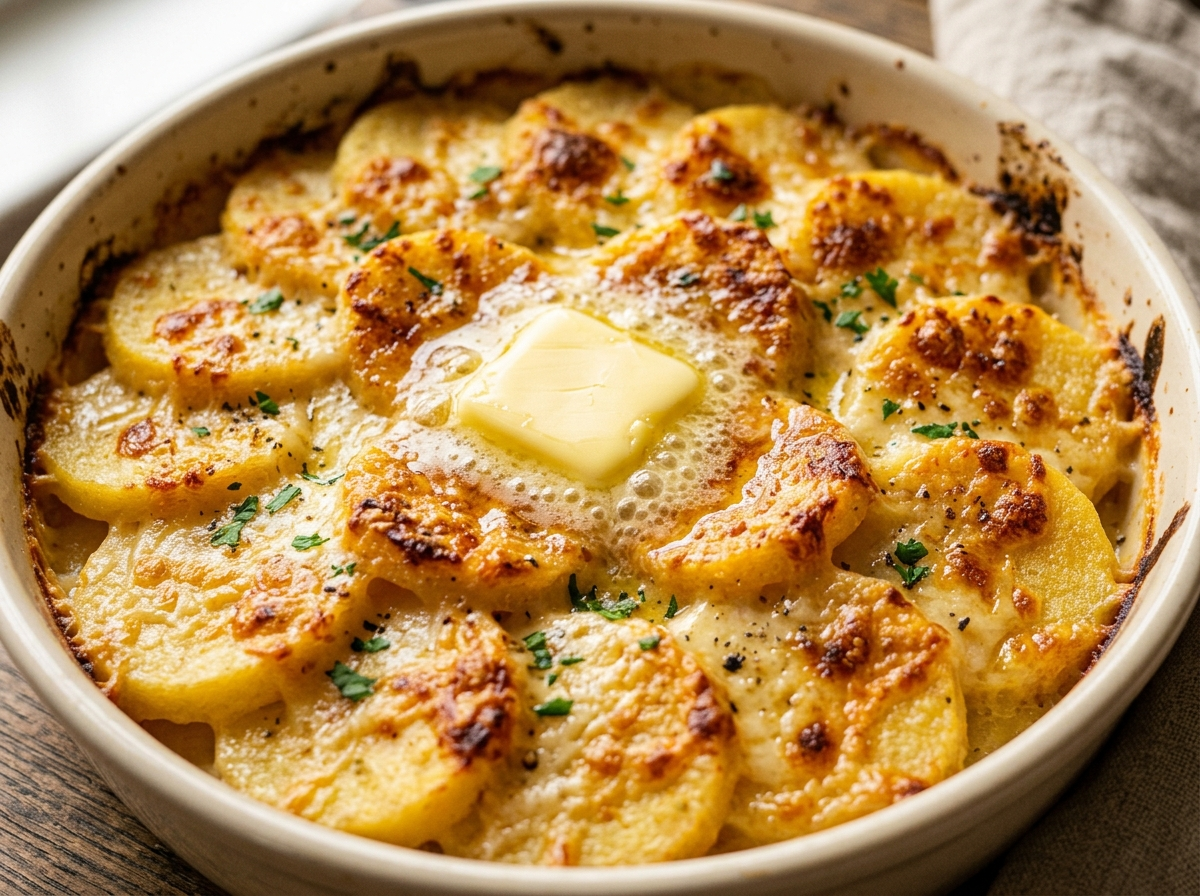
Gnocchi alla Romana is not the potato dumpling most people picture. It’s a Roman dish made from semolina cooked in milk, spread flat, cut into discs, then baked with butter and Parmigiano-Reggiano until the tops turn golden and blistered.
The texture is the whole point. Underneath the crisp cheese crust, the semolina stays soft and slightly custardy, closer to a savory polenta than a chewy dumpling.
The one place this dish goes wrong is timing the chill. Cut the discs while the semolina is still warm and they’ll tear or smear instead of releasing clean rounds, so give the spread mixture a real 30 minutes on the counter or in the fridge before you reach for the cutter.
It’s a good make-ahead primo. You can shape the discs a day ahead and bake them right before serving, which makes this an easy dish to prep for a dinner where you don’t want to be at the stove when guests arrive.
Why You’ll Love This Recipe
- Comes together from pantry staples: semolina, milk, butter, cheese
- Make-ahead friendly, shape the discs a day before baking
- Creamy center with a crisp, browned cheese top
- No pasta rolling or dumpling shaping required
Ingredient Notes
- Semolina flour: Use fine semolina di grano duro, not coarse polenta cornmeal. It cooks smoother and sets firmer for clean cutting.
- Whole milk: Whole milk gives the base richness. Low-fat milk works but the semolina sets slightly thinner.
- Parmigiano-Reggiano: Grate it fresh if you can. Pre-grated cheese has anti-caking starch that keeps it from melting as evenly on top.
- Egg yolks: Yolks bind the semolina and add richness. You can skip them, the dough just holds a touch less firmly.
- Unsalted butter: Splitting the butter between the mixture and the top layer gives you both a moist center and a crisp crust.
- Nutmeg: A small pinch rounds out the milk flavor. Skip it if you don’t have it, the dish still works.
Gnocchi alla Romana with a Golden Parmigiano Crust
Ingredients
Method
- Bring the milk, salt, and nutmeg to a gentle simmer in a heavy-bottomed saucepan.
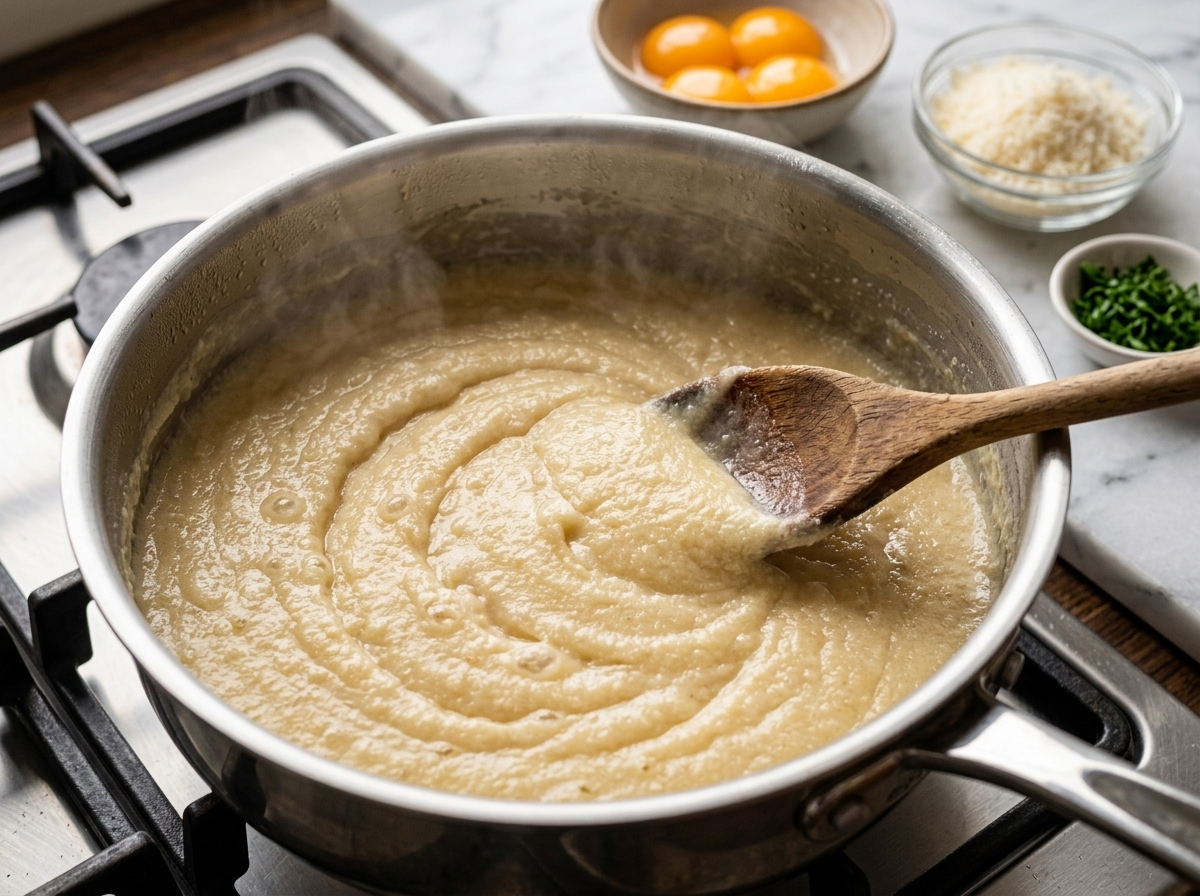
- Reduce heat to low and whisk in the semolina in a slow, steady stream to avoid lumps.
- Switch to a wooden spoon and cook, stirring often, for 8 to 10 minutes until the mixture pulls cleanly from the sides of the pan and looks like thick porridge.
- Remove from heat. Stir in the egg yolks, half the butter, and half the Parmigiano until smooth.
- Spread the mixture about 1 cm thick onto a buttered sheet pan or marble slab using a wet spatula.
- Let it cool at room temperature, then chill for at least 30 minutes until firm enough to cut cleanly.
- Cut into rounds with a 6 to 7 cm cutter dipped in warm water between cuts.
- Heat the oven to 220 C / 425 F.
- Arrange the discs overlapping like roof tiles in a buttered baking dish.
- Dot the top with the remaining butter and scatter the remaining Parmigiano over everything.
- Bake for 15 to 20 minutes until the tops are golden with browned spots and the cheese has crisped.
- Let rest 5 minutes before serving.
Notes
- Spread the cooked semolina about 1 cm thick for discs that hold together when cut.
- Don't skip the chill time, warm semolina smears instead of cutting cleanly.
- Save the trimmings between cut discs, they bake up fine tucked into gaps in the dish.
- Watch the last few minutes under the broiler if you use one, the cheese browns fast.
Tips for Success
- Whisk the semolina into the milk in a slow, steady stream to keep lumps from forming.
- Cook the semolina until it pulls cleanly from the sides of the pan, about 8 to 10 minutes.
- Chill the spread semolina at least 30 minutes before cutting, warm dough tears instead of releasing clean rounds.
- Overlap the discs slightly in the baking dish so the tops crisp while the bottoms stay soft.
- Dip the ring cutter in warm water between cuts for cleaner disc edges.
Variations
- Swap half the Parmigiano for pecorino romano for a sharper, saltier crust some Roman households prefer.
- Stir a tablespoon of tomato paste into the warm semolina for a rosy, slightly tangy version.
- Layer crumbled cooked sausage or pancetta between the discs for a heartier main-course version.
Storage and Reheating
Store leftover baked gnocchi alla romana covered in the fridge for up to 3 days.
Reheat covered with foil in a 180 C / 350 F oven for 10 to 12 minutes, then uncover for the last 2 to 3 minutes to recrisp the top.
You can also freeze unbaked discs, layered with parchment, for up to 2 months. Bake straight from frozen, adding 5 to 8 extra minutes.
Serving Suggestions
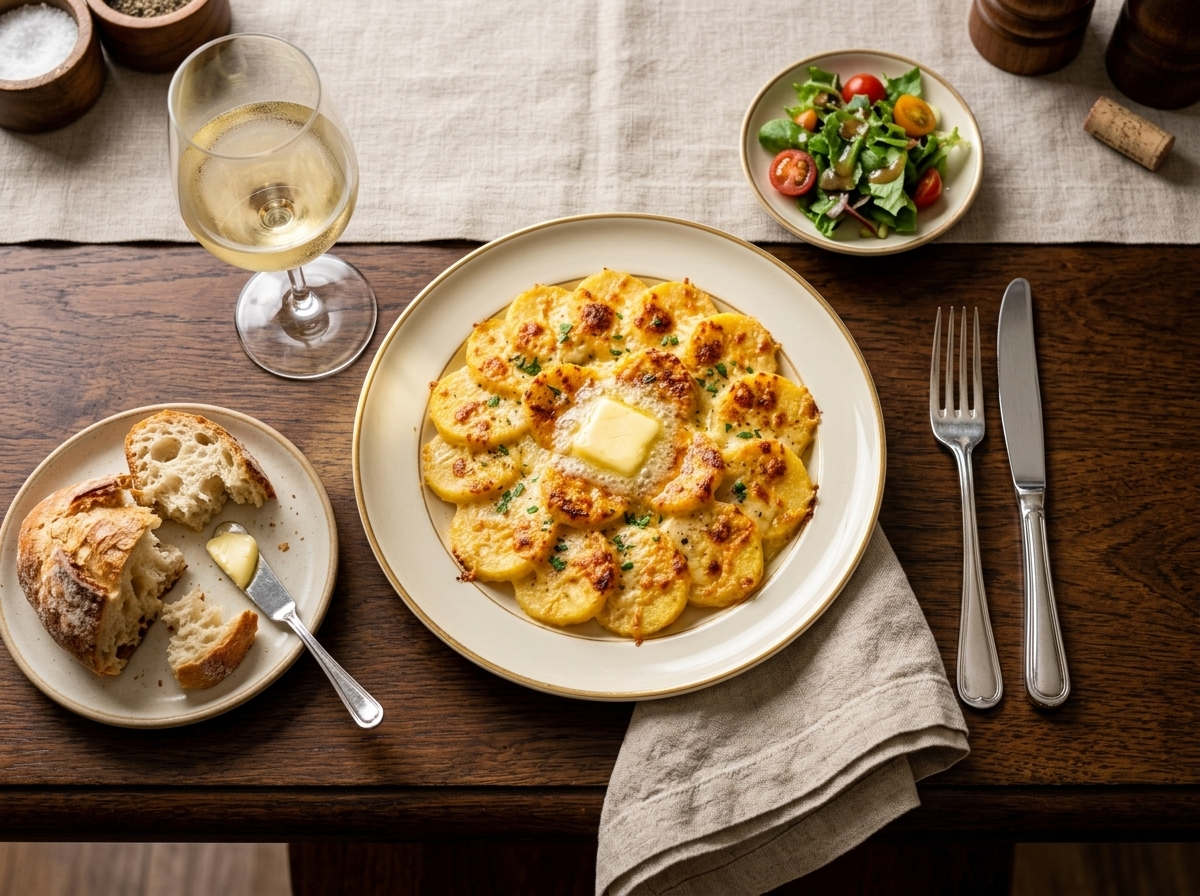
Serve gnocchi alla romana as a primo before a simply roasted chicken or veal, the way it’s often eaten in Rome.
It also works as a light main with a bitter salad, radicchio or arugula with lemon cuts through the richness.
A glass of Frascati or another crisp white wine sits well next to the buttery top.
FAQ
Why did my gnocchi alla romana turn out lumpy instead of smooth?
Lumps happen when the semolina goes into the milk too fast or the milk isn’t simmering when you add it. Rain the semolina in slowly, whisking the whole time, and keep the milk at a gentle simmer, not a hard boil. Once lumps form in cooked semolina, they won’t smooth back out.
Can I use polenta cornmeal instead of semolina for gnocchi alla romana?
No, cornmeal gives a grainy, gritty texture that doesn’t match the dish. Semolina di grano duro is finer and sets into a smooth, sliceable base. If you can’t find semolina, look for cream of wheat as a closer substitute than polenta.
Can I make gnocchi alla romana ahead and refrigerate the cut discs overnight?
Yes, cut discs hold well covered in the fridge for up to a day before baking. Arrange them in the baking dish, cover tightly, and bake straight from cold, adding a few extra minutes. This makes it a solid dinner-party dish since the last step is just the oven.
What goes well with gnocchi alla romana besides a green salad?
Roasted chicken, braised greens, or a simple tomato sauce on the side all work well. In Rome it’s often served as a first course before a roasted meat rather than as the whole meal. A crisp white wine like Frascati balances the buttery top.
Is gnocchi alla romana gluten free?
No, gnocchi alla romana is made with semolina, which is wheat, so it contains gluten. There isn’t a reliable one-to-one gluten-free swap that keeps the same texture, since polenta and rice flour behave differently in the milk base.
What’s the difference between gnocchi alla romana and gnocchi di patate?
Gnocchi alla romana is made from semolina cooked in milk and baked in discs, while gnocchi di patate are boiled potato dumplings. They share a name but almost nothing else, different base ingredient, different cooking method, and a completely different texture.