Jump to Recipe
Some recipes whisper stories of generations past. They carry the quiet magic of family kitchens. Love simmers slowly in worn copper pots.
My grandmother’s hands knew the rhythm of transforming simple ingredients. She made something extraordinary—a humble Italian chickpea soup. It speaks volumes about tradition, comfort, and home cooking.
The zuppa di ceci e rosmarino recipe isn’t just food. It’s a connection to roots deeper than any cookbook can capture.
Each spoonful carries memories of rustic Tuscan tables. Rosemary’s fragrant embrace transforms ordinary chickpeas. It becomes a masterpiece of Italian culinary wisdom.
Key Takeaways
- Traditional Italian chickpea soup represents generations of family cooking
- Rosemary plays a crucial role in elevating the soup’s flavor profile
- The recipe embodies authentic Italian home cooking principles
- Dried chickpeas provide superior texture and depth compared to canned
- This zuppa di ceci e rosmarino recipe connects food with cultural heritage
Why This Rustic Italian Chickpea Soup Deserves a Place in Your Kitchen
Picture a rustic rosemary soup that turns simple ingredients into a culinary masterpiece. Our hearty Italian bean soup connects you to generations of Italian cooking traditions. This zuppa di ceci brings warmth, nutrition, and soul to your dining table.
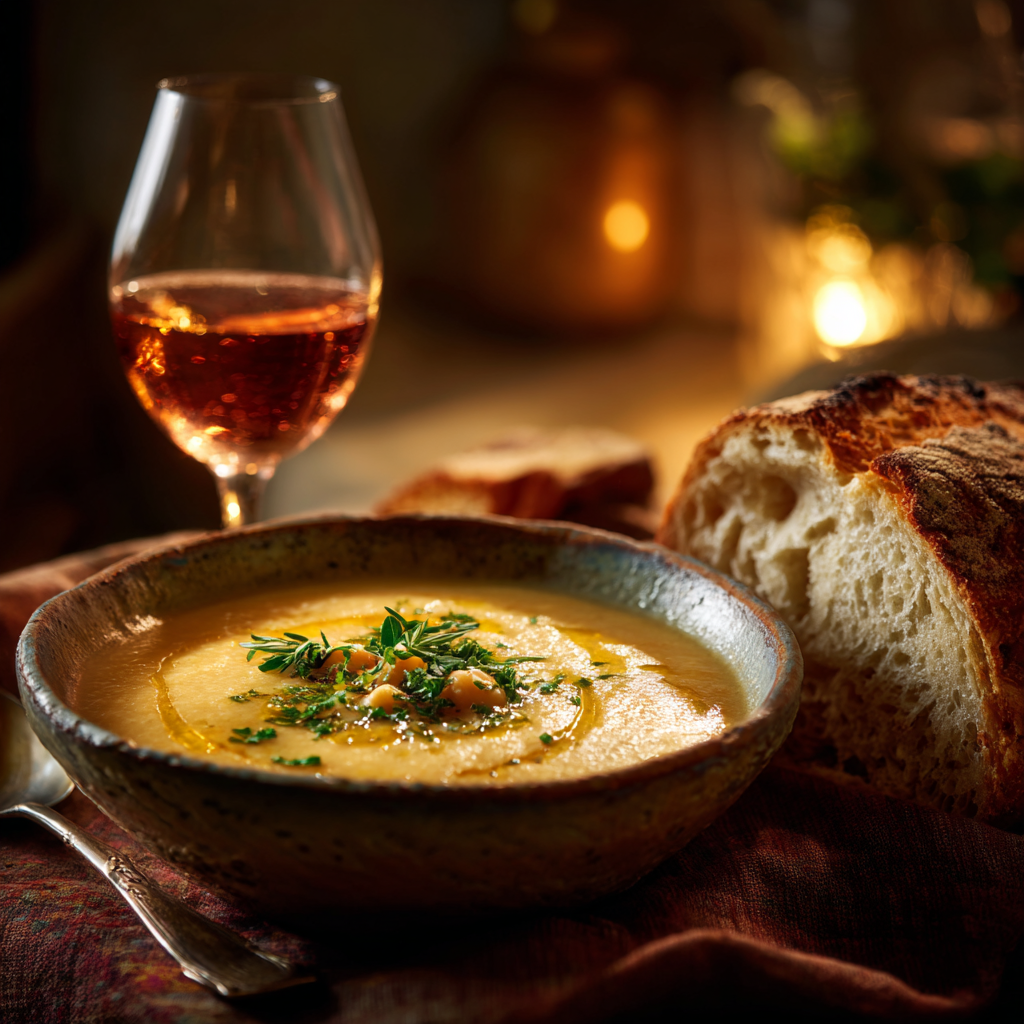
The beauty of this rustic rosemary soup lies in its incredible versatility. This hearty Italian bean soup works for busy home cooks and health-conscious eaters alike. It’s packed with protein-rich chickpeas, aromatic rosemary, and simple ingredients that transform into something magical.
- Nutrient-dense and protein-packed
- Budget-friendly meal solution
- Vegan and gluten-free friendly
- Develops deeper flavors overnight
What makes this soup truly special is its ability to tell a story. Each spoonful carries the essence of Italian home cooking. The chickpeas provide a creamy texture, while rosemary adds aromatic depth.
Perfect for meal prep or a comforting dinner, this soup represents more than just sustenance. It celebrates Italian cooking philosophy: transforming simple ingredients into extraordinary meals. These meals nourish both body and soul.
Zuppa di Ceci e Rosmarino Recipe
Let me guide you through creating an authentic Italian soup. This dish will transport your kitchen straight to Tuscany. It’s a culinary journey connecting you with generations of Italian home cooking.
Every great homemade zuppa di ceci begins with selecting the right ingredients. Quality matters more than perfection. Let’s break down what you’ll need to craft this rustic comfort food.
Essential Ingredients for Authentic Italian Chickpea Soup
- Dried chickpeas (200g)
- Fresh rosemary sprigs
- Extra virgin olive oil
- Garlic cloves (3, halved)
- Pasta (tagliatelle, maltagliati, or ditalini – 200g)
- Fresh parsley
- Salt and pepper to taste
Step-by-Step Cooking Method
- Soak chickpeas overnight with a pinch of bicarbonate
- Drain and rinse chickpeas thoroughly
- Boil chickpeas in water with parsley for 1.5 hours
- Blend a portion of chickpeas to create creamy texture
- Sauté garlic in olive oil with rosemary until golden
- Add infused oil to the soup
- Cook pasta separately to control starchiness
- Combine pasta with soup
- Adjust consistency with water
- Finish with fresh parsley, salt, pepper, and olive oil drizzle
The secret to incredible authentic Italian soup lies in patience and quality ingredients. Take your time and enjoy the process. Let each ingredient shine.
The Secret to Getting That Creamy, Comforting Texture
Crafting the perfect rosemary chickpea soup isn’t just about ingredients—it’s about technique. The magic happens in how you prepare and blend your Mediterranean chickpea stew. Simple ingredients transform into a culinary masterpiece with the right methods.
Dried Chickpeas vs Canned: A Texture Showdown
The chickpea choice makes all the difference in creating an authentic Mediterranean chickpea stew. Dried chickpeas require more preparation but deliver superior results.
- Dried Chickpeas:
- Require overnight soaking
- Cook for approximately 1.5 hours
- Develop deeper, richer flavor
- Maintain better texture
- Canned Chickpeas:
- Quick and convenient
- Reduce cooking time by half
- Slightly mushier texture
- Less control over broth consistency
Blending Techniques for Rosemary Chickpea Soup Perfection
Strategic blending creates that restaurant-quality texture. Our recommended method involves partial pureeing. This creates a creamy yet chunky consistency.
| Technique | Method | Result |
|---|---|---|
| Traditional Approach | Remove a ladleful of chickpeas, blend separately, return to pot | Controlled creaminess |
| Immersion Blender Method | Blend directly in the pot, leaving some whole chickpeas | Quick and uniform texture |
Pro tip: Blend until the soup coats the back of a spoon. Keep some whole chickpeas visible. This ensures a satisfying texture that honors the traditional rosemary chickpea soup’s rustic roots.
Serving Suggestions and What Pairs Best with This Tuscan Classic
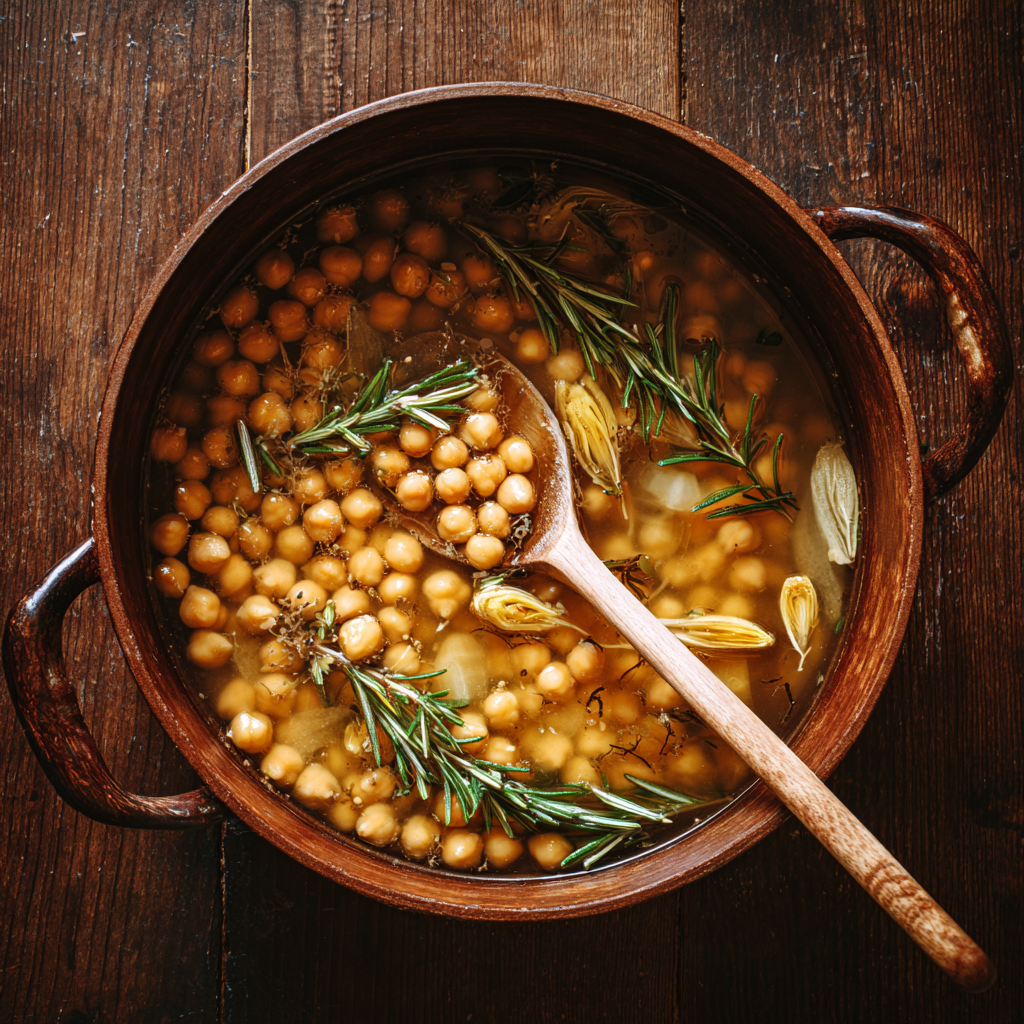
Our Tuscan bean soup tastes best when served piping hot. Drizzle extra virgin olive oil across its surface to create golden pools. Fresh parsley adds color and brightness that transforms the entire dish.
This simple touch connects you to the rustic kitchens of Tuscany. Every ingredient tells a story in this traditional soup.
Crusty sourdough bread is the perfect companion for this soup. Tear the bread into chunks and nestle them right into the bowl. The bread soaks up the rich, rosemary-infused broth beautifully.
A light cerasuolo wine complements the earthy chickpeas perfectly. Its crisp acidity dances alongside the soup’s deep flavors.
Consider topping the soup with crispy pancetta for extra texture. A handful of fresh arugula wilts gently in the heat. A light grating of Parmigiano-Reggiano adds another layer of richness.
The beauty of this Tuscan bean soup lies in its versatility. It adapts gracefully from a light lunch to a hearty dinner centerpiece.
Storage is a breeze with this soup. It keeps wonderfully in the refrigerator for up to five days. The flavors deepen over time, making leftovers even better.
Pro tip: if the soup thickens too much, thin it with water or broth. You can freeze portions for up to three months. A taste of Tuscany is always within reach.
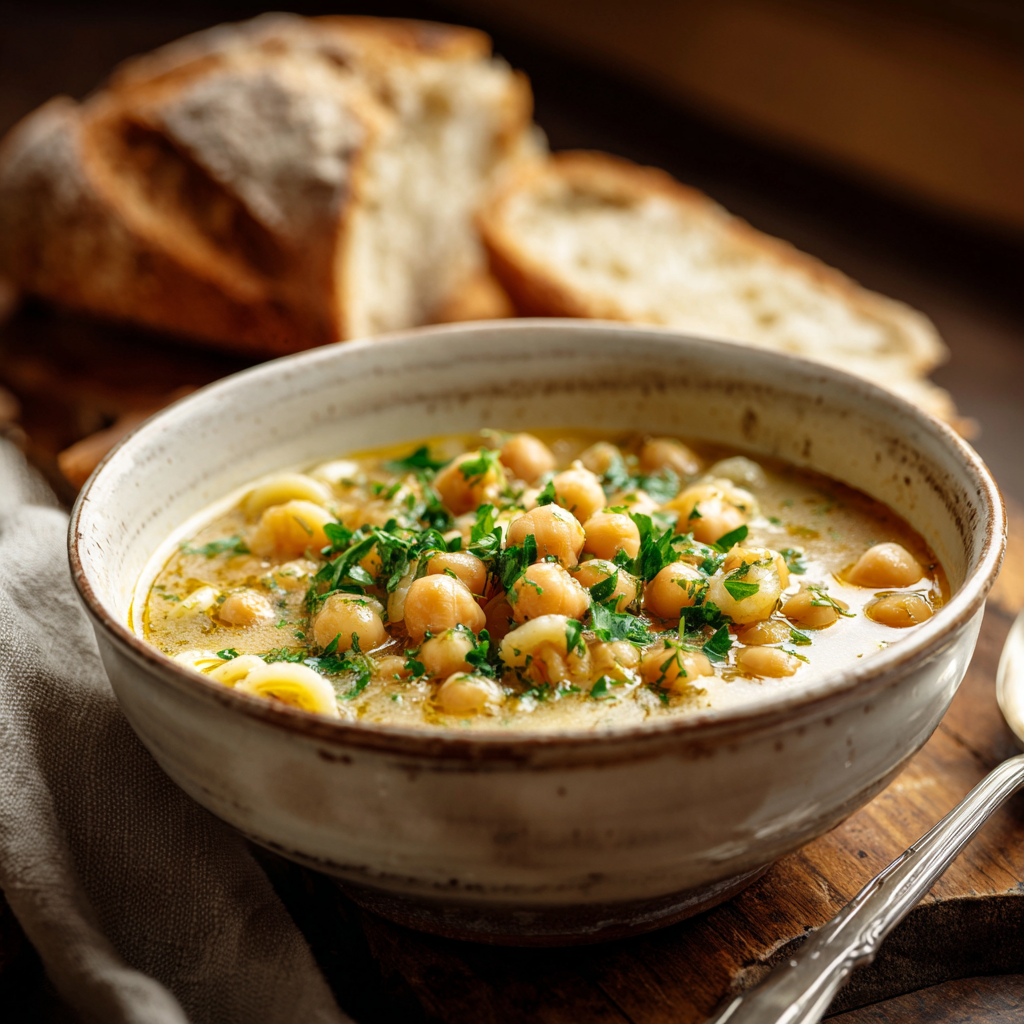
Zuppa di Ceci e Rosmarino (Tuscan Chickpea & Rosemary Soup)
Ingredients
Method
- Place dried chickpeas in a large bowl, add water and a pinch of bicarbonate of soda. Soak overnight.
- Drain and rinse well. Add chickpeas to a pot with fresh parsley and enough water to cover. Simmer gently for about 1.5 hours until tender.
- Scoop out a ladle of chickpeas and blend until smooth. Stir this puree back into the pot to create a creamy base.
- Heat olive oil in a small pan. Add garlic and fresh rosemary. Cook until the garlic turns golden and the rosemary releases its aroma. Pour this scented oil into the soup.
- Boil pasta in a separate pot until al dente. This prevents the soup from becoming too starchy.
- Add the cooked pasta to the soup. If it looks too thick, add a little water to loosen it. Season with salt and pepper.
- Stir in chopped parsley. Drizzle with extra olive oil before serving. Enjoy hot with crusty bread.
Notes
- The soup tastes even better the next day as the flavors deepen.
- If it gets too thick after cooling, just add a splash of water or broth before reheating.
- Fresh rosemary makes a big difference—don’t swap for dried unless you have to.
- For a richer bowl, add crispy pancetta or grated Parmigiano-Reggiano.
- Freezes well for up to three months.