
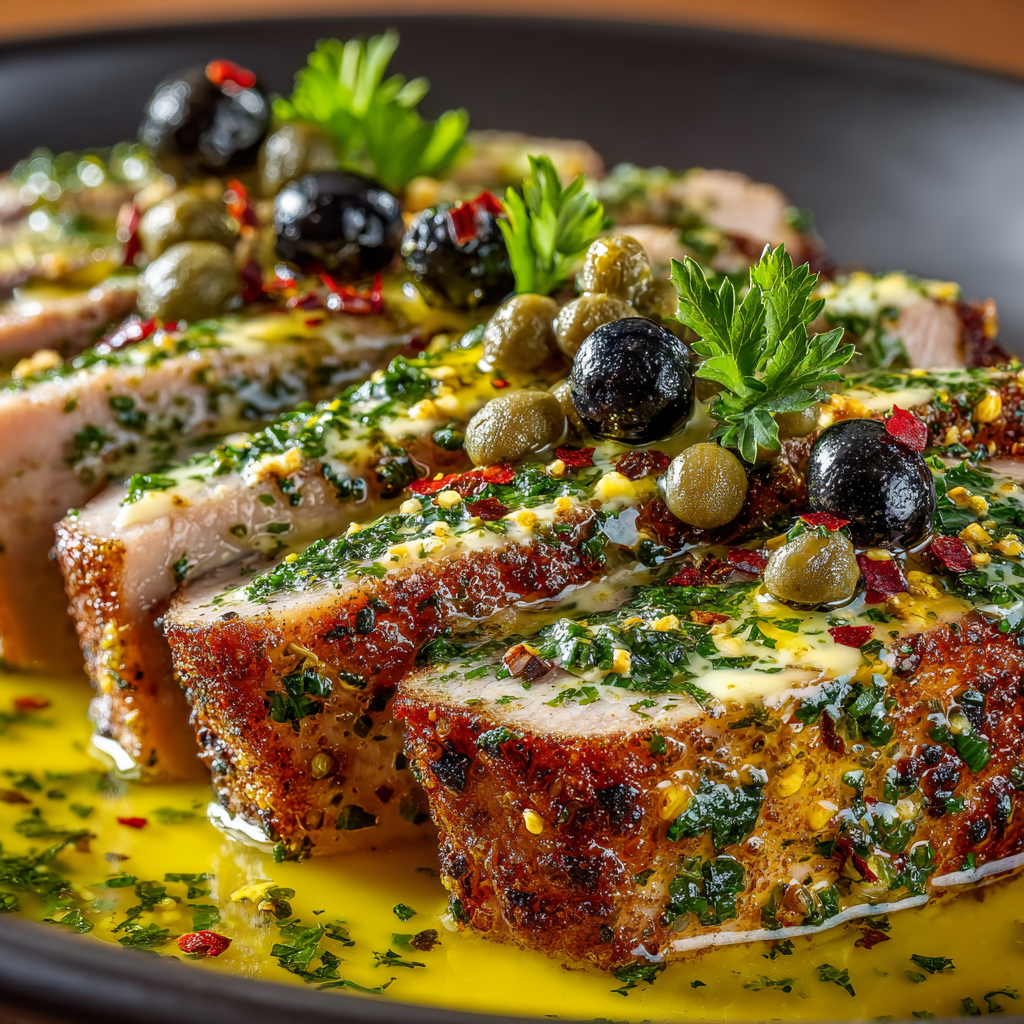
Jump to Recipe
I learned the vitello tonnato piemontese recipe under the hot sun of Piemonte, where veal simmered in a wine-scented broth tasted like the hills themselves.
On summer evenings, thin slices of meat cooled in their cooking liquid while a bright tuna-and-anchovy sauce came together with capers and a hint of lemon. The contrast is electric: silky meat, ocean notes, and a smooth sauce that clings to a spoon.
I write from summers at my grandparents’ table, and I’ll share the small cues that stop guesswork — how the broth should smell of onion and bay, how the roast resists the knife when perfect, and how to keep the sauce light rather than heavy. This dish is celebration food that feels effortless when you know the steps.
Key Takeaways
- Simmer veal gently in a wine-scented court bouillon for tenderness and flavor.
- Cool the roast completely in its liquid to preserve juiciness and ease slicing.
- Balance tuna, anchovy, and capers so the sauce remains bright, not heavy.
- Slicing thin changes texture and makes each bite elegant and light.
- Small sensory cues — aroma, resistance to the knife, sauce coating — guide success.
Why this Piedmont classic belongs on your summer table
On hot afternoons in Turin, I reach for this chilled platter because it feels like summer on a plate. It’s an antipasto meant to be cool and elegant. The contrast between tender meat and a bright fish-based sauce makes it refreshing, not heavy.
A cool, elegant antipasto with real roots in Piemonte
This food comes from Piemonte, where land and sea met in surprising ways. Families like mine served thin slices cold so the texture stayed silky and the flavors could settle. Pellegrino Artusi and other old texts helped fix the classic approach, but local tables always add their small variations.
What makes authentic vitello tonnato special (and how mayo fits in)
The traditional tuna sauce blends tuna, anchovy, and capers for savory lift. Lemon brightens the finish and a light olive oil helps emulsify without weighing the mix down.
Mayonnaise has earned a place in many kitchens. Use it sparingly to stabilize the sauce if you want a creamier, blender-friendly texture. A little oil and a tiny squeeze of lemon will keep the balance, letting the veal and sauce meet in the middle.
- Serve cool, not icy — a gentle serving temperature lets aromas bloom.
- Prepare ahead and chill; plate just before guests arrive for clean presentation.
- For more technique notes and a full method, see this classic guide: classic vitello tonnato at home.
Vitello Tonnato Piemontese Recipe
I keep this section practical: a short list of ingredients and precise technique notes so you can execute with confidence. Gather a small veal roast, a can of tuna in olive oil, anchovy fillets, capers, a lemon, two whole eggs, and about two cups of olive oil.
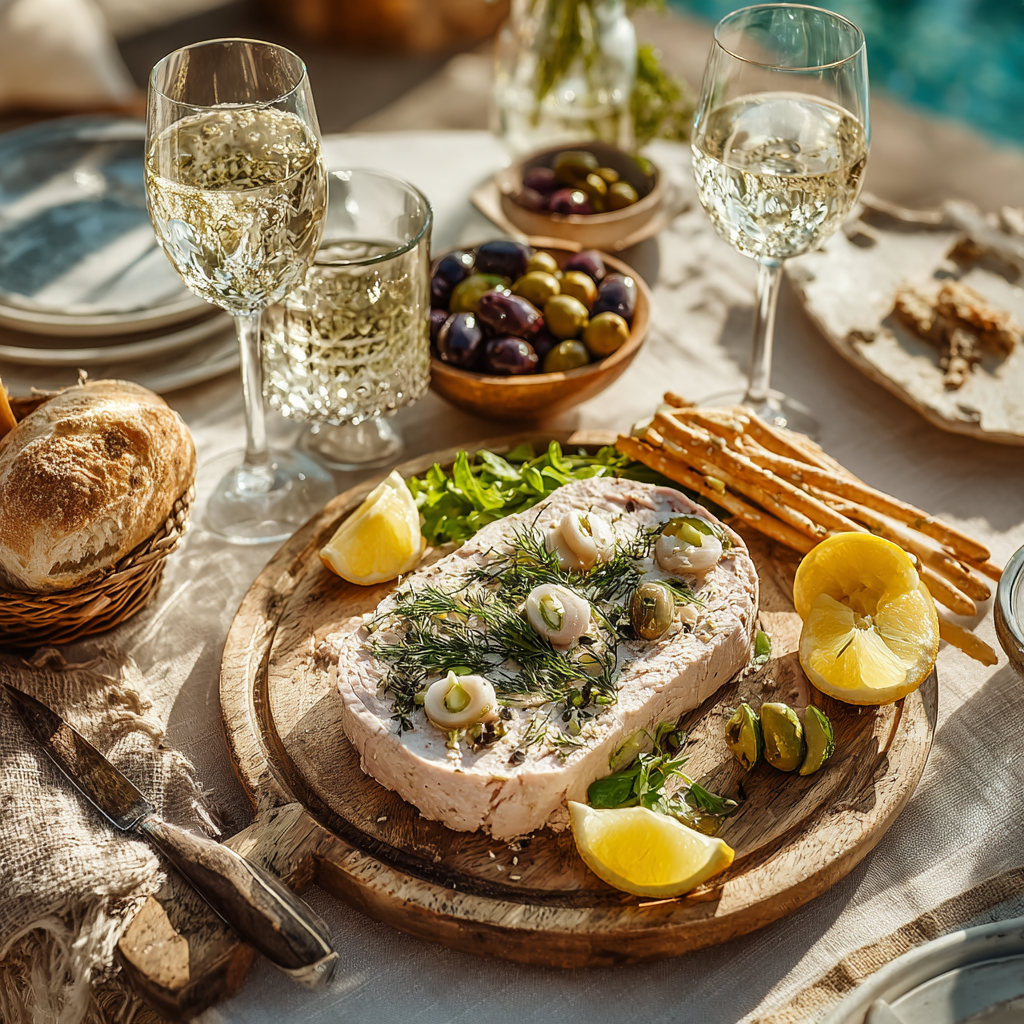
Build a court bouillon by simmering 1/4 onion, 1 carrot, and 1 celery stick with one bay leaf, a few cloves, a few whole peppercorns, a glass of dry white wine, salt, and enough water to cover. Let the aromatics simmer 10–15 minutes until the kitchen smells of wine and herbs.
Technique: simmer, cool, and sauce
- Add the meat and maintain a gentle simmer—never a rolling boil. Veal takes about 60–90 minutes depending on cut; test with a skewer for a slight bounce.
- Remove from heat and cool completely in the broth for about an hour so juices settle. If short on time, chill in the fridge, but slow cooling yields silkier thin slices.
- For the tuna sauce, blend 2 whole eggs with lemon juice and salt, then stream in roughly 2 cups olive oil until glossy. Blend in 2–3 anchovy fillets, 1 tablespoon capers, and the tuna. Thin with a few spoonfuls of cooking liquid until pourable.
- Slice the cooled meat very thin against the grain. Arrange overlapping on a platter, spoon over sauce, and finish with extra capers, lemon slices, and parsley. Flavors improve after several hours or overnight.
| Cut | Approx. Cook Time (minutes) | Cooling Note | Serving Tip |
|---|---|---|---|
| Small veal roast | 60–90 | Cool completely in broth ~1 hour | Slice thin; chill several hours |
| Pork loin | ~60 | Cool in liquid, then chill | Use same sauce; watch salt |
| Pork tenderloin / Turkey breast | 20–30 | Shorter cook; cool fully | Slices should drape, not tear |
Pro tips, smart swaps, and serving ideas
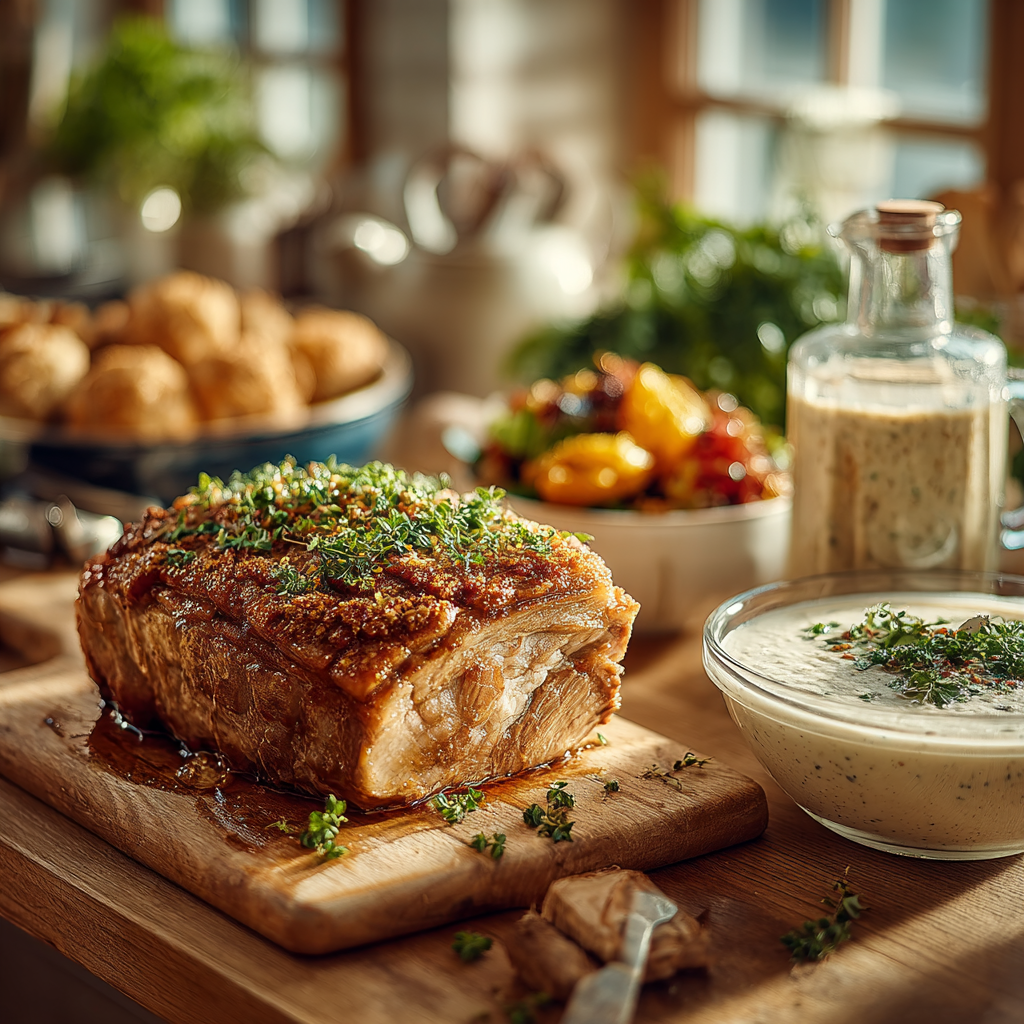
A small change in the cut changes timing, but not the goal: silky slices and a balanced sauce. I want you to feel confident making this at home, whether you use veal or a swap from the pantry.
If not veal: using pork loin, pork tenderloin, or turkey breast
Pork loin gives the closest texture to veal and needs about 60 minutes. Tenderloin and turkey cook in 20–30 minutes and are great for weeknight trays.
Simmer aromatics first—onion, carrot, celery, bay, cloves, and peppercorns in white wine and water for 10–15 minutes—then add the meat.
Flavor balance: olive oil choice, lemon juice, and cooking liquid
Use a lighter olive oil so the olive notes don’t overwhelm the tuna and anchovy. Brighten with a little extra lemon juice if needed.
If the sauce tightens, temper it with a spoon or two of the meat broth. A touch of mayonnaise smooths texture without stealing brightness.
Make-ahead, chilling time, and ideal serving temperature
Cool completely in the pot for the juiciest slices, or move to the fridge if you’re pressed for time. Plan at least a couple hours of chill; flavors improve after that or overnight.
Bring the platter to a pleasant serving temperature by letting it sit 10–15 minutes out of the fridge before guests arrive.
Garnish like a local: capers, lemon slices, parsley, and plating patterns
Slice against the grain into thin slices and arrange in even rows. Spoon sauce over the top just before serving so the surface stays glossy.
- Scatter capers and parsley for contrast.
- Add lemon slices at the rim for aroma and color.
- Alternate rows of different meats for a festive look.
| Cut | Approx. Cook Time (minutes) | Cooling & Serving Note |
|---|---|---|
| Veal / Small roast | 60–90 | Cool completely in broth ~1 hour; slice thin and chill several hours |
| Pork loin | ~60 | Cool in liquid; watch salt; serve chilled or lightly cool |
| Pork tenderloin / Turkey breast | 20–30 | Short cook; cool fully; best for quick weeknight servings |
Conclusion
I close here with a simple plan: give the assembled platter a little time so the sauce and slices can settle. A short rest—hours or overnight—deepens the flavors and smooths the texture.
When I plate, I layer thin slices neatly, spoon just enough sauce on top, and finish with capers, lemon, and parsley as a light garnish. A whisper of anchovy and a touch of olive oil keep the balance without overwhelming the meat.
This method turns modest pieces into a confident dish ready for an antipasto spread or a composed plate. Trust the cues, take your time, and enjoy the glossy sheen and tidy presentation when you set it down.
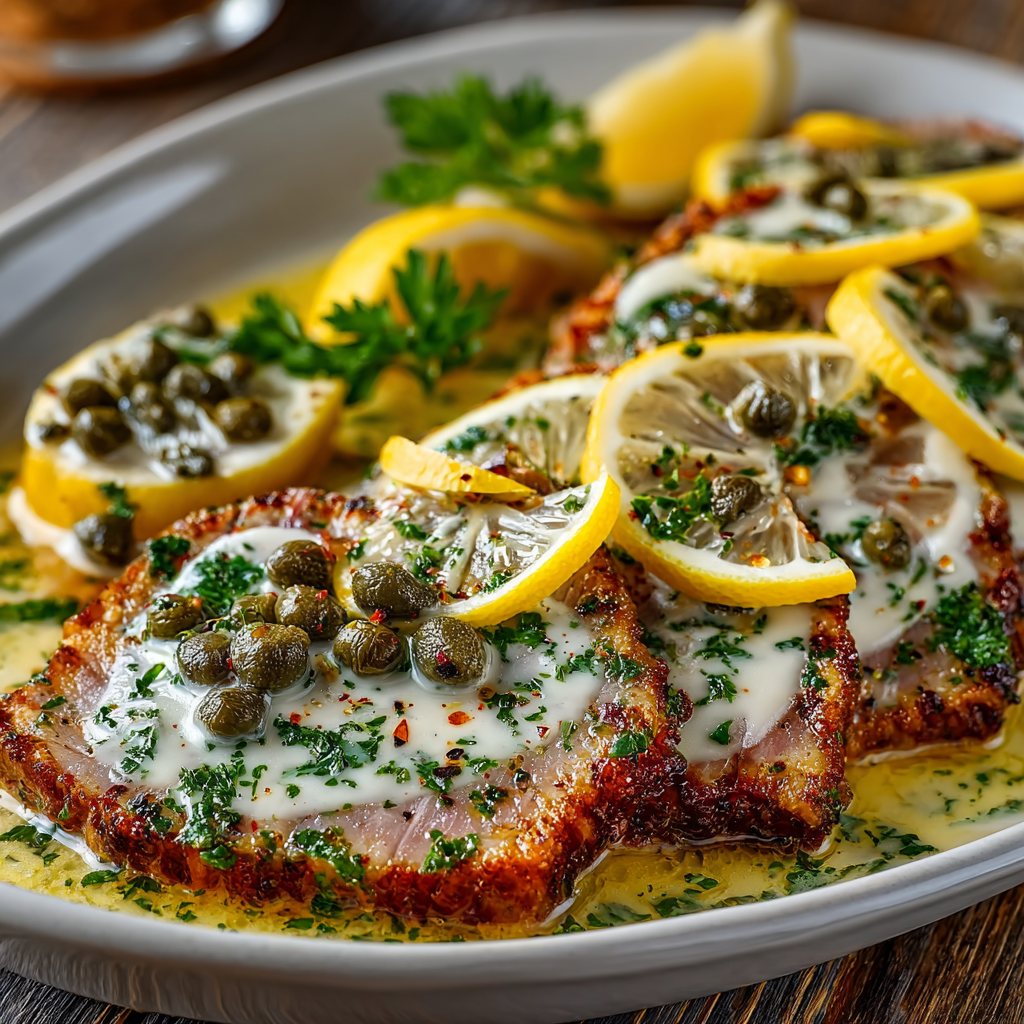
Vitello Tonnato Piemontese (Chilled Veal with Tuna Sauce)
Ingredients
Method
- In a large pot, add onion, carrot, celery, bay leaf, cloves, peppercorns, white wine, salt, and water to cover. Simmer for 10–15 minutes until the kitchen smells of wine and herbs.
- Add the veal to the simmering liquid. Keep it at a gentle simmer (never boiling) for about 60–90 minutes, depending on the size of the roast. Test with a skewer—it should feel tender but with a little resistance.
- Remove from heat and let the veal cool completely in its broth (about 1 hour). This step keeps it moist and easy to slice later. Then refrigerate until chilled.
- In a blender, combine eggs, lemon juice, and salt. Slowly pour in olive oil while blending until creamy and thick. Add tuna, anchovies, and capers, blending until smooth. Thin with a few spoonfuls of cooled broth if needed.
- Slice the chilled veal very thinly against the grain. Arrange slices on a large platter, slightly overlapping.
- Spoon the tuna sauce over the slices. Garnish with capers, lemon slices, and parsley. Chill for at least an hour before serving so flavors settle.
- Bring to the table slightly cool (not icy cold). Serve as an antipasto or light main course.
Notes
- Cool the veal in its broth for the juiciest texture.
- Use a mild olive oil so it doesn’t overpower the tuna flavor.
- The dish actually tastes better the next day, as the sauce and veal harmonize overnight.
- If you don’t have veal, pork loin or turkey breast make great substitutes — just shorten the simmer time.
- Serve slightly cool, never straight from the fridge, so aromas bloom.