

Jump to Recipe
I learned to love pappa al pomodoro tuscan soup on cold nights, when a thick bowl of tomato and bread felt like a warm hand. The aroma of simmering tomatoes, garlic, and a drizzle of olive oil still pulls me into the kitchen.
This tomato bread soup is rustic and forgiving: hand-crushed tomatoes give a chunky bite, while a quick blend makes it silky. Fresh or day-old bread soaks up flavor fast, and you can swap stock types or add a pinch of red pepper for heat.
My goal is practical: show texture choices, smart ingredient swaps, and simple stovetop steps so your tomato and bread converge into a custardy, spoon-standing dish. I finish each bowl with cracked pepper and torn basil to lift the taste and highlight the season.
Key Takeaways
- One pot turns pantry staples—good tomatoes, bread, garlic—into a comforting meal.
- Texture is yours: hand-crush for rustic, blend for smooth.
- Fresh or stale bread both work; adjust liquid for thicker or looser soup made to your liking.
- Finish with extra-virgin olive oil and basil for aroma and balance.
- The recipe is forgiving and fits any season with simple swaps.
What makes this tomato bread soup so comforting and reliably delicious
This tomato-and-bread dish feels like a kitchen hug—simple, honest, and built from pantry staples. Its roots are practical. Families used bread past its prime to make a filling meal that wastes nothing.
Rustic roots meet bright tomatoes and soft bread for a tasty contrast. The tomato brings acidity and sweetness. Bread gives body and a creamy texture without dairy.
Rustic roots, minimal ingredients, maximum flavor
I start with good olive oil and gentle heat on onion and garlic so they soften without browning. Hand-crushed tomatoes keep juicy chunks; puréeing gives a silkier bowl. Both work—each changes the mouthfeel.
- Fresh or oven-dried bread hydrates quickly and makes the soup plush.
- Truly stale bread will rehydrate but needs more time to soften.
- A final drizzle of olive oil, cracked pepper, and torn basil leaves lifts the whole pot.
In short, the dish rewards choice more than fuss. Pick quality tomatoes and bread, mind the gentle heat, and finish boldly. That blend of technique and simple ingredients is why pappa pomodoro still feels like comfort food each season.
Ingredients and smart swaps for pappa pomodoro
I treat the ingredient list like a small toolkit: tomatoes, bread, oil, aromatics, and stock. Choosing each item wisely makes the difference between fine and memorable.
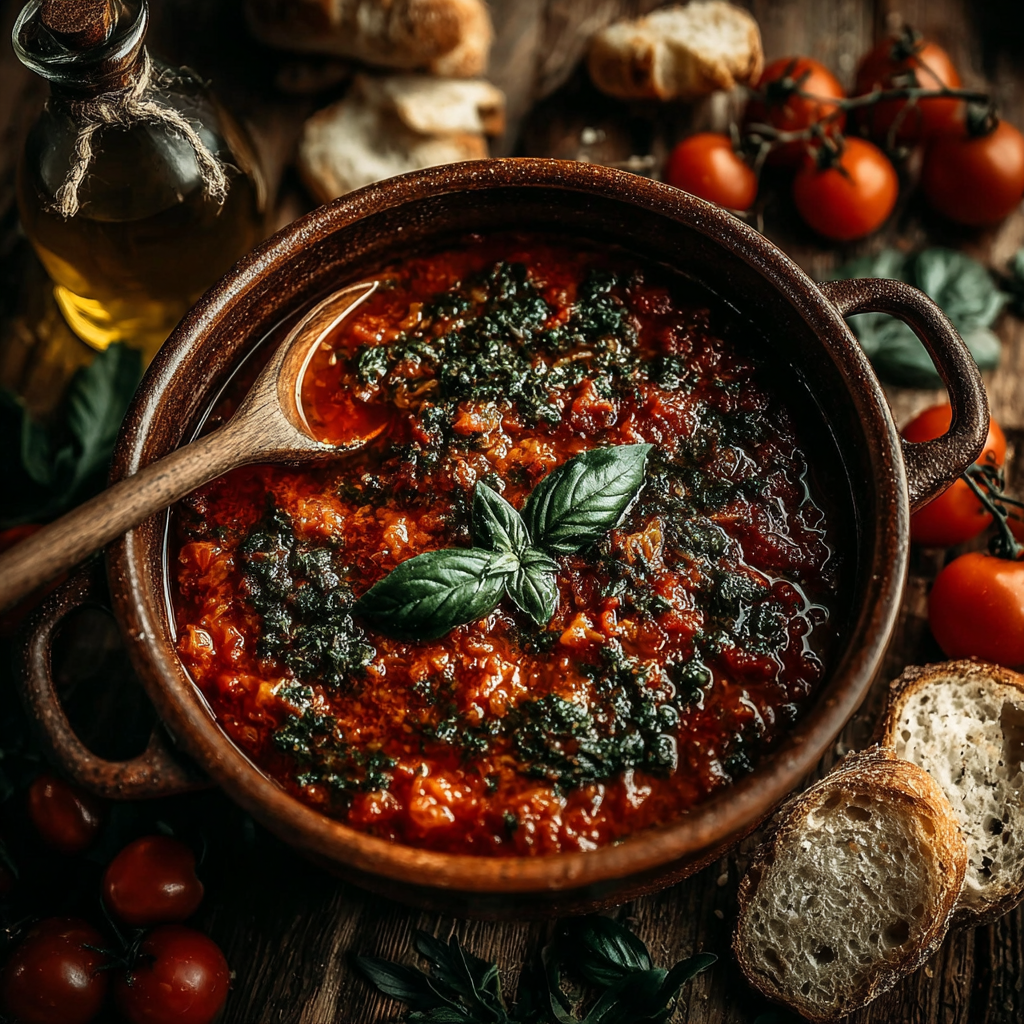
Tomatoes: canned whole vs. peak-season fresh
I keep two playbooks. For reliability, good canned tomatoes like San Marzano or Muir Glen deliver balanced acidity and sweet flavor.
When tomatoes are truly ripe, I core, score, blanch 1 minute, shock in ice, peel, and add the chopped fruit and juices. That keeps brightness without skins.
Breads that work: fresh, stale, or oven-dried loaves
Rustic loaves cube and hydrate evenly. Fresh or oven-dried bread softens fast. A very stale bread will work, but it may need extra cups of stock and time to fully soften.
Olive oil, aromatics, and heat
Start with extra-virgin olive oil, sweat onion and garlic gently, and add a pinch of red pepper flakes for warmth. Finish with torn basil or basil leaves and a thread of oil.
- Stock: vegetable makes a clean base; chicken adds depth; water is fine if you season well.
- Salt in stages, aim for a custardy texture, and mind that fat mostly comes from olive oil for balanced nutrition.
How to make pappa al pomodoro tuscan soup on the stovetop
Put a roomy pot over medium heat and let the oil shimmer before adding aromatics. I walk you through clear cues—sight, smell, and timing—so every step leads to a predictable result.
Sweat aromatics and control the heat
Heat 2 tablespoons extra-virgin olive oil in the pot until it glints. Bloom a pinch of red pepper flakes, add sliced garlic and cook until pale gold. Stir in the onion and sweat until translucent, about 5 minutes. Reduce heat if the garlic edges brown.
Tomatoes: crush or purée for your texture
Add hand-crushed whole tomatoes with their juices and a couple of basil sprigs. Bring the mixture to a gentle simmer. If you want silkier texture, purée first and return it to the pot.
Incorporate bread and finish the body
Fold in torn bread, then ladle warm stock so pieces are fully saturated. Simmer about 20–25 minutes until the bread turns custardy. Whisk vigorously to break it down and thicken the bowl.
- Adjust thickness with more vegetable or chicken stock by the cup.
- Taste and season with salt and freshly ground black pepper at the end.
- Finish with a bold drizzle of olive oil and torn basil leaves as a garnish.
Pro tips, variations, and serving ideas

Small tricks in the kitchen make a big difference when you want a perfect tomato bread bowl. Below I share prep shortcuts, texture options, and simple serving ideas you can use right away.
When to use fresh vs. canned and how to prep each
I reach for canned tomatoes most months for steady flavor. In peak season, blench, shock, peel, and chop fresh tomatoes to keep the texture bright.
Texture control: chunky, silky, or porridge-like
Crush by hand for a chunky bite. Blend a portion for silky body. Whisk the pot after 10–15 minutes to coax a porridge-like finish.
Optional adds and how to use them
Add a bay leaf or a pinch of oregano while simmering, or sweat a small mirepoix for extra sweetness. A light Parmesan grate at the table works if you like cheese.
Serving ideas
Serve hot, at room temp, or chilled. Finish each bowl with a drizzle of olive oil, torn fresh basil leaves, and a cracked pepper garnish. Set out red pepper and flakes so guests can tune the heat.
- Oven-dry moist bread cubes to reduce soak time.
- Stop short of final thickness for make-ahead; loosen with vegetable or chicken stock when reheating.
- Pair with grilled bread, a crisp salad, or roasted vegetables for contrast.
| Type | Best use | Prep |
|---|---|---|
| Canned tomatoes | Reliability year-round | Use as-is, crush or blend |
| Fresh tomatoes | Peak-summer brightness | Core, score, blanch 1 minute, peel |
| Stale bread | Thick body | Cube or oven-dry, then soak |
Conclusion
Finish simple: a pot on the stove and a few honest ingredients can make weekday food feel special.
Let leftovers chill. The bowl will thicken as it cools. When you reheat, add a splash of stock or water and warm slowly for a few minutes. Finish each bowl with a drizzle of olive oil, cracked pepper, and torn basil to refresh aroma.
Make this recipe your own. Try it chunkier or smoother, lighter or richer, depending on season and mood. Keep a loaf handy so a pot and minutes of cooking turn pantry items into real comfort food.
I hope this pappa pomodoro becomes a regular—an easy tomato bread soup you trust and riff on with joy.
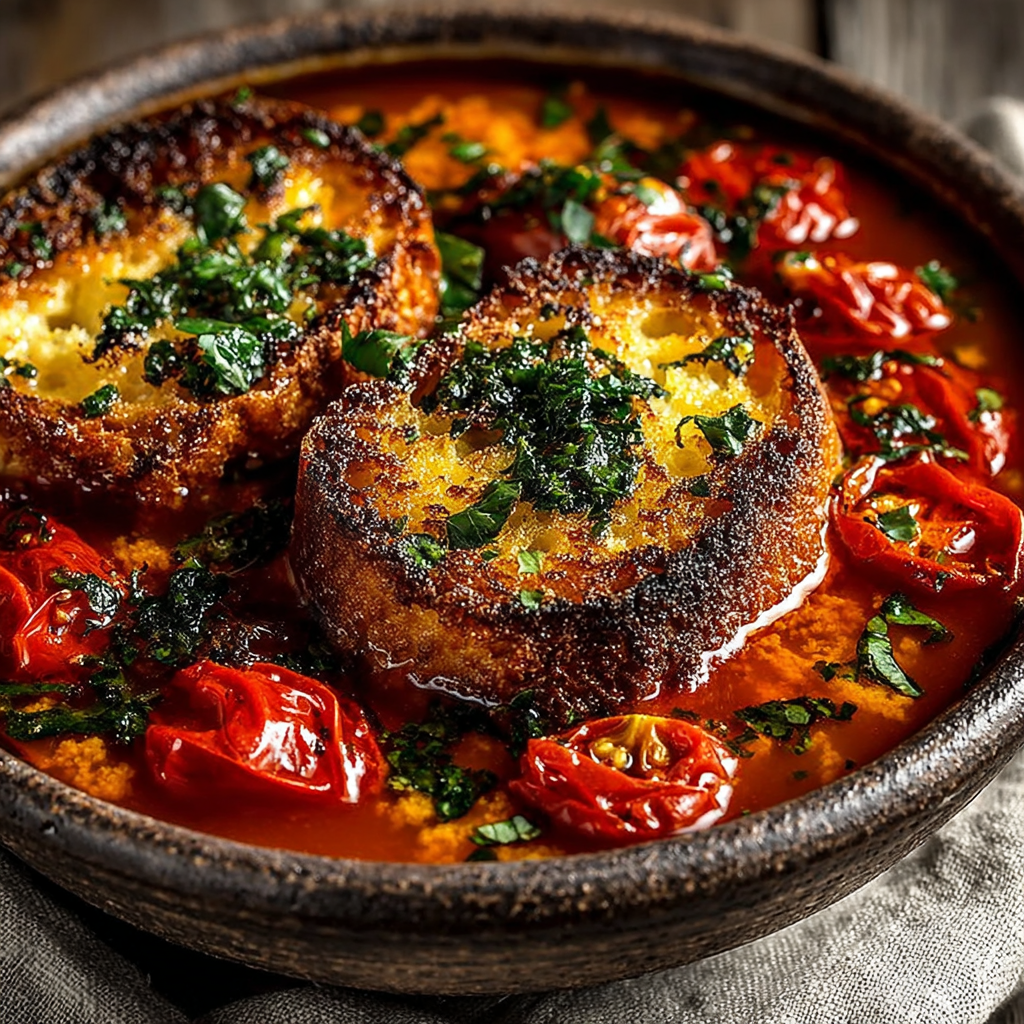
Pappa al Pomodoro (Tuscan Tomato Bread Soup)
Ingredients
Method
- Heat 2 tablespoons of olive oil in a large pot over medium heat until it shimmers. Add red pepper flakes (if using) and sliced garlic. Cook gently until the garlic turns pale gold.
- Stir in the chopped onion and cook until translucent and fragrant, about 5 minutes. Keep the heat low to avoid browning.
- Add the tomatoes with their juices.
- If using canned tomatoes: crush them by hand for a rustic texture.
- For a smoother soup: purée the tomatoes before adding.
- Toss in the basil sprigs and bring everything to a gentle simmer.
- Tear or cube your bread and add it to the pot. Pour in warm stock (enough to fully soak the bread). Stir well so all pieces absorb liquid.
- Simmer for 20–25 minutes, stirring often. The bread will soften and blend into the tomatoes, forming a thick, creamy texture.
- If it gets too thick, add more stock by the cup. For extra smoothness, whisk or mash gently.
- Taste and adjust salt and pepper. Remove basil sprigs.
- Serve hot with a bold drizzle of olive oil, torn basil leaves, and a sprinkle of cracked pepper or Parmesan if desired.
Notes
- Both fresh and canned tomatoes work—use fresh in summer, canned in winter.
- Any rustic or country-style bread is fine; oven-dry if too soft.
- Adjust the soup’s texture with more or less stock to your taste.
- Leftovers keep well for 3–4 days. Reheat slowly with a splash of stock or water.
- Serve hot, warm, or even room temperature—it’s delicious either way.