
Jump to Recipe
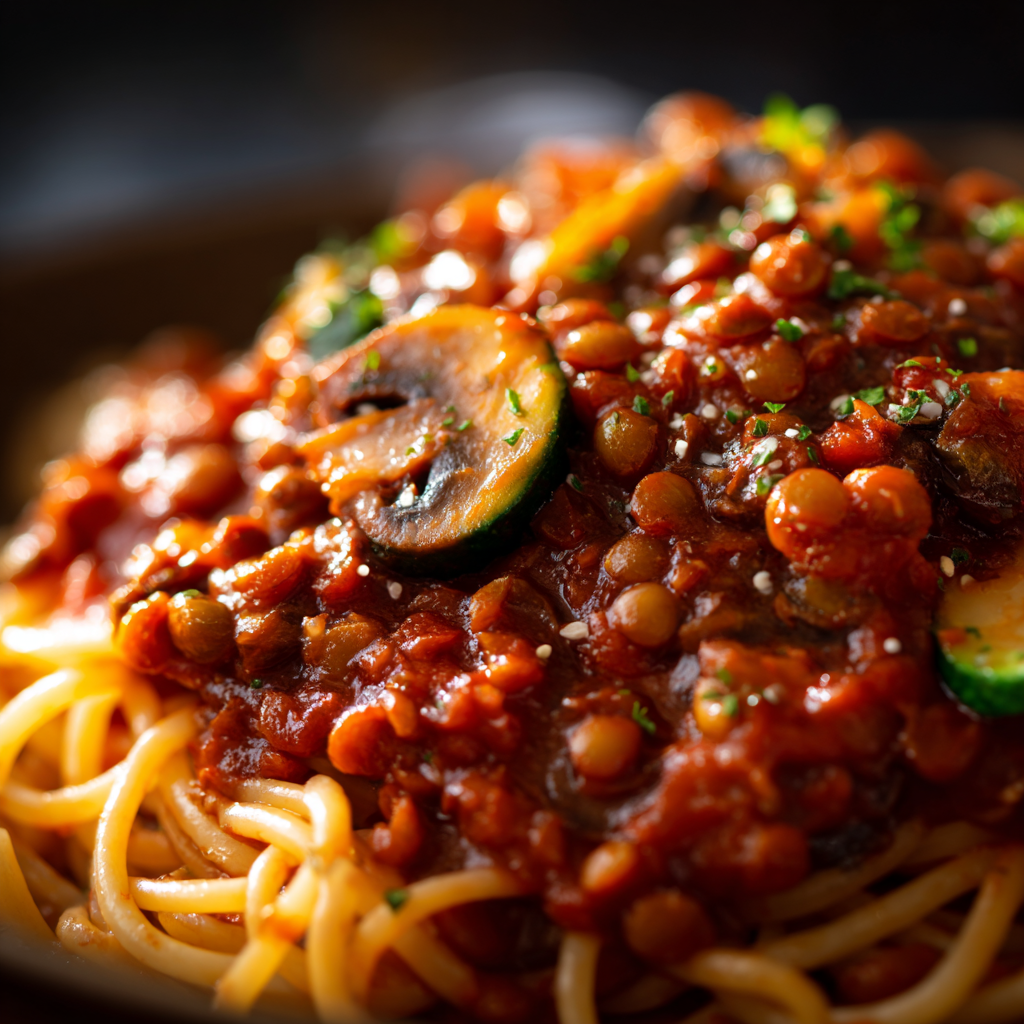
There’s a particular comfort in a simmering pot on the stove, the rich scent of tomatoes and herbs filling the kitchen. It’s the kind of meal that feels like a warm embrace, a tradition passed down through generations. We can capture that deep, savory essence without spending all afternoon stirring.
This approach uses red lentils to create a hearty foundation. They break down beautifully, mimicking the texture you expect and providing a solid plant-based protein. The whole process takes about half an hour, which is a gift on a busy weeknight.
Your pantry likely holds most of what you need. We keep the ingredient list straightforward and practical. If you’re new to plant-based cooking, this dish is a wonderful place to start. It has won over even the most skeptical eaters at my table.
Finely chopped vegetables melt right into the sauce, making it a clever way to welcome more veggies into family meals. You can also make a large batch. The sauce freezes perfectly for a future dinner, ready whenever you need a satisfying meal without the fuss.
Key Takeaways
- Enjoy the rich, authentic flavor of a classic Italian sauce in just 30 minutes.
- Red lentils provide a hearty, protein-rich base that cooks down to a perfect texture.
- The ingredient list is simple and relies on common pantry staples.
- This family-friendly meal is tested to please both kids and adults alike.
- Finely chopped vegetables blend seamlessly into the sauce for easy nutrition.
- Prepare a double batch for easy meal prep or freezing for future busy nights.
Fresh & Flavorful Beginnings: Sautéing Aromatics
A deep, flavorful foundation starts not with tomatoes, but with the gentle cooking of alliums. This initial step is where the sauce’s character truly forms. It creates a base that carries its richness through every subsequent ingredient.
How to Perfectly Sauté Onions and Garlic
Begin by warming a tablespoon of oil in a large, deep skillet. Use a medium heat setting. This provides enough warmth to soften the vegetables without risking a scorched, bitter taste.
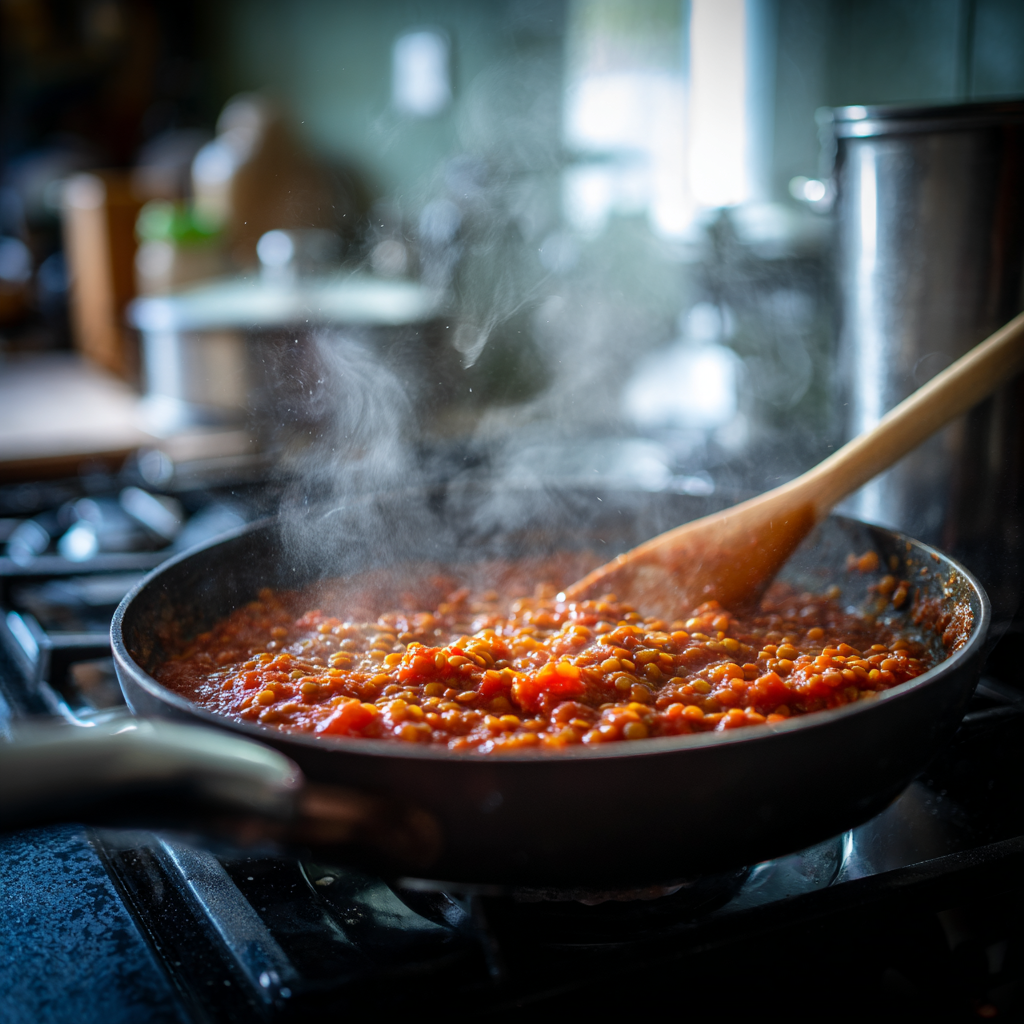
Add one finely chopped yellow onion and three cloves of garlic. I find that crushing the garlic releases more of its essential oils. Cook them together for about ten minutes.
Stir the mixture frequently during these first few minutes. Garlic can burn quickly on the hot surface. Burnt garlic introduces a bitterness that is difficult to correct later.
You will know the process is working when the onion turns soft and translucent. The sharpness will mellow into a warm, slightly sweet aroma. This signals a perfectly built foundation for your sauce.
For a quick prep, a food processor can create uniformly fine pieces. A sharp knife, however, works just as well. The goal is even pieces for even cooking.
Building the Base: Vegetables and Seasoning Essentials
With our aromatic foundation set, we now build upon it with carefully prepared vegetables that will define the sauce’s texture and depth. This stage transforms simple ingredients into a cohesive, flavorful base.
Chopping and Prepping Carrots, Zucchini, and Mushrooms
Traditional preparations often include finely diced carrot for subtle sweetness. We honor this principle while adding zucchini and mushrooms for extra nutrition. Grating two medium carrots and one zucchini creates small pieces that soften quickly.
Add these grated vegetables to your softened onions with a sprinkle of salt. Cook for about seven minutes until they release moisture and begin to soften. The carrots contribute a natural sweetness that balances other flavors.
Next, incorporate three cups of finely chopped mushrooms. They need roughly ten minutes to brown and develop their meaty, umami-rich quality. This extended cooking time prevents a watery sauce and builds robust flavor.
Selecting the Right Herbs and Spices
Italian seasoning provides the classic herb profile with oregano, basil, and thyme. A small amount of coconut sugar or brown sugar balances acidity and enhances tomato flavor. This touch of sweetness complements the natural taste of the vegetables.
Nutritional yeast adds savory depth without dairy. A pinch of red pepper flakes introduces gentle heat. Freshly ground black pepper rounds out the seasoning. These elements work together to create a well-balanced sauce.
Simmering the Sauce to Bring Out Rich Flavors
This stage requires a shift in pace, from active sautéing to patient, low-heat cooking. It is here that the individual components truly unite.
The vegetables and aromatics have softened. Now they begin to transform into a deeply unified sauce.
Timing, Temperature, and the Slow Cook Advantage
Begin by bringing your mixture to a gentle boil. Then, immediately reduce the heat to a low setting. A vigorous boil can scorch the bottom of the pot.
A gentle simmer is the goal. This allows the flavors to meld together gradually. The red legumes will soften in about 15 to 20 minutes of this gentle cooking.
For the first 20 minutes, leave the pot uncovered. Stir the sauce occasionally. This prevents sticking and ensures even cooking.
After this initial time, partially cover the pot. Trapping a little steam helps thicken the consistency. Excess moisture can still evaporate.
This slower simmer, totaling 30 to 40 minutes, makes a significant difference. The tomatoes break down fully. The seasonings distribute evenly throughout the pot.
Patience here pays off in both taste and texture. This is largely hands-off time, perfect for preparing other parts of your hearty meal.
Vegan Bolognese Lentil Pasta Recipe: A Hearty, Plant-Based Delight
The heart of this dish lies in two simple yet powerful ingredients that work in harmony. They create the rich texture and deep flavor that defines this classic preparation.
Integrating Red Lentils for a Protein Boost
Red legumes serve as the protein and textural backbone of this preparation. They provide a hearty, ground-meat-like consistency without requiring any pre-soaking.
Three-quarters of a cup of dried red legumes, rinsed briefly under cold water, go directly into the pot. They cook completely in the simmering mixture alongside the sautéed vegetables.
These particular legumes break down more readily than brown or green varieties. This is exactly what you want because they soften into the sauce and thicken it naturally.
Enhancing the Tomato Base with Paste and Crushed Tomatoes
The tomato component combines concentrated paste with either sauce, crushed tomatoes, or puree. Each contributes different qualities to the final result.
Tomato paste delivers intense concentrated flavor and a deep red color. Typically two tablespoons provide this foundation. The bulk liquid comes from tomato sauce or puree.
Some preparations call specifically for tomato puree rather than crushed tomatoes. Puree is smoother and thicker, creating a more cohesive result that clings beautifully.
This combination creates a result that is both rich in plant-based protein and deeply satisfying. The legumes absorb the seasoned tomato base as they cook, becoming flavorful themselves.
Optimizing Texture: Balancing Liquids and Consistency
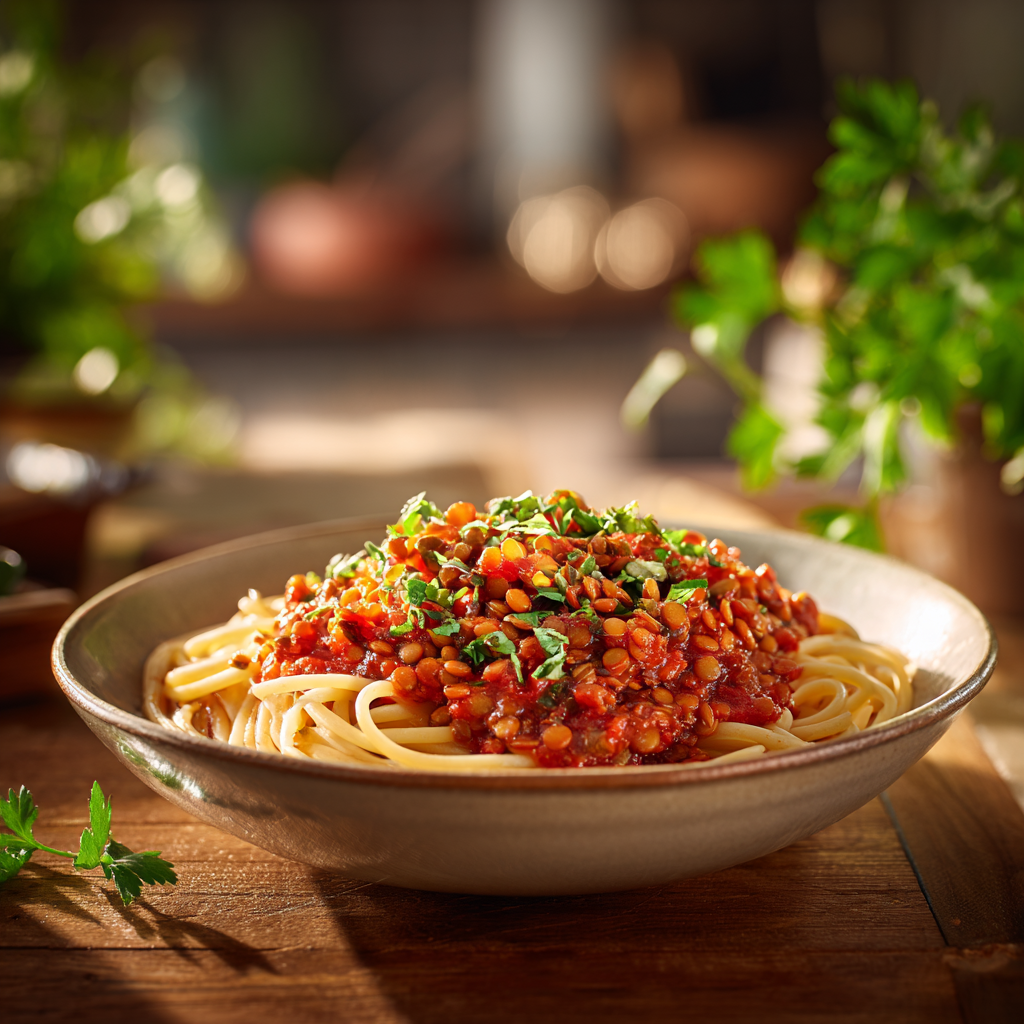
The final texture of your sauce hinges on a simple, yet crucial, balance of liquids. Getting this ratio right prevents a thin, watery result or a dry, scorched pot. It is the key to a rich, cohesive finish.
Initial liquid is vital for proper cooking. Most versions call for one and a half to two cups of water or vegetable broth added with the tomatoes. This provides enough moisture for the legumes to soften completely during simmering.
Adjusting Water, Broth, and Pasta Water for the Perfect Sauce
Using broth instead of water adds a savory depth. Water keeps the flavor neutral and adaptable. Watch the pot as it simmers; evaporation thickens the sauce but may require a splash more water if it looks dry.
If your result is too thin, simmer it uncovered for five to ten more minutes. This allows excess moisture to evaporate. For an instant thickener, reserve a cup of starchy water from boiling your noodles.
Adding a few tablespoons of this starchy water to the finished sauce before tossing creates a glossy texture. It helps the sauce cling beautifully to each strand. This simple trick elevates the final hearty meal.
After refrigeration, the sauce will thicken significantly. The lentils continue to absorb liquid. When reheating, stir in a few tablespoons of water or broth to restore the perfect consistency.
| Liquid Type | When to Use It | Effect on Final Dish |
|---|---|---|
| Water | Initial cooking; thinning a thick sauce | Neutral flavor; allows other seasonings to shine |
| Vegetable Broth | Initial cooking; reheating | Adds a layer of savory, umami depth |
| Pasta Water | Just before serving with cooked noodles | Thickens sauce naturally; helps it cling to pasta |
This part of the process is very forgiving. Minor adjustments are normal and easy to make. Do not worry about precise measurements for a perfect outcome every time.
Pasta Perfection: Cooking Techniques and Pairing Options
Choosing and cooking the right noodles transforms our sauce into a complete, satisfying meal. While the sauce finishes simmering, bring a large pot of well-salted water to a rolling boil. Use enough water to allow the noodles to move freely and cook evenly.
One pound of dried noodles serves four to six people perfectly with this quantity of sauce. Cook them until al dente, which means tender but still slightly firm to the bite. This typically takes seven to nine minutes depending on the shape and brand.
After cooking, drain the noodles but reserve at least one cup of the starchy cooking water. Transfer the drained noodles directly into the pot with the finished sauce rather than plating them separately. Toss them together over low heat for one to two minutes.
This allows the noodles to absorb some sauce and ensures every strand is evenly coated. If the combination seems dry, add a few tablespoons of the reserved pasta water. This creates a silky, cohesive consistency that clings beautifully.
| Noodle Type | Cooking Time | Texture & Flavor | Nutrition Benefits |
|---|---|---|---|
| Traditional Wheat Spaghetti | 7-9 minutes | Classic Italian texture, neutral flavor | Standard carbohydrate source |
| Chickpea Flour Pasta | 8-10 minutes | Firm texture, subtle nutty flavor | 20g protein, 14g fiber per serving |
| Whole Wheat Penne | 10-12 minutes | Heartier chew, earthy flavor | Higher fiber content |
| Brown Rice Spaghetti | 7-9 minutes | Light texture, mild flavor | Gluten-free option |
The shape is flexible—while spaghetti is classic, penne, rigatoni, or any sturdy shape works equally well. Chickpea flour noodles offer a traditional Italian alternative that’s increasingly available in supermarkets. Their subtle nutty flavor complements the sauce beautifully while adding extra protein and fiber.
Storing, Reheating, and Freezing Your Bolognese Masterpiece
Proper storage techniques ensure your cooking effort extends well beyond a single meal. This preparation stores exceptionally well, making it ideal for batch cooking.
Best Practices for Refrigeration and Shelf Life
Once the sauce cools to room temperature, transfer it to an airtight container. It will keep in the refrigerator for up to five days without losing flavor.
The texture often thickens as the lentils continue absorbing liquid. When reheating, stir in a few tablespoons of water or broth to restore the original consistency.
Tips for Freezing and Quick Reheat Methods
Freezing this bolognese is straightforward. Allow it to cool completely, then portion into freezer-safe containers or bags. Leave some headspace for expansion and freeze for up to three months.
Individual portions make thawing more convenient. You can defrost only what you need, saving time on busy nights.
Reheat gently in the microwave using 30-second intervals, stirring between bursts. Alternatively, warm it in a saucepan over medium-low heat until simmering. Properly stored, this bolognese maintains its robust flavor and satisfying texture.
Creative Twists to Customize Your Bolognese Experience
One of the most rewarding aspects of this dish is how easily it adapts to different tastes and needs. The foundation welcomes thoughtful modifications while maintaining its essential character.
Gluten-Free, Grain-Free, and Other Variations
For those avoiding gluten, simply choose gluten-free noodles instead of traditional wheat varieties. Spaghetti squash or zucchini ribbons offer lighter grain-free alternatives.
If you prefer brown or green legumes over red ones, adjust your cooking time. These varieties need an extra 15-20 minutes of simmering. Add about half a cup more liquid to ensure proper softening.
Some traditional preparations include wine for depth. You can add half a cup of dry red or white wine with the tomatoes. Vegetable broth works equally well if you prefer to skip alcohol.
A food processor quickly creates uniformly chopped vegetables. This saves time and ensures even cooking. A sharp knife achieves the same result with a bit more effort.
| Variation | Key Adjustment | Resulting Character |
|---|---|---|
| Gluten-Free | Use gluten-free noodles or vegetable ribbons | Lighter texture, same rich flavor |
| Different Legumes | Extend simmer time by 15-20 minutes | Heartier texture, deeper earthiness |
| Wine Addition | Add ½ cup red or white wine with tomatoes | Enhanced complexity and acidity |
| Spice Level | Adjust red pepper flakes to taste | Customizable heat from mild to spicy |
Adjust the heat by increasing or omitting red pepper flakes. Garnish with fresh parsley or a sprinkle of plant-based cheese for extra flair. Feel free to experiment with different vegetables and seasonings.
Wrapping Up Your Dinner Experience with a Satisfying Meal
When a dish delivers both robust flavor and substantial nutrition, it becomes a kitchen staple. This preparation achieves exactly that balance, offering deep satisfaction with every bowl.
Each serving provides about 20 grams of plant-based protein and over 14 grams of fiber. This nutritional profile ensures the meal sustains you properly. You won’t feel hungry shortly after eating.
The ingredient list relies on accessible pantry staples like canned tomatoes, basic vegetables, and common seasonings. This makes the recipe budget-friendly and practical for regular rotation.
Serve it simply with fresh parsley and a crisp green salad. The flavors stand beautifully on their own. Even skeptical eaters appreciate the rich, umami quality that develops during simmering.
This reliable choice respects tradition while fitting modern kitchen realities. It delivers comfort and nourishment in equal measure.
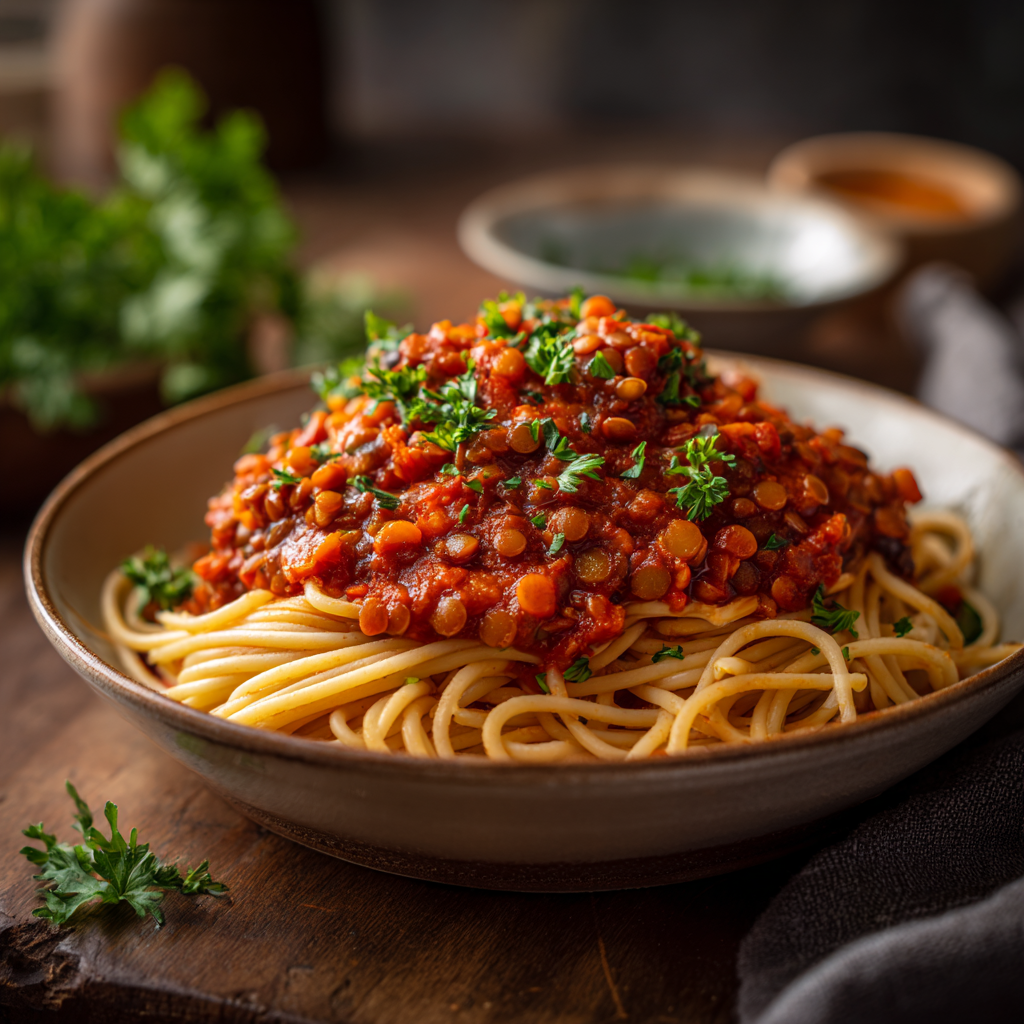
30-Minute Vegan Lentil Bolognese Pasta
Ingredients
Method
- Heat olive oil in a large deep skillet over medium heat. Add the onion and garlic. Cook for about 10 minutes, stirring often, until soft and fragrant. Do not let the garlic brown.
- Stir in grated carrots and zucchini with a pinch of salt. Cook for 6–7 minutes until softened and releasing moisture.
- Add chopped mushrooms. Cook for about 10 minutes, stirring occasionally, until most moisture cooks off and they begin to brown.
- Stir in tomato paste and cook for 1 minute. Add crushed tomatoes, red lentils, Italian seasoning, sugar, nutritional yeast, black pepper, and red pepper flakes if using.
- Pour in 1½ cups water or broth. Bring to a gentle boil, then lower heat to a simmer. Cook uncovered for 20 minutes, stirring occasionally.
- Partially cover the pan and simmer another 10–15 minutes until lentils are soft and the sauce is thick and rich. Add more liquid if needed.
- While the sauce cooks, boil pasta in well-salted water until al dente. Reserve 1 cup of pasta water before draining.
- Add drained pasta directly to the sauce. Toss over low heat for 1–2 minutes. Add a splash of pasta water if needed for a silky finish. Serve warm.
Notes
- Red lentils are key here. They break down and thicken the sauce naturally, unlike brown or green lentils.
- The sauce thickens more as it cools. Add a little water or broth when reheating.
- This sauce freezes very well for up to 3 months. Freeze without pasta for best texture.
- Finely chopping or grating vegetables helps them melt into the sauce, making it kid-friendly and veggie-packed.
- A splash of pasta water at the end makes the sauce glossy and helps it cling to the noodles.