
Jump to Recipe
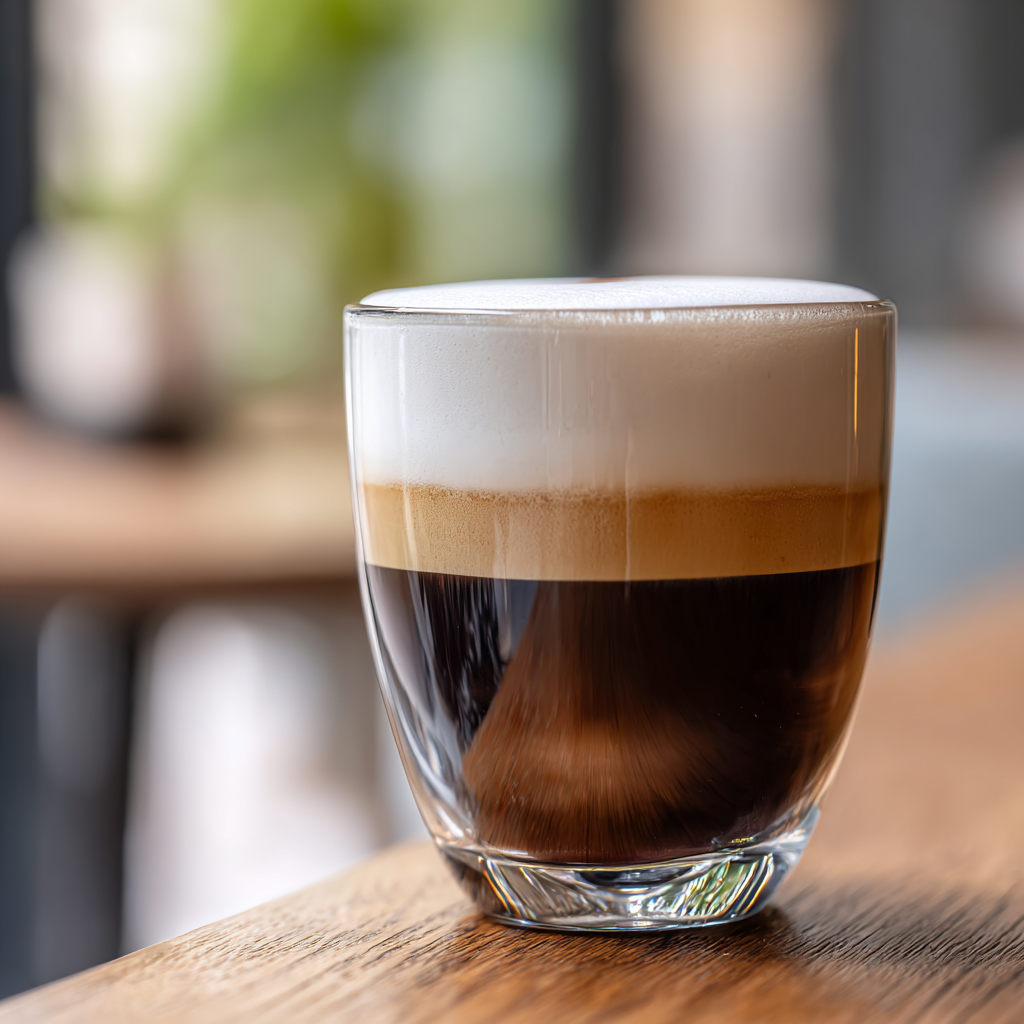
I still remember the first time I layered a hot chocolate, espresso, and milk foam into a clear glass and called it a bicerin torino cocktail dessert—its aroma filled the kitchen like a quiet invitation.
Think of this as a simple, hands-on ritual: rich chocolate anchors the cup, bright coffee wakes the center, and soft milk foam glides on top so each sip unfolds in order.
I’ll guide you with plain steps, honest timing, and small checkpoints for texture and pour speed. Use a heat-proof glass, keep the chocolate and espresso hot, and pour the foam gently over the back of a spoon to preserve clean bands.
Key Takeaways
- This recipe teaches touch: temperature, pour rate, and timing matter.
- Make hot chocolate first, pull espresso right after, then finish with thick milk foam.
- Serve in a clear glass so the layers show and you can taste each component in sequence.
- Do not stir; enjoy how the beverage meets on the tongue from cool to warm.
- With good ingredients and a steady hand, you’ll replicate the classic cup at home.
What makes the Bicerin iconic: origin, glass, and the three-layer ritual
A clear glass teaches the whole lesson. You watch density, heat, and texture find their place. The result is a tiny ritual you can repeat at home.
From Turin to your cup: a quick history and pronunciation (bee-chair-EEN)
The name comes from Turin and locals say it bee-chair-EEN. Early versions predate espresso, but modern bars often pull a short espresso to achieve that bright, concentrated coffee note.
The namesake glass and why clarity matters for layered drinks
Use a small, heat-proof glass. Clarity lets you see three layers form. It also helps you learn pour speed and temperature control. I warm the glass lightly so the bands hold longer.
Authenticity check: coffee, hot chocolate, and frothed milk—not whipped cream
Traditional Italian phrasing—caffè, cioccolata, e crema di latte—means frothed milk, not heavy cream. Some online recipes add whipped cream as a riff. That changes the texture and weight of the top.
- Three temperatures, three layers, no stirring.
- Espresso is common today but not required for authenticity.
- Milk foam (crema di latte) gives a light, silky cap.
| Component | Role | Practical tip |
|---|---|---|
| Hot chocolate | Base, rich and dense | Keep hot and slightly thickened for density |
| Espresso / coffee | Middle note, bright contrast | Pull right before pouring to keep heat |
| Frothed milk (crema di latte) | Top, silky cap | Froth to soft peaks, not whipped cream |
Ingredients and tools you’ll need for a true three-layer beverage
Good equipment and the right ingredients turn a tricky pour into a simple ritual. Lay out everything before you heat a pot so temperatures stay steady and layers hold.
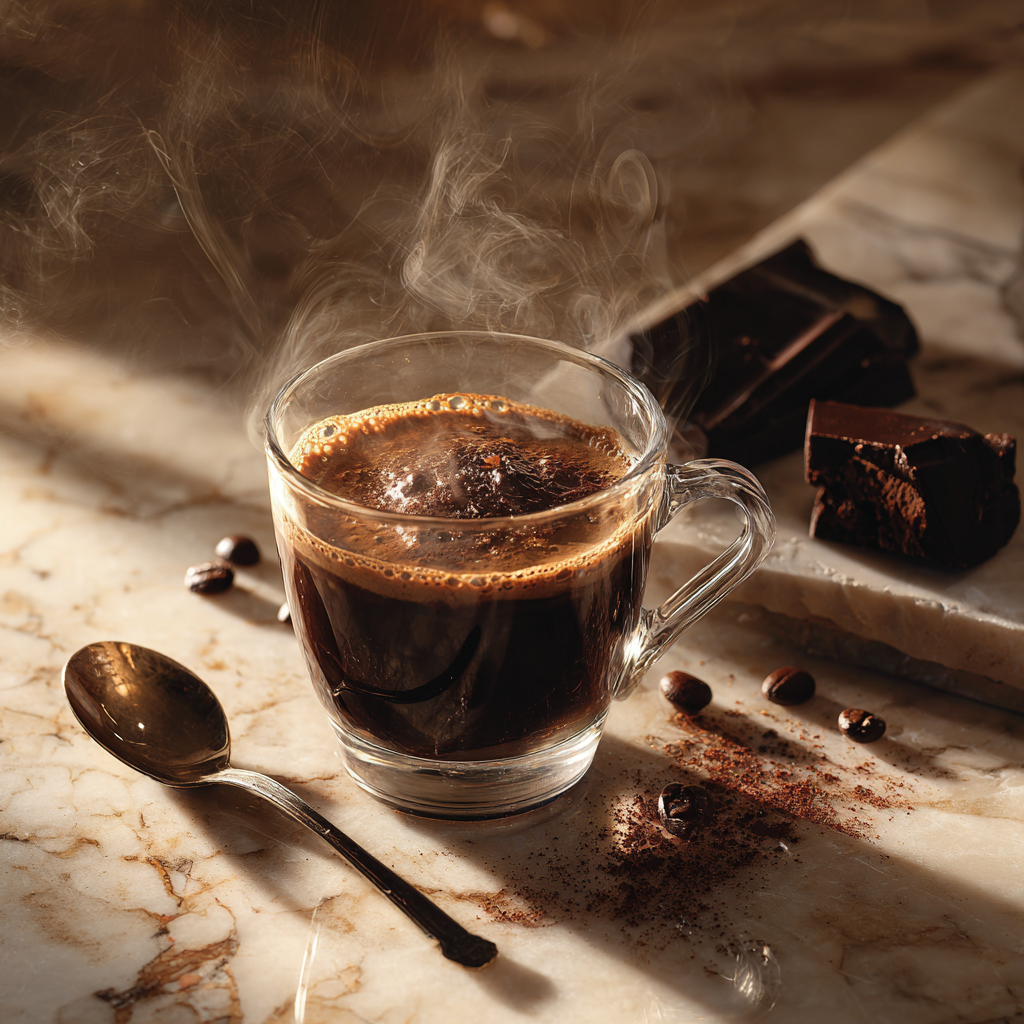
Quality checklist: dark chocolate, espresso or strong coffee, whole milk, cocoa
Choose bar-quality dark chocolate around 60–70% for a smooth, dense base. Add dark cocoa to thicken and deepen flavor.
Pull espresso or brew a concentrated coffee right after the chocolate so both are hot when you assemble. Whole milk gives the foam its elasticity and body.
Gear that helps: heat-proof clear glass, spoon for layering, milk frother
- Use a clear, heat-proof glass or cup (10–12 ounces) so bands are visible and you have headroom.
- Pour over the back of a spoon to keep lines neat; a simple spoon is often the best tool.
- A handheld milk frother speeds up foam; a whisk works in a pinch. Keep a small saucepan for gentle melting.
- Prep ingredients first: it maintains heat and improves layer definition for the finished recipe.
| Item | Why it matters | Quick tip |
|---|---|---|
| Chocolate (60–70%) | Creates a dense, pourable base | Melt slowly over low heat |
| Espresso / strong coffee | Bright middle note without excess volume | Pull just before pouring |
| Whole milk / foam | Silky cap that holds the line | Froth to soft peaks, not stiff |
How to make the hot chocolate, coffee, and milk layers like a Torinese barista
Start by warming your pan gently; good heat control makes every layer sing. For the hot chocolate, combine chopped dark chocolate, a splash of cream, and milk over low heat. Whisk until the mixture turns glossy and coats a spoon—about 3–4 minutes—then remove heat and cover the pan to hold warmth.
Pull espresso or strong coffee at the right moment
Pull espresso or brew strong coffee immediately after you cover the chocolate. The next 1–2 minutes preserve crema and ideal heat for stacking in the glass. Warm the glass with hot water and dry it so the cup won’t shock the bands.
Frothing whole milk for a stable top
Froth whole milk to fine microbubbles—think wet-paint texture—using a frother or whisk. This takes about 1–2 minutes. Aim for a thick, silky foam that will sit on the surface without sinking.
Layering technique and assembly
Pour coffee into the glass first. Then slowly stream hot chocolate over the back of a spoon so it slips beneath the coffee line. Finish with milk on top; let foam settle gently as the clean layers form. Work fast—assembly should take a few minutes—and don’t stir.
| Component | Target cue | Timing |
|---|---|---|
| Hot chocolate | Glossy, coats spoon | 3–4 minutes over low heat |
| Espresso / coffee | Warm, with crema | Pull within 1–2 minutes after chocolate |
| Frothed milk | Microbubbles, silky foam | 1–2 minutes to froth |
bicerin torino cocktail dessert: pro tips, timing, and troubleshooting
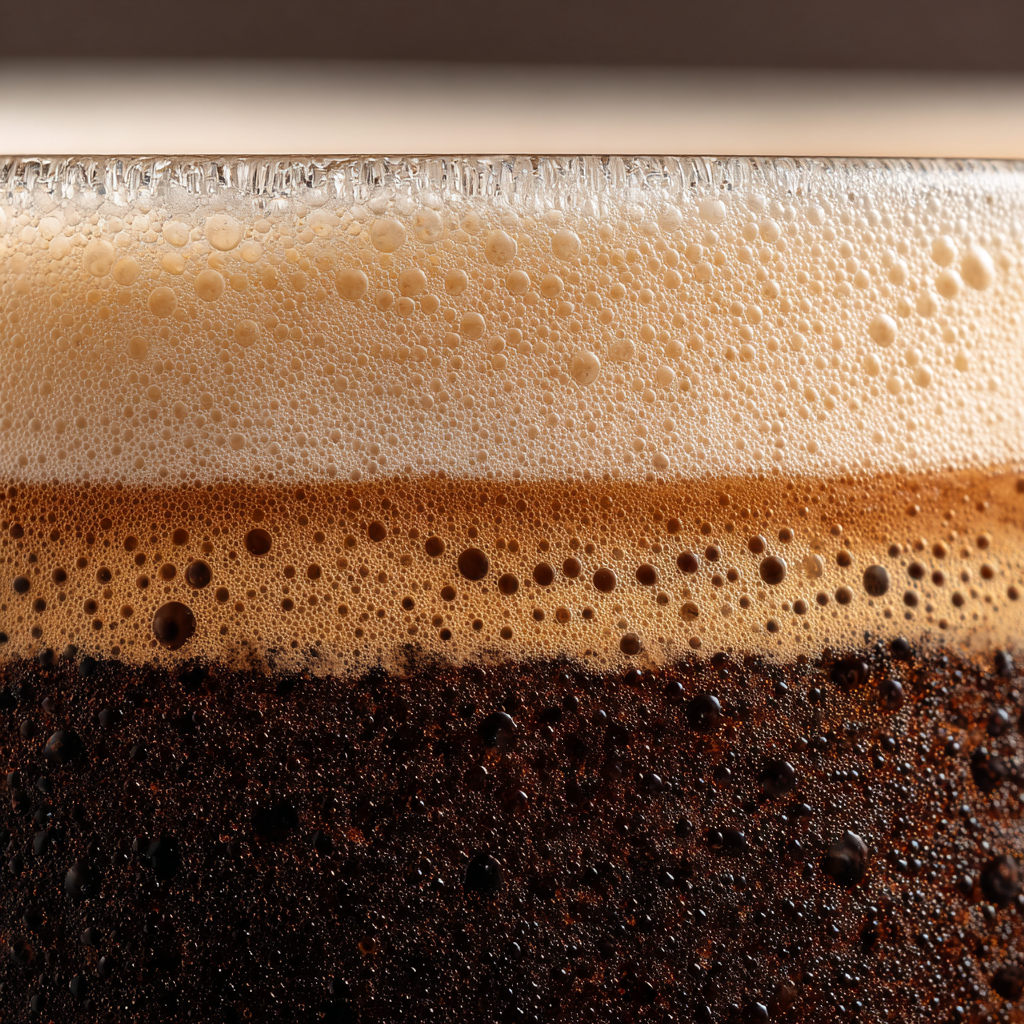
Small temperature shifts hide in plain sight; spotting them early keeps layers crisp. In practice, every component must be treated as its own little recipe. That way you can fix one part without wrecking the cup.
Here are the most common causes and quick solutions I use in the kitchen.
- If layers blur, the chocolate is too thin. Cook it 1–2 more minutes over very low heat, then remove heat and let it rest covered to thicken before assembling.
- When coffee sinks, it’s often cooler or lighter than the chocolate. Pull a fresh shot and pour slowly over the back of a spoon to control the mixture boundary.
- If the top collapses, the milk foam is too airy. Re-froth to a denser, glossy texture so the top sits cleanly without sinking into the cup.
- Overly sweet results usually come from sweetened cream add-ins. Stick with unsweetened milk foam; let the chocolate carry the sweetness.
| Problem | Likely cause | Fix (simple) |
|---|---|---|
| Blurred layers | Thin chocolate | Cook 1–2 minutes more, remove heat, rest covered |
| Coffee sinking | Cool or light coffee | Pull fresh shot, pour slowly over spoon |
| Top collapses | Too-aerated milk foam | Re-froth to glossy microbubbles |
Timing rule of thumb: 3–4 minutes for chocolate, 1 minute to pull coffee, 1–2 minutes to froth milk, then assemble immediately. Keep a warm glass and avoid whipped cream if you want the classic crema di latte top. Take notes on each recipe tweak so you build a repeatable cup you love.
Conclusion
Finish with patience: the beauty of this layered beverage is in the slow, steady pours. I mean it—take your time and trust the method.
You now have a repeatable way to build a bicerin with three layers that look stunning in the glass and sing in the cup. Keep the chocolate base thick and warm; cook it gently over low heat and remove from the burner once it turns glossy.
Pull coffee just before assembly, froth milk to a silky cream, and pour each stream over the back of a spoon so bands set in minutes. With good ingredients and a few tries, the recipe becomes second nature. Share the history when friends ask and enjoy the ritual you made at home.
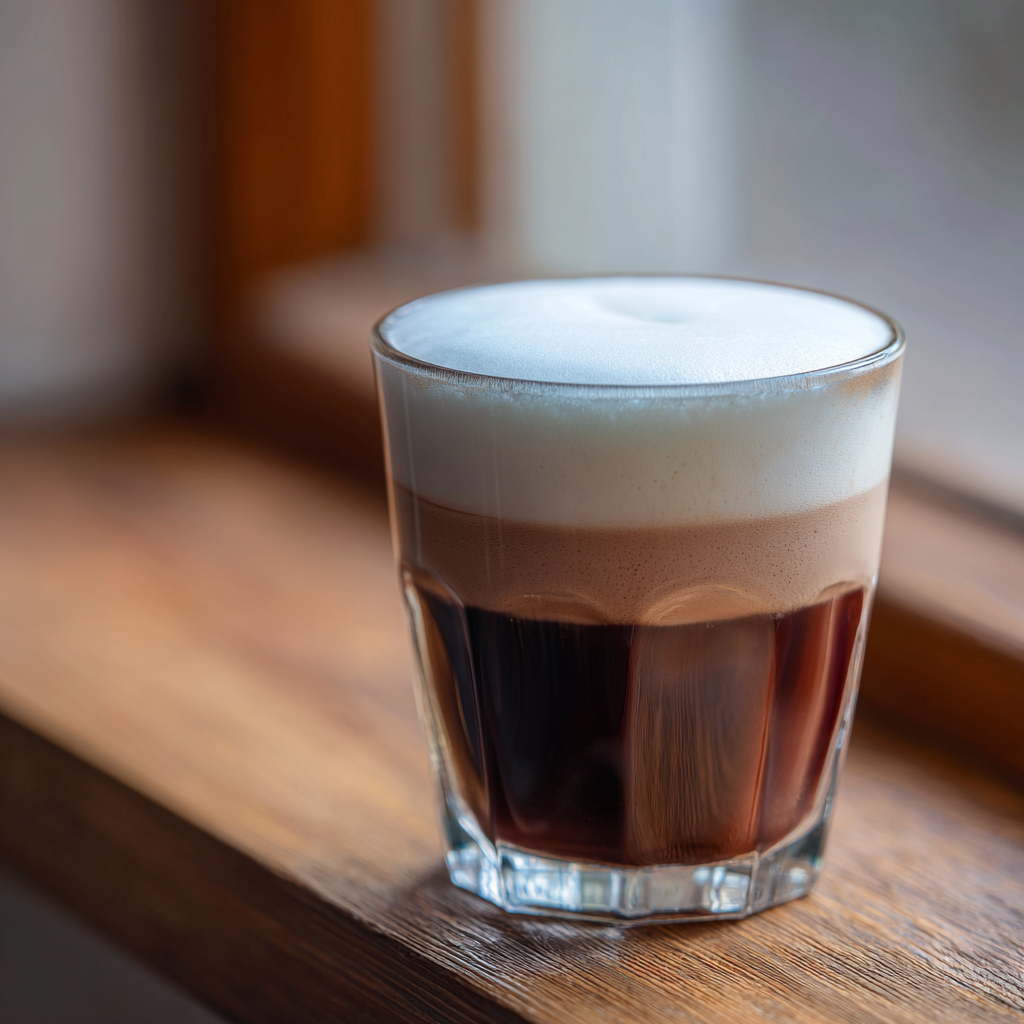
Bicerin Torino Cocktail Dessert (Italian Layered Coffee and Chocolate Drink)
Ingredients
Method
- Warm the milk in a small pan over low heat.
- Add chopped dark chocolate and stir until melted and glossy.
- Whisk in cocoa powder and a little sugar if desired.
- Keep it thick enough to coat the back of a spoon. Remove from heat but keep warm.
- Brew a fresh espresso shot right after finishing the chocolate.
- Keep it hot so the layers form cleanly.
- Heat the milk until warm (not boiling).
- Froth using a frother or whisk until soft, silky foam forms—like wet paint, not stiff peaks.
- Rinse your clear glass with hot water and dry it to prevent temperature shock.
- First layer: Pour the hot chocolate into the glass.
- Second layer: Gently pour espresso over the back of a spoon so it sits on top of the chocolate.
- Third layer: Spoon the milk foam over the coffee, letting it settle naturally.
- Don’t stir! Sip slowly and enjoy how the chocolate, coffee, and milk meet in sequence.
Notes
- Don’t substitute whipped cream for milk foam—authentic bicerin uses frothed milk.
- Use a clear glass to show the layers; it’s part of the experience.
- The secret is heat balance: all components should be hot but not scalding.
- If layers mix, your chocolate is too thin or your coffee too cool—adjust next time.
- Enjoy immediately for the best look and taste.