
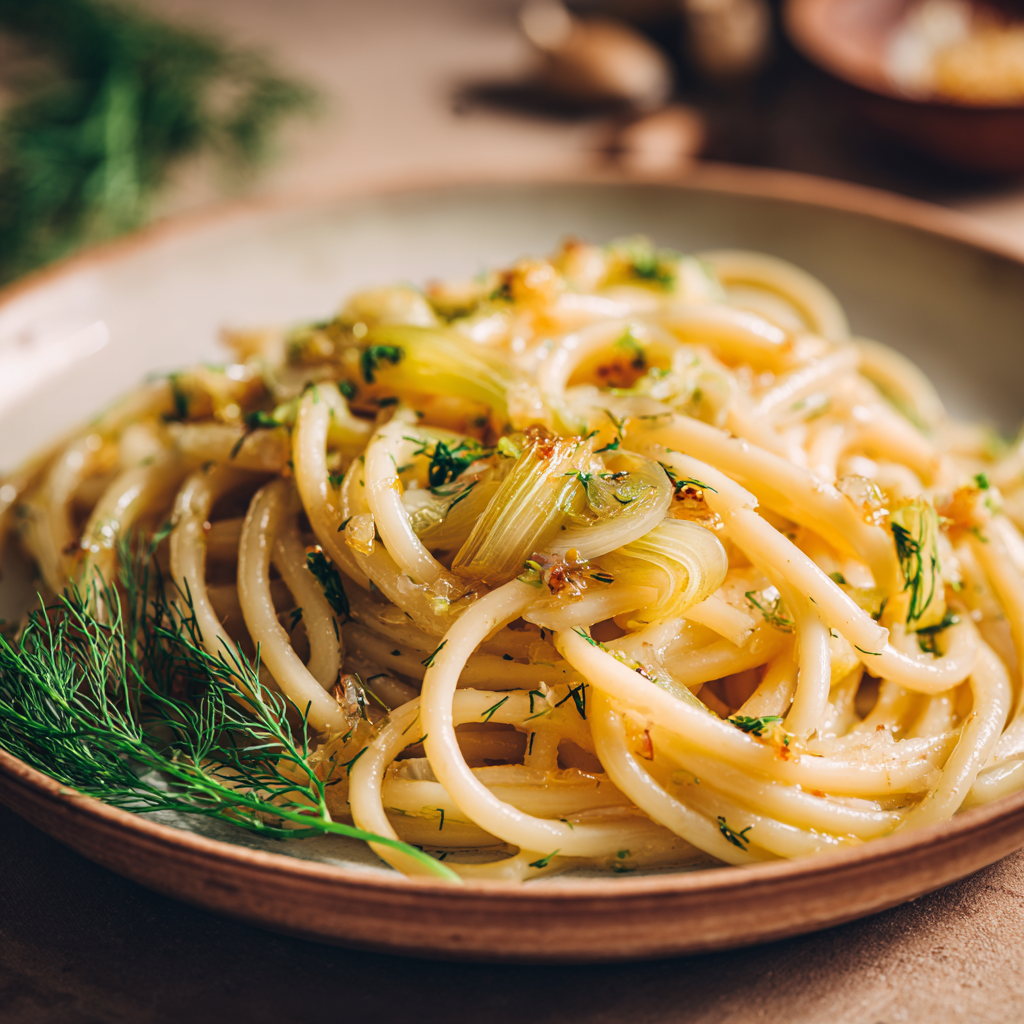
Jump to Recipe
I fell in love with wild fennel on a windy Sicilian evening, and that sweet anise scent has followed me into my kitchen ever since.
This dish captures that seaside perfume with simple steps: blanch the fronds about ten minutes, melt anchovies into olive oil, and use starchy cooking water to tie the sauce to bucatini or mezzi ziti.
I teach you how to coax bright, layered flavor from a humble ingredient so each forkful feels like a memory. You’ll get precise timings, the pasta shapes that work best, and smart swaps—think dill when wild fennel is out of season.
My approach is practical and forgiving. Small moves—reserve the water, chop the fronds fine, fold gently—make the sauce cling and shine without fuss.
Key Takeaways
- Blanch wild fennel fronds ~10 minutes and save the cooking water for the sauce.
- Melt anchovies into olive oil to build a savory base with minimal effort.
- Choose shapes like bucatini or mezzi ziti so fronds and nuts nestle with every bite.
- Use starchy pasta water to create a glossy, cohesive finish.
- Substitute fresh dill if you can’t find wild fennel, adjusting amounts to taste.
What makes wild fennel shine in this pasta
When spring arrives I hunt for tender wild fennel fronds that lift a simple skillet into something bright and coastal. The fronds bring a distinct sweet anise flavor that becomes more delicate after a quick blanch.
In the United States you’ll find fennel along mild coastal areas and in Northern California meadows and empty lots. Foraging is rewarding, but avoid roadsides and places with heavy dog traffic.
- Wash fronds in hot water to dislodge tiny insects before cooking.
- Trim and discard thick stems, keeping only the soft green tips to mince.
- Blanch in gently boiling, well-salted water for about 10 minutes, then lift and reserve that water for the pasta.
- When fresh wild fennel isn’t available, minced dill is a reliable substitute in many recipes.
| Topic | What to do | Why it matters |
|---|---|---|
| Season | Pick in spring | Fronds are tender and peak in flavor |
| Sourcing | Coastal meadows or specialty markets | Same plant found along Southern Italy’s coast |
| Handling | Hot wash, trim stems, blanch 10 minutes | Removes insects, softens texture, and creates aromatic water |
| Substitute | Use dill if needed | Preserves a similar herbal lift in weeknight cooking |
Authentic pasta con finocchietto selvatico recipe
Bright herbs, anchovies, and a little starchy water turn a few pantry items into something unforgettable. Below I give exact steps, clear timings, and smart swaps so you can cook with confidence.
Ingredients you’ll need (with smart substitutions)
I reach for a large bunch of fronds, 2 tablespoons olive oil, 1 small onion, 3 anchovies, and 225 grams of your chosen pasta. If wild greens are scarce, use dill. For a richer turn, add sardines, pine nuts, and soaked raisins.
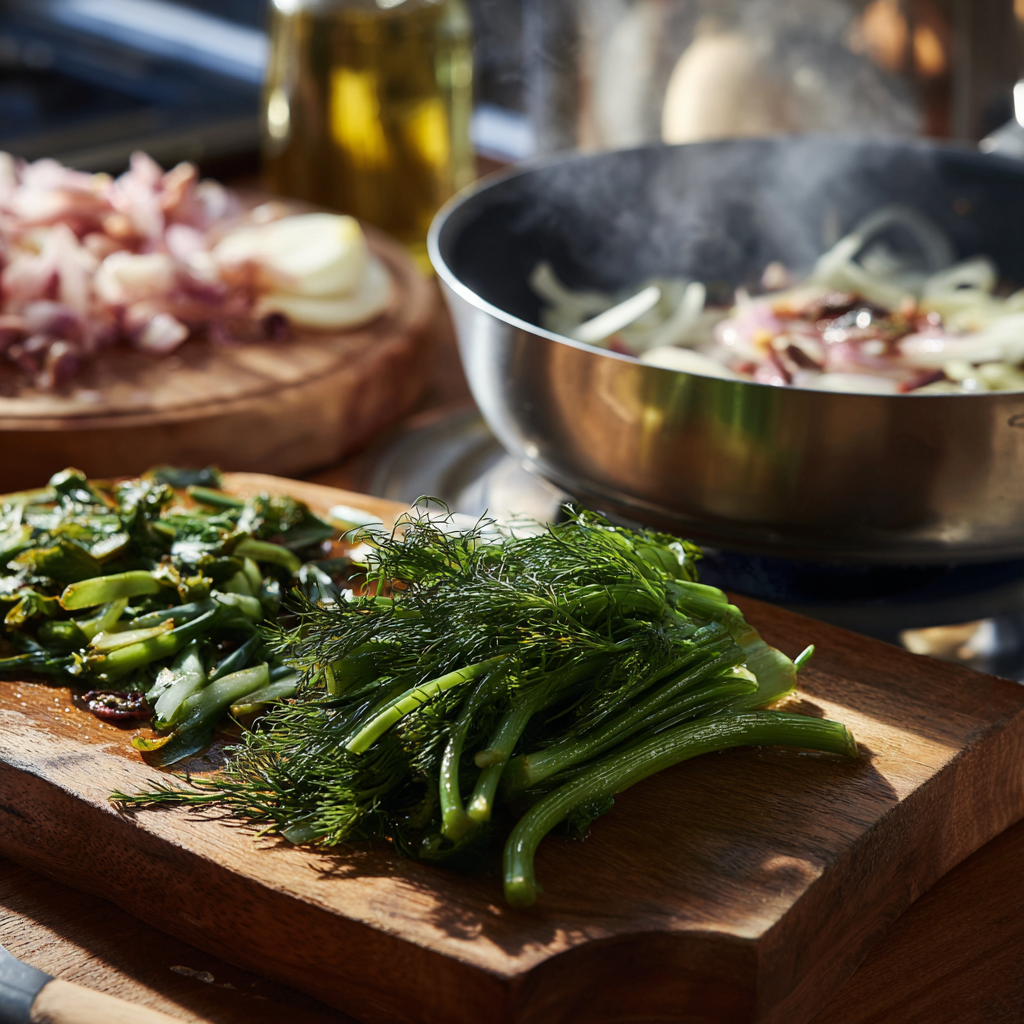
Step-by-step: from blanching fronds to silky sauce
- Bring a big pot of salted water to a boil. Blanch the fronds about 10 minutes, then lift and reserve the cooking water.
- Press the greens dry and mince finely so they melt into the sauce.
- Warm olive oil in a wide pan over medium heat. Soften the onion with a pinch of salt until pale, then add anchovies and lower the heat until they dissolve.
- Cook 225 grams pasta in the reserved fennel water until al dente. Before you drain pasta, cup a mug of starchy water.
- Toss pasta with the minced greens, add a few spoonfuls of cooking water, and finish over gentle heat until glossy.
Technique notes & cooking times
Use about 35 grams salt per 5 liters of water for properly seasoned cooking water. Blanch 10 minutes, soften onion 5–7 minutes, and finish in the pan 1 minute so the strands absorb the sauce.
| Item | Amount | Time |
|---|---|---|
| Pasta | 225 grams | Cook until al dente (about 8–10 minutes) |
| Fronds (blanch) | One large bunch | 10 minutes |
| Onion soften | 1 small | 5–7 minutes |
| Finish in pan | — | 1 minute |
Variations, swaps, and regional riffs to try next
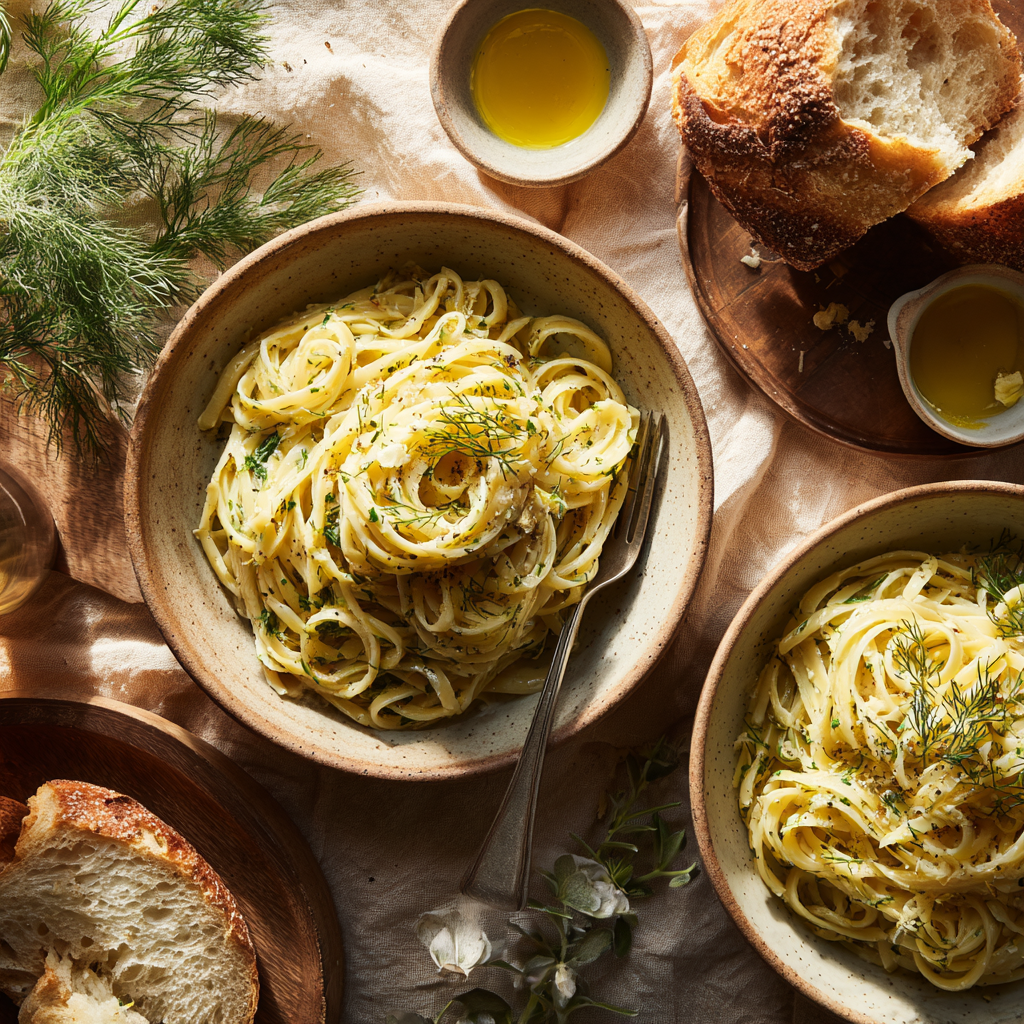
I love how one handful of fronds can become a bright pesto, a sweet-savory sauce with fish, or a rustic skillet meal. Below are quick, practical riffs that come from Sicilian and Calabrian traditions. Each is easy to scale and helpful for weeknight cooking.
Sicilian almond pesto
Blanch the greens until vivid, squeeze them dry, and chop with blanched almonds and garlic. Loosen with extra virgin olive oil and salt to taste.
Use it on warm spaghetti, crostini with fresh ricotta, or as a spoonable condiment for grilled vegetables.
pasta with sardines inspiration
Let sardines break down gently with anchovies and onion. Fold in raisins, pine nuts, a pinch of saffron, and minced greens for a sweet-savory balance.
This version loves bucatini or perciatelli and pairs well with a crisp white from southern Italy.
Calabrian sausage skillet
Brown fresh Italian sausage until edges crisp, stir in the minced greens, and finish by tossing spaghetti or short tubes in the same pan with reserved starchy water. Adjust salt to taste.
Backups and finishing notes
- If you can’t find wild greens, use fresh dill or a pinch of fennel seeds to lift the sauce.
- Anchovies deepen the base in the sardine style; they dissolve and add umami without making the dish fishy.
- Choose shapes that trap bits of greens and nuts—bucatini, spaghetti, or short ridged tubes work best.
| Variation | Key add-ins | Best shapes |
|---|---|---|
| Pesto | Almonds, garlic, olive oil | Spaghetti, small shells |
| Sardines style | Sardines, anchovies, raisins, pine nuts | Bucatini, perciatelli |
| Sausage skillet | Fresh sausage, minced greens, starchy water | Short tubes, spaghetti |
Conclusion
One quick minute in the pan with starchy cooking water makes all the difference. When I finish wild fennel this way, the greens stay bright and the sauce becomes glossy without weight.
Remember the steps: blanch the fronds about 10 minutes in boiling, wash them in hot water, then mince. Melt anchovies into olive oil, cook your chosen shapes (bucatini, perciatelli, mezzi ziti), and drain pasta while keeping a mug of reserved cooking water.
Toss everything over gentle heat, taste for salt at the end, and plate hot so aroma rises. A little time and care yield a simple, coastal dish that rewards thoughtful cooking. Try it once, then explore the pesto or sausage skillet next.
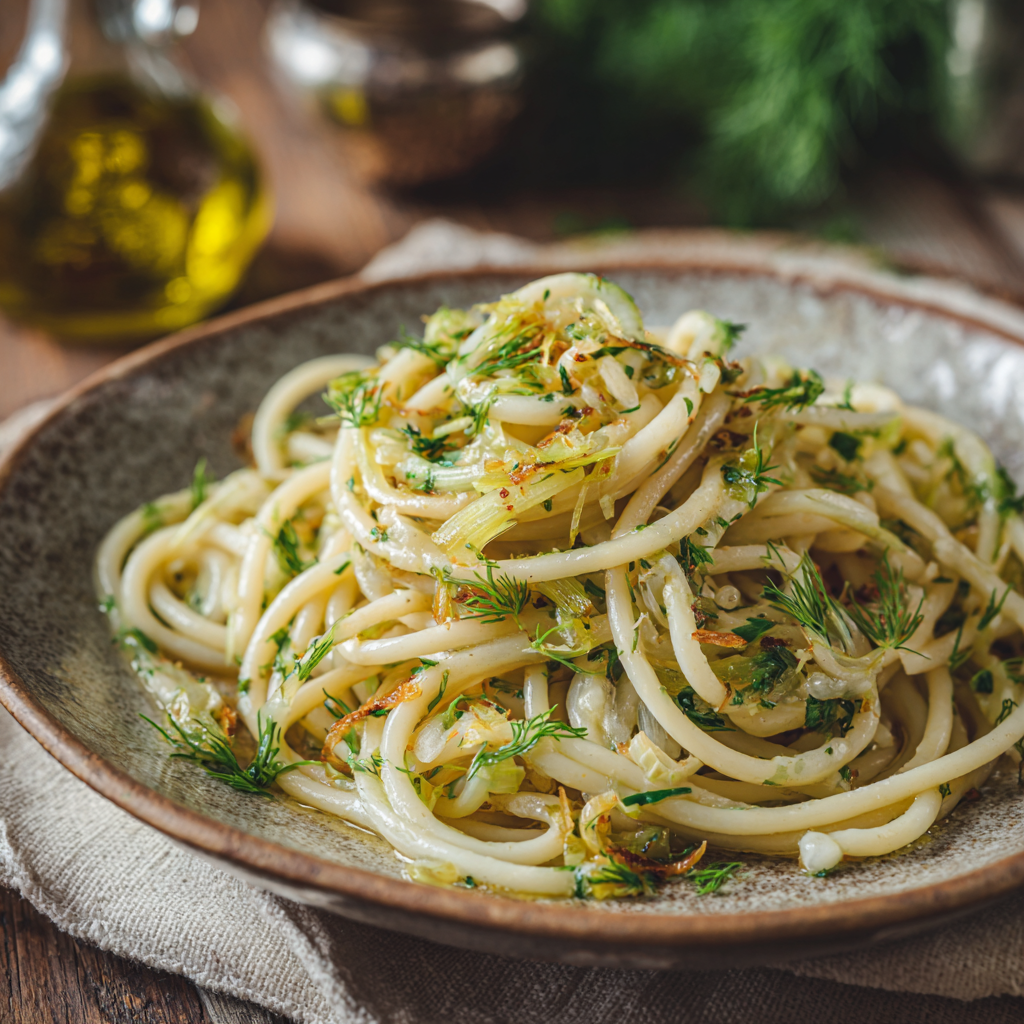
Pasta con Finocchietto Selvatico (Wild Fennel Pasta)
Ingredients
Method
- Wash fronds in hot water to remove insects or grit. Trim thick stems, keeping only tender green tops.
- Bring a large pot of salted water to a boil. Add the fronds and blanch for 10 minutes until soft and fragrant. Lift them out, and reserve the fennel cooking water for your pasta.
- Press the fronds dry with a towel and chop them finely so they melt into the sauce later.
- In a wide skillet, warm olive oil over medium heat. Add onion and cook for 5–7 minutes until soft and translucent. Lower heat, add anchovies, and stir until they dissolve into the oil.
- In the reserved fennel water, cook 225 g pasta until al dente (about 8–10 minutes). Before draining, save ¾ cup starchy cooking water.
- Add the minced fennel fronds to the onion-anchovy base. Toss in the drained pasta, adding a few spoonfuls of the reserved water to loosen.
- Stir gently over low heat for 1 minute, adding more water as needed until glossy and evenly coated. Taste and adjust salt.
- Plate hot, drizzle with a touch more olive oil if desired, and enjoy the fragrant, coastal aroma.
Notes
- Wild fennel is best picked in spring when the fronds are tender.
- If you can’t find it, fresh dill or fennel bulb fronds make a great swap.
- Always reserve the cooking water—it helps the sauce cling to the pasta.
- For a richer version, add sardines, pine nuts, or raisins for a Sicilian twist.
- Avoid overcooking the fennel; blanching for about 10 minutes keeps flavor delicate, not bitter.