
Jump to Recipe
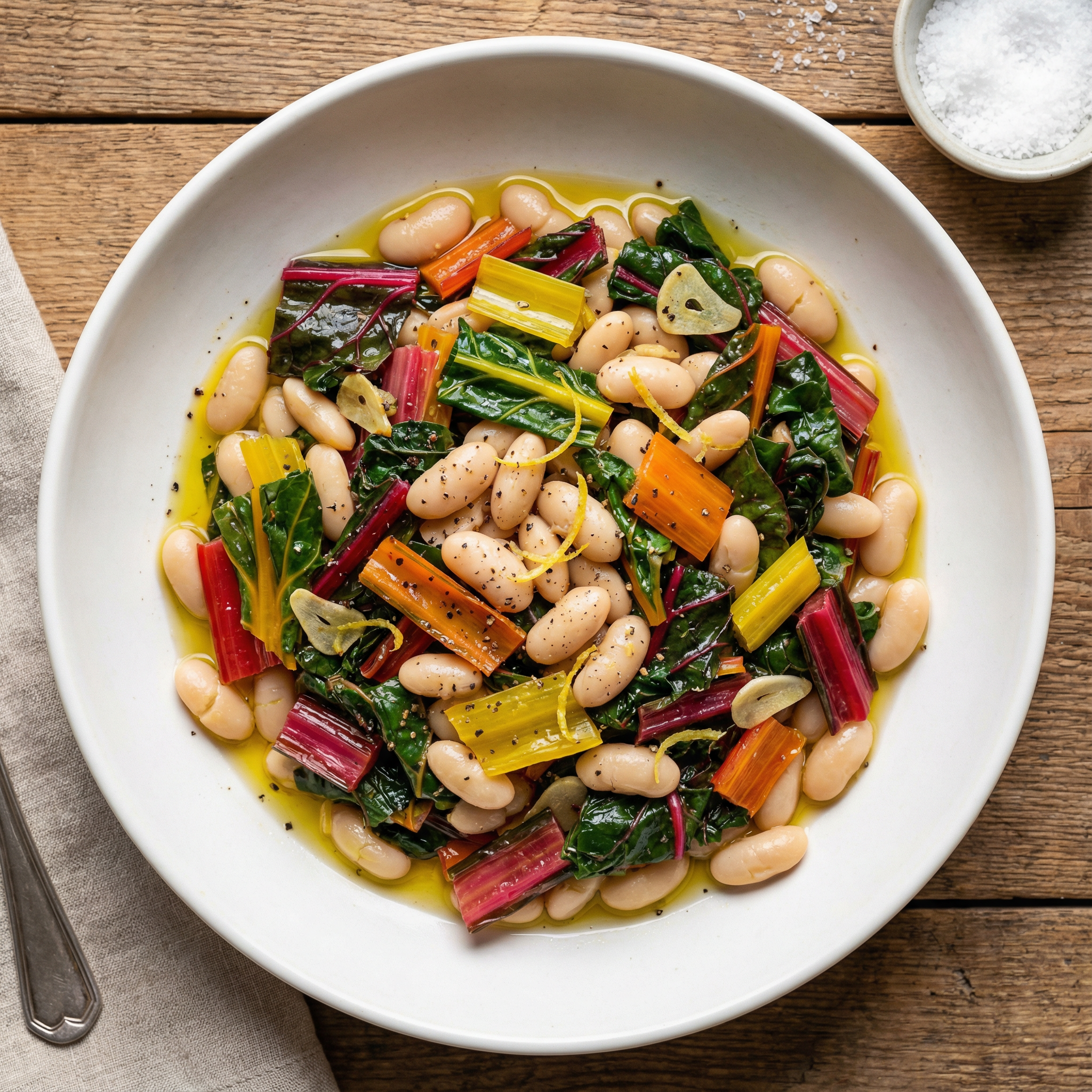
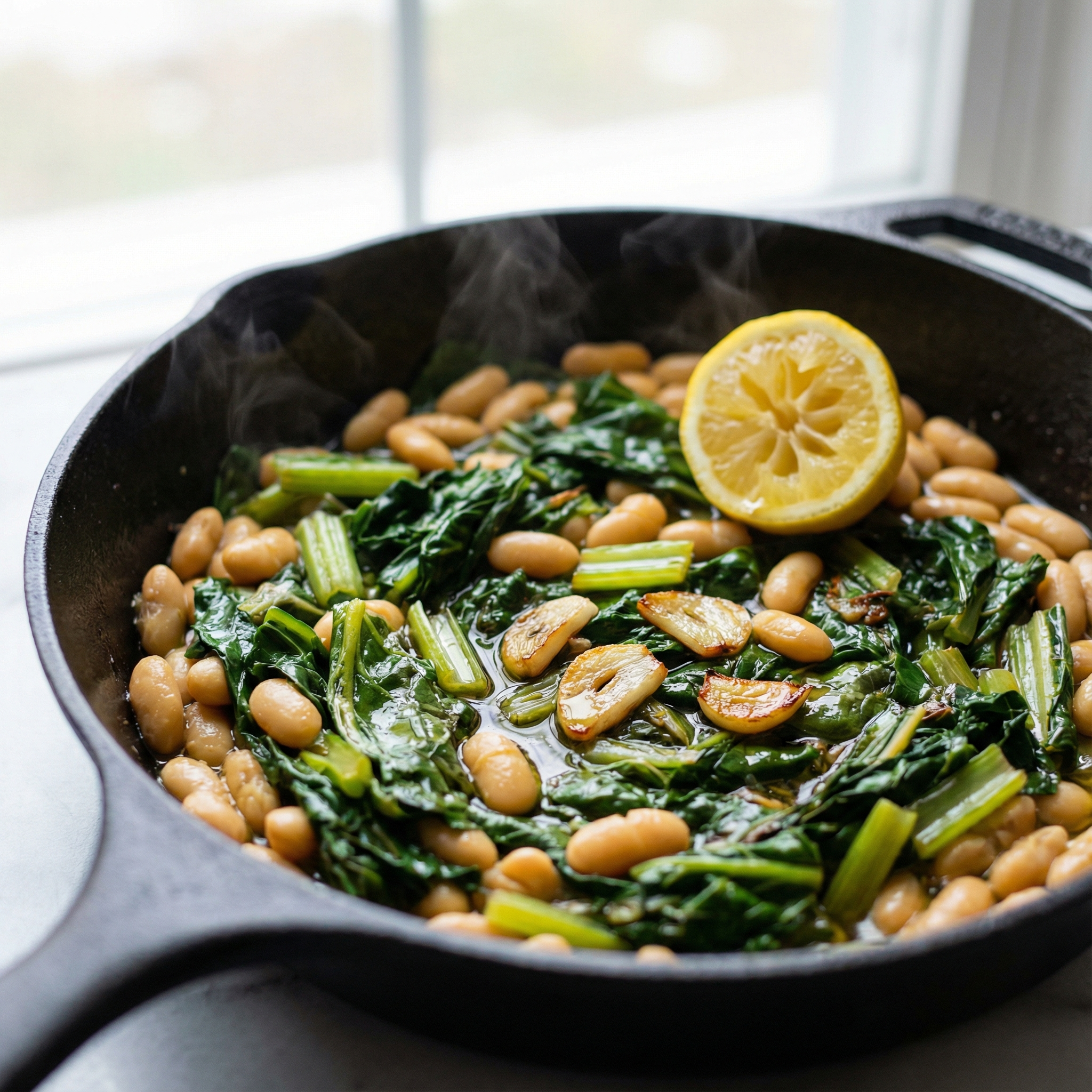
Steam rises from my pan, carrying warm olive oil and the sharp, sweet note of garlic that makes the whole kitchen feel like home.
I always separate stems from leaves so each piece reaches the right tenderness, and I finish with a bright squeeze of lemon to lift the flavor.
This is a practical, everyday take on tender greens and beans that comes together in minutes, stores well for a few days, and folds easily into pasta, polenta, or a confident weeknight plate.
My approach keeps the stems slightly firmer and the leaves vivid, uses just enough oil and a splash of water to wilt without losing taste, and gives simple cues to avoid overcooking or bitter bites.
Along the way I’ll show how cannellini beans add creamy protein, why rainbow chard’s color matters, and the small timing tricks that make this side dish feel like Nonna’s table.
Key Takeaways
- Separate stems and leaves so each cooks perfectly and keeps great texture.
- Use olive oil and garlic, finish with lemon or vinegar to brighten the flavor.
- Cook quickly—this comes together in minutes and stores well for busy nights.
- Add cannellini beans for creamy protein without changing the core taste.
- Watch heat: avoid over-browning garlic and overcooking the leaves.
- Versatile dish—serve as a side dish, over polenta, or tossed with pasta.
Why this garlicky, lemony Italian chard belongs in your weeknight rotation
A quick toss of greens in good olive oil and garlic turns a few humble ingredients into a flavorful weeknight go-to. It takes under 20 minutes from start to finish, so you get dinner on the table without extra stress.
The base is simple: oil warmed with garlic lays down savory depth while moderate heat softens stems and wilts leaves without turning them limp. A squeeze of lemon or a splash of vinegar brightens the whole dish and balances earthier notes.
- Quick, bright, and satisfying—perfect as a light side dish or scaled up as a main with beans folded in.
- Toss with pasta for a fast, pantry-friendly meal, or serve beside roasted protein for a full plate.
- Few ingredients, minimal dishes, and reliable technique mean consistent results on busy nights.
This is one of my one favorite weeknight tricks: nutrient-dense rainbow chard meets pantry staples, the method scales easily, and quality olive and oil plus fresh garlic make a small list feel elevated. For a complementary green-and-tomato side, try pairing it with my take on fagiolini al pomodoro.
Recipe at a glance: time, yield, and what to expect
I aim for a short, predictable cook time so you can make this leafy side without fuss. Read these notes before you start and you’ll know exactly what to expect.
Cook time and yield for busy nights
- Total active time: 10–15 minutes, depending on bunch size and how soft you like the stems.
- Typical timing: garlic in oil ~1 minute; stems 3–4 minutes with a splash of water; leaves 4–7 minutes until just wilted.
- Yield: one standard bunch serves 2–4 as a side, or 2 as a light main with beans added.
Flavor profile: earthy greens, gentle heat, bright finish
Expect savory garlic, earthy greens, and a gentle pepper heat that builds beneath a lemon or vinegar finish. Texture matters: stems should be crisp-tender and leaves silky but still vividly green.
| Metric | What to watch for | Result |
|---|---|---|
| Cook minutes | Follow timing cues for garlic, stems, leaves | Glossy, not wet |
| Seasoning | Salt and pepper to taste; finish with acid | Bright, balanced |
| Ingredients | Fresh rainbow chard, good olive oil, water as needed | Simple, reliable dish |
Ingredients that make the dish sing
Great results start with a fresh bunch and smart pantry staples. Pick firm stems and bright leaves; color is a good sign of freshness and flavor.
Swiss chard basics: rainbow, red, and white stems
Rainbow chard mixes red, yellow, and white for a pretty plate without changing taste. Red or silver (white) stems perform the same; choose the healthiest looking variety at the market.
Olive oil and fresh garlic for true depth
Use a good extra-virgin olive oil as the flavor base. I insist on fresh garlic cloves—minced just before cooking—for that sweet, savory aroma.
Lemon or white wine vinegar for brightness
A squeeze of lemon or a teaspoon of white wine vinegar lifts the whole pan. Acid balances the greens and tames any edge.
Optional heat, beans, salt, and steam
- Crushed red pepper or a grind of black pepper adds gentle heat.
- Cannellini beans bring creaminess and protein; rinse them well.
- Season with sea salt in layers and taste as you go.
- A splash of water creates steam to soften chard stems quickly without burning the oil.
Step-by-step: how to sauté chard the Italian way
Begin with clear, confident prep so the actual cooking stays fast and predictable. I separate stems from leaves and cut both to uniform sizes; that keeps cook minutes reliable and the texture right.
Prep like a pro: separate stems and leaves
Wash well, trim tough ends, then slice stems into small pieces and cut leaves into ribbons. Using even sizes means stems and leaves finish at the right moment.
Bloom the garlic gently in extra-virgin olive oil
Warm olive oil over medium heat and add minced garlic or crushed cloves. Cook about 30–60 seconds until fragrant—watch closely so it does not brown.
Sauté stems first; add a splash of water as needed
Add the stems and a pinch of salt, sauté 3–4 minutes. If the pan gets dry, add a tablespoon of water to create steam and keep color bright.
Add leaves and cook over medium heat until just wilted
Fold in the leaves and toss constantly. They will wilt in 4–7 minutes; stop when they look silky and the pan is mostly dry.
Finish with lemon or vinegar and adjust seasoning
Finish with a squeeze of lemon or a teaspoon of white wine vinegar to lift flavor. Season salt in layers, drizzle a little extra olive oil, and grind pepper to taste.
- Wash & cut stems and leaves.
- Bloom garlic in olive oil 30–60 seconds.
- Sauté stems 3–4 minutes with a splash of water.
- Add leaves, cook 4–7 minutes until silky.
- Finish with acid, oil, and pepper; serve hot.
| Metric | Range (minutes) | Visual cue |
|---|---|---|
| Garlic | 0.5–1 | Fragrant, pale but not brown |
| Stems | 3–4 | Tender, bright |
| Leaves | 4–7 | Silky, vivid green, pan mostly dry |
Greens and beans: the classic “chard with cannellini” variation
Fold creamy beans into the wilted greens and you have a satisfying pan that works as a side or a light main. I stir in rinsed cannellini beans right after the leaves soften and warm them gently for 2–3 minutes so they stay intact and velvety.
Keep seasoning purposeful: a little extra salt and pepper after the beans go in balances the whole pan. Finish with a squeeze of lemon or a splash of vinegar and a drizzle of olive oil for silkiness.
- After wilting, fold in canned, rinsed beans and warm 2–3 minutes.
- This adds protein and stretches the chard into a roomy, comforting dish.
- Spoon into a bowl over crusty bread, polenta, or toss with pasta for a quick meal.
- Pair with roasted chicken or simple roasted vegetables for heartier plates.
| Action | Timing | Visual cue |
|---|---|---|
| Fold in beans | 2–3 minutes | Beans warmed, pan glossy |
| Season | Immediate | Salt, pepper to taste |
| Finish | At end | Bright acid, drizzle of oil |
Flavor notes and how to tame any bitterness
Bitterness is easy to fix—sometimes a single trick turns assertive greens into something tender and bright. I like to check taste early and decide whether to blanch or to balance in the pan.
When to blanch and when to balance with acid
If your chard tastes a bit assertive, blanching for 1–2 minutes in boiling water softens the edge. Shock in ice, drain, then finish in the pan for color and texture.
Most days I skip blanching. Instead I rely on garlic in olive oil and a squeeze of lemon to lift the whole pan. That little acid brings out sweet notes and keeps the leaves vivid.
Heat and aromatics that round out the taste
Stems carry more bitterness than leaves, so give stems a head start during cooking. A small splash of water creates steam and softens them without diluting flavor.
- Salt strategically—season early and taste at the end to avoid over-salting.
- Pepper adds warmth; a mix of black pepper and red flakes works well.
- Avoid over-browning garlic; gentle heat keeps its aroma sweet.
- When in doubt, finish with lemon for instant balance.
| Action | Timing | Result |
|---|---|---|
| Blanch briefly | 1–2 minutes | Mellows strong bite |
| Balance with aromatics | During cooking | Bright, savory flavor |
| Splash of water | As needed | Soft stems, preserved color |
sautéed swiss chard italian style recipe
A steady rhythm at the stove — oil, garlic, stems, leaves, acid — keeps results predictable and bright. I want you to finish with vivid color and clean flavor every time.
Core technique recap for consistent results
Start by warming garlic in good olive oil until fragrant but not browned. Add the stems first with a teaspoon of water if the pan runs dry, and cook them until crisp-tender.
Now fold in the leaves and toss over steady heat. Cook just until wilted, vivid, and glossy — this takes only a few minutes.
Make it a side dish or a light main
Season thoughtfully and let excess moisture evaporate so flavors concentrate. Finish with lemon or a splash of vinegar, then a ribbon of oil for gloss.
- Use this chard method as a reliable template you can repeat week after week.
- Serve hot as a bright side, or stir in beans to make a light main.
- Keep an eye on minutes and visual cues rather than strict measures.
| Action | Minutes | Visual cue |
|---|---|---|
| Garlic in oil | 0.5–1 | Fragrant, pale |
| Stems | 3–4 | Crisp-tender, bright |
| Leaves | 3–5 | Silky, vivid green |
Smart substitutions and variations
Swap confidently: the technique matters more than the exact green on the market. I want you to feel free to adapt without losing the dish’s bright balance.
Here are practical, trustworthy swaps that keep the pan lively. Follow the timing cues and let the ingredients shine.
- Greens: kale and escarole behave like each other; spinach wilts much faster, so add it last and cook briefly.
- Acids: lemon juice is classic; apple cider vinegar adds fruitiness; a drizzle of balsamic gives a sweet depth.
- Fats: extra-virgin olive oil is my go-to for flavor; use avocado oil if you need a neutral, high-heat option.
- Aromatics: garlic leads; shallots or onion add sweet layers—sweat them gently before the stems go in.
- Heat: red pepper flakes are familiar; Calabrian chili brings fruity fire; a pinch of cayenne is clean and direct.
- Proteins and add-ins: chickpeas or lentils warm through in two minutes; for richness try pancetta or sausage.
- Cheesy finishes and crunch: Parmigiano or crumbled feta lift the pan; toast pine nuts or slivered almonds for texture.
- Pasta: toss the greens with short pasta, a ladle of starchy water, and an extra swirl of oil to bind everything.
| Swap | When to use | Effect |
|---|---|---|
| Spinach | Short on time | Wilts fast; add at the end |
| Apple cider vinegar | Want brighter fruit notes | Lifts and balances bitterness |
| Avocado oil | High-heat cooking | Neutral taste, stable at heat |
| Pancetta | Hearty meals | Adds savory fat and protein |
Use pantry ingredients judiciously. The best substitutions let the greens — whether rainbow chard or another variety — stay front and center while you build flavor with simple ingredients and clear technique.
What to serve with sautéed Swiss chard
Bring this pan of vibrant greens to the table beside simple, comforting mains and everything clicks into place. I like pairings that add texture, warmth, and a hit of bright acid so the greens sing.
Simple pasta or risotto
Toss the greens with spaghetti aglio e olio for a classic pasta moment. Or place a spoonful next to creamy risotto for earthy contrast and extra color.
Proteins that keep prep easy
Baked chicken, a quick steak, or baked salmon make balanced plates with minimal fuss. Each protein soaks up the dish’s garlic and oil, and the greens add freshness.
Comfort sides and bowls
Ladle the greens over soft polenta or serve alongside mashed potatoes or rice for a cozy dinner. Pile everything into a warm bowl with crusty bread to catch every drop.
Vegetarian options and finishing touches
For meatless meals try roasted mushrooms, grilled halloumi, or a bright bean salad. A lemon wedge at the table and a final drizzle of good oil keep flavors cohesive.
| Pairing | Why it works | Best finish |
|---|---|---|
| Spaghetti aglio e olio | Garlic and oil echo the greens | Grated Parmigiano, pepper |
| Risotto | Creamy contrast, visual color | Fresh lemon zest |
| Baked chicken or salmon | Simple, protein-rich balance | Herb sprig, olive oil drizzle |
| Polenta, mashed potatoes, or rice | Comforting starch to soak juices | Butter or extra oil |
Storage, meal prep, and reheating
A little care after the stove keeps this dish tasting like you just made it, even days later. Cool the pan briefly, then transfer to shallow containers so food chills fast and stays safe.
Refrigerate safely and reheat gently
Store the cooled greens in an airtight container in the fridge for up to 3 days. For meal prep, portion into smaller containers so you only reheat what you need.
Reheat over medium heat on the stovetop for a few minutes. Add a splash of water to revive tenderness without making the pan greasy. Finish with a small drizzle of olive oil and a pinch of pepper to refresh the flavor.
Freeze for later without losing texture
Freeze cooled portions in flat, labeled bags or containers for up to 2 months. Thaw overnight in the fridge for best texture, then reheat gently over medium heat.
If chard stems were quite firm at first cook, give an extra minute of cook minutes when reheating. Taste and adjust salt after warming—cold storage can mute seasoning.
| Storage method | How long | Reheat tip |
|---|---|---|
| Refrigerator, airtight | Up to 3 days | Stovetop, medium heat; splash of water; finish with oil & pepper |
| Freezer, flat bags | Up to 2 months | Thaw overnight; reheat gently and cook off excess liquid |
| Meal-prep portions | 3 days or frozen | Keep beans and greens together; reheat until glossy and hot |
Nutrition and benefits of rainbow chard
Every time I cook rainbow chard I’m reminded how much flavor and goodness live in humble vegetables. This green is an easy way to add vitamins, minerals, and bright color to a simple plate.
Vitamins, minerals, and antioxidants in every bite
Chard delivers vitamin A and vitamin C along with iron and calcium in a low-calorie bundle. Its colorful stems signal phytonutrients and antioxidants that help protect cells.
Gluten-free, vegetarian, and high-fiber friendly
As a naturally gluten-free green, chard fits many diets without changes. Pairing it with beans boosts plant protein and fiber, making the dish more filling and balanced.
- Rainbow chard gives A and C, plus minerals like iron and calcium.
- Color in vegetables often signals useful antioxidants.
- Pair with beans to add protein and extra fiber.
- Compared to spinach, chard is slightly earthier but still mild and versatile.
- Simple cooking preserves nutrients and keeps flavor vivid.
| Nutrient focus | Why it matters | How to get it |
|---|---|---|
| Vitamins A & C | Immune support, eye health | Eat lightly cooked leaves |
| Iron & calcium | Bone and blood health | Serve with lemon to aid absorption |
| Antioxidants | Cell protection | Choose bright stems and varied color |
Tools and prep: what you’ll need
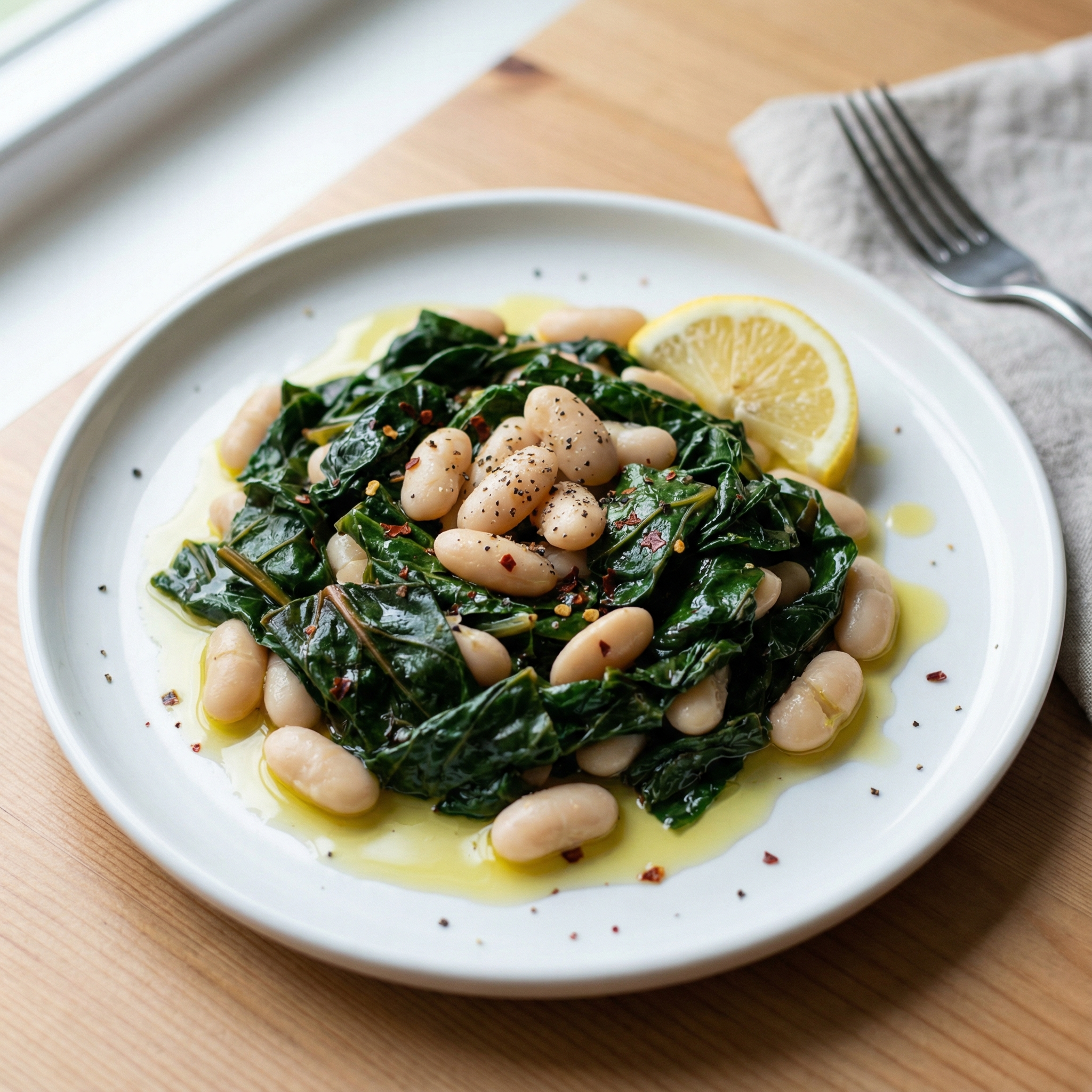
Good tools and small habits make weeknight cooking feel effortless and calm. Gather the basic ingredients and a few sturdy pieces of kit so the pan work stays fast and confident.
- Large skillet or Dutch oven — ample surface area helps even cooking and better browning.
- Sharp knife and a firm cutting board — quick work on stems and leaves saves time.
- Rinse the whole bunch well; chard traps grit near the ribs and base.
- Roll leaves like a cigar, then slice into ribbons; cut stems into small, even pieces for uniform doneness.
- Warm olive oil gently, then add garlic cloves so you get fragrance without color.
- Keep a cup of water handy for a controlled splash to steam-stiffen stems without drowning the pan.
- Wooden spoon for tossing and scraping fond; small prep bowls to separate stems and leaves.
- Medium heat control and seasonings within reach make quick cooking calm and precise.
| Tool | Why | Tip |
|---|---|---|
| Skillet / Dutch oven | Even heat, roomy surface | Don’t overcrowd the pan |
| Knife & board | Speed and safety | Keep knife sharp for clean cuts |
| Water cup | Creates steam for stems | Add a tablespoon at a time |
Pro tips, timing cues, and easy fixes
A few kitchen rules will keep your greens bright, flavorful, and reliably tender every time.
Use high-quality extra-virgin olive oil
I always start with a robust extra-virgin olive oil. Better oil means better flavor in a simple pan; add a teaspoon if the pan feels dry.
Don’t overcook the leaves; keep color and bite
Watch the leaves closely and take them off when they are vivid and supple. A couple of extra minutes will make them limp and dull.
Season in layers and taste as you go
Salt early, taste later, then adjust. A final grind of pepper and a careful squeeze of lemon lift everything at the end.
- Keep heat moderate so garlic perfumes without burning.
- Give stems a head start; add leaves only when stems are tender.
- If the pan is watery, cook a few more minutes to reduce; if dry, add a teaspoon of oil or a splash of water.
- To brighten fond, deglaze with lemon or a teaspoon of white wine vinegar.
- If greens taste bitter, finish with acid and a touch more pepper.
| Cue | Action | Result |
|---|---|---|
| Garlic fragrant | Reduce heat | No bitter notes |
| Pan watery | Cook 1–2 more minutes | Glossy, concentrated flavor |
| Firm stems | Cook 1 extra minute | Crisp-tender texture |
Cook it tonight and share your results
Make this lively green side tonight and watch it become a trusted weeknight winner. You’ve got simple steps and pantry staples—olive oil, garlic, lemon—that turn rainbow leaves and beans into a bright, satisfying dish.
Start with the base method, then try it with beans or fold it into pasta next time. If it becomes one favorite on your rotation, bookmark it and keep chard on your shopping list.
Share your tweaks and photos—different acids, a favorite oil, or a new pairing—so we can all learn from your kitchen. Tell me how the balance of garlic, pepper, and lemon landed for you. Buon appetito; I can’t wait to see what you cook tonight!
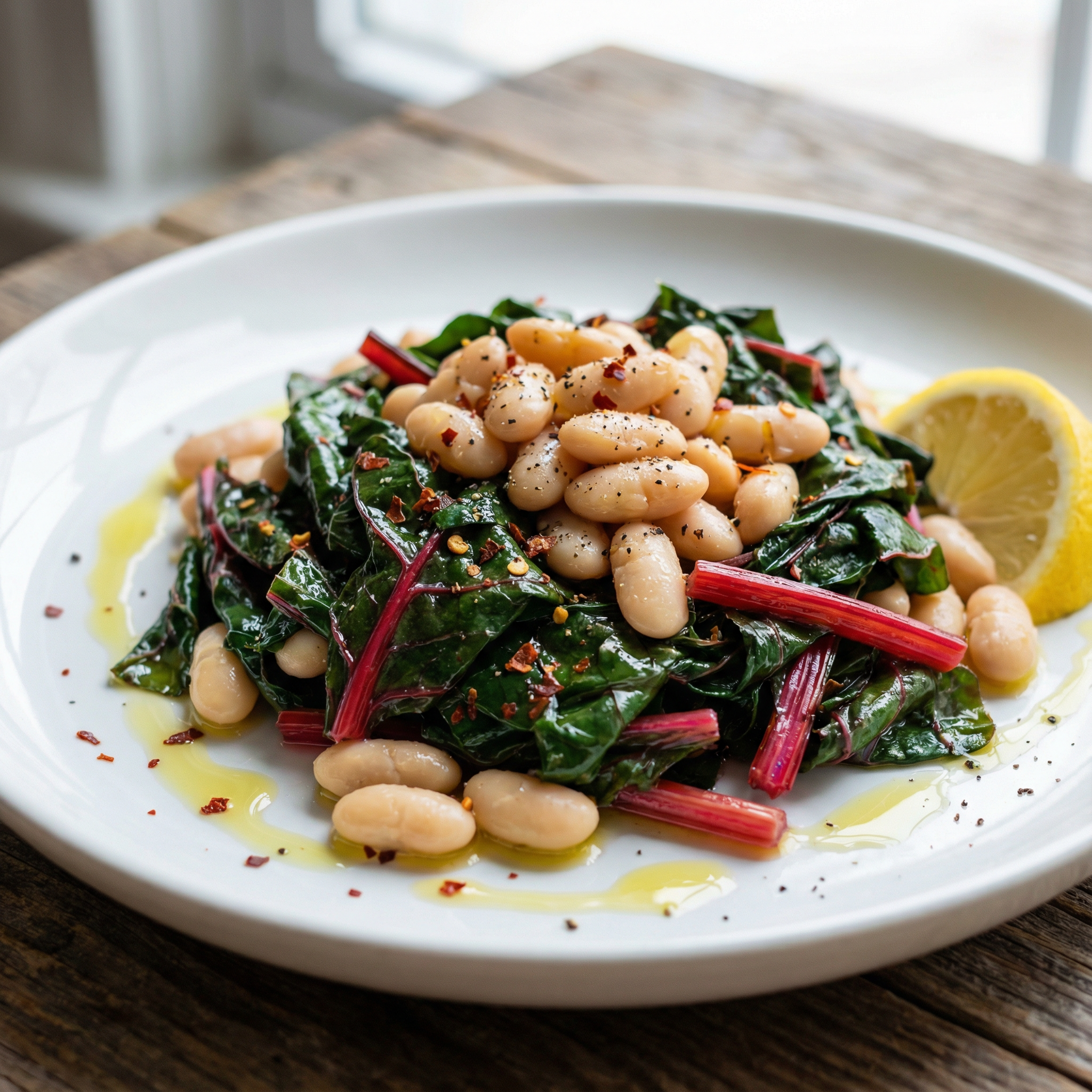
Sautéed Swiss Chard Italian Style with Cannellini Beans
Ingredients
Method
- Separate the stems from the leaves.
- Slice the stems into small pieces and cut the leaves into ribbons.
- Wash thoroughly to remove any grit.
- Heat olive oil in a large skillet over medium heat.
- Add minced garlic and cook for 30–60 seconds until fragrant, but not browned.
- Add the chard stems to the skillet with a pinch of salt.
- Sauté for 3–4 minutes, adding a splash of water if needed to create steam and maintain color.
- Add the chard leaves and toss constantly.
- Cook for 4–7 minutes, until the leaves are wilted and still vibrant.
- Fold in the rinsed cannellini beans.
- Heat the beans for 2–3 minutes until warmed through.
- Squeeze fresh lemon juice or add white wine vinegar for brightness.
- Season with salt and pepper to taste.
- Serve immediately with a drizzle of extra olive oil.
Notes
- The texture of the chard stems should be crisp-tender, and the leaves should remain vibrant and silky. If you prefer less bitterness, you can blanch the chard stems for 1–2 minutes in boiling water before sautéing.
- This dish can be served over polenta, pasta, or with roasted proteins such as chicken or salmon.