
Jump to Recipe
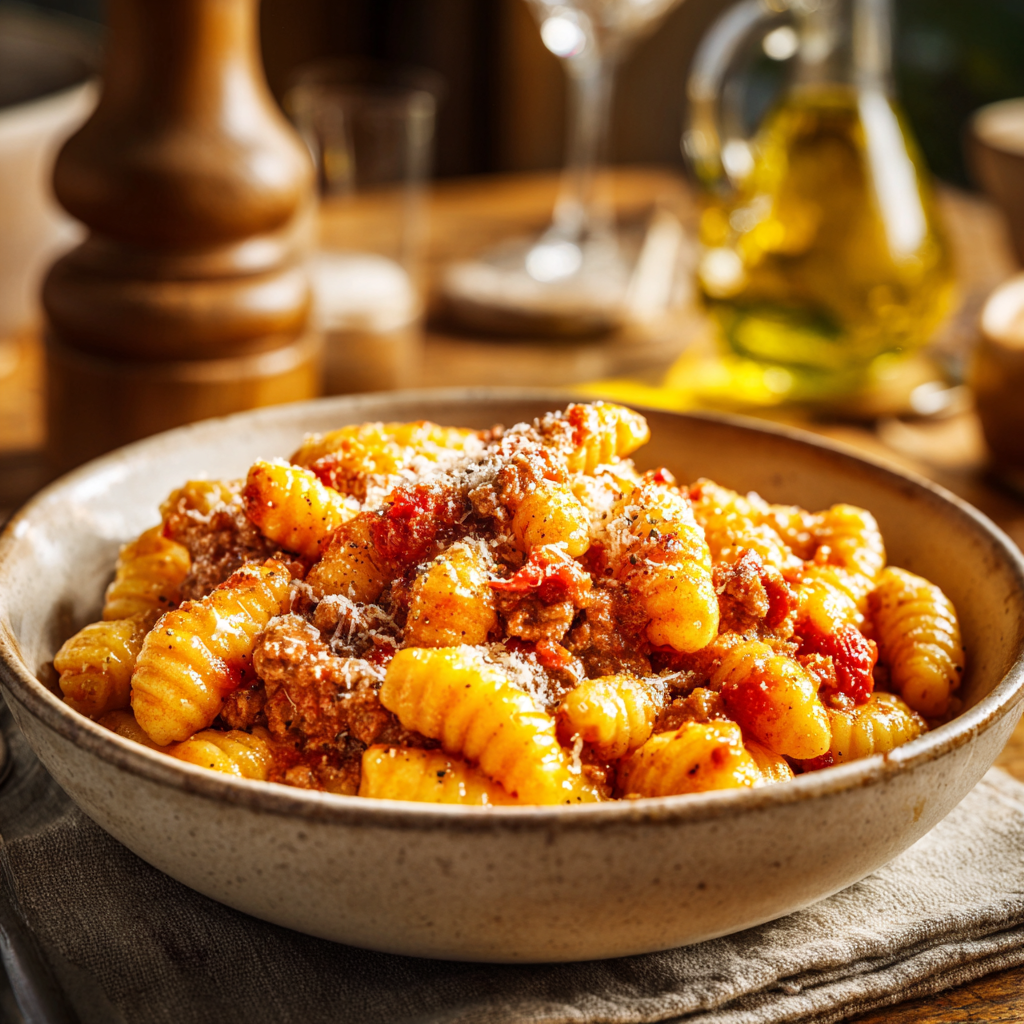
I learned this malloreddus with sausage sauce recipe at my nonna’s table, where simple ingredients turned into unforgettable pasta that felt like home.
These small ridged gnocchi—Sardinian gnocchi—use two parts semolina to one part water and a whisper of saffron for color. I press the ridges on a fork or a gnocchi board so the hearty ragù clings in every groove.
The sauce needs patience: olive oil, onion, garlic, bay, a splash of Vernaccia, tomatoes, and fatty meat simmered at least 40 minutes. I always finish by tossing the pasta with a ladle of starchy water and grated pecorino until the dish turns glossy and tight.
I write from experience: I’ll show you how the dough should feel, how the ragù smells at each stage, and simple swaps that keep authentic flavor in a U.S. kitchen.
Key Takeaways
- Two parts semolina to one part water makes the ideal dough texture.
- A pinch of saffron gives color and tradition without fuss.
- Press ridges to trap the ragù for maximum flavor in each bite.
- Simmer the sauce at least 40 minutes for depth and balance.
- Finish with pasta water and pecorino to emulsify and shine.
Why this Sardinian gnocchi tradition still matters at home today
I bring a piece of Campidano to my kitchen each time I roll tiny, ridged pasta by hand. This is more than a method; it is a living link to an island culture that valued craft and sharing.
From Campidano to your kitchen
The classic alla campidanese grew from rural feasts and brides parading baskets of handmade pasta. The name malloreddus comes from the diminutive of “malloru” — fat little calves — and it marks celebration and abundance.
What these tiny gnocchetti sardi are, and why ridges matter
These sardinian gnocchi are small and grooved on purpose. I roll dough on a ciuliri, a gnocchi board, or the back of a fork. The ridged shape traps ragù so each bite tastes balanced.
Choosing the right sausage and pecorino for authentic flavor
In Campidano the ragù uses robust pork, tomatoes, and sometimes fennel seeds. I pick a sausage that shows flecks of fat and meat; those bits render and add body. Pecorino Sardo or Romano finishes the dish by tightening the emulsion when stirred in at the end.
- I keep a mental clock for simmering—give the ragù at least 40 minutes so flavors marry.
- Protect texture: boil the pasta until firm, then toss with starchy liquid and grated cheese.
- Adjust fennel intensity to suit your family.
| Ingredient | Role | Tip |
|---|---|---|
| Sausage | Body and fat | Choose coarse grind, brown well |
| Pecorino | Salt and shine | Grate fine and stir off heat |
| Fennel seeds | Aromatic lift | Crush lightly for more perfume |
Malloreddus with sausage sauce recipe: ingredients, swaps, and smart shopping
A small shopping list and a few pantry swaps let you recreate Campidano flavor anywhere in the U.S. I keep the focus on texture and aroma: semolina for the dough and a slow-simmered ragù for depth.
What you’ll need for dough and ragù
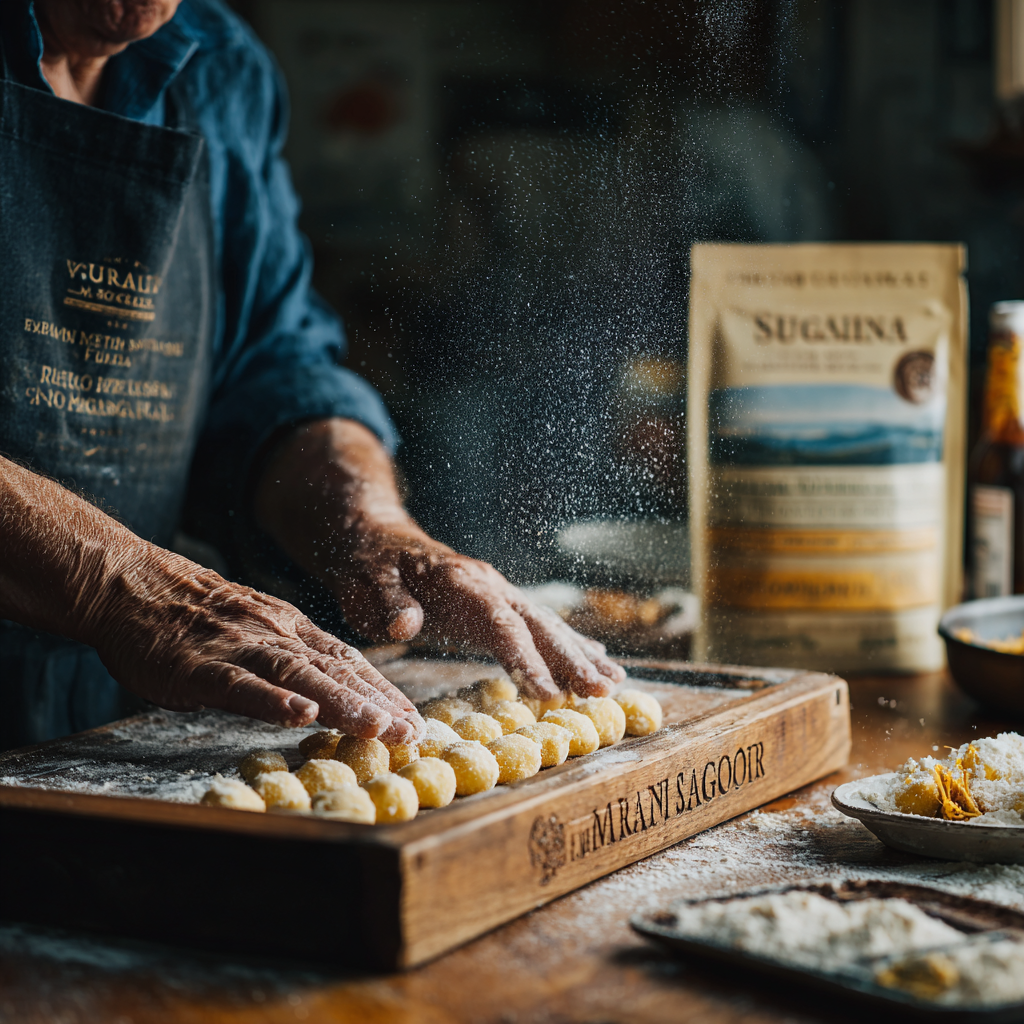
For the dough: fine semolina (rimacinata), warm water in a 2:1 ratio, a pinch of salt, and a whisper of saffron. Mix until a firm ball forms, rest briefly, then shape.
For the ragù: start with onion and a tablespoon or two of extra-virgin olive oil, garlic, bay leaf, chile if you like heat, and crumbled sausage meat. Add dry white wine, then tomatoes or passata. Simmer at least 40 minutes so flavors meld.
Easy substitutions and smart buys for U.S. cooks
- Buy passata when you want a smooth base; add passata gradually until the sauce coats a spoon.
- If your links lack fennel, add crushed fennel seeds to mimic that bright, aniseed note.
- Rummo dried malloreddus is an excellent pantry backup when you can’t make dough from semolina and water.
- Shop for sausage with visible fat and lean; avoid pre-cooked varieties so the meat renders into the dish.
| Item | Role | US-friendly tip |
|---|---|---|
| Semolina flour | Firm dough | Look for rimacinata for a fine grind |
| Tomatoes / Passata | Body and sweetness | Use passata for silkier texture; add passata slowly |
| Fennel seeds | Aromatic lift | Toast lightly and crush if your sausage misses fennel |
Hands-on method: shaping the pasta and simmering the sausage ragù
I begin at the bench, coaxing semolina into a pliable dough that will hold every groove.
Make the dough
Mix semolina rimacinata with lukewarm warm water, a pinch of salt, and a small pinch of saffron. Knead until smooth and springy. Rest the dough 30 minutes so it relaxes and rolls cleanly.
Shape the ridges
Roll ropes, cut into 1 cm nuggets, then roll each piece on a gnocchi board, a woven basket, or the back of a fork. Keep pressure steady so grooves form. Consistent texture traps the ragù later and helps the pasta cook evenly.
Build the sauce
In a wide pan, soften onion and garlic in a splash of olive oil over gentle heat for about 10 minutes. Add bay, chile, and saffron, then crumble in sausage meat and brown well. Deglaze with white wine, stir in tomatoes, and simmer at least 40 minutes, breaking up the meat as you stir.
Make-ahead tips
Fresh pasta cooks 1–2 minutes. Finish in the sauce with a ladle of starchy water and grated pecorino. Refrigerate shaped pasta 1–2 days, freeze on a tray up to a month, or dry fully for longer storage.
| Step | Key cue | Timing |
|---|---|---|
| Mix dough | Smooth, springy | 30 minutes rest |
| Shape ridges | Even grooves | Cut 1 cm nuggets |
| Sauté aromatics | Soft, sweet onion | 10 minutes |
| Simmer | Browned meat, mellow acidity | At least 40 minutes |
Cook, combine, and finish like a local
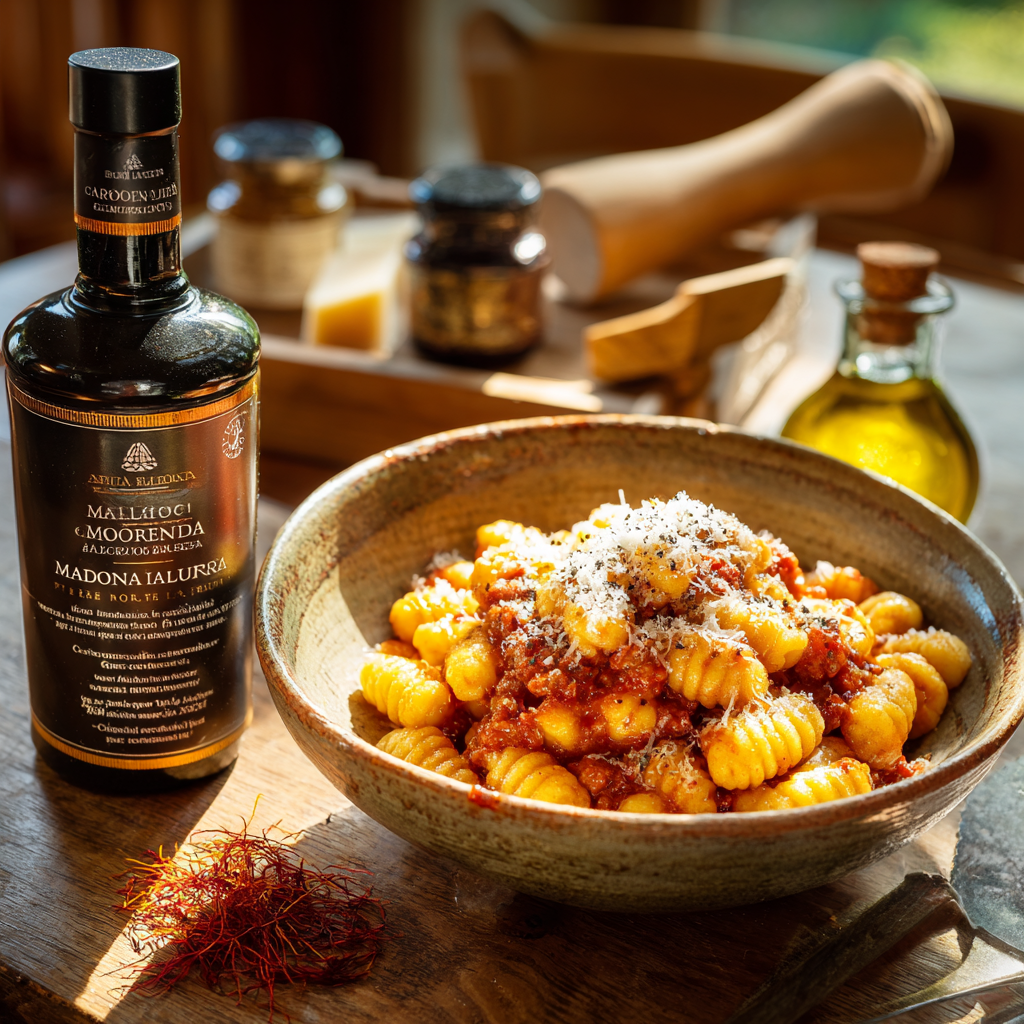
Nail the final minutes by managing heat, water, and cheese so the pasta clings to every bite. Start a large pot at a rolling boil and salt the water until it tastes like the sea. That first seasoning sets balance for the whole dish.
Follow package times for dried gnocchetti sardi; fresh shapes take 1–3 minutes. I add pasta as the water boils, stir gently, and taste early to catch al dente.
Emulsify in the pan
Move drained pasta straight to the pan of sauce and reserve at least a cup of pasta water. Add pasta water in small splashes while tossing over low heat. The starch binds fat and cheese into a glossy emulsion.
Turn off the heat and shower grated pecorino over the pasta. Toss again so the cheese melts and tightens the sauce. Taste, then finish with salt and a crack of pepper.
| Stage | Key cue | Quick tip |
|---|---|---|
| Boil | Rolling water, well salted | Add pasta gently, stir to separate |
| Cook time | Fresh 1–3 minutes; dried per package | Taste a nugget early |
| Finish | Pan, low heat, pasta water | Add small splashes until glossy |
| Serve | Grated pecorino, pepper to taste | Season after cheese for balance |
Conclusion
Let the pan do the work: low heat, patient minutes, and small splashes of water yield a glossy finish. This alla campidanese is about texture and care—ridged malloreddus made from semolina and saffron, and a slow sausage ragù that lets tomatoes and fennel seeds mellow.
Whether you shape fresh sardinian gnocchi or use a quality dried bag, the grooves grab the ragù and make each bite generous. A final toss with water and pecorino changes everything.
If you want a quick base, I keep passata on hand and sometimes add passata for a smoother pan finish. For more details, try the full malloreddus alla campidanese guide and bring this taste of home to your table.
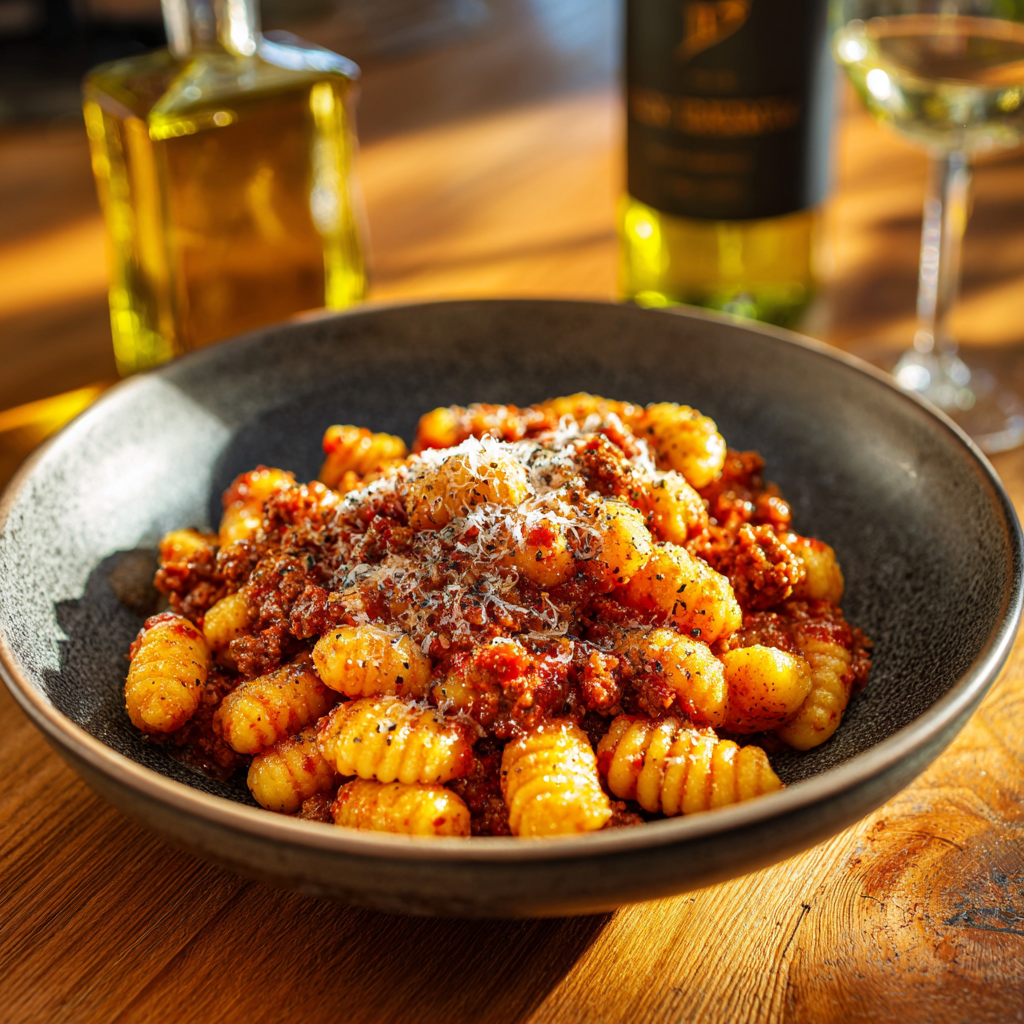
Malloreddus with Sausage Sauce (Malloreddus alla Campidanese)
Ingredients
Method
- In a bowl, mix semolina, salt, and saffron water.
- Add remaining warm water a little at a time until a firm, smooth dough forms.
- Knead for 8–10 minutes until elastic.
- Cover and rest for 30 minutes at room temperature.
- Cut the dough into small ropes (about ½ inch thick).
- Slice into 1 cm nuggets.
- Roll each piece on a gnocchi board or fork to form ridges.
- Dust lightly with semolina and set aside on a tray.
- Heat olive oil in a large pan over medium heat.
- Add onion and cook gently for 8–10 minutes until soft and golden.
- Stir in garlic, bay leaf, chile, and fennel seeds (if using).
- Crumble in sausage meat and brown well, breaking it up with a spoon.
- Deglaze with white wine, let it reduce slightly.
- Add tomato passata and a pinch of salt.
- Simmer uncovered for at least 40 minutes, stirring occasionally until thick and rich.
- Bring a large pot of salted water to a rolling boil.
- Drop in the malloreddus and cook:
- Fresh: 1–3 minutes
- Dried: per package directions
- Reserve 1 cup of pasta water before draining.
- Transfer cooked pasta to the pan with the ragù.
- Toss gently over low heat, adding splashes of pasta water until the sauce turns glossy.
- Remove from heat, sprinkle with grated Pecorino, and toss again until creamy.
- Serve immediately with extra cheese and black pepper on top.
Notes
- If your sausage isn’t fennel-flavored, add crushed fennel seeds for the authentic Campidanese aroma.
- Don’t rush the ragù — that 40-minute simmer deepens flavor and melts fat for a silky finish.
- Always save pasta water — it’s key to emulsifying the sauce.
- You can freeze shaped malloreddus for up to one month.