
Jump to Recipe
I love this cassoeula lombardy pork stew recipe because it is the warm, savory anchor I turn to when the air cools and the kitchen needs comfort.
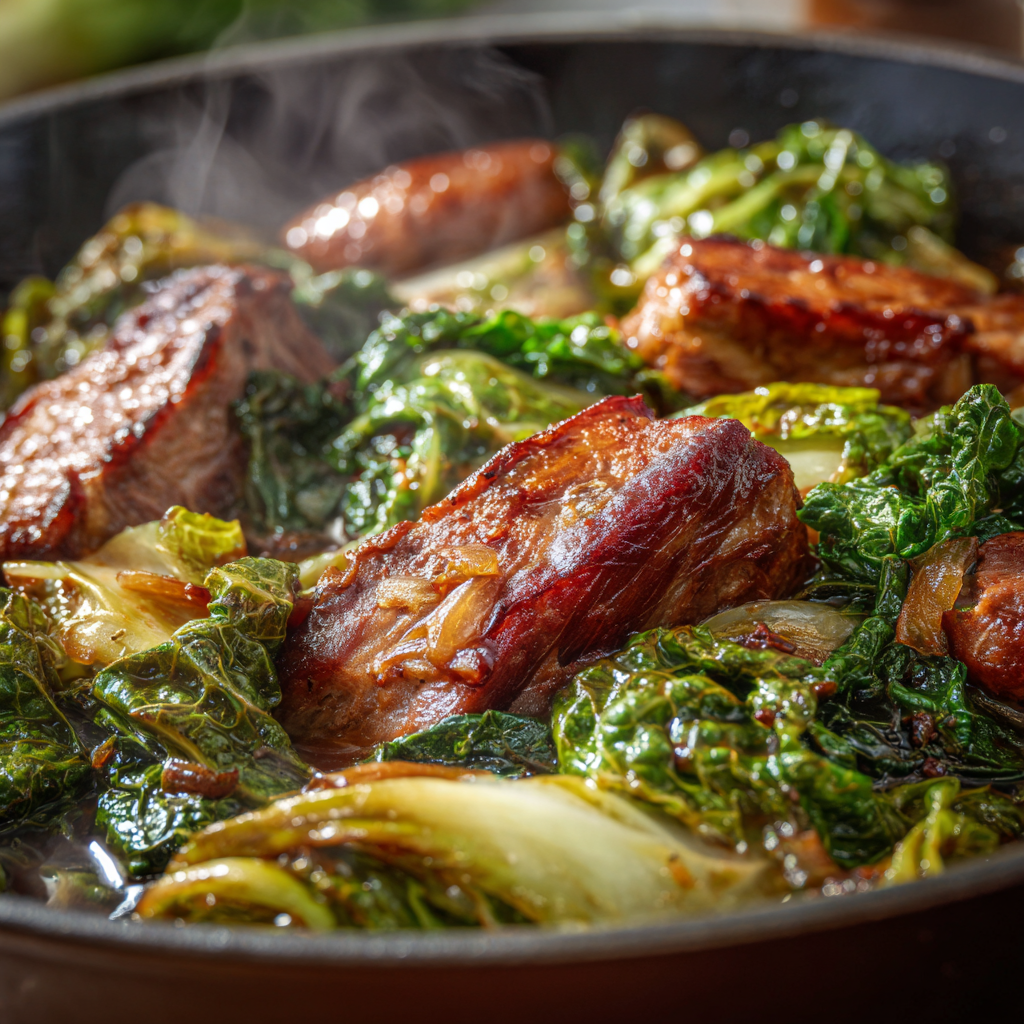
Think of tender meat and Savoy cabbage melting into a thick, collagen-rich broth that clings to a fork. The texture is silky, not soupy, and the cabbage keeps body while yielding gentle sweetness.
My way is simple: brown the meats, build a fragrant soffritto, deglaze with wine, then add cabbage and low liquid for a long, slow braise. Serve it with steaming polenta for the most satisfying pairing in the winter season.
I’ll show authentic options and smart swaps so cooks across the United States can match the classic profile without specialty shopping. Make-ahead rest deepens flavor and makes fat easy to remove, which is perfect for hosting.
Key Takeaways
- Expect a rich, silky finish and tender cabbage texture.
- Classic method: brown, soffritto, deglaze, add cabbage, braise low and slow.
- Polenta is the traditional, best pairing for this hearty dish.
- Simple swaps let home cooks replicate the flavor without specialty parts.
- Resting overnight concentrates flavor and eases degreasing.
- Control liquid to keep the meal a thick stew, not a soup.
What makes cassoeula a beloved Milanese pork-and-cabbage classic
Rooted in la cucina povera, this dish celebrates thrift and time. I grew up hearing how every piece of the pig found purpose on the table after slaughter day.
From Milan’s rustic kitchens: snout-to-tail roots and Sunday traditions
Families turned ribs, sausages, rind, ear, tail and snout into a single, slow-cooked pot. Each cut adds a role: meat for bite, collagen for silk, and sausage for spice.
On Sundays the house filled with a long, steady braise and a pot of polenta beside it. That ritual made the meal a community event as much as a comfort food.
Best season to cook it: late autumn to deep winter
The season runs from St. Martin (Nov 11) through St. Anthony (Jan 17). Cabbage had sweetened from early frosts, and fresh pork parts were still on hand.
- Why collagen-rich parts matter: they melt into the sauce and create that signature sticky mouthfeel.
- Modern cooks can honor tradition with a simpler mix of ribs and sausages if specialty parts are unavailable.
| Cut | Role | Flavor/Texture |
|---|---|---|
| Ribs | Body | Meaty bite, caramelizes when browned |
| Sausages | Seasoning | Spice and fat, lifts the sauce |
| Snout / Ear / Tail | Collagen parts | Silky texture, deep mouthfeel |
| Savoy cabbage | Balance | Sweetness that tames richness |
Ingredients for authentic flavor (and smart substitutions for U.S. kitchens)
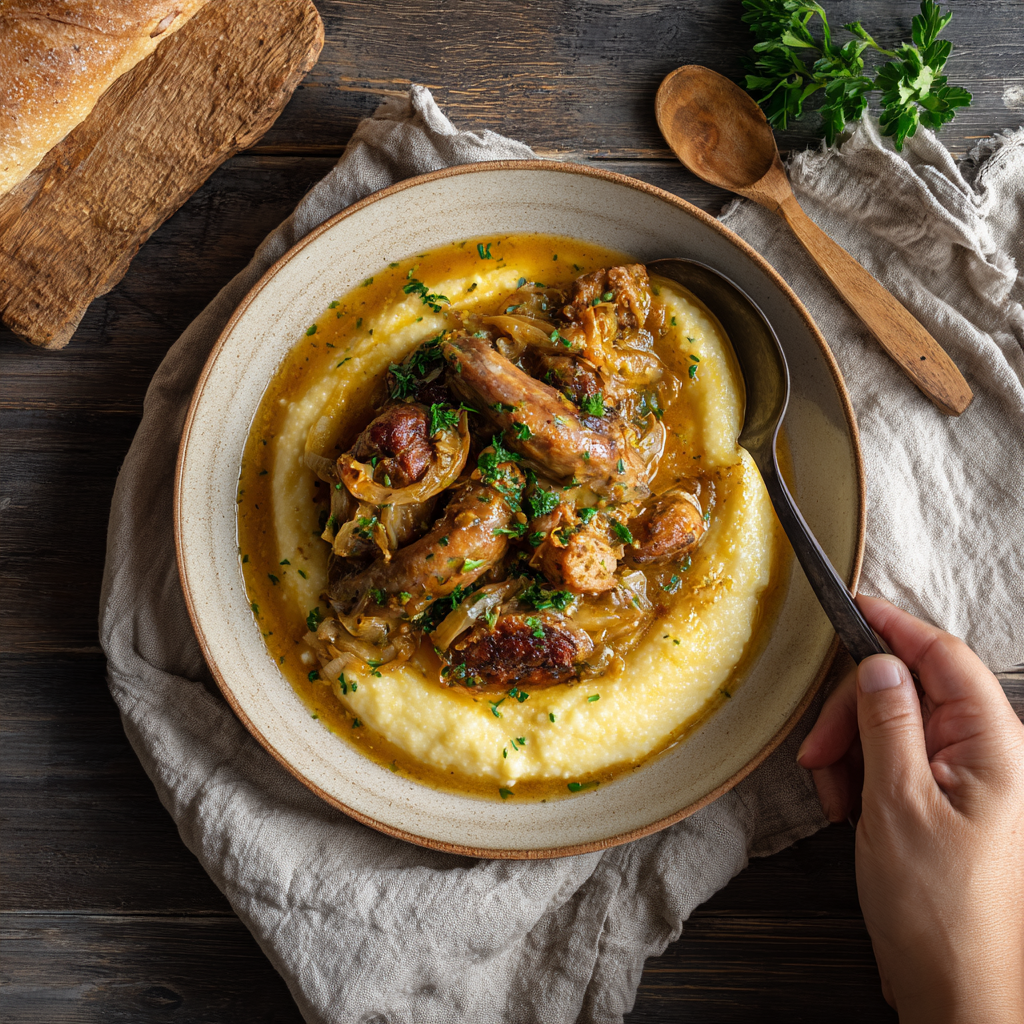
When I build this classic winter pot, I focus on ingredients that give deep mouthfeel and honest flavor. Gather meaty ribs, mild sausages, savoy cabbage, and a soffritto of onion, carrot, and celery. Add a splash of wine, a little broth, and a spoon of tomato concentrate if you want color.
Core building blocks
Ribs and Italian sausages carry the dish. Ribs brown and caramelize; sausages add spice and fat. Use olive oil to sweat the vegetables and lift flavor. Savoy cabbage wilts but keeps structure; green cabbage works if needed.
Specialty parts and a lighter version
Traditional parts—rind, trotter, tail, ear, snout—bring gelatin and shine. Parboil them, then drain and set aside before the braise. If you skip specialty parts, the lite version with just ribs and sausage still honors the idea without as much unctuousness.
| Cut | Role | Swap |
|---|---|---|
| Ribs | Body, caramelized | Sturdy short ribs |
| Sausage | Seasoning, fat | Mild Italian or luganega |
| Savoy cabbage | Sweetness, holds shape | Green cabbage |
Quick sourcing tip: ethnic markets sell trotter and rind cheaply. Season in stages with salt and pepper, and remember why cabbage pork works—sweet vegetables meet rich cuts for balance.
Cassoeula Lombardy Pork Stew Recipe
Begin with a long, gentle simmer that tames rich cuts and renders away excess fat. I place the specialty parts into well-salted water and cook for about an hour. This draws out impurities and softens collagen so the final texture is silky, not greasy.
I lift the pieces to a baking rack to drain, let them cool, then cut into bite-size portions and set aside. Meanwhile, I rinse and wilt savoy cabbage in a wide pan, covered, until it has lost about half its volume. This keeps the cabbage tender without turning it to mush.
I brown ribs and sausages in olive oil over steady heat, working in batches so the pan isn’t crowded. In a clean pan I soften onion and celery in a little olive, add the faintest touch of tomato for color, then deglaze with wine to lift the fond.
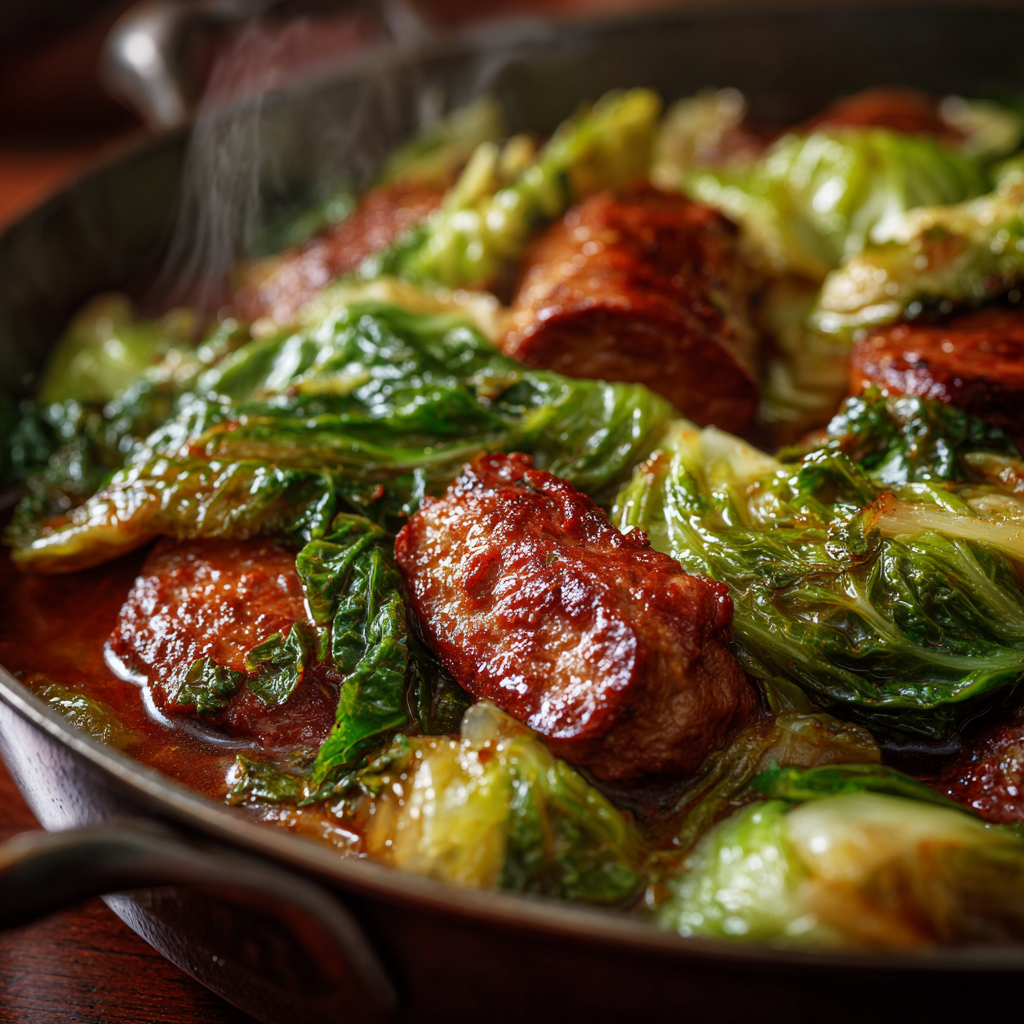
I nest the browned meat and reserved parts over the cabbage, add water or broth to barely cover, and simmer low for about an hour and a half. Check for “falling-apart” tenderness. If the pot is brothy at the end, raise the heat to reduce to a thick, glossy cabbage stew. Rest off the heat before serving; flavors deepen overnight.
| Step | Timing | Texture / Cue |
|---|---|---|
| Simmer specialty parts in salted water | About 1 hour | Collagen softens; broth clears |
| Wilt savoy cabbage in a pan | Minutes until half volume | Tender but intact leaves |
| Brown ribs and sausages | Minutes per batch | Deep caramelized crust |
| Low-and-slow braise with water/broth | About 1.5 hours | Meat falling-apart; sauce thick |
Serving and variations that honor tradition
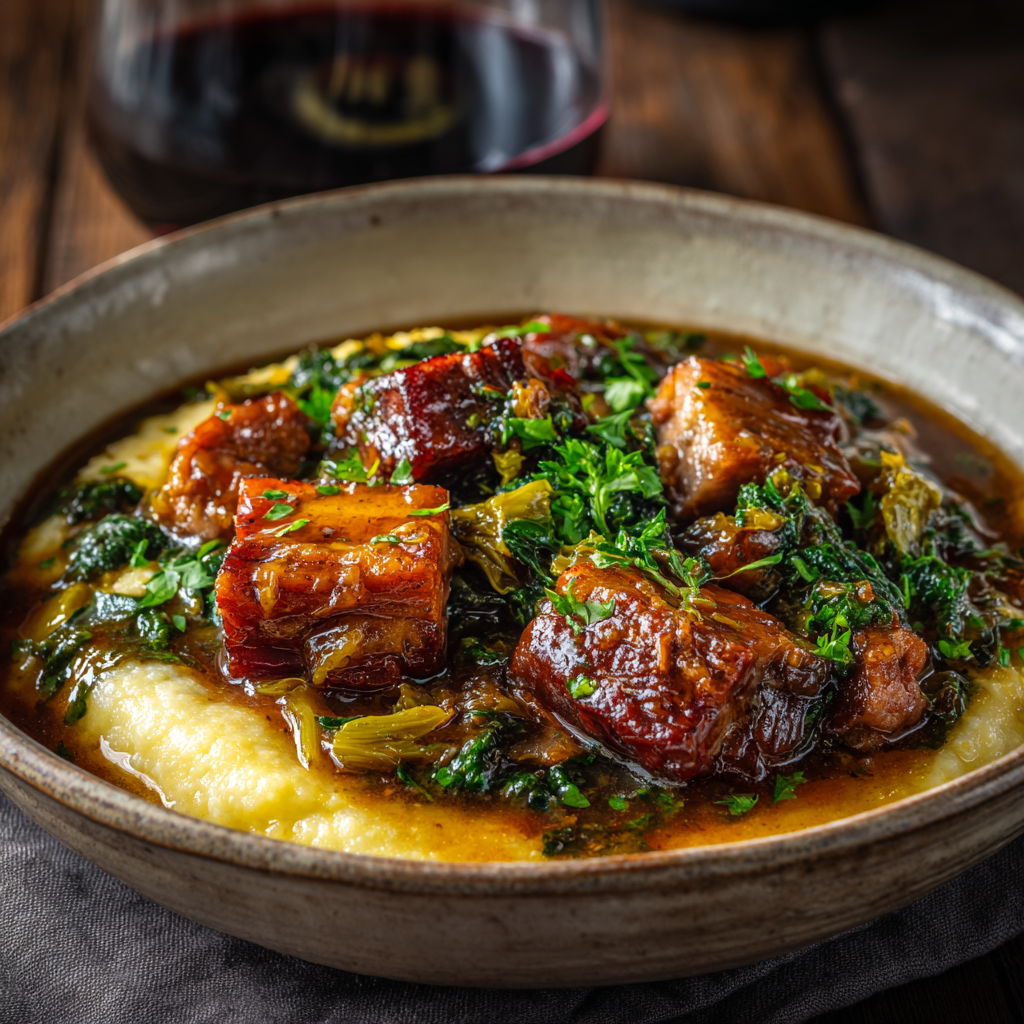
A ladle over soft polenta is the simplest, truest way I know to bring the whole meal together.
Polenta on the side: texture and timing
I serve polenta so it flows slowly from the ladle. The creamy body cradles cabbage and meat and catches every drop of sauce.
Season the cooking water with salt and finish polenta with a thread of olive oil for a silky sheen. Keep it soft, not firm, so it becomes a gentle bed for the stew.
Make-ahead magic: rest, degrease, reheat
- Rest overnight in the pan or a shallow dish; fat will solidify on top and lift away in minutes.
- Reheat low and slow over gentle heat, loosening with a splash of water if the sauce needs it.
- For hosting: reheat 20–30 minutes before serving and keep polenta warm on low, stirring every few minutes.
- Finish with a final pinch of salt and pepper once hot; refrigeration can mute seasoning.
Thoughtful variations keep the spirit intact. Fold in a duck leg for a Novara-style touch, or choose a richer version with pork butt. Crisp small bacon ends and scatter on top for crunch. Pair the pot with a Valtellina Nebbiolo to balance the cabbage and meat.
Conclusion
This pot is a lesson in patience: slow heat turns simple cuts and cabbage into deep, honest flavor. Start with ribs, sausage and any small parts you can find, a soffritto of onion and celery, a touch of tomato, and olive oil.
Keep the pan wide so water reduces and the sauce thickens. Cook low for an hour or more after browning, taste for salt, and finish when the meat clings to the spoon.
For easy storing, spread leftovers on a baking sheet to cool quickly, chill, then reheat gently. Resting overnight makes degreasing simple and the flavors kinder.
Make this cassoeula soon. The season may guide you, but the mix you choose will still reward time and care with generous bowls of cabbage pork comfort.
Cassoeula (Lombardy Pork and Cabbage Stew)
Ingredients
Method
- Rinse pork rind, ear, or trotter well. Simmer in salted water for about 1 hour until tender. Drain, cool, and cut into bite-size pieces.
- In a wide pan, cook the chopped Savoy cabbage with a splash of water until it softens and loses about half its volume. Set aside.
- Heat olive oil in a large heavy pot. Brown ribs and sausages in batches until golden on all sides. Remove and set aside.
- In the same pot, add a little more oil. Sauté onion, celery, and carrot until soft and fragrant. Stir in tomato paste (if using).
- Pour in the wine and scrape up any browned bits from the bottom of the pot. Let it reduce slightly.
- Layer the wilted cabbage at the bottom of the pot. Place browned meats and prepared pork parts on top.
- Pour in broth or water to barely cover the meat. Season lightly with salt and pepper.
- Cover and simmer gently for about 1½ to 2 hours. The meat should be tender and nearly falling apart, and the sauce thick and glossy.
- If the stew is too brothy, uncover and simmer over medium heat to reduce. Taste and adjust seasoning.
- Let it rest off the heat for 15–20 minutes before serving, or refrigerate overnight for even deeper flavor.
- Ladle over soft, creamy polenta and drizzle with olive oil or a crack of black pepper.
Notes
- Make ahead: The stew tastes even better the next day. Chill overnight, skim the fat, and reheat gently.
- Polenta pairing: Soft, spoonable polenta is the classic base—skip firm polenta for authenticity.
- Ingredient swaps: If you can’t find specialty parts, just use pork ribs, sausage, and a touch of pork shoulder.
- Texture tip: Keep liquid low; this is a stew, not a soup.
- Wine pairing: Serve with a medium-bodied red like Barbera or Chianti.