
Jump to Recipe
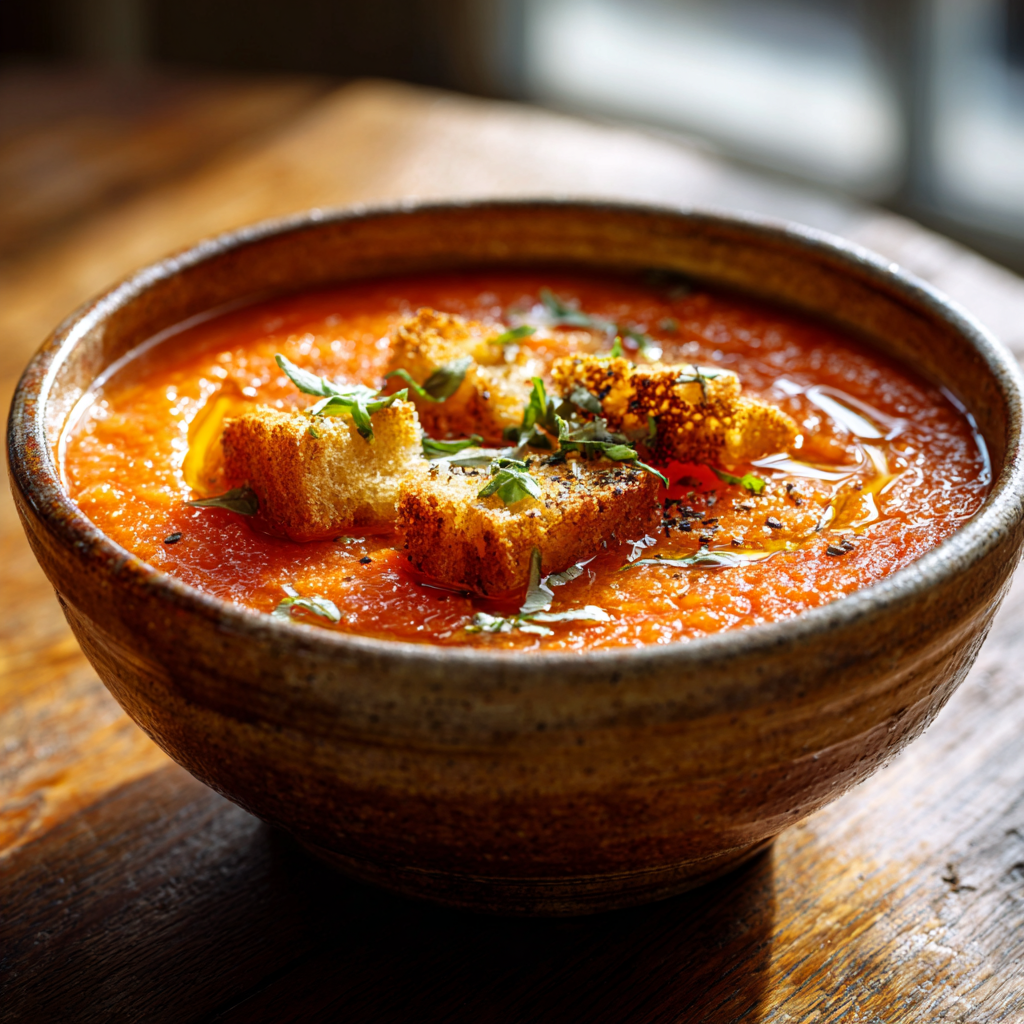
I welcome you into my kitchen where a pot simmers with slow comfort. The air fills with bright, warm notes of crushed canned tomatoes, garlic, and the soft, toasty scent of torn italian bread. Each spoonful is a little anchor on a busy night, a blend of silk and rustic bits that feels like home.
I call this pappa pomodoro in my house. I rely on simple steps—sweating aromatics in olive oil, layering tomatoes with warm stock, then letting cubes of bread break down until the mixture becomes creamy. I’ll show the way I coax deep flavor without fuss, and point out small swaps that still give you that custardy, cozy result.
Key Takeaways
- Pappa pomodoro is a comforting, pantry-led classic that tastes richer with good olive oil and torn basil.
- Hand-crushing canned tomatoes keeps a rustic texture that feels authentic.
- Warm stock helps the bread break down faster than stale slices.
- A final drizzle of olive oil and cracked black pepper lifts the whole bowl.
- Small swaps—chicken stock or a pinch of sugar—adjust balance without losing tradition.
What makes this tomato bread soup so satisfying right now
On a gray afternoon I love the quiet ritual of coaxing simple pantry items into a rich, cozy meal. Pappa pomodoro is comfort with history — a humble dish that turns stale into splendid with slow, kind heat.
Pappa al pomodoro, the comforting “tomato pap” with deep Tuscan roots
This bread soup comes from cucina povera: smart, resourceful cooking that honors thrift. I hand-crush the tomatoes to keep a rustic body that clings to chunks of bread. The result eats like a meal, not a drink.
Why cooler months favor canned tomatoes and a gentle simmer
Outside peak harvest, canned tomatoes give consistent ripeness and bright acidity. That predictability lets you spend less time correcting balance and more time on gentle simmering.
I bloom red pepper flakes briefly in olive oil to unlock aroma and a soft background heat. Then slow time lets bread dissolve into a custardy base that feels restorative after a long day.
- Pantry-first: minimal fuss, maximum flavor.
- Warm, not harsh, heat keeps aromatics sweet.
- Hand-crushed tomatoes create rustic texture that holds on to the bread.
| Choice | Why use it | Effect on final bowl |
|---|---|---|
| Canned tomatoes | Consistent ripeness; already cooked | Bright, balanced flavor and steady body |
| Fresh tomatoes | Peak-season sweetness and aroma | More delicate body; needs longer cooking |
| Hand-crushed method | Preserves rustic bits and texture | Bread catches tomato pieces; bowl feels hearty |
Ingredients that build layered flavor (and smart swaps)
A few staple ingredients—warmed in the right order—turn a modest pot into comfort you can spoon. I list the essentials, explain what each one does, and offer simple swaps so you can cook with confidence any night of the week.
Core staples and why they matter
- Italian bread: This is your texture builder. I like a loaf with chew; stale bread is traditional, but fresh or oven-dried slices soften faster for quick weeknight meals.
- Tomatoes: Whole canned tomatoes crushed by hand give rustic chunks that cling to the pieces of bread. Use chopped only if that’s what you have.
- Olive oil: Warm it with a pinch of red pepper to lift aroma. A final drizzle brightens and rounds the flavors.
- Onion and garlic: Soften them gently—don’t brown—so their sweetness supports the tomato body without competing.
- Vegetable stock: Warm stock helps the bread break down to a porridge-like consistency. Chicken stock or plain water are fine substitutes depending on how savory you want the bowl.
| Ingredient | Role | Smart swap |
|---|---|---|
| Bread | Builds texture, soaks flavor | Fresh or oven-dried slices for speed |
| Stock | Adds savory depth and helps break bread down | Chicken stock or water |
| Basil | Finishes with freshness and aroma | Stems in the pot, torn leaves at service (about a cup) |
Season in two passes: a little salt early to coax sweetness from the onion and garlic, then adjust with salt and pepper at the end. If the tomatoes taste sharp, a dab of tomato paste and a pinch of sugar will steady the balance without making the bowl sweet.
Tomato and bread tuscan soup recipe: step-by-step, pro-cook tested
Begin at medium heat: the moment the oil glints, the kitchen leans in. I warm a large pot, add olive oil and let it shimmer before I drop in red pepper flakes and sliced garlic. Watch for the garlic to turn pale gold—about a minute—so the aroma opens without bitterness.
I add onion with a pinch of salt and soften it gently. Keep the heat moderate so the onion sweats, not browns. This builds a sweet, silky base that supports the tomatoes.
Build the tomato body
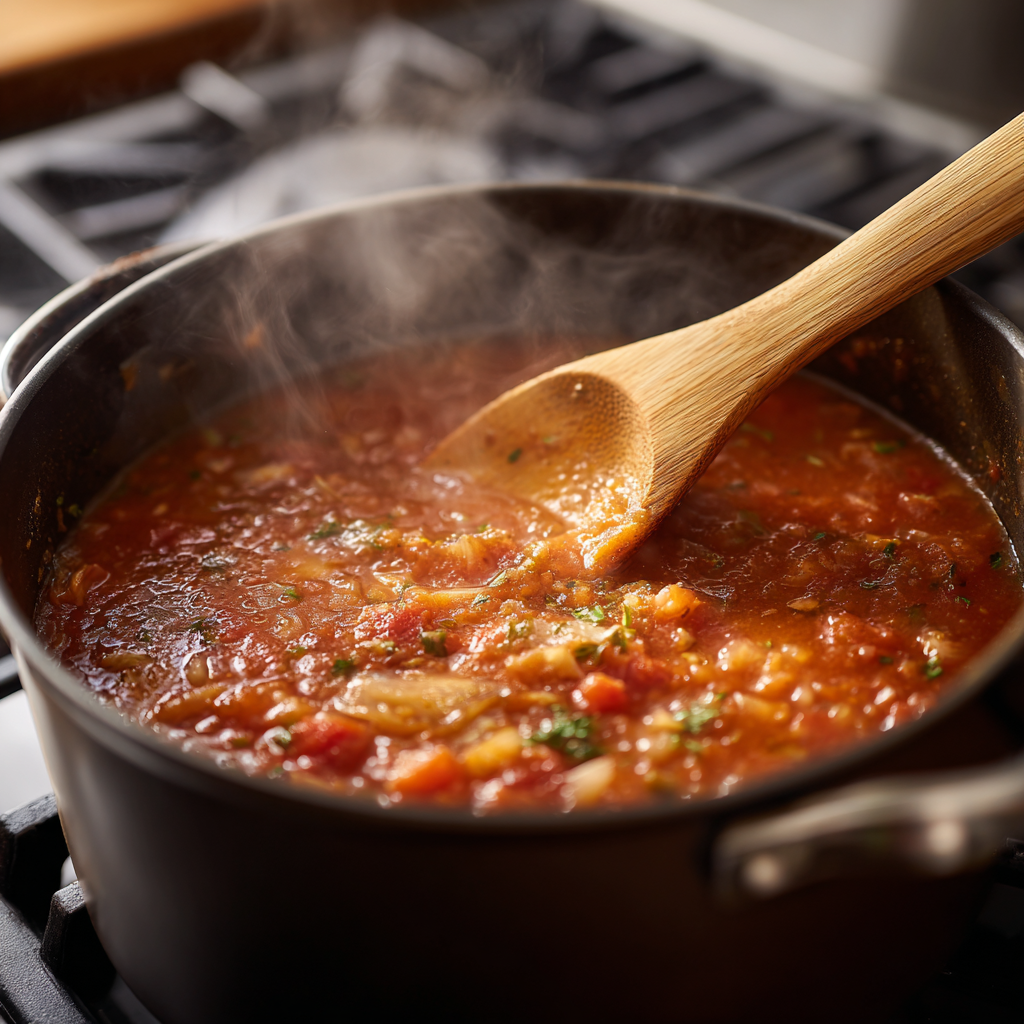
Tip in canned tomatoes and crush them by hand right into the pot. Stir so juices marry the oil and aromatics, then bring to a gentle simmer. This is the tactile moment: rustic bits cling to the soft base and give the bowl its character.
Add bread and stock
Tear the bread into rough pieces and stir them in. Ladle in warm vegetable stock a few cups at a time. The bread will drink liquid; add more stock or water as needed until the texture is thick, custardy, and spoonable—typically 25–40 minutes on a low simmer.
Season and finish
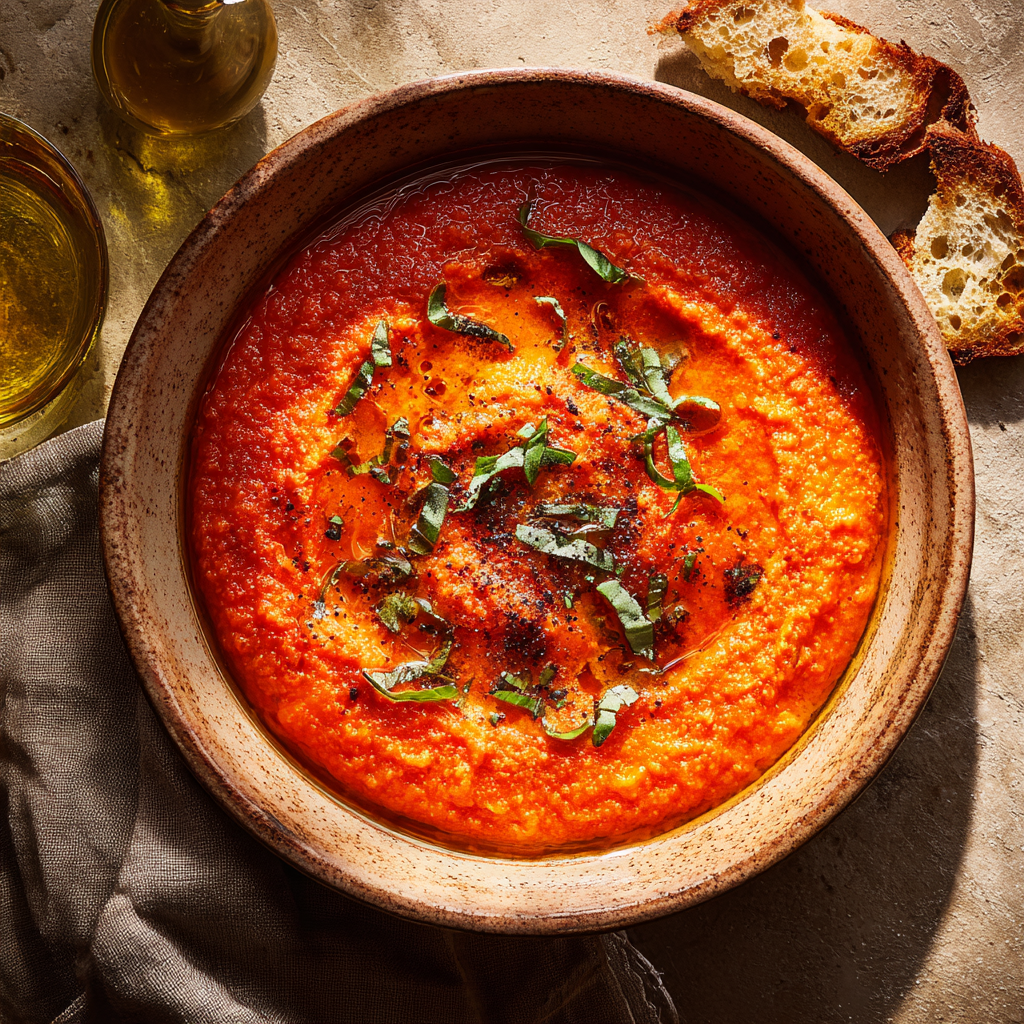
Taste, adjust with salt pepper, then let the pot bubble softly for a few more minutes. Finish with torn basil and a generous drizzle of olive oil. I look for glossy sheen and a trough in the surface when the spoon is dragged—then it’s ready to serve as pappa pomodoro.
- Plan around minutes but cook by feel: hydrated bread, glossy texture.
- If it tightens as it rests, loosen with a splash of warm stock or water before serving.
| Step | Signal to watch for | Why it matters |
|---|---|---|
| Bloom flakes & garlic | Garlic turns pale gold, aroma lifts | Releases flavor without bitterness |
| Hand-crush canned tomatoes | Rustic pieces in pot, juices mingling | Creates texture that clings to bread |
| Add bread & warm stock | Mixture thickens to porridge-like body | Custardy finish; comforting mouthfeel |
Techniques, variations, and the best way to serve
Technique shapes the bowl more than fancy ingredients. I focus on how the loaf is treated, the choice of stock, and when I add heat, because those moves alter texture and flavor most.
Fresh vs stale vs oven-dried: what changes
Fresh loaf melts faster than stale bread; oven-dried slices behave like fresh when you want complete softening. If your loaf is overly moist, dry it briefly in a low oven.
If it’s a day old, use it as-is—gentle stirring and warm stock help the pieces break down into a creamy body.
Helpful tweaks that matter
- Choose stock to set tone: vegetable stock for clean savor, chicken for rounder depth, or water when tomato should lead.
- Add a spoonful of tomato paste for color and mid-palate weight; pinch sugar only if acidity feels sharp.
- Bloom red pepper or pepper flakes in oil early for base heat, or stir them in late for a brighter kick.
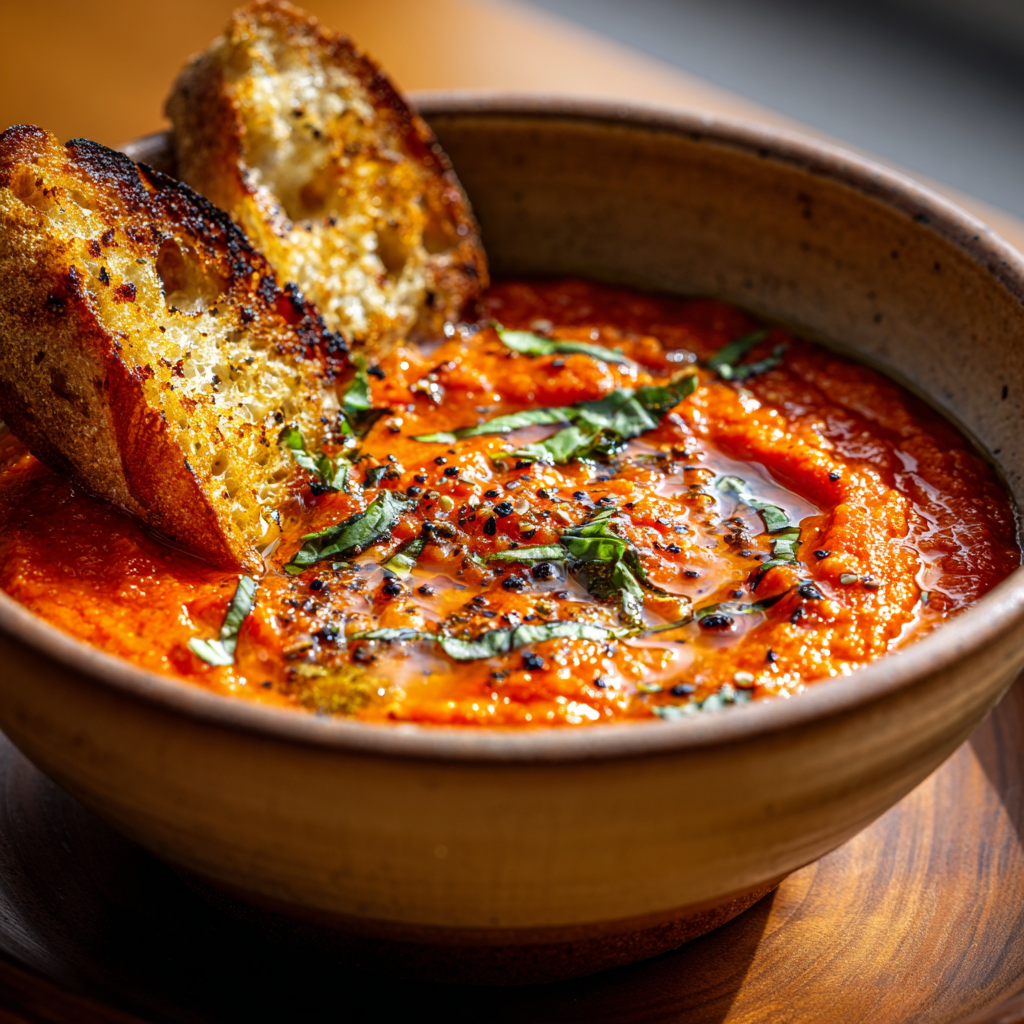
Finish at the table with a drizzle of olive oil, fresh basil, and cracked black pepper. Aim for a thick but loose bowl—soft polenta is a good point of reference. Offer a cup of extra stock so guests can loosen their own serving.
| Choice | Effect | When to use |
|---|---|---|
| Vegetable stock | Clean, savory base | When you want vegetables to sing |
| Chicken stock | Richer, rounder flavor | When you want extra depth |
| Water | Pure tomato lead | When pantry simplicity wins |
For a deeper dive on tradition and method, see my notes on pappa al pomodoro at pappa al pomodoro.
Bring it to the table and make it again tomorrow
Serve this in warmed bowls so the aroma wakes the room as you sit. Let the pot rest for a few minutes, then drizzle olive oil and crack fresh pepper over each bowl to lift the surface shine.
If the pot has tightened, loosen it with a cup or two of warm vegetable stock or water. Stir until the surface moves in slow, soft waves; this takes only a few minutes on low heat.
Leftovers taste even better the next day. Reheat gently over low flame for a few minutes, add cups of liquid as needed, then season again with salt and a twist of pepper.
I keep chopped onion and cloves garlic ready so this pappa pomodoro becomes a quick, comforting tomato bread soup to make again in no time.
Pappa al Pomodoro (Tuscan Tomato Bread Soup)
Ingredients
Method
- Place a large pot over medium heat. Add olive oil and let it shimmer.
- Add red pepper flakes and sliced garlic. Stir gently for about 1 minute, until garlic turns pale gold and fragrant. Do not brown.
- Add chopped onion with a pinch of salt. Cook gently, stirring often, until soft and translucent. Keep the heat moderate so the onion stays sweet.
- Tip the canned tomatoes into the pot and crush them by hand directly in the pot. Stir well so the juices mix with the oil and aromatics. Bring to a gentle simmer.
- Tear the bread into rough pieces and stir it into the tomatoes. Add warm vegetable stock a few cups at a time. Stir gently as the bread absorbs liquid.
- Lower the heat and let the soup simmer gently for 25–40 minutes. Stir occasionally, breaking down the bread with a spoon, until the texture is thick, creamy, and spoonable.
- Taste and adjust with salt and black pepper. If needed, add a spoon of tomato paste or a pinch of sugar to balance acidity. Stir in torn basil.
- Let the soup rest a few minutes. Finish each bowl with a generous drizzle of olive oil and cracked black pepper. Add a splash of warm stock if it thickens too much.
Notes
- This soup thickens as it rests. Reheat gently and loosen with warm stock or water.
- Warm stock helps the bread break down faster and more evenly.
- Finish with good olive oil at the table—it makes a noticeable difference.
- Leftovers taste even better the next day.