
Jump to Recipe
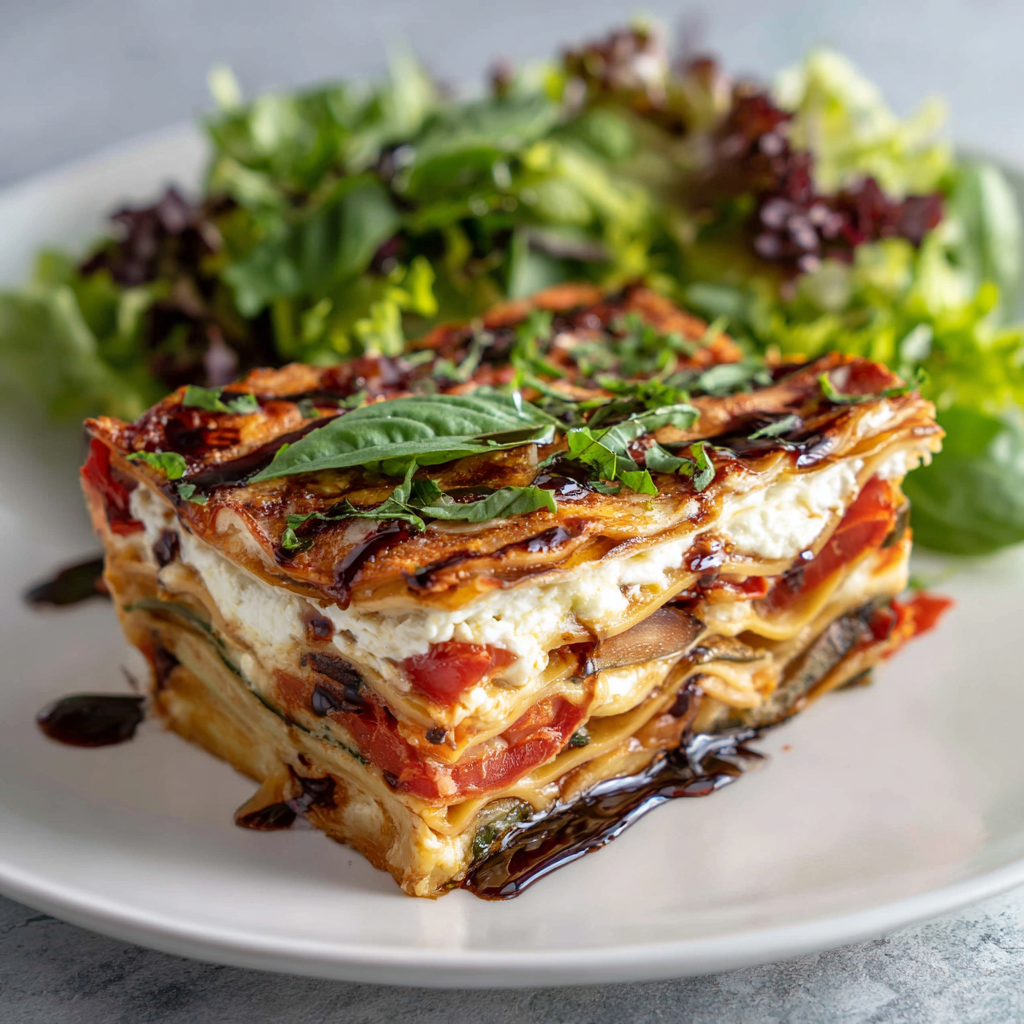
I pull a warm pan from the oven and the house fills with caramelized vegetables and a bright, balsamic‑kissed marinara that smells like Sunday afternoons at Nonna’s.
Layers of tender noodles, a creamy dairy‑free filling, and a crunchy breadcrumb crown make this my favorite comfort food for slow dinners or busy weeknights.
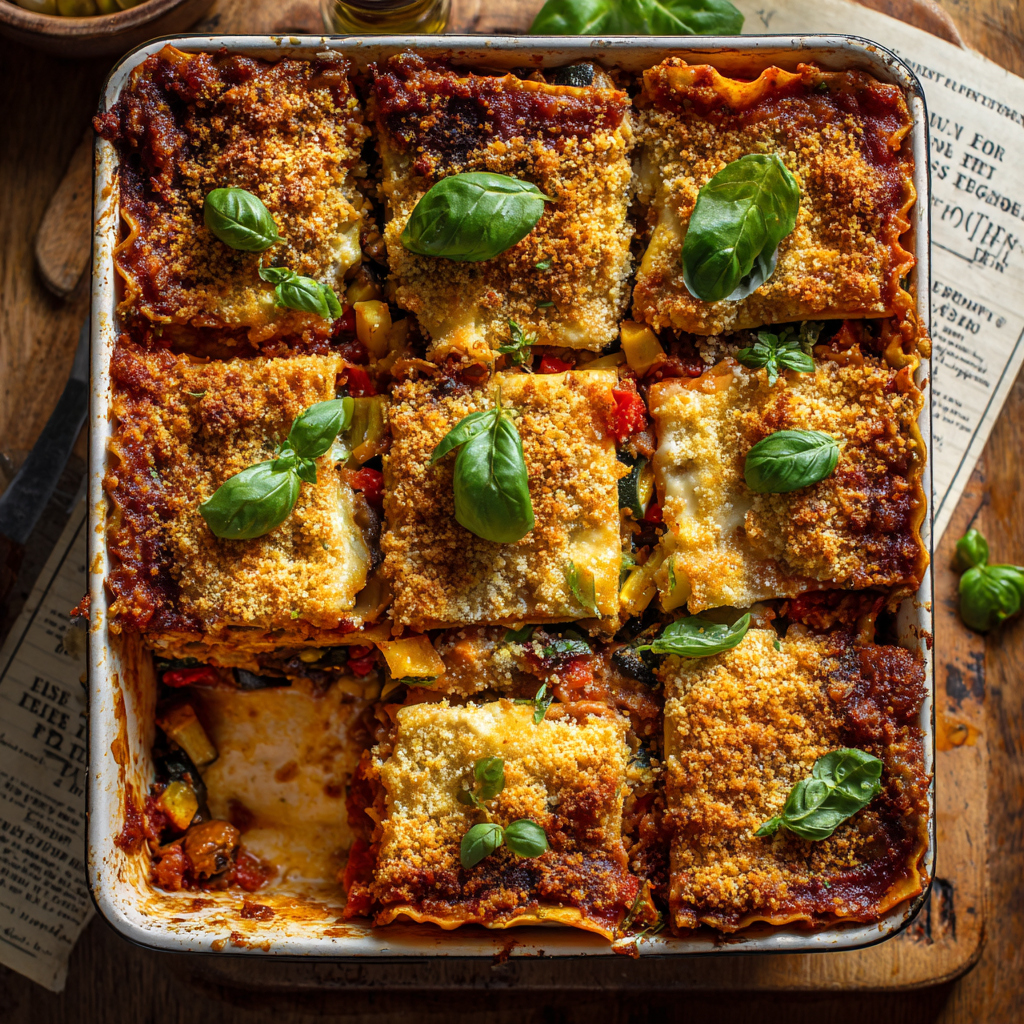
I use a 9×13 pan so slices hold their shape, roast the vegetables hot to coax out sweetness, and rest the baked dish before cutting for clean pieces and the best texture.
Whether you choose regular sheets or Tinkyada brown rice for a gluten‑free swap, the oven cues—covered at 375°F, then uncovered to brown—are simple and reliable.
Key Takeaways
- Roast vegetables hot to deepen sweetness and lift the marinara.
- Use a 9×13 pan for even layers and tidy slices.
- Cover at 375°F for 15–20 minutes, then uncover 15 minutes to brown.
- Tinkyada brown rice sheets are a true gluten‑free stand‑in for regular noodles.
- Let the casserole rest before slicing; finish with torn basil and crunchy breadcrumbs.
Why this vegan Italian lasagna hits the comfort‑food sweet spot
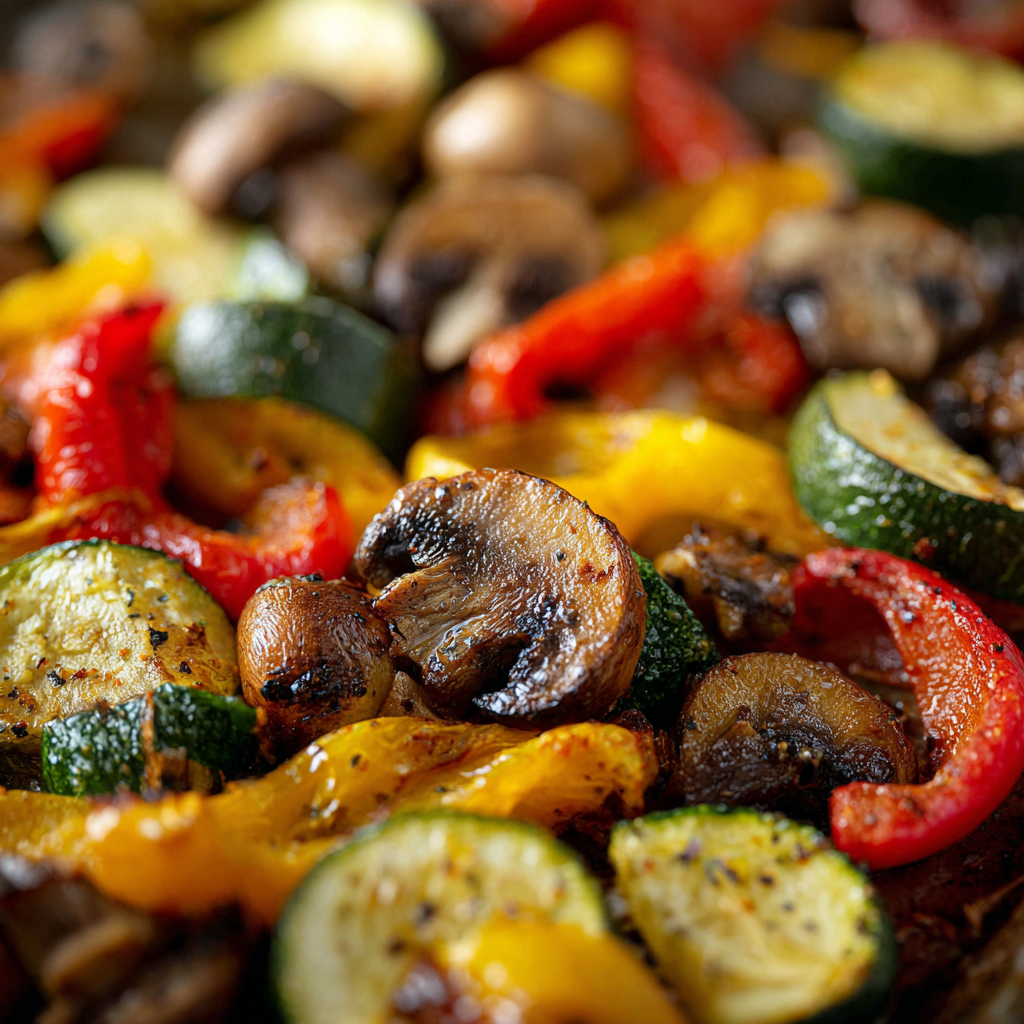
I love how high heat turns simple vegetables into honeyed bites that anchor every comforting layer. Roasting at 425°F pulls sugars from peppers, zucchini, mushrooms, and onions so each mouthful tastes rich without heaviness.
Balanced layers—sauce, noodles, ricotta, and caramelized veg—give a pleasing contrast of creaminess and gentle char. Regular pasta sheets cook in under 10 minutes and yield a softer, more tender texture than many no‑boil options.
Resting the baked dish for about 20 minutes is a small step with big returns. Flavors settle, steam redistributes, and slices hold their shape instead of collapsing the moment you cut them.
- Comfort starts with aroma: hot baking and a lively oven make the house smell like dinner company.
- A well‑seasoned marinara sauce ties layers together and lets the vegetables shine.
- A final drizzle of good olive oil and a whisper of ricotta or cheese‑like richness lifts the whole pan.
| Technique | Why it matters | Timing cue |
|---|---|---|
| High‑heat roasting | Concentrates sweetness and adds gentle char | 425°F until tender (20–30 minutes) |
| Regular pasta sheets | Tender, ruffled texture that holds layers | Boil under 10 minutes until al dente |
| Rest after baking | Flavor cohesion and clean slices | About 20 minutes before serving |
What you’ll need: ingredients, pan size, and tools
Start with the right ingredients and a 9×13 pan and you already win half the battle. Below I list essentials with quick notes on why each matters. No fluff—just what you need and why.
Core ingredients for layered flavor and texture
- Lasagna noodles: Choose classic durum for tender sheets, or Tinkyada brown rice lasagna noodles for a gluten‑free swap that mimics wheat texture.
- Vegetables: Bell peppers, zucchini, mushrooms, and onion roast well and give a sweet‑savory backbone to each layer.
- Marinara and cheese elements: Plan 24–26 ounces of quality marinara. Use dairy‑free ricotta or a ricotta alternative for creamy contrast; a bit of cheese or a substitute on top adds color and richness.
- Pantry basics: Olive oil, salt, garlic, and freshly ground pepper help the vegetables caramelize and season layers evenly.
- Fresh accents: A handful of basil at the end lifts the whole dish with bright aroma.
Helpful tools for an easy assembly
- The right dish: A 9×13‑inch baking dish supports tidy stacking, even heat, and clean portions.
- Sheet pans and prep gear: Large baking sheets with parchment speed roasting and cleanup; foil controls steam while baking.
- Optional finishing items: Italian‑seasoned breadcrumbs or a favorite vegan mozzarella (Miyoko’s is a good example) give a golden finish.
| Item | Why it matters | Prep amount |
|---|---|---|
| Lasagna noodles | Hold layers and soften to tender sheets | 12–15 sheets (or package as directed) |
| Marinara | Bounds layers and adds acidity | 24–26 oz jar |
| Baking dish & tools | Even heat and easy assembly/cleanup | 9×13 dish, 2 sheet pans, foil, parchment |
Roast the vegetables for deeper flavor
Set your oven hot so the vegetables turn glossy, browned, and full of flavor in under half an hour. I find this step makes the filling sing and keeps each layer from tasting flat.
Oven temperature and timing
Preheat to 425°F for reliable caramelization. Roast mixed vegetables at 425°F until edges deepen and centers are tender, about 20–25 minutes, tossing once halfway through.
If you want extra char, nudge the temperature to 450°F, but watch thin slices closely to avoid burning. After roasting, lower the oven to 375–400°F for baking the assembled dish.
Best vegetables to use
Choose bell peppers, zucchini, mushrooms, and onion for a balanced mix of sweetness and texture. Cut everything in similar sizes so they cook evenly in the same window of minutes.
Optional additions like eggplant or a handful of spinach fold in nicely after roasting for extra depth.
Seasoning and oil
Toss the pieces with olive oil, salt, and freshly ground black pepper before they go into the oven. Season lightly now and taste again once layered with sauce.
- Spread on two sheet pans to avoid crowding and steaming.
- Stir once at the midpoint so both sides brown evenly.
- Set roasted vegetables aside until the baking temperature is ready; they should be juicy but not wet.
| Step | Temp / Time | Visual cue |
|---|---|---|
| Preheat and toss | 425°F, 0 minutes (preheat) | Oven fully hot; veggies glossy with oil |
| Roast | 425°F, 20–25 minutes | Edges browned, centers tender; toss once |
| Optional char | 450°F, watch closely (shorter time) | Deeper color, avoid blackened thin slices |
| Ready for assembly | Lower oven to 375–400°F | Veggies juicy but not overly wet |
Noodles and sauce: choosing lasagna noodles and marinara
Choose your noodles with care; they set the texture for every slice and tie the whole pan together. I prefer regular lasagna noodles because they become tender and forgiving in the oven. Cook them in well‑salted water until just shy of al dente—under 10 minutes is common—so they finish perfectly during the bake.
Drain, rinse briefly to stop cooking, and toss the sheets with a little oil so they don’t stick while you assemble lasagna. No‑boil sheets save time, but they need extra sauce and a fully covered bake so the layer noodles hydrate through.
- Plan on about 24–26 ounces of marinara for generous coverage; Rao’s is a reliable jarred option.
- Use enough sauce to coat each layer without drowning it; that keeps texture clean and prevents sogginess.
- Brighten ricotta with garlic or lemon zest for contrast, and finish with a light balsamic drizzle after baking if you like a subtle sweet tang.
| Type | Why | Timing cue |
|---|---|---|
| Regular noodles | Tender texture, forgiving in oven | Under 10 minutes to just shy of al dente |
| No‑boil noodles | Convenient but need more sauce | Use extra sauce; bake covered so they hydrate |
| Layering tip | Overlap edges to hold slices | Coat each sheet lightly with sauce before stacking |
roasted veggie lasagna vegan italian recipe: step‑by‑step assembly
With the pans and sauce at the ready, assembling the layers becomes a calm, sure routine. I give a clear sequence and visual cues so you can assemble lasagna without guesswork.
Layer order that works
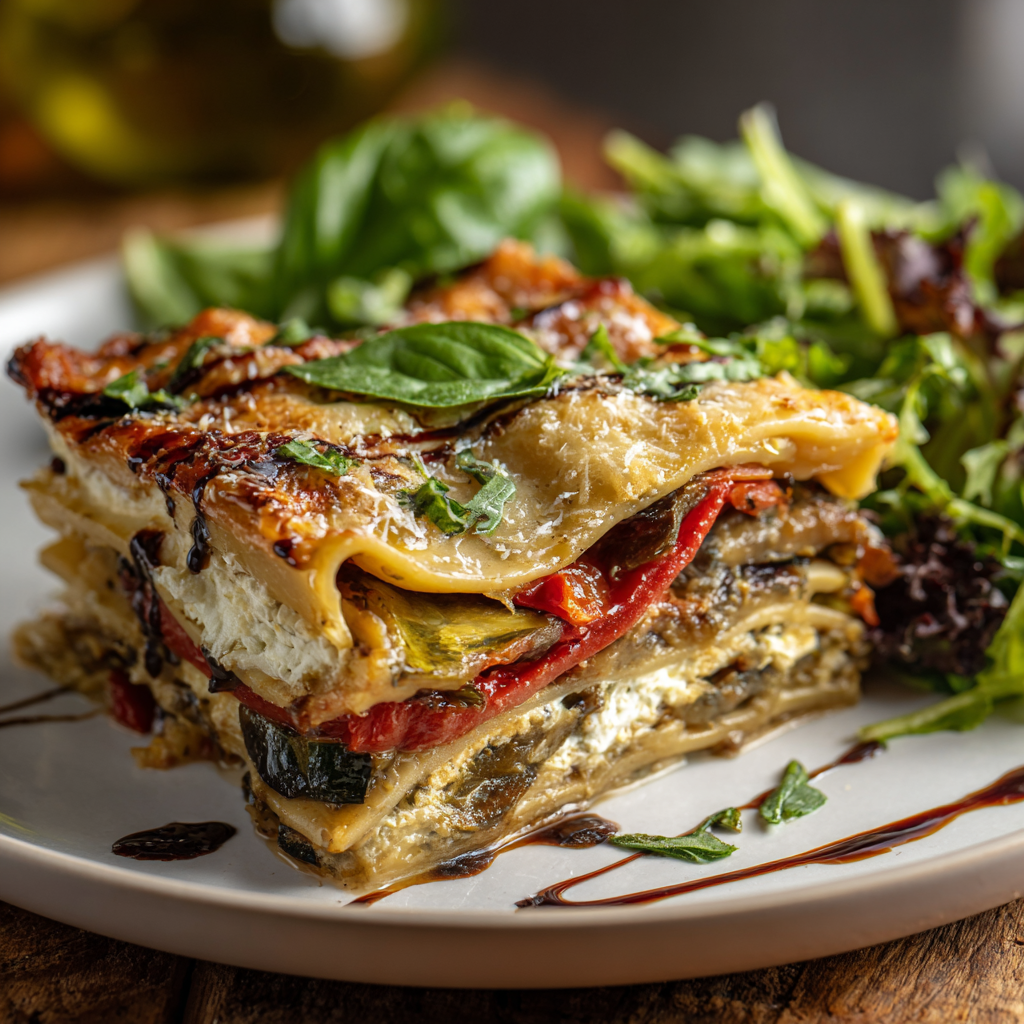
Start by spreading a thin layer of sauce on the bottom so nothing sticks. Lay down the first set of layer noodles, slightly overlapping.
Dollop and spread ricotta to the edges for stability. Scatter roasted vegetables evenly, then spoon more sauce over them. Repeat the layer pattern, finishing with noodles and sauce.
Oven temperature shift and baking timing
After roasting at 425°F, reduce the oven temperature to 375–400°F for baking. Cover the dish and bake about 15–20 minutes if the noodles are pre‑cooked.
Uncover, add Italian breadcrumbs or a sprinkle of cheese, and bake until the top is golden, roughly another 15 minutes. Let it rest before cutting.
Topping ideas and finish
- Italian‑seasoned breadcrumbs and a drizzle of oil for crunch.
- Vegan mozzarella or a light extra sprinkle of cheese for browning.
- Torn fresh basil and an optional balsamic drizzle for aroma.
| Step | Temp / Time | Visual cue |
|---|---|---|
| Initial bake (covered) | 375–400°F, 15–20 minutes | Interior hot, sauce steaming |
| Finish (uncovered) | 375–400°F, ~15 minutes | Top golden and bubbling |
| Rest | 10–20 minutes | Slices hold shape |
Smart swaps, dietary notes, and pro tips from the test kitchen
A few smart substitutions can turn this pan into a weeknight winner without losing the soul of the dish. I share swaps that keep texture and flavor while fitting dietary needs.
For dairy‑free cheese, I use tofu ricotta whisked with garlic, herbs, and a pinch of salt. It yields a creamy, protein‑rich layer that holds up during baking. If nuts are okay, a cauliflower cream plus cashew “parm” adds body and a nutty finish.
- Gluten‑free: Tinkyada brown rice noodles stand in for pasta and keep neat layers.
- Low‑carb: Thin zucchini sheets replace noodles for a lighter vegetable lasagna that still feels classic.
- Prevent sticking: Drain cooked noodles well and toss with a little olive oil so edges don’t tear during layering.
- Avoid sogginess: Balance sauce—coat each layer, don’t drench—and roast vegetables hot to shed excess moisture.
| Swap | Why it works | Use‑case |
|---|---|---|
| Tofu ricotta | Creamy, nut‑free, proteinful | Dairy‑free cheese layer |
| Brown rice noodles | Hold shape well | Gluten‑free lasagna |
| Zucchini sheets | Light, low‑carb | Replace pasta for fewer carbs |
Final touch: rest the baked pan 10–20 minutes before slicing, and finish with a twist of ground black pepper and torn basil. If you want another vegetable‑forward idea, see my mushroom risotto for a complementary dish: mushroom risotto.
Timing, make‑ahead, reheating, and freezing for busy nights
Plan your time like a dinner conductor: small steps, steady tempo, and the oven does the rest. A little prep now frees up an hour later and makes weeknight dinner calm and reliable.
Make‑ahead safely
I often assemble the pan the day before and chill it, covered tightly. For best texture, let the dish sit at room temperature for 30–60 minutes before it goes into the oven so bake time shortens and heat distributes evenly.
Reheat and freeze guidance
To reheat leftovers, warm individual portions in a 350°F oven until the marinara sauce bubbles and the center is hot, about 15–20 minutes. A quick microwave revive works for single plates when minutes matter.
- Freeze unbaked, tightly wrapped, up to 3 months; double‑wrap to block odors.
- Thaw overnight in the fridge, then bake covered at 400°F for about 20 minutes, uncover and bake 20–25 minutes until bubbling.
- If baking straight from chilled, expect total oven time to span about an hour in two stages—use visual cues as well as minutes.
| Step | Temp / Time | Visual cue |
|---|---|---|
| Reheat (single portions) | 350°F, 15–20 minutes | Sauce bubbling; center hot |
| From thawed | 400°F, 20 + 20 minutes | Edges simmering, top golden |
| From cold | 375–400°F, ~60 minutes | Interior steaming; top browned |
Little planning saves time later. Treat leftovers as ready‑to‑heat food, portion into single squares, and enjoy a comforting pan that travels well from fridge to table. Buon appetito — this recipe rewards patience and good timing.
Plate it beautifully and enjoy now
Give the dish a short pause out of the oven so the layers settle and slicing is tidy. Let it stand 10–20 minutes; a brief rest means clean edges and a stable bottom that lifts neatly onto the plate.
Slide a sharp knife through the top, lift with a wide spatula, and spoon a ribbon of marinara beside the slice to frame it like a small ristorante plate. Finish with a drizzle of olive oil, a twist of ground black pepper, and fresh basil ribbons to perfume the veggies.
Tuck a glossy bell pepper strip, a zucchini ribbon, and a few roasted vegetables beside the slice for color and texture. Serve family‑style on a warm platter with a green salad or garlicy roasted broccoli for balance.
For a related pasta idea, try this pasta with zucchini and mint to round out your menu.
Vegan Roasted Vegetable Lasagna
Ingredients
Method
Notes
- Gluten-Free Option: Use Tinkyada brown rice noodles for a gluten-free version.
- Dairy-Free Option: The tofu ricotta or any plant-based ricotta will work perfectly for those avoiding dairy.
- Make-Ahead: You can assemble the lasagna the day before and refrigerate it for up to 24 hours. Just bring it to room temperature before baking.
- Freezing: Freeze unbaked lasagna for up to 3 months. Thaw in the fridge overnight before baking.