
Jump to Recipe
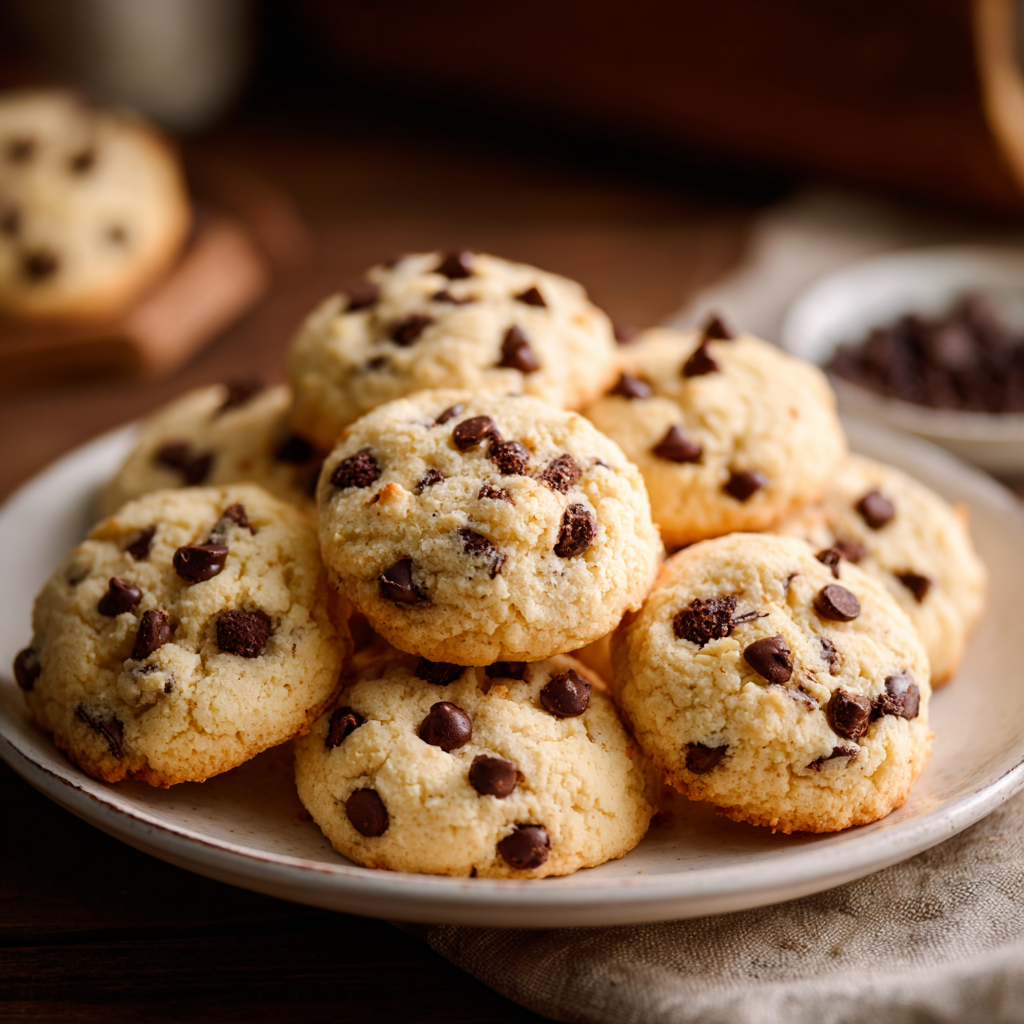
Warm butter perfume, a bowl of soft cheese, and the quiet ritual of beating sugar until the mixture sings — that is how a Sunday in my kitchen begins. I love the tug between a tender, cake-like center and the faintly golden edge; it feels like home and a small celebration at once.
I use full-fat, whole milk ricotta and check its texture: if it looks watery, I strain it in a fine strainer for about 60 minutes so the dough stays plush, not soggy. I beat the cheese with sugar, then add an egg and vanilla before folding in sifted flour and a pinch of baking powder for lift.
After stirring in the mini bits, I chill the dough at least 1 hour — up to 24 — which helps the cookies bake at 350°F with pale tops and golden edges in about 15 minutes. I portion into 1-inch balls, lightly flatten with a floured fork, cool ten minutes on the sheet, then move to a rack to finish.
Store the batch in an airtight container at room temperature for up to 5 days; tuck in a slice of bread to keep them tender. You can also freeze baked treats up to two months.
Key Takeaways
- Use full-fat ricotta; strain if watery to avoid soggy dough.
- Beat ricotta with sugar, then egg and vanilla for a creamy base.
- Chill dough at least 1 hour for better lift and texture.
- Bake at 350°F about 15 minutes — pale tops, golden edges are your cue.
- Store in an airtight container at room temp with a slice of bread to retain moisture.
What makes these cookies special right now
This season, I turn to a batch that stays soft for days and travels well to gatherings. They bake in roughly the same minutes as a classic drop treat, but the addition of whole-milk ricotta yields a tender, cake-like center that feels a little luxurious.
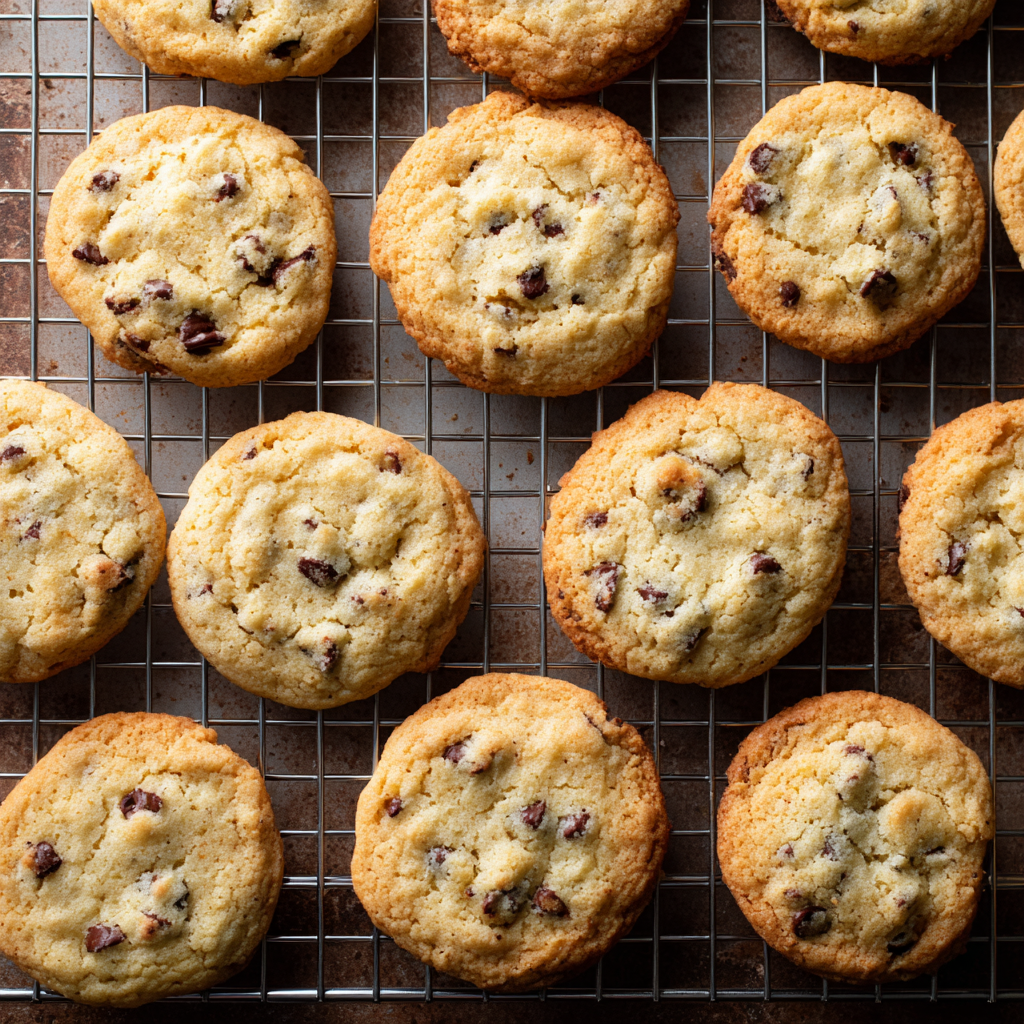
The method is forgiving and pantry-friendly. A bit of sugar, an egg, and vanilla are all you need before folding in chocolate and portioning. Chill the dough from 1 hour up to 24 hours—this step gives better height and a gentler crumb, so plan your time and bake when it suits you.
These are perfect for cookie exchanges and coffee hour. Pale tops with golden edges are your doneness cue. Small tweaks—orange zest, cocoa for double chocolate, or a simple chocolate dip—change the mood without extra fuss.
- Keeps soft for days—great to bake ahead.
- Easy to adapt with citrus or a drizzle.
- Simple ingredients and forgiving technique.
| Feature | Why it matters | How to spot it |
|---|---|---|
| Softness | Stays tender for days, so you can share later | Pale top, springy center |
| Chill time | Improves height and texture | 1–24 hours in fridge |
| Flavor tweaks | Customizable without extra fuss | Orange zest, cocoa, or dip |
For a different Italian touch, see my take on the pistachio cannoli for pairing ideas: pistachio cannoli.
Why ricotta works in cookies
A few wet spoonfuls of soft cheese change how a cookie bakes, giving the dough a gentle lift and a tender crumb. The high moisture and fat in whole-milk ricotta create a plush, cake-like interior without tasting like savory cheese.
I always beat the ricotta with sugar in a bowl first. That step aerates the mixture and helps the dough hold a lighter structure when flour and baking powder are added.
Moisture, tenderness, and that subtle tang
Whole-milk ricotta adds fat and protein that tenderize the crumb. Baking powder supplies lift while the cheese keeps centers soft and slightly tangy. If your ricotta looks loose, strain it for about 60 minutes to avoid gummy centers.
Mini chocolate chips for even chocolate in every bite
Mini chocolate chips spread through the dough so each mouthful gets a bit of chocolate. Smaller pieces don’t weigh the dough down, so cookies rise evenly and bake with consistent texture.
- Whole-milk ricotta = richer, more tender crumb.
- Strain watery cheese to prevent soggy dough.
- Beat cheese with sugar to aerate before adding flour.
- Mini chips give uniform chocolate in every bite and even rising.
| Component | Role in the dough | Practical tip |
|---|---|---|
| Ricotta (whole-milk) | Moisture, fat, mild tang, tenderizes crumb | Strain if loose; beat with sugar in the bowl first |
| Baking powder | Provides lift and gentle rise | Use measured amount to avoid over-doming |
| Mini chocolate chips | Even distribution of chocolate; lighter than large chunks | Fold in last to preserve dough structure |
| Flour | Creates framework so cookies hold shape | Gently fold to avoid overworking the dough |
Ingredients that deliver bakery-level texture
If you want bakery-level texture at home, the right pantry items make all the difference. Below I list the exact measures I use and a few swap options that keep the dough tender and predictable.
Ricotta cheese: whole milk, and when to strain
Use full-fat, whole milk ricotta for richness and a supple crumb. If it looks loose or watery, set it in a fine mesh strainer for about 60 minutes to avoid a damp, mushy center.
Flour, baking powder, salt: structure and lift
For the base use 2 cups all-purpose flour, 1 teaspoon baking powder, and 1/4 teaspoon salt. Measure flour by spooning into the cup and leveling to keep the texture light.
Sugar, egg, and vanilla or citrus extract
Cream 3/4 cup sugar with 1 cup ricotta until smooth, then add 1 large egg and 1 teaspoon vanilla. Swap in almond or orange extract for a bright twist, or stir in up to 2 tablespoons orange zest for a lively note.
Chocolate chips: mini vs. regular, semi-sweet vs. dark
Fold in 1/2–3/4 cup semi-sweet mini chips for even distribution; regular chips work if you prefer larger pockets. For a double chocolate option, replace 1/3 cup of the flour with cocoa powder.
- Optional: a touch of butter changes mouthfeel, but this cheese-forward base performs well without it.
- Keep all ingredients at room temperature so sugar dissolves into the cheese for a cohesive batter.
- Use precise cups and gentle folding—small shifts in flour or sugar alter rise and set.
| Component | Measure | Why it matters |
|---|---|---|
| Ricotta (whole-milk) | 1 cup | Moisture, fat, and tender crumb; strain if loose |
| Flour | 2 cups | Framework for shape; measure lightly |
| Chocolate chips | 1/2–3/4 cup | Even chocolate in each bite; mini gives uniformity |
Step-by-step: from mixing bowl to cooling rack
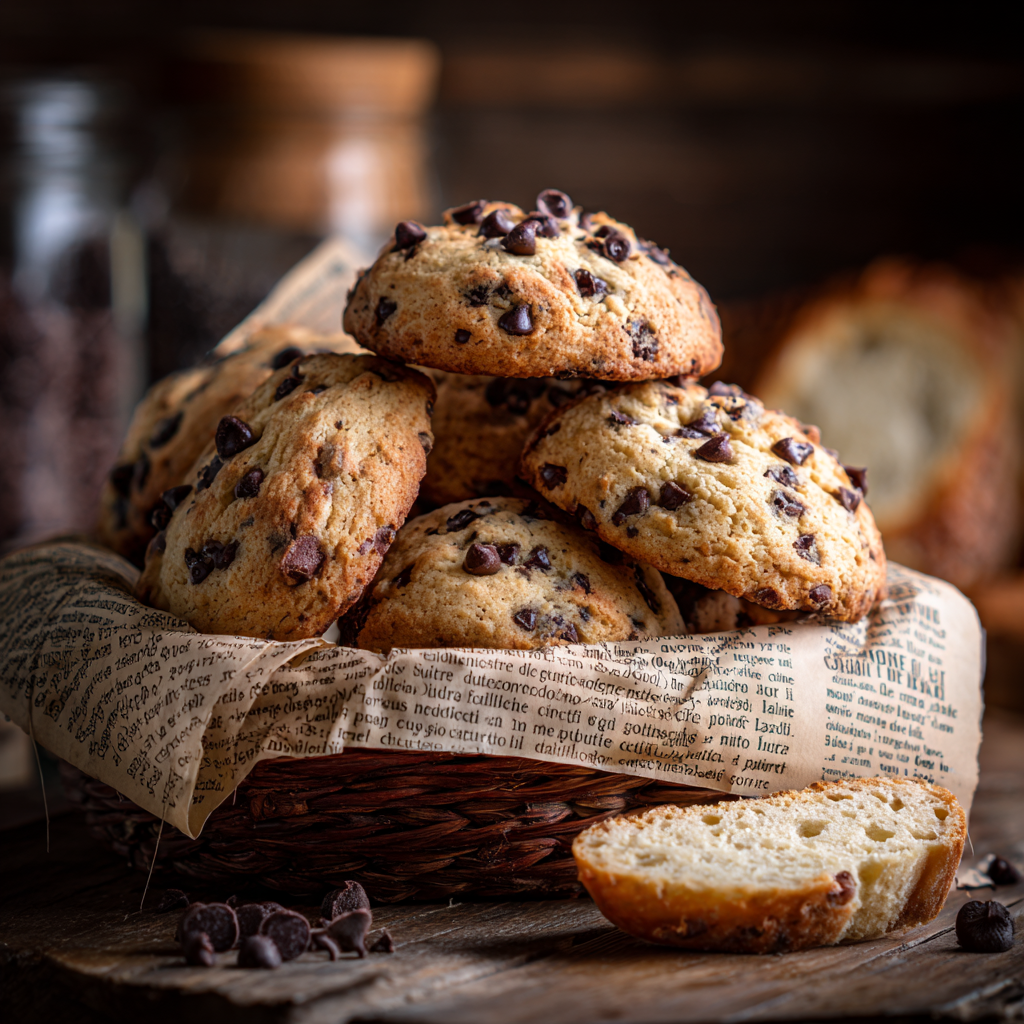
Start at the bowl: clear steps and small cues make every bake calm and reliable. I walk you through each action so you feel confident at the counter.
Prep the dry ingredients and whip the cheese with sugar
Whisk together flour, baking powder, and salt so the leavening is even. This helps the rise stay uniform when the dough meets heat.
Beat the ricotta and sugar until creamy and slightly aerated, about two minutes with a mixer or sturdy spoon.
Add egg and extract, then bring the dough together
Stir in the egg and your extract, then mix the dry ingredients on low just until the dough comes together. Stop early to avoid a tough crumb.
Fold in chips and chill the dough for best texture
Gently fold in the chocolate chips so they spread evenly. Chill the dough at least 1 hour—up to 24—to hydrate the flour and firm the balls.
Portion, lightly flatten, and bake at 350°F until edges turn golden
Preheat the oven to 350°F and line a baking sheet with parchment paper. Scoop 1-inch balls, lightly flatten with a fork dipped in flour, and space them on the sheet.
Bake about 15 minutes until tops stay pale and edges are lightly golden.
Cool on the sheet, then transfer to a wire rack to cool completely
Let the tray rest for 10 minutes so centers finish setting, then move to a wire rack to cool completely. This gives the best texture and keeps them tender.
| Step | Key cue | Timing |
|---|---|---|
| Whisk dry together flour | Even powder, no lumps | 1–2 minutes |
| Beat cheese and sugar | Creamy, slightly aerated | ≈2 minutes |
| Chill dough | Firm, easier to scoop | 1–24 hours |
| Bake on parchment paper | Pale top, golden edge | ≈15 minutes |
Pro tips that guarantee soft, cake-like cookies
A few deliberate steps turn simple dough into a soft, cake-like delight. These are the practical moves I use every bake to get consistent results.
Drain watery ricotta to avoid a mushy crumb
If your ricotta looks wet, set it in a fine strainer for about 60 minutes. Removing that excess liquid is the single best move to stop a gummy center.
Chill time: why 1–24 hours changes your results
Chill the dough at least 1 hour so the flour hydrates and the fat firms. A longer rest up to 24 hours improves height and gives cleaner edges.
Don’t overbake: pale tops, set edges, bottoms just curled
- Watch for pale tops with lightly golden edges — that signals a tender interior.
- A slight curl under on the bottom shows the structure set without drying out the middle.
- Keep oven temperature steady and avoid opening the door too often.
Use parchment and a scoop for consistency
Line pans with parchment for even heat and easy release. A cookie scoop makes every portion the same so the batch bakes evenly.
| Tip | Why | Quick cue |
|---|---|---|
| Strain ricotta cheese | Prevents soggy centers | 60 minutes in a strainer |
| Chill dough | Better rise and edges | 1–24 hours in fridge |
| Use parchment & scoop | Even bake and uniform size | Line pan; use scoop each time |
Meta: Practical, chef-tested tips for soft, reliable cookies — drain, chill, watch doneness, and use parchment for best results.
Flavor twists and add-ons to make them your own
A few thoughtful swaps lift the flavor without upsetting the tender texture you worked for. I keep the base method the same and add accents that sing—bright citrus, deeper cocoa, or a glossy finish.
Orange and vanilla lifts
For a citrus-kissed batch, fold in the zest of one orange (about 2 tablespoons) or use a few drops of orange extract. A splash of vanilla or a very small amount of almond extract gives an amaretti-like note.
Double cocoa version
Swap 1/3 cup of the flour for unsweetened cocoa powder. This keeps the crumb tender while making the flavor richer and more intense.
Dip, drizzle, and nut add-ins
After cooling, dip bottoms in melted dark chocolate or drizzle the tops and chill to set. A small dollop of ganache spread with a spoon looks patisserie-ready. Fold in 1/3 cup finely chopped walnuts or pecans for a light crunch.
- Add a handful more chocolate chips or mini chocolate pieces if you want extra pockets of melt—don’t overload the dough.
- Keep the core technique unchanged; these tweaks are about flavor, not structure.
| Variation | What to add | Exact swap/amount | Texture note |
|---|---|---|---|
| Citrus-vanilla | Orange zest or extract + vanilla | 2 tbsp zest or a few drops extract; 1 tsp vanilla | Bright, keeps tender crumb |
| Double cocoa | Cocoa powder | Replace 1/3 cup flour with unsweetened cocoa | Richer flavor, same soft crumb |
| Dip & nuts | Melted dark chocolate, ganache, walnuts | Dip to coat; 1/3 cup chopped nuts | Elegant finish, gentle crunch |
Equipment and setup for stress-free baking
Before the oven warms, I set out the tools that make this bake calm and reliable. A simple, organized station keeps the process moving from mixing to the tray without hiccups.
Essential gear and where to place it
I use a stand mixer or a hand mixer to beat ricotta and sugar until smooth. Keep a medium bowl nearby for whisking the dry ingredients so the baking powder disperses evenly.
- Line each baking sheet with parchment paper for even heat and easy cleanup.
- Portion dough with a cookie scoop so every portion bakes the same.
- Have a small bowl ready to melt chocolate for dipping or drizzling.
- Cool baked goods on a sturdy rack so air circulates and bottoms stay crisp-free.
- Keep a second sheet ready to rotate batches without delay.
| Tool | Purpose | Quick cue |
|---|---|---|
| Mixer | Creams the cheese and sugar to a fluffy base | Smooth, slightly aerated texture |
| Baking sheet & parchment paper | Even bake and no sticking | Pale tops, golden edges |
| Cookie scoop & bowl | Consistent portions; control over dipping | Uniform size; neat coverage |
| Cooling rack | Prevents soggy bottoms by circulating air | Set and cool fully before storing |
Storage, freezing, and make-ahead strategies
A small bit of planning after the oven stops humming keeps every bite soft and inviting. Let the batch cool completely on a rack before you package them. That step prevents steam and soggy bottoms.
Room and fridge storage for best texture
Once cool, place the treats in an airtight container and keep them at room temperature for up to 5 days. They taste best within 2–3 days.
If you prefer a chewier bite, refrigerate the container for a few hours or overnight. The chill firms the exterior while preserving the tender crumb.
Keep them soft: a simple bread trick
Tuck a slice of bread into the container to keep the interior moist. The baked pieces will gently draw in that moisture and stay soft for days.
Freezing baked goods and dough the right way
- Freeze baked items on a sheet until solid, then transfer to bags or boxes. They keep well up to two months.
- To serve from frozen, thaw at room and enjoy, or warm briefly to revive the aroma of chocolate.
- For dough, portion balls onto a tray, freeze until firm, then bag. Bake from frozen and add 2–3 minutes to the time.
| Storage | Method | Timeline |
|---|---|---|
| Room | Airtight container at room temperature | Up to 5 days; best 2–3 days |
| Refrigerator | Container chilled for firmer, chewier texture | Several days; monitor moisture |
| Freezer (baked) | Freeze on sheet, then bag or box | Up to 2 months |
| Freezer (dough) | Portioned balls, freeze on sheet, then store | Bake from frozen; +2–3 minutes |
Troubleshooting common cookie issues
Troubles at the tray don’t need to ruin an afternoon; small checks often solve them fast. I’ll list clear causes and fixes so you can get back to baking with confidence.
If centers are mushy, excess moisture is usually to blame. Strain ricotta in a fine mesh for about 60 minutes and chill the dough longer so it firms before it meets heat.
Dry, crumbly results often come from packed flour or overbaking. Spoon and level your flour, watch the bake time, and pull the tray once edges turn golden.
- If your batch spreads, the dough warmed up. Chill longer and be sure each baking sheet is cool before adding another batch.
- Dense texture? Stop mixing as soon as the flour is incorporated — overworking develops gluten and tightens the crumb.
- Sweetness tasting flat can be fixed with a tiny pinch of salt to lift flavors; taste the raw dough for balance before chilling.
- Pale tops are OK. Look for golden edges and a slight curl under the bottom as your doneness cues.
| Problem | Likely cause | Quick fix | How to spot it |
|---|---|---|---|
| Mushy center | Too much moisture in dough | Strain cheese; chill dough longer | Wet middle after recommended minutes |
| Too dry | Packed flour or overbake | Spoon & level flour; shorten bake time | Crumbly bite, dull texture |
| Too much spread | Warm dough or hot pan | Chill balls; cool baking sheet between batches | Wide, thin discs on the sheet |
| Uneven browning | Hot spots or no rotation | Rotate trays; one pan per rack | Dark edges on one side, pale on the other |
One last note: if you tried a butter-based version, confirm butter is truly room temperature. That small detail keeps the texture light, not greasy. Little checks like these save a lot of time and trouble — buon lavoro!
Ricotta chocolate chip cookies recipe
I’ll lay out the measured ingredients and a concise method so your baking is calm and confident. Below are exact amounts, a short method, and the visual cues that tell you the tray is done.
Ingredient list and exact measurements
- 2 cups all-purpose flour
- 1 teaspoon baking powder
- 1/4 teaspoon salt
- 1 cup whole-milk ricotta cheese (strain 60 minutes if wet)
- 3/4 cup granulated sugar
- 1 large egg, room temperature
- 1 teaspoon vanilla extract
- 1/2–3/4 cup semi-sweet mini chocolate chips
- Optional: up to 2 tablespoons orange zest or replace 1/3 cup flour with cocoa
Method summary with bake time and doneness cues
Whisk together flour, baking powder, and salt so the leavening is even—this is your together flour step for uniform lift.
Beat the cheese and sugar about 2 minutes until creamy. Add the egg and vanilla and mix until smooth. Add the dry ingredients on low and stop when the dough forms. Fold in the chips gently.
Cover and chill at least 1 hour, up to 24. Preheat the oven to 350°F. Line a baking sheet with parchment paper. Scoop 1-inch balls and lightly flatten with a floured fork.
Bake about 15 minutes. Look for pale tops and edges that are lightly golden. Let rest on the sheet 10 minutes, then transfer to a rack to cool completely.
| Step | Timing | Visual cue |
|---|---|---|
| Beat cheese & sugar | ≈2 minutes | Creamy, slightly aerated |
| Chill dough | 1–24 hours | Firm, easy to scoop |
| Bake at oven 350 | ≈15 minutes | Pale top, golden edges |
Yield: a generous tray with even chocolate distribution. Serve plain, dipped, or dusted with a little sugar. Buon appetito!
Bake a batch, share the love, and enjoy every soft bite
I hope you bake these soon — the gentle ricotta sweetness and balanced chocolate make every bite feel like a small celebration. Chill the dough for hours if you want taller, softer results and bake when you’re ready.
Store cooled treats in an airtight container at room temperature for up to 5 days; slip in a slice of bread to keep them tender. For a glossy finish, let the tray rack cool fully before you dip or drizzle and chill briefly to set.
Serve plain with espresso or tea, or gift them in parchment-lined boxes with a note and reheating tips. Once you master the base, try citrus, cocoa, or nut twists—little changes, big smiles. Grazie and buon appetito!
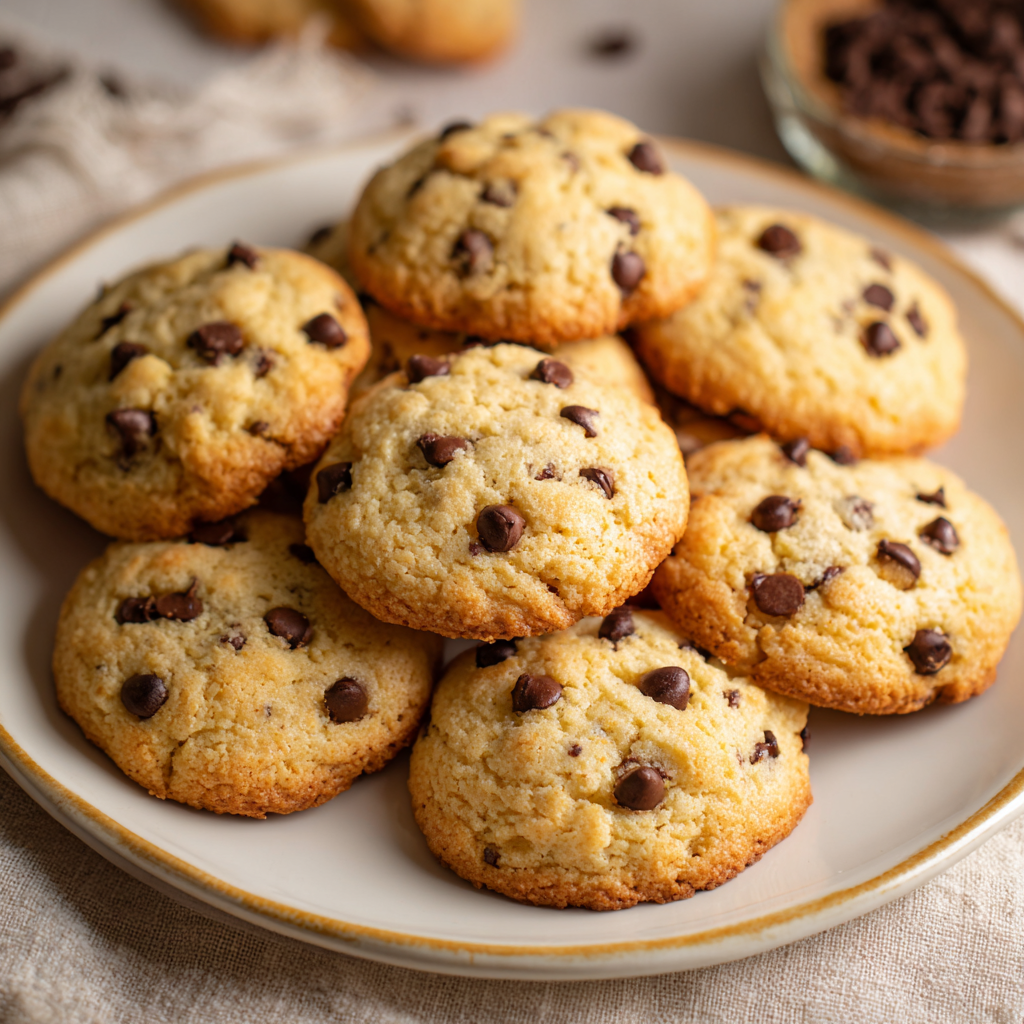
Ricotta Chocolate Chip Cookies
Ingredients
Method
- In a medium bowl, whisk together flour, baking powder, and salt. This helps the leavening to distribute evenly throughout the dough.
- In a separate bowl, beat ricotta and sugar for about 2 minutes until the mixture is creamy and slightly aerated.
- Add the egg and vanilla extract to the ricotta-sugar mixture and mix until smooth.
- Gradually add the dry ingredients to the wet mixture, mixing on low until just combined. Be careful not to overmix to avoid a tough texture.
- Gently fold in the mini chocolate chips until evenly distributed throughout the dough.
- Cover the dough and chill for at least 1 hour, up to 24 hours. Chilling the dough helps with texture and ensures the cookies hold their shape when baked.
- Preheat the oven to 350°F (175°C) and line a baking sheet with parchment paper.
- Scoop 1-inch balls of dough, lightly flatten with a floured fork, and place them on the baking sheet. Bake for about 15 minutes until the tops are pale and the edges are lightly golden.
- Let the cookies rest on the baking sheet for 10 minutes before transferring them to a wire rack to cool completely.
Notes
- If your ricotta looks watery, make sure to strain it for 60 minutes to prevent soggy dough.
- You can experiment with flavors by adding a tablespoon of orange zest or swapping a third of the flour with cocoa powder for a double chocolate version.
- Store the cookies in an airtight container at room temperature for up to 5 days. Add a slice of bread to keep them soft.
- These cookies freeze well for up to two months. You can also freeze the dough, portion it, and bake directly from the freezer.