
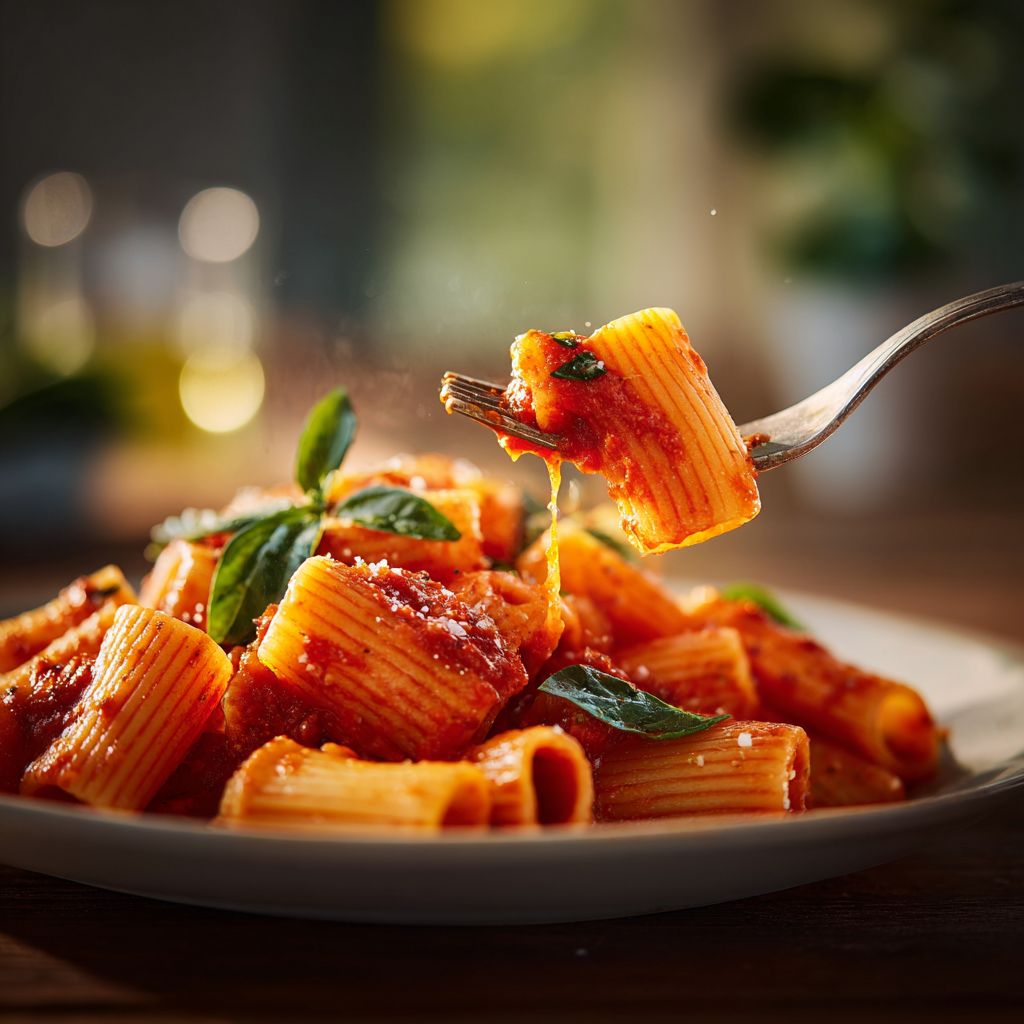
Jump to Recipe
I learned this pasta arrabbiata with nduja recipe at my grandmother’s kitchen table, where red onion sizzled and the room filled with a warm, spicy perfume.
I’ll guide you through the simple list of ingredients—onions, tomato passata, a little ’nduja—and the small techniques that build big flavor.
Start by softening onions in a little olive oil, melt the spread gently, then add passata and simmer anywhere from five to thirty minutes depending on how deep you want the sauce.
Timing matters: boil water when the sauce nears readiness so you can finish the pasta in the pan, add a ladle of starchy water, and get that glossy finish we all love.
Whether you choose rigatoni, fileja, or spaghetti, I’ll show how to balance heat, pick between Pecorino or Parmesan, and keep the dish family-friendly while true to Calabria.
Key Takeaways
- Soften onions first, then melt the spread into them for the base flavor.
- Simmer sauce 5–30 minutes to control depth and brightness.
- Boil water late so you can finish pasta in the pan with sauce.
- Use a ladle of starchy water for a glossy texture and better adhesion.
- Choose rigatoni or fileja for the best grip on the sauce; top with Pecorino or Parmesan.
Why this spicy Calabrian classic belongs at your table
When I want bold flavor without fuss, I reach for a spreadable Calabrian sausage and sweet tomato passata. It cooks fast and fills the kitchen with a warm, pepper-scented steam that makes everyone sit up a little straighter.
This dish is weeknight-friendly yet dinner-party-worthy. A short list of ingredients—red onion, olive oil, that spreadable salume, and passata—gives you a sauce that feels rich but never fussy.
The real magic is the peperoncino-driven kick. Melted into olive oil and softened onion, the spice turns round and savory rather than sharp. Finish with a handful of basil and the tomato brightens, cutting the heat in the best possible way.
- Fast to make, bold in flavor—perfect for busy nights and special dinners alike.
- The spreadable sausage melts into the base quickly; no long browning needed to unlock depth.
- Scales easily for family tables or intimate suppers without losing balance.
- Newcomers find this pasta recipe an inviting entry to Calabrian food—familiar, with a clear kick.
Ingredient checklist for bold, balanced heat
Good sauce begins with confident choices: a smooth tomato base, a melting spicy paste, and bright herbs. These ingredients form the backbone of a lively, simple sauce that cooks fast and feeds a family.
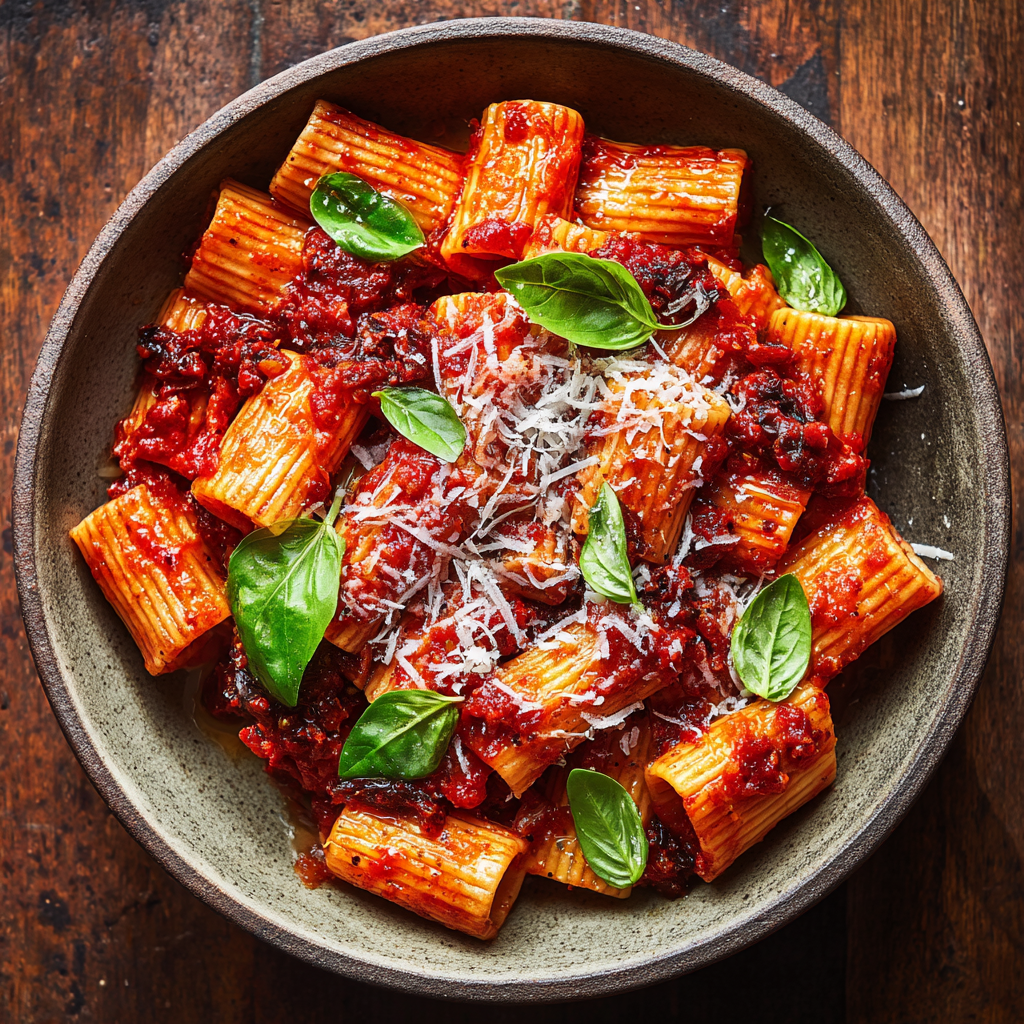
Core items
Tomato passata gives a seed-free base that reduces evenly. If you prefer texture, use peeled tomatoes and simmer a bit longer.
’Nduja paste melts quickly and brings Calabrian warmth. A red onion adds gentle sweetness; Tropea types are traditional, but a regular red onion works well.
A spoon of olive oil at the start and a drizzle of virgin olive oil at the end add roundness and sheen.
Cheese and finishing touches
Grated Pecorino Romano is sharper; Parmesan is nuttier. A knob of butter creates gloss. Finish with torn fresh basil and a grind of black pepper. Season carefully with salt and a tiny pinch of sugar if needed.
Pasta choices and portions
Choose shapes that grip the sauce: rigatoni, penne, or the traditional fileja. Measure about 100 g dried pasta per person and save about 1/2 cup to a cup of cooking water for emulsifying.
| Shape | Portion (g/person) | Why it works |
|---|---|---|
| Rigatoni | 100 | Ridges hold sauce, balanced mouthfeel |
| Penne | 100 | Hollow tubes catch chunks and oil |
| Spaghetti | 100 | Classic long-strand choice for a lighter toss |
What is ‘nduja and why it transforms tomato sauce
A soft, fiery spread from Spilinga turns a simple tomato base into something unforgettable. I think of it as a salty, smoky shortcut to deep, layered flavor.
Made from pork, fat, salt, and Calabrian peperoncino, this spreadable salume melts almost like butter. It is often piped into natural casings, lightly smoked, then sold whole or as jarred paste. Both can be excellent if made in Calabria.
Calabrian origins and texture
The high ratio of chili means heat is front and center, but the pork brings balance. The texture lets it dissolve into softened onion and tomato passata without a long browning step. A small amount of oil in the paste helps it bloom fast.
Quality cues and buying tips
- Look for Calabria on the label; good peperoncino and pork matter most.
- Choose sausage links for tradition, or jarred paste for ease and shelf stability.
- Start small, taste, then add more—this is the easiest way to control heat.
- Once you toss it into sauce, each bite carries even heat and rich aroma, which is the real way it shines in nduja pasta.
pasta arrabbiata with nduja recipe
Set a large skillet on the stove and you can turn humble ingredients into dinner in under half an hour. This section gives a tight, time-bound method so a confident home cook can finish in 20–30 minutes.
Prep in minutes: chop, measure, and set up your skillet
Have 100 g dried pasta per person measured. Finely chop one red onion, ladle out a cup of water for the pan, and measure your oil and paste. Bring a large pot of salted water to a boil so you can cook pasta at the right moment.
Step-by-step: build the sauce, cook pasta, add cooked pasta, and finish glossy
- Set skillet over medium and warm a thin film of olive oil. Soften the onion 3–4 minutes until translucent.
- Spoon in the spread and stir 30–60 seconds so the chili oils bloom without burning.
- Add tomato passata and a splash of water; keep a gentle simmer. For quick meals, simmer 4–5 minutes; for deeper flavor, 20–30 minutes.
- Meanwhile, cook pasta in the boiling water and reserve 1/2–1 cup pasta cooking water.
- Drain and add cooked pasta to the pan. Toss, adding splashes of pasta water to emulsify until the sauce clings and looks glossy. Finish off heat with a knob of butter if you like.
Timing guide: a quick 20-30 minutes from skillet to plate
Plan: 5 minutes prep, 10–20 minutes simmering depending on depth, and pasta timed to finish with the sauce. Season with salt and pepper, taste, and plate immediately. A sprinkle of grated cheese and torn basil lifts aroma without hiding the bold, smoky character of nduja pasta.
| Speed | Simmer | Result |
|---|---|---|
| Quick | 4–5 minutes | Bright, vivid tomato flavor |
| Slow | 20–30 minutes | Richer, rounded sauce |
| Pasta timing | Cook to al dente | Toss in pan with pasta cooking water |
Technique tips that make restaurant-quality results at home
A calm pan and measured time coax complex flavor from few ingredients. I like to explain the why so you trust each step.
Gentle simmer vs. high heat
Keep the sauce at a gentle simmer, not a rolling boil. High heat can split chili oils and make the dish taste greasy instead of glossy.
Softening onions slowly lets sweetness develop in about 3–5 minutes and keeps texture intact. If oil pools, lower the flame and add a splash of reserved water.
Starch science: saving and using pasta cooking water
Save a cup of pasta cooking water before you drain. The starch in that water binds oil and tomato into a silky pasta sauce.
Under-cook the noodles by about a minute, then finish them in a wide pan or skillet with the sauce. Toss while adding small splashes of water; the emulsion happens fast and the shine returns in just a few minutes.
- Use a wide pan so you can toss vigorously; surface area helps emulsify.
- Season in layers: salt the onions, taste the sauce, then adjust after tossing.
- Finish off heat with a thread of extra virgin olive for aroma.
Choosing the right pasta shape and sauce ratio
Texture rules how sauce and noodle meet; that choice makes dinner memorable. I pair a shape to the spicy tomato base so each bite carries heat and pork richness evenly.
Short vs. long: fileja, rigatoni, orecchiette, or spaghetti
Short shapes with ridges and cavities trap chunky, chili-rich sauce best. Fileja, rigatoni, and orecchiette catch bits and oil so you taste everything in one bite.
Long strands like spaghetti are fine if you toss generously. They need more movement to coat each strand.
- Weigh portions: 100 g dried per person keeps the sauce-to-noodle balance steady.
- Plan roughly 1 scant cup of finished sauce per two portions; adjust to family taste and ingredients on hand.
- Always add cooked pasta to the pan; this gives room and heat to emulsify. Keep a small bowl of pasta water nearby, add a splash, and toss hard so the sauce clings and shines.
- If you love herbs, finish with a handful of basil so perfume lifts every mouthful.
- For pasta nduja dinners, offer both a short and a long shape so guests choose the texture they prefer.
Smart swaps and variations without losing authenticity
I love sharing easy swaps that respect tradition and still let you cook from what’s on hand. These small choices keep the sauce honest while adapting to season, pantry, or guests.
Tomato options
Use tomato passata when you want a smooth, fast sauce. For sweetness and depth, peel San Marzano or datterini and simmer a bit longer. If tomatoes taste sharp, extend the simmer rather than masking them with sugar.
Cheese decisions
Grated pecorino romano brings briny bite; parmesan offers a milder, nutty finish. For balance, stir Pecorino into the pan and dust Parmesan at the table.
Heat control
Start conservatively with the spicy spread, cook, and taste. Add a pinch of red pepper flakes for a brighter kick if you want more heat.
- Swap red onion for shallot if you prefer a finer texture.
- Add a thread of olive oil and tear fresh basil at the end for aroma.
- For richness, whisk in a knob of butter off the heat, leaving the core identity intact.
Where to buy ‘nduja in the United States
I usually start my search at a specialty grocer where staff can point out genuine Calabrian labels. That quick visit often beats guessing online and gives a chance to inspect jars and links up close.
Specialty shops and gourmet grocers
Look near cured meats; jars commonly sit beside salami and other imported spreads. Ask for brands that list Calabria or Spilinga on the label.
Online sources and label cues
Choose retailers that show origin, chili pepper percentage, and a short ingredient list. Reputable importers will also sell both jarred paste and sausage in casing.
- Jarred paste is handy and stores well in the fridge.
- Sausage in casing often has a smokier note and traditional texture.
- Add extra virgin olive and virgin olive oil to the same cart when ordering pantry staples.
- Buy a small jar first to test heat level before a larger purchase.
| Source | Format | What to check | Best use |
|---|---|---|---|
| Italian specialty market | Jars & links | Calabria origin, short ingredient list | Immediate tasting and meal-ready |
| Gourmet grocer | Mostly jarred paste | Clear label, importer name | Easy spooning into sauces for pasta |
| Online importers | Both formats | Chili % listed, customer reviews | Stocking pantry and larger jars |
Store opened jars in the fridge and use a clean spoon each time. If a shop offers a taste, sample for clean chili flavor and a savory finish. Reliable sourcing is the fastest way to recreate Calabria food at home and get the same bold results on your next pasta night.
Serving suggestions and pairings
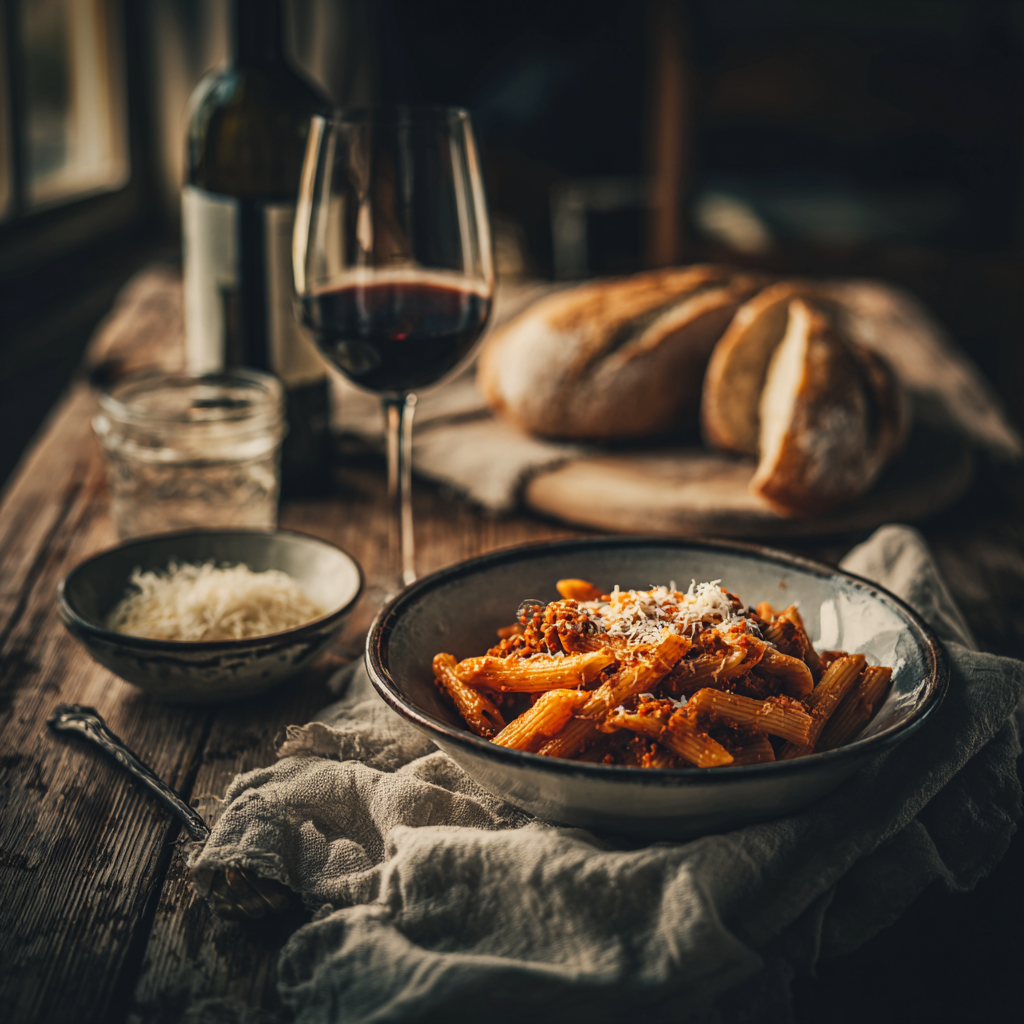
A crisp salad and a hunk of warm bread make this spicy tomato plate feel complete. Light sides refresh the palate and keep the main notes bright. I like to keep things simple so every element sings.
Simple sides that balance heat
Serve a green salad dressed lightly. Acid and crunch cut through the oily heat and refresh each bite.
Offer warm, crusty bread for mopping up the sauce. It soaks up flavor and makes the meal feel generous.
- Finish bowls with a thin thread of virgin olive oil to lift aroma and add silk.
- Scatter torn basil for a fresh, peppery perfume that brightens the dish.
- Set a small bowl of finely grated cheese so guests can add richness as they like.
Wine and drink pairings
Chianti and similar medium-bodied reds work well. Their acidity cuts chili oils and matches tomato tang.
If you prefer white, a Verdicchio or Fiano holds up to spice without clashing. Sparkling water between bites helps reset the palate.
| Pairing | Why it works | Serve as |
|---|---|---|
| Crisp green salad | Acid and crunch refresh the mouth | Small side bowl |
| Crusty bread | Sops up every last drop of sauce and oil | Warm, torn pieces |
| Chianti (red) | Fruit and acidity cut through spice and fat | Serve by the cup |
| Verdicchio or Fiano (white) | Structure and minerality stand up to heat | Chilled glass |
Leftovers, storage, and reheating the sauce right
Leftovers can taste nearly as good as the night you cooked them if you store and reheat them the right way. I follow a simple routine so texture and flavor recover cleanly.
Refrigerate cooked pasta mixed with sauce in an airtight container for up to 2 days. Texture stays best in the first 24 hours. When you reheat, add a spoon of water and warm gently.
Cool tomato sauce completely before freezing. Pack it flat in bags or use airtight containers. Store for up to 3 months and thaw in the fridge overnight for best results.
Chef-tested reheating methods
- Stovetop: warm sauce in a pan over low heat with a splash of water until it loosens and shines. Avoid a hard boil to stop oil separation.
- Oven: place pasta in a small baking dish, add a few teaspoons of water, cover, heat until hot, then uncover and top with grated cheese.
- Microwave: cover loosely, heat in short bursts, stir, and add drops of water as needed to restore silkiness.
| Method | Storage time | Reheat cue |
|---|---|---|
| Refrigerated mixed pasta | Up to 2 days | Add a spoon of water; warm low for a few minutes, toss |
| Frozen tomato sauce | Up to 3 months | Thaw overnight; loosen in a pan with a splash of water |
| Oven reheat for serving | Use refrigerated or thawed | Add teaspoons of water, cover, warm then top with cheese |
Taste after reheating and adjust salt. If the sauce looks tight, add liquid a teaspoon at a time and toss. For quick dinners, freeze extra sauce in 1-cup portions so a satisfying plate is minutes away.
Conclusion
This dish lives on my table because a few honest ingredients and steady hands make memorable food. The method is small: melt the spicy spread into softened onion, add tomato passata, simmer briefly or longer, then toss the cooked pasta in the pan and finish with reserved water.
Finish with fresh basil and your cheese—Pecorino for bite, parmesan for warmth—and serve immediately. Keep notes on spice levels so each next batch lands where you like it.
This recipe is one you will teach, tweak, and return to. When you cook it, please tell me how it turned out and what you changed. From my kitchen to yours: buon appetito.
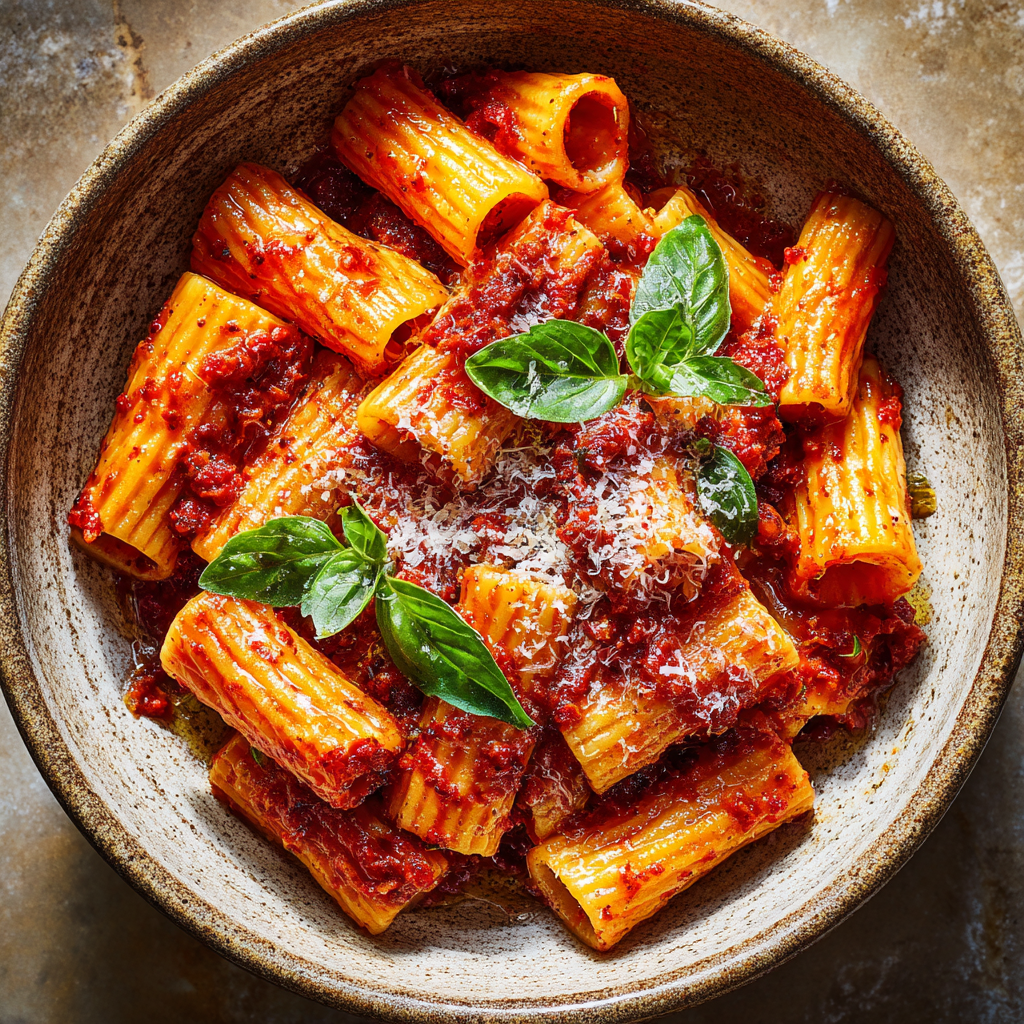
Pasta Arrabbiata with ’Nduja
Ingredients
Method
- Bring a large pot of salted water to a boil. Finely chop the red onion and measure out your ingredients.
- Heat olive oil in a large skillet over medium heat. Add chopped onion and cook for 3–4 minutes until soft and translucent.
- Stir in the ’nduja paste and let it melt into the onions for about 30–60 seconds, releasing its smoky chili aroma.
- Pour in the tomato passata and a splash of water. Stir and simmer gently.
- For a bright, fresh sauce, simmer 5 minutes.
- For a richer, deeper sauce, simmer 20–30 minutes.
- While the sauce simmers, cook your pasta in the boiling water until just shy of al dente. Reserve 1 cup of pasta water before draining.
- Add drained pasta to the skillet with the sauce. Toss well over medium heat, adding small splashes of pasta water until the sauce clings and turns glossy.
- Remove from heat. Stir in a knob of butter if you like extra shine. Add grated cheese, torn basil, and a drizzle of olive oil. Serve immediately.
Notes
- Adjust the heat by using less ’nduja or stirring in butter or cream at the end.
- Save your pasta water — it’s key for a silky, restaurant-style sauce.
- Rigatoni and fileja grip this sauce best, but spaghetti works fine if well-tossed.
- Pecorino gives a saltier punch, Parmesan adds nuttiness — both are great choices.
- The sauce freezes beautifully for up to 3 months.