
Jump to Recipe
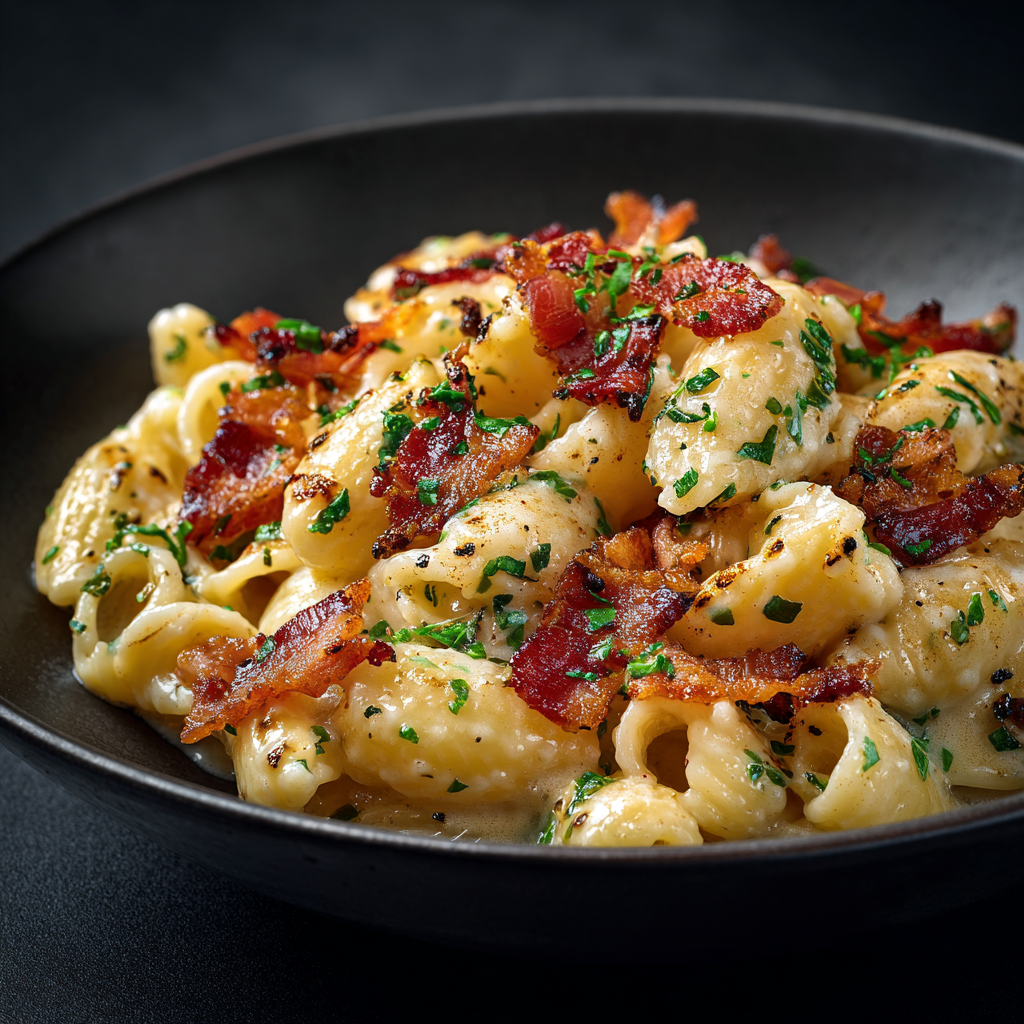
I learned this pasta alla gricia traditional recipe at my grandmother’s table, where the guanciale sizzled and the room smelled like toasted pork fat and cracked black pepper.
I’ll walk you through the simple steps that turn four ingredients into a glossy, comforting dish. Start by rendering guanciale slowly so the fat stays sweet, not bitter.
Save a cup of starchy water and remove the pan from heat before you add grated pecorino romano; that tiny pause keeps the cheese melting silky instead of grainy. Timing matters—cook the pasta just shy of done, then finish it in the pan so the sauce clings.
This is practical, hands-on guidance from my kitchen: when the sauce looks satin and the pepper wakes up the flavors, you know you’ve hit it. Small cues and a little patience deliver food that feels like family.
Key Takeaways
- Use only guanciale, pecorino romano, black pepper, pasta, and water for authenticity.
- Render pork fat gently and crisp the edges for texture.
- Reserve pasta water to emulsify a creamy, clingy sauce.
- Pull the pan off heat before adding cheese to avoid graininess.
- Finish cooking the pasta in the pan for best sauce integration and timing.
Why this Roman classic lives on in my kitchen
This simple plate rewards small choices with big flavor. I call it a teacher: it forces restraint, focus, and good timing. With only a few ingredients and a steady pan, you learn to read sizzle, starch, and shine.
In Rome, four dishes define the city—Carbonara, Cacio e Pepe, Amatriciana, and alla Gricia. Gricia is the oldest and the parent of the others: add eggs and you get carbonara; add tomato and you move toward Amatriciana; skip the cured pork and you have Cacio e Pepe.
- I use this dish for weeknights and for guests because it’s reliable and quick.
- The method is soothing: guanciale into the pan, water boiling, pasta in, then everything finishes together.
- Fresh pepper and a fine grate of Pecorino change the mouthfeel; small details matter.
| Feature | Gricia | Descendant |
|---|---|---|
| Key add | Guanciale, cheese, pepper, water | Eggs for Carbonara; tomato for Amatriciana |
| Technique cue | Render fat, reserve starchy water, finish in pan | Same base; small tweaks change outcome |
| Why it matters | Teaches timing and seasoning | Sharpens instincts for other Roman plates |
The four ingredients that make Gricia sing
The four pantry items I reach for make this plate sing in just minutes. Each choice changes texture, salt, and shine. Buy thoughtfully and the cooking is easy.
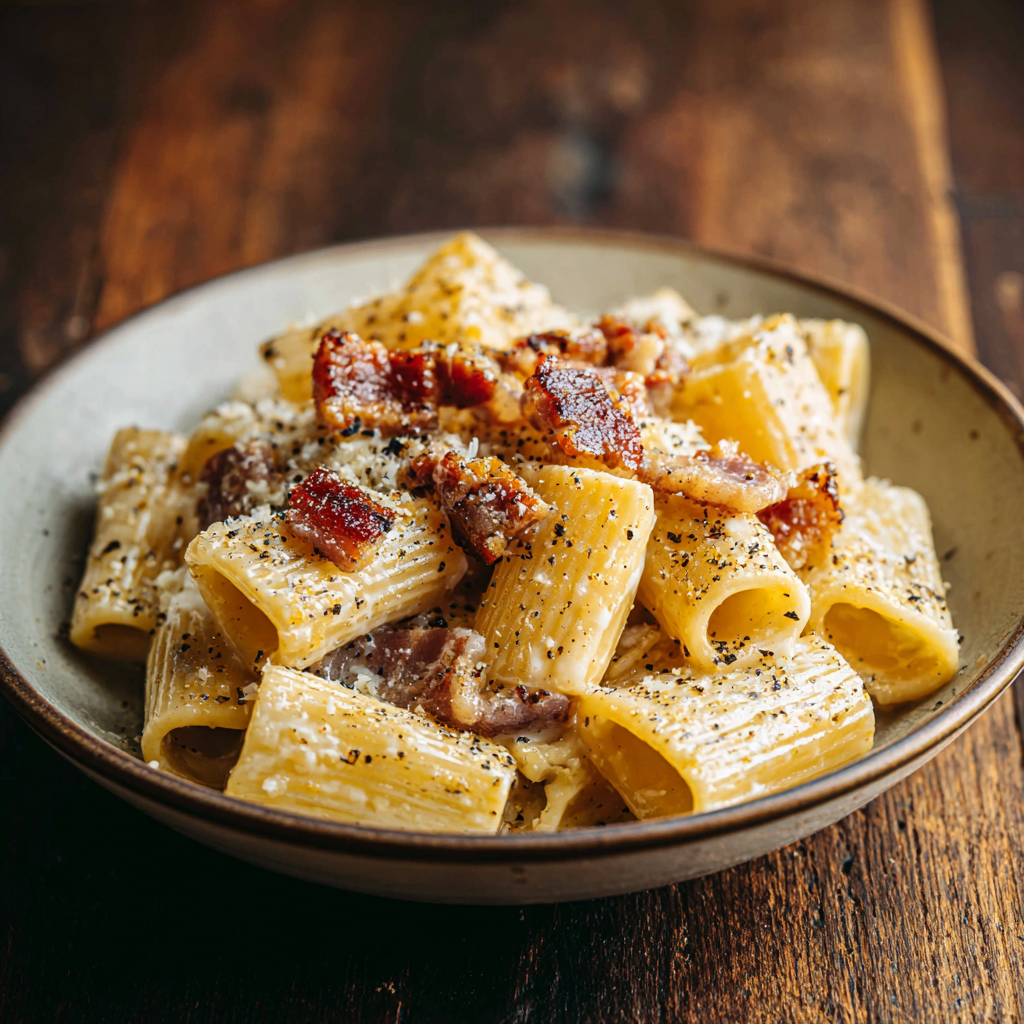
Guanciale: rendering flavor from pork cheek
Guanciale is non-negotiable. It’s cured pork cheek with high fat that melts into the pan and becomes the backbone of the sauce.
Look for a firm piece with a peppered exterior. Trim a tough rind, slice into batons, and render slowly until edges crisp.
Pecorino Romano: sharp, salty, and essential
Use aged pecorino romano and grate it fresh. A fine, fluffy grate melts quickly and helps form a smooth, creamy cheese phase.
Pasta choice: rigatoni, mezze maniche, or spaghetti
Choose shapes with bite and surface area. Rigatoni and mezze maniche catch the sauce; spaghetti offers a silkier glide. Cook shy of done so the pan finishes the job.
Freshly cracked black pepper and just enough salt
Be generous with freshly cracked black pepper for warmth and aroma. Salt the boiling water lightly—both guanciale and pecorino romano bring plenty of salinity.
- Keep a ladle for pasta water; a splash helps emulsify fat and cheese.
- If you can’t find guanciale, use pancetta in a pinch—avoid smoked bacon for true character.
| Ingredient | What to buy | How it affects the dish |
|---|---|---|
| Guanciale | Firm, peppered cured pork cheek | Renders fat for depth; crisps for texture |
| Pecorino Romano | Aged wheel, freshly grated | Sharp, salty lift; smooth emulsification |
| Pasta shapes | Rigatoni, mezze maniche, or spaghetti | Catches sauce or creates silky mouthfeel |
| Black pepper & salt | Freshly cracked pepper; light salt | Warm aroma; controls final seasoning |
Tools, heat, and timing for a silky emulsion
Control of heat and the right pan shape are the quiet tricks behind every good emulsion. I’ll explain why each tool matters and how small timing choices protect texture and flavor.
Pans and pots: wide sauté pan, roomy pot, and a ladle
Use a wide sauté pan so you can toss and build friction. More surface means steadier emulsions and less steaming of the meat.
Boil in a roomy pot so the water returns to a boil fast and strands or tubes don’t stick. A ladle measures pasta water precisely; add one spoon at a time when you need to loosen the sauce.
Heat control: crisp guanciale, melt cheese off the flame
Render the cured pork over medium heat to coax fat without burning. When the pan is off the heat, the residual warmth melts cheese into a smooth phase instead of splitting it.
- Keep tongs or a wooden spoon for steady tossing; tossing builds sheen and aligns the strands.
- Grind fresh pepper near the stove and grate cheese fine so it melts on contact.
- Tilt the pan, whisk in a little pasta water, then add the pasta and finish for a minute or two until the sauce clings.
| Tool | Why it matters | When to use |
|---|---|---|
| Wide sauté pan | Tossing space to build emulsion | When combining fat, water, and cheese |
| Roomy pot | Even boil for even cooking | While boiling the pasta |
| Ladle & spoon | Portion pasta water; avoid over-thinning | During final sauce adjustments |
Authentic method, step by step (the Roman way)
Begin on a cool pan so the pork renders slowly; that quiet patience sets the whole dish. I use medium heat and watch the fat clear. When edges brown and the fat smells sweet, scoop the meat and leave the liquid in the pan.
Bring a large pot of water to a rolling boil, salt lightly, and cook the noodles one to two minutes shy of dente. Before you drain, reserve at least a cup of pasta water—its starch is the binder that saves the sauce.
Return the pan to low, add a small ladle of water to the rendered fat, and stir until the mixture looks slightly creamy. Toss the noodles in the pan for a couple of minutes; the friction releases starch and the sauce starts to cling. If the pan smokes, turn heat down to protect the fat and avoid bitterness.
Take the pan off the flame. Scatter grated pecorino in small handfuls and toss vigorously so the residual heat melts cheese into a glossy emulsion. Thin with a spoonful of reserved water at a time until the sauce flows slowly off the strands.
- Finish with a generous grind of pepper and fold the crisped pork back in.
- Serve immediately—the texture holds for only a few minutes.
| Step | Action | Why it matters |
|---|---|---|
| Render pork | Cold pan, medium heat, crisp edges | Sweet, clear fat and crunchy texture |
| Boil & cook | Rolling boil in a roomy pot; cook shy of dente | Finishes in pan; prevents overcooking |
| Emulsify | Blend fat + reserved water; toss in pan | Creates glossy, clingy sauce without lumps |
Pasta alla gricia traditional recipe
I keep this section as a quick-reference workflow for busy nights. Follow tight cues at the stove and you get a glossy sauce in minutes.
Quick-reference workflow and chef cues
- Boil water, salt lightly; cook pasta to just before al dente per the package and reserve at least 1 cup of cooking liquid.
- Start guanciale in a wide pan over medium heat; render until golden and crisp at the edges, then leave the fat in the pan.
- Add a small splash of pot water to the fat and swirl to begin the emulsion before the noodles return to the pan.
- Transfer the pasta to the pan and cook 1–2 minutes, tossing; add water a spoonful at a time to keep the sauce loose and shiny.
- Take the pan off heat; add finely grated Pecorino Romano or a quick grated pecorino paste made with warm water.
- Toss until creamy, fold in guanciale, finish with fresh black pepper, and serve hot.
| Chef cue | Timing | Why it matters |
|---|---|---|
| Under-cook by a minute | Per package, shy of dente | Pan finishes bonding of cheese and water |
| Reserve pot water | About a cup | Starch tames cheese and lifts the sauce |
| Off-heat cheese addition | Seconds | Prevents clumping and strings |
Pro tips from the family notebook
My family’s notebook taught me to make small choices with care. I weigh and time more than I season. These are practical, mentor-level tips you can use at the stove.
- I weigh grated pecorino instead of eyeballing cups; scales eliminate guesswork and keep balance in the pan.
- Grate pecorino very fine so it melts fast with residual heat and resists clumping when you toss off heat.
- Undercook the pasta by one to two minutes and finish it in the pan; the surface absorbs flavor and releases starch where you need it.
- Treat pasta water like seasoning—add a little at a time, taste, and stop when the sauce feels silky.
- Render guanciale over medium heat; if it races, turn heat down so the fat stays sweet and clear.
- When hot water meets fat, splatter can happen—pour from the edge and stand back for safety.
- I rarely add extra salt at the end; the pork and cheese bring plenty, and cracked pepper provides lift.
| Tip | Why | Quick fix |
|---|---|---|
| Weigh cheese | Consistent salt and texture | Use a digital scale |
| Dose water | Controls sauce looseness | Add one ladle at a time |
| Manage heat | Protects flavor of fat | Lower burner if it sizzles too fast |
Follow these notes and the whole family’s approach will lift your next plate. A few small habits make a big difference in this recipe.
Smart swaps, favorite shapes, and what to serve alongside
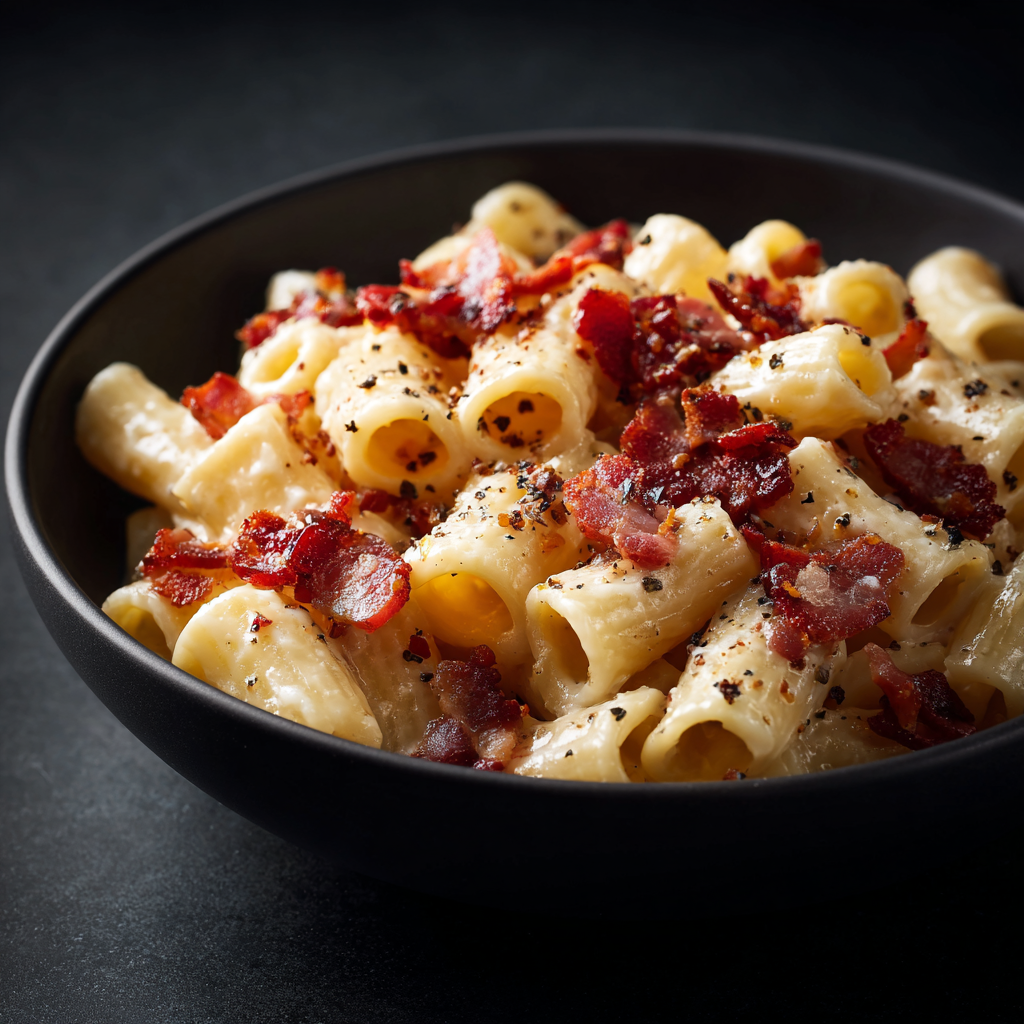
If guanciale is out, a thoughtful swap saves the night—just tweak technique.
Pancetta vs. bacon: what changes and what to avoid
I use pancetta when I must. It’s the closest match but leaner and milder than guanciale. Render it a bit longer to coax extra fat and depth.
I avoid smoked bacon and Speck. Their smoke masks the sauce and steers the dish away from the Roman area that taught me this method.
- Use pancetta: longer render, adjust pasta water to thicken the sauce.
- Avoid smoked bacon: it adds assertive smoke that clashes with cheese and pepper.
Rigatoni, mezze maniche, spaghetti, or bucatini?
Tubes like rigatoni and mezze maniche catch sauce in their grooves. Spaghetti gives a silky glide. Bucatini adds chew and a fun hollow bite. Pick shape for the texture you want.
Simple sides and pours: Roman artichokes, greens, and wine
This dish tilts salty and rich. Pair it with bitter greens or Roman-style artichokes to refresh the palate. Keep sides minimal so the sauce stays central.
- Wine: a crisp Frascati or a young red from Lazio cuts through fat and lifts the cheese.
- No tomatoes here—this is a white dish by design.
| Choice | Effect | When to use |
|---|---|---|
| Pancetta | Lighter fat, milder flavor | When guanciale is unavailable |
| Smoked bacon | Smoky, dominant profile | Not recommended; overwhelms sauce |
| Rigatoni / Mezze | Good cling and chew | For hearty bites and sauce hold |
| Spaghetti / Bucatini | Silky or chewy long strands | When you want glide or drama |
Storing, reheating, and nutrition notes
Store leftovers quickly to protect texture and flavor. Cool the pan briefly, then transfer food to an airtight container and chill. I aim to eat saved portions within three days for best quality.
How to keep leftovers creamy for up to three days
Leave the dish a touch saucier before sealing. Chilled sauce tightens, so extra moisture helps the next day. Keep an extra half cup of reserved cooking water if you plan to hold any portion.
Reheat gently with a splash of water, not oil
Warm over low heat in a wide pan with a small splash of water. Stir until the sauce loosens and the cheese phase comes back glossy. Avoid adding oil; water reactivates the emulsion while oil can make the sauce slick and separate.
If you use a microwave, cover loosely and heat in short bursts of about twenty to thirty seconds, stirring between rounds to protect texture. If the sauce looks tight after a few minutes, add another spoon of warm water and toss gently.
Calorie density and portioning with rich pork fat and cheese
This is a rich dish. Guanciale and Pecorino pack fat and salt, so smaller servings often satisfy. Balance a plate with a large salad or simply cooked greens to keep the meal lighter.
- Cool quickly, store airtight, eat within three days.
- Reheat on low with a splash of water; stir to revive shine.
- Microwave in short bursts, stirring to protect texture.
| Topic | Action | Why it helps |
|---|---|---|
| Storage | Cool fast; airtight container; refrigerate | Prevents sogginess and bacterial growth |
| Reheating | Low heat + splash of water; stir often | Restores sauce and texture without oil |
| Microwave | Short bursts, covered loosely, stir between rounds | Protects texture and avoids hot spots |
| Portioning | Serve smaller amounts; add greens | Offsets calorie density from fat and cheese |
From shepherds to trattorias: a brief history of Gricia
A dish that predates tomatoes tells a quiet story of travel, thrift, and flavor. It links mountain pastures, cured cheek, and the city table.
Many Romans still call it the “white Amatriciana” because it shares guanciale, pecorino romano, and cracked pepper but never tomatoes. Food historians place its roots before the 1800s, when tomatoes became common in kitchens across Italy.
“White Amatriciana” and the pre-tomato lineage
Shepherds packed durable food: dry pasta, grated pecorino, and cured pork. Those items traveled well and fed people on the road. That practicality shaped the dish’s salt and flavor profile.
Griciano, grigioni, and the myths behind the name
One theory ties the name to places near Amatrice—Griciano or Gresciano—where locals cooked what they could carry. Another credits grigioni, bakers from the Grisons, who worked in Rome and brought “white” bread skills that extended to savory dishes.
- Add eggs and you reach carbonara; remove guanciale and you approach cacio pepe. The dish sits at a culinary crossroads.
- Both rigatoni and spaghetti fit the tradition, reflecting local availability and texture preference.
| Origin Theory | Key Elements | What it explains |
|---|---|---|
| Shepherd tradition | Dry noodles, pecorino romano, guanciale | Why the dish is salty, portable, and simple |
| Griciano/Gresciano area | Local name link, pastoral roots | Geographic origin near Amatrice |
| Grigioni bakers | Maestri dell’arte bianca influence | Bread makers adapting cured pork and cheese |
Conclusion
Finish with confidence: a few small steps turn simple ingredients into a lasting favorite.
When you cook pasta alla gricia with care, you taste Rome in every bite. Keep guanciale, pecorino, pasta, and pepper at the center and let the pan guide the sauce.
Respect heat and timing and you’ll build a glossy emulsion that coats rather than pools. If you must swap, use pancetta and adjust with a spoon of reserved water; avoid smoked bacon to stay true to the dish.
Weigh and grate pecorino fine, add cheese off the heat, and serve immediately. This gricia recipe is repeatable, generous, and ready to live in your weeknight rotation—now go cook it.
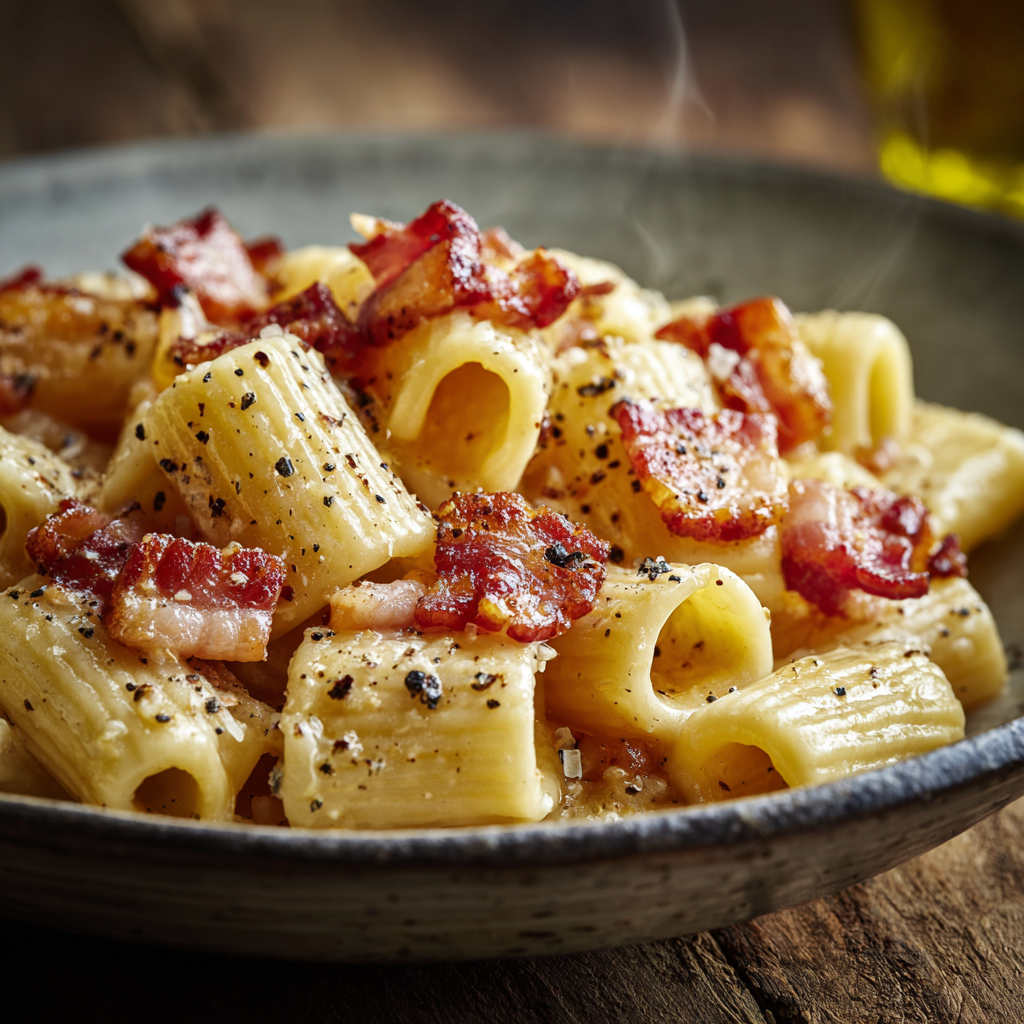
Pasta alla Gricia (Traditional Roman Recipe)
Ingredients
Method
- Start the guanciale in a cold wide pan. Turn the heat to medium and let the fat slowly melt and turn golden. Stir occasionally until the edges crisp. Scoop out the meat and keep the fat in the pan.
- In a large pot of lightly salted water, cook pasta one to two minutes shy of al dente. Before draining, reserve about one cup of the cooking water.
- Return the pan with guanciale fat to low heat. Add a small splash (a few tablespoons) of pasta water and swirl until slightly creamy.
- Add the pasta to the pan and toss for 1–2 minutes, adding a spoonful of pasta water as needed. The sauce should look shiny and cling to the pasta.
- Remove the pan from the stove. Sprinkle in the grated Pecorino Romano gradually while tossing constantly to create a smooth, glossy sauce. Add small splashes of reserved pasta water if it looks too thick.
- Fold in the crisped guanciale, add plenty of freshly cracked black pepper, toss once more, and serve immediately while creamy and hot.
Notes
- Use only guanciale for the most authentic flavor. Pancetta works in a pinch, but avoid smoked bacon—it changes the taste.
- Always add cheese off the heat to prevent clumps or a grainy texture.
- Keep a ladle of pasta water nearby to adjust consistency—this is the secret to that glossy sauce.
- Serve immediately; the sauce loses its perfect texture as it cools.
- Pair with a crisp Frascati or light Chianti and simple bitter greens like chicory or arugula to balance the richness.