Jump to Recipe
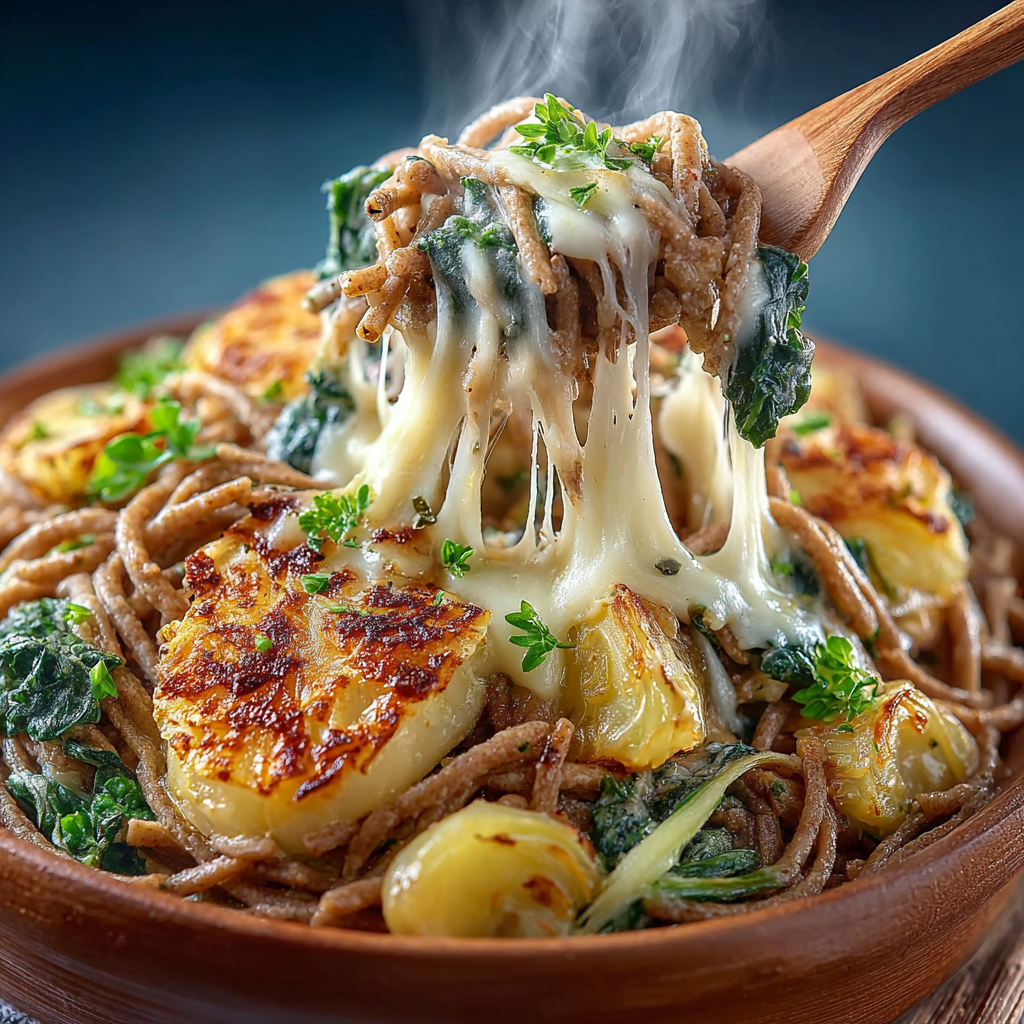
The pizzoccheri valtellina pasta recipe I learned at my grandmother’s table starts with the smell of butter and garlic and ends in a warm, sticky embrace on your fork.
I make it the way our family has for decades: short buckwheat ribbons boiled with waxy potatoes and shredded Savoy cabbage, then layered hot with melted Valtellina Casera or a good Fontina when the original cheese is hard to find.
Texture matters. Expect tender but toothsome buckwheat noodles, potatoes that hold their shape, and cabbage that softens without turning to mush. I finish with garlic-infused unsalted butter and a light dusting of grated hard cheese for balance.
My method follows the Accademia’s spirit but leaves room for sensible swaps and a one-pot boil that keeps things simple. A quick optional step—caramelized onions—adds sweet depth without stealing the traditional character of this Alpine pasta dish.
Key Takeaways
- This family method pairs buckwheat noodles, potatoes, and Savoy cabbage for a hearty, comforting dish.
- Aim for toothsome texture: gentle handling prevents mushy vegetables and overcooked noodles.
- Use Valtellina Casera when possible; Fontina or Gruyère are good U.S. substitutes.
- One-pot boiling plus layered melting gives big flavor with minimal fuss.
- Quality butter, garlic, and a little grated hard cheese define the final flavor.
A wintery hug in a bowl: why this Alpine pasta stole my heart
On the first snowy night I tried it, steam rose like a wool blanket and the smell of butter and garlic felt like home. The aroma made everything outside fade, and every forkful warmed my hands and mood.
This dish excels in cold weather because it pairs complex carbs from the noodles and potatoes with hearty greens and rich dairy. Those elements cling together so each mouthful is filling but balanced.
Think earthy buckwheat ribbons, sweet Savoy cabbage, molten cheese between layers, and nutty browned butter on top. Garlic and gentle heat coax a mellow perfume that spreads through every strand. You do not need many ingredients for big flavor.
- I learned to time the boil so noodles and vegetables finish together. They stay hot and ready for quick layering.
- After sledding or a long walk, it became our go-to — fast to make and loved by everyone at the table.
- Adjust butter and cheese to taste, or add sage, chard, or a baked top to make it your own while keeping the Alpine soul intact.
What is pizzoccheri alla Valtellinese?
From Teglio to your table, this dish marries local grain and mountain cheese into a single, comforting plate. I view it as a deliberate, rustic creation—rooted in valley farms but precise in its art.
From Teglio to your table: a quick history and tradition
Originating in Teglio, in Lombardy, the specialty grew from widespread buckwheat cultivation. Farmers relied on the crop for hard seasons, and the short ribbons became a regional staple alongside polenta taragna.
The name carries heritage. Pronounce it peet-zoh-KEH-ree and you’ll sound like someone who respects the tradition.
Buckwheat and the Accademia standard: ratios and IGP context
The Accademia del Pizzocchero di Teglio recommends roughly 75% buckwheat flour to 25% soft wheat flour, mixed with warm water and cut into 2–3 mm wide, 7–8 cm long ribbons. That blend gives the dusky color and nutty flavor while the wheat adds needed structure.
- Classic cheeses: Valtellina Casera DOP or Bitto DOP, finished with grated Grana Padano.
- Industrial versions may use less buckwheat, but 25% still adds character.
- Tradition to practice: boil the noodles, potatoes, and cabbage together so everything seasons in the same water.
| Element | Traditional | Home-friendly swap |
|---|---|---|
| Flour ratio | 75% buckwheat flour / 25% soft wheat flour | Use quality buckwheat pasta or mix flours to match ratio |
| Cheese | Valtellina Casera DOP or Bitto DOP | Fontina or Gruyère for melting |
| Cooking method | Boil ribbons with potatoes and cabbage in the same water | One-pot boil to streamline and season evenly |
Ingredients that make this pasta dish sing
Good ingredients make this dish sing before you even heat the pan. I shop with purpose: each item earns its place on the plate.

The essentials
I use buckwheat-based pizzoccheri pasta or a homemade mix of buckwheat and soft wheat flour for structure. Choose waxy potatoes like Yukon Gold so cubes hold up in a one-pot boil.
Savoy cabbage gives a tender, crinkled bite. Fresh garlic and unsalted butter build the simple sauce that carries everything.
Cheese choices and why they matter
Tradition calls for Valtellina Casera or Bitto, but I reach for Fontina cheese, Gruyère, or Comté if needed. Use grated Grana Padano or Parmigiano Reggiano to finish for savory depth.
Smart substitutions and add-ins
- Swap cabbage with Swiss chard or green beans when out of season; both are honest vegetables for this dish.
- Add a few sage leaves to browned butter, or fold in a caramelized onion for sweetness.
- Season thoughtfully with salt and pepper and taste as you go—cheese salinity varies.
| Element | Traditional | Home-friendly swap |
|---|---|---|
| Base | Buckwheat-based ribbons | Store buckwheat pasta or homemade blend (buckwheat + wheat flour) |
| Vegetables | Savoy cabbage, potatoes | Swiss chard, green beans; Yukon Gold or fingerlings for potatoes |
| Fat & aromatics | Unsalted butter, garlic | Browned butter with sage or caramelized onion |
| Cheese | Valtellina Casera / Bitto | Fontina, Gruyère, Comté; finish with Grana Padano |
Step-by-step pizzoccheri valtellina pasta recipe
Start by filling a large pot with cold, well-salted water and set it over medium-high heat. While it comes to a water boil, cube the potatoes into 3/4-inch pieces and chunk the cabbage so both cook evenly.
Begin the optional onion in butter over gentle heat so it caramelizes while the stove works. When the water boils, add potatoes first, cook minutes to soften, then add cabbage. Finally, add pizzoccheri pasta to the same pot and watch closely—homemade noodles need fewer minutes than dried.
Meanwhile, melt butter in a pan with two smashed garlic cloves until golden and fragrant. Keep the heat moderate to avoid browning the garlic too much.
Drain pasta and vegetables together, then build warm layers in a serving dish: pasta and vegetables, sliced or cubed cheese, and grated hard cheese between layers. Pour the melted butter over the top and season with cracked pepper and a touch more salt if needed.
For a golden finish, slide the dish into a preheated oven for 5–10 minutes at 350–400°F until the top turns lightly brown. Let rest a few minutes and serve warm.
| Stage | Action | Cue |
|---|---|---|
| Prep | Cube potatoes, chunk cabbage, heat a large pot of salted water | Water reaches a full boil |
| Boil | Add potatoes, then cabbage, then add pizzoccheri pasta | Potatoes tender but intact; pasta al dente |
| Sauce & finish | Melt butter with garlic cloves, layer with cheese, pour over, optional oven | Garlic golden; oven 5–10 minutes for color |
How to make pizzoccheri pasta from scratch
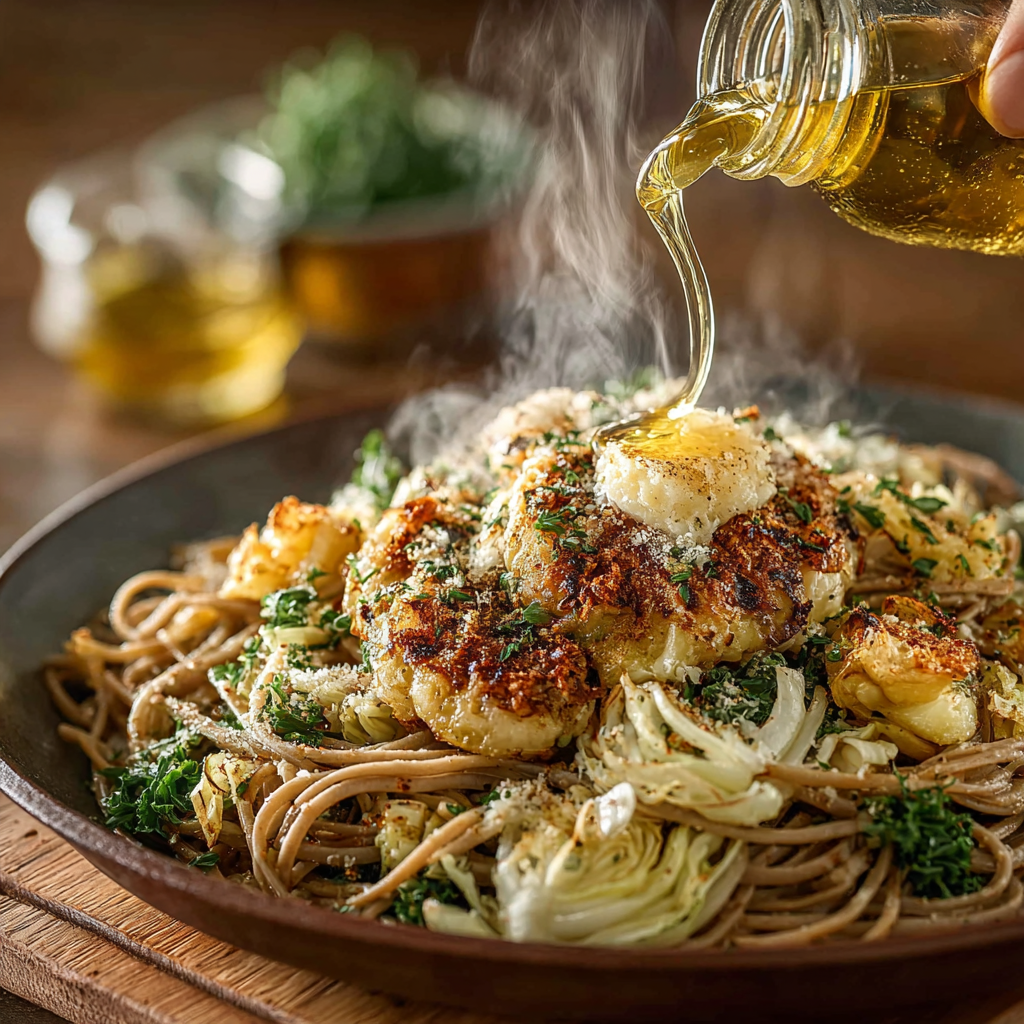
Making fresh buckwheat ribbons at home starts with a measured mix of flours and a feel for the dough. Use clear ratios and short, confident steps to avoid frustration.
Flour ratios that work
Sift about 75% buckwheat flour and 25% soft wheat flour with a pinch salt. For 400 g total, that’s 300 g buckwheat flour and 100 g wheat flour.
Home-friendly note: add more wheat flour if the dough feels fragile, or raise buckwheat for a darker, nuttier noodle.
Mix, knead, and rest
Combine the flours, add warm water a little at a time, and mix until the dough feels like soft putty—moist but not sticky. Knead briefly until smooth.
Cover and rest for about 20–30 minutes so the flour relaxes. Resting makes rolling easier and reduces edge cracking.
Roll and cut
- Roll by hand to 2–3 mm thickness; a pin is kinder than a machine for buckwheat pasta.
- Cut short tagliatelle-style ribbons ~3 inches long and ~5 mm wide. Dust with flour and lay single-layer on a tray.
- Cook fresh noodles soon after cutting in generously salted water so they stay tender and hold their shape.
Pro tips, timing, and troubleshooting
A couple of simple tricks I learned at the stove save you from overcooked noodles and broken strands. Follow timing first, then focus on gentle handling and seasoning.
Preventing mushy potatoes and overcooked noodles
Choose waxy potatoes, like Yukon Gold, and cut uniform cubes so they keep shape. Bring a large pot of well-salted water to a boil and add vegetables first. When they near al dente, add the noodles and cook minutes only until the pasta has a firm bite.
Keeping buckwheat pasta intact when draining and tossing
Use a spider or wide colander to drain pasta and vegetables together. Avoid violent stirring; fold gently so strands and cubes hold. Reserve a splash of starchy water to loosen layers if the mixture sits before assembly.
Salt, pepper, and butter balance: seasoning like a local
Melt unsalted butter over moderate heat and brown garlic slowly. Taste your cheeses for salt before adding extra. Finish with salt pepper sparingly to keep the dish savory, not heavy.
- If your dough tears, rest it or add a touch more wheat flour; if it crumbles, add a teaspoon of water and knead.
- Leftovers reheat best baked for a minute or two. Avoid freezing to preserve texture.
| Issue | Likely cause | Quick fix |
|---|---|---|
| Soggy interior | Too long in oven | Reduce bake time; cover loosely |
| Broken strands | Rough draining/tossing | Use spider; fold gently |
| Dry layers | No starchy water reserved | Add small splash when assembling |
Serving, pairings, and storing leftovers
I like to serve this straight from the oven so the melted butter still gleams on each forkful. Serve family-style for the best aroma. Grind fresh pepper and add a light drizzle of melted butter at the table.
What to pour
I reach for a Valtellina red when I can find one. If not, a medium-dry red with alpine lift—think Nebbiolo-based wines—works well. The wine’s acidity cuts the richness of the cheese and melted butter and lifts the nutty notes of the buckwheat pasta.
Make-ahead and reheating
Assemble up to the butter step, then refrigerate. Bring it back to room temp before reheating. Warm in the oven for about 10–12 minutes until hot and lightly bubbling. Add a spoon of reserved starchy water or a pat of butter to revive tenderness.
- Serve with a bitter salad (radicchio or arugula) to balance richness.
- Keep leftovers refrigerated and eat within 48 hours; avoid freezing.
- Refresh day-two servings with grated Parmigiano or Grana and a minute more in the oven.
- For company, top with fried sage leaves for aroma and a festive touch.
| Storage | Reheat | Notes |
|---|---|---|
| Refrigerate up to 2 days | Oven, 10–12 minutes | Cover loosely, uncover last minutes for color |
| Do not freeze | Not recommended | Buckwheat pasta and cheese can turn grainy |
| Make-ahead before butter step | Finish with melted butter just before serving | Fontina cheese or Valtellina Casera re-melt beautifully |
Conclusion
A good ending is deliberate—stack hot ribbons, tuck in potatoes and cabbage, add cheese, and finish with browned butter. This keeps the spirit of pizzoccheri alla valtellinese while letting sensible swaps like Fontina sing.
Remember the 75/25 buckwheat to wheat flour guidance; warm water and a gentle hand give tender, sturdy noodles. Use a one-pot boil for vegetables and noodles, then layer and melt with garlic butter for clean, cohesive flavor.
Taste your cheeses before adding salt. Slice short like tagliatelle so each bite balances starch, greens, and melting cheese.
Make pizzoccheri at home once. Share it on a cold night with a mountain red and friends. Simple care turns these humble ingredients into something memorable.
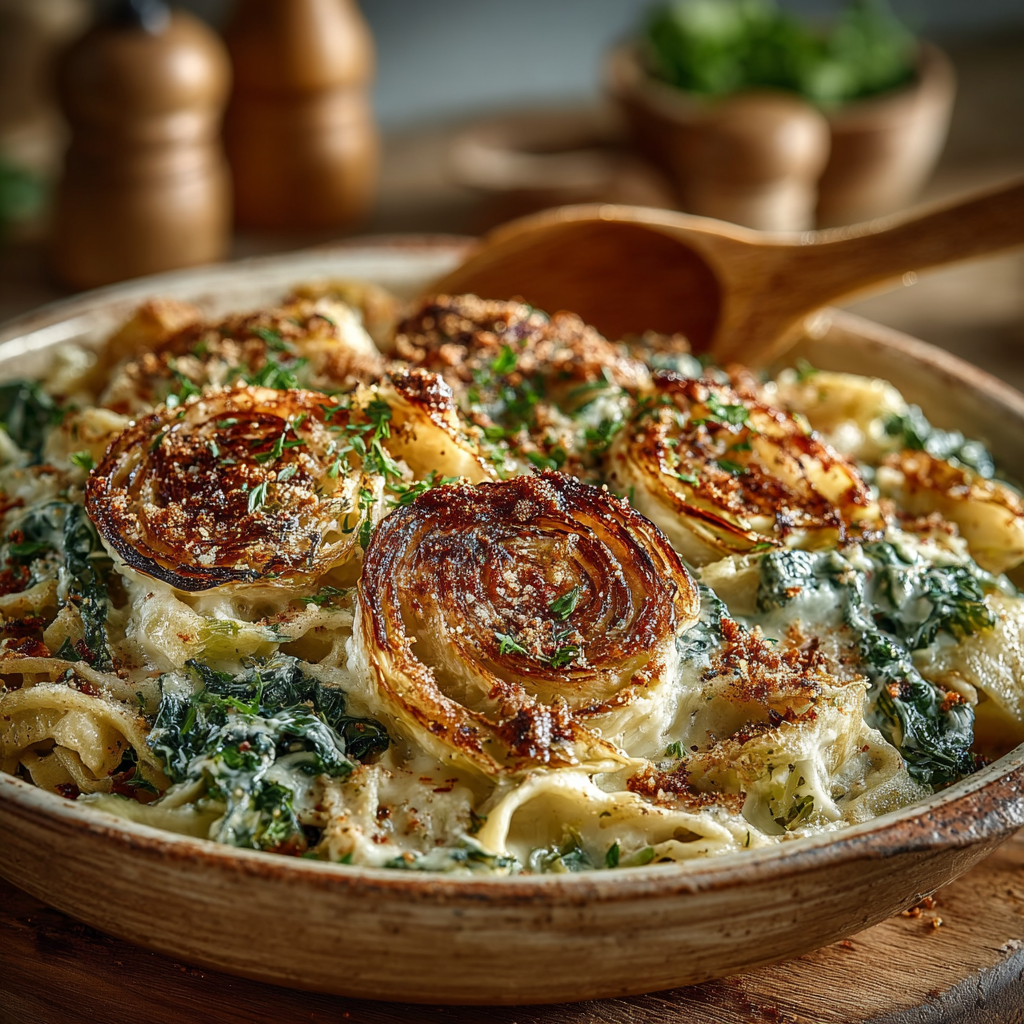
Pizzoccheri alla Valtellinese (Buckwheat Pasta from Valtellina)
Ingredients
Method
- Peel and cube the potatoes into ¾-inch pieces. Chop the cabbage into bite-size chunks. Bring a large pot of well-salted water to a boil.
- While the water heats, cook sliced onion slowly in a little butter until golden and soft. Set aside.
- Add the potatoes to the boiling water and cook for 8–10 minutes until almost tender. Add the cabbage and cook for another 4–5 minutes.
- Add the pizzoccheri pasta to the same pot and cook until just al dente (about 3–5 minutes for fresh, 7–8 for dried). Drain everything gently together, reserving a little cooking water.
- In a small pan, melt the butter over medium heat with the smashed garlic cloves until golden and fragrant. Add sage if using. Remove from heat.
- In a warm serving dish or baking pan, layer half the pasta and vegetables. Add half the cheese cubes and a sprinkle of grated cheese. Repeat with the rest.
- Pour the melted garlic butter evenly over the top. Season with salt and black pepper.
- For a golden crust, bake at 375–400°F (190–200°C) for 5–10 minutes until lightly browned.
- Serve immediately with a little extra grated cheese and fresh cracked pepper.
Notes
- Use Valtellina Casera DOP cheese if you can find it—it gives the authentic flavor.
- If making pasta from scratch, rest the dough before rolling; it helps prevent cracking.
- Always boil everything in one pot—this is key to the traditional method and flavor balance.
- For leftovers, reheat in the oven with a drizzle of butter or a spoon of starchy water.
- Avoid freezing—the potatoes and cabbage lose their texture.