
Jump to Recipe
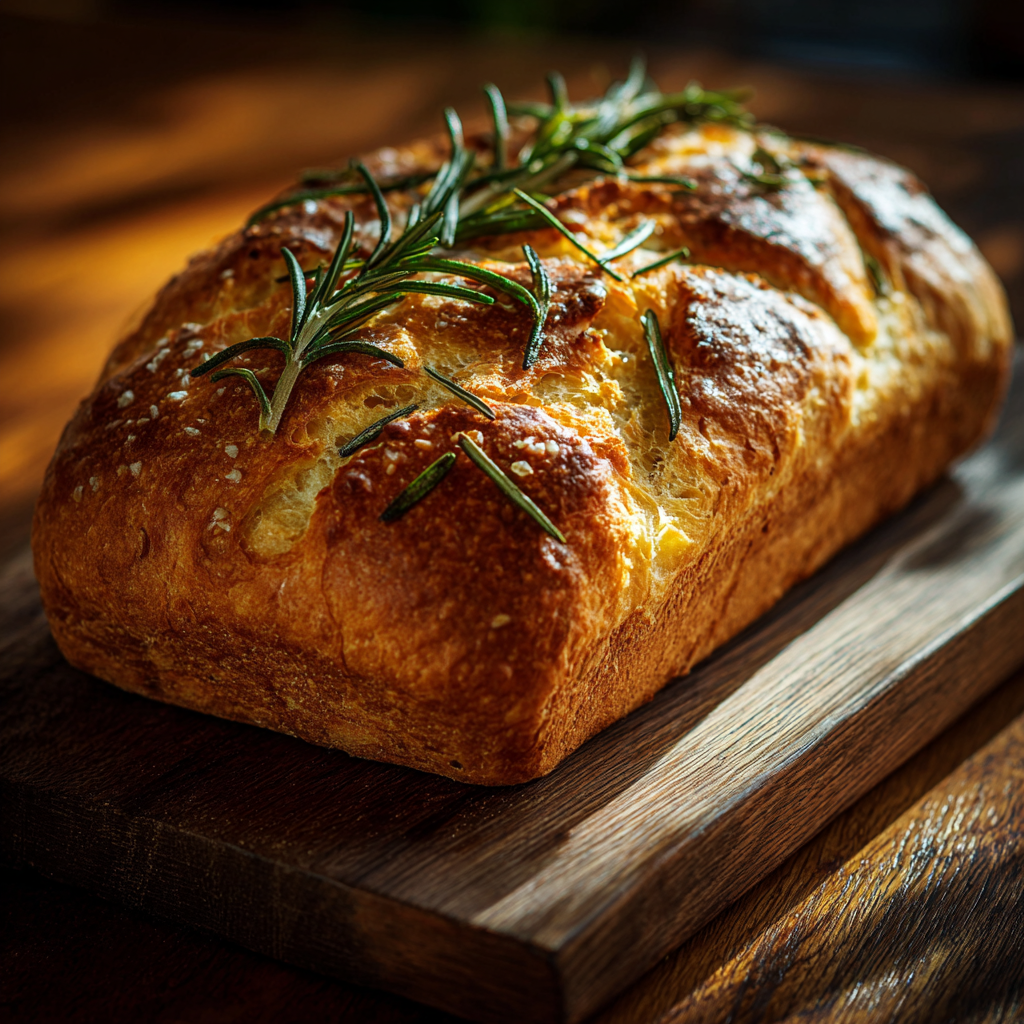
The kitchen fills with golden warmth when rosemary meets fresh bread. My grandmother’s hands would gently press olive oil into dough. Each fold tells a story of generations passed down through time.
Our Italian rosemary bread isn’t just sustenance—it’s a conversation between ingredients. This delicate dance of simplicity transforms humble flour and herbs into something magical. The pane al rosmarino recipe I’ll share is an invitation to experience culinary heritage.
Key Takeaways
- Rosemary bread represents more than food—it’s a cultural narrative
- Traditional Italian baking emphasizes quality ingredients and technique
- Home bakers can recreate authentic flavors with careful preparation
- Each loaf connects you to generations of Italian culinary wisdom
- Authentic Italian bread requires patience and respect for ingredients
Why Pane al Rosmarino Holds a Special Place in Italian Baking Tradition
Traditional Italian bread carries stories as rich as its flavors. Pane al rosmarino is a rustic bread recipe from Tuscany. It represents generations of culinary wisdom and cultural heritage.
This Italian bread with herbs begins in the rolling countryside of Tuscany. Resourceful peasants transformed basic ingredients into something extraordinary. Let me share the fascinating story behind this beloved bread.
The Tuscan Origins of Rosemary Bread
In the heart of Tuscany, rosemary grows wild on sun-drenched hillsides. Local bakers discovered its magical ability to transform ordinary bread. The Tuscan dialect even has a special word for rosemary—”ramerino.”
- Traditionally made for Giovedi Santo (Holy Thursday)
- Originally crafted with minimal ingredients
- Used wild rosemary from local landscapes
From Peasant Food to Beloved Bakery Staple
What began as humble peasant bread gradually evolved into a cherished bakery specialty. The simple rosemary buns, once made out of necessity, now grace bakery shelves year-round.
Today, Florentine bakeries create these round, shiny buns with criss-crossed tops. Each bite connects us to centuries of Italian culinary craftsmanship. Traditional recipes endure as cultural treasures.
Pane al Rosmarino Recipe: Creating Authentic Italian Rosemary Bread at Home
Crafting homemade focaccia transforms your kitchen into a Tuscan bakery. Our easy rosemary bread recipe brings authentic Italian flavors to your table. This isn’t just cooking—it’s embracing a rich culinary tradition.
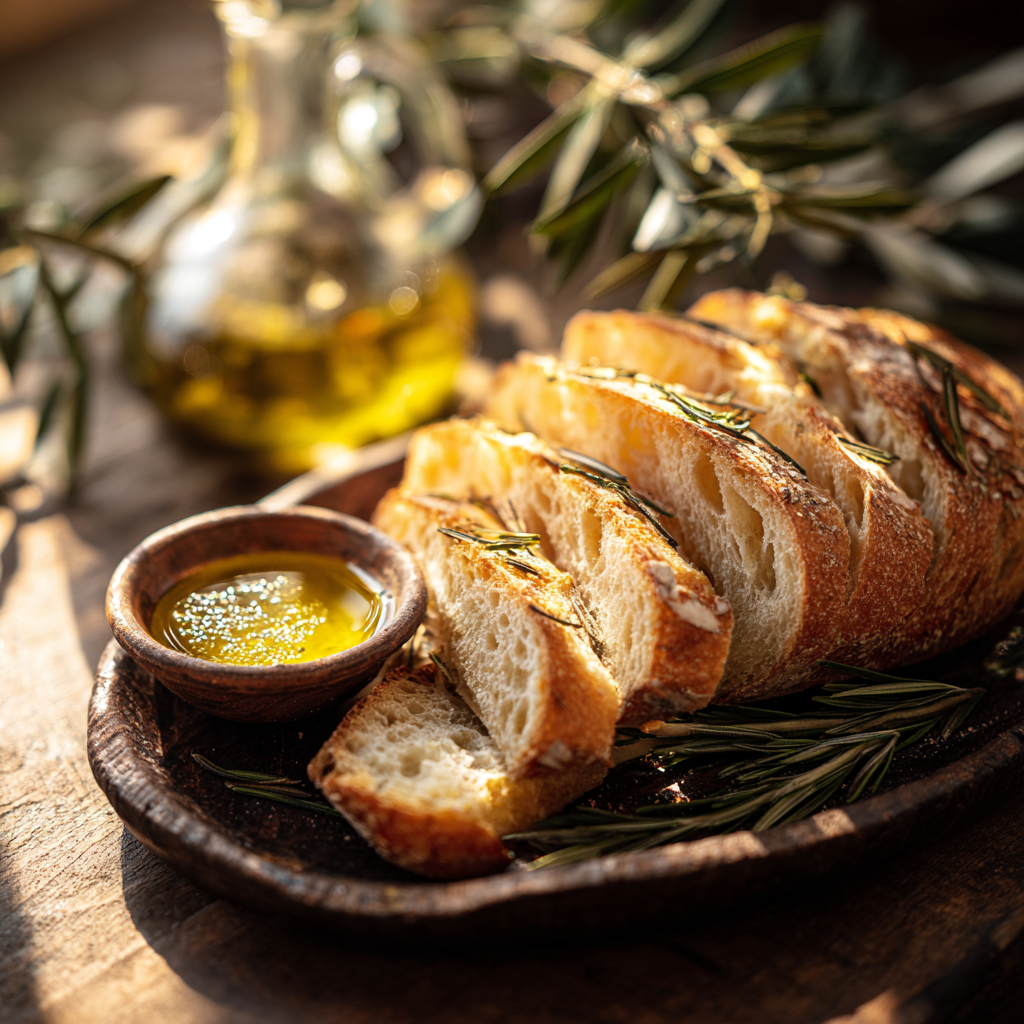
To begin your bread-making adventure, you’ll need a few key ingredients:
- Room temperature water
- All-purpose flour
- Instant yeast
- Extra virgin olive oil
- Sea salt
- Fresh rosemary
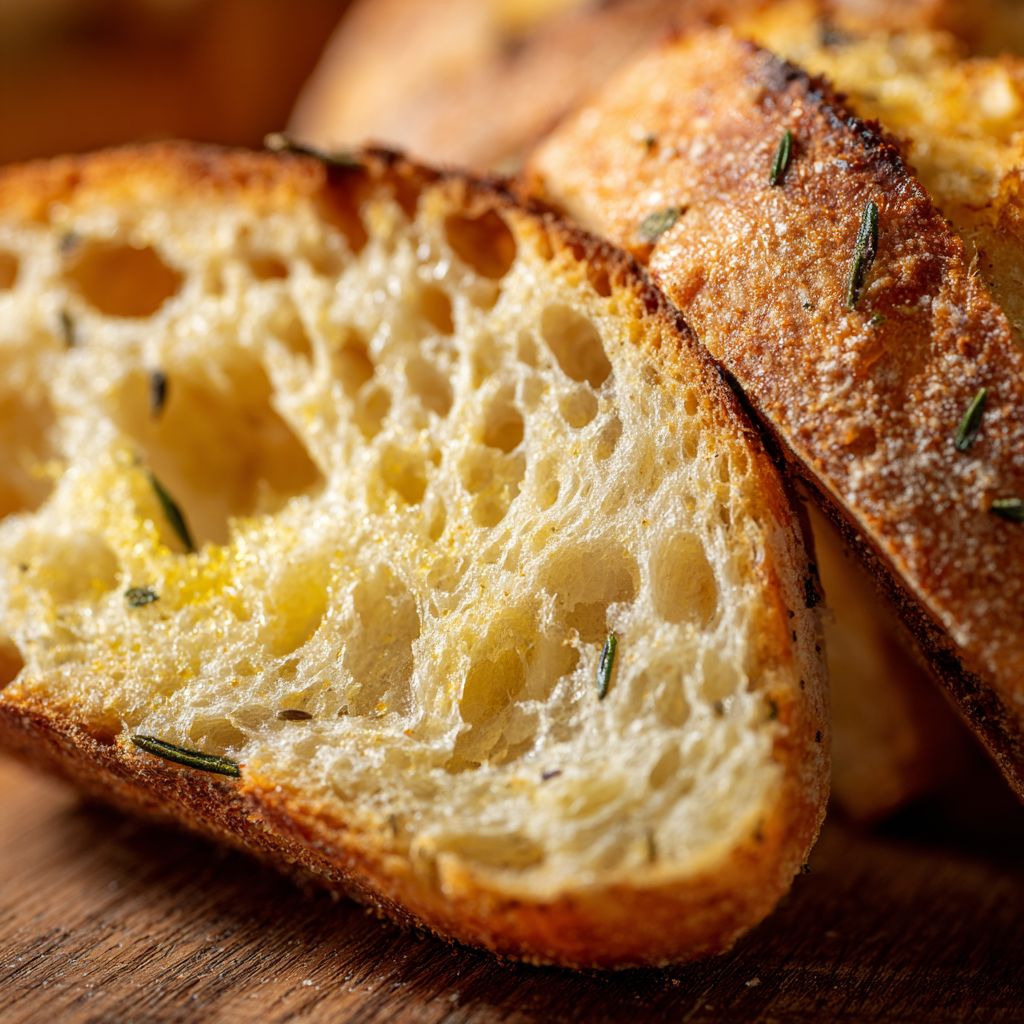
The secret to incredible flavor lies in the poolish—a pre-fermentation technique. Mix your poolish the night before and let time work its magic. This slow fermentation builds depth that transforms simple ingredients into extraordinary bread.
Kneading isn’t about muscle—it’s about understanding your dough. Gently stretch and fold, watching the texture become silky and elastic. The rosemary-infused olive oil adds an aromatic touch that elevates your homemade focaccia.
Baking tips for perfect results:
- Preheat your oven to 475°F
- Use a baking stone or heavy sheet pan
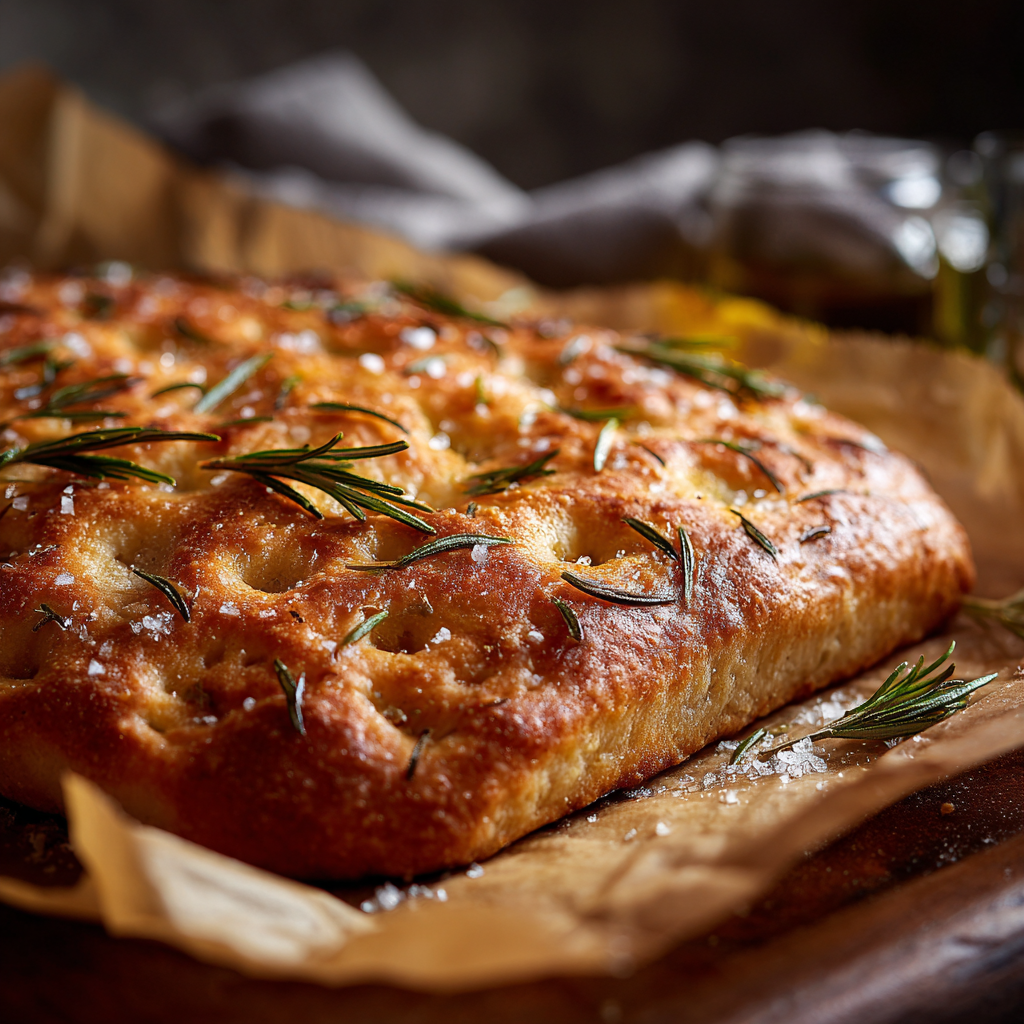
- Generously dimple the dough with fingertips
- Sprinkle with coarse sea salt and fresh rosemary
Your kitchen will fill with an intoxicating aroma of Tuscany. Serve warm, drizzled with extra olive oil. Watch as this easy rosemary bread becomes an instant family favorite.
The Secret to Perfect Focaccia Texture: Understanding the Poolish Method
Crafting exceptional rosemary focaccia dough requires mastering artisan bread techniques. These methods transform simple ingredients into extraordinary bread. The poolish method elevates home baking from ordinary to extraordinary.
Professional bakers know great bread isn’t just about ingredients—it’s about technique. The poolish method represents a time-honored tradition. It brings depth and complexity to your rosemary focaccia dough.
Decoding the Magic of Wet Preferment
A poolish differs dramatically from traditional dough preparation. This wet starter combines equal parts flour and water with minimal yeast. It creates a dynamic fermentation process that develops incredible flavor profiles.
- Uses 100% hydration (equal flour and water)
- Requires minimal yeast
- Ferments 8-10 hours at room temperature
- Creates complex flavor compounds
Perfecting Timing for Maximum Flavor
Timing becomes crucial in developing your artisan bread techniques. The ideal poolish develops gradually, transforming simple ingredients through patient fermentation. Prepare your starter before bed or in the morning.
Watch for these signs of a perfect poolish:
- Bubbling surface
- Pleasant yeasty aroma
- Expanded volume
- Soft, loose consistency
Embracing the poolish method unlocks professional-level bread-making secrets in your home kitchen. Your rosemary focaccia dough will showcase depth, texture, and authentic Italian character. This technique speaks to generations of culinary tradition.
Choosing Quality Ingredients That Make Your Rosemary Bread Shine
In Mediterranean baking, the secret to extraordinary bread lies in selecting premium ingredients. Each component tells a story of flavor and tradition. Quality transforms a simple recipe into a culinary masterpiece.
Fresh rosemary stands as the star of our bread. Look for vibrant green sprigs with an intense, piney aroma. Dried herbs simply cannot capture the same depth of flavor.
I recommend visiting local farmers markets or specialty stores to find artisan ingredients that elevate your baking. Bushy, bright green rosemary with minimal woody stems provides the most authentic taste.
Extra virgin olive oil makes a significant difference in Mediterranean baking. Seek out a fruity, peppery oil you’d drizzle on finished dishes. Specialty food stores often offer tastings, allowing you to select an oil with character.
Brands like Colavita or California Olive Ranch provide excellent options for home bakers. These oils deliver authentic flavor that shines through in every bite.
Salt and cheese are your final flavor boosters. Choose coarse sea salt like Maldon for a delightful crunch and visual appeal. For Parmigiano-Reggiano, look for the distinctive pin-dot rind markings that guarantee authenticity.
These small touches transform your rosemary bread from good to unforgettable. They connect you directly to Italian culinary traditions.
Pane al Rosmarino (Italian Rosemary Bread)
Ingredients
Method
- Mix flour, water, and a pinch of yeast in a bowl.
- Stir until smooth.
- Cover and let sit at room temperature for 8–10 hours.
- The poolish is ready when bubbly, loose, and aromatic.
- Add the remaining flour, water, yeast, olive oil, and salt to the poolish.
- Mix by hand or with a mixer until the dough comes together.
- Knead gently using stretch-and-fold motions until smooth and elastic.
- Add chopped fresh rosemary and fold it into the dough.
- Place dough in an oiled bowl.
- Cover and let rise for 1–1.5 hours, or until puffy.
- Transfer dough to a lightly oiled surface.
- Shape into a round or focaccia-style rectangle.
- Place it on a parchment-lined baking sheet or preheated stone.
- Let the shaped dough rest for 30–40 minutes.
- Drizzle with olive oil.
- Dimple the surface deeply with your fingertips.
- Sprinkle fresh rosemary and coarse sea salt.
- Preheat oven to 475°F (245°C).
- Bake 18–22 minutes, or until golden on top and crisp on the bottom.
- Cool slightly and serve warm with olive oil.
Notes
- Use fresh rosemary only—it gives the bread its clean piney aroma.
- A good extra virgin olive oil makes a big difference in flavor, so choose one you enjoy dipping bread into.
- If you don’t have a baking stone, preheat a heavy baking sheet. It helps crisp the bottom.
- This bread tastes best warm on the same day but freezes well.