
Jump to Recipe
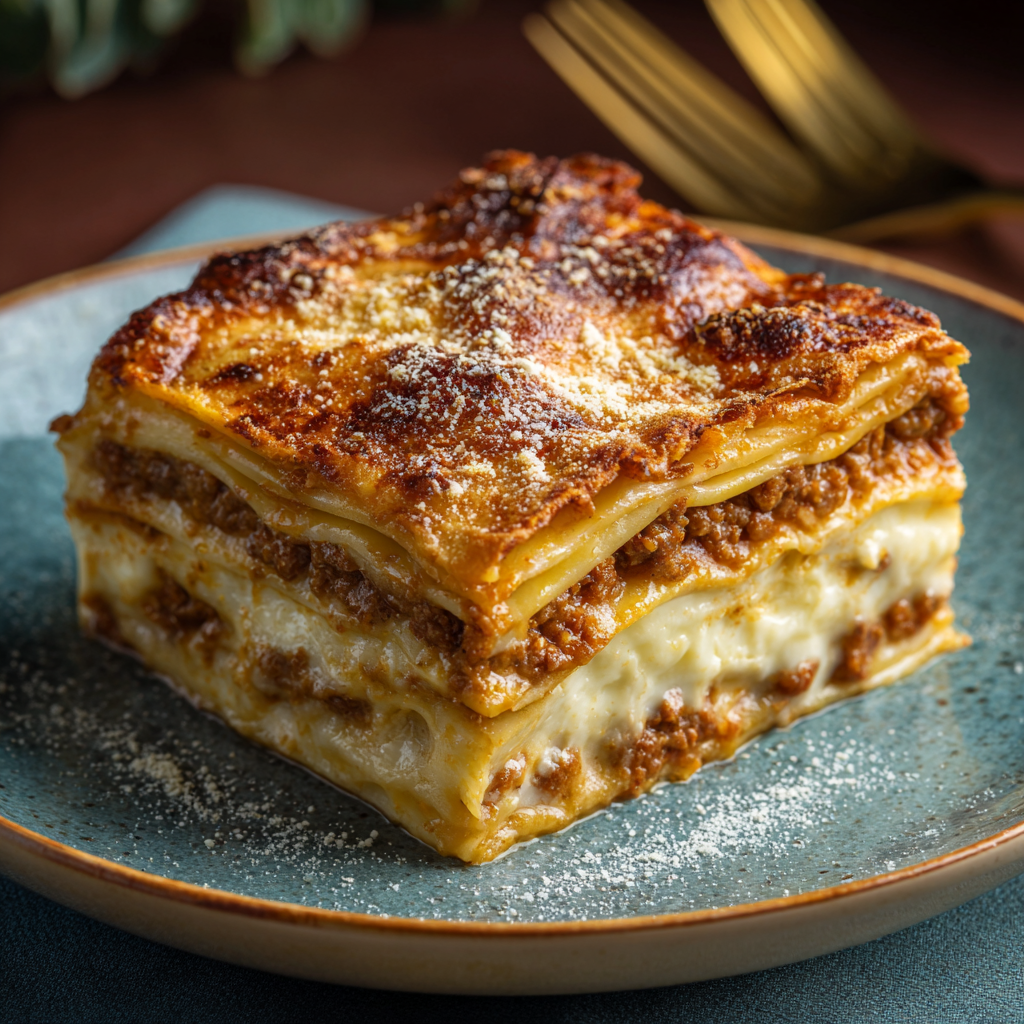
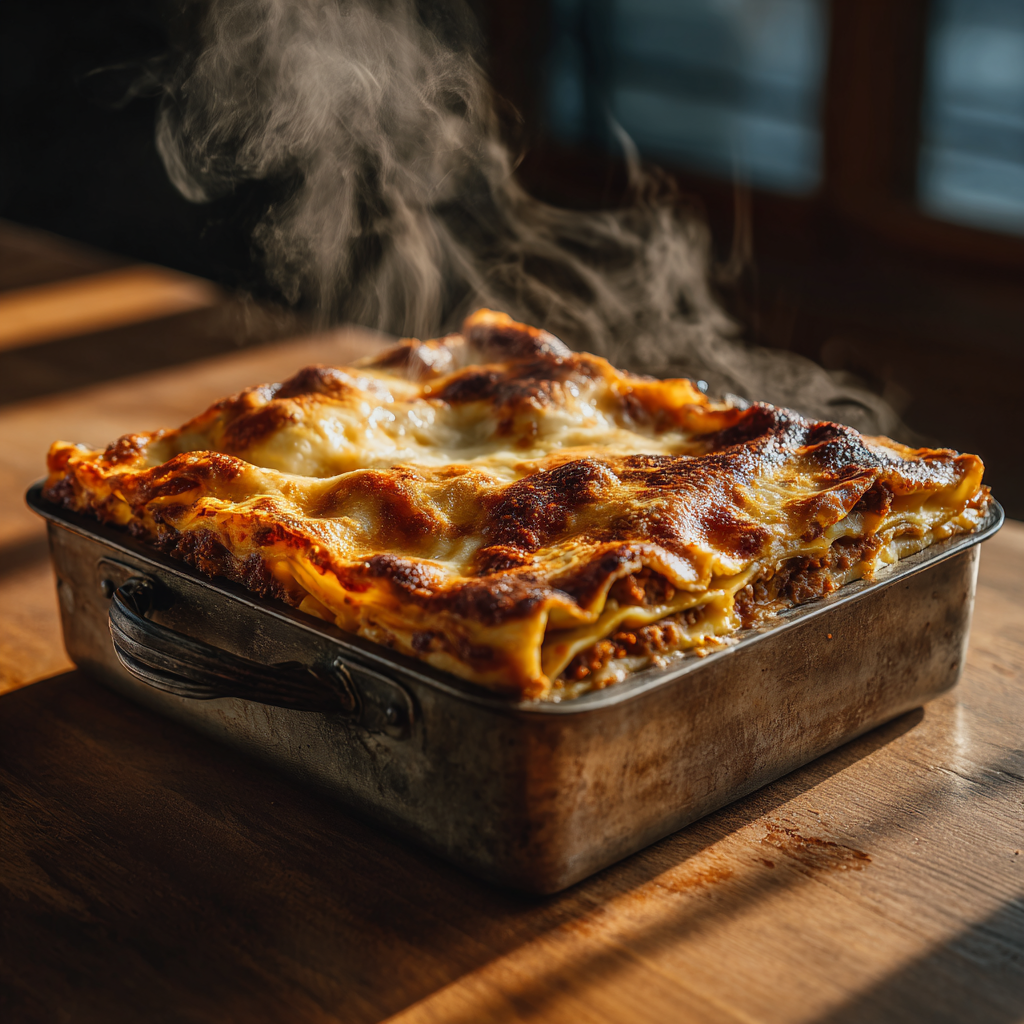
I learned the vincisgrassi lasagna marche recipe at my grandmother’s elbow, watching hands roll thin sheets and a ragù bubble slowly on the stove. Pulling a hot pan from the oven still smells like rosemary, browned meat, and warm buttered béchamel.
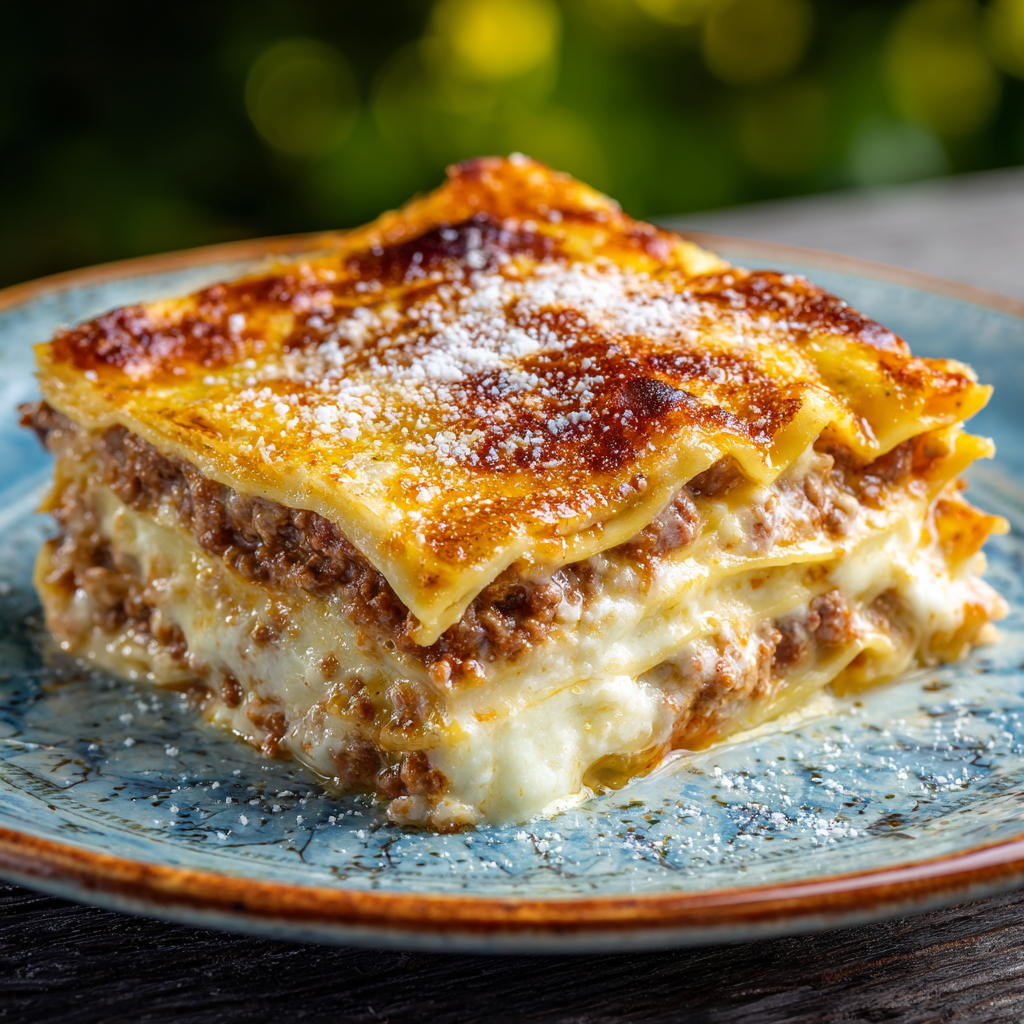
This dish from the region between Ancona and Macerata carries history in every layer: seven sheets of pasta, rustic chopped meats, and a silky sauce that keeps the center creamy while the corner crisps. I’ll guide you through simple steps that honor that tradition and fit an American kitchen.
Expect clear timing, small technique notes—how loose the sauce should be, when to salt, and how to bake for a golden top with tender layers underneath. These are the details that turn a good family meal into something you’ll want to protect and pass on.
Key Takeaways
- This version preserves the region’s character while simplifying steps for home cooks.
- The dish uses seven distinct layers and a rustic chopped-meat ragù for texture.
- Silky béchamel should be light, not heavy, to balance the bake.
- Season at each stage and judge sauce looseness for best structure.
- Bake until corners crisp and the center stays creamy for ideal results.
What Makes Vincisgrassi From Marche Special in My Family Kitchen
The name has a history that reaches back to Windisch-Graetz and a kitchen rhythm that fills our house every Sunday. In the region where my grandparents lived, this dish became the kind of slow project you planned around. That sense of occasion shows in the choices we make: a sturdy pan, precise layers, and a sauce worth waiting for.
A name with history: from Windisch-Graetz to today’s Sunday dish
The story traces to an Austrian general linked to Ancona in the early 1800s. In our family, the name shrank into shorthand for gatherings. Saying it meant someone would spend the morning chopping, deglazing, and stirring while the house smelled like soffritto and browning meat.
How vincisgrassi differs from lasagna: rustic chopped ragù, seven layers, and that corner crust
Unlike the smoother fills of Emilia, our sauce begins with hand-chopped farm meats—often including giblets—and a soffritto that leaves little soft nubs of texture in every bite.
- Seven layers are practical, not ceremonial: they balance pasta and moisture so a slice holds together without drying out.
- The pan matters—watch for caramelized edges where the corner gets an extra-crispy crust while the center stays spoon-tender.
- Across households you’ll find other versions and mushroom-forward takes, but the heart of the dish stays humble and slow-cooked.
Ingredient Spotlight: Ragù Meats, Béchamel, Pasta Sheets, and Aromatics
I pay attention to each component: how finely the meats are cut, how loose the sauce should be, and how the béchamel lifts the bake.
The farmyard ragù
Traditional ragù here uses mixed meats—chicken giblets, rabbit or duck, pork, and a little prosciutto or pancetta. I do not use minced beef.
I chop the meats into small, uneven pieces. Those irregular bits give texture and old-world character.
Béchamel basics
Make béchamel with milk, butter, and flour. Cook the roux briefly; whisk in warmed milk for a smooth, spoonable sauce.
Salt lightly. It should support the layers, not drown them.
Pasta sheets and blanching
Fresh sheets are tender but benefit from a quick blanch in boiling salted water. This firms them for clean slices.
Many dry pasta sheets can bake directly; check the package and adjust moisture in the sauce.
- Soffritto: finely diced celery, carrot, and onion with a few cloves pressed into the onion for gentle perfume.
- After browning, deglaze with a splash of white wine, then add tomato paste and enough water to simmer to a loose, spoonable consistency.
- Finish layers with a touch of parmesan or cheese to add savor and a bronzed top without masking the meat.
- Measure salt at each step—soffritto, meats, and béchamel—to build balanced flavor.
| Type | Texture | When to Blanch |
|---|---|---|
| Fresh hand-rolled | Silky, tender | Short blanch for structure |
| Fresh store-bought | Consistent | Blanch if very soft |
| Dry sheets | Firm, holds shape | Usually no blanch; adjust sauce |
Hand-Rolled or Store-Bought: Choosing and Preparing the Pasta
Choosing between hand-rolled dough and store-bought sheets often comes down to texture, time, and confidence. I prefer to explain the trade-offs so you can decide before you start.
The traditional dough ratio
For homemade dough I use the classic eight eggs per kilo of flour. That ratio gives a porous, resilient dough with no added water. The result is supple sheets that stand up to generous ragù and béchamel without collapsing.
When and how to blanch
If your sheets are fresh—either homemade or fresh store-bought—give them a quick boil in well-salted water. This sets the surface, reduces sticking, and prevents mushy layers during cooking.
Lift blanched pasta out carefully and lay it on a towel-lined tray to dry slightly. Slight drying helps when you layer pasta and assemble the bake so sheets don’t slip.
- Roll dough thin but not transparent for strength under heat.
- Test-cook a scrap to check thickness and seasoning before cutting all sheets.
- Use dry “no-boil” sheets only when you’ve adjusted sauce moisture to hydrate them during baking.
Step-by-Step Method: From Rustic Ragù to Golden, Oven-Baked Layers
Start with a hot pan and patience; that heat turns chopped meats into deep, savory threads for the sauce. Softly sweat onion, celery, and carrot with a pinch of salt until they lose their raw edge.
Add the chopped mixed meats and cook over steady heat until edges caramelize, about 10–15 minutes. Deglaze with a splash of white wine, scrape the pan, then stir in tomato paste and just enough water to cover.
Finish the giblets
Sauté chopped chicken giblets in a little oil until fragrant, 4–6 minutes. Fold them into the ragù near the end so their flavor stays bright. Simmer gently until roughly one-third of the liquid remains; the texture should be loose and silky.
Make the béchamel
Whisk butter and flour into a smooth roux over low heat. Stream in warm milk, whisking to a spoonable sauce. Season lightly so the béchamel lifts the dish without masking the ragù.
Par-cook the pasta and assemble
Blanch fresh pasta sheets in well-salted boiling water for about one minute, then lay flat on towels. In a greased pan, build seven layers by alternating pasta, a modest spoonful of ragù, and a thin veil of béchamel.
- Finish with grated Parmesan and a scatter of butter.
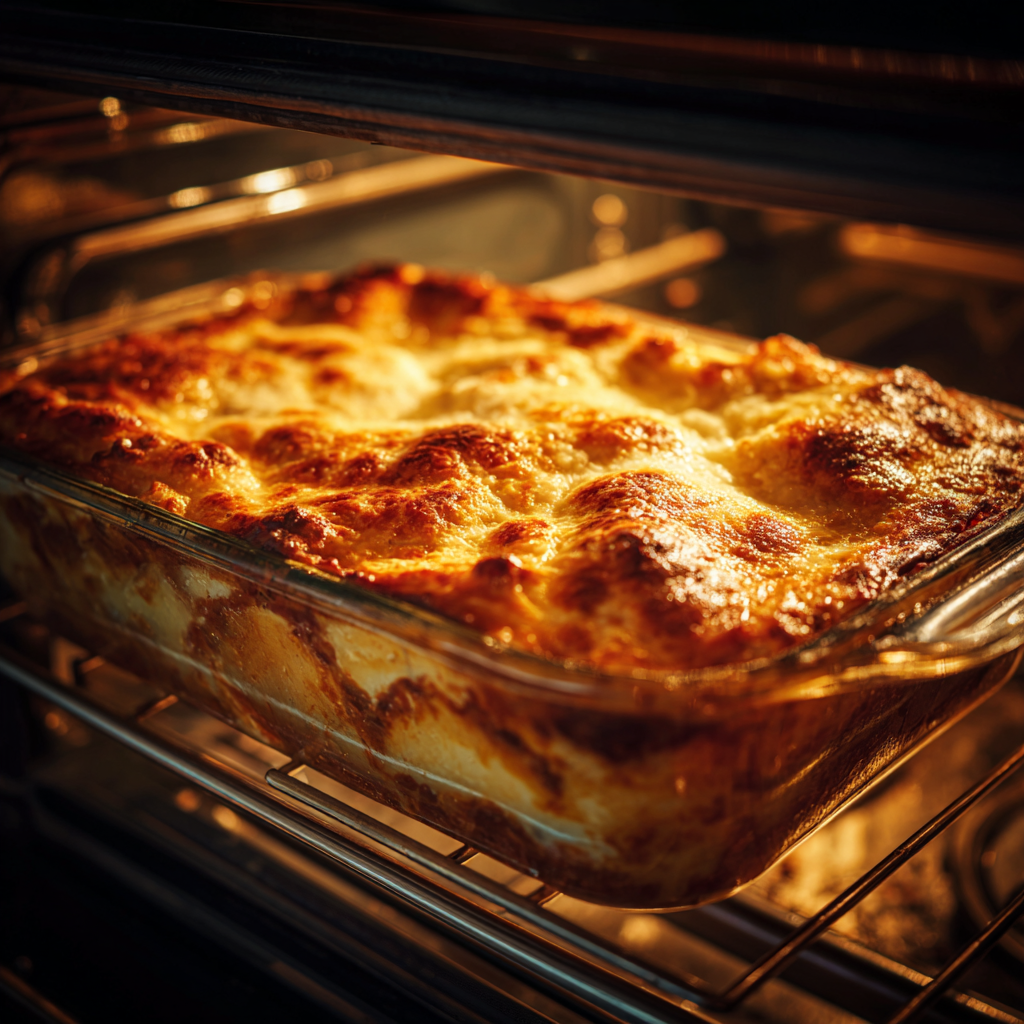
- Bake in a preheated oven at about 200°C (390°F) for roughly 30 minutes, until the top is bronzed and the edges sizzle.
- Let the pan rest several minutes before slicing so layers set for clean squares.
| Step | Visual Cue | Approx. Minutes |
|---|---|---|
| Soften soffritto | Onion translucent, veggies glossy | 6–8 |
| Brown meats & deglaze | Caramelized edges, pan scraped | 10–15 |
| Sauté giblets & fold | Fragrant, slightly crisp bits | 4–6 |
| Bake | Bronzed top, bubbling edges | 30 |
If you want a reference for a classic layered approach, see this classic assembly guide for ideas on timing and texture.
vincisgrassi lasagna marche recipe
For every kilo of flour I use eight eggs. That ratio gives pasta sheets that hold up under a generous filling without added water.
Make the ragù by softening onion, celery, and carrot with a clove-studded onion. Brown mixed meats and chicken giblets, deglaze with a splash of white wine, then stir in tomato paste and enough liquid to simmer into a loose, glossy sauce.
Keep béchamel spoonable: equal parts butter and flour cooked briefly, then warm milk whisked in until smooth. Season lightly with salt so the béchamel lifts layers without masking them.
- Blanch fresh pasta sheets for a minute, pat dry.
- Assemble: pasta, a thin layer of ragù, a veil of béchamel, repeat to seven layers.
- Finish with grated parmesan and a little extra cheese on top.
- Bake in a 200°C (about 390–400°F) pan for 30–35 minutes until bronzed. Rest before slicing for clean squares.
| Type | Handling | Best Use |
|---|---|---|
| Fresh hand-rolled | Short blanch; lay on towels | Traditional texture, tender sheets |
| Fresh store-bought | Blanch if very soft; otherwise gentle | Time-saver with good texture |
| Dry no-boil sheets | Use straight to assembly; adjust sauce moisture | Convenient; needs wetter sauce |
Conclusion
When I cut the first square and the corner crackles, I know the heat and minutes were right. That crispy top is a small reward for steady work.
Technique, patience, and clear layers make this version sing. You can fold in mushrooms or a ribbon of prosciutto, or keep chicken and mixed meats for the classic feel.
If you skip béchamel, brush the top with warm milk and scatter extra parmesan so it still bronzes. A splash of wine in the sauce and proper blanching of sheets matter too.
Try the recipes, take your time, and make this dish yours. After one pan you’ll see why our family guards its method and why the top corner always gets claimed first.
Vincisgrassi Lasagna from Marche
Ingredients
Method
- Heat olive oil or butter in a large pan over medium heat.
- Add onion (with cloves), celery, and carrot. Cook until soft and glossy, about 6–8 minutes.
- Add chopped meats (except giblets) and pancetta. Brown until edges caramelize, about 10–15 minutes.
- Pour in white wine and deglaze the pan, scraping up browned bits.
- Stir in tomato paste and enough water or broth to cover the mixture loosely.
- Simmer slowly for about 45–60 minutes, stirring occasionally.
- In a separate pan, sauté the giblets in a bit of oil for 4–6 minutes until fragrant, then fold them into the ragù near the end.
- The sauce should be loose and glossy—not too thick.
- In a saucepan, melt butter over low heat.
- Add flour and whisk into a smooth roux; cook 1–2 minutes.
- Gradually add warm milk, whisking constantly until smooth and creamy.
- Season lightly with salt and a pinch of nutmeg.
- The sauce should coat a spoon but still flow easily.
- For homemade dough: mix flour and eggs, knead until smooth, rest 30 minutes. Roll thin sheets.
- Blanch each sheet briefly (about 1 minute) in salted boiling water.
- Lay on clean towels to dry slightly.
- (If using dry “no-boil” sheets, skip blanching and ensure your ragù is slightly wetter.)
- Grease a rectangular baking pan with butter.
- Spread a thin layer of béchamel on the bottom.
- Add a layer of pasta, then spoon over a thin ragù layer, then a light béchamel veil.
- Repeat this pattern for seven total layers, ending with béchamel on top.
- Sprinkle grated Parmigiano-Reggiano and add a few small butter knobs.
- Bake in a preheated oven at 200°C (390°F) for 30–35 minutes.
- The top should be bronzed and edges slightly crispy.
- Let rest 10 minutes before slicing so layers set properly.
Notes
- Authentic Vincisgrassi doesn’t use minced beef; the rustic texture comes from hand-chopped meats.
- Be generous with sauce moisture—too dry, and layers won’t fuse properly.
- Always season each component lightly (soffritto, meats, béchamel) for a balanced final flavor.
- Let it rest before cutting; it firms up for clean slices.
- Corners are prized—crispy, caramelized, and full of flavor.