
Jump to Recipe
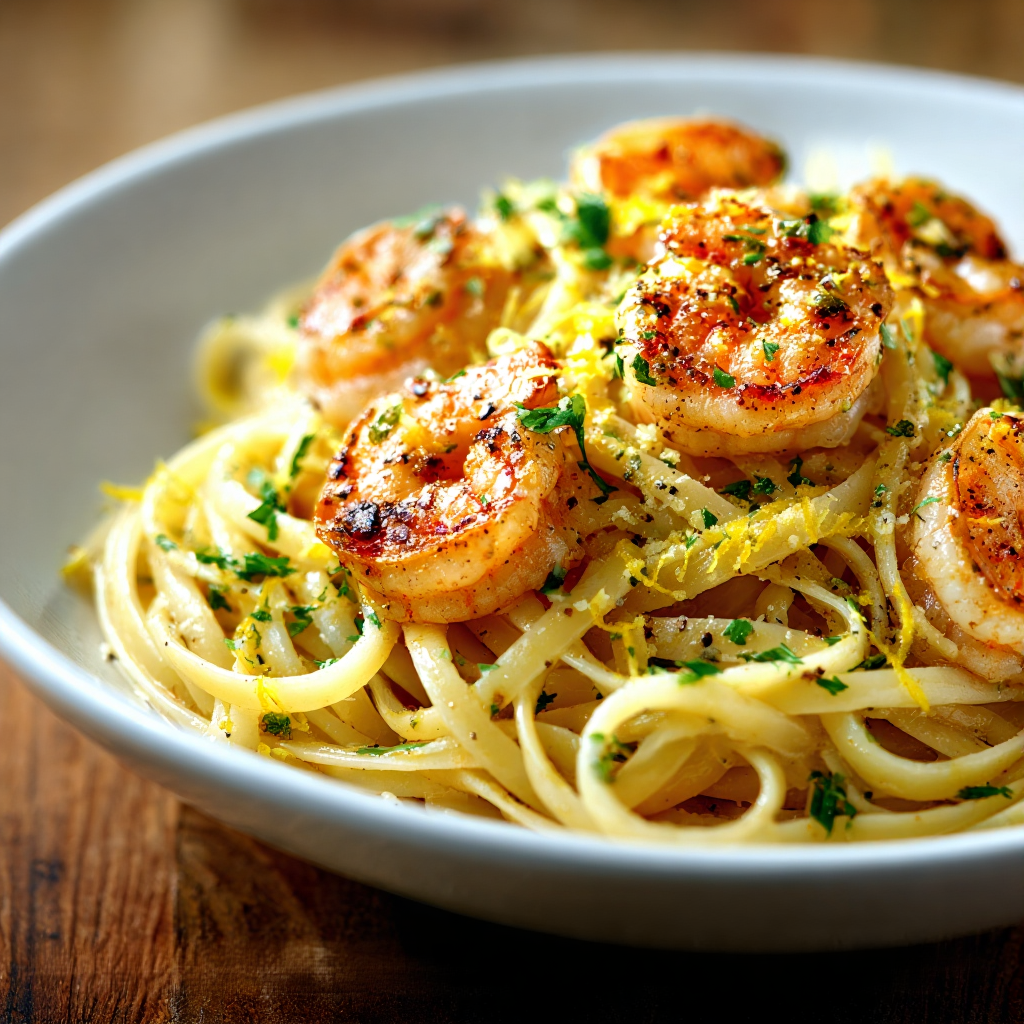
I learned this pasta with lemon and shrimp recipe from my mother, and every time it sizzles in the pan the house feels like home. The scent of garlic hit by warm olive oil, a kiss of butter, and bright citrus zest wakes up memory and appetite.
It takes about 20 minutes from boiling water to the first forkful. I always cook the noodles just to al dente and save a splash of that starchy water to make a silky sauce that clings to every strand.
Shrimp cook fast, so I pat them dry, season, and give them room in a large skillet to sear rather than steam. A pinch of red pepper flakes and a little parsley finish the plate; parmesan is optional if you want a richer, rounder flavor.
This dish is forgiving, quick, and kind to busy weeknights while still feeling special at the table. Try a tiny splash of white wine or swap in zucchini noodles if you want a lighter twist.
.
Key Takeaways
- Ready in about 20 minutes—perfect for a busy weeknight.
- Pat shrimp dry and use a large skillet to keep them tender.
- Reserve pasta water to build a glossy, silky sauce.
- Garlic, olive oil, and a touch of butter form the flavorful base.
- Finish with zest and juice for brightness; parmesan is optional.
Why this bright, buttery shrimp pasta belongs in your weeknight rotation
This bright, buttery skillet dinner gets on the table in about twenty minutes and feels like more than the sum of its simple parts.
I sauté garlic shrimp quickly in olive oil over steady heat; a pinch of red pepper gives a gentle kick. Medium shrimp take only 3–4 minutes to turn opaque and curl into a neat “C.”
A large pan is essential. It lets the seafood sear instead of steam so flavor develops fast. Finish with a pat of butter; the fat mellows the citrus while preserving a fresh finish.
- Genuinely fast: boiling the pasta while you sauté means dinner lands in minutes.
- Everyday ingredients build classic flavor: olive oil, garlic, pepper, butter, citrus.
- Reserve a cup of starchy water to emulsify sauce so it clings to every strand.
This plan is flexible. You can add shrimp from a well-dried thaw, swap shapes, or scale heat to taste. It’s a budget-friendly, reliable dish that teaches a technique you’ll reuse across many recipes.
Pasta with lemon and shrimp recipe: ingredients that make it sing
Bright ingredients and a few simple techniques turn a quick skillet into a memorable family meal. Below I describe the core lineup, the shapes that hold sauce best, and how to pick shrimp like a pro.
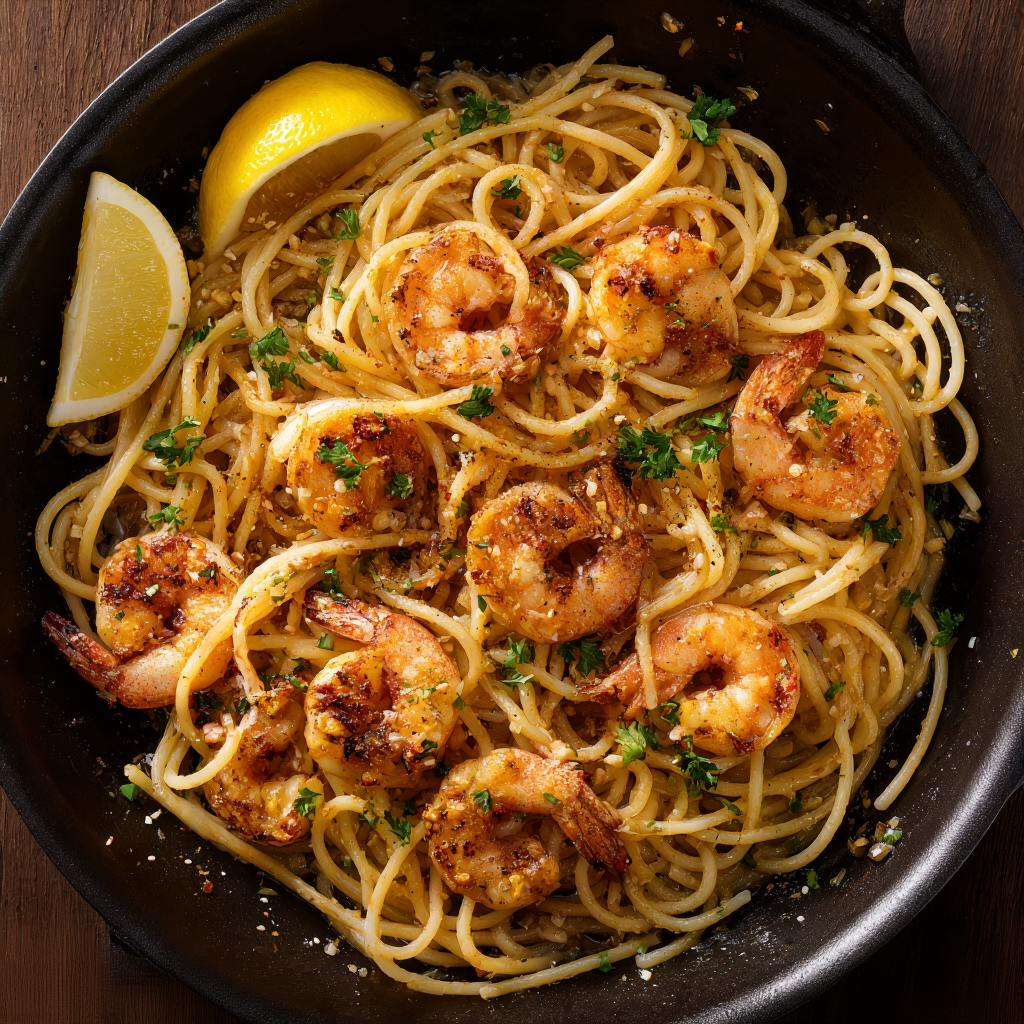
The core lineup: lemon, garlic, olive oil, and a touch of butter
Fresh lemon juice and zest do different jobs: juice adds brisk acidity while zest releases fragrant oils. I use both for balance.
Garlic is the backbone. Mince fresh cloves and sweat them briefly in extra-virgin olive oil so they taste sweet, not burned. Then add a small knob of butter for silk and roundness.
Red pepper flakes give a mild lift. Finish with chopped parsley and a hit of salt and pepper, tasting as you go.
Best shapes for clingy, silky sauce
I reach for spaghetti or linguine because their surface helps a thin, glossy sauce cling. Angel hair cooks fastest but can over-soften if you blink.
Choosing shrimp like a pro: size, raw vs. pre-cooked, fresh vs. frozen
Medium shrimp cook in about 3–4 minutes and stay tender. If you buy frozen, thaw in the fridge for 24 hours, drain, and pat dry so they sear instead of steam.
For planning, one pound (16 ounces) of shrimp with 12 ounces of noodles feeds four comfortably.
- Classic garlic shrimp pasta tips and measurements live here if you want a full walkthrough.
Step-by-step: from boiling water to a glossy skillet toss in minutes
A hot, salted pot and a well-heated skillet are the two small moves that make a big difference in timing and texture. Follow these steps and you’ll keep seafood juicy and the sauce silky.
Timing and heat control to keep shrimp juicy, never rubbery
Bring a large pot to a rolling boil and cook pasta until just al dente. Before you drain, reserve about one cup of that starchy water; it’s essential for a glossy finish.
Heat olive oil with a knob of butter in a large pan over medium-high heat. Add garlic and a pinch of red pepper flakes and cook for about 30 seconds—fragrant, not browned.
Arrange the shrimp in a single layer. Give them space, sear, flip, and cook shrimp about 3–4 minutes total until opaque and curled into a tight “C.” Work in batches if the pan looks crowded.
Building a light lemon-butter sauce with reserved pasta water
- Transfer the drained noodles straight into the skillet.
- Add roughly 1/4 cup of the reserved water and toss over heat so starch emulsifies with the fat into a clingy sauce.
- Turn off the heat and stir in fresh lemon juice, zest, and chopped parsley so the citrus stays bright.
- Taste, season with salt and pepper, and add more water by the tablespoon if the sauce needs to loosen.
| Step | Timing | Cue to stop | Why it matters |
|---|---|---|---|
| Boil noodles | 8–10 minutes (varies) | Firm to bite (al dente) | Prevents overcooking during the final toss |
| Sear garlic & pepper | 30 seconds | Fragrant, not colored | Keeps garlic sweet and prevents bitterness |
| Cook shrimp | 3–4 minutes | Opaque and curled into “C” | Ensures tender, juicy seafood |
| Emulsify sauce | 30–60 seconds | Sauce coats noodles evenly | Creates glossy, clingy texture without cream |
Serve immediately. Minutes matter here; the dish is best right off the stove when the sauce clings and the seafood is at its peak.
Smart swaps and flavor boosts to match your taste
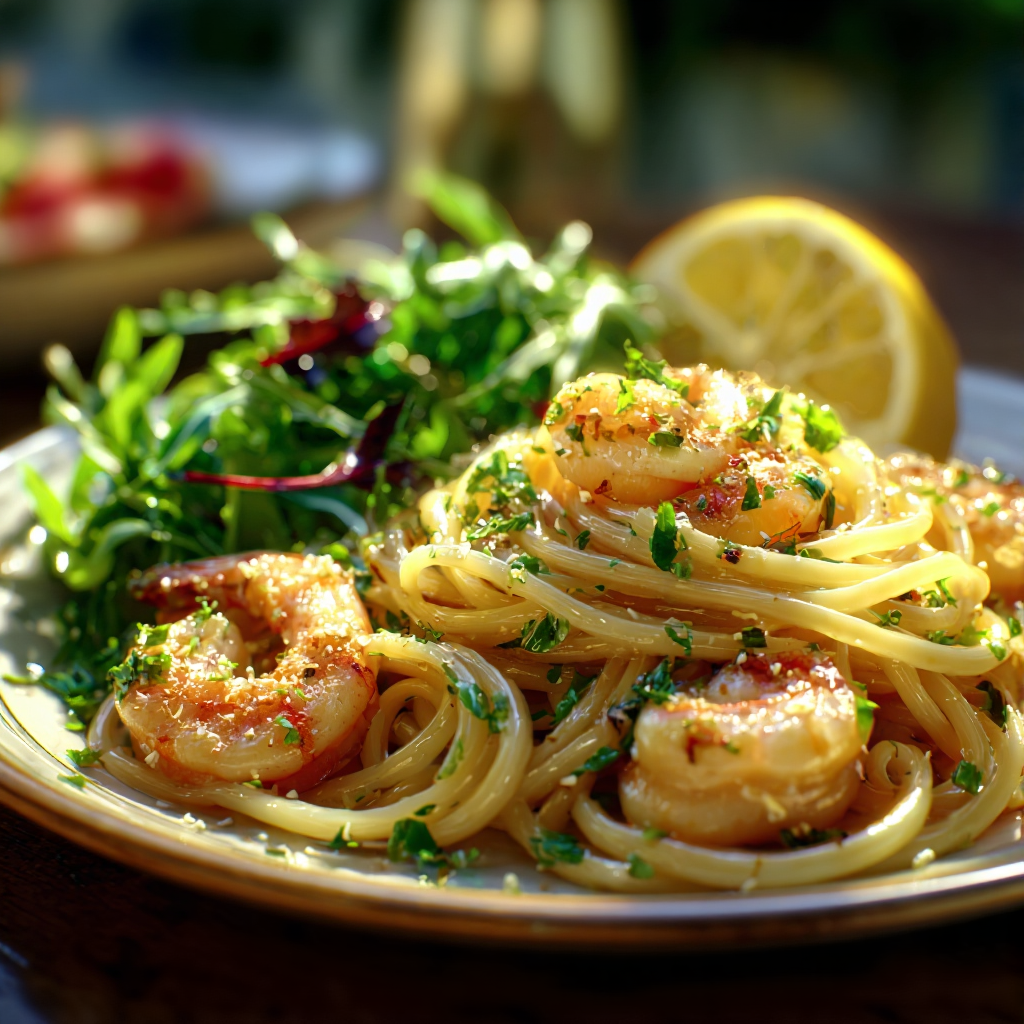
I like small changes that give clear tradeoffs. Swap a spice, and the whole dish shifts from gentle to punchy. Change the fat, and it moves from bright to lush.
Turn up the heat
For clean, Italian heat I reach for red pepper flakes. Use a pinch while you cook and add a light sprinkle at the table for individual control.
Old Bay gives a coastal, peppery twist that pairs well with lemon garlic shrimp. If you want more fire, a pinch of cayenne does the trick.
Butter vs. extra-virgin olive oil
Butter gives a plush mouthfeel and slight sweetness. Extra-virgin olive oil keeps things fresher and lighter.
| Choice | Texture | When to use |
|---|---|---|
| Butter | Rich, silky | Comfort meals, winter nights |
| Olive oil | Bright, cleaner | Summer, lighter plates |
| Low-carb swap | Fresh, fast | Zucchini noodles or cauliflower rice |
Pasta alternatives and herb swaps
Zucchini noodles or cauliflower rice hold sauce if you toss quickly off heat. Add shrimp and a handful of spinach for a heartier finish that wilts in seconds.
Parsley is classic; basil leans more Italian, and cilantro adds a citrusy pop. Finish with a little zest and a splash of lemon juice to lift the whole plate.
Cook’s notes: E-E-A-T-backed tips for flawless results every time
A few clear cues—how the noodles feel, the shape of the shrimp, the heat under the pan—predict success every time. These are practical instructions you can trust.
Al dente, the “C” test, and why your skillet matters
Salt your water like the sea and cook pasta shy of al dente. It will finish in the pan and stay firm on the plate.
Look for shrimp that are opaque, pink, and curled into a gentle “C.” If they form a tight “O,” they are past tender.
Use a wide, heavy pan so heat spreads evenly. Crowding chills the surface and makes shrimp steam instead of sear.
- Add garlic to hot fat for only 20–30 seconds. It should be fragrant, not toasted, before you add liquids or seafood.
- Keep a cup of reserved water nearby. Small splashes help starch and fat form a glossy sauce that clings.
- Season in layers: salt the water, taste the sauce, finish with pepper and a squeeze of citrus to lift the dish.
| Tip | Action | Why it matters |
|---|---|---|
| Salted water | Add plenty before boiling | Seasons noodles from the inside out |
| Shrimp doneness | Watch for opaque, pink, “C” curl | Ensures tender, not rubbery, seafood |
| Pan size | Use wide, heavy skillet | Promotes sear, better flavor development |
| Pasta water | Reserve 1 cup and add as needed | Creates a stable, glossy emulsion |
Bring it to the table: simple sides, storage, and make-ahead guidance
A few easy sides finish the plate. Try a peppery arugula salad tossed in lemon juice and olive oil, or warm Italian bread to swipe through the butter sauce.
Store leftovers airtight in a shallow container in the fridge for 3–5 days. Reheat low and slow in a pan with a splash of water or a small cup of reserved pasta water so the seafood stays tender.
I don’t freeze this—both noodles and shrimp change texture. For make-ahead, cook noodles a minute short, toss with a tablespoon of oil, chill, and reheat in the skillet with fresh sauce. Chop parsley, measure lemon juice, and prep garlic ahead; keep zest for the table.
Plan about 4–6 ounces cooked noodles and 4 ounces of shrimp per person. Small touches—extra pepper, lemon wedges, or parmesan—let guests tailor each meal.
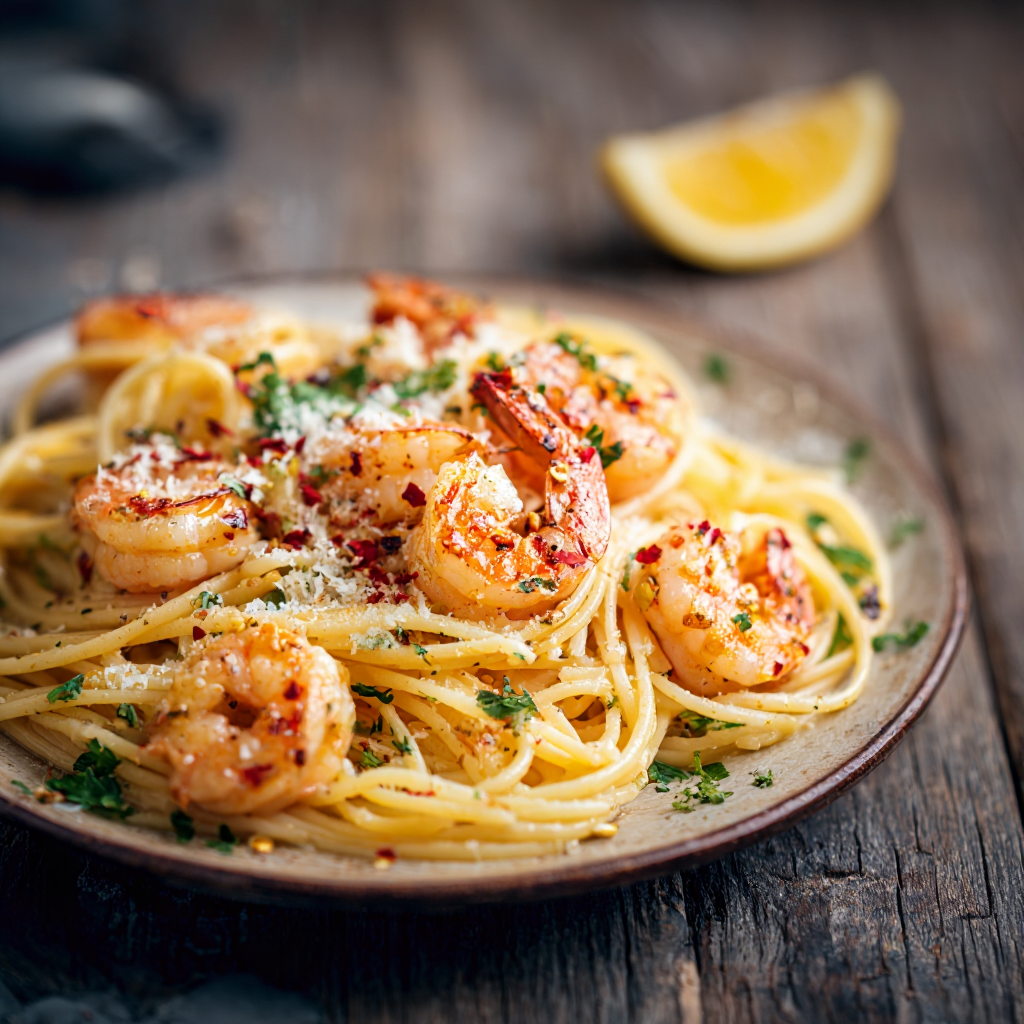
Lemon Garlic Shrimp Pasta
Ingredients
Method
- Bring a large pot of water to a rolling boil. Salt generously.
- Add pasta and cook until just al dente. Reserve 1 cup pasta water before draining.
- Pat shrimp dry with paper towels. Season lightly with salt and pepper.
- Heat olive oil and 1 tbsp butter in a large skillet over medium-high heat.
- Add minced garlic and red pepper flakes. Cook ~30 seconds until fragrant but not browned.
- Place shrimp in a single layer. Don’t crowd the pan.
- Cook 1–2 minutes per side until opaque and curled into a gentle “C.” Remove shrimp from skillet if needed.
- Add drained pasta to the skillet.
- Pour in 1/4 cup reserved pasta water and toss to combine. The starch will emulsify with the butter and oil, creating a glossy sauce.
- Turn off heat and stir in lemon juice, zest, parsley, and remaining butter. Taste and season with salt and pepper. Add more pasta water if needed to loosen sauce.
- Return shrimp to the skillet or plate on top. Sprinkle extra parsley, red pepper flakes, or Parmesan if desired. Serve immediately.
Notes
- Pat shrimp completely dry for a perfect sear; wet shrimp will steam instead.
- Use a wide skillet to avoid overcrowding and ensure shrimp stay juicy.
- Reserve pasta water—it’s key for a silky, clingy sauce.
- Serve right away; this dish is best fresh.
- You can swap pasta types or use zucchini noodles for a lighter option.
- Extra butter adds richness; extra olive oil keeps it light and fresh.