
Jump to Recipe
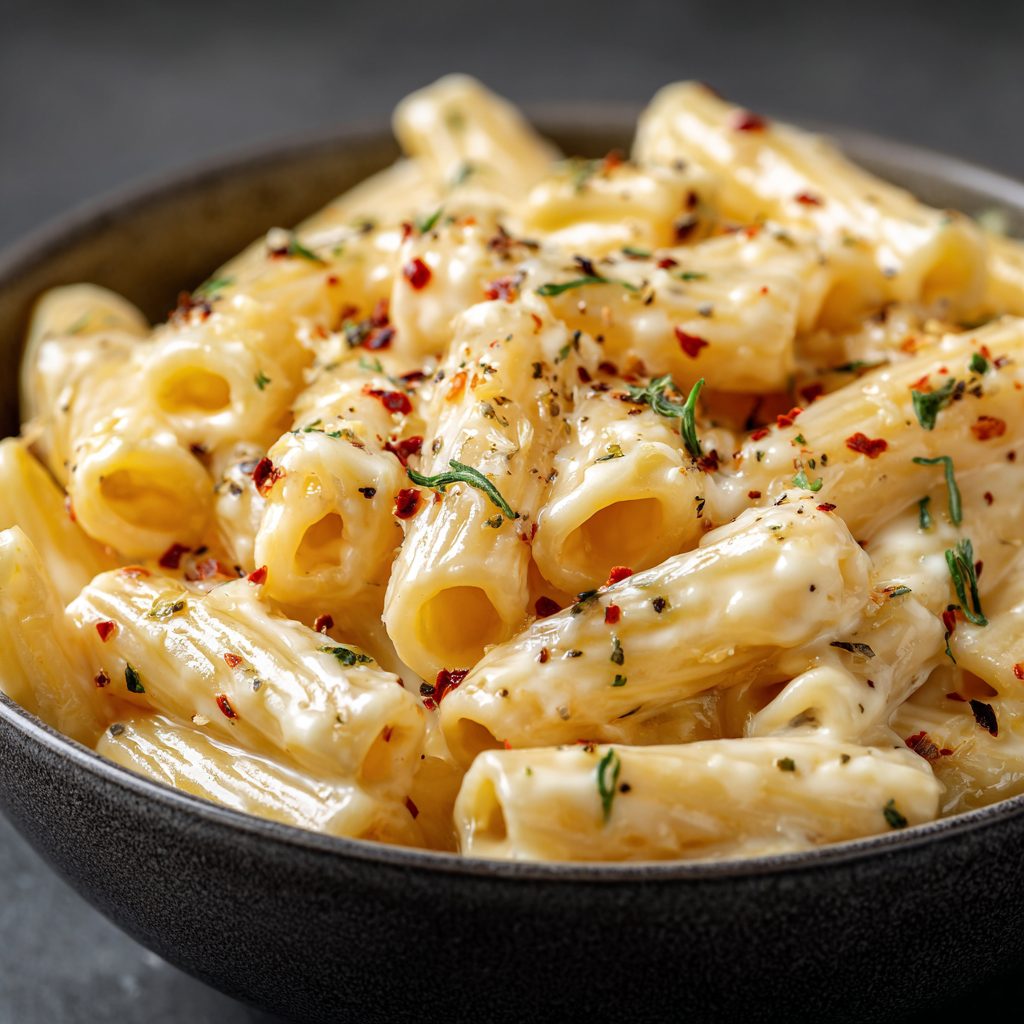
I grew up watching a pot of pasta bubble while my mother stirred a simple roux, and that memory is the heart of this italian mac and cheese recipe.
This dish comes together fast on busy nights: butter and flour whisked with milk, a sprinkle of herbs, and a trio of melty cheeses—mozzarella, provolone, and Parmesan—that give each bite warm, savory flavor.
Short shapes like penne or rotini catch the sauce, and hearty add-ins—peas, broccoli, shredded rotisserie chicken, or spinach—turn a quick family meal into comfort food that never feels heavy.
A crunchy breadcrumb finish under the broiler takes it from stove-top cozy to bubbly bake in minutes. I explain what to buy, why each cheese matters, and small technique cues that save time while keeping the texture silky.
For storage, chill leftovers 2–3 days or freeze for months; reheat gently with a splash of milk to restore creaminess. Learn tips and variations, and see a related pasta idea at Italian shrimp pasta for more weeknight inspiration.
Key Takeaways
- Simple roux plus milk makes a smooth base that clings to every piece of pasta.
- Use a trio of cheeses for depth; finish with Parmesan for brightness.
- Short pasta shapes and mix-ins boost texture and make this dish flexible.
- Bread crumbs under the broiler add quick crunch and visual appeal.
- Store chilled 2–3 days or freeze; reheat with a splash of milk to revive creaminess.
What makes this Italian-American mac and cheese so craveable right now
A silky, herb-laced sauce that comes together in under 30 minutes is the secret to why this dish keeps showing up on our weeknight table.
The base is a quick roux whisked with milk until glossy; it clings to ridged pasta so every bite feels rich yet light. We fold in mozzarella for that lovely pull, finish with parmesan for salty depth, then let a whisper of Italian seasoning lift the whole bowl.
Keeping the method simple lets the dairy shine without fuss. Short shapes like penne or rigatoni trap more sauce per forkful, so the experience stays consistently creamy from first bite to last.
- Balanced sauce that never overwhelms the palate.
- Fast technique: ready in minutes, perfect for busy evenings.
- Familiar herbs add warm aroma without a long ingredient list.
| Element | Why it matters | Quick tip |
|---|---|---|
| Roux-based sauce | Silky texture that clings | Whisk constantly until smooth |
| Stretchy cheese | Pleasant pull, gooey mouthfeel | Grate fresh for best melt |
| Ridged pasta | More sauce per bite | Use shapes with hollows or grooves |
Ingredients you’ll need, with pro notes for maximum flavor
A few thoughtful ingredient choices make the difference between good comfort food and a memorable family dinner. Below I list the main components and explain why each matters so you get reliable results every time.
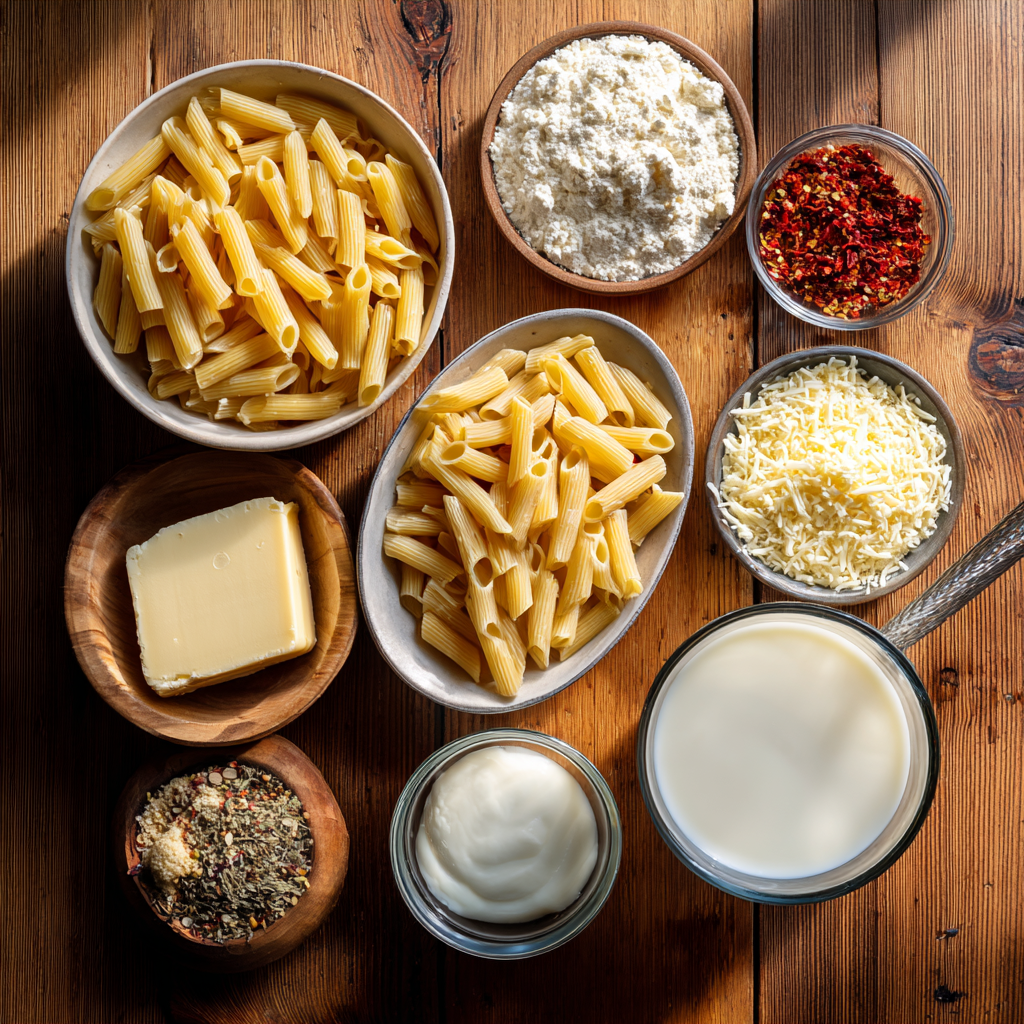
The cheeses: mozzarella, provolone, and Parmesan that melt like a dream
Pick one strong melter and one aged accent. Mozzarella brings supple stretch while a spoon of parmesan cheese adds salty, nutty backbone.
Grate from a block at home; pre-shredded bags have anti-caking agents that stop a glossy melt. If you want more bite, fold in a little Romano or Asiago for balance.
Pasta that holds sauce: penne, elbows, rigatoni, or rotini
Short shapes with ridges or hollows trap sauce so every forkful is saucy. Penne, rigatoni, rotini, cavatappi, or elbows all work well.
Pantry staples: butter, flour, milk, Italian seasoning, salt, red pepper flakes
A basic roux uses butter and flour; whisk in warm milk for a silky base. Measure a steady cup if your batch calls for it.
Bloom italian seasoning in melted butter for a moment to boost aroma. Add a pinch of red pepper flakes for a gentle heat and taste for salt after the cheeses go in.
- Choose a primary melter plus an aged accent for depth.
- Buy blocks and grate at home for superior melt.
- Keep milk warm-ish before adding so the sauce stays glossy.
| Item | Role | Pro tip |
|---|---|---|
| Cheese mix | Texture & flavor | Fresh-grate from a block |
| Pasta shape | Sauce retention | Use ridged or hollow shapes |
| Roux staples | Body & shine | Whisk until smooth, add warm milk |
How to make it on the stovetop for busy weeknights
In just minutes you can coax a silky sauce that coats every piece of pasta perfectly. Follow tight timing and small steps to avoid lumps and keep the texture glossy.
Build a silky cheese sauce
Bring a large pot of heavily salted water to a rolling boil so the pasta seasons from within.
In a wide pan, melt butter over medium heat. Whisk in flour and Italian seasoning for about two minutes to cook out the raw taste.
Slowly add milk while whisking to prevent lumps. Simmer until the sauce coats the back of a spoon and shines.
Take the pan off the heat and add grated cheeses in stages so the cheese sauce stays smooth and unified.
Toss to coat and finish
- Cook penne or your chosen pasta to al dente in the boiling pot; reserve a ladle of starchy water before draining.
- Fold pasta into the pan of sauce, splashing reserved water to loosen the texture as needed.
- Taste and adjust salt; the sauce will taste saltier once the cheeses melt.
- Let the mac rest one minute, then finish with a pinch of red pepper flakes for warmth.
| Step | Timing | Why it matters |
|---|---|---|
| Boil pasta | 8–11 minutes | Seasons pasta and achieves al dente bite |
| Cook roux | 2 minutes | Removes raw flour taste, blooms herbs |
| Thicken sauce | 3–4 minutes | Creates glossy body that clings |
| Finish & rest | 1–2 minutes | Allows sauce to settle into grooves |
Italian baked mac and cheese option for a golden, bubbly top
When the stove meets the oven, the result is a bubbly, golden crust that makes weeknight dinner feel celebratory.
Layer like a pro
Grease a shallow baking dish and spread a thin layer of sauce across the base so the first forkful stays saucy.
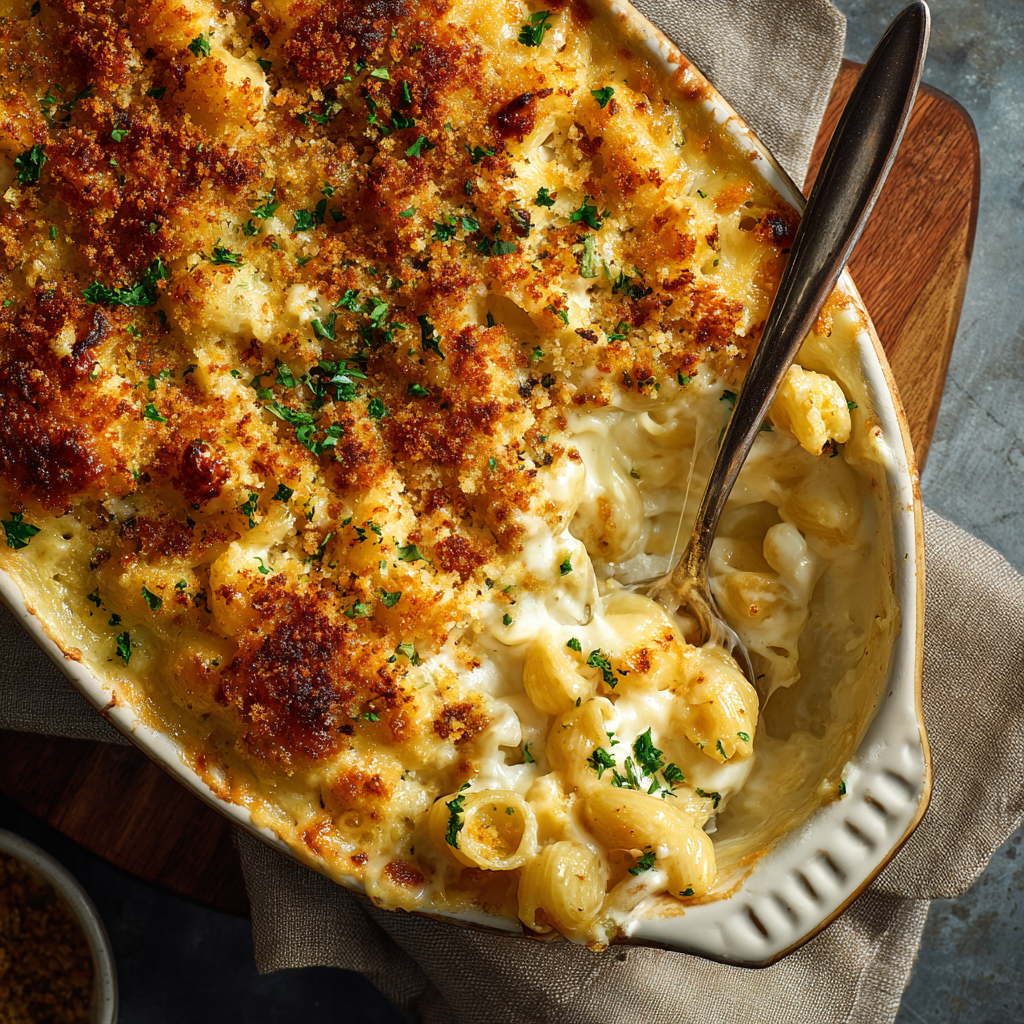
Layer half the pasta, add canned diced tomatoes if you want brightness, then spoon more sauce. Repeat the layers, then blanket the surface with mozzarella cheese and scatter buttered breadcrumbs.
Broil or bake minutes to finish
Preheat the oven to 350°F. Cover and bake about 40 minutes to heat through without drying the pasta. Uncover for 10–15 minutes until the top is golden and bubbly. For extra crunch, broil briefly while watching closely so crumbs toast, not burn.
- Coating the dish prevents sticking and gives saucy pockets at the base.
- Layering evens moisture so every scoop feels abundant.
- Rest the pan 5 minutes before serving so layers set and slice cleanly.
| Step | Timing | Purpose |
|---|---|---|
| Coat dish with sauce | 1 minute | Prevents sticking; adds flavor to first bites |
| Bake covered | 40 minutes | Heats through without drying pasta |
| Uncover to brown | 10–15 minutes | Creates a golden, bubbling top |
| Optional broil | 1–2 minutes | Deepens crunch on the crumbs |
Best cheeses and pasta shapes for this dish
I always start at the cheese bin. Pairing a reliable melter with an aged accent gives the sauce both silk and sharpness. That balance keeps the texture smooth and the flavor bright.
Pair a great melter with aged flavor
Choose one melter—mozzarella or provolone—for stretch, then add an aged cheese like Parmesan, Romano, Asiago, or Fontina for depth. Grating from a block makes the key difference; freshly shredded pieces emulsify into the sauce instead of clumping.
Why shapes matter: ridges and hollows that hug the sauce
Pasta with grooves, spirals, or tubes traps sauce inside and out. Penne, rigatoni, rotini, shells, cavatappi, and macaroni are top picks when you want every bite to carry sauce.
- Think in pairs: one melter + one character cheese to avoid oily finish.
- Mozzarella brings gentle pull; a spoonful of parmesan sharpens the profile.
- Hand-grate for best melt; shapes with hollows catch sauce best.
| Element | Role | Quick tip |
|---|---|---|
| Mozzarella | Melting | Fresh grate for glossy stretch |
| Parmesan | Brightness | Add late to preserve flavor |
| Penne/Rotini | Sauce retention | Choose ridged shapes for cling |
Mix-ins and toppings to make it your own
Bright mix-ins lift a creamy pasta bowl from cozy to memorable in one simple step. I keep timing tight so vegetables stay vibrant and the sauce stays smooth.
Vegetables that work
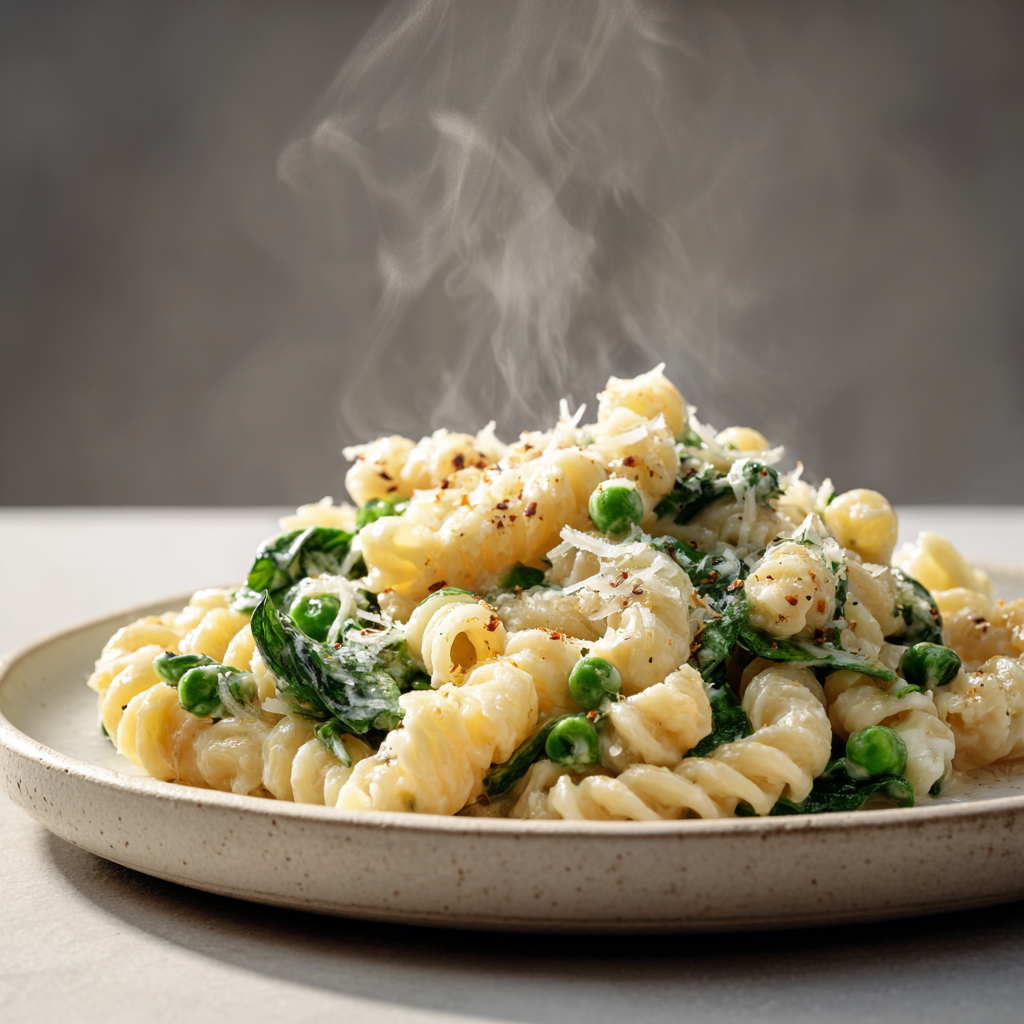
Stir frozen peas or broccoli into the boiling water during the last 5 minutes of cooking so they finish with the pasta. Fold a handful of baby spinach into the hot sauce and pasta; it wilts in seconds and looks beautiful on the plate.
Add protein
Use cooked ground turkey, crumbled sausage, or chopped rotisserie chicken for easy protein that warms through without extra fuss. Toss proteins into the drained pasta and sauce so they heat gently and stay juicy.
Crunchy finish
Mix melted butter with breadcrumbs for a golden top. Give the prepared dish a quick pass under the oven broiler until the crumbs toast and turn crisp.
- For bright greens, add frozen peas or broccoli in the last 5 minutes.
- Fold spinach into the hot pan so it wilts instantly.
- Add rotisserie chicken or cooked turkey after draining; toss to warm.
- Rinsed beans work for a vegetarian protein boost—fold in last.
- Keep mix-ins balanced so the cheese sauce still coats every forkful.
- If preferred, feel free to serve mix-ins on the side for build-your-own bowls.
| Add-in | When to add | Why it works |
|---|---|---|
| Frozen peas/broccoli | Last 5 minutes of pasta cooking | Finishes tender and bright |
| Spinach | Fold into hot pasta and sauce | Wilts instantly, adds color |
| Rotisserie chicken / turkey | After draining, toss with sauce | Adds protein and keeps dish juicy |
italian mac and cheese recipe storage, reheating, and freezing tips
How you cool, pack, and reheat makes the difference between creamy and grainy leftovers. I treat storage as part of the cooking process so each bite stays true to the original flavor.
Short-term: refrigerate in an airtight container for 2-3 days
Cool the pan quickly at room temperature for no more than an hour, then transfer to an airtight container. Chilling fast stops bacterial growth and keeps the cheese sauce from developing off-flavors.
Store in the fridge for up to 2–3 days. Label the container with date and time so you use it within safe limits.
Reheat gently: stovetop or microwave with a splash of milk or water
Warm leftovers over low heat, stirring so the cheese sauce re-emulsifies and clings to the pasta. If using a microwave, heat in short minutes bursts and stir between each burst.
Add a tablespoon of milk or water as needed to loosen the sauce and prevent separation. Stirring frequently restores silkiness without turning the mac grainy.
Freeze smart: cool completely, pack tight, thaw overnight, and reheat without drying out
If you plan to freeze, cook pasta just shy of al dente so it keeps a pleasant bite after thawing. Pack portions tightly in an airtight container and freeze up to 3–6 months depending on preference.
Thaw overnight in the fridge, then reheat gently. Pack individual portions for quick lunches and less waste.
- Cool quickly, then seal in an airtight container to preserve texture.
- Reheat slowly, stirring and adding a little milk or water to revive creaminess.
- Label with date/time; thaw overnight for best results and reheat without high heat.
| Step | Why it matters | Quick tip |
|---|---|---|
| Refrigerate (2–3 days) | Food safety and flavor | Use airtight container, label date |
| Reheat | Restore texture | Low heat, add milk or water, stir |
| Freeze | Long-term use | Cool fully, pack tight, thaw overnight |
For more make-ahead tips that keep pasta tasting fresh, see our pasta preservation tips at pasta-alla-sorrentinan method.
Nutrition-minded swaps, serving ideas, and pairings
Small swaps let you move this family favorite from weeknight light to weekend indulgence without losing its soul.
For lower fat, use 2% milk and part-skim mozzarella. Finish with a small knob of butter for mouthfeel so the plate still feels satisfying.
What to serve alongside: simple salads, roasted veggies, or garlic bread
To raise protein, fold in white beans or a cup of diced rotisserie chicken. Those additions keep the base creamy while adding bulk and nutrients.
- Keep the dish balanced with a bright salad—arugula, lemon, and shaved parmesan cheese work well.
- Roasted Brussels sprouts or lemony broccoli add texture and freshness.
- A warm slice of garlic bread makes the plate feel comforting and complete.
| Goal | Swap | Why it works |
|---|---|---|
| Lower fat | 2% milk, part-skim cheese | Less oil but still creamy; finish with a tiny knob of butter |
| More protein | White beans or 1 cup diced chicken | Boosts satiety without changing flavor |
| Indulgent | Fold in 1 cup cream | Silky, special-occasion texture |
Taste before you add extra salt; hard cheeses carry plenty of savory punch. If you need more veg, stir in an extra cups worth of peas or broccoli. These small tweaks let you move from lighter weekday bowls to a celebratory mac cheese bake without losing what makes the dish comforting. Save your favorites in a notebook; over time they become the recipes you reach for again and again.
From our kitchen to yours: make it tonight and make it yours
Bring a bubbling pot to the stove and make this version of italian mac tonight; it takes minutes and feeds a crowd with little fuss.
Boil penne or macaroni in salted water, reserving a cup before you drain. In a warm pan, melt butter, whisk in flour and italian seasoning for two minutes, then add milk until the sauce turns glossy.
Off the heat fold in cheeses — mozzarella for pull, parmesan for savor — and thin with a splash of reserved water or a bit of milk until the cheese sauce clings. Toss with pasta, taste for salt, and bake or broil a few minutes for a golden top if you like.
Stash leftovers in an airtight container for 2–3 days or freeze. Reheat gently with a splash of water or milk. Add diced chicken or beans for extra protein and enjoy — tonight, and many times after.
Italian Mac and Cheese Recipe
Ingredients
Method
- Bring a large pot of salted water to a rolling boil.
- Add pasta and cook until al dente (8–11 minutes).
- If using peas or broccoli, stir them in during the last 5 minutes.
- Reserve 1 cup of pasta water before draining.
- Melt butter in a wide pan over medium heat.
- Sprinkle in flour and Italian seasoning.
- Whisk for 2 minutes until the mixture smells nutty and the raw flour taste cooks out.
- Slowly pour in warm milk while whisking to avoid lumps.
- Simmer 3–4 minutes until the sauce thickens and looks glossy.
- Remove from the heat.
- Add mozzarella, provolone, and Parmesan in small handfuls, stirring until smooth.
- Add a pinch of red pepper flakes and taste for salt.
- Add cooked pasta to the sauce.
- Pour in a splash of reserved pasta water if needed to loosen the sauce.
- Fold everything together so every piece is coated.
- Let it rest 1 minute to settle and thicken.
- Preheat oven to 350°F.
- Grease a shallow baking dish.
- Spread a thin layer of sauce across the bottom.
- Layer half the pasta, add tomatoes if using, then more sauce. Repeat.
- Mix breadcrumbs with melted butter and sprinkle on top.
- Add extra mozzarella.
- Bake covered for 40 minutes, uncover for 10–15 minutes to brown.
- Broil 1–2 minutes at the end for a crisp top.
Notes
- Freshly grated cheese melts smoother than bagged cheese.
- Warm milk makes the sauce thicken without turning lumpy.
- Save pasta water — it fixes a sauce that gets too thick.
- Add proteins or veggies after the sauce is done so they warm gently.
- Reheat leftovers slowly with a splash of milk to bring back the creaminess.