
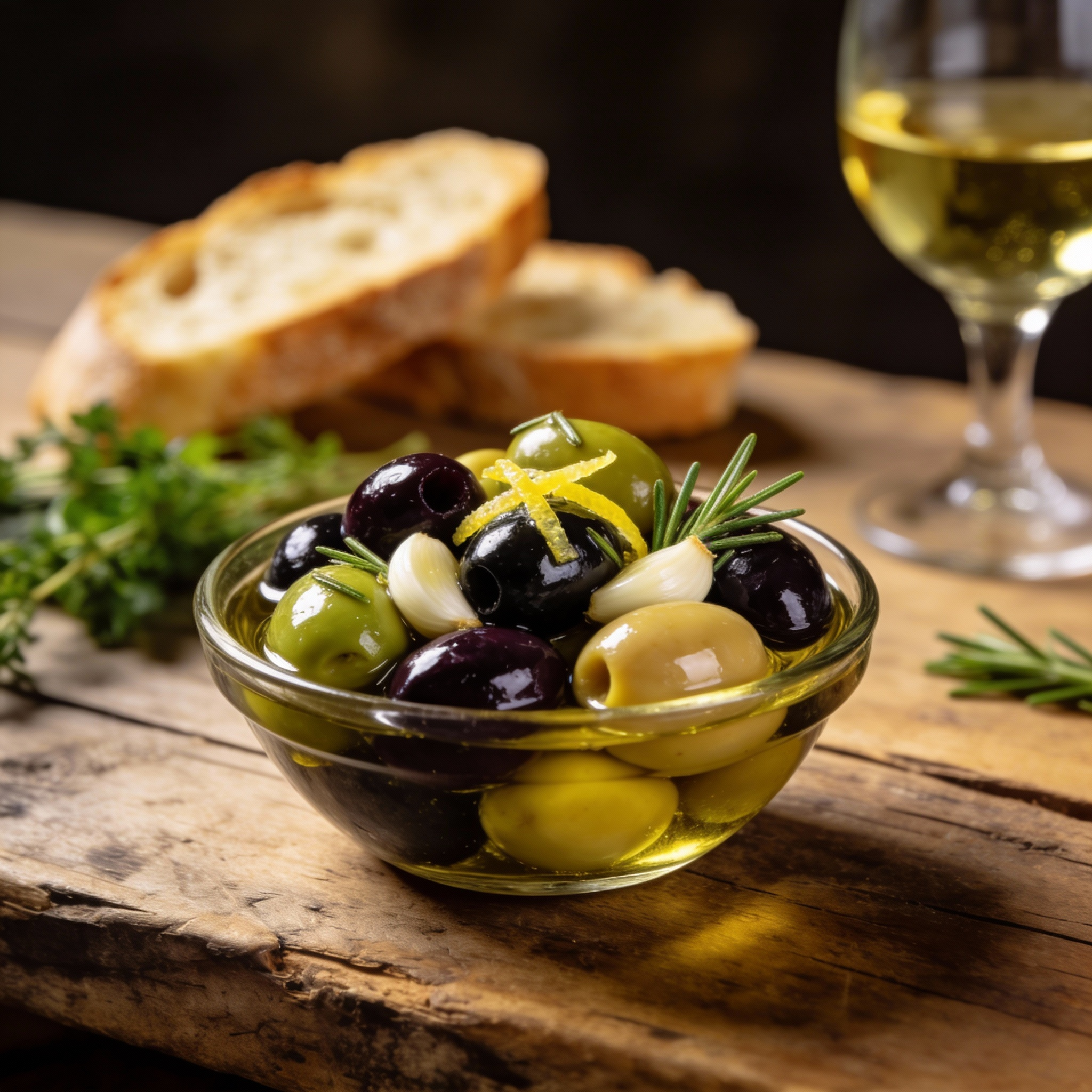
Jump to Recipe
I keep a pan ready for evenings when friends drift over and the kitchen fills with small, honest smells — warm oil, torn herbs, a bright slice of lemon. I like the slow bloom of garlic and fennel in gentle heat; it wakes the olives and makes the whole kitchen feel like company is already seated at the table.
Choose brine-packed fruit for depth, or pitted if you want easier eating. I reach for a good extra-virgin olive oil and a mix of varieties — that contrast in texture and color makes the appetizer sing. A short rest lets the flavors settle; serve warm or at room temperature with crusty bread or cheese.
Key Takeaways
- Gently warm oil with garlic and spices so the garlic won’t brown.
- Use brine-packed fruit for better flavor; pitted for convenience.
- Add lemon at the end to brighten without cooking the citrus.
- High-quality extra-virgin olive oil makes a clear difference.
- Let the bowl rest briefly — the flavors deepen with time.
Your new go-to appetizer: bold flavor, minimal effort
When I warm oil with garlic and fresh herbs, the aroma opens like a door. I do this because fat carries aroma. Olive oil pulls flavor from zest, herbs, and cloves and carries it straight into the fruit.
Keep the heat low. One to three minutes is usually enough until you see gentle sizzling and smell the fragrance. Stop before any garlic browns; browned garlic tastes bitter. Whole, smashed cloves give a slow, round release of garlic without the bite that minced can deliver.
I add lemon juice off the heat. Acid added last brightens the mix and keeps fresh herbs lively. This quick stovetop step warms the olives so the marinade penetrates faster. It saves time and gives depth that cold soaking often misses.
- Watch for scent, not color.
- Swirl the pan; oil distributes aroma evenly.
- Try it once — it becomes your easy weeknight appetizer go-to.
| Technique | Minutes | Why it works |
|---|---|---|
| Warm oil, low heat | 1–3 | Releases essential oils from herbs without browning garlic. |
| Longer gentle heat | 3–4 | Deeper infusion; use smashed cloves to avoid bitterness. |
| Cold soak | 30–60 | Good for hands-off time, but less immediate aroma. |
| Add citrus off heat | 0 | Preserves bright acid and fresh herb notes. |
Ingredients that make the marinade sing
I start by choosing brine-packed olives and a bottle of extra virgin olive oil I’d happily dip bread into. Brine-packed fruit gives a clean base that welcomes other ingredients. Pitted are convenient; unpitted hold more flavor.
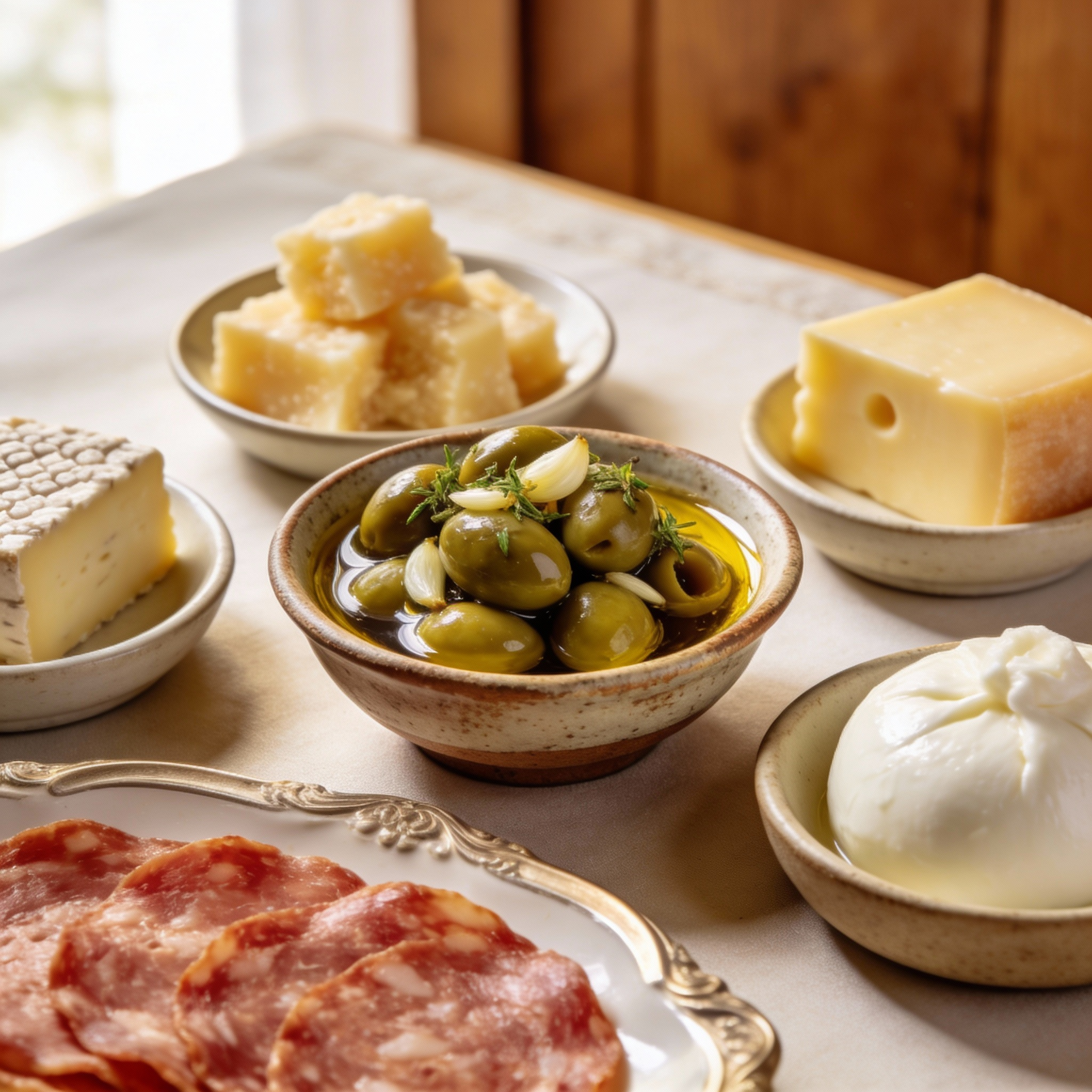
Olive choices and varieties
Mix sizes and colors for contrast. I like kalamata olives for depth, Castelvetrano for buttery snap, and a few Manzanilla for briny pop. Add Cerignola, Niçoise, or Gaeta for balance.
Oil, garlic, citrus, and herbs
Use about a generous cup of good oil; its fruitiness is the backbone. Smash 1–3 garlic cloves for a sweet, slow release. A teaspoon of lemon or orange zest lifts the bowl. Fresh herbs like rosemary and thyme add bright, green notes.
Heat, spice, and small accents
Finish with a pinch of red pepper flakes or a sliver of fresh red pepper. Toasted fennel or coriander seeds add warm anise notes. Optional: a splash of red wine vinegar or a spoonful of capers for tang.
- Brands to try: DeLallo olives and a reputable EVOO for the best pantry start.
- Pitted for ease; unpitted for the fullest flavor—offer picks if you go that route.
| Ingredient | Role | Suggested Amount | Why it matters |
|---|---|---|---|
| Kalamata | Depth & color | 1/2 cup | Meaty texture and rich flavor that anchors the mix. |
| Castelvetrano | Texture & brightness | 1/2 cup | Buttery snap and vivid green color for contrast. |
| Extra virgin olive oil | Carrier & flavor | 1 cup | Fruitiness and peppery finish—taste it straight first. |
| Garlic, zest, herbs | Aromatic backbone | 1–3 cloves; 1 tsp zest | Sensory lift: sweet garlic, bright citrus, and herbal memory. |
Step-by-step: how to make marinated olives like an Italian antipasto pro
Place a medium skillet over low heat and warm a third to one cup of olive oil. I want the oil soft and fragrant, not smoking; this is where aroma builds gently.
Gently warm the oil with garlic, herbs, and zest (don’t let garlic brown)
Add 1–3 smashed cloves, strips of lemon zest, fennel, and oregano. Swirl the pan and heat for about 1 minute until you smell the herbs. Or let it go 3–4 minutes on medium until the herbs sizzle—stop if any garlic starts to brown.
Toss in the olives, heat through, and finish with lemon juice
- Sprinkle a pinch of red pepper flakes or a sliver of fresh chili and a few peppercorns for gentle heat.
- Tip in the olives and toss so each piece is glossy; cook about 3 minutes to warm through.
- Lift the pan, squeeze in lemon juice, and simmer 30 seconds off the flame for a bright lift.
Serve warm or at room temp; stash the rest in the fridge
Taste and adjust salt, herbs, or flakes. Transfer to a bowl or jar and scrape in every drop of oil—that infused liquid is the prize. Serve warm, or let the bowl rest and enjoy at room temperature later.
| Step | Time | Why |
|---|---|---|
| Warm aromatics | 1–3 minutes | Extracts flavor without browning garlic |
| Heat olives | ~3 minutes | Helps the marinade penetrate |
| Add acid | 30 seconds | Brightens without dulling herbs |
marinated olives italian antipasto recipe
I keep this part simple so you know exactly what to expect. Plan on 5–10 minutes of active stove time and at least 30 minutes for the bowl to rest. That short wait makes a big difference in taste and texture.
Timing at a glance: 5–10 minutes to cook, 30 minutes to marinate
Quick on the heat, patient off it. The warm step takes a few minutes; then the mix should sit about thirty minutes to marry the flavors. If you pop the jar in the fridge, the oil firms—bring it back to room temperature or rewarm gently before serving.
What to expect in taste and texture
The fruit stays pleasantly firm with a tender bite. Olive oil coats each piece, carrying citrus, herb, and garlic notes across the palate. Expect layered flavors rather than blunt spice; add extra pepper flakes at the table if guests want more kick.
- Plan: 5–10 minutes active, ~30 minutes resting.
- Texture: firm yet supple; oil adds richness and a clean lemon finish.
- Serving tip: chill firms oil—let sit or rewarm before presenting.
- Keep ingredients high quality; that’s the trick for a reliable appetizer.
| Step | Minutes | Note |
|---|---|---|
| Warm aromatics | 1–3 | Low heat; don’t brown garlic |
| Heat with fruit | 3–7 | Coats with olive oil; quick penetration |
| Rest / chill | 30+ | Fridge firms oil; flavor mellows |
Smart swaps and flavorful variations
Swap one or two ingredients and you can steer the flavor from bright to smoky in minutes. Below are chef-tested options that keep the dish familiar while letting you play. Start small, taste as you go, and enjoy the discovery.
Spice dial
Fresh chili gives a green, lively heat. Use thin slices so the sting is immediate and bright.
Red pepper flakes are the classic, easy control—add a pinch and wait a minute to judge the burn. Smoked chili flakes bring a woodsy, sultry edge for deeper flavor.
Citrus and acid
Lemon zest and juice keep the bowl zippy. Orange peel adds sweetness and perfume for a rounder note.
For a sharper lift, try a teaspoon of red wine vinegar instead of lemon juice; it focuses the marinade without dulling the oil.
Seeds, brine boosters, and herbs
Fennel seeds echo cured meats, coriander brings citrus lift, and a pinch of cumin gives warm depth. Stir in a spoonful of capers for briny pops.
Use dried oregano for comforting, familiar aroma. Fresh rosemary and thyme add resinous, piney notes—tuck sprigs into the warm oil and remove if you want subtler taste.
- If someone is garlic-shy, warm whole cloves and fish them out before serving.
- Leave citrus strips wide for slow perfume or microplane zest for quick infusion.
- Always start with small amounts; it’s easier to add more flakes or vinegar than to fix excess.
| Swap | What to use | Effect on flavor | Chef tip |
|---|---|---|---|
| Heat | Fresh chili / red pepper flakes / smoked chili | Bright / classic / smoky | Slice fresh chili thin; add flakes last and taste |
| Acid | Lemon zest/juice / orange peel / red wine vinegar | Zippy / sweet-perfume / tangy focus | Use 1 tsp vinegar for sharp lift; zest for aroma |
| Seeds & brine | Fennel, coriander, cumin, capers | Sausage-like / lemony lift / warm depth / briny pops | Lightly toast seeds to unlock oils |
| Herbs | Dried oregano / fresh rosemary / thyme | Comforting / resinous / herbal | Tuck sprigs in hot oil; remove for subtlety |
Quality matters: choosing olives and oil
Good pantry choices make the difference between a so-so nibble and a dish that people ask about twice. I pick components that will sing together: a clean brine, a lively oil, and herbs that stand up to warmth.
Pitted vs. unpitted: convenience vs. maximum flavor
Pitted olives are easy to eat and perfect for quick parties or pasta salads. Guests can grab and go without fuss.
Unpitted fruit holds more juice and delivers fuller flavor when warmed. If you want the deepest taste, choose whole, unpitted pieces like kalamata olives and let them shine.
Brine-packed vs. oil-packed: why brine is best for this dish
I favor brine-packed jars. Brine keeps the base clean so your warm marinade can build on it. Avoid oil-packed containers that carry pre-flavored oils; they can muddy the final balance.
Mixing varieties for depth and color on your board
Blend dark and green fruit for contrast. A mix of sizes and textures makes a simple spread look artisanal and taste layered.
- Use a quality extra virgin olive to lift the whole bowl—its fruit and pepper notes matter.
- Tuck whole sprigs of rosemary and thyme into the jar for slow aromatics.
- Add a few whole peppercorns for gentle spice and a pretty finish.
- Taste before you marinate: if you love them plain, you’ll adore the warmed result.
| Choice | Best for | Why |
|---|---|---|
| Pitted | Casual snacks, salads | Fast, no pits to worry about |
| Unpitted | Maximum depth | Holds brine and oil for fuller flavor |
| Brine-packed | Warming & marinating | Clean base that accepts seasoning |
| Extra virgin olive | Finishing & carrying aromas | Fruit, pepper, and a subtle bite that balances richness |
Make-ahead, storage, and reheating
You can make this a day ahead and save yourself fuss before guests arrive. I often jar the mix the night before so flavors settle and I can focus on company, not cooking.
Refrigeration window and why oil solidifies
Once cool, transfer the fruit and all the infused oil to a clean sealed jar. Store in the fridge for up to two weeks; that window keeps safety and flavor in balance.
It’s normal for the olive oil to solidify in the cold. Fat firms when chilled but it will return to liquid at room temperature with no loss of quality.
Best way to rewarm without turning garlic bitter
To serve, rewarm gently over very low heat for a few minutes. Alternatively, nudge the jar in the microwave for a quick 20–30 seconds—watch for hot spots so the garlic does not scorch.
- Keep the marinade with the fruit; that liquid keeps developing flavor as it sits.
- If you’ll reheat more than once, leave cloves whole so they infuse without burning later.
- Always use a clean spoon and seal the jar tightly to protect aroma and freshness.
- Leftover oil makes a lovely drizzle for roasted vegetables or a cup of warm bread dipping.
| Item | Guideline | Why it matters |
|---|---|---|
| Storage | Up to 2 weeks in fridge | Safety and steady flavor |
| Fridge behavior | Oil solidifies; returns at room temp | No quality loss; patiently revive |
| Rewarm | Low heat for minutes or 20–30 seconds microwave | Prevents garlic from browning |
| Party tip | Jar night before; bring out ahead of aperitivo | Silky texture, ready to serve |
How to serve: antipasto board ideas that wow
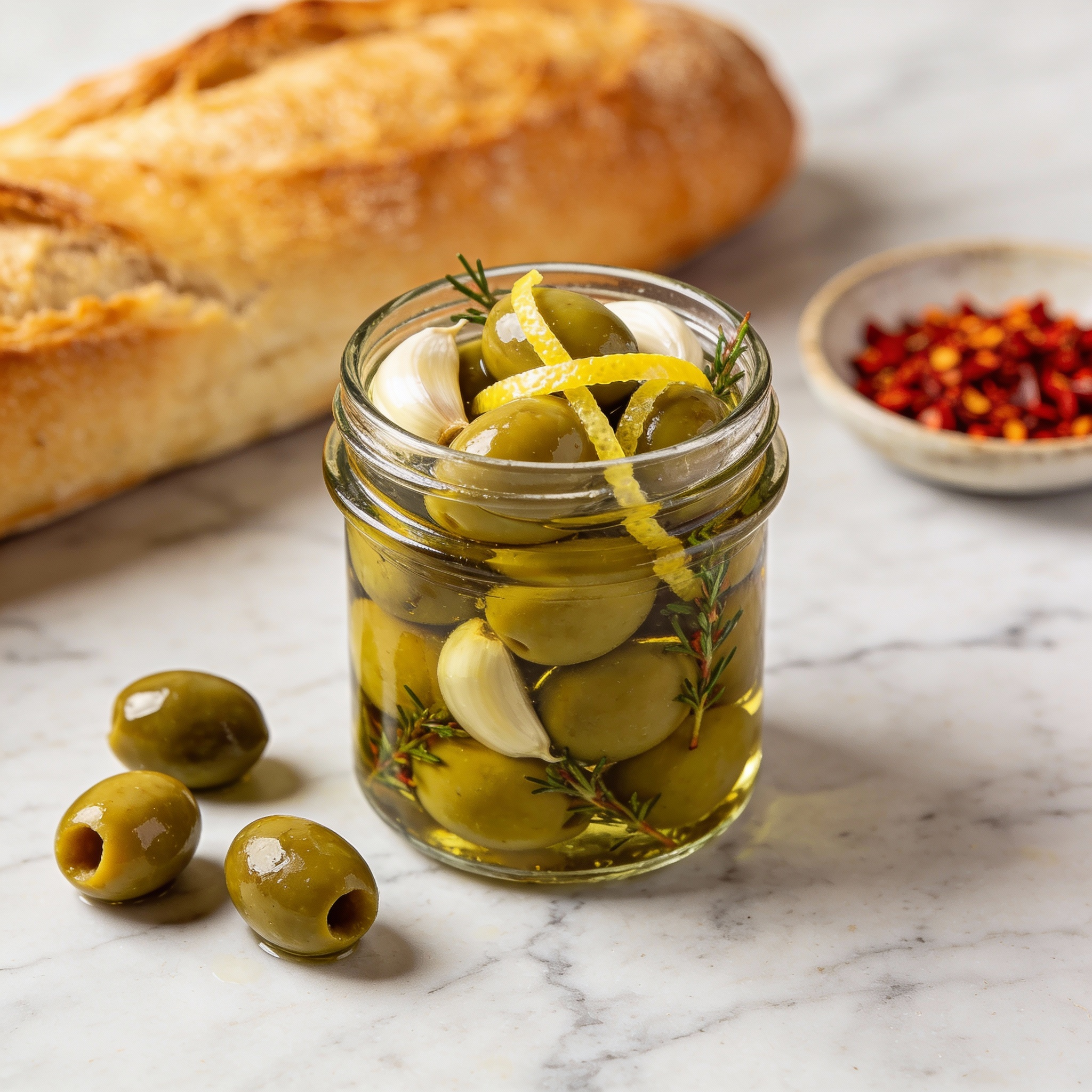
I set a warm bowl on the table and build the rest around it. Guests love composing bites, so I keep components simple and bold. Small plates, big flavor.
Pair with cheeses, salami, and crusty bread for soaking up the oil
I arrange cheeses like pecorino, aged provolone, and fresh mozzarella in groups so people can compare textures. Add thin slices of salami or saucisson sec for savory chew.
Place a pile of thick crusty bread nearby — the infused oil is made for dipping. A warm bowl beside the bread encourages everyone to reach and share.
Add to charcuterie, mezze, or pasta salads; pair with wine
Spoon several pieces over ricotta- or feta-topped toast, then drizzle a little olive oil from the jar. Tuck a handful into pasta salads with sun-dried tomatoes and arugula for bright contrast.
For a mezze spread, set hummus, grilled vegetables, and marinated artichokes close by. Keep a small jar of red pepper flakes and a sliver of red pepper on the side for guests who want heat.
- I love pouring Italian wine — a zippy Verdicchio or Soave for whites, or a light Chianti for reds — to refresh the palate.
- Spooned onto ricotta or feta toast, the kalamata olives make an effortless, luxurious bite.
| Cheese | Wine | Why |
|---|---|---|
| Pecorino | Chianti | Salt and fat meet bright red fruit to cut richness. |
| Fresh mozzarella | Soave | Delicate milkiness pairs with zesty, citrus notes. |
| Aged provolone | Verdicchio | Firm texture stands up to herb and oil flavors. |
Bringing it all together for your next aperitivo
A warm bowl, good bread, and a glass of wine make a quick gathering feel special. You now have a reliable marinated olives recipe that fits your entertaining rhythm—little time on the stove, big charm on the table.
The heart of this recipe is simple: quality extra virgin olive oil, gentle heat, and fresh herbs. Let the marinade bloom, then let the olives speak for themselves.
Try small variations: a strip of orange peel, a hint of red wine vinegar, or a pinch of flakes and cracked pepper. The dish scales easily—double the oil, keep the pan gentle, and season to taste.
Taste as you go, trust your palate, and enjoy sharing the moment. Pour a glass and have fun—when you want more recipes, I’ll be here with new ideas.
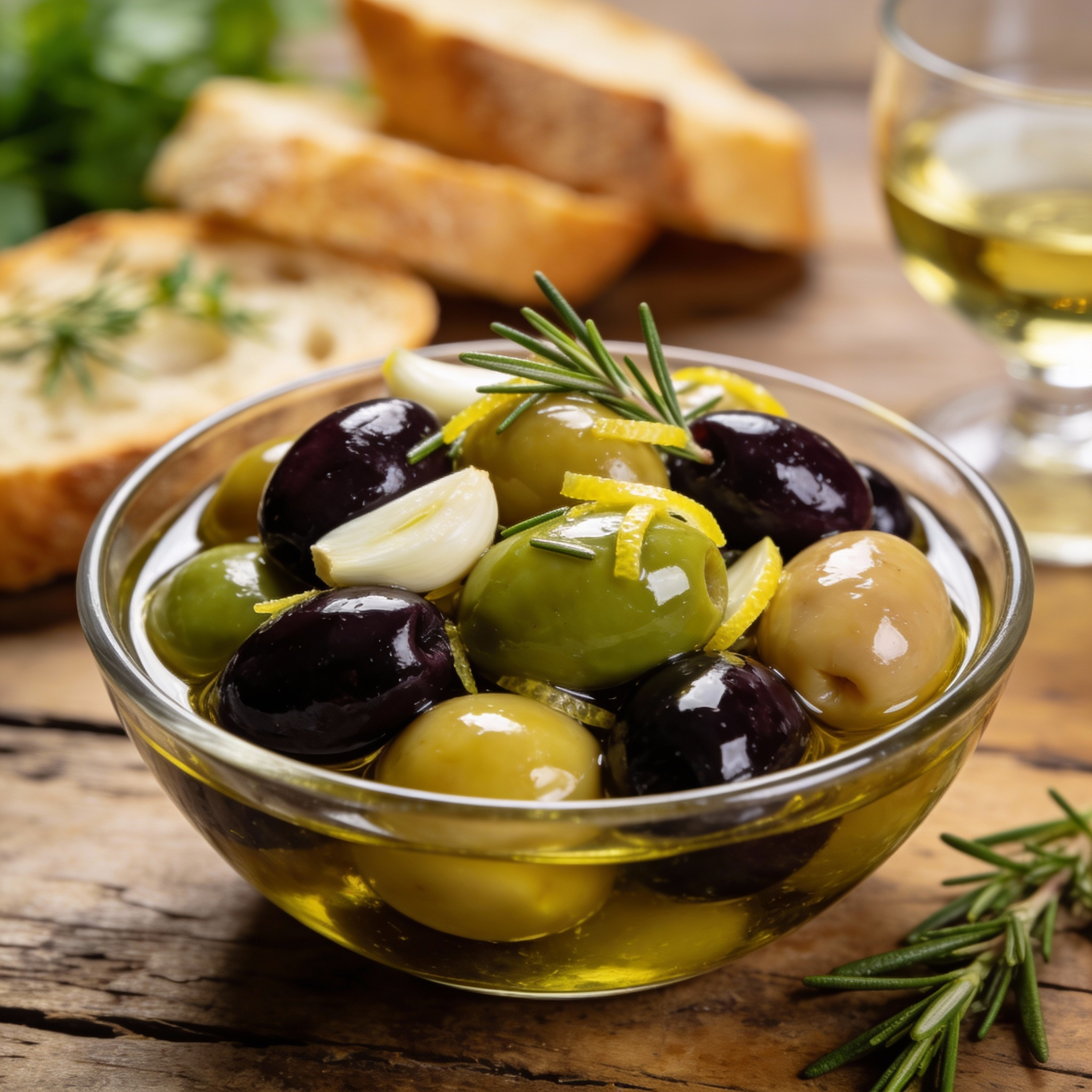
Marinated Olives with Garlic, Herbs, and Lemon
Ingredients
Method
- Place a medium skillet over low heat and add about 1 cup of extra virgin olive oil.
- Add 1-3 smashed garlic cloves, fresh rosemary or thyme, and a strip of lemon zest. Warm them gently for 1-3 minutes until you smell the herbs. Avoid browning the garlic.
- Add your choice of olives (Kalamata, Castelvetrano, and Manzanilla) into the warm oil. Toss them gently so each olive gets coated with the oil mixture.
- Heat for about 3-5 minutes, stirring occasionally, until the olives are warmed through.
- Off the heat, squeeze fresh lemon juice over the olives and stir to combine.
- Optionally, add a pinch of red pepper flakes or fresh chili for a bit of spice.
- Transfer the olives to a bowl or jar and let them rest for 30 minutes to allow the flavors to develop.
- Serve warm or at room temperature with crusty bread or cheese. Store leftovers in the fridge for up to 2 weeks.
Notes
- You can adjust the number of olives depending on the serving size, or swap out some for your preferred varieties.
- To enhance the flavor, let the olives sit overnight in the fridge.
- The oil will solidify in the fridge, but it will return to liquid at room temperature. If reheating, do so gently to avoid burning the garlic.