
Jump to Recipe
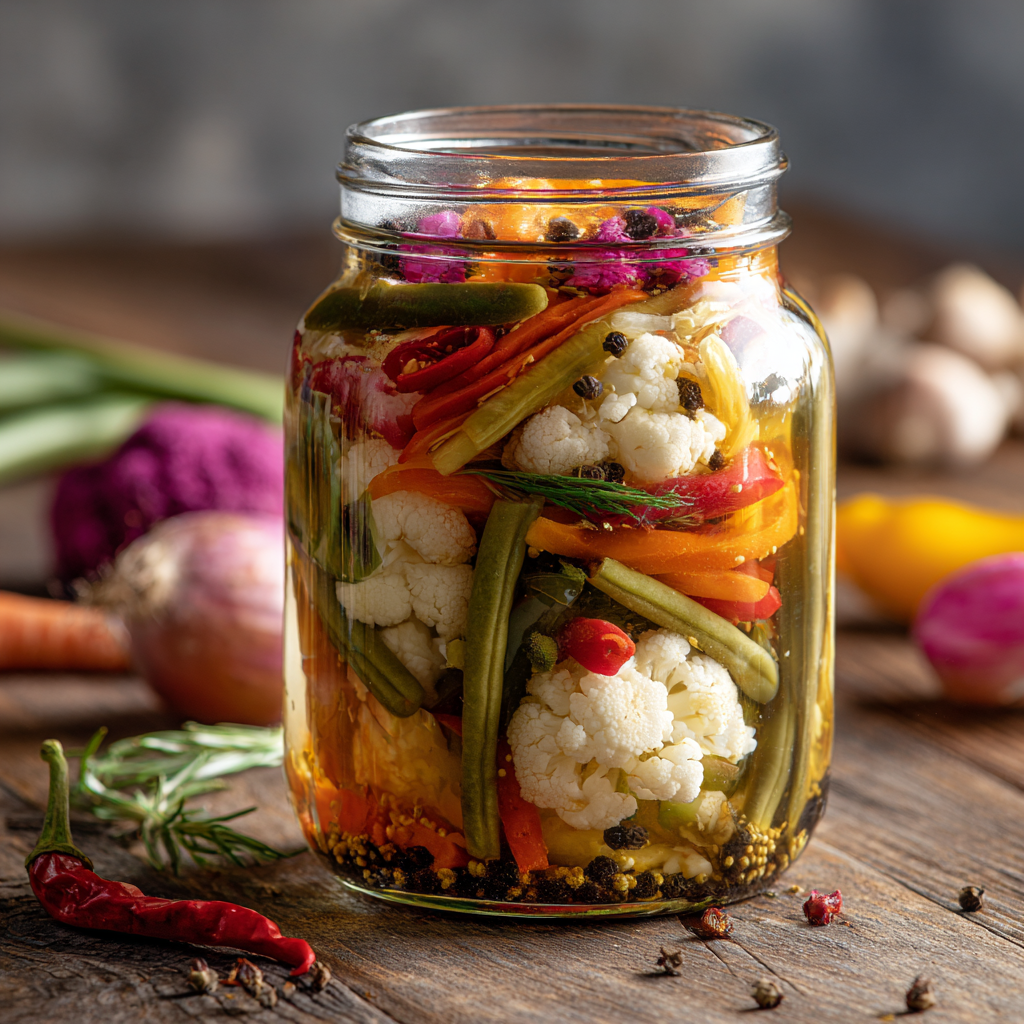
I make this giardiniera italiana sott’aceto recipe when markets overflow with bright vegetables; the vinegar and white wine bath keeps color and crunch while letting each pepper and cauliflower speak for itself.
In my kitchen I layer vegetables by firmness and simmer them briefly in equal parts white wine and vinegar with salt, a pinch of sugar, peppercorns, and bay leaves so every jar turns out crisp-tender. Sterilized jars and clear timing mean safe, shelf-ready preserves that shine on salads, with cured meats and cheeses, or folded into weeknight sandwiches.
My method is practical: stagger the cook times, cool everything before packing, and process jars for longer storage. You’ll get bright aromatics, a clean finish, and a reliable post you can return to each season—plus tips to customize with what’s best at the market.
Key Takeaways
- Use equal parts white wine and vinegar for balanced flavor and color retention.
- Cut and cook vegetables by hardness so carrots stay crisp-tender and onions keep their snap.
- Sterilize mason jars and cool brine completely before packing to ensure safety.
- Process jars in a water bath for longer storage; otherwise refrigerate for immediate use.
- This versatile jarred pickled vegetables mix pairs well with salads, meats, and cheeses.
Why this giardiniera tastes like Italy, not just “pickled vegetables”
I aim for a bright, clean bite. A simple white wine vinegar and water brine keeps flavors vivid and textures crisp. That balance is central to an italian pickled approach.
Vinegar-forward preservation uses acidity to limit spoilage. Sott’olio, by contrast, uses oil to block air and add richness. They both work, but they change the mouthfeel.
How vinegar and oil preserve differently
Vinegar brightens and sharpens. It lets the vegetables sing while peppercorns and bay play a subtle supporting role. Oil softens and rounds flavors, lending a silkier finish.
Italian-style vs. Chicago-style
My italian giardiniera simmers vegetables in equal parts wine vinegar and water with salt, a touch of sugar, peppercorns, and bay. I add veggies by hardness so everything stays crisp-tender.
- Chicago-style tends toward heavy garlic, oregano, olives, and red pepper flakes.
- My jars focus on clarity, not heavy spices or oil.
- Keep a few jars on hand for quick antipasti or to lift sandwiches and salads.
What you’ll need: vegetables, jars, and the classic white wine vinegar brine
Before you shop, I like to list the sturdy vegetables that hold up to hot brine and keep a real crunch. That way you know exactly what ingredients to buy and which jars to set aside.
Core veggies that stay crisp-tender
I reach for cauliflower, carrots, celery, spring onions, green beans, bell peppers, and cucumbers. These vegetables hold texture and absorb flavor without turning soft. Cut everything to similar bite-size pieces so cooking and packing stay even.
Pickling liquid essentials
For about 1 kilo of vegetables you’ll need 750 ml white wine vinegar and 750 ml water. Season with a generous pinch of salt and sugar, cracked peppercorns, and 1–2 bay leaves. Optional aromatics like juniper berries (3–4) and cloves (3–4) add depth if you want them.
Optional aromatics and spices
Coriander seeds, mustard seed, and dried oregano are subtle additions. Use them sparingly so the vegetables remain the stars.
Jars and gear
Sterilize mason jars in boiling water for 10 minutes or run them through a dishwasher sanitizing cycle. A canning pot or deep stockpot, a skimmer, and a colander will make the process calm and safe. Keep a clear workspace so you can move hot brine and packed jars without rush.
- Tip: Aim for uniform cuts and bite-size pieces for the best texture.
- Tip: Label jars with date and contents before storing.
| Item | Purpose | Quantity / Guideline | Quick Tip |
|---|---|---|---|
| Cauliflower, carrots, celery | Core vegetables | About 1 kg total | Cut to 1″ pieces for even cook |
| White wine vinegar + water | Brine base | 750 ml each per 1 kg veg | Bring to simmer, then cool before jarring |
| Mason jars | Storage & canning | Clean, sterilized; lids & rings | Boil 10 minutes or use sanitizing cycle |
| Spices & gear | Flavor & handling | Peppercorns, bay, optional cloves/juniper | Keep spices light to preserve clarity |
Giardiniera italiana sott’aceto recipe: step-by-step for perfect crunch
To get perfect crunch, I add vegetables in waves, matching firmness to timing and keeping the process calm. This keeps textures bright and flavors clear.
Prep for even texture
Cut everything into bite-size pieces so each forkful feels balanced. Group firmer vegetables—cauliflower, carrots, and pearl onions—so they enter the pot first.
Simmer, not boil: timing for crisp-tender vegetables
Bring equal parts wine vinegar and water with salt, a pinch of sugar, cracked peppercorns, and a bay leaf to a gentle simmer. Do not boil.
Add cauliflower and carrots first and simmer 3–4 minutes. Let the pot return to temperature before the next addition. Add green beans, spring onions, celery, bell peppers, and cucumbers in waves, allowing another minute or two per batch so all veggies finish crisp-tender.
Cool the vegetables and the liquid completely
Use a skimmer to lift the vegetables to a colander. Drain and spread them on a tray so steam escapes fast. Strain and reserve the bright cooking liquid and let it cool completely while the vegetables cool completely on the tray.
Fill, top with liquid, and let flavors meld
Sterilize your jars for 10 minutes while things cool. Pack vegetables loosely, pour the cooled liquid to cover, wipe rims, and close each jar snugly.
- Chill the jars in the refrigerator and let cool for at least a day; two days develops better harmony.
- Label jars with date and keep a small jar up front for quick snacks or salads.
| Step | Time | Tip |
|---|---|---|
| Firm veg (cauliflower, carrots) | 3–4 minutes | Start here so they stay crisp |
| Softer veg (celery, peppers) | 1–2 minutes | Add after pot returns to simmer |
| Jarring & cooling | Sterilize jars 10 minutes | Use cooled liquid to avoid steam pressure |
Canning, storage, and serving: from safe jars to antipasti and salads
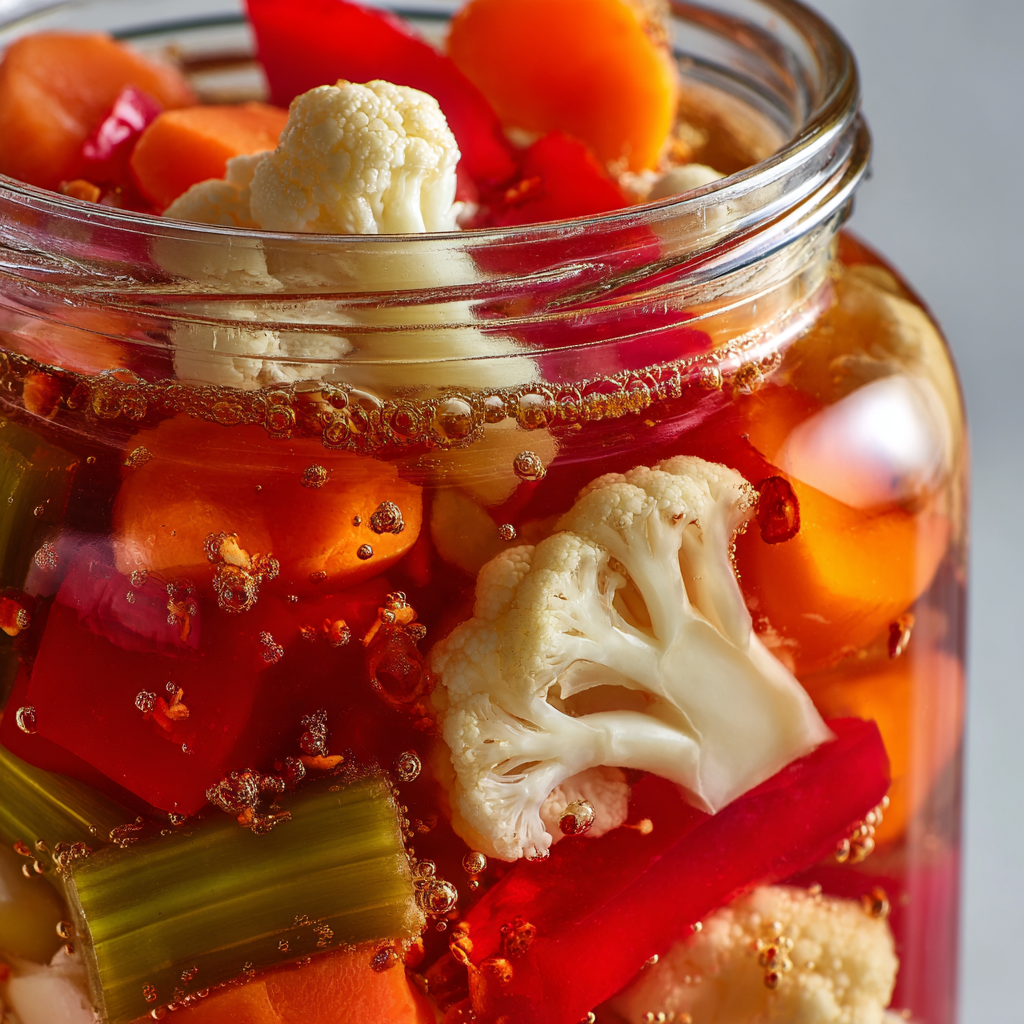
Start here: safety matters—clean jars and steady water baths keep flavor and food safe.
Jar safety 101
Sterilize jars by boiling them for 10 minutes and keep them warm. Fill warm jars, leave a modest headspace, and wipe rims clean so lids seal properly.
For shelf stability, submerge jars in a pot of boiling water and process for about 20 minutes. Use a rack or towel under the jars so they don’t rattle or crack.
How long it keeps
After processing, cool jars completely at room temperature and check seals before storing in a cool, dark place. For refrigerator batches, skip the canner and plan to enjoy the jars within days up to 1–2 months depending on salt and acidity.
Serving ideas and flavor variations
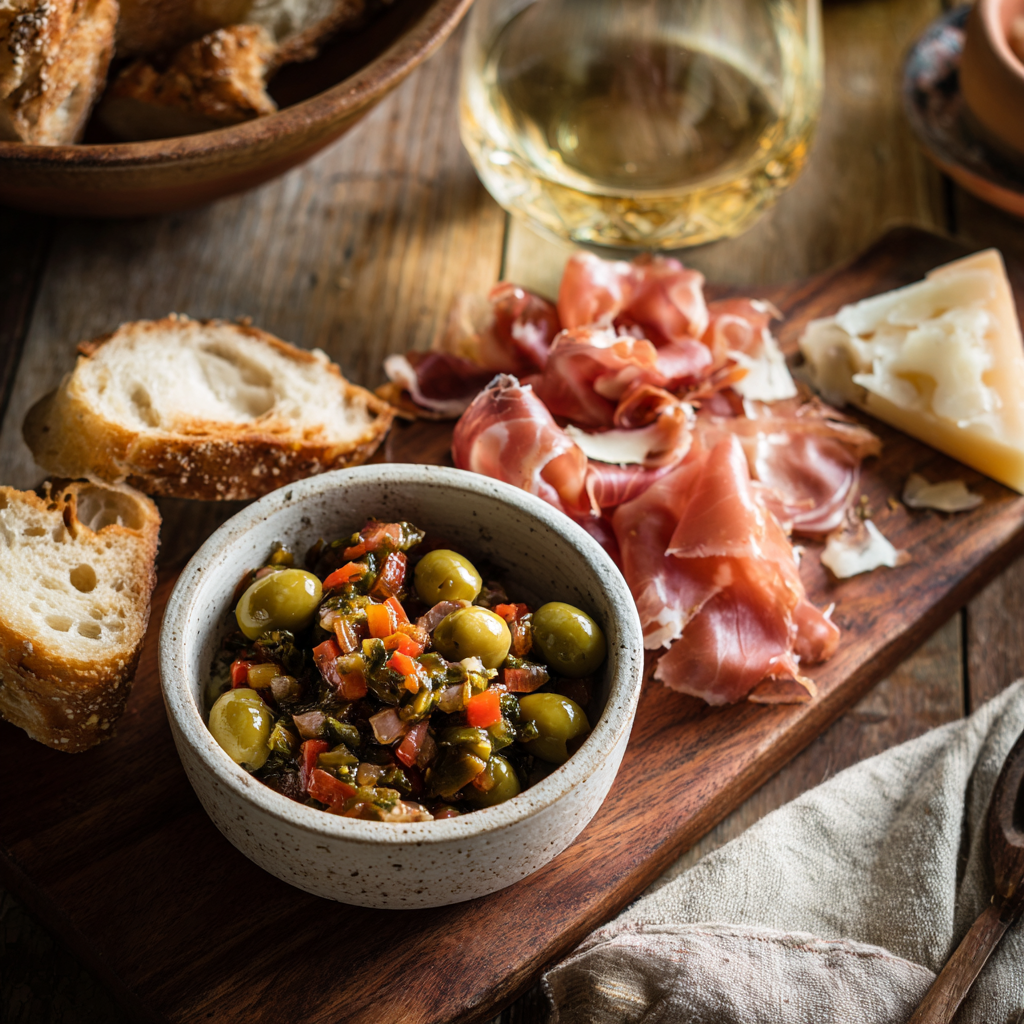
- Serve on antipasto boards with cheeses and cured meats or beside grilled meats for a bright contrast.
- Stir a spoonful into rice or potato salads, or top sandwiches and grain bowls for crunch and zip.
- To vary flavor, add a light top of extra-virgin oil, a dried chile for heat, or a touch of sweetness for an agrodolce note.
| Action | Timing | Tip |
|---|---|---|
| Sterilize jars | Boil 10 minutes | Keep jars hot until filling |
| Water-bath canning | Boil ~20 minutes | Jars must be fully covered by water |
| Refrigerator storage | Days to 1–2 months | Use small jar for frequent use |
Conclusion
Treat the jars as a small practice in restraint: measured liquid, a few aromatics, and patient cooling yield the best flavor. I keep the method simple so you can repeat it often across recipes and meals.
Simmer equal parts white wine and white wine vinegar with salt, peppercorns, and bay. Add cauliflower, carrots, celery, green beans, bell accents, and spring onions by firmness. Give delicate pieces another minutes at most so crunch and color stay bright.
Let everything cool completely before you pack jars and taste the liquid as it warms to adjust seasoning. Label and store or process for longer keeping. With that rhythm, italian pickled vegetables become an easy, reliable habit in the kitchen.
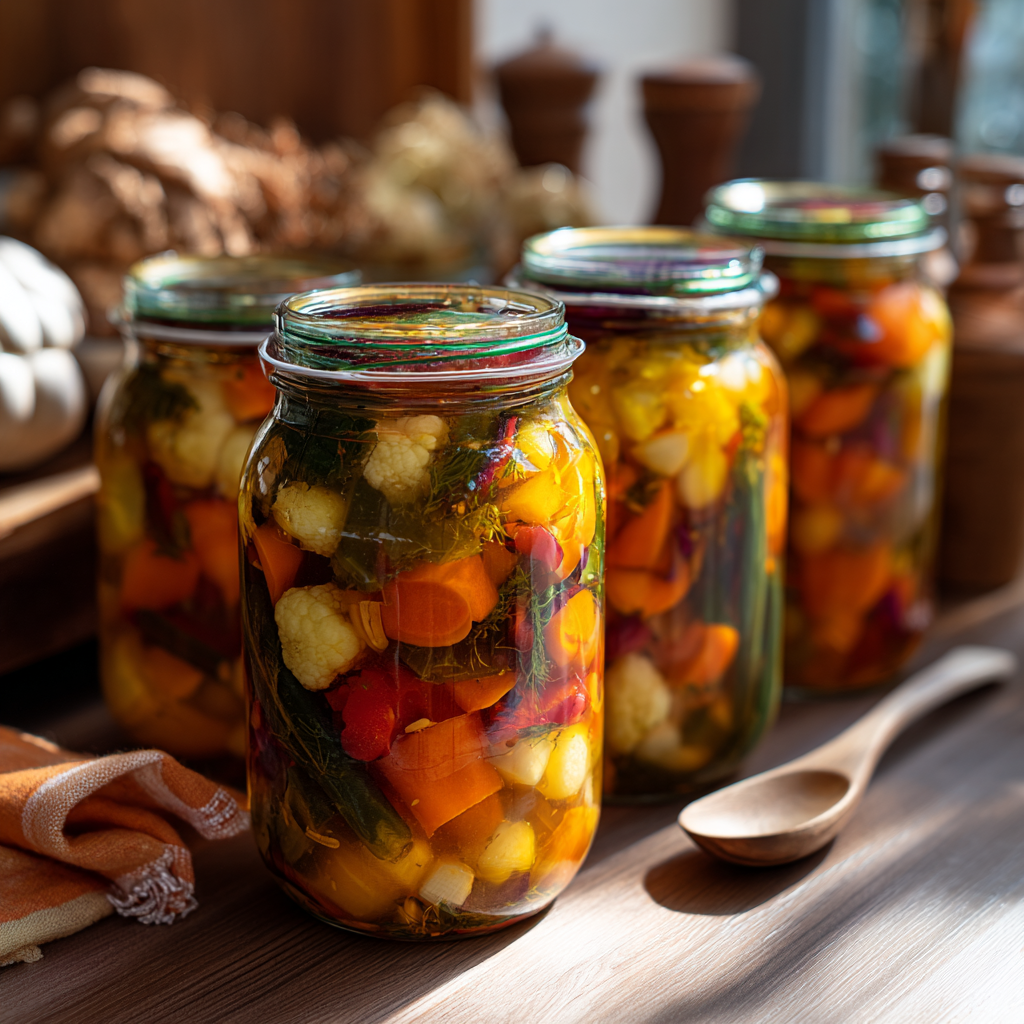
Giardiniera Italiana Sott’Aceto (Italian Pickled Vegetables)
Ingredients
Method
- Wash and cut all vegetables into bite-size pieces. Group by firmness—keep cauliflower, carrots, and onions together; softer ones like peppers, celery, and beans separate.
- In a large pot, combine white wine vinegar, water, salt, sugar, peppercorns, and bay leaves. Add optional aromatics if desired. Bring to a gentle simmer—do not boil.
- Add cauliflower, carrots, and onions. Simmer gently for about 3–4 minutes until just tender but still crisp.
- Add celery, peppers, and green beans. Simmer another 1–2 minutes, keeping everything bright and crisp-tender.
- Remove vegetables with a skimmer and spread them on a tray to cool. Strain and save the brine, letting it cool completely too.
- Boil clean jars and lids for 10 minutes, or run them through a dishwasher sanitizing cycle.
- Pack cooled vegetables loosely into jars. Pour in the cooled brine to fully cover. Leave a small headspace at the top. Wipe rims and seal tightly.
- Process jars in a boiling water bath for 20 minutes to make them shelf-stable.
- If refrigerating, skip this step.
- Let the jars rest at least 48 hours (better after a week) before eating to let the flavors meld.
Notes
- Cool both vegetables and brine before sealing to keep them crisp.
- Always sterilize jars for safety.
- Store in a cool, dark place if processed, or refrigerate for up to 1–2 months.
- For a twist, add a little olive oil on top when serving (not for storage).
- The key is balance: bright acidity, light seasoning, and just a touch of sweetness.