
Jump to Recipe
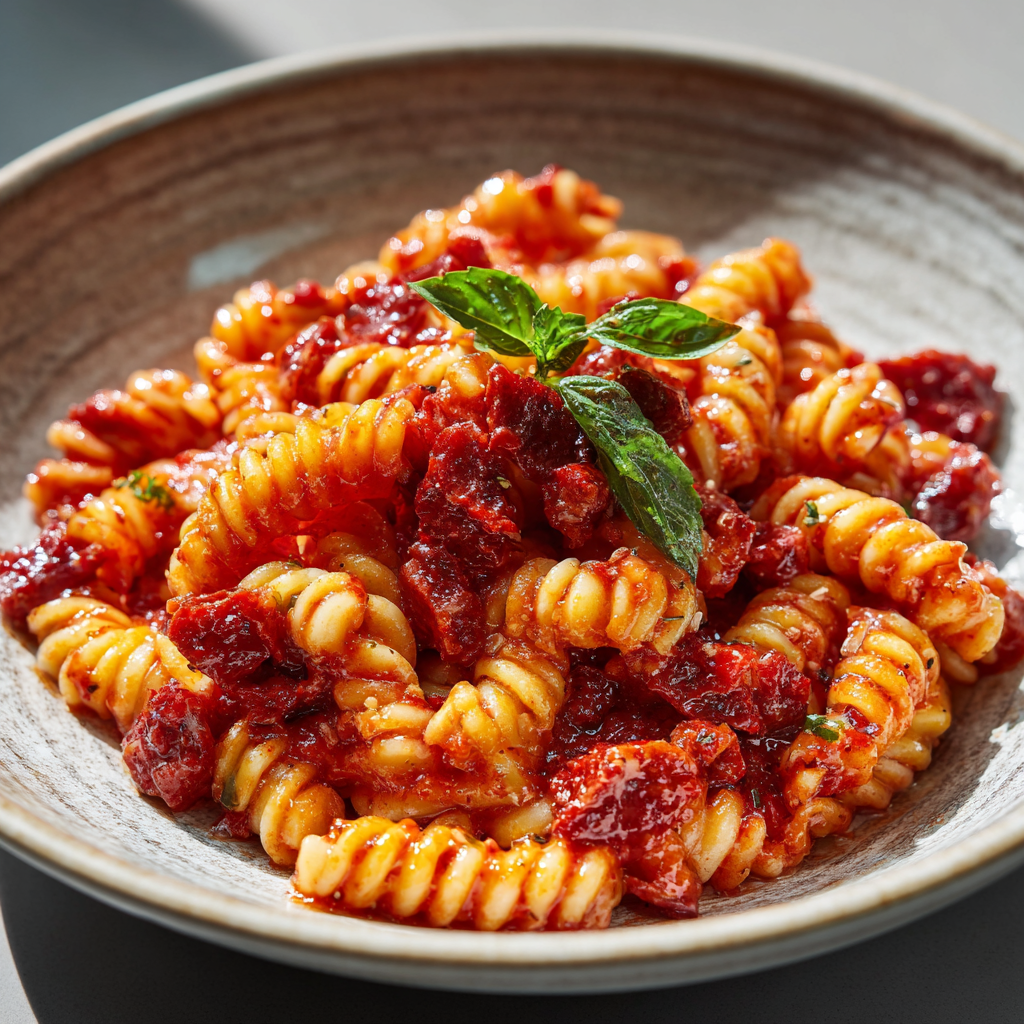
I grew up in a kitchen where this fileja pasta recipe calabria filled the air with tomato, fennel smoke, and a little heat from peperoncino; my nonna fed us stories while she twisted dough into sharp spirals that trap sauce like tiny spoons.
Today I share that Sunday dish with practical timing and honest swaps so home cooks in the U.S. can reproduce the same bite. The twist of the short tubes pulls in guanciale, soppressata, dried porcini, and caciocavallo, and if you can’t find the exact shape, rigatoni or other short tubes work well.
I’ll show when to deglaze—some of us use a splash of whiskey for depth—and why extra virgin olive matters for finishing rather than high heat. Leftovers reheat or bake beautifully, so you can plan ahead without losing the glossy, clingy texture that makes this traditional pasta feel celebratory every time.
Key Takeaways
- This family method balances tomatoes and passata for steady, reliable flavor.
- Spiral shapes grip sauce; substitute short tubes like rigatoni if needed.
- Add fat at the right moment; finish with extra virgin olive for aroma.
- Deglazing with whiskey is optional but adds savory depth.
- Scale and reheat easily—bake leftovers with cheese for a crisp top.
From my Calabrian kitchen to yours: the story behind this spicy, soulful dish
In my childhood kitchen, the clack of a slender iron and the smell of simmering tomato meant Sunday was coming. Those sounds and scents taught me how form, heat, and simple ingredients build comfort.
Why this pasta holds a special place in my family table
I watched relatives wrap flour-and-water ropes around a thin ferro so fast it looked like a dance. We always served a glossy tomato base with cured meat and a touch of peperoncino. That plate signaled gatherings, stories, and long afternoons at the table.
What makes fileja uniquely Calabrian: shape, feel, and sauce-catching twists
Originating around Vibo Valentia, the shape is practical: elongated spirals trap chunky sauce and small bits of meat and porcini. The dough has no eggs, so the chew is springy and true to traditional pasta from the region.
- The iron-created twist increases surface area so each forkful carries tomato, meat, and basil together.
- It pairs naturally with spicy ragùs, guanciale or soppressata, and aged cheese for balance.
Ingredients that taste like Calabria, plus smart swaps you can find in the U.S.
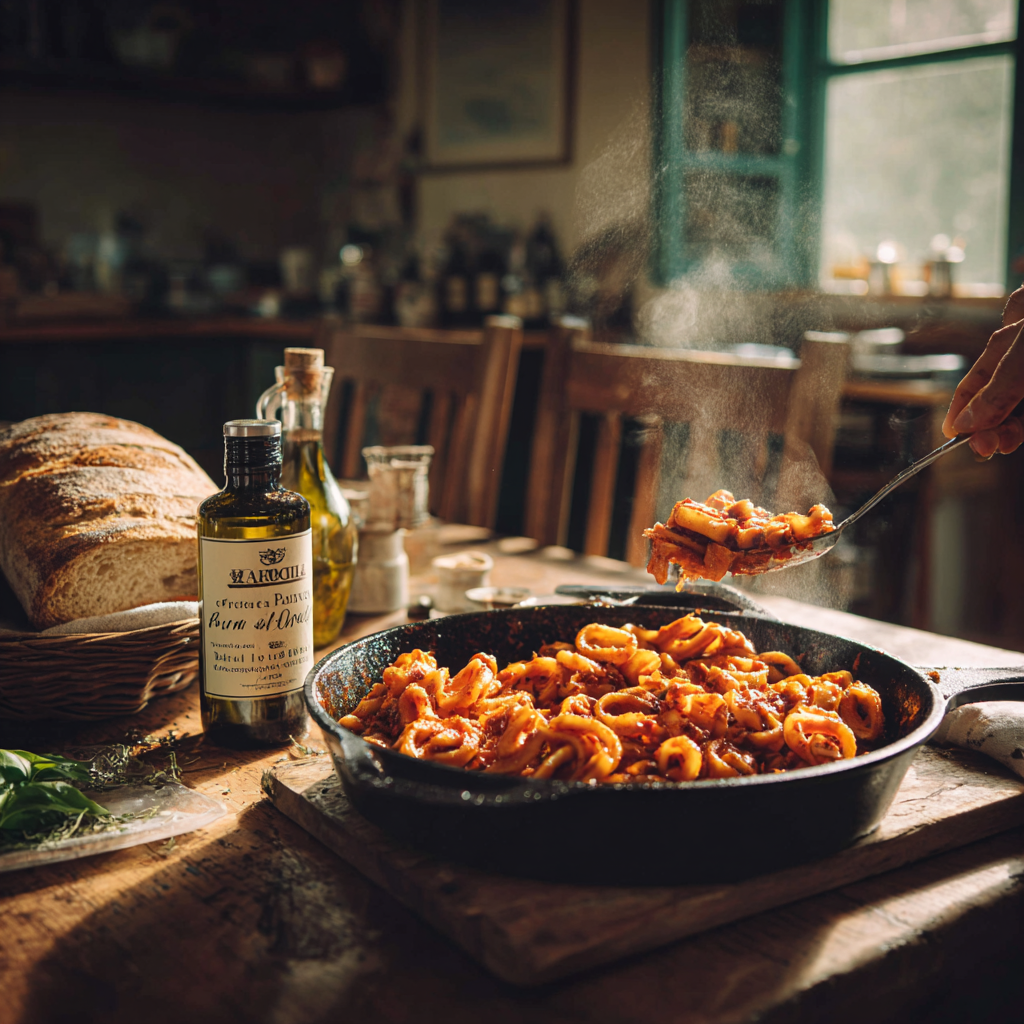
I keep a small list of essentials that recreate the sun‑warmed flavors of home from American grocery aisles. Focus on balance: bright tomato, savory cured meat, and a finishing oil and herb that lift the whole dish.
The pantry list
Use fileja pasta or short tubular shapes with ridges so the sauce grips. For tomatoes, I like a 50/50 mix of peeled tomatoes and passata; if you use only passata, increase volume by about 50% so the sauce stays lush. Finish with fresh basil and a drizzle of extra virgin olive oil.
Cheese and meat choices
Guanciale is ideal for its rendered fat, but pancetta or even bacon will work. Soppressata or a good spicy italian sausage adds peppery depth. Caciocavallo melts beautifully; provola, provolone, or mozzarella are fine substitutes.
Mushrooms, heat, and depth
I use dried porcini when fresh or frozen aren’t available—soak and add the strained soaking water for umami. Add peperoncino or chili pepper and a splash of whiskey to deglaze and deepen the sauce. Taste for salt after simmering since cured meat and cheese already season well.
- Cook with a neutral amount of olive oil and finish with virgin olive for brightness.
- Ask a butcher for coarsely ground italian sausage if soppressata is hard to find.
| Ingredient | Ideal | U.S. Swap |
|---|---|---|
| Short pasta | Fileja | Rigatoni or other ridged tubes |
| Tomatoes | Peeled tomatoes + passata | San Marzano peeled + canned passata (50/50) |
| Meat | Guanciale / Soppressata | Pancetta or spicy sausage, browned well |
| Cheese | Caciocavallo | Provola, provolone, or mozzarella |
fileja pasta recipe calabria: step-by-step to an authentic, hearty plate
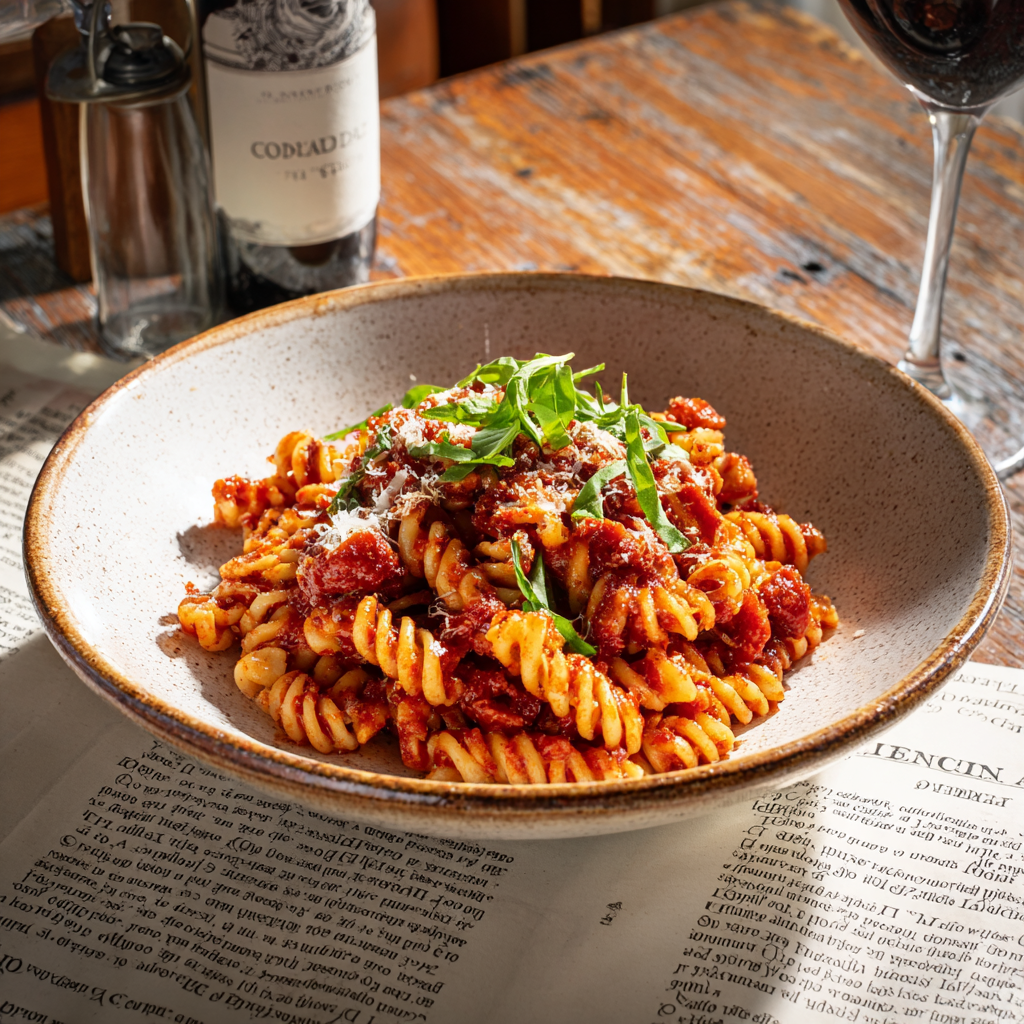
I’ll stand beside you at the stove and walk through each step. Follow timing and feel more than the clock. Small gestures make big texture differences.
If making fresh: flour-and-water dough
Mix flour with just enough water to form a firm ball. Knead 5–7 minutes until the surface looks smoother and a shade lighter.
Rest in the refrigerator, then bring to room temperature for about 30 minutes so the dough rolls without tearing.
Shaping with an iron (ferro)
Cut small pieces, roll short ropes, and spiral each around a thin iron. A whisper of flour keeps the dough from sliding; too much stops the grip.
Build the sauce and cook
Warm olive oil, render guanciale and soppressata over gentle heat until golden. Deglaze with a splash of whiskey, add peeled tomatoes, then passata and simmer until well incorporated.
Cook and finish
Bring a large pot of water to a rolling boil and salt it well. Cook pasta until al dente; reserve a cup of water.
Add pasta to the pan, toss over moderate heat for 1–2 minutes so the sauce clings. Stir in soaked porcini and a ladle of their liquid, fold in fresh basil and cubed cheese, then adjust salt, oil, and heat.
- Make dough — knead, chill, bring to room temperature.
- Shape quickly on the ferro with light flour.
- Render meats, deglaze, add tomatoes, simmer until emulsified.
- Boil, cook al dente, transfer to pan, finish with basil and cheese.
| Step | Key cue | Timing / notes |
|---|---|---|
| Dough | Smooth, slightly lighter surface | 5–7 minutes knead; 30 minutes at room temperature |
| Shaping | Light flour; quick spiral | Work in small batches; avoid overflouring |
| Sauce | Fat emulsified into tomato | Simmer 15–25 minutes until well incorporated |
| Finish | Pasta ready to drink the sauce | Toss 1–2 minutes in pan; add reserved water as needed |
Pro tips, storage, and serving: restaurant-quality results at home
A few simple cues tell you when dinner is approaching restaurant level. Watch for a glossy sauce that moves as one with the oil, smell the rendered meat, and taste along the way. These small checks save time and avoid a broken texture.
Timing and texture: how to balance spice, fat, and tomato for a silky sauce
Simmer just long enough to emulsify fat into the sauce. Finish in the pan for a couple minutes so starch and rendered oil bind without breaking.
Taste at every turn. If heat is too strong, calm it with a spoon of passata. If flavors are flat, add a pinch of salt and a thread of extra virgin olive oil.
Leftovers the Calabrian way
Cool to room temperature before sealing in an airtight container. Refrigerate for 3–4 days.
Reheat in short minutes bursts in the microwave, stirring between cycles to avoid hot spots. Or bake at about 356°F until bubbly, topped with pecorino or caciocavallo for a crisp surface.
What to serve with this dish
Keep sides simple: dressed greens, torn fresh basil, and a light drizzle of olive. A crisp Italian white lifts the plate.
- Hold sauce gently in a warm pan or large pot for serving so you can add pasta to order.
- If you use dried porcini, save a bit of the soaking water for reheating to boost aroma.
- Spicy italian or spicy sausage versions work well—build flavor in layers so the sausage complements the tomato.
Conclusion
Bring a pot, warm oil, and a patient hand — that simple set turns a Sunday memory into a plate anyone can make.
Follow each step with attention to water, salt, and gentle heat. Brown your sausage well, deglaze, then simmer until the sauce sings. If you have fileja pasta, use it; if not, pick a short pasta that holds sauce and treat it the same.
Keep a splash of reserved water to loosen the sauce. Use dried porcini for depth when fresh mushrooms aren’t on hand. Watch timing so the pasta ready to shine, finish with a drizzle of extra virgin olive, and toss in a warm pot for serving.
Watch a quick shaping video, repeat the motion step step, and cook with heart. With practice the dough, the rod, and the pan will reward you.
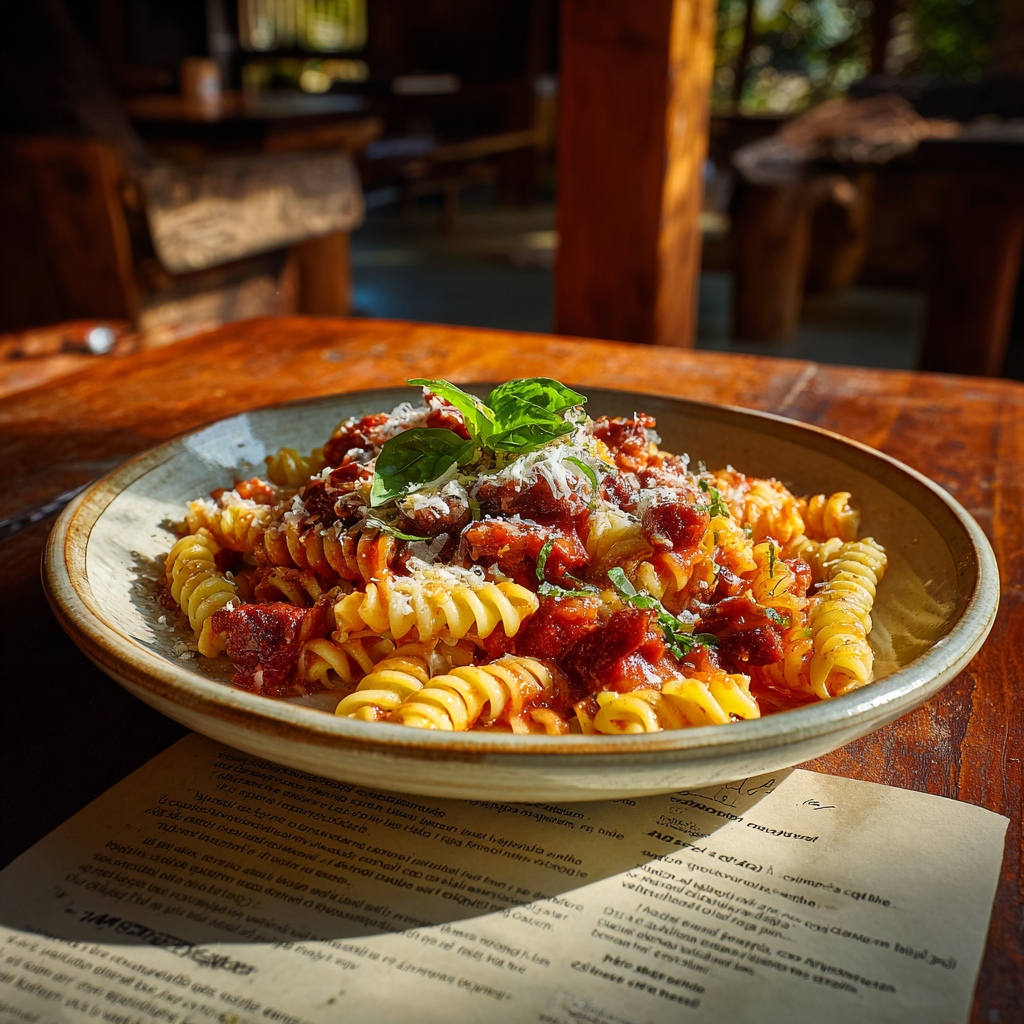
Fileja Pasta Recipe Calabria (Traditional Calabrian Spiral Pasta with Tomato, Soppressata & Caciocavallo)
Ingredients
Method
- Soak dried porcini in warm water for 20 minutes. Drain and keep a few spoonfuls of the soaking liquid. Cut guanciale and soppressata into small cubes.
- Mix flour and water until firm. Knead for 5–7 minutes until smooth. Rest in the fridge, then bring to room temperature for 30 minutes. Roll small ropes and twist each around a thin rod (ferro). Lightly flour so they don’t stick.
- Heat olive oil in a wide pan.
- Add guanciale and soppressata. Cook slowly until golden and fat renders.
- Deglaze with a splash of whiskey or wine.
- Add peeled tomatoes and passata. Break tomatoes gently with a spoon.
- Add the porcini mushrooms and a little soaking liquid.
- Stir in chili and simmer for 15–25 minutes until the sauce thickens and fat emulsifies.
- Bring a large pot of salted water to a boil. Cook the pasta until al dente. Reserve about 1 cup of pasta water.
- Add pasta to the pan with sauce. Toss for 1–2 minutes, adding reserved pasta water a little at a time until the sauce clings.
- Turn off the heat. Add cubed cheese and torn basil. Drizzle with extra virgin olive oil and toss gently. Serve warm with extra grated cheese if desired.
Notes
- If you can’t find fileja pasta, use rigatoni or casarecce; they grip sauce well.
- Always finish with extra virgin olive oil off the heat for the best aroma.
- For milder spice, skip the chili or add it at the end for more control.
- Leftovers reheat beautifully—try baking them with cheese on top for a crisp crust.
- Pair with a simple green salad and a glass of Italian white wine.