
Jump to Recipe
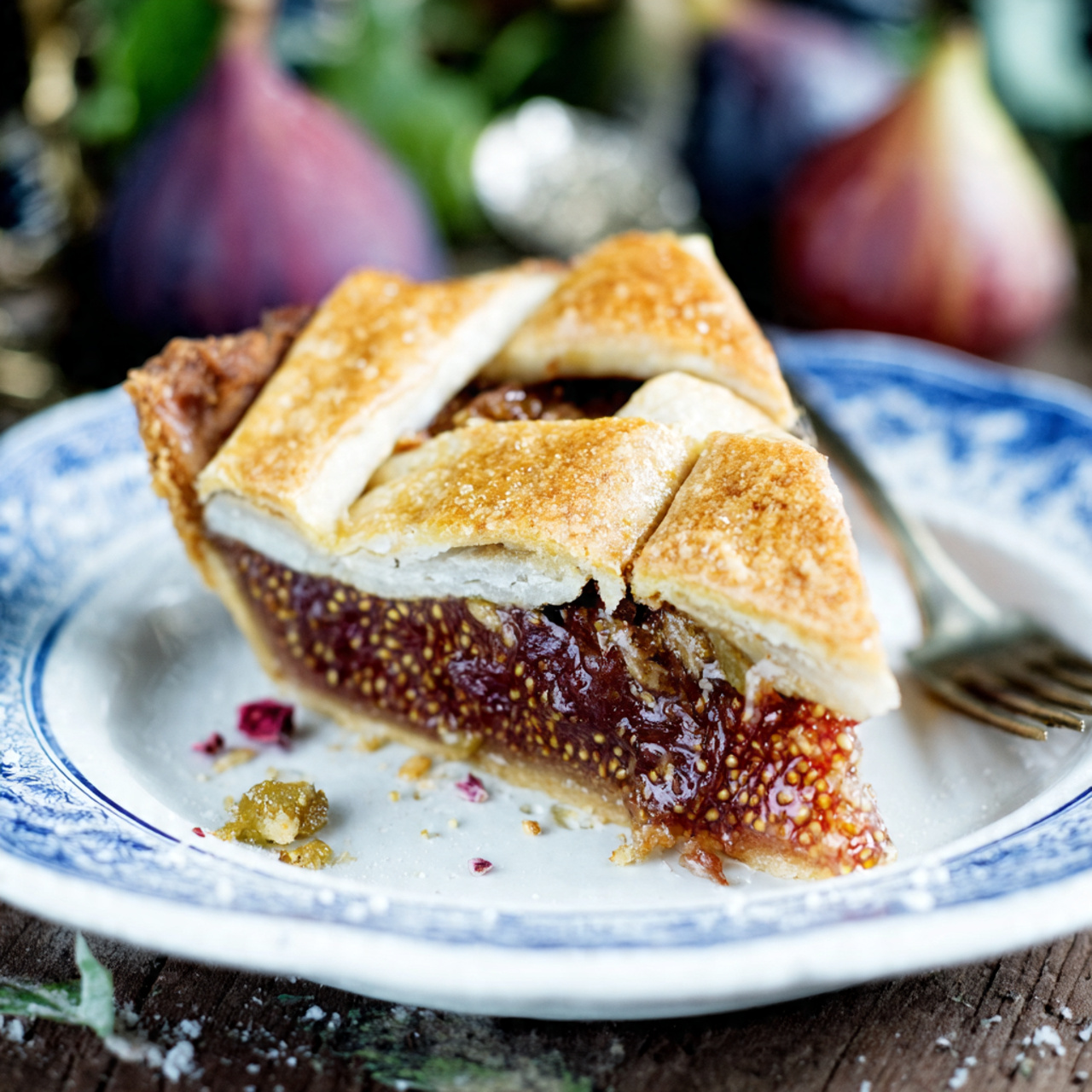
I keep coming back to this fig crostata italian recipe because it marries a tender, buttery crust with a lush filling that smells like late summer and tastes like home.
Welcome into my kitchen. I bake this tart three ways: fresh Black Mission figs simmered with orange zest and spices, rehydrated dried figs blended with nuts and chocolate for a Sicilian spin, or a quick jarred jam shortcut when time is tight.
My method focuses on simple technique so the crust holds its shape and the filling slices cleanly. Expect fraissage for flakiness, docking and blind baking for crispness, and an easy lattice that gives a glossy finish when brushed with egg wash or apple cider syrup.
I’ll point out small cues—how the citrus lifts the filling aroma and the color shift that signals doneness—so you bake by sight and smell. This is for home bakers who want tradition with clear, practical steps and make-ahead options that fit a busy life.
Key Takeaways
- Three filling paths: fresh, dried, or jarred jam to match time and taste.
- Simple crust techniques yield a sturdy, flaky shell every time.
- Sensory cues—zest aroma and color—help you know when it’s done.
- American measurements and tips make the process friendly for home cooks.
- Make-ahead choices let you serve a fresh tart without last-minute stress.
Why this rustic Italian tart wins every time
This rustic tart wins me over because a sturdy, tender dough gives the fruit room to shine while still slicing neatly. I pick a not-too-sweet shell so the filling stays front and center.
A touch of butter and restrained sugar makes the crust rich without masking bright fruit notes. Proper flour measure lets you roll and transfer the dough without tearing. Chilling the dough saves you time later; it firms the fat and improves flavor while keeping handling easy.
Docking and blind baking in a steady oven removes air pockets and prevents soggy bottoms. We use weights for an even base, then finish with a simple lattice brushed for sheen. The mixture of citrus, spice, and fresh or dried fruit yields layers of flavor that feel homely and refined.
- The approach is repeatable and forgiving for busy home bakers.
- It adapts by season: fresh summer fruit or pantry jam in winter.
| Element | Purpose | Benefit |
|---|---|---|
| Dough | Structure and tenderness | Slices cleanly; holds filling |
| Blind baking | Prevent puffing | Crisp base; even layers |
| Lattice & finish | Visual and sheen | Artisanal look without fuss |
| Filling mixture | Flavor complexity | Bright, layered bites |
It’s simple comfort food that brings people to the table.
What you’ll need: ingredients, tools, and smart substitutions
Good pastry starts at the prep table; here’s what to gather so the bake runs smoothly and the filling sings.
Fruit and jam choices
Pick fresh Black Mission figs that cook down with orange juice, apple cider syrup, brown sugar, and honey for a spoonable preserve. Dried figs rehydrate in orange, water, and a splash of Marsala then blend with nuts and chocolate for a cuccidati spin.
When time is tight, a good jar of fig jam gives a thick, reliable layer and speeds assembly.
Dough essentials
For the crust gather cups all-purpose flour, cold unsalted butter, a little sugar, salt, and baking powder. Add citrus zest for perfume. Pulse in a food processor until butter pieces are the size peas; that keeps flakes while the dough still holds together.
Helpful tools
- A removable-bottom tart pan or sturdy rectangular pan for clean edges.
- Parchment paper and pie weights to dock and blind bake for a crisp base.
- A bowl for mixing if you prefer hand work, though the processor makes fast, cool work.
- Keep a small cup of water or orange juice nearby to coax fresh fruit into jammy texture without scorching.
| Item | Purpose | Smart swap |
|---|---|---|
| Fresh Black Mission figs | Bright, spoonable conserve with orange | Dried figs rehydrated for nutty depth |
| cups all-purpose flour | Structure and tender crumb | Half-AP / half pastry flour for extra flake |
| unsalted butter | Richness and layers | Use butter pieces chilled; cold vegetable shortening for higher tolerance in heat |
| tart pan + parchment paper | Even bake and easy unmold | Rectangular pan (8″x11″) if you want slices |
Step-by-step fig crostata italian recipe
I’ll walk you through making the dough, par-baking the shell, cooking a glossy filling, and finishing with a warm, golden lattice.
- Make the dough. Pulse flour, sugar, zest, and salt in a food processor until cold butter pieces look like size peas. Add ice water and a splash of vinegar just until it begins to come together, then use a quick fraissage by hand to finish. Wrap and chill for at least 30 minutes.
- Roll and blind bake. Roll the chilled dough and fit it into an 8″x11″ tart pan, 11″x7″, or a 12″ round. Dock the base, line with parchment paper and weights, and bake at 425°F for 15 minutes. Remove weights and bake 15 minutes more so the base stays crisp.
- Cook the filling. Simmer fresh fruit with orange juice, unsalted butter, apple cider syrup, a touch of brown sugar, thyme, and cardamom until jammy—about 30 minutes. For a shortcut, spread a good jar of fig jam in an even layer.
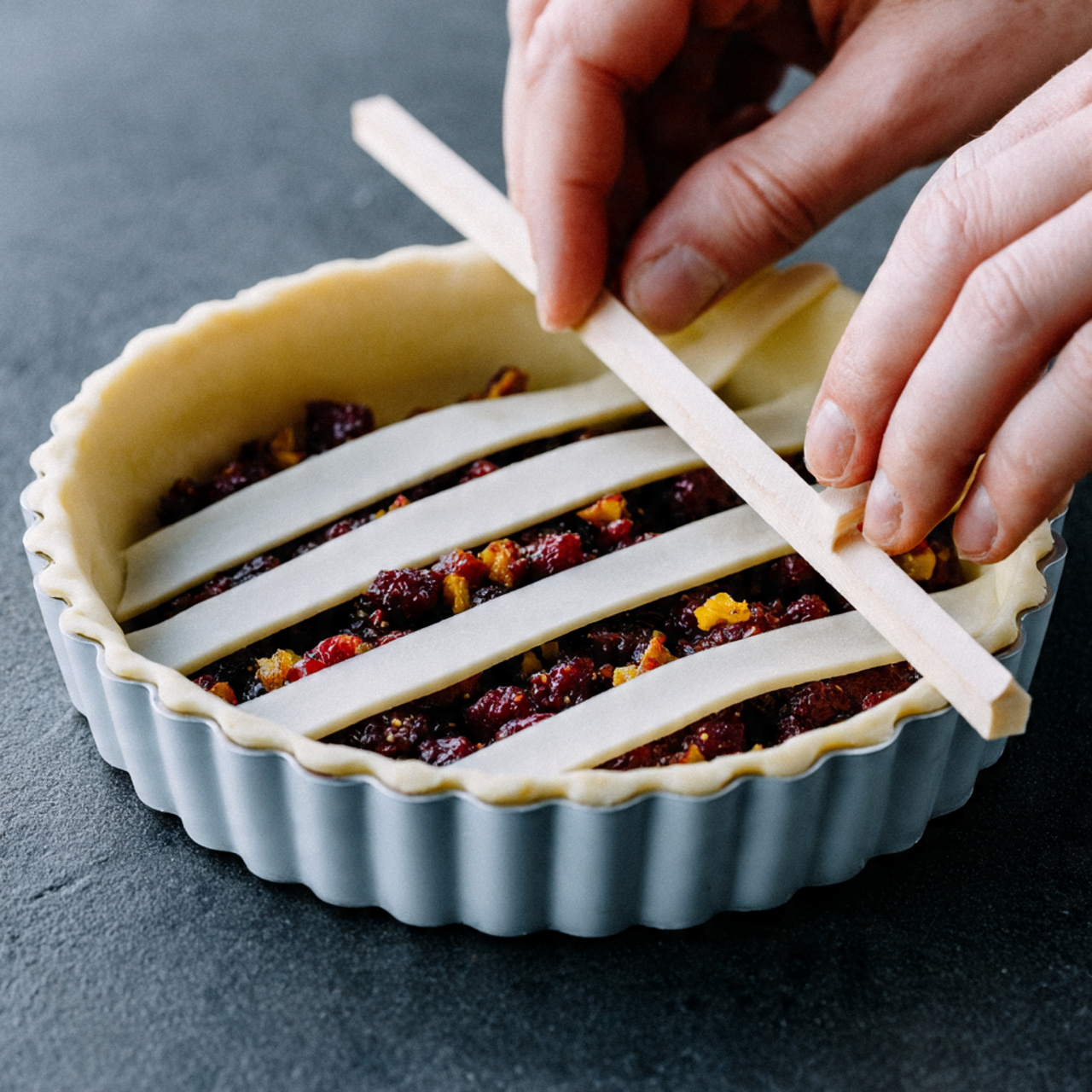
- Assemble the top. Cool the par-baked shell slightly. Spread the filling, then weave strips to form a simple lattice top. Brush with water and turbinado, an egg wash, or a light apple cider syrup for shine.
- Bake and cool. Return the tart to the oven at 400°F and bake minutes—roughly 30 minutes—until the lattice is golden and the filling bubbles at the edges. Remove oven, cool until the juices thicken, then unmold and slice with a sharp knife.
| Step | Timing | Why it matters |
|---|---|---|
| Blind bake | 425°F, 15 + 15 minutes | Prevents a soggy bottom and keeps edges crisp |
| Filling simmer | ~30 minutes | Concentrates flavor and thickens juices |
| Final bake | 400°F, ~30 minutes | Sets the filling and browns the lattice |
Pro tips from Italian kitchens: texture, timing, and flavor
A few kitchen habits separate a good tart from a great one. Focus on feel, oven cues, and small adjustments so each bake is repeatable and friendly for home cooks.
Flaky crust secrets
Keep the dough cold and work quickly. Pulse flour and butter, then use fraissage once or twice to smear and align the fat.
Small butter pieces show up as pockets of lift. Rest the dough until it presses without cracking but still feels cool.
Dialing in the filling
If fresh fruit feels firm, add a splash of water and simmer about 30 minutes until jammy. For jarred jam, use a bit less to avoid overflow under the lattice.
Oven cues that matter
Watch for a golden top and a toasty edge. You should smell citrus, butter, or caramel notes when the minutes near finish.
- For flake: pulse until shaggy, then fraissage to layer the flour and butter.
- If the mixture looks dry, let it barely come together before finishing by hand.
- Dock and blind-bake fully to prevent a soggy bottom; give the base one extra minute if you want a crisper finish.
| Check | Sign | Action |
|---|---|---|
| Rest | Dough presses without cracking | Proceed to roll |
| Filling | Bubbles and thick texture | Cool slightly before filling |
| Oven | Golden top | Remove and cool on rack |
Serving, storage, and make-ahead
Make-ahead work gives you calm time on the day guests arrive. I often have the dough made two days ahead and the jam filling ready the day before. That simple plan turns a busy afternoon into an easy finish.
How to serve
Serve slightly warm or at room temperature so the jam sets and slices hold cleanly. Pair a slice with espresso, a glass of Vin Santo, or a pot of tea for a true pause in the day.
Plan ahead and store
Keep the dough made in the fridge up to two days. The filling keeps a day longer. For an easy make move, prebake the shell, cool, and store airtight until assembly.
- Bake minutes earlier, then remove oven and let the tart rest in the pan before unmolding for clean edges.
- The tart travels well in a snug pan; cover and carry it as-is for gatherings.
- Leftovers keep covered at room temp for a day or two, or refrigerated in warm kitchens.
- To refresh, warm slices briefly; a small splash of water in the oven creates steam that revives the crust.
| Task | Timing | Why |
|---|---|---|
| Dough made | Up to 2 days refrigerated | Makes rolling faster and layers more relaxed |
| Filling (fig jam) | Prepare the day before | Flavors meld and reduce assembly time |
| Prebake shell | Earlier same day | Store airtight; finish with jam and quick bake before serving |
| Transport in pan | Same day | Protects structure; easy to slice at arrival |
A sweet slice of Italy to finish on
Finish with a slice that feels like a holiday—simple, honest, and full of sweet, sun-warmed fruit.
Trust the cues: a glossy lattice top, gentle bubbling at the edge, and a warm aroma tell you it needs just a few more minutes in the oven. Par-bake the shell so the dough stays crisp. Use fresh figs for a bright compote, dried fruit for a nutty cuccidati twist, or a jar of good fig jam for speed.
Slice from a cool pan so pieces hold. A light glaze, a pinch of salt in the dough, and a patient five minutes of cooling make the difference between nice and memorable. Take it to your table and watch it disappear.
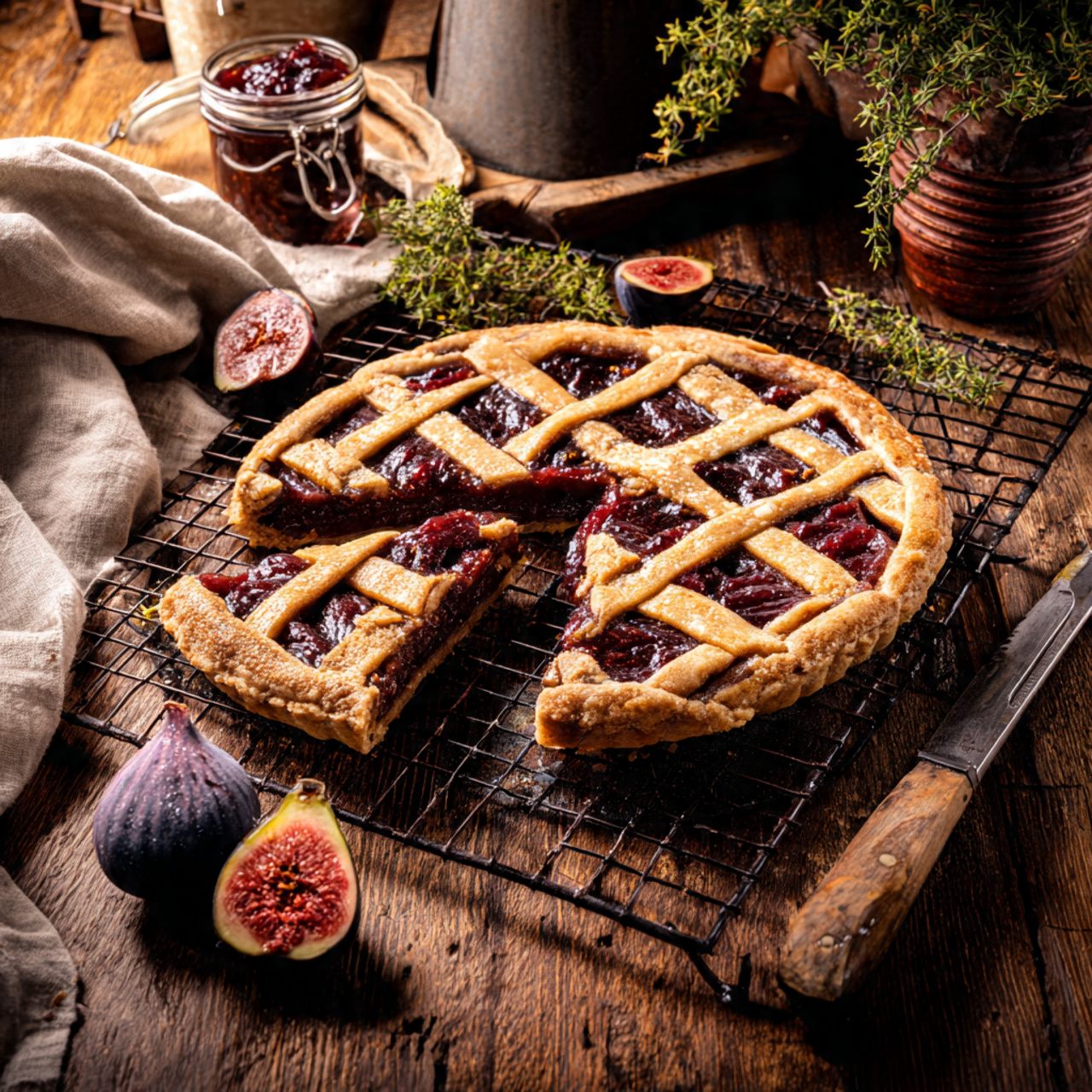
Fig Crostata (Rustic Italian Fig Tart)
Ingredients
Method
- Add flour, sugar, salt, baking powder, and citrus zest to a food processor.
- Add cold butter and pulse until the pieces look like small peas.
- Add ice water and a splash of vinegar, pulsing just until the dough starts to come together.
- Turn it out and use a quick fraissage (smear the dough once or twice with your palm).
- Form into a disk, wrap, and chill at least 30 minutes.
- Roll the chilled dough and fit it into an 8"x11" rectangular tart pan or a 12" round pan.
- Dock the base with a fork.
- Line with parchment and fill with pie weights.
- Bake at 425°F for 15 minutes, remove weights, and bake 15 minutes more until lightly golden.
- Fresh figs:
- Add chopped figs, orange juice, butter, brown sugar, honey, apple cider syrup, and spices to a pot.
- Simmer 25–30 minutes until thick and jammy.
- Heat dried figs with water, orange juice, and Marsala until soft.
- Blend or mash, then add nuts and chocolate.
- Ready to use as-is.
- Spread your filling inside the warm par-baked shell.
- Roll the remaining dough and cut into strips.
- Weave a simple lattice on top.
- Brush with egg wash, syrup, or water + sugar.
- Bake at 400°F for about 30 minutes, until the lattice is golden and the edges of the filling bubble.
- Cool until the filling sets.
- Slice with a sharp knife.
Notes
- Fresh figs give the brightest fruit flavor; dried figs give a deeper, Sicilian-style taste.
- Blind baking is key — it keeps the crust crisp and stops the bottom from getting soggy.
- If your filling looks too thick, loosen it with a splash of orange juice.
- If using jarred jam, don’t overfill the tart or it may bubble over the lattice.
- The tart slices best once it has cooled and the filling has set.