
Jump to Recipe
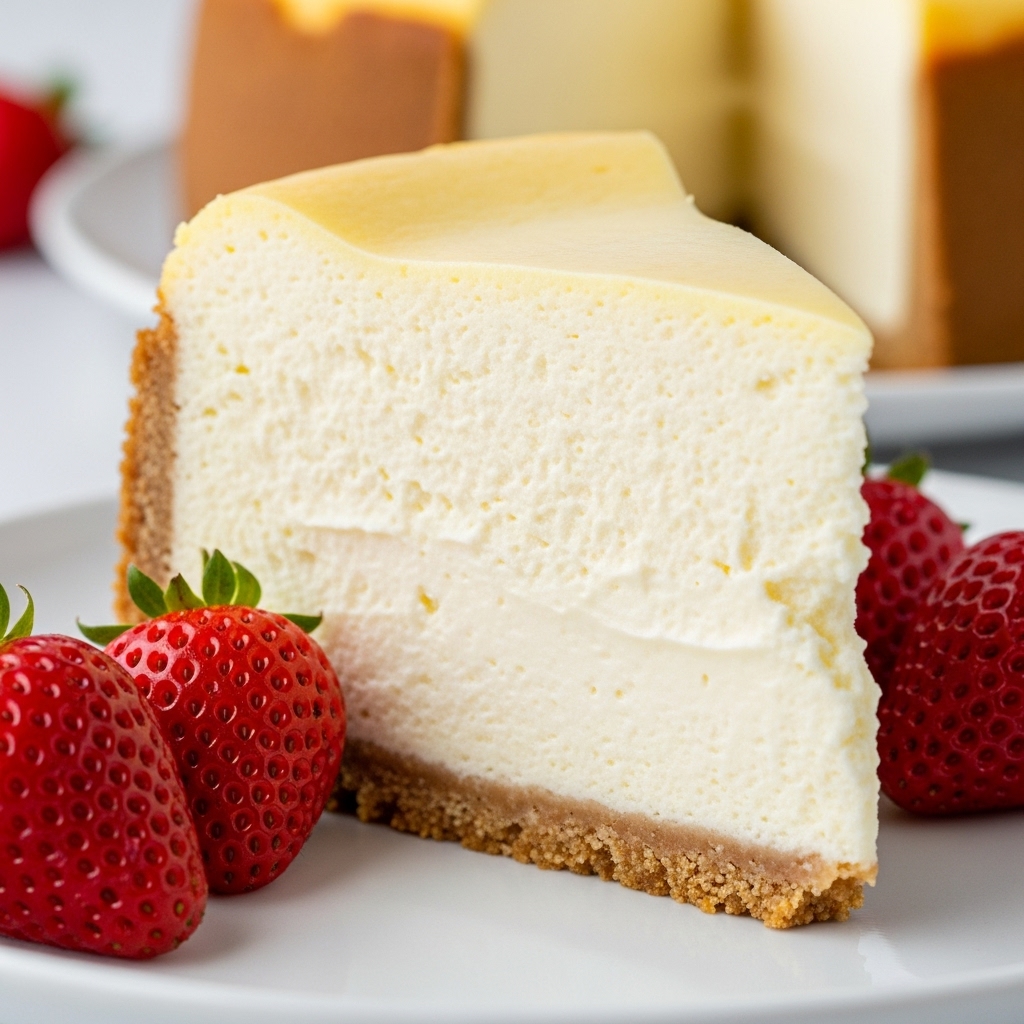
Mascarpone cheesecake italian is the kind of dessert that fills a kitchen with warm, milky aroma and quiet family memories.
I make this recipe with whole-milk ricotta and a touch of mascarpone, folding whipped egg whites in for a fluffy, silky texture that still feels indulgent but light. The crust comes from graham crackers or classic Oro Saiwa cookies mixed with melted butter and a spoon of sugar, pressed into a 9-inch springform pan for easy release.
I bake it low and slow at 300°F until the center holds a faint wobble, then cool it gently in the oven and chill overnight so slices cut clean and the flavor settles. Fresh strawberries or a dollop of whipped cream brighten each bite, but the cake stands beautifully on its own with a cup of coffee.
Key Takeaways
- Blend ricotta with a little mascarpone for a silky, lighter cheese base.
- Whip egg whites to stiff peaks and fold gently to keep the batter airy.
- Use a graham cracker or Oro Saiwa crust in a 9-inch springform pan for best texture.
- Bake at 300°F low and slow, cool in the oven ajar, then chill several hours or overnight.
- Serve plain or with fresh strawberries and whipped cream for a simple, elegant dessert.
Why this ricotta-mascarpone cheesecake wins on flavor and texture
This version wins because it swaps some cream cheese for whole-milk ricotta and a touch of mascarpone, so the filling feels silky yet light. I fold whipped egg whites into the batter to trap air. The result is a cake that lifts gently when you cut it.
The bake is calm and slow at about 300°F for roughly 90 minutes. That low oven time lets proteins set without tightening into a rubbery bite. An overnight chill finishes the job, turning a mousse-like center into a clean, sliceable dessert.
- New York style relies on cream cheese for dense heft; our approach blends ricotta and mascarpone for a softer set.
- Whipped eggs are the quiet hero — they lighten texture and make forks glide through.
- Vanilla and restrained sugar highlight milk and cheese flavor instead of masking it.
- A crisp graham or Oro Saiwa crust gives a pleasant contrast to the tender filling.
Ingredients and tools for an authentic result
A well-prepared mise en place saves time and keeps the filling silky and smooth. Below I list exact ingredients and the small kit of tools that make this dessert reliable every time.
Cheeses and dairy
Use whole-milk ricotta (250 g) and mascarpone cheese (250 g), both at room temperature. If your ricotta seems watery, let it drain briefly—drier cheese gives a cleaner set and better texture.
Crust essentials
For the crust: 200 g (about 2 cups) graham cracker or Oro Saiwa crumbs, 30 g sugar, and 110 g melted unsalted butter. Pulse crumbs and sugar in a food processor, then add melted butter until the crumbs hold when pressed.
Filling and flavor
Filling: 100 g sugar, 1 tsp vanilla extract, 1 tbsp cornstarch or potato starch, 3 eggs separated, and a pinch of salt. Separate eggs carefully; yolks go into the batter, whites are whipped for lift.
Equipment checklist
- 9-inch springform pan (essential for clean release)
- Mixer (stand or hand), food processor, and a flexible spatula
- Bowls for separating eggs, a measuring scale, and an oven preheated to 350°F for the crust, then reduced to 300°F for baking the cake
Step-by-step: from crust to chill time
Begin with the pan and crust—those first steps set up clean slices and steady baking. Preheat the oven to 350°F for the crust and line a 9-inch springform pan with a thin parchment round for an easy release.
- Pulse graham cracker crumbs, sugar, and melted butter in a food processor until the mix is sandy and holds when pressed. Press the crumbs firmly across the bottom and about 1 inch up the sides so the crust supports each slice.
- Blind-bake the crust at 350°F for about 8–10 minutes. Remove and reduce the oven to 300°F while you finish the filling.
- In a clean bowl, whip egg whites with a pinch of salt to stiff, glossy peaks. Set aside; this lift keeps the cake light.
- In another bowl, beat ricotta and mascarpone cheese with sugar and starch just until smooth. Add egg yolks one at a time and stir in vanilla. Mix only until combined to avoid overworking the mixture.
- Fold the whipped whites into the cheese mixture gently, turning the bowl and lifting to keep air in the batter. Spoon into the prepared pan and smooth the top.
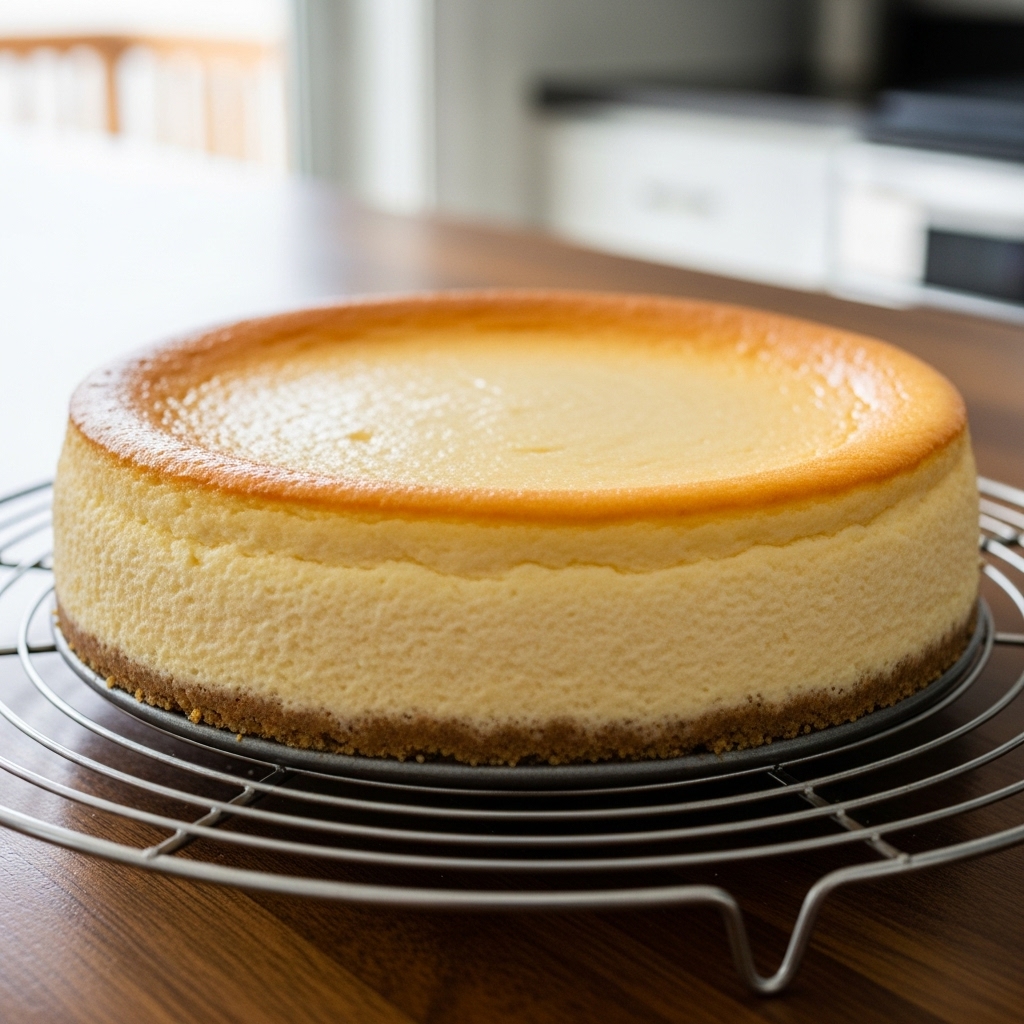
- Bake cheesecake at 300°F for about 90 minutes until the top is lightly golden and the center has a faint wobble. Avoid jostling the pan.
- Turn the oven off and let the pan cool with the door ajar for about 20 minutes. Then cool to room temperature, cover, and chill at least hours or overnight for best texture and clean slices.
- Use a clean bowl and dry whisk for stiff egg whites.
- Press crust firmly so the bottom stays crisp under the filling.
- Patience at cooling time prevents cracks and ensures neat slices.
mascarpone cheesecake italian: pro tips for bakery-level results
Achieving a bakery-level finish is mostly about gentle handling and patient timing. I keep steps simple so home cooks can repeat them with calm confidence.
Room-temperature ingredients are non-negotiable
Bring ricotta, mascarpone, cream and eggs to room temperature. Warm dairy blends smoothly and the mixture stays silky without overworking.
How to prevent cracks and keep the texture silky
Bake low and slow at 300°F and cool the cake in the turned-off oven with the door ajar. This slow temperature change cuts stress on the surface and helps avoid cracks.
For extra insurance, place a pan of hot water on the rack below to add moisture to the oven. Trust visual cues: lightly golden top and a slight central wobble mean you’re done.
When to strain ricotta—and when you don’t need to
If your ricotta releases water, drain it briefly in cheesecloth. Many U.S. brands are firm enough to skip straining and save one extra step.
- Bring cheeses and eggs to room temperature before mixing.
- Fold whipped whites gently to keep air and texture.
- Add a teaspoon of vanilla extract; don’t mask the cheese flavor.
- Secure your springform pan and line the base for clean release.
- Use a little starch in the batter to support neat slices after chilling for one time overnight.
Smart swaps, flavors, and topping ideas
A few smart swaps unlock new flavor paths without changing the method you already trust. These ideas keep the base recipe intact while letting you personalize crusts, fillings, and finishes.
Crust variations
Swap the standard crumbs for chocolate cookies to add a deep cocoa note, or use digestive biscuits for a classic European taste. Stir in finely chopped hazelnuts or almonds for a crunchy layer.
- Match melted butter to the cookie’s fat—richer cookies may need a touch less butter to keep the crumb cohesive.
- If you prefer a thinner base, press crumbs only on the bottom; bring crumbs up the sides for sturdier slices in the pan.
Filling twists
Brighten the mixture with lemon or orange zest. A small splash of cream makes the filling silkier without upsetting the set.
Adjust ricotta and mascarpone ratios: more mascarpone for plush richness; more ricotta for a lighter, cleaner profile. Add a measured dash of vanilla extract and a little sugar to taste before folding in whipped whites.
Toppings to finish
Keep it simple: fresh berries and a spoonful of strawberry sauce, a dark chocolate ganache, or a light caramel drizzle. Reserve a few berries for the center and spoon a glossy sauce around the edge for a bakery-style slice.
Troubleshooting and cheesecake science
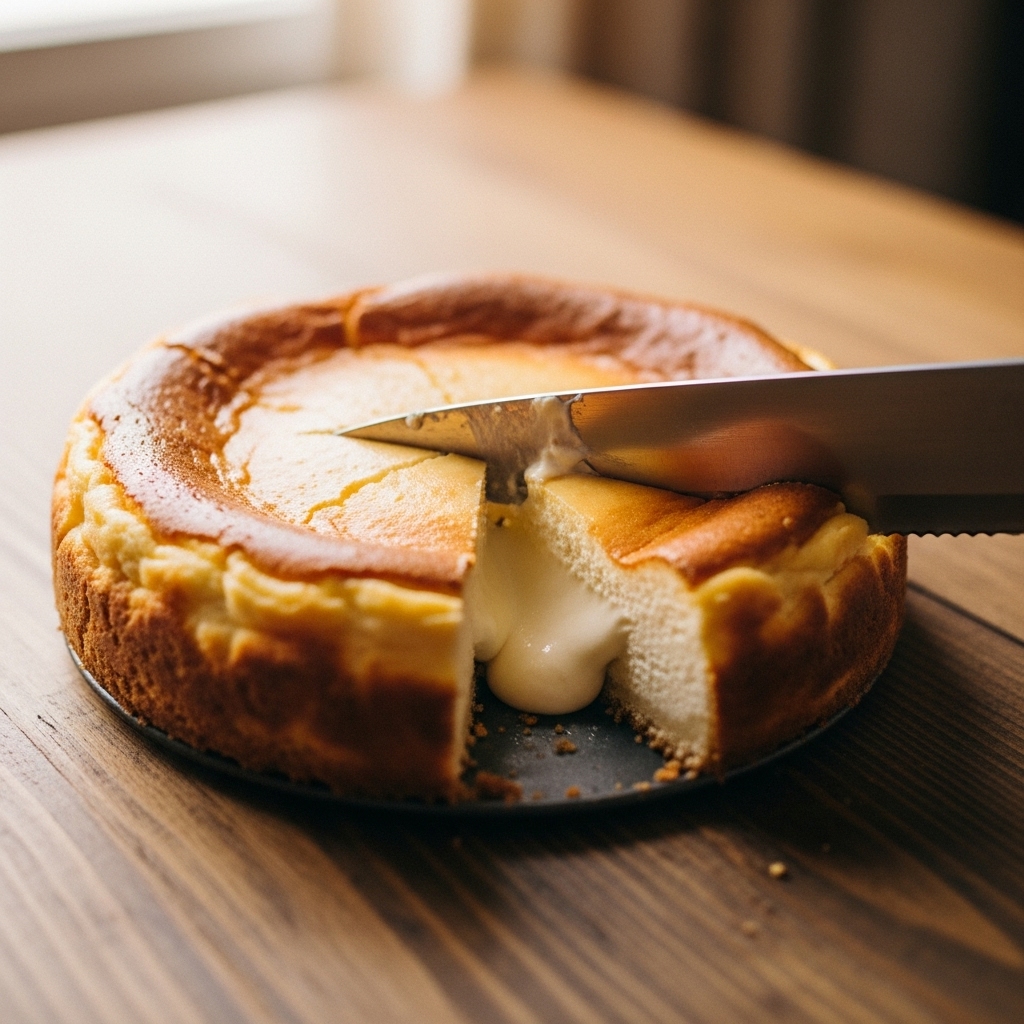
When your cake looks set at the edges but still jiggles in the middle, that gentle wobble is the goal. It shows proteins set while the center finishes with carryover heat. Turn the oven off, crack the door, and let the pan cool slowly to cut stress and avoid cracks.
Wobbly center vs. overbaked: reading doneness like a pro
Look for a lightly golden top, firm edges, and a soft center that moves but does not slosh. A rigid center usually means overbake. If the center seems too loose, add a few minutes and recheck. Cooling time in the oven and an overnight chill make slices clean and improve flavor.
Why folding egg whites changes structure and mouthfeel
Whipped whites trap tiny air bubbles. Folding them into the mixture keeps those pockets intact and yields an airy, mousse-like texture. Overmixing or cold ingredients can break curds and make the texture grainy. Bring cheeses and eggs to room temp and fold gently.
- Water baths buffer temperature swings and protect the surface.
- Starch adds gentle support so slices hold without becoming tough.
- Grease and line your springform pan to avoid sticking and tearing.
| Problem | Visible sign | Quick fix |
|---|---|---|
| Overbaked | Dry, cracked top; rigid center | Lower oven temp next time; shorten bake time |
| Undercooked center | Liquid slosh or very loose jiggle | Return to oven a few minutes; aim for slight wobble |
| Grainy texture | Visible curds or separation | Use room-temp cheese, mix gently, avoid overbeating |
Serve, store, and savor every slice
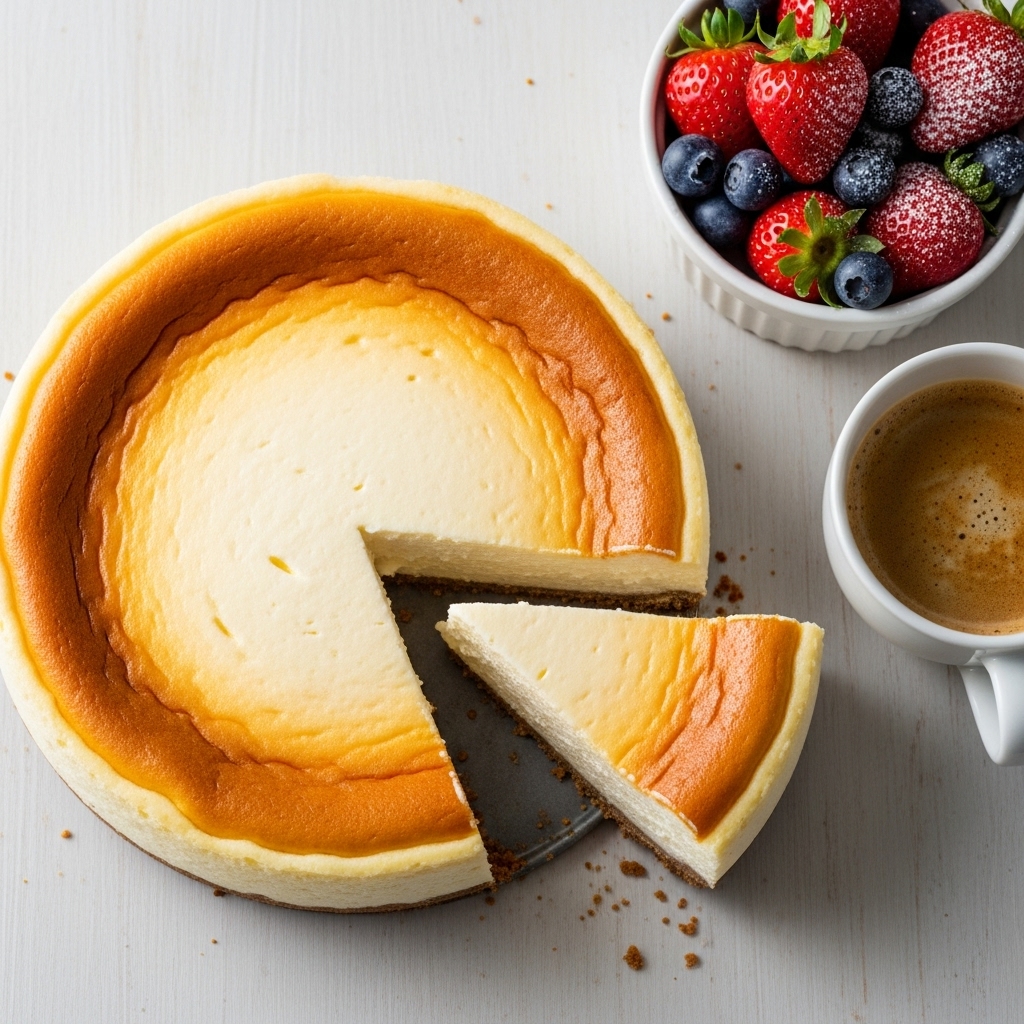
Let the cake cool to room temperature, then cover and chill for at least 4 hours or, better yet, overnight. A full chill gives clean slices and lets the cheese flavors settle so the dessert tastes balanced.
When you serve, warm a thin knife under hot water, dry it, and cut with steady strokes. Run a clean knife around the springform pan before you release the sides to avoid tearing the edges. If condensation appears, blot gently before decorating.
Keep the cheesecake refrigerated and covered; it stays fresh 3–4 days and often peaks on day two. To freeze, chill completely, wrap tightly in plastic and foil, and store up to 2–3 months. Thaw overnight in the fridge and garnish with softly whipped cream, fresh berries, or a small spoon of sauce before sharing.
Mascarpone Ricotta Cheesecake
Ingredients
Method
- Preheat oven to 350°F (175°C).
- Line the bottom of a 9-inch springform pan with parchment.
- Pulse crumbs and sugar in a food processor.
- Add melted butter and mix until the crumbs hold together when pressed.
- Press mixture firmly into the bottom and about 1 inch up the sides of the pan.
- Bake for 8–10 minutes, then remove from the oven.
- Reduce oven temperature to 300°F (150°C).
- In a clean bowl, whip egg whites + pinch of salt to stiff, glossy peaks. Set aside.
- In another bowl, mix ricotta, mascarpone, sugar, and starch until smooth.
- Add egg yolks one at a time, then stir in vanilla.
- Gently fold the whipped whites into the cheese mixture, keeping as much air as possible.
- Pour the batter into the crust and smooth the top.
- Bake at 300°F for about 90 minutes, until edges are set and the center has a slight wobble.
- Turn the oven off, crack the door open, and let the cheesecake cool inside for 20–30 minutes.
- Cool to room temperature.
- Cover and chill for at least 6 hours, or preferably overnight, for clean slices.
- Slice with a warm, clean knife.
- Serve plain or with fresh strawberries or lightly whipped cream.
Notes
- Bring cheeses and eggs to room temperature—this keeps the filling smooth instead of grainy.
- If your ricotta looks wet, drain it for 20–30 minutes.
- A pan of hot water on the rack below (not a full water bath) helps prevent cracks.
- Slight wobble in the center means the cake is perfect. It sets fully once chilled.